US Delays Arms Deliveries to Europe Amid Escalating Iran Conflict
Washington prioritizes replenishing depleted arsenals, causing significant delays in weapons shipments to European allies and approving major arms sales to Middle Eastern partners.
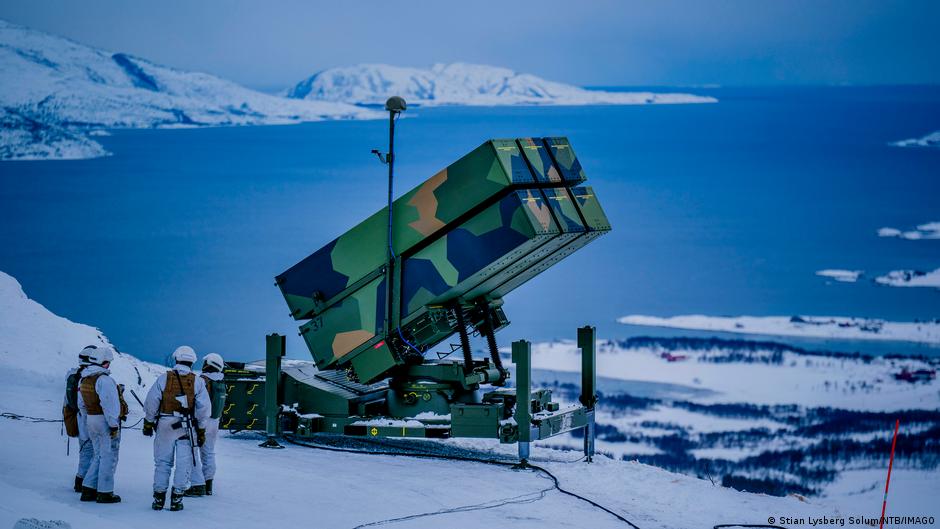
The United States has informed its European allies, including the United Kingdom, Poland, Lithuania, and Estonia, of significant delays in arms deliveries due to urgent efforts to replenish American arsenals depleted by the ongoing conflict with Iran.
According to multiple sources, these delays affect critical munitions for missile systems such as NASAMS and HIMARS, widely deployed among US partners. Similar measures are reportedly under discussion for Asian allies like Japan and South Korea.
Strategic Reallocation of Military Resources
The Pentagon is reportedly reviewing new requests from allies and existing weapons transfers to align with current operational priorities. This realignment reflects the high demand on US military resources driven by heightened hostilities in the Middle East, necessitating rapid replenishment of depleted stockpiles.
"The ongoing conflict with Iran has placed unprecedented strain on American military inventories, forcing a reassessment of global arms commitments," said a defense analyst.
European countries relying on the NASAMS air defense system, such as Taiwan, Norway, Finland, Spain, the Netherlands, Lithuania, Indonesia, Australia, Hungary, Ukraine, Denmark, Qatar, and Oman, are facing uncertainties regarding timely supply. For HIMARS rocket systems, used by fourteen partners—including Ukraine, Poland, and Estonia—the impact is similarly significant.
For Kyiv, which has depended heavily on US military aid throughout the protracted conflict with Russia, these delays represent a major setback. A senior Ukrainian official described the disruptions as a persistent issue since the outset of the US and Israeli military engagements with Iran.
Meanwhile, the US Department of State has approved arms export packages worth over $8.6 billion to four Middle Eastern allies—Israel, Qatar, Kuwait, and the United Arab Emirates. Qatar received the largest share at $4 billion, followed by Kuwait with $2.5 billion, Israel at approximately $1 billion, and the UAE around $150 million.
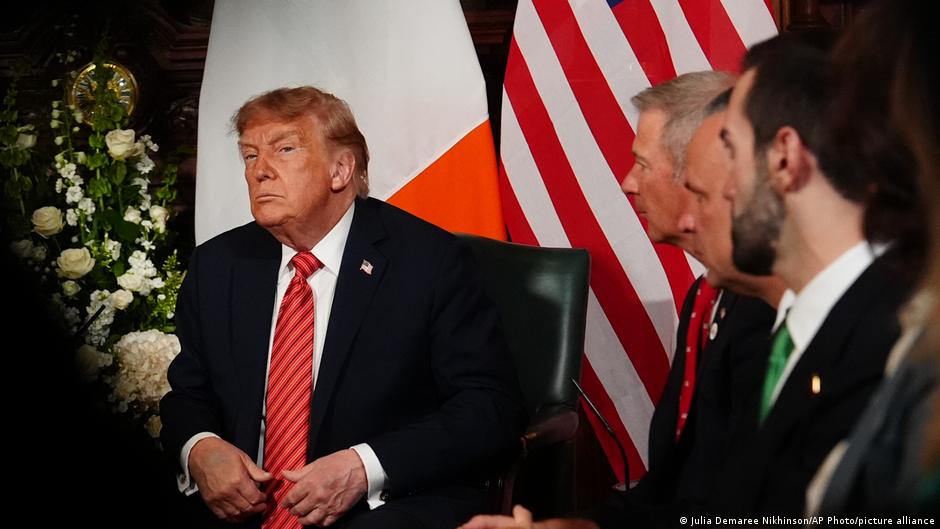
These approvals were expedited under an emergency procedure circumventing the usual Congressional oversight. The US Secretary of State cited "urgent necessity" due to the ongoing conflict with Iran as justification for this measure, even as President Donald Trump officially notified Congress of the conclusion of the conflict.
Global Economic and Security Implications
This shift in US arms distribution priorities signals broader geopolitical and economic consequences. The diversion of military supplies to the Middle East may exacerbate security vulnerabilities in Europe and Asia, potentially influencing defense spending decisions and alliance dynamics.
From an economic perspective, the increased arms sales to the Middle East could bolster US defense manufacturing sectors, yet the delay in supplying European partners might undermine confidence in US commitment and affect long-term strategic partnerships.
Senior decision-makers globally must weigh the ramifications of this realignment on regional security architectures, defense procurement strategies, and the broader geopolitical balance in an increasingly volatile international environment.