Trump Questions FBI Link Between North Korea and $6.3 Billion Binance Hack
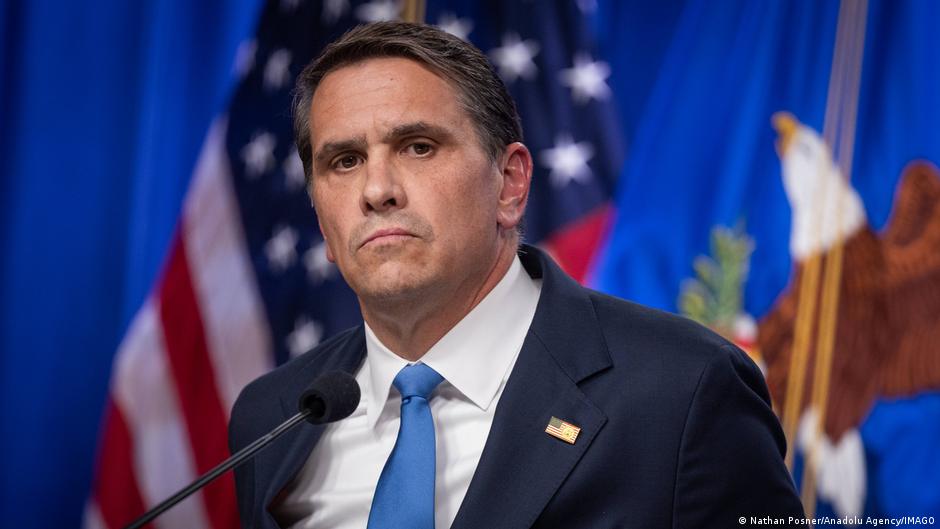
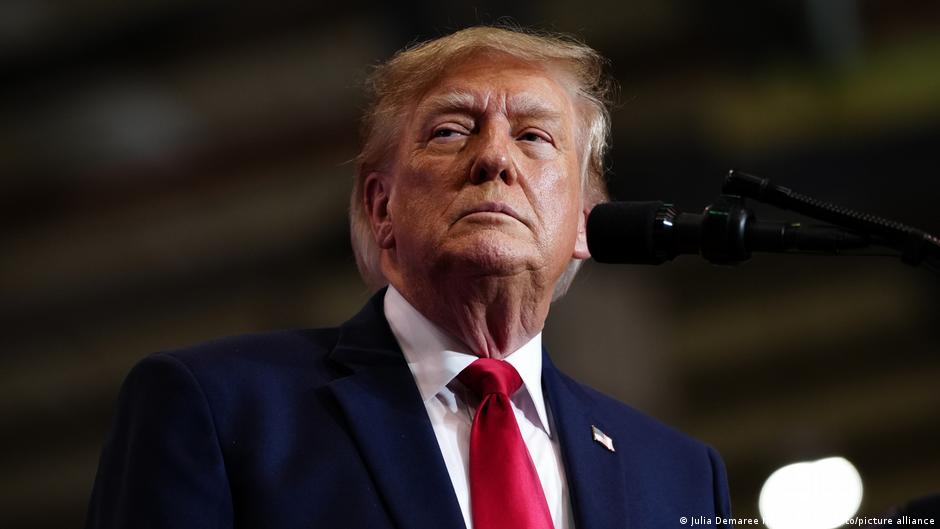
Trump questioned the FBI’s attribution of a $6.3 billion Binance theft to North Korea, highlighting the geopolitical and regulatory risks surrounding global crypto markets.

Trump questioned the FBI’s attribution of a $6.3 billion Binance theft to North Korea, highlighting the geopolitical and regulatory risks surrounding global crypto markets.

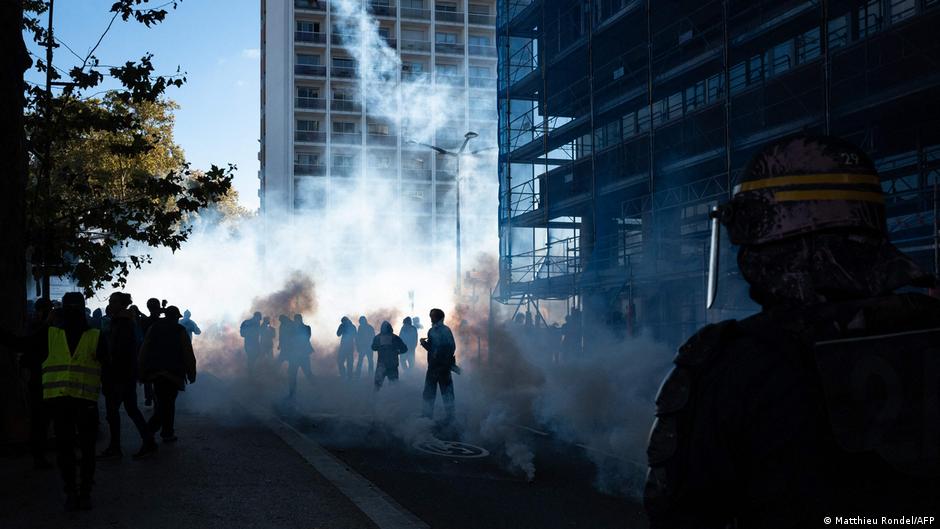
French protest turnout fell to 320,000, but cost-of-living and education grievances continue to pose fiscal and political risks.

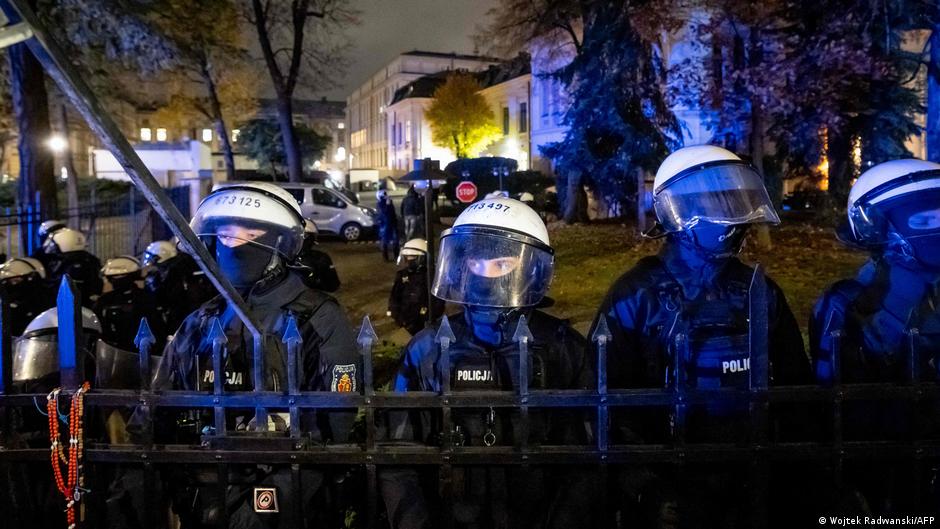
Poland’s tribunal leadership dispute has triggered protests and presidential intervention, intensifying concerns over legal certainty and policy credibility.

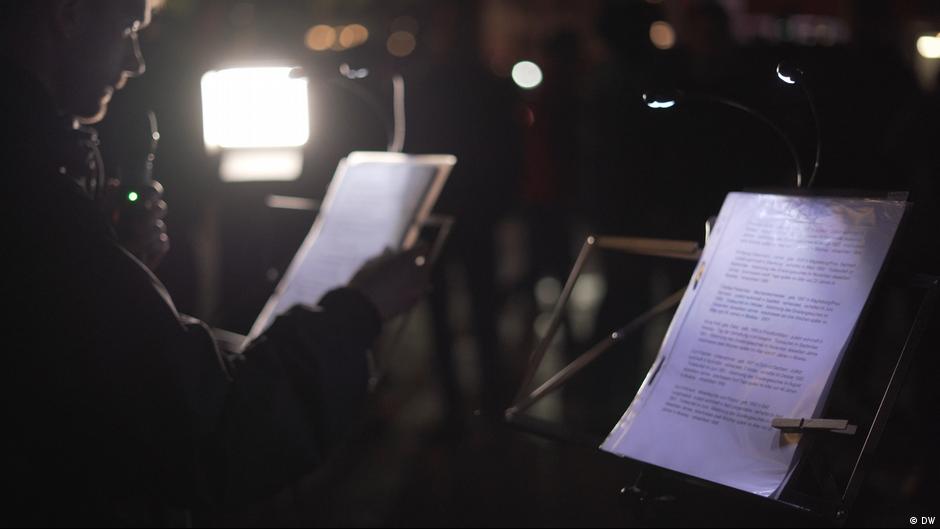
Commemorations in 101 cities reveal how restrictions on Russian civic initiatives are shifting historical-memory work abroad and affecting perceptions of institutional risk.

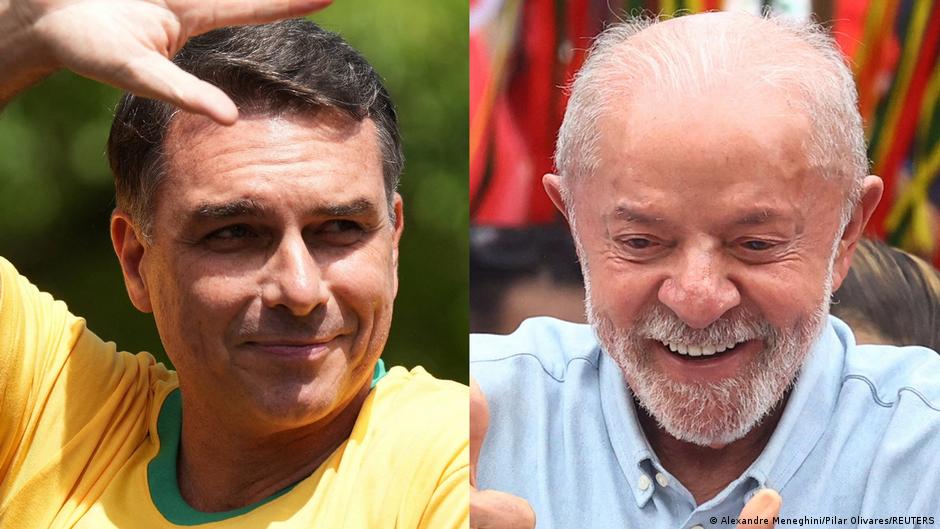
Flávio Bolsonaro’s fraud allegations and departure abroad add institutional uncertainty to Brazil’s policy outlook after Lula’s narrow election victory.

The Pentagon watchdog’s refusal to investigate Starlink disruptions intensifies debate over private control of critical defense communications.

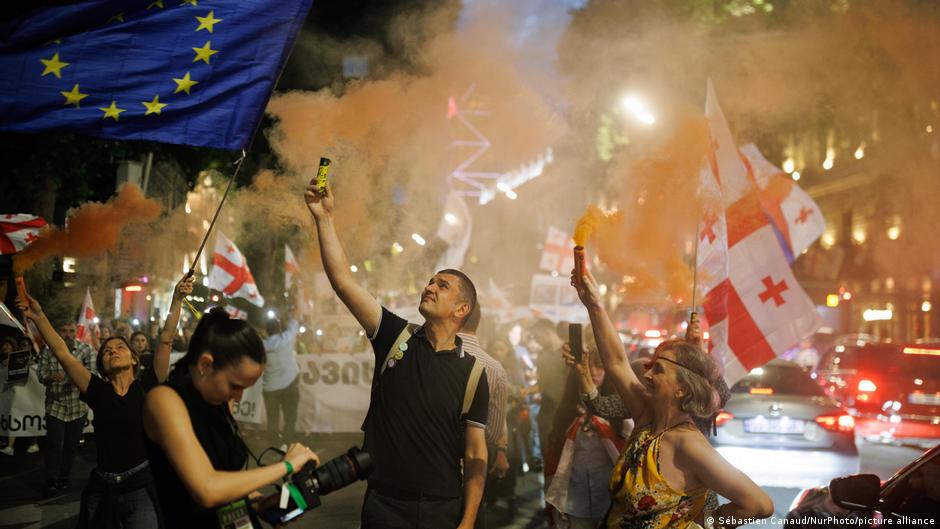
Renewed protests and a possible ban on opposition parties are deepening uncertainty over Georgia’s institutions and European economic trajectory.

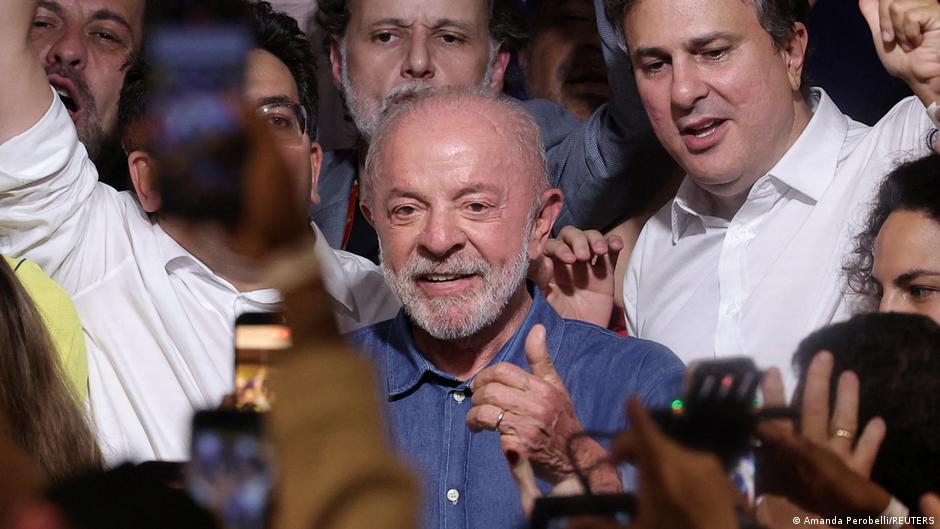
Lula won Brazil’s runoff with 51.8%, but Flávio Bolsonaro’s demand to annul the result adds institutional risk to an already fragile economic outlook.

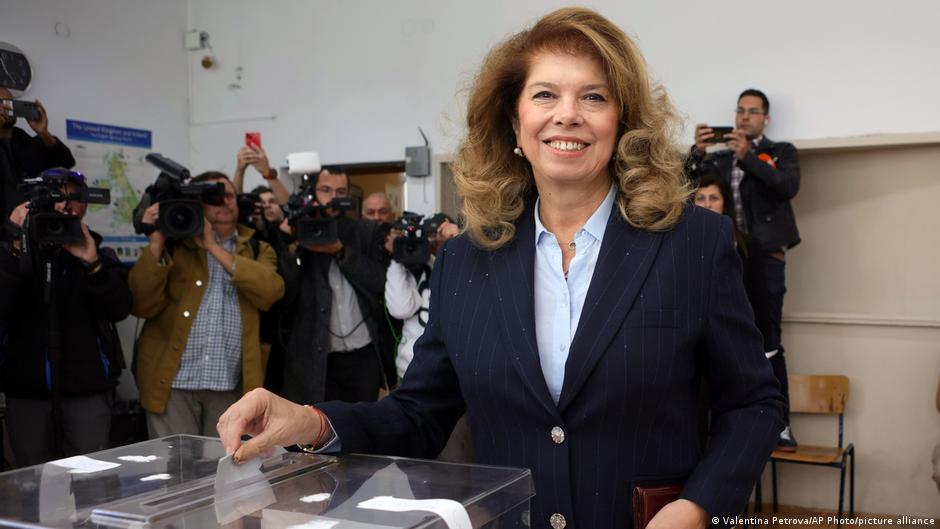
Bulgaria faces a November 1 presidential runoff after low turnout and a close first round intensified uncertainty over security and foreign policy.

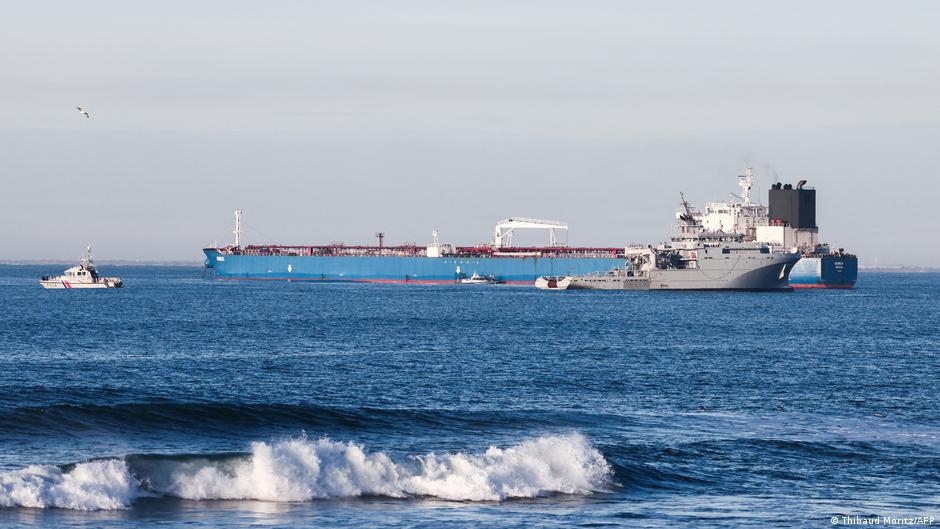
MYRA’s Atlantic distress call highlights the maritime, regulatory and economic risks created by opaque networks carrying sanctioned Russian and Iranian oil.

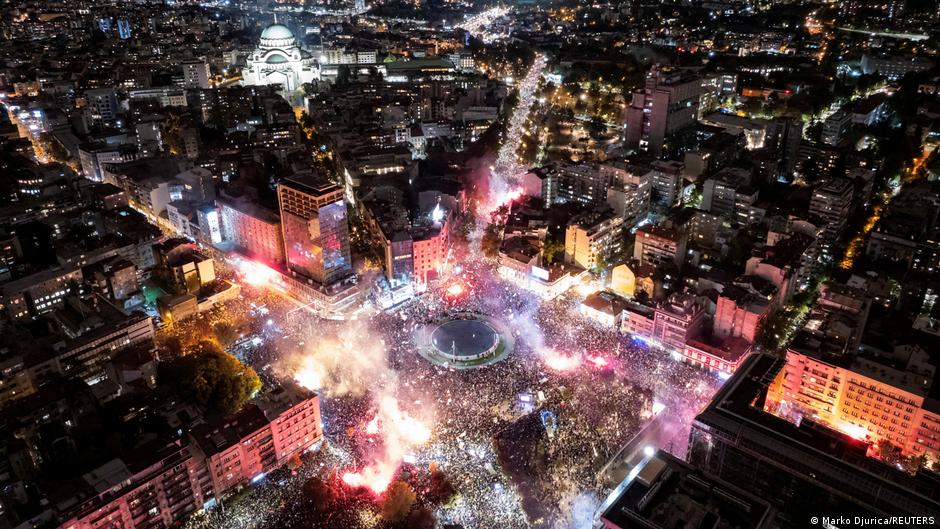
Serbia’s student-led opposition is narrowly ahead in polls as a mass Belgrade rally intensifies pressure on President Aleksandar Vucic before the October 25 election.

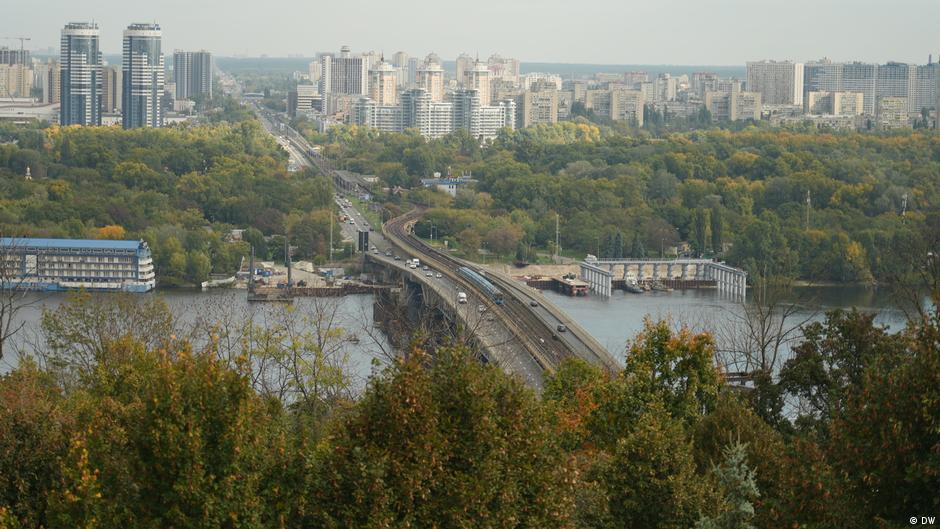
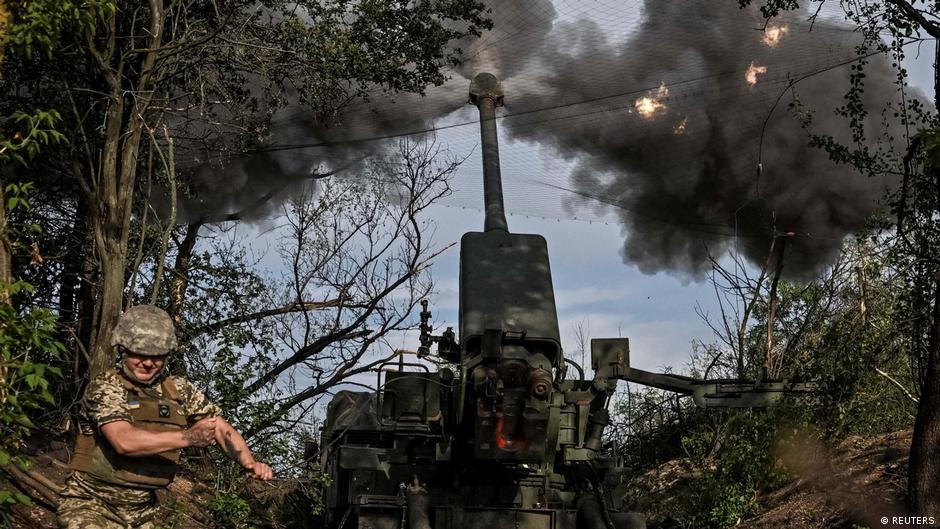
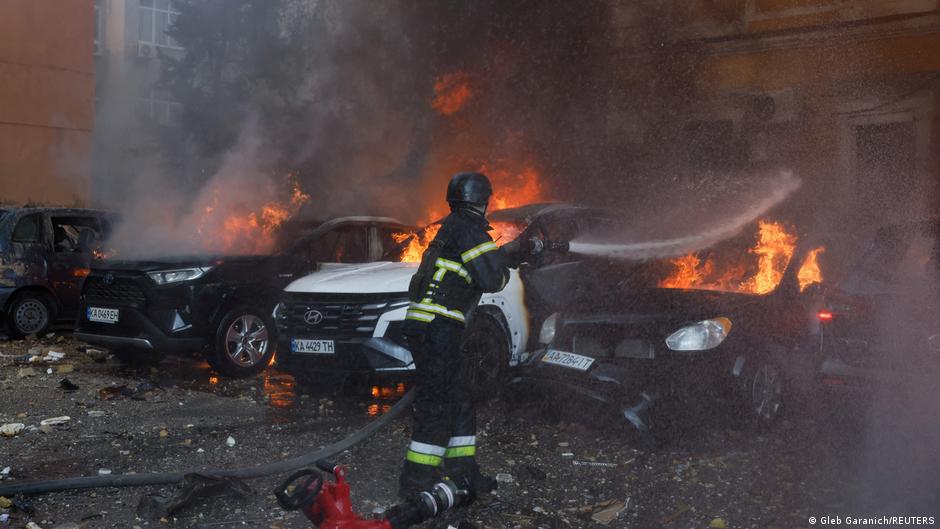
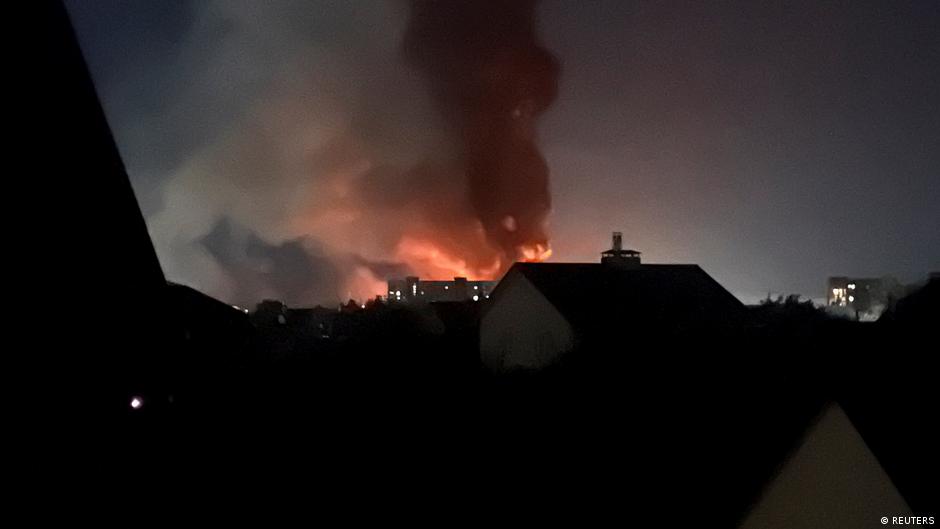
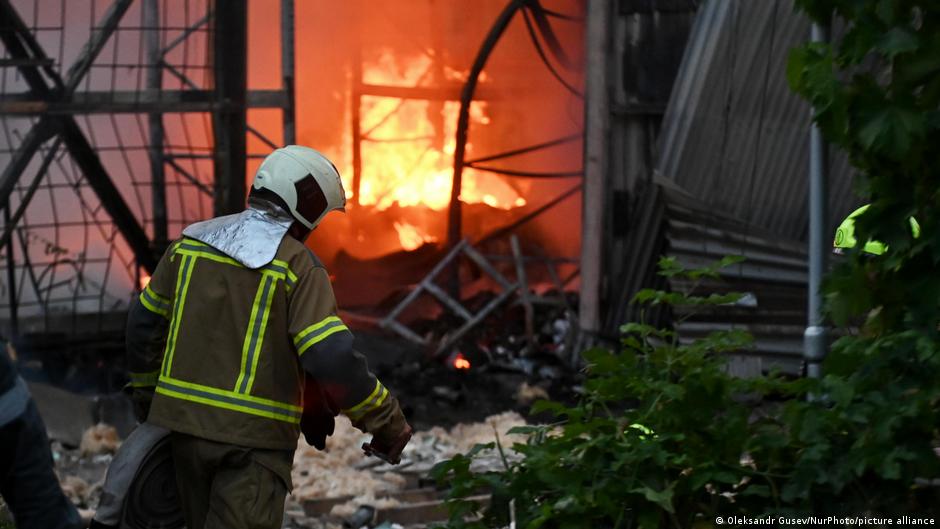
A Russian ballistic missile strike killed a 21-year-old woman and damaged buildings and metro infrastructure, highlighting Kyiv’s continuing economic vulnerability.

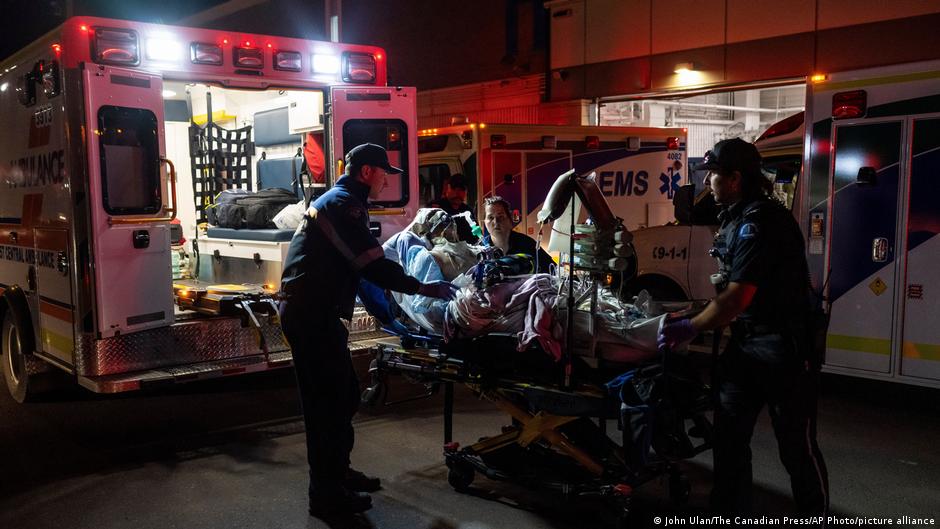
Four soldiers died and dozens were injured at an Alberta base, intensifying scrutiny of wildfire risk, military preparedness and future defence spending.

Russia’s designation of two StopTime musicians as foreign agents highlights growing compliance, human-capital and investment risks.

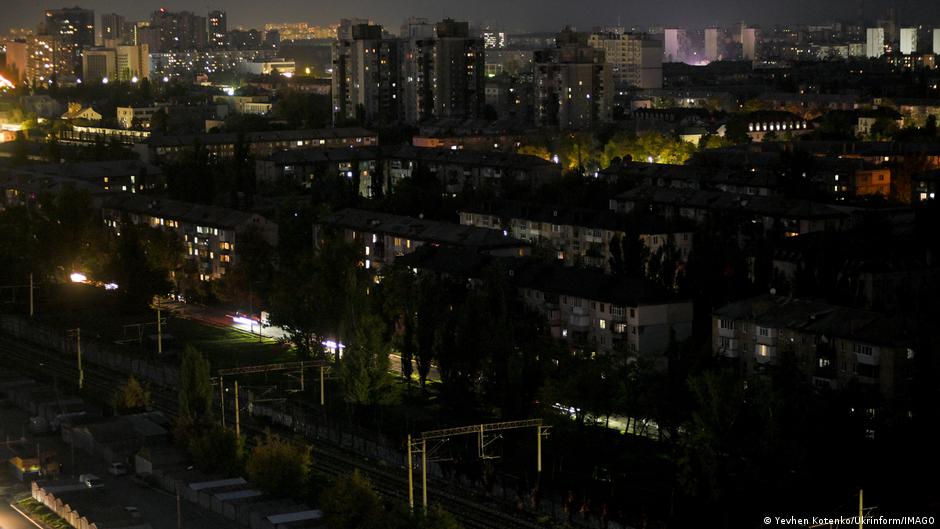
Power and water disruptions in Kyiv and Volyn highlight the mounting economic risks from attacks on Ukraine’s interconnected utility networks.

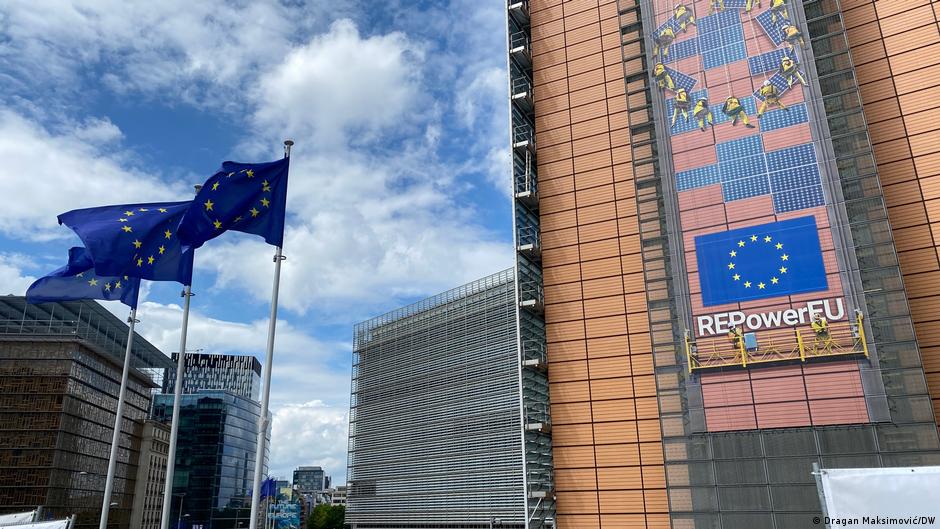
EU leaders postponed a seven-year budget deal amid disputes over spending cuts, strategic investment and proposed bloc-wide levies.

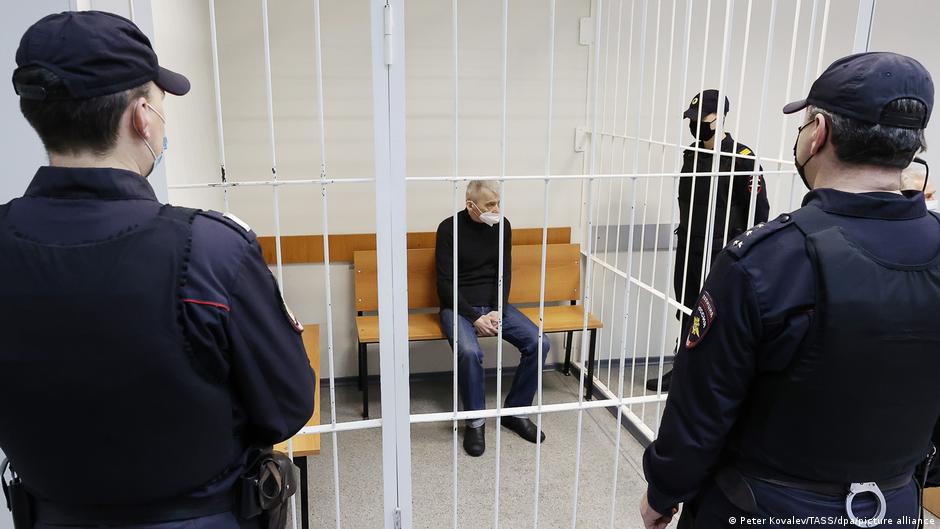
Yuri Dmitriev’s return to a penal colony without a diagnosis highlights institutional risks with wider implications for Russia’s economy.

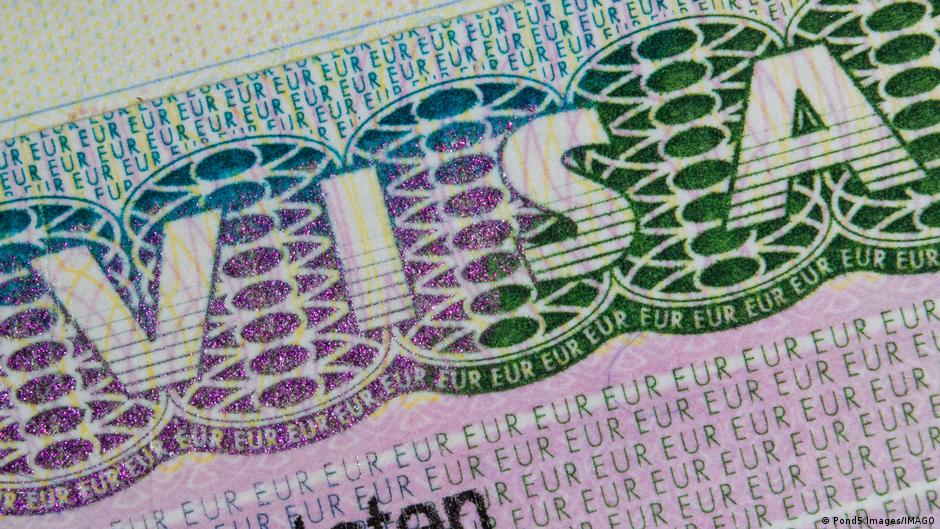
Finland is urging the EU to halt tourist visas for Russians, turning mobility rules into a broader tool of pressure over the war in Ukraine.

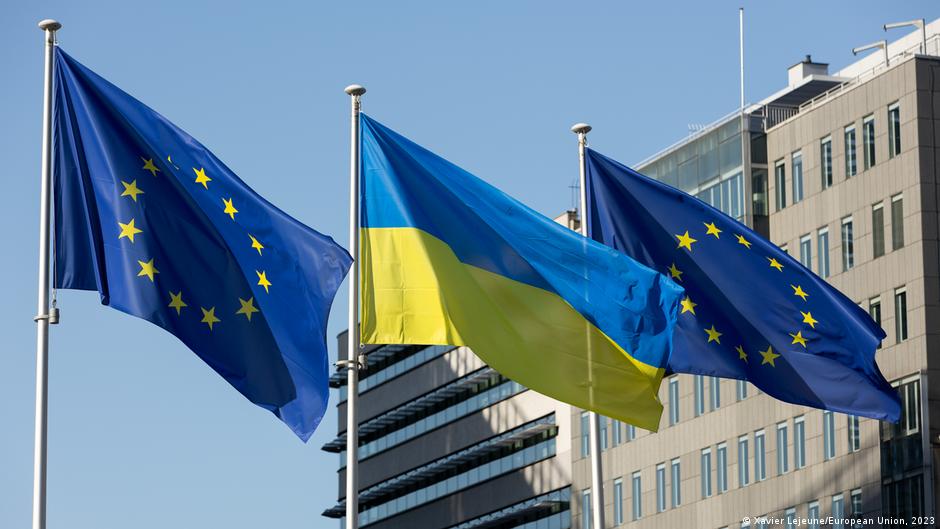
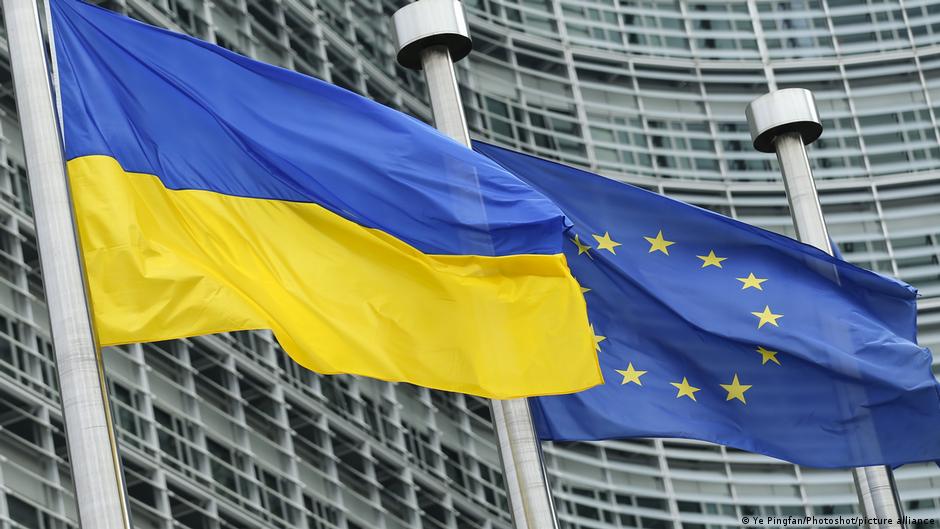
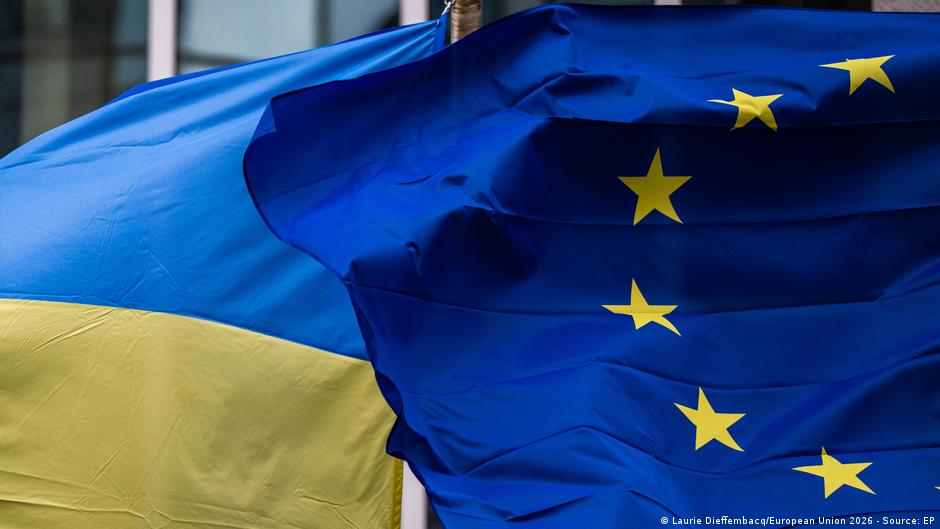
EU states agreed to open internal market and competitiveness accession clusters for Ukraine and Moldova, deepening economic integration talks.

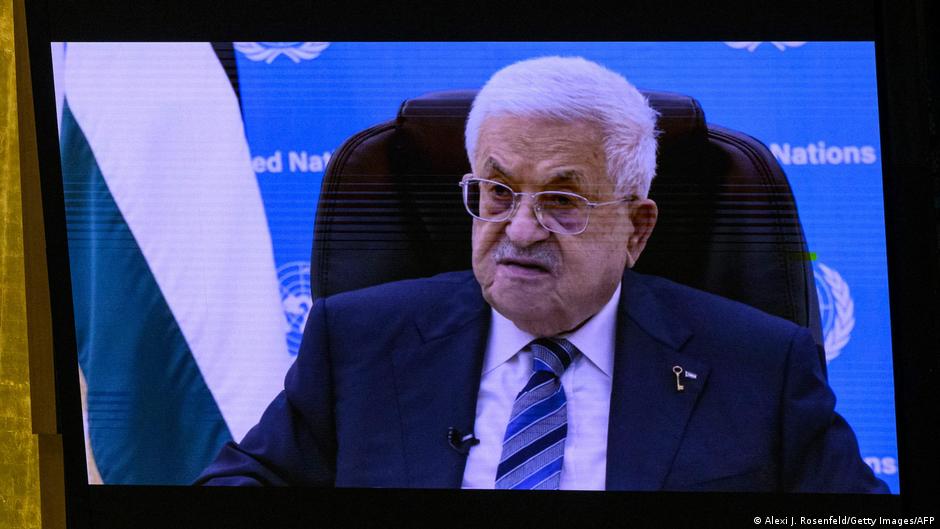
Mahmoud Abbas postponed Palestinian national elections to September 2027, adding governance risk to Gaza’s reconstruction and ceasefire framework.

A U.S. strike disabled a Panama-flagged vessel near Iran, highlighting rising energy, trade and policy risks around the Strait of Hormuz.

Mediazona reported at least 20 Russian officers were killed in an August 26 Ukrainian strike on occupied Donetsk.
EU lawmakers approved a €115 million Agile programme to support small defence technology firms and accelerate innovation from 2027.

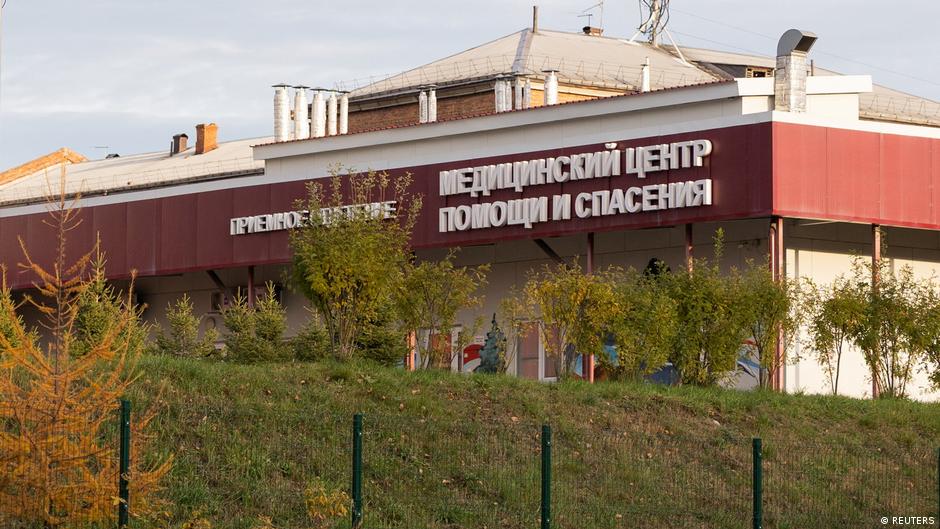
Trump plans a Putin call as WHO seeks details from Russia over reports tied to a possible plague-related death in Irkutsk.

The White House is monitoring reports from Irkutsk as neighboring states tighten health controls and Trump offers U.S. assistance.

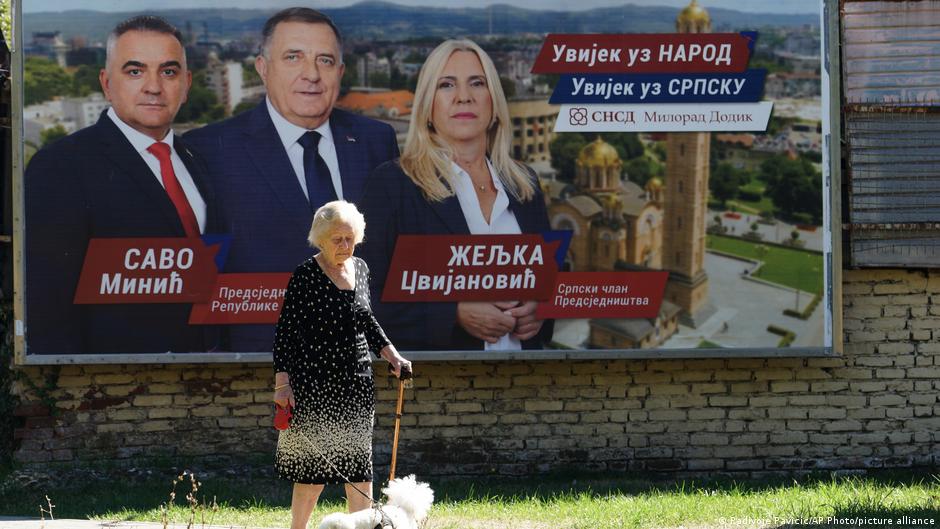
Preliminary results show ruling-party candidates and Dodik allies strengthening their hold across Bosnia and Herzegovina’s institutions.

Brazil’s presidential race goes to an October 25 runoff after Flavio Bolsonaro led Lula da Silva by less than two points in the first round.

Katherina Reiche warned that Left Party gains in Berlin could weaken Germany’s investment appeal and raise concerns over property rights.

Western contingency plans to move embassies from Kyiv point to rising concern over Ukraine’s winter energy resilience and economic stability.

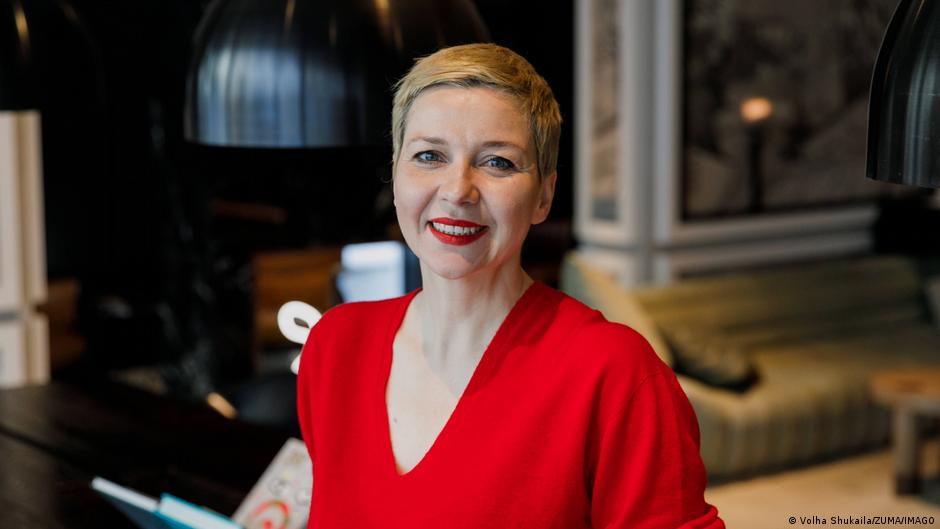
Maria Kolesnikova urged the EU to use diplomacy and sanctions leverage to free Belarusian political prisoners and reduce Moscow’s influence.

The EU declined to accelerate part of a €90 billion Ukraine loan, seeking wider partner support and reforms as Kyiv faces large funding gaps.

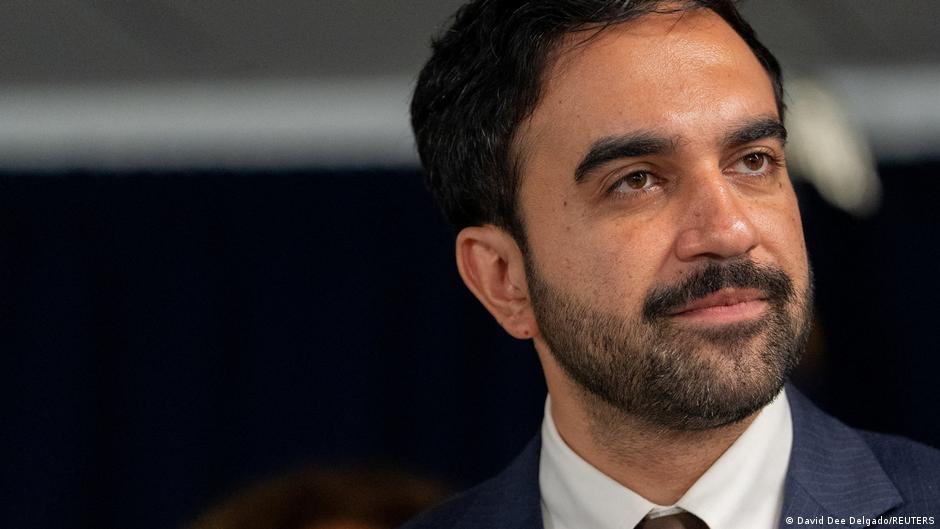
New York Mayor Zohran Mamdani unveiled a $29 million hate-crime strategy focused on antisemitism, synagogue security and Jewish institutions.

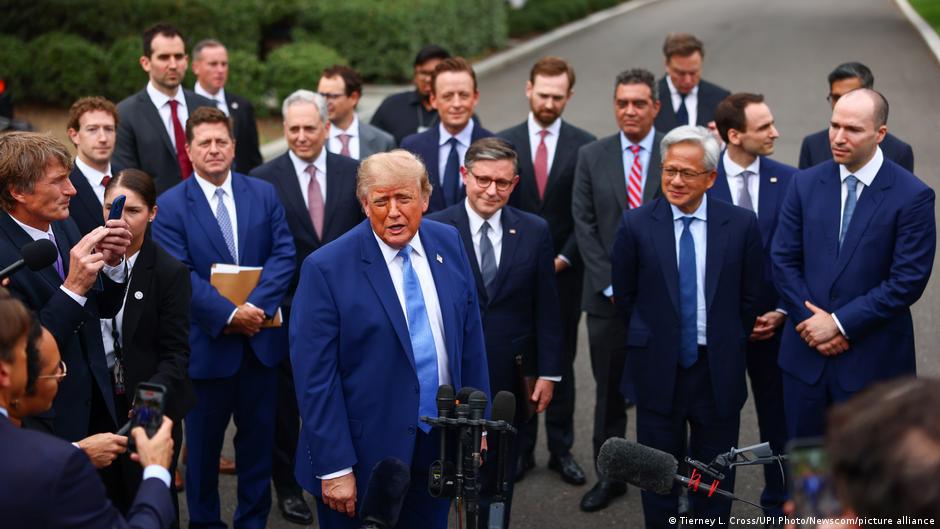
A White House AI agreement gives leading developers a central role in safety oversight while leaving open future regulation.

Russian strikes on Kyiv killed two people during the day and continued overnight, adding pressure to Ukraine’s urban economy and public finances.

Lower Saxony’s municipal runoffs saw the AfD lose three executive races while Greens held Hanover and gained other urban posts.

Ukraine sanctioned 44 people linked to Russian Duma voting in occupied regions, as the EU signals readiness for similar measures.

The EU’s new €710 million aid package links humanitarian relief with migration management, regional stability and long-term fiscal risk.

Germany says Putin’s possible G20 appearance would test Moscow’s readiness for Ukraine talks, with sanctions and global governance at stake.

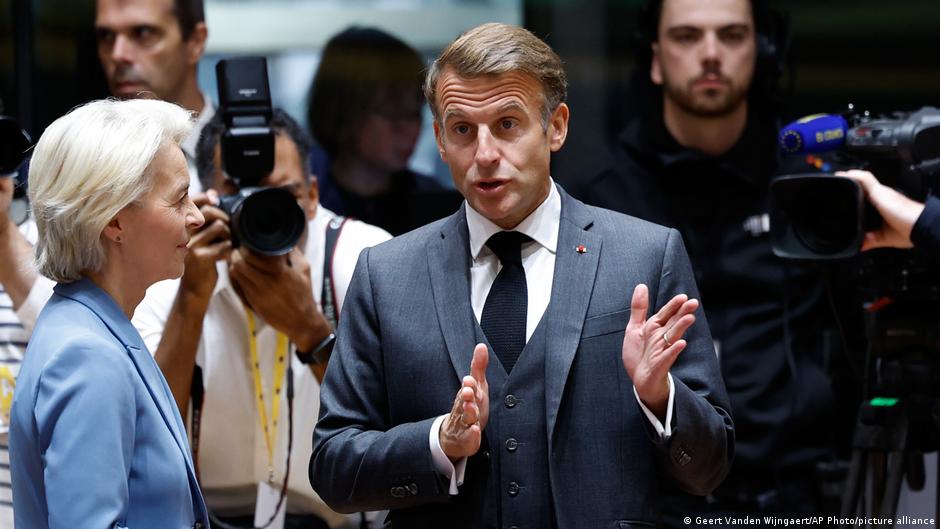
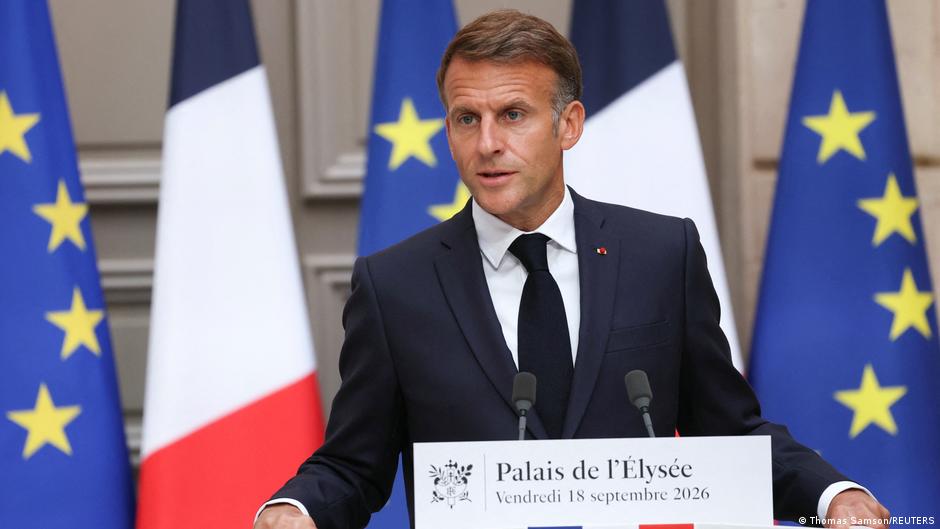
Macron says France sees a Russian mobilization of about 300,000 people as plausible, warning Europe could face wider hybrid pressure.

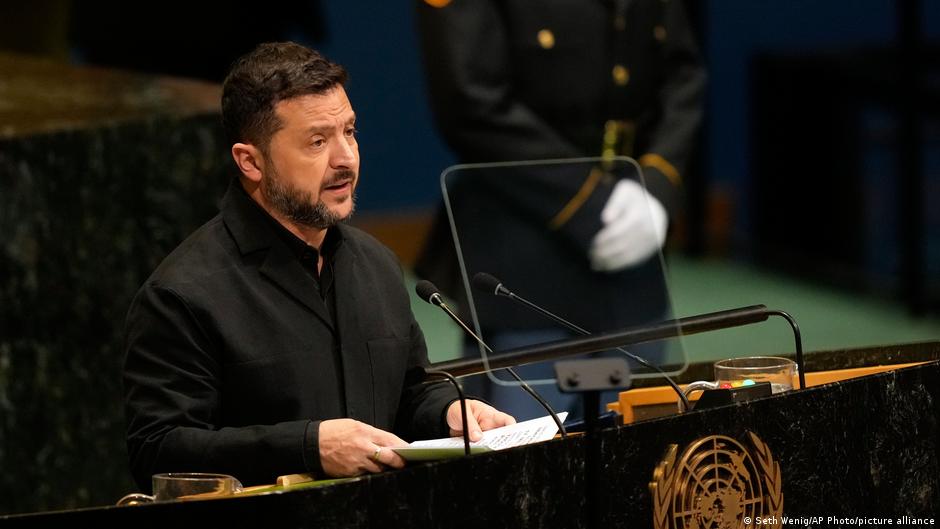
Zelenskyy used his UN address to link Russia’s war to energy revenues, global instability, AI risks and the long-term economic costs of conflict.

Two people were killed and six injured in Kyiv as Russian strikes damaged urban infrastructure, including areas near medical facilities.

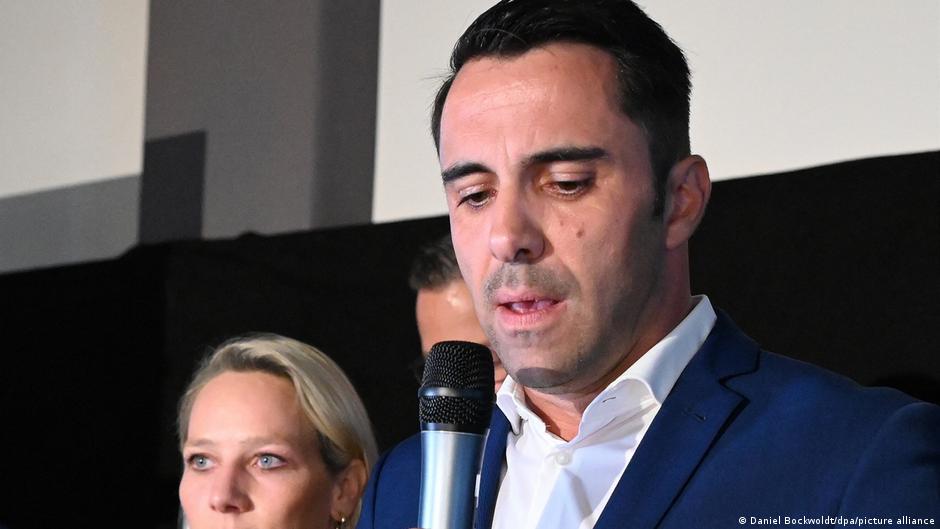
Daniel Peters resigned after the CDU won 4.9 percent in Mecklenburg-Western Pomerania, missing a state parliament for the first time.

Kaja Kallas urged EU envoys to extend Russia sanctions as disputes over Usmanov and Fridman test the bloc’s policy cohesion.
The Chemmani mass grave discovery revives wartime accountability questions with implications for Sri Lanka’s governance and investment climate.

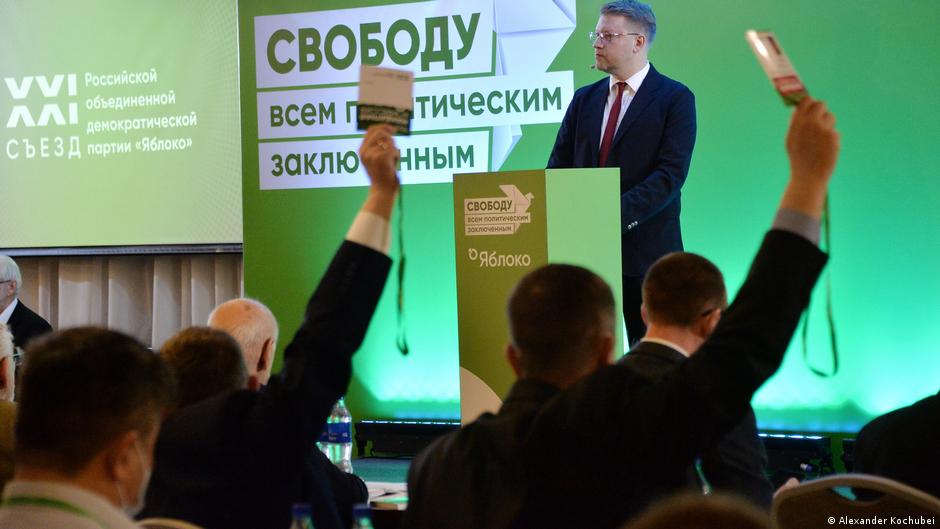
Yabloko’s Novgorod result preserves a formal route into future State Duma elections, with broader implications for Russian political risk.

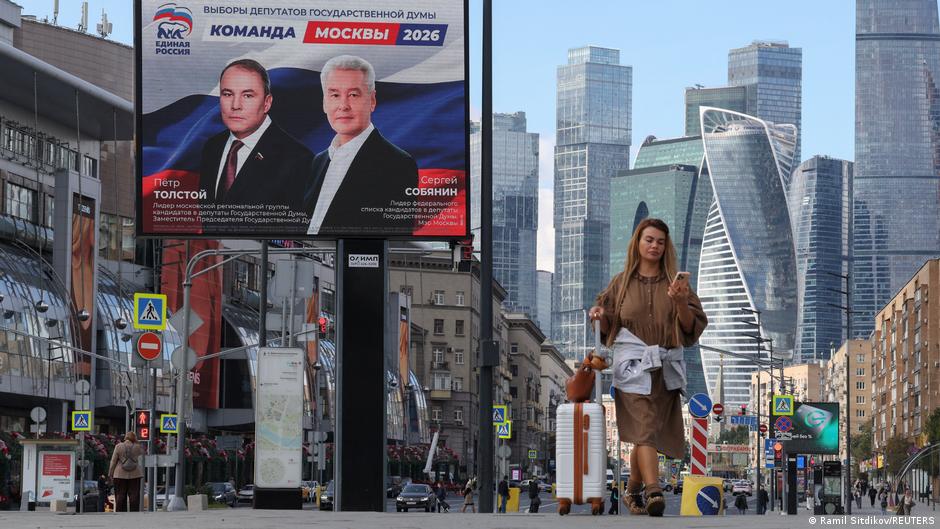
United Russia’s early Duma lead points to a constitutional majority, reinforcing policy continuity and Western sanctions risk.

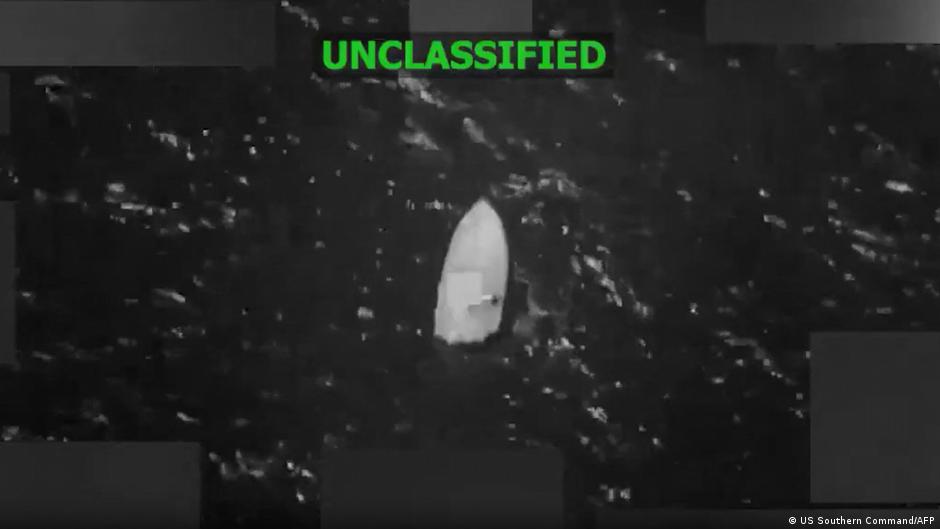
A new U.S. strike on an alleged drug vessel in the Caribbean adds to legal, diplomatic and economic questions around a year-long campaign.

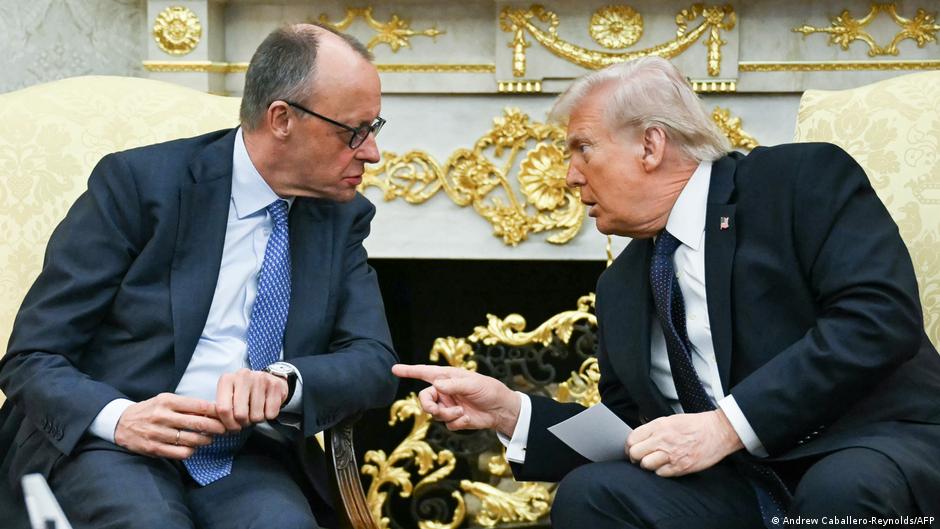
Friedrich Merz says unconditional transatlantic friendship may be over, framing U.S.-German tensions as a strategic test for Germany’s economy.

Russian strikes injured civilians, including children, in Kyiv and Odesa, while Sumy reported one death and wider damage to homes and vehicles.

U.S. prosecutors accused Russian-linked figures of financing terrorism and plotting killings, widening the economic and policy stakes of the Ukraine conflict.