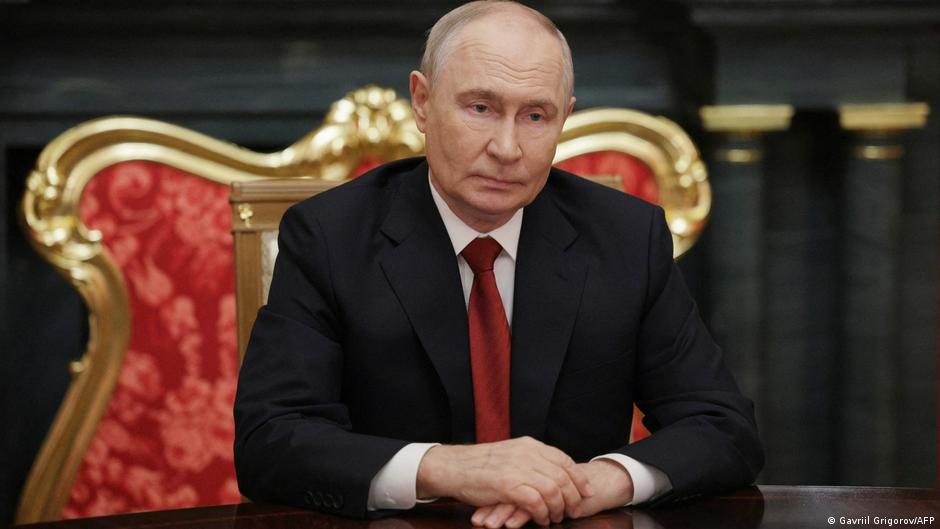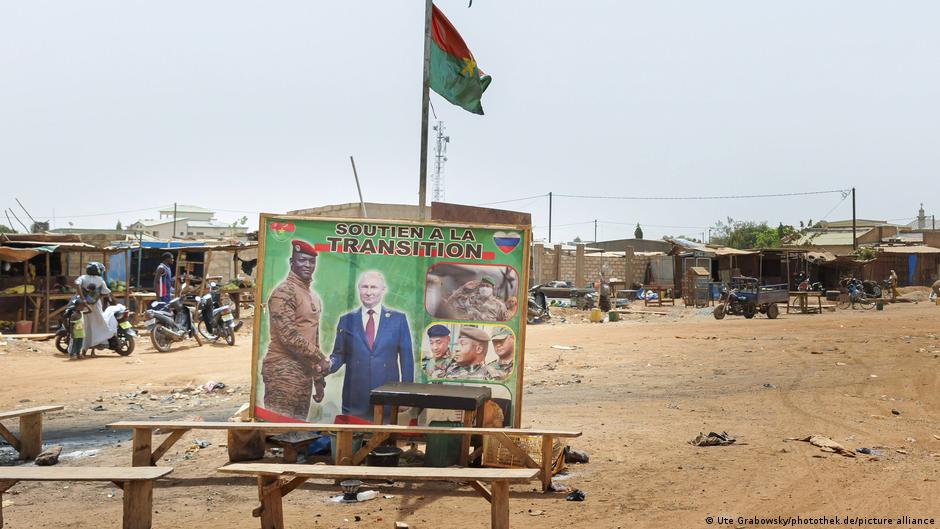
Russia Develops Shadow Air Fleet to Sustain Military Operations in Africa Amid Sanctions
Russia operates a covert air fleet circumventing Western sanctions to supply forces in Africa's Sahel, posing complex geopolitical and economic challenges.

Russia operates a covert air fleet circumventing Western sanctions to supply forces in Africa's Sahel, posing complex geopolitical and economic challenges.

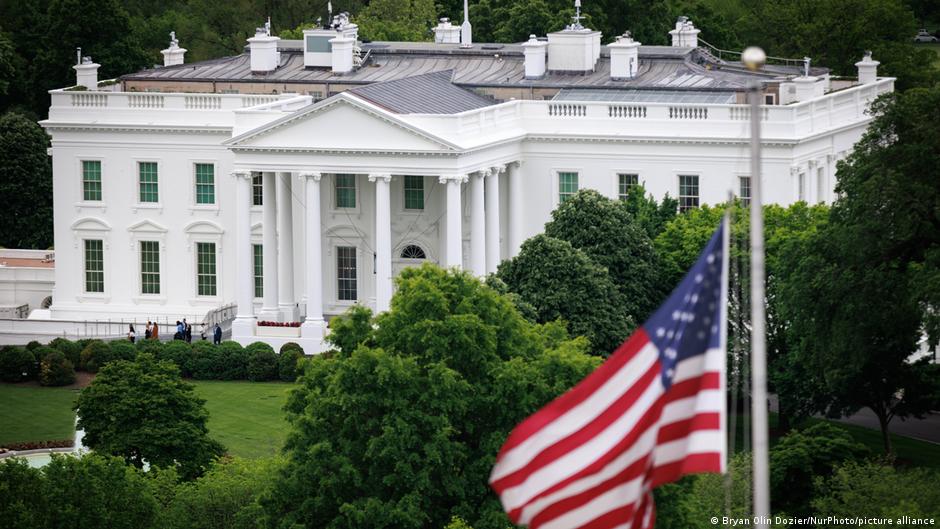
The US Supreme Court allows President Trump to resume White House renovations, including a new ballroom and military bunker, overturning lower court injunctions amid debates on executive authority.

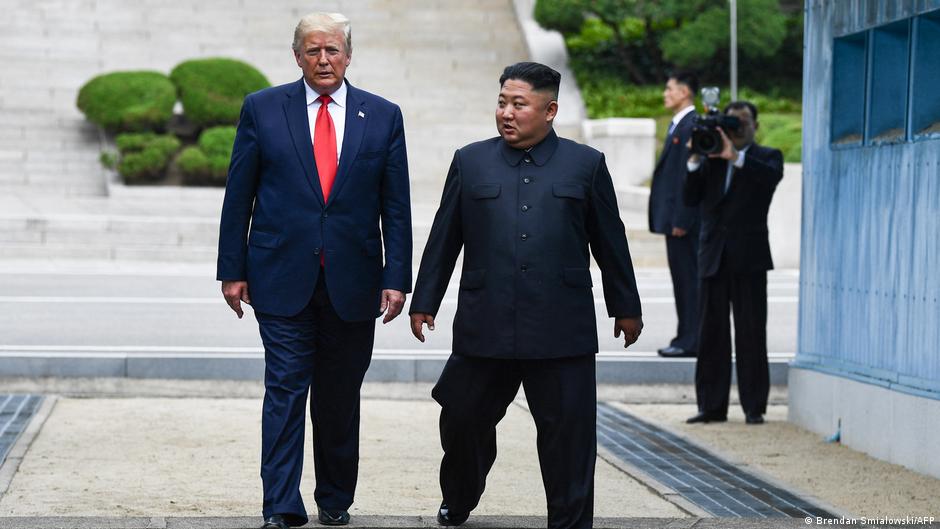
President Trump plans to meet Kim Jong Un during November's APEC summit to revive stalled nuclear negotiations, with significant implications for regional security and global economic stability.

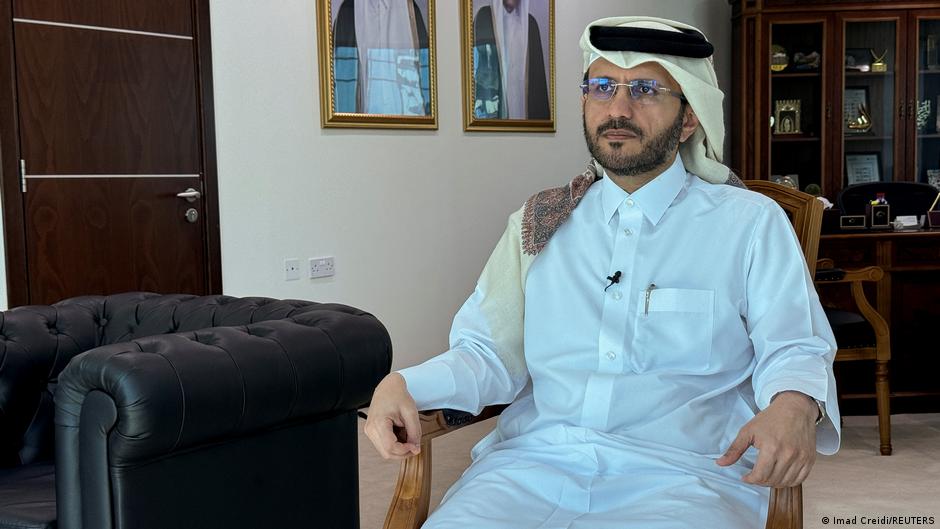
Qatar denies detaining Iranian pilots amid Middle East conflict, emphasizing ongoing diplomatic efforts to reduce regional tensions and highlighting the complexities of international security.

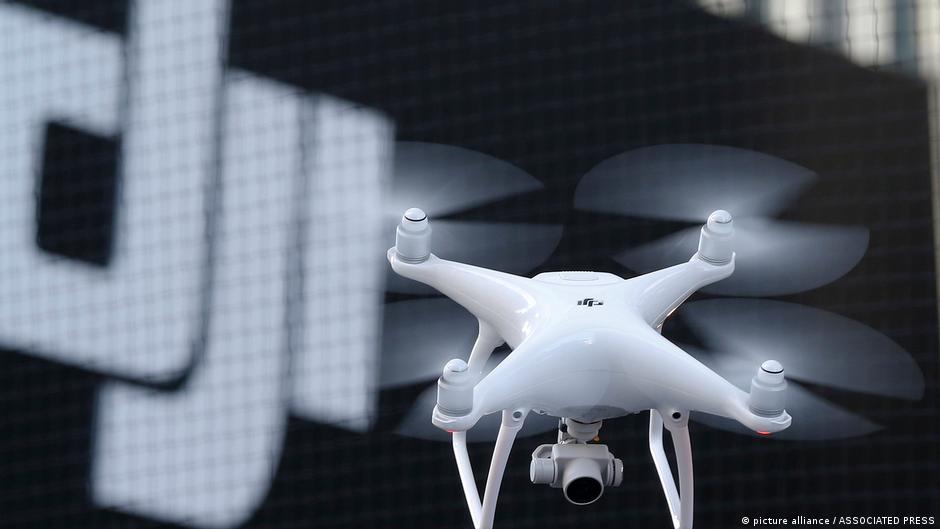
The US imposes tariffs up to 100% on imported drones and components to enhance national security and reduce reliance on foreign suppliers amid rising global tensions.

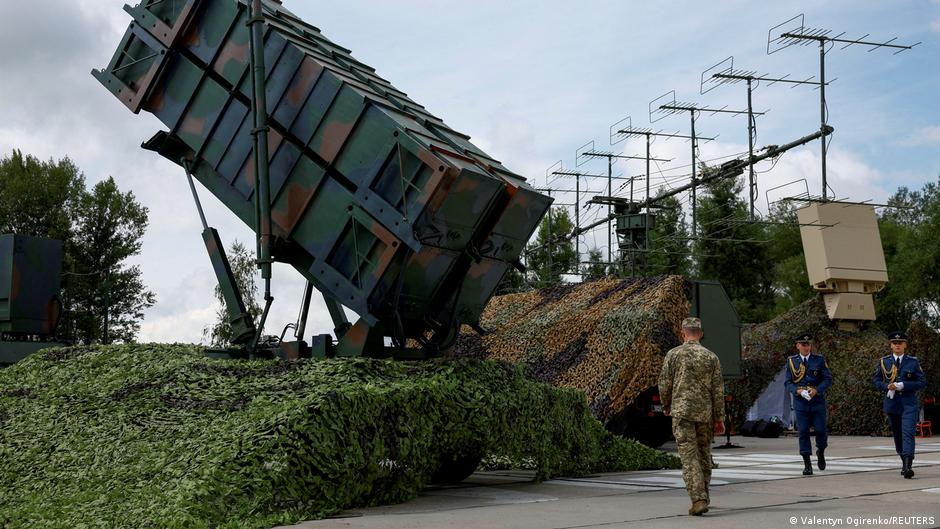
US defense firms warn that licensing Patriot missile tech to Ukraine could lead to enhanced, mass-produced interceptors, raising strategic and economic concerns.

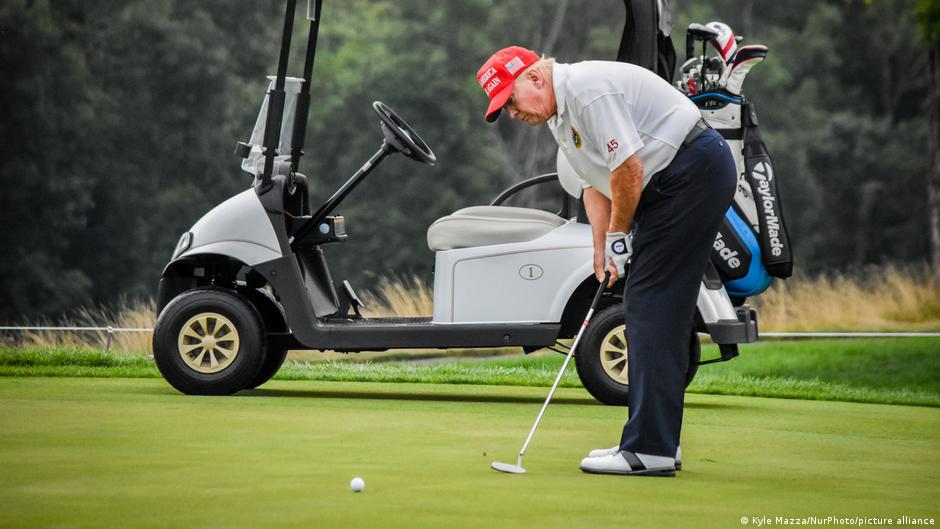
NORAD deployed F-16 jets to safely escort two civilian planes that violated temporary flight restrictions over President Trump's golf club in New Jersey.
Germany confronts escalating hybrid warfare threats, including explosive drone attacks, prompting new technological defenses amid rising geopolitical tensions in Europe.

Trump criticizes Biden administration for depleting US ammunition stocks supporting Ukraine amid Kyiv’s urgent need for missile interceptors.

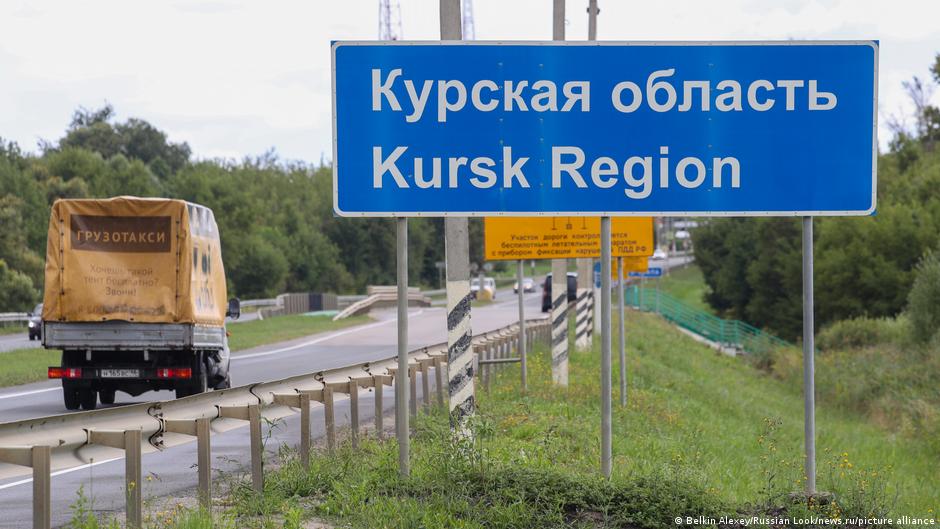
Drone attacks in Russia's Kursk and Belgorod regions caused casualties and triggered heightened security measures, raising concerns over potential economic disruptions.

Ukraine’s 40-day security operation has targeted over 100 strategic Russian sites and energy infrastructure, signaling a calculated effort to weaken Russia’s military and economic capabilities.

Russian banks lose international security certificates causing websites to be flagged as unsafe in global browsers, highlighting digital decoupling amid sanctions.

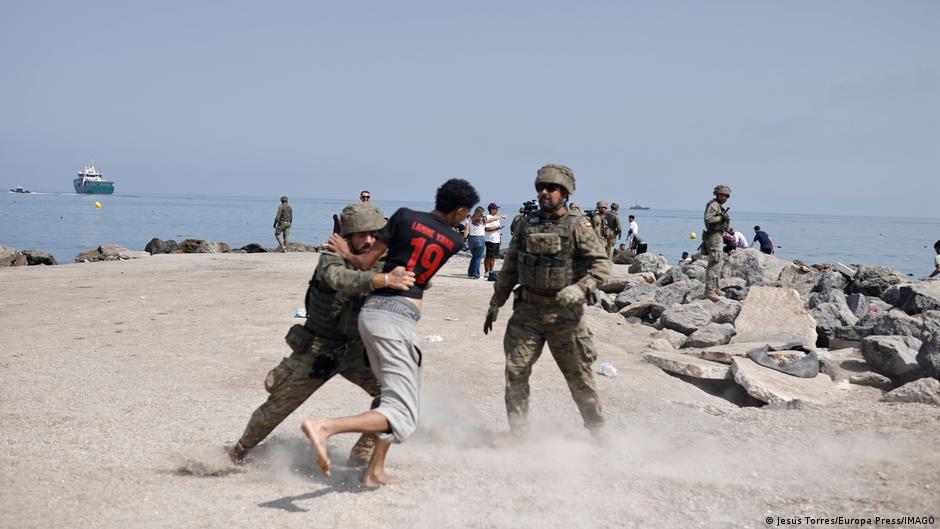
Spain confronts a massive migrant influx in Ceuta, triggering military deployment and Italy’s suspension of Schengen border-free travel with Spain.

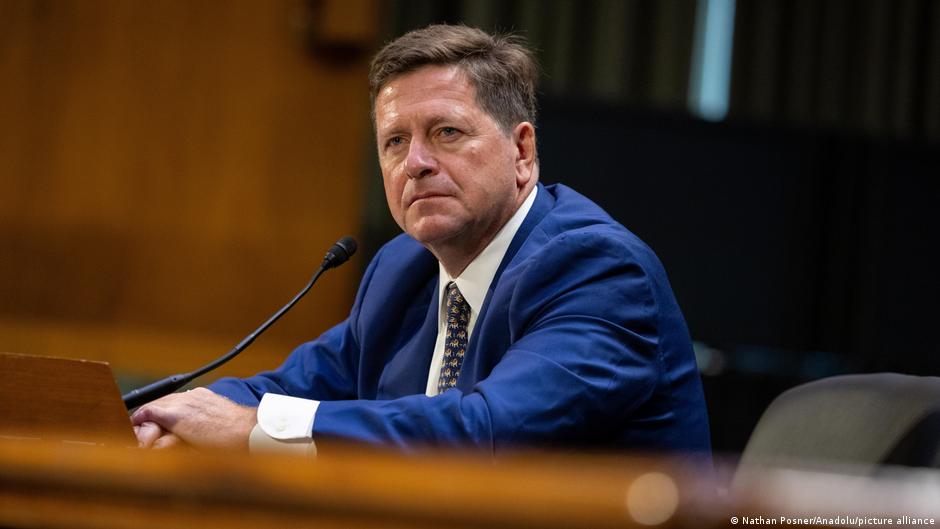
Jay Clayton's confirmation as US Director of National Intelligence raises questions about experience and signals potential shifts in security and economic policy.

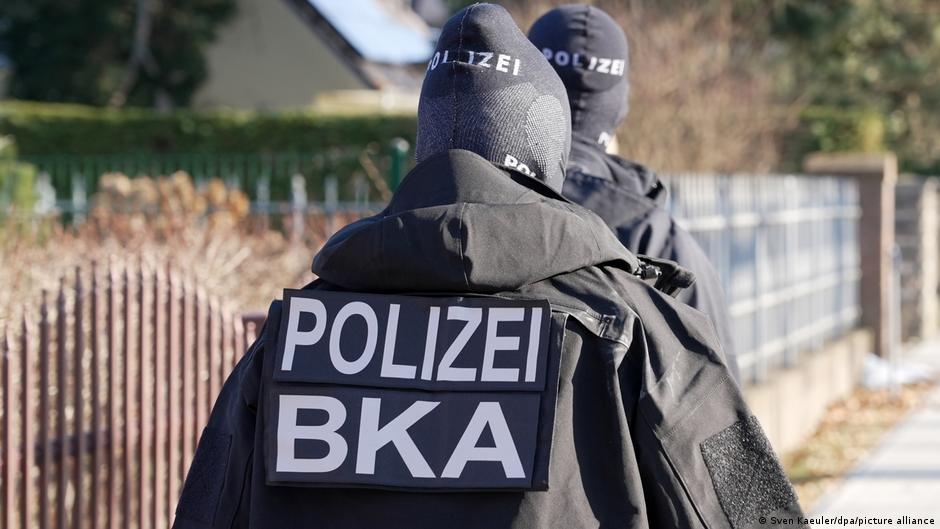
Germany reports 410 Islamist individuals posing threats, highlighting ongoing radicalization challenges and prompting calls for enhanced deradicalization and security measures.

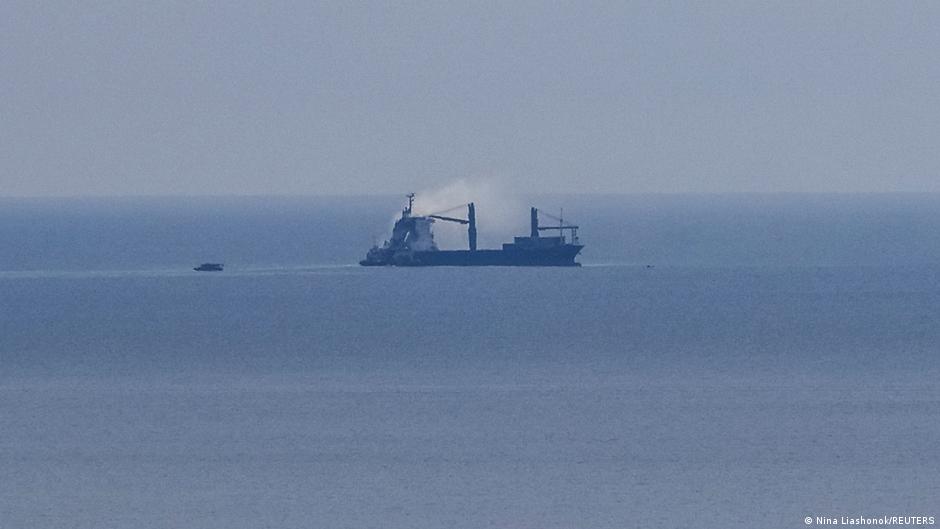
Ukraine urges a UN Security Council meeting as Russian attacks on Black Sea trade vessels threaten global food security and disrupt critical maritime routes.

CIA Director reveals Russian conscripts face an average survival time of 20-30 minutes in Ukraine due to AI-enabled drone warfare, altering military and geopolitical dynamics.

Darlene Graham Norton has been appointed to her late brother Lindsey Graham’s Senate seat, securing the GOP’s fragile majority amid critical national and international issues.

Gazprom has contracted with Russia's Defense Ministry to form mobile units protecting gas infrastructure, reflecting heightened security concerns amid geopolitical tensions and economic risks.

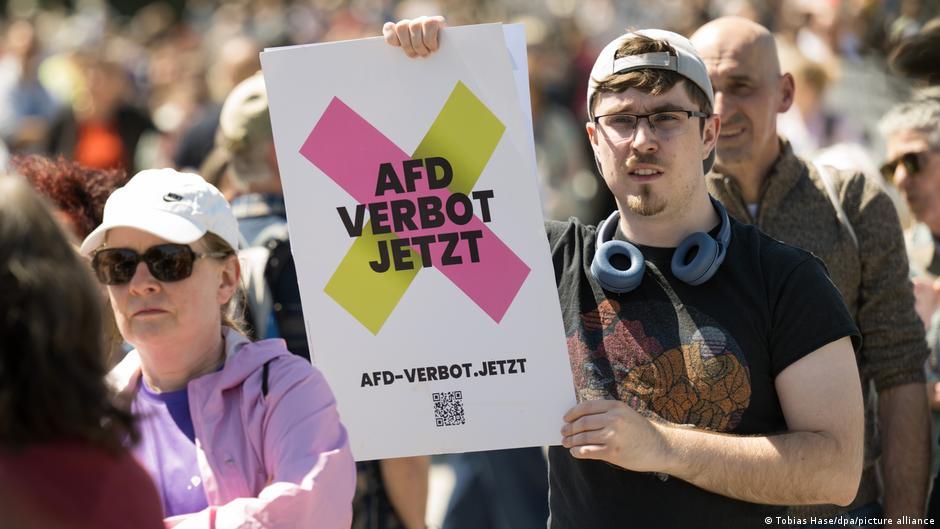
A recent INSA poll shows 45% of Germans oppose banning the far-right AfD, which remains the country's most popular party, outpacing CDU/CSU by 8 points.

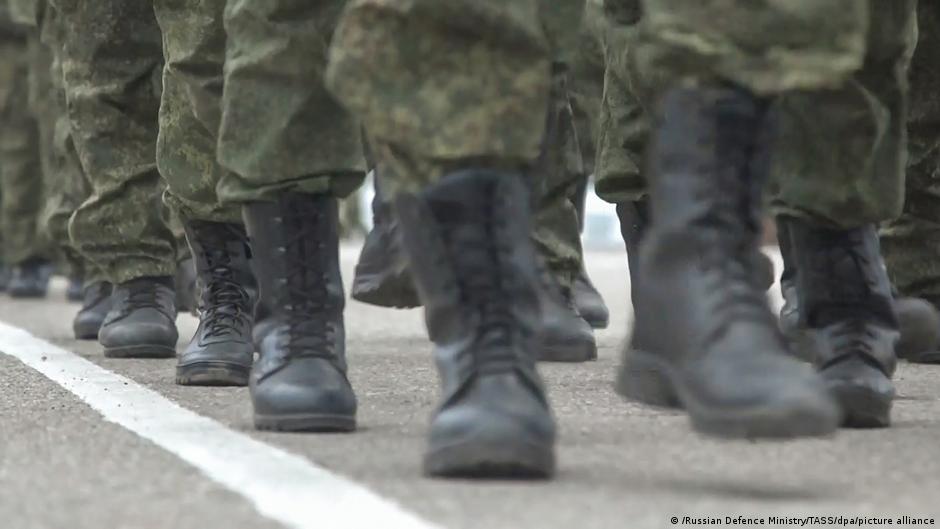
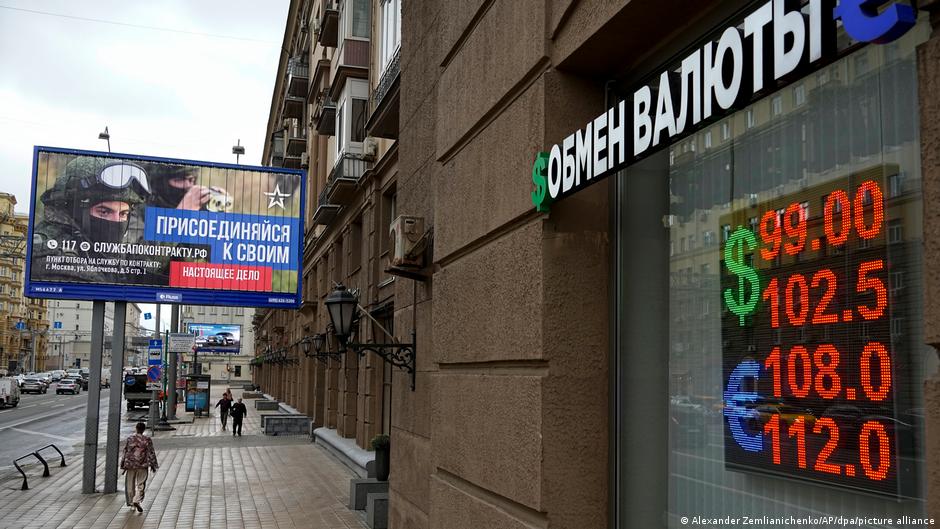
Russia plans to end mandatory medical exams for contract soldiers, revealing recruitment challenges amid the ongoing Ukraine conflict.

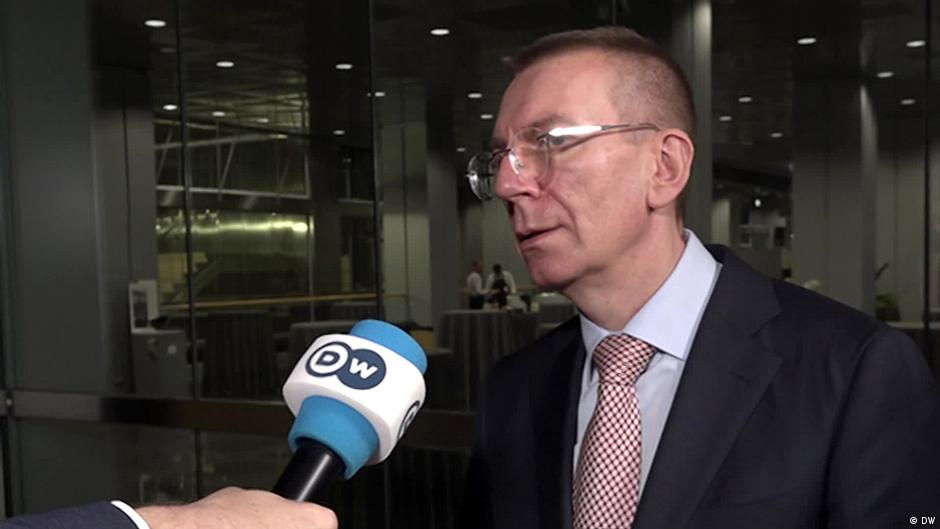
Latvian President Edgars Rinkēvičs warns NATO to prepare for potential escalation with Russia, stressing the need for increased military capabilities and clear deterrence signals to Moscow.

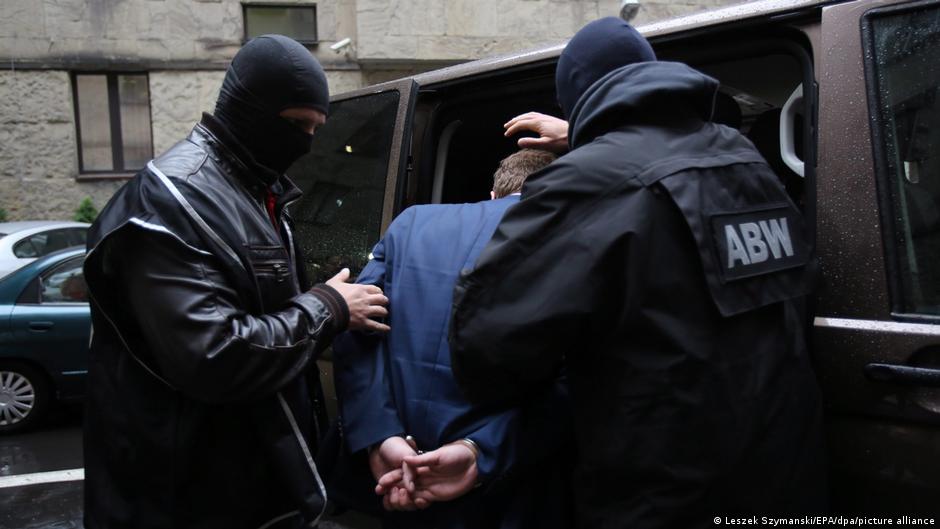
Poland expelled 11 individuals accused of organizing Russia-funded protests among Ukrainian refugees, highlighting ongoing Russian interference in European domestic affairs.

Finland amends its atomic energy law to lift the ban on nuclear weapons import, aligning with NATO membership and reshaping regional security dynamics.

The US has imposed sanctions on five Cuban state-owned companies controlling 40% of GDP, escalating economic pressure with significant regional and global implications.

U.S. intelligence warns Israel may attempt to undermine the U.S.-Iran nuclear deal, risking increased Middle East instability and complicating global economic and policy landscapes.

The U.S. House approved $70 billion funding for immigration enforcement agencies, reflecting critical policy shifts with significant global economic and geopolitical implications.

Ukraine calls for banning Russian military from UN missions due to sexual violence allegations, urging Russia to consider exiting the UN amid ongoing war and diplomatic tensions.

Israel and Iran exchanged air and missile strikes amid US efforts to broker a peace deal, raising the stakes for regional security and global economic stability.

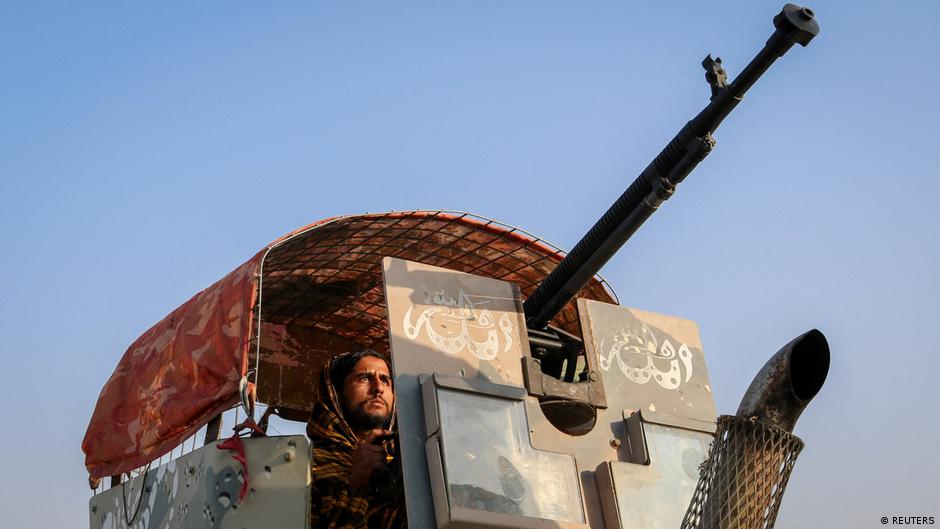
Russia's military cooperation deal with the Taliban signals shifting geopolitical alignments and potential impacts on regional security and global economic stability.

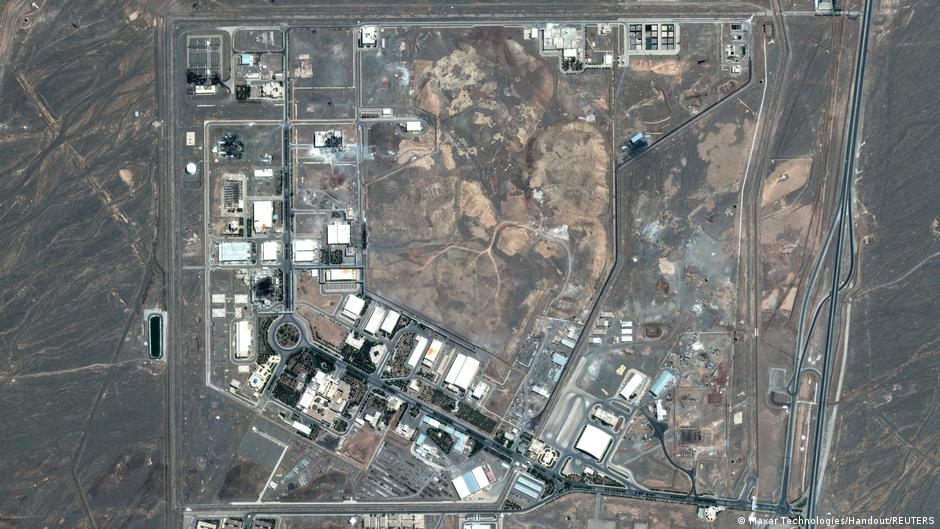
Trump demands Iran's enriched uranium stocks be destroyed in the U.S. or under IAEA supervision, intensifying nuclear tensions with global economic implications.

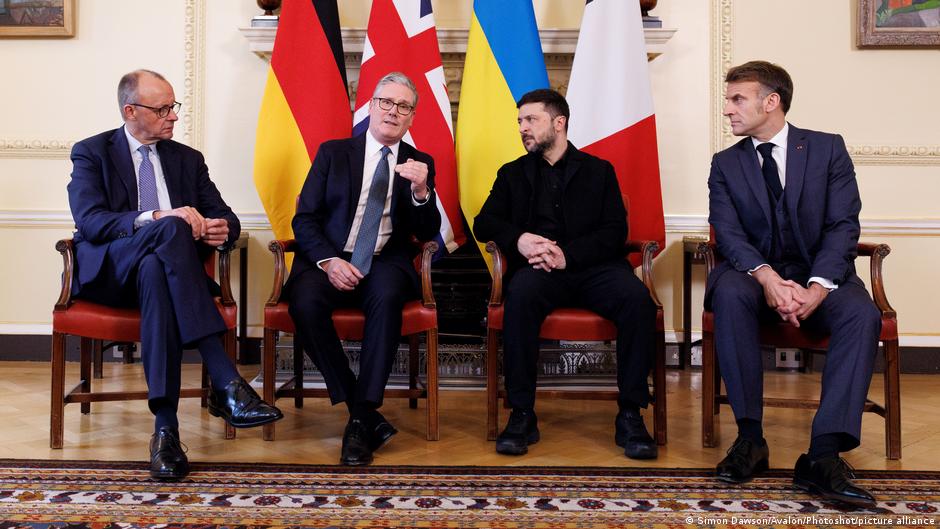
Ukraine and European leaders convened to discuss reinvigorating diplomacy to end the war with Russia amid shifting global priorities and evolving conflict dynamics.

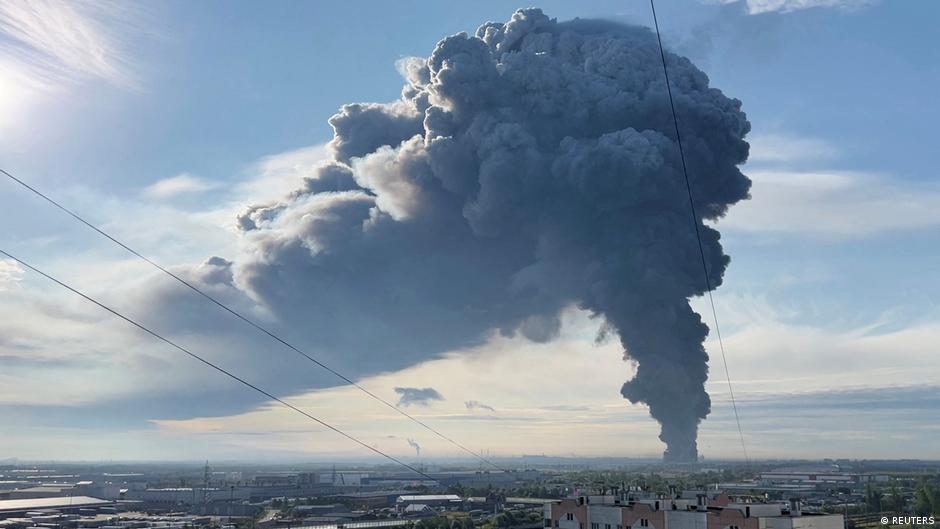
Ukrainian drone attacks have halved Lukoil’s NORSI refinery capacity, disrupting a quarter of Russia’s refining output and impacting global energy markets.

The EU and US have condemned Israel following a video showing detained pro-Palestinian activists, sparking diplomatic protests and highlighting tensions over Gaza blockade enforcement.

The US Senate advances a resolution demanding presidential Congressional approval for military actions against Iran, highlighting a shift toward legislative oversight and potential policy changes.

UK Prime Minister Keir Starmer plans an £18 billion increase in defense spending, reflecting strategic shifts amid domestic political challenges and global security concerns.

Ukraine imposes sanctions on 32 Russian firms and 34 individuals tied to Russia’s military industry, extending previous measures and targeting entities circumventing international restrictions.

Latvia’s defense minister resigns after drones, likely Ukrainian, breach Latvian airspace, raising NATO security and regional economic stability concerns amid Russia-Ukraine conflict.

The US Department of Defense has begun releasing declassified UFO files, highlighting transparency efforts with significant implications for global policy and economic strategy.

Poland has signed a €44 billion EU loan agreement to fund defense modernization, marking a significant shift in European security investment despite presidential veto concerns.

EU leaders are preparing for possible talks with Russia, signaling a strategic shift amid ongoing conflict and geopolitical tensions affecting global economic and policy frameworks.

The UK expelled a Russian diplomat following Moscow's removal of a British diplomat accused of espionage, highlighting rising geopolitical tensions with potential global economic impacts.

Germany attributes recent phishing attacks on politicians and journalists via Signal messenger to Russia, highlighting escalating international cybersecurity threats.

A fabricated video falsely claiming that a stolen Cézanne painting was found in President Zelensky’s office reveals a sophisticated Russian disinformation campaign.

Julia Klöckner’s Signal account was hacked through phishing, exposing high-level CDU chats and highlighting escalating cybersecurity threats to German political leadership.

Russia’s publication of German defense firms’ addresses aims to intimidate and disrupt arms supplies to Ukraine, raising hybrid threat concerns including cyberattacks and sabotage.

President Trump rejects NATO assistance in the Strait of Hormuz, while European nations prepare a peacekeeping mission amid ongoing Middle East tensions.

Germany has restricted access to its Bundeswehr Military Technology Museum in Koblenz for Uzbek and other Central Asian citizens due to new security laws.

Germany authorized millions in arms exports to Israel during the US-Israel conflict with Iran, revealing complex export policies amid geopolitical tensions and partial embargoes.