Ukraine Calls for Ban on Russian Military Participation in UN Peacekeeping Missions Amid War Crimes Allegations
Ukraine urges suspension of Russian troops from UN operations following documented sexual violence and suggests Russia consider exiting the United Nations.
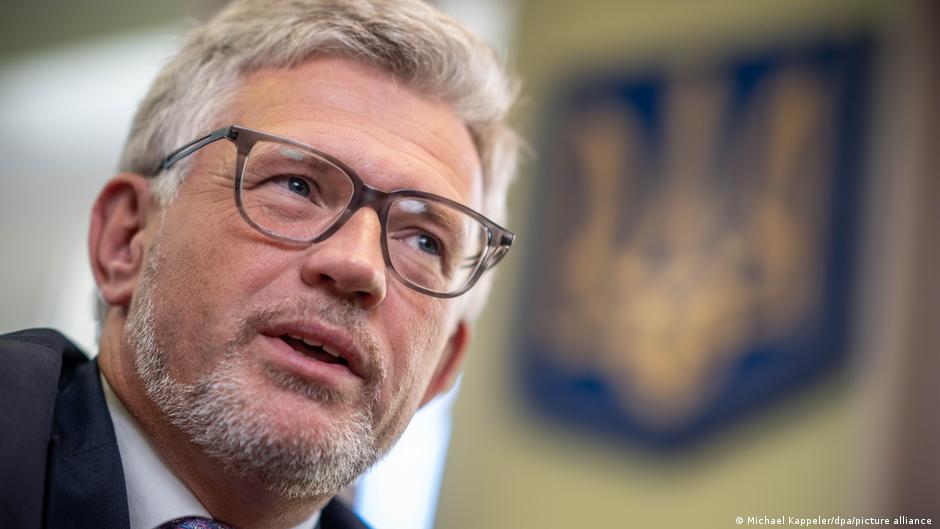
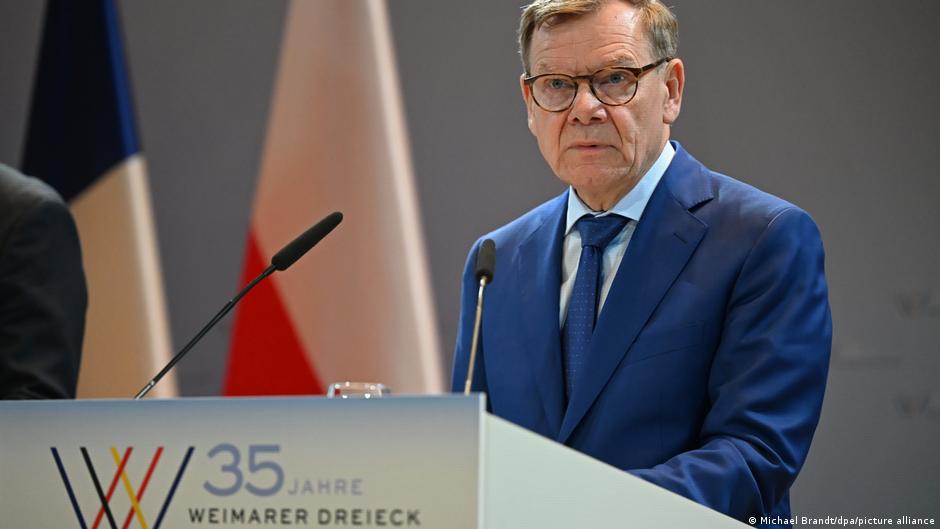
At a recent emergency meeting of the United Nations Security Council, Ukraine's Permanent Representative to the UN, Andriy Melnyk, called for an immediate ban on Russian military personnel participating in any UN peacekeeping or policing missions. This demand stems from documented sexual crimes committed by Russian forces in Ukraine during the ongoing conflict.
Implications of Russia’s Inclusion on UN’s Sexual Violence List
In a landmark report published at the end of May, the United Nations for the first time placed the Russian armed forces on a blacklist citing instances of rape and other sexual violence targeting prisoners of war and civilians in Ukraine. Melnyk emphasized that given the gravity of these allegations, Russian troops “cannot and should not” be involved in any operations under the UN flag.
“The armed forces, which the Secretary-General has newly included in the list for sexual violence linked to conflict, must be prohibited from participating in UN peacekeeping and policing missions,” Melnyk stated during the Security Council session.
Ukraine’s demands highlight a growing international concern about maintaining the integrity and impartiality of UN peace operations. Allowing forces accused of such crimes to participate risks undermining the credibility of the UN and could weaken global peacekeeping frameworks.
Calls for Russia’s Possible Withdrawal from the UN
Melnyk did not stop at calling for the suspension of Russian military participation. He also suggested that Russia should consider leaving the United Nations altogether if it continues to reject the decisions of the General Assembly and the findings of UN bodies. This proposal follows Moscow’s consistent dismissal of reports related to its conduct in Ukraine.
“Perhaps it is time to say goodbye and exit the UN,” Melnyk said, underscoring Russia’s persistent refusal to engage in diplomatic efforts toward resolving the conflict. Ukraine has proposed a concrete path forward, including a meeting between the two countries’ leaders on neutral ground, which Russia has repeatedly declined.
Broader Economic and Policy Consequences
The invocation of sexual crimes by Russian forces within UN peacekeeping contexts signals potential shifts in international policy affecting Russia’s global economic and diplomatic standing. Restrictions on participation in UN missions could foreshadow deeper sanctions and isolation, further impeding Russia’s access to international cooperation frameworks.
The ongoing conflict continues to exert profound macroeconomic pressure not only on Ukraine and Russia but also on global markets through disrupted supply chains and geopolitical uncertainty. The Security Council’s engagement in these issues reflects wider international efforts to address the long-term consequences of the war, including governance, security, and human rights concerns.
As Ukraine pushes for accountability and exclusion of Russian forces from UN peace operations, senior policymakers worldwide may need to reassess their approaches to multilateral cooperation with Russia. The intertwining of human rights violations with international security mechanisms challenges traditional diplomatic paradigms and demands strategic recalibration.
The recent surge in Russian military attacks, including the deadly strikes on June 2 in Kyiv and Dnipro that resulted in at least 22 deaths and over 100 injuries, further intensifies the urgency of these discussions. The Security Council’s emergency session, convened at Ukraine’s request, underscores the complex interplay between military aggression, international law, and economic stability.
In summary, Ukraine’s call to bar Russian troops from UN missions over sexual violence allegations not only raises critical ethical and legal questions but also signals potential shifts in global diplomatic alignments and economic relations with Russia. The international community’s response will be pivotal in shaping post-conflict recovery and long-term global governance structures.