German Youth Protests Expose Mounting Economic and Social Strains
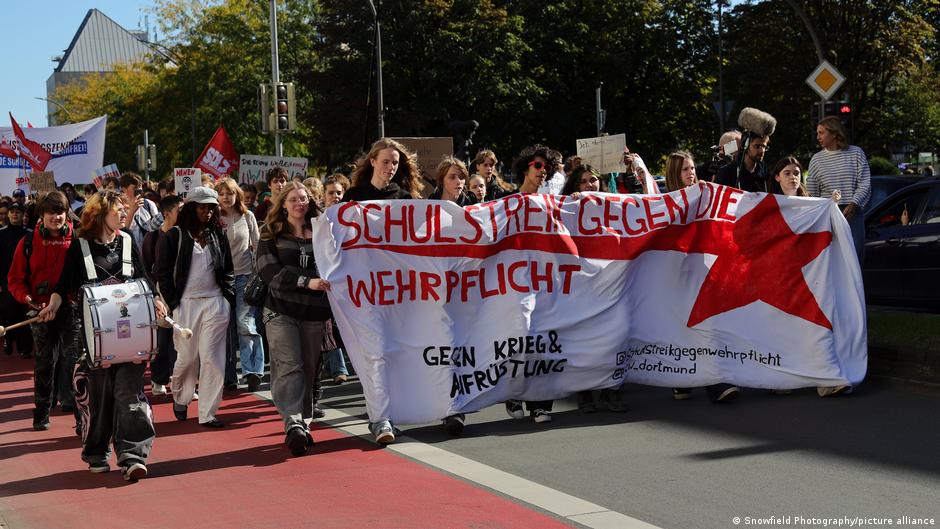
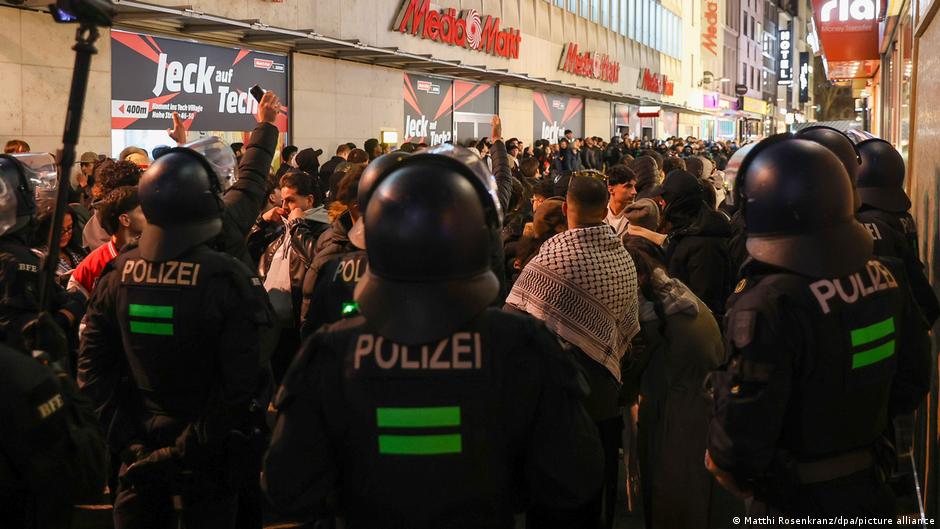
Youth unrest across Germany highlights growing European pressure over living costs, public services, climate action and competing fiscal priorities.

Youth unrest across Germany highlights growing European pressure over living costs, public services, climate action and competing fiscal priorities.

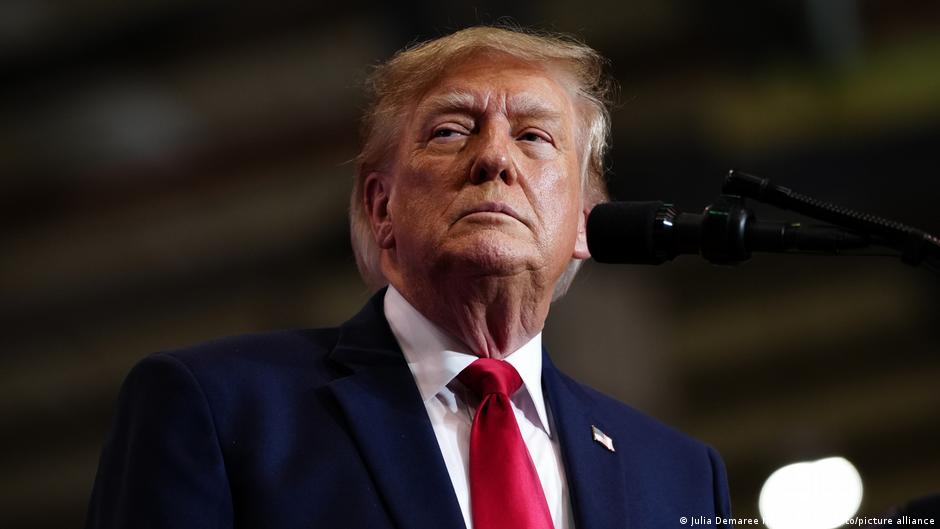
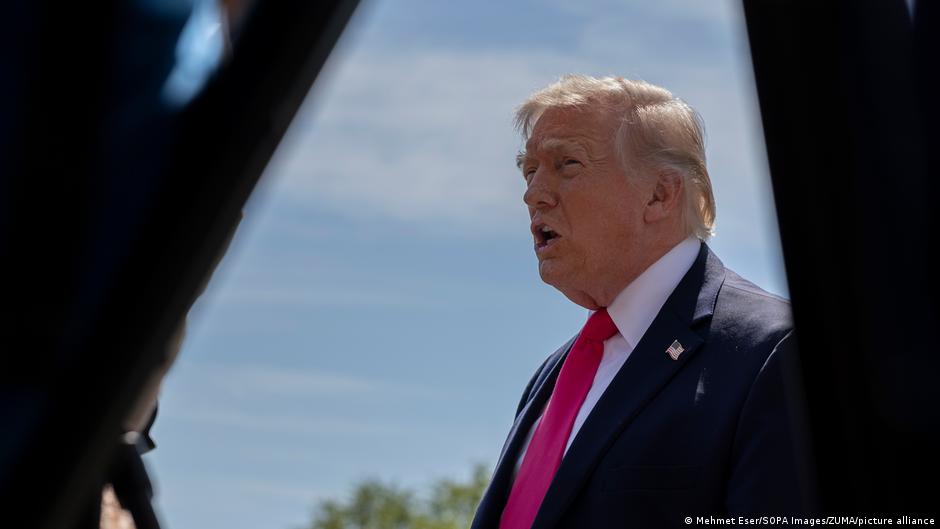
Trump questioned the FBI’s attribution of a $6.3 billion Binance theft to North Korea, highlighting the geopolitical and regulatory risks surrounding global crypto markets.

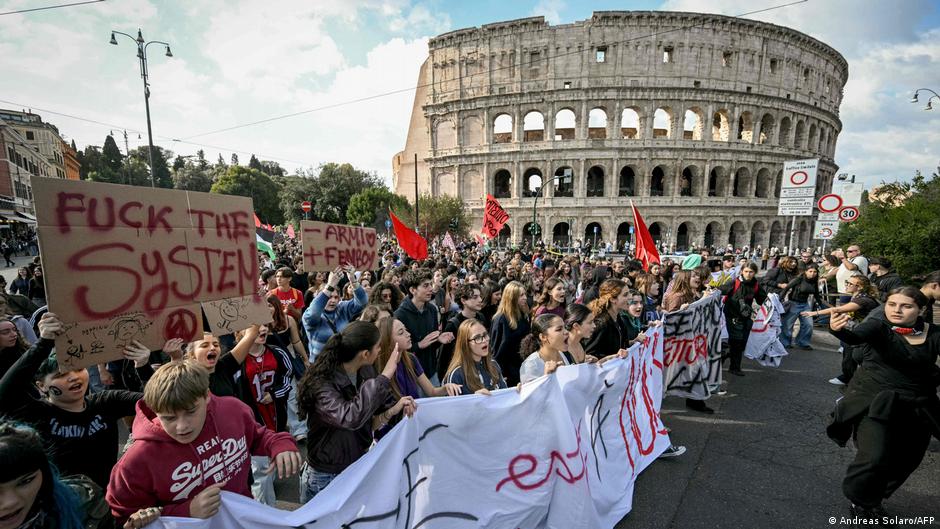
Italian protests over rents, fuel prices and military spending expose Europe’s growing struggle to reconcile defence commitments with household and social priorities.

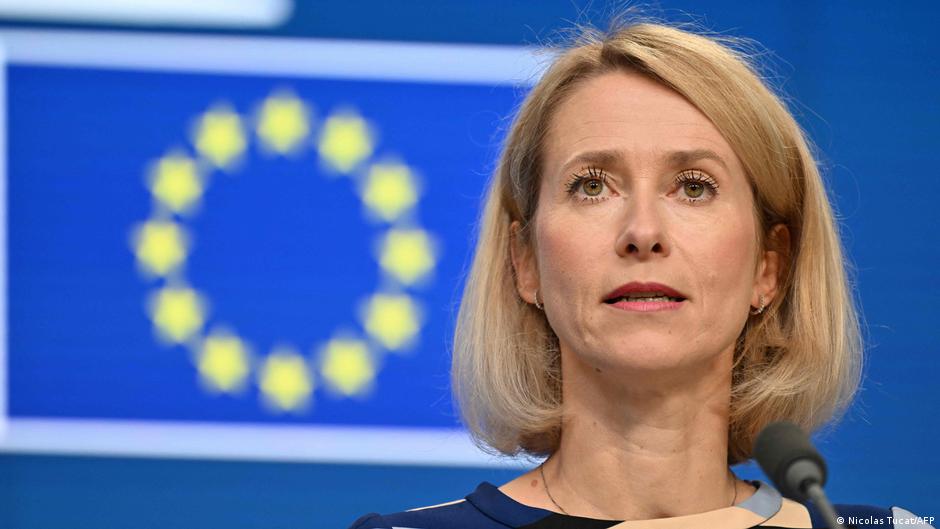
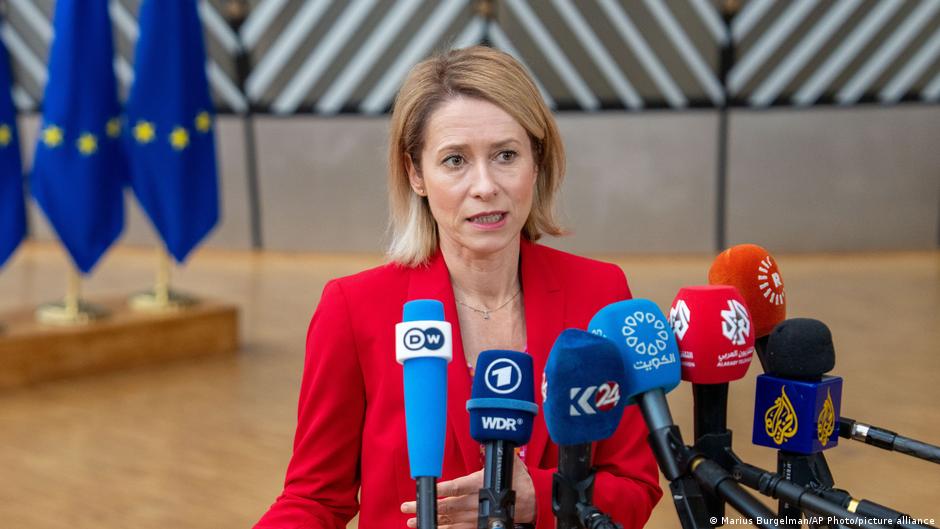
Kaja Kallas said Russia showed no readiness for Ukraine peace talks at the G20, reinforcing expectations of continued European pressure and geopolitical uncertainty.

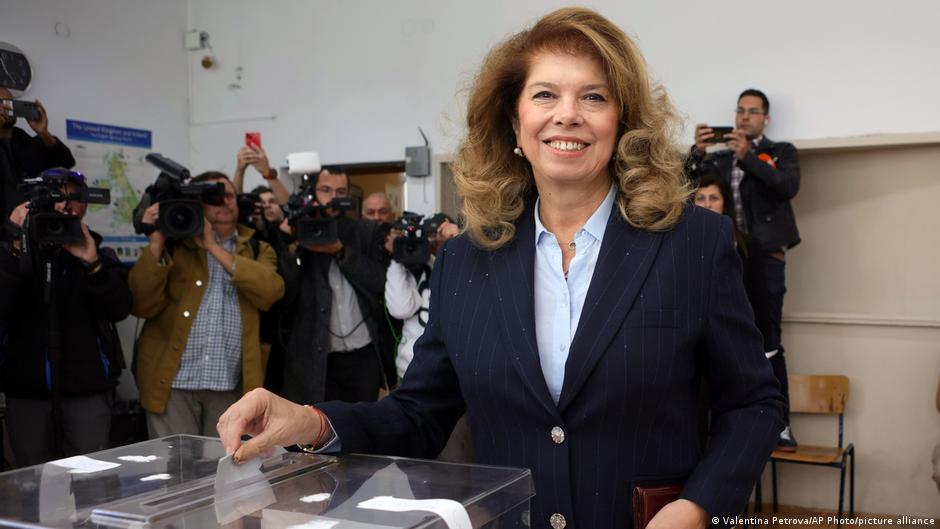
Bulgaria faces a November 1 presidential runoff after low turnout and a close first round intensified uncertainty over security and foreign policy.

A reported US peace proposal linking renewed Russian gas sales to an end to the Ukraine war challenges Europe’s energy phaseout and security strategy.

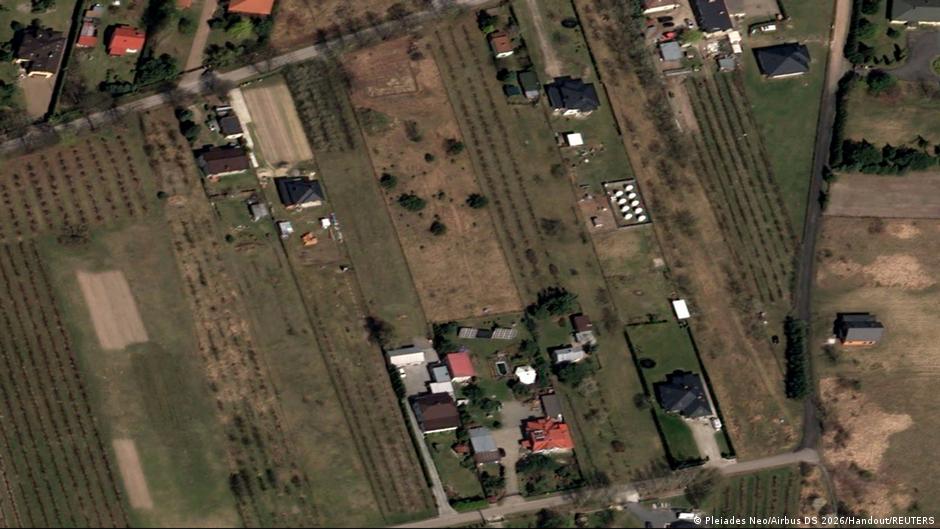
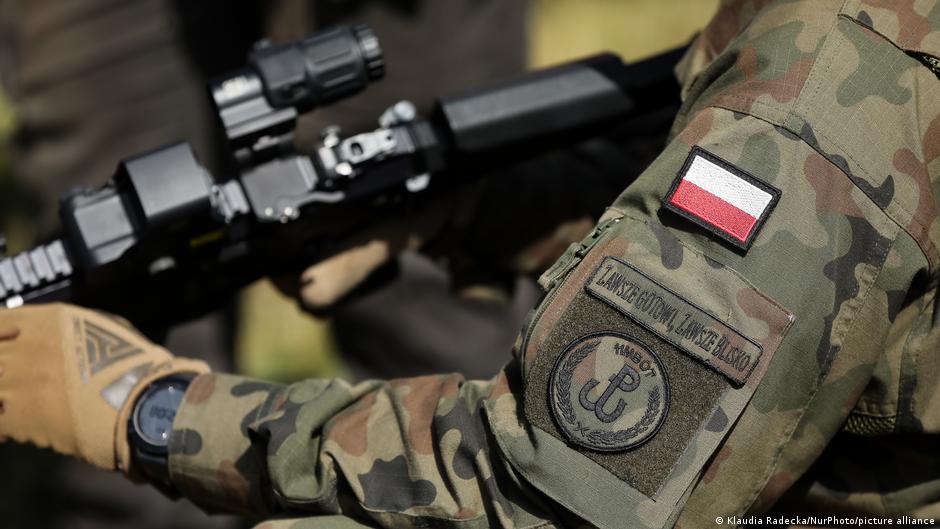
A suspected arson attack on a Polish Starlink station highlights the rising economic and security costs of protecting Europe’s strategic communications infrastructure.

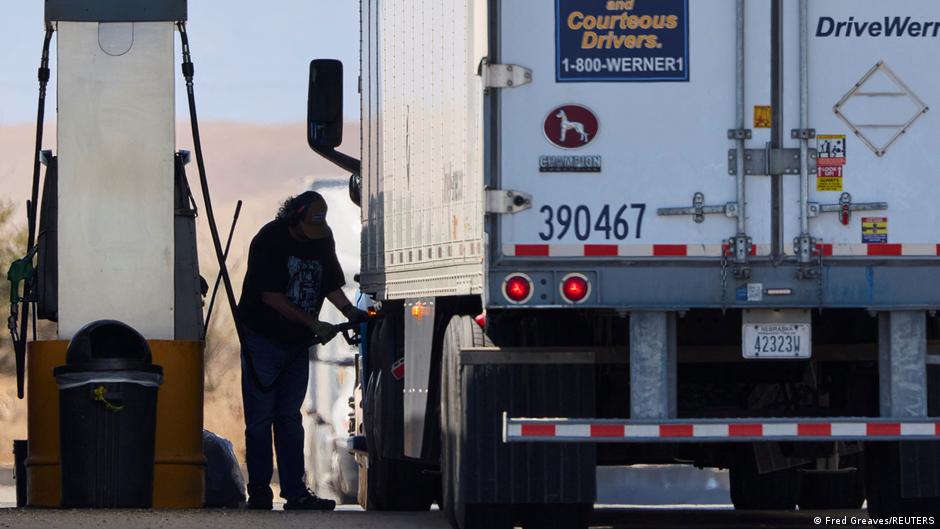
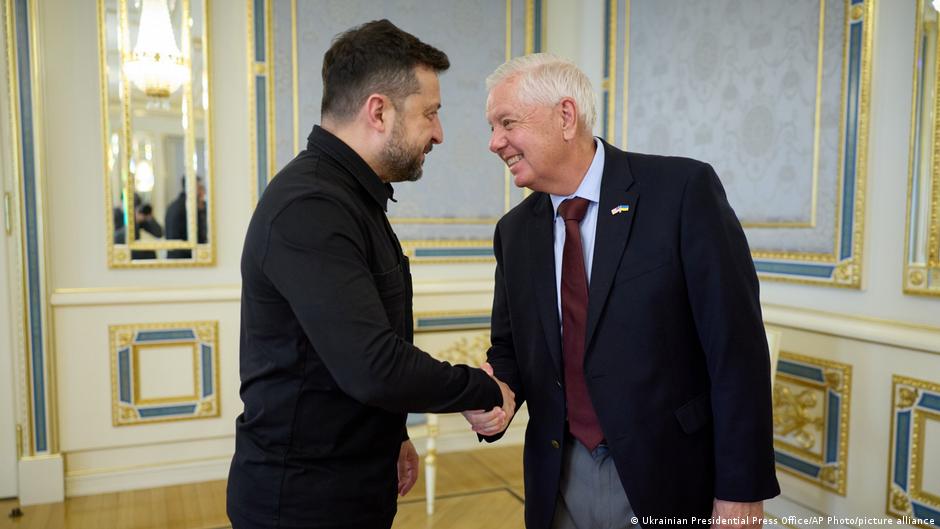
A bipartisan Senate group says Trump’s Russian diesel deal would offer little price relief while funding Moscow’s war effort.

The EU plans new funding for Ukrainian drones and missiles as leaders prepare to discuss Kyiv’s financing needs and long-term support.

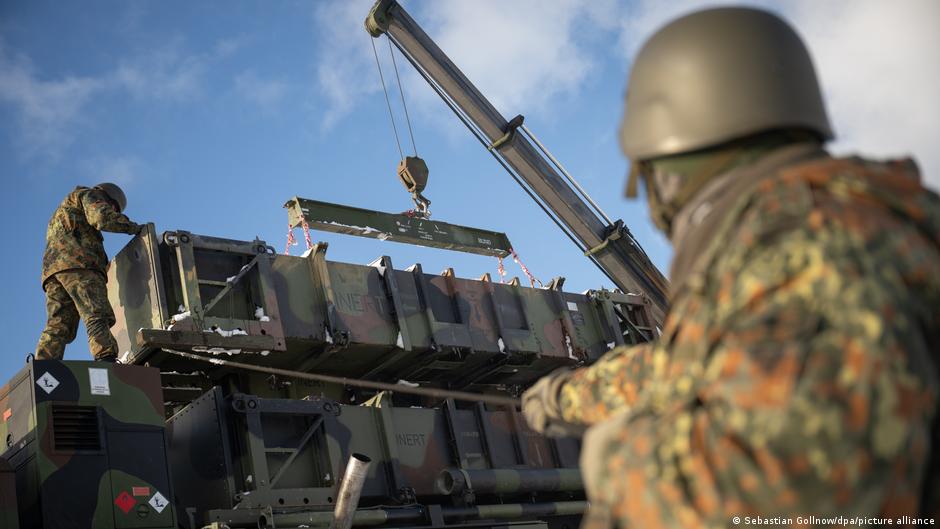
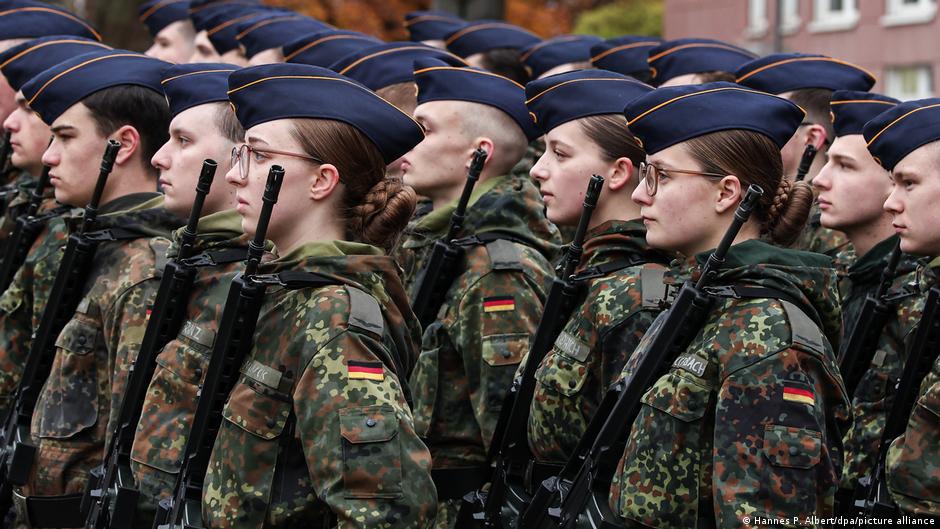
German military opt-out claims tripled in eight months, highlighting manpower, fiscal and labor-market pressures behind Berlin’s defense expansion.

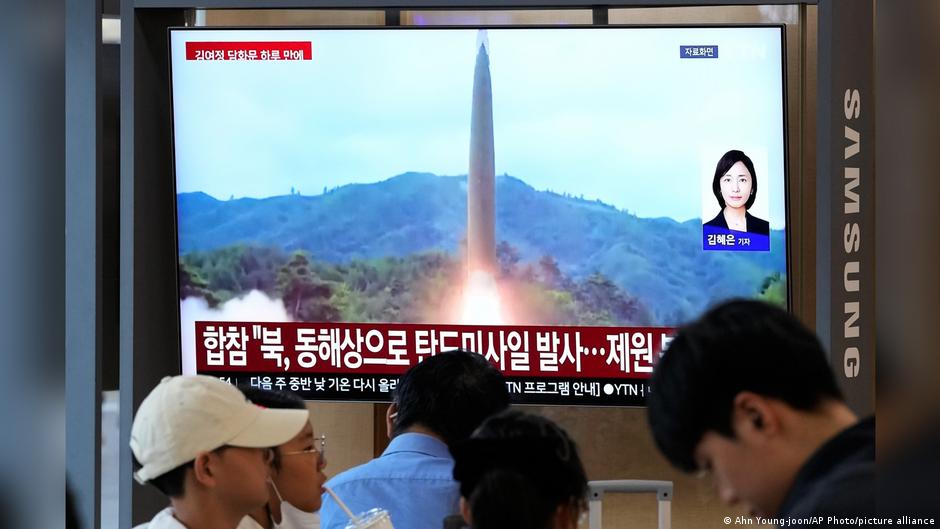
South Korea said North Korea launched at least one ballistic missile after a disputed border blast, renewing concern over regional risk.

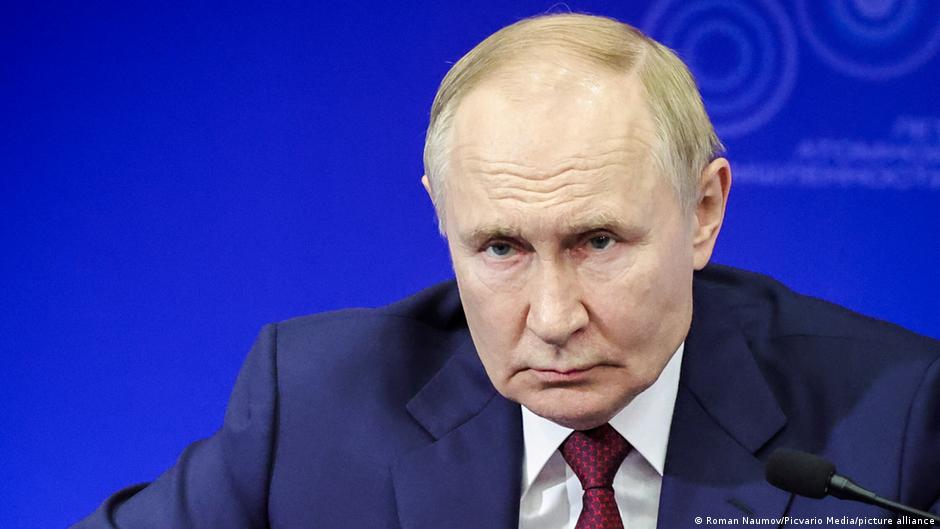
Putin’s Valdai speech sharpened nuclear rhetoric and blamed the West, reinforcing Europe’s long-term geopolitical and economic risk outlook.

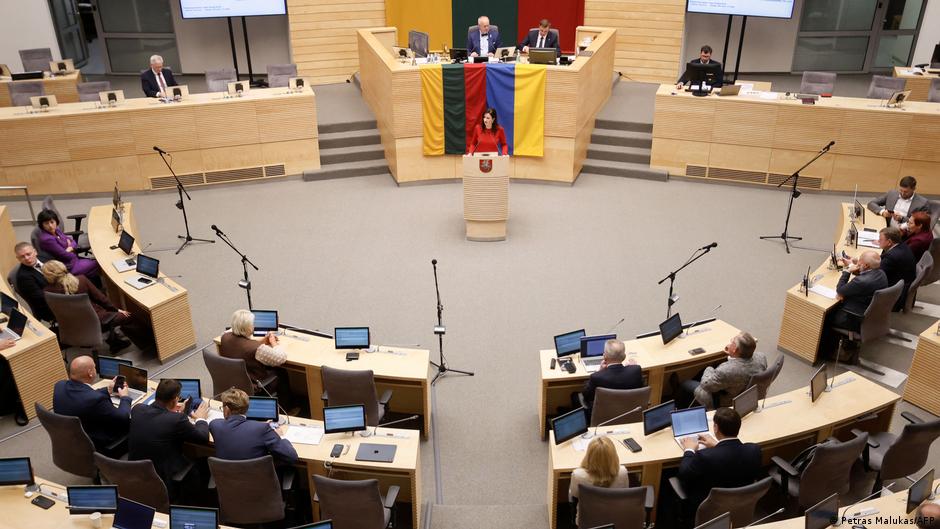
Lithuania’s planned property curbs signal how security policy is reshaping real estate, residency and foreign capital rules in Europe’s east.

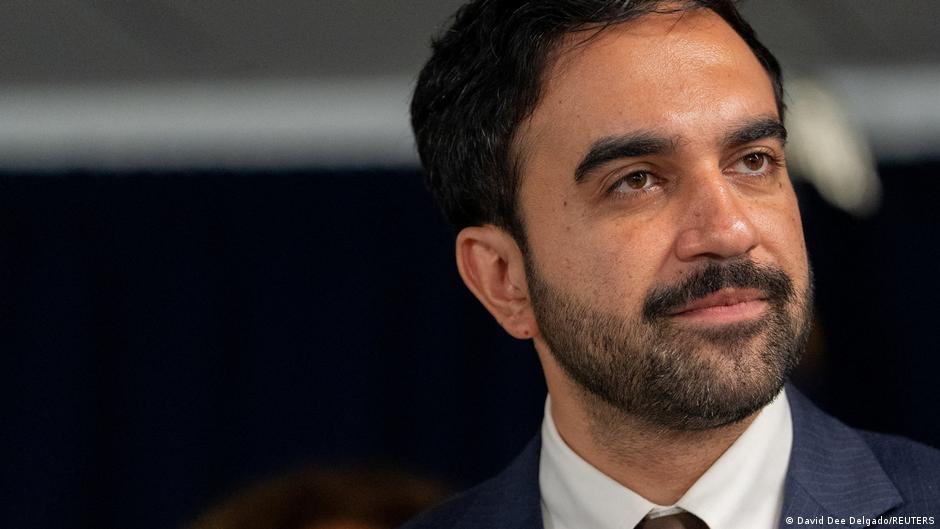
New York Mayor Zohran Mamdani unveiled a $29 million hate-crime strategy focused on antisemitism, synagogue security and Jewish institutions.

The EU’s new €710 million aid package links humanitarian relief with migration management, regional stability and long-term fiscal risk.

Germany says Putin’s possible G20 appearance would test Moscow’s readiness for Ukraine talks, with sanctions and global governance at stake.

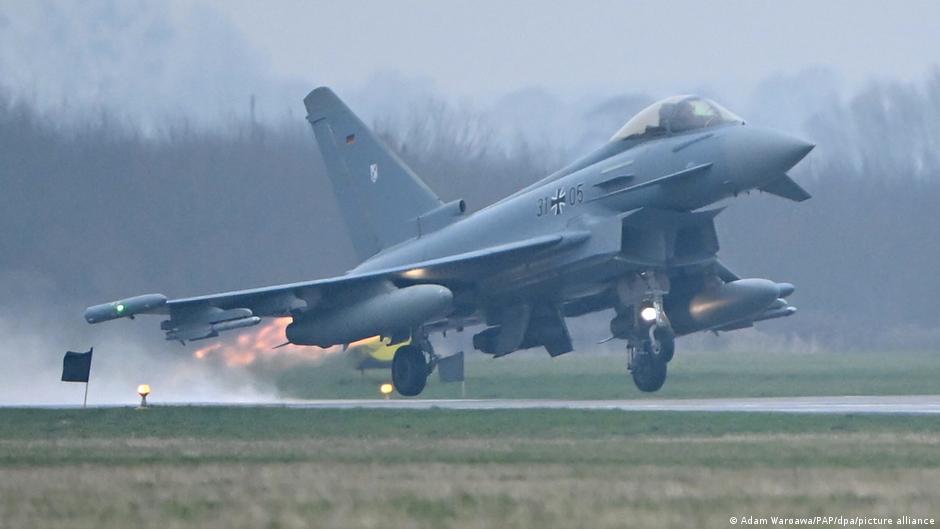
Germany sent four Eurofighters to Latvia for election-period air security, reinforcing NATO’s Baltic deterrence posture amid repeated airspace violations.

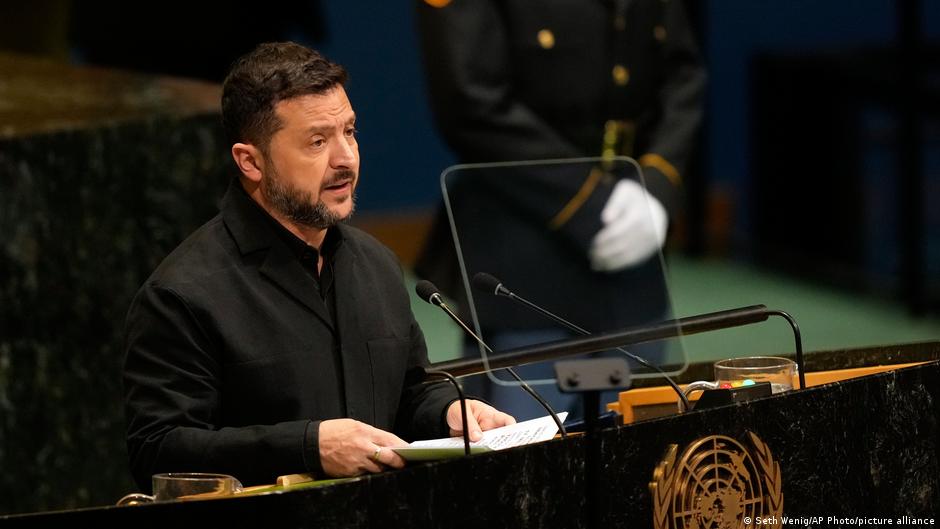
Zelenskyy used his UN address to link Russia’s war to energy revenues, global instability, AI risks and the long-term economic costs of conflict.

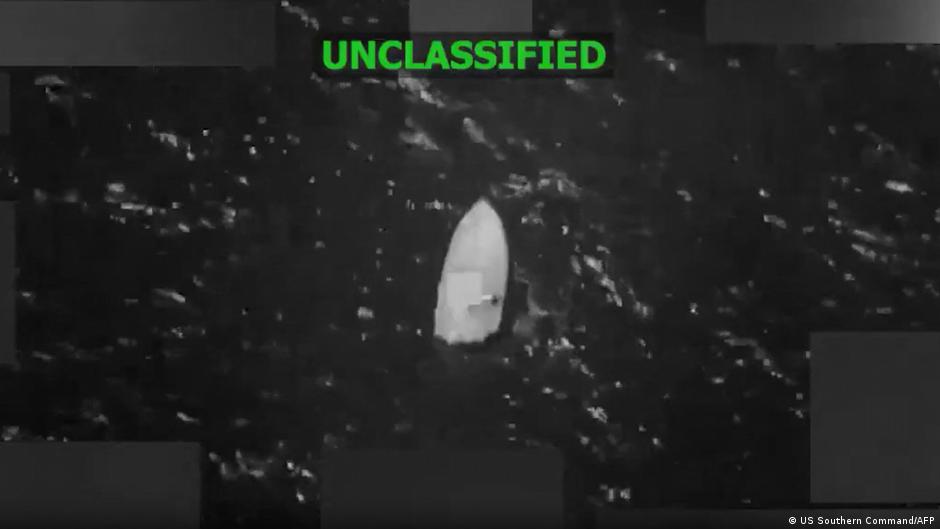
A new U.S. strike on an alleged drug vessel in the Caribbean adds to legal, diplomatic and economic questions around a year-long campaign.

Trump signed the Graham sanctions law, giving the U.S. broad tariff powers over major buyers of Russian energy and sanctions evasion networks.

U.S. prosecutors accused Russian-linked figures of financing terrorism and plotting killings, widening the economic and policy stakes of the Ukraine conflict.

The House opened debate on a bill allowing 100% tariffs on major Russian energy buyers, raising stakes for energy markets and U.S. policy.

Belarus plans wider army readiness checks, including mobilization preparedness, as Ukraine warns of continued regional security risks.

France warned CNews it could face criminal proceedings if it airs expelled former RT France chief Ksenia Fedorova by video link.

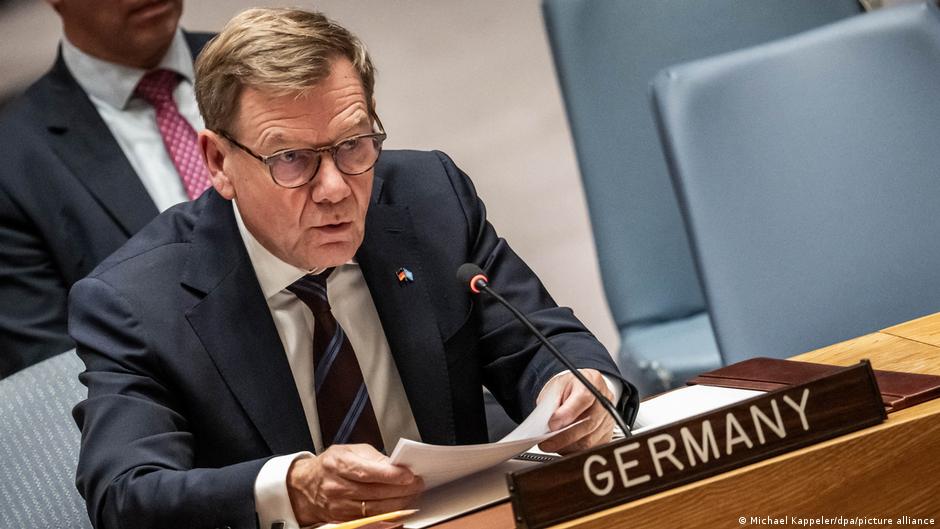
Germany’s foreign minister says Berlin’s defense industry should benefit from Ukraine support, tying aid policy to taxpayer and industrial interests.

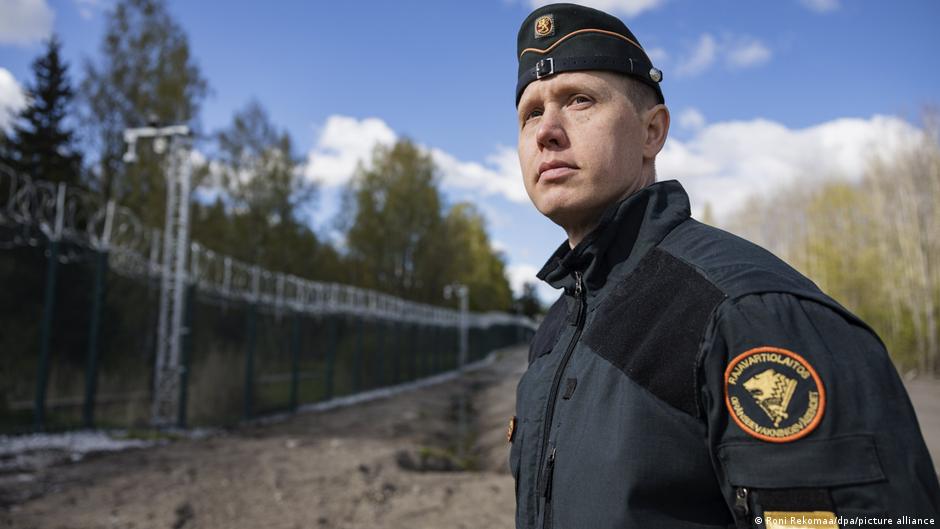
Finland has completed a 200-kilometer border fence with Russia, reflecting Europe’s shift toward security infrastructure amid geopolitical risk.

Germany is preparing a broad anti-sabotage shield against Russian hybrid threats, with new drone defenses, cyber monitoring and roles for critical infrastructure firms.

Several hundred Ukrainian soldiers have deserted military training programs in Germany since 2022, revealing new security and policy challenges for European defense cooperation.

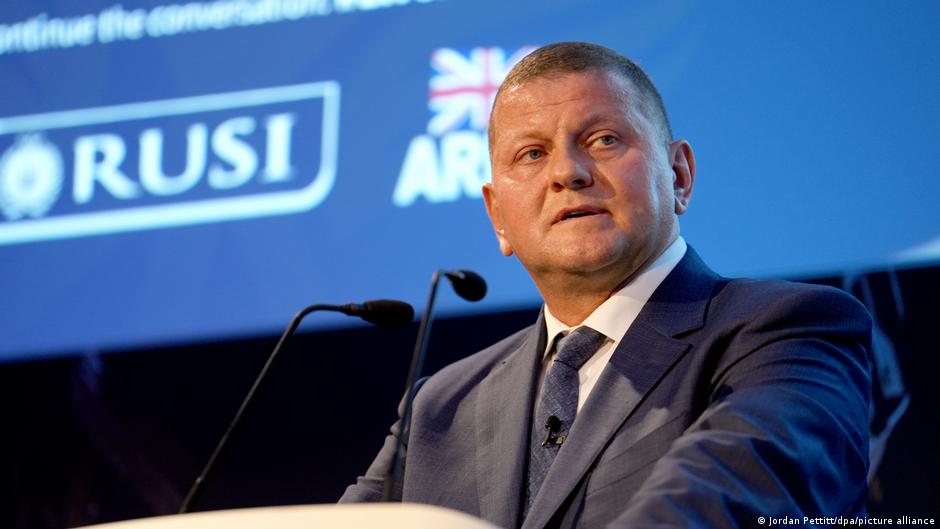
Ukraine’s former military chief Valeriy Zaluzhny forecasts slim chances of NATO membership, urging Kyiv to pursue emerging regional defense coalitions amid evolving security dynamics.

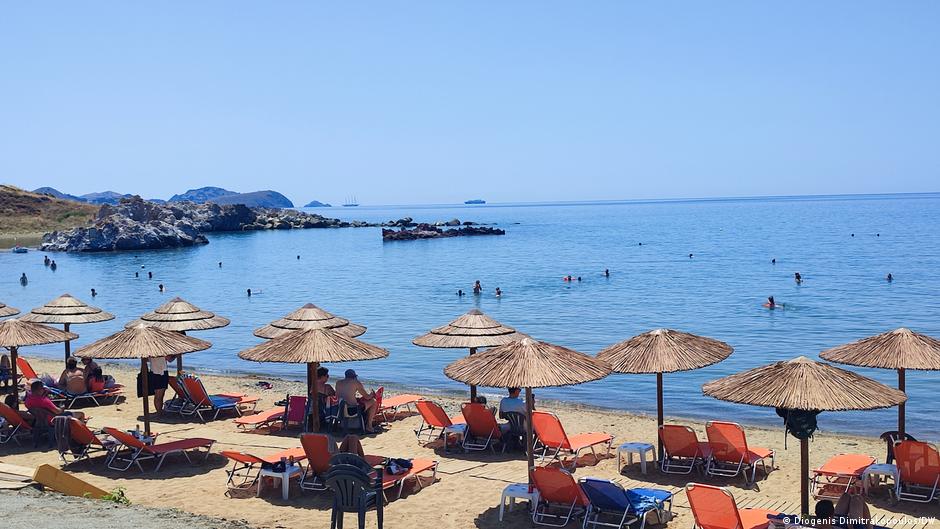
Greece's substantial increase in Schengen visa refusals to Russians highlights EU security-driven policy shifts, affecting Russian travel and European tourism economies.

Germany seeks a formal agreement with Ukraine to access advanced drone technologies, aiming to enhance its military capabilities amid ongoing security challenges.

The EU condemns Russia's missile strikes on Ukraine, summons Russian envoy, and plans expanded sanctions amid escalating drone warfare and diplomatic tensions.

Germany has seen a sharp increase in military service refusals in early 2026, driven by security concerns and conscription reforms aimed at expanding the Bundeswehr’s size.

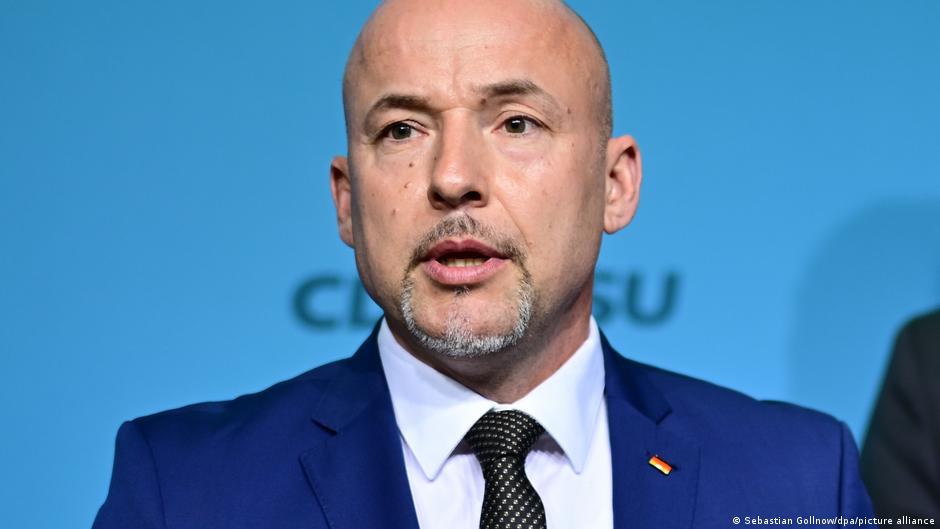
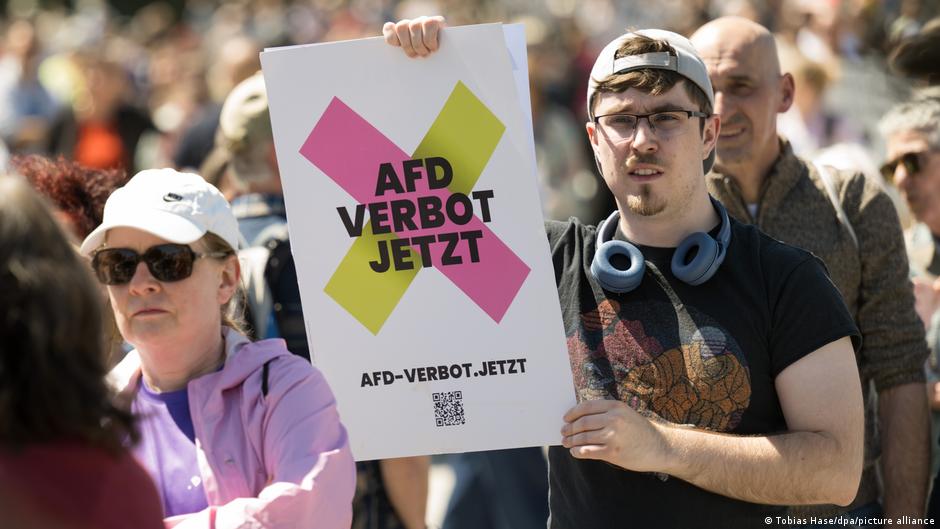
A recent INSA poll shows 45% of Germans oppose banning the far-right AfD, which remains the country's most popular party, outpacing CDU/CSU by 8 points.

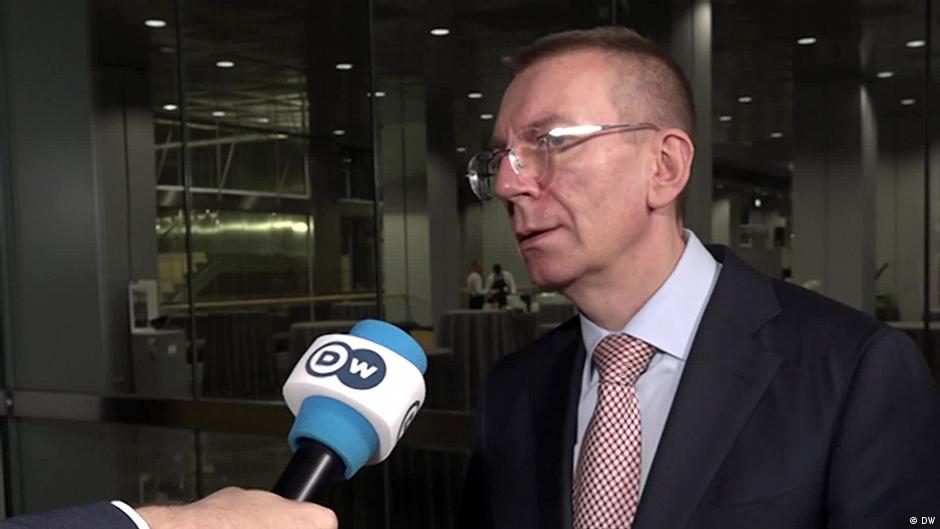
Latvian President Edgars Rinkēvičs warns NATO to prepare for potential escalation with Russia, stressing the need for increased military capabilities and clear deterrence signals to Moscow.

The EU postpones appointing a special envoy to negotiate with Russia over Ukraine, prioritizing a clear strategy and unified objectives before engaging in talks.

The EU and US have condemned Israel following a video showing detained pro-Palestinian activists, sparking diplomatic protests and highlighting tensions over Gaza blockade enforcement.

EU's top diplomat warns Russia, China, and the US employ divide-and-rule tactics to weaken European Union unity, threatening its global economic and geopolitical strength.

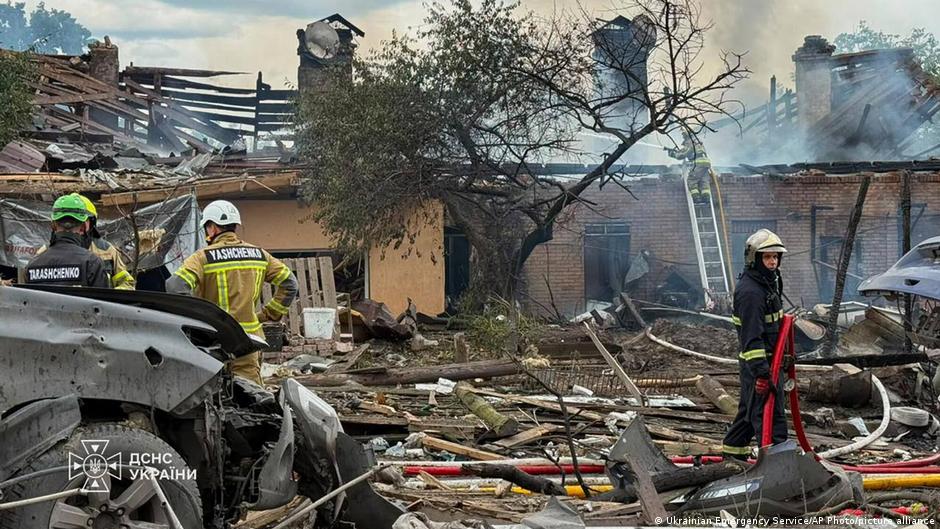
Ukraine has gained strategic initiative over Russia, expanding drone strikes deep into Russian territory and causing significant territorial and personnel losses for Russia in April 2026.

Poland has signed a €44 billion EU loan agreement to fund defense modernization, marking a significant shift in European security investment despite presidential veto concerns.

President Trump rejects NATO assistance in the Strait of Hormuz, while European nations prepare a peacekeeping mission amid ongoing Middle East tensions.