Russian Convoys Reverse Course After Ukraine Strikes Warship in Libya
Two Russian military convoys reportedly changed course after Ukraine sank a Russian corvette in Libya, raising Mediterranean security and logistics risks.

Two Russian military convoys reportedly changed course after Ukraine sank a Russian corvette in Libya, raising Mediterranean security and logistics risks.

Belarus will block Spotify from December 1 over alleged unpaid VAT, highlighting rising tax and market-access risks for global digital platforms.

Sweden’s protest over incidents in Poland and Denmark points to higher defence costs, tighter mobility rules and a growing European geopolitical risk premium.

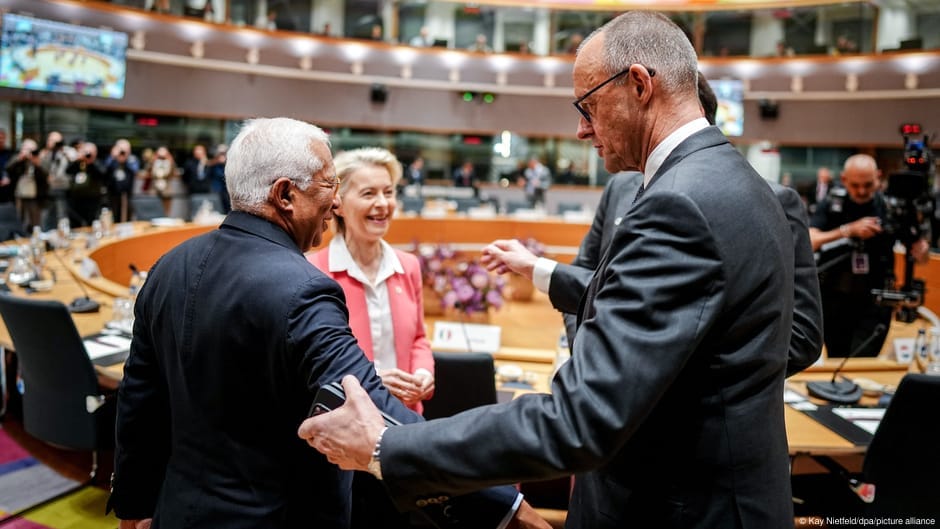
EU leaders ended budget talks early as disputes over spending, common debt, regional support and Ukraine financing blocked agreement on the 2028-2034 framework.

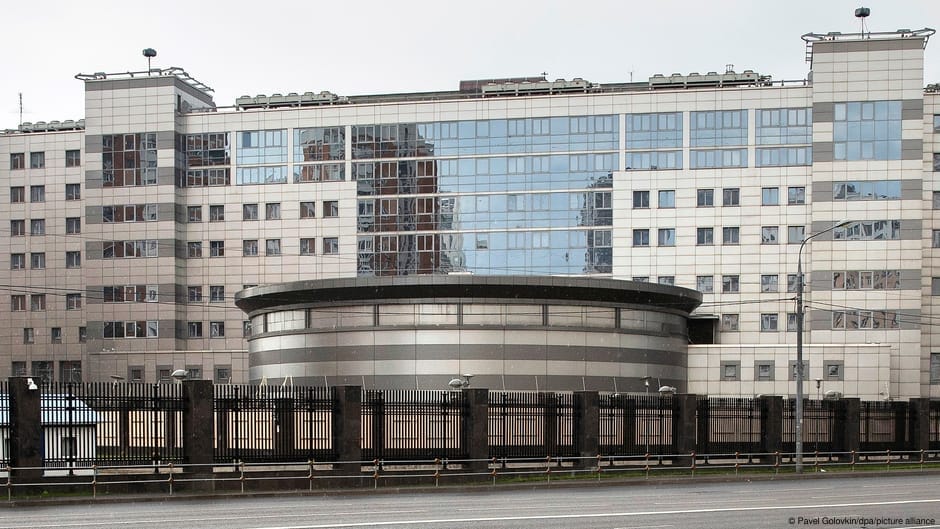
Lithuania is urging the EU to designate Russian military intelligence as a terrorist organization, potentially widening Europe’s security and economic response.

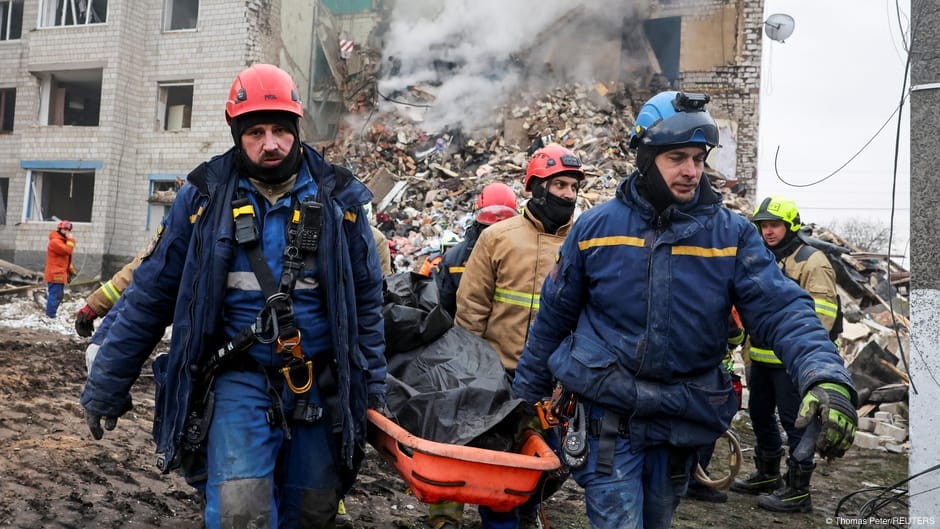
Russian attacks killed and injured dozens across Ukraine while damaging homes, shops, businesses and energy infrastructure in several regions.

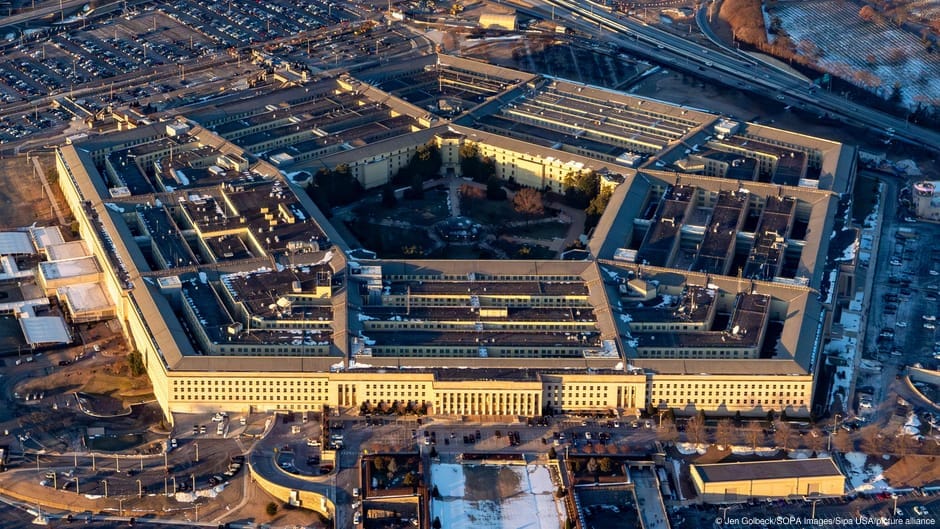
New Pentagon limits preserve NATO and NORAD ties but add uncertainty as US-Canada defense, procurement and trade relations grow more conditional.

Washington’s push for a Ukraine deal before Democrats take Congress could reshape military aid, European defense spending and reconstruction prospects.

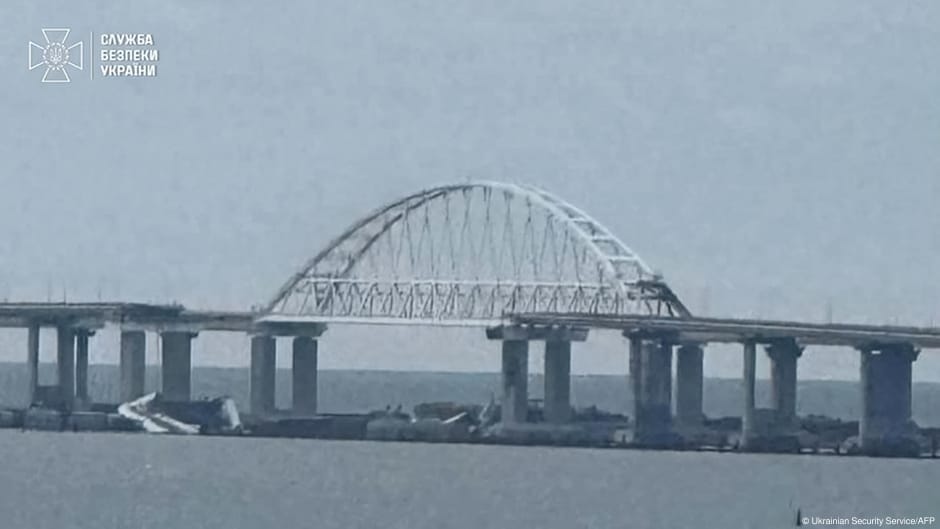
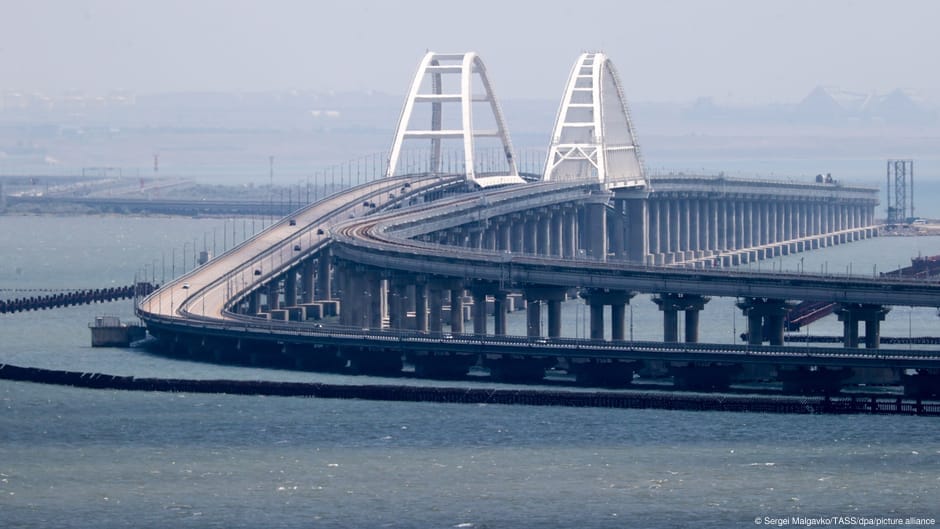
Zelensky says the Crimea Bridge will not survive, as severe damage threatens Russian logistics and creates a costly, uncertain reconstruction challenge.

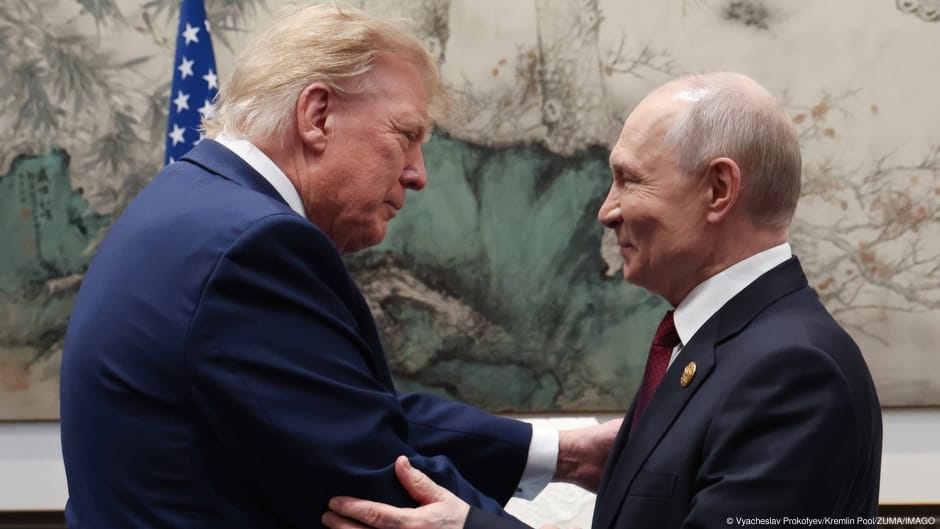
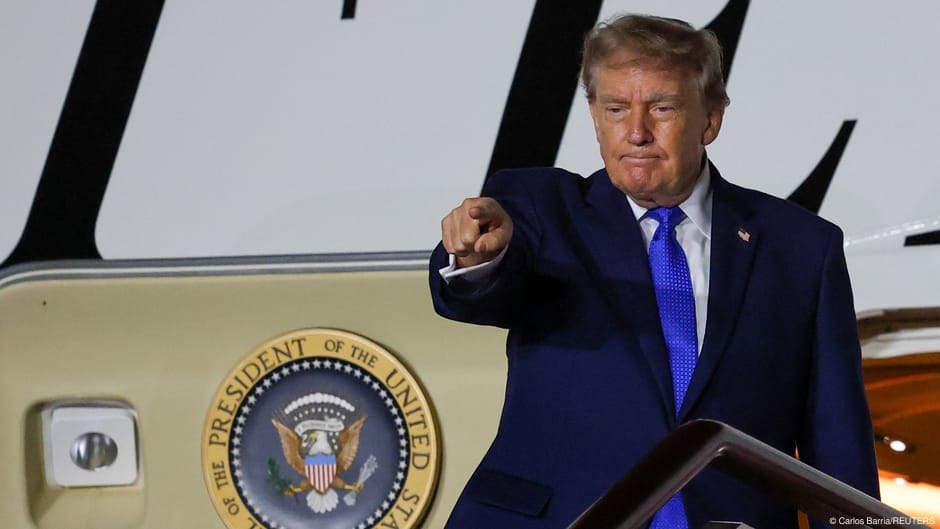
Trump backed Kyiv’s right to participate in decisions on the war as US, Chinese and Russian leaders opened a new but still inconclusive diplomatic channel.

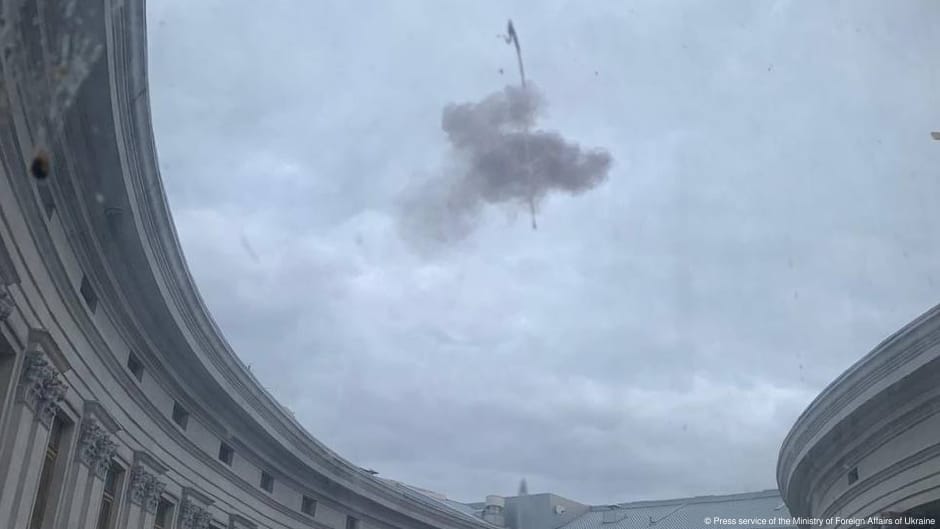
Russian missile strikes damaged Kyiv bridges and buildings, adding transport, fiscal and diplomatic pressures to Ukraine’s wartime economy.

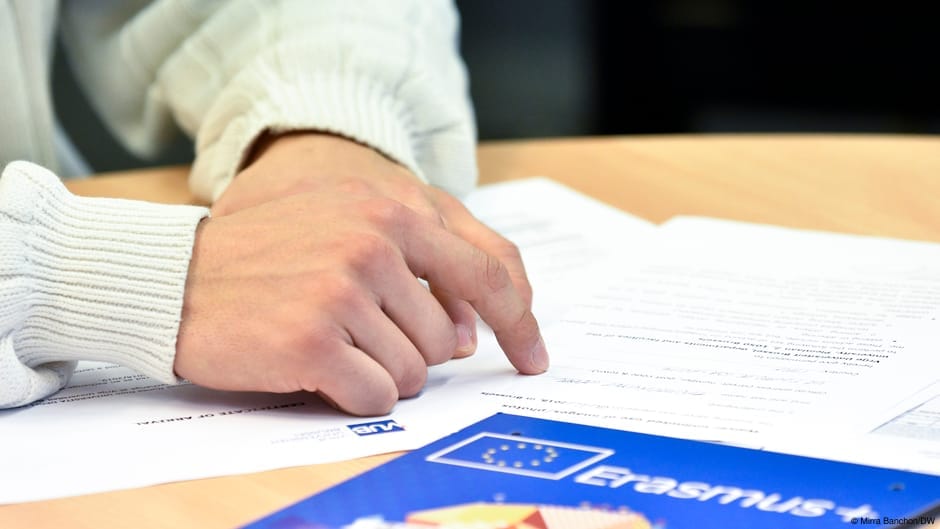
The EU has excluded Russia-based residents and organizations from Erasmus+, tightening restrictions on academic mobility and long-term knowledge exchange.

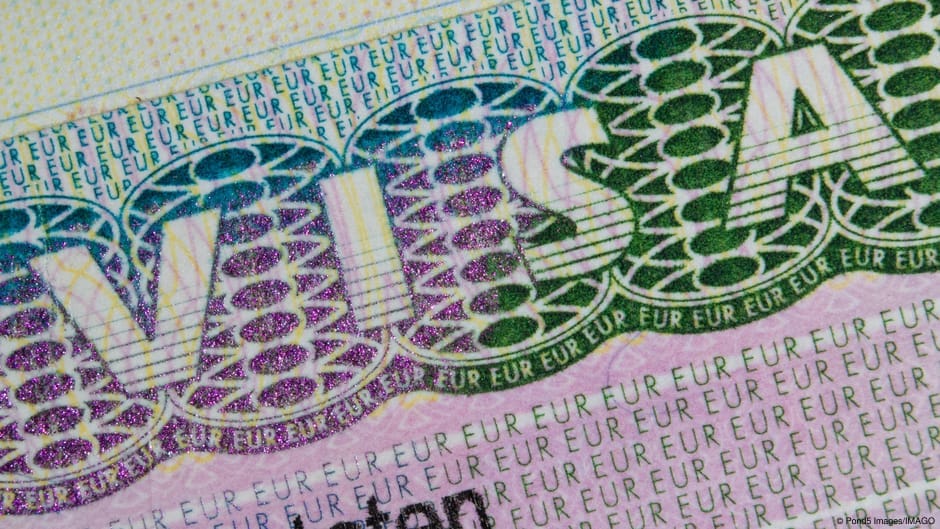
Slovenia has stopped accepting Russian applications for study and most work visas, preserving limited routes for business, transport workers and EU family reunification.

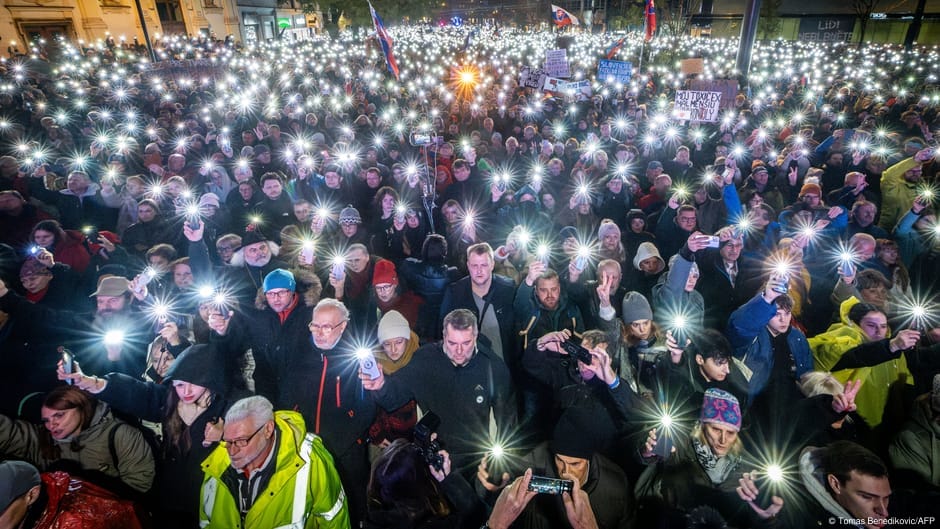
Mass protests against Robert Fico’s government highlight risks to Slovakia’s institutional stability, policy continuity and long-term investor confidence.

Strikes on bridges in Kyiv and the Kerch Strait highlight mounting risks to transport networks, public services, logistics and reconstruction budgets.

A German poll shows broad concern over Russia but an almost even divide on restoring Russian energy imports, complicating long-term security and industrial policy.

A Russian libertarian faction has voted to dissolve after a “foreign agent” designation, underscoring rising institutional and human-capital risks.

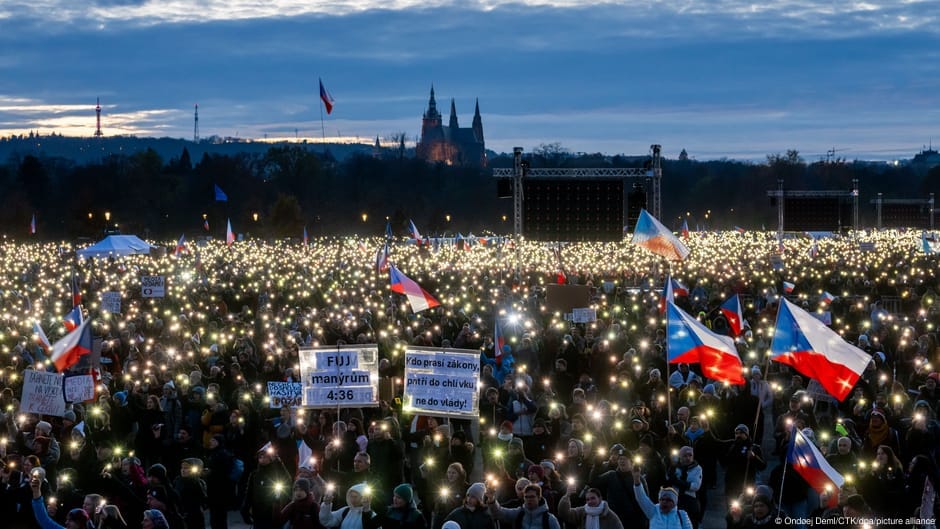
A Czech plan to replace broadcasting fees with state funding has prompted a huge Prague protest and warnings over media independence, fiscal pressure and institutional risk.

Washington is bringing Europe into Ukraine peace talks, a shift with implications for regional security, public finances, investment and long-term economic risk.

The Pentagon plans to withdraw about 5,000 US troops from Europe, far fewer than expected, while reinforcing NATO’s eastern flank.

Macron casts Ukraine aid as long-term risk management as fiscal pressures in Poland and Bulgaria expose strains in Europe’s security financing.

Trump, Putin and Xi are set to open trilateral nuclear arms-control talks at APEC, while Ukraine is expected to remain outside the agenda.

Nearly 40 European states have endorsed a security charter with potential consequences for fiscal policy, infrastructure investment and transatlantic risk.

Russia and Ukraine agreed to include European partners in the next peace talks, widening negotiations to cover postwar security as well as territorial issues.

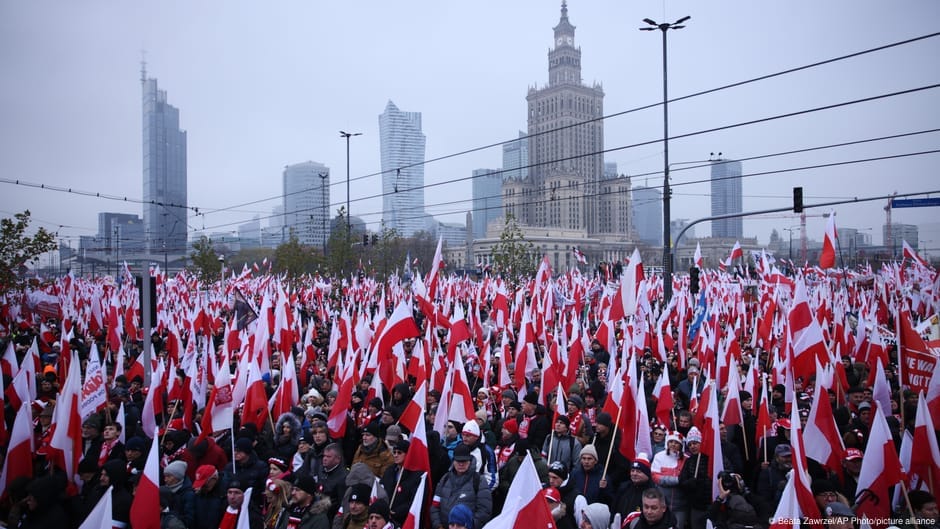
A mass nationalist march joined by President Karol Nawrocki highlighted Poland’s institutional tensions and potential risks to policy stability.

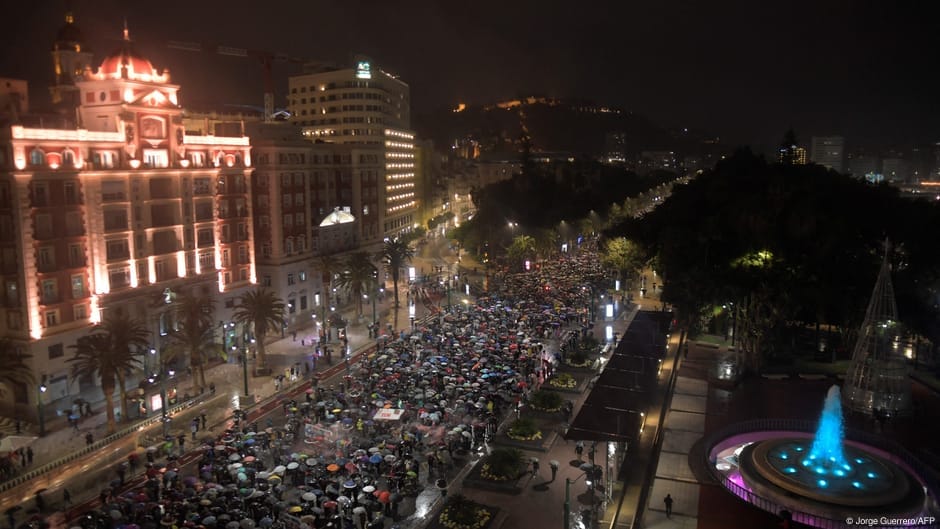
Spain’s housing shortage has triggered a nationwide strike, industrial disruption and mass protests weeks before a snap parliamentary election.

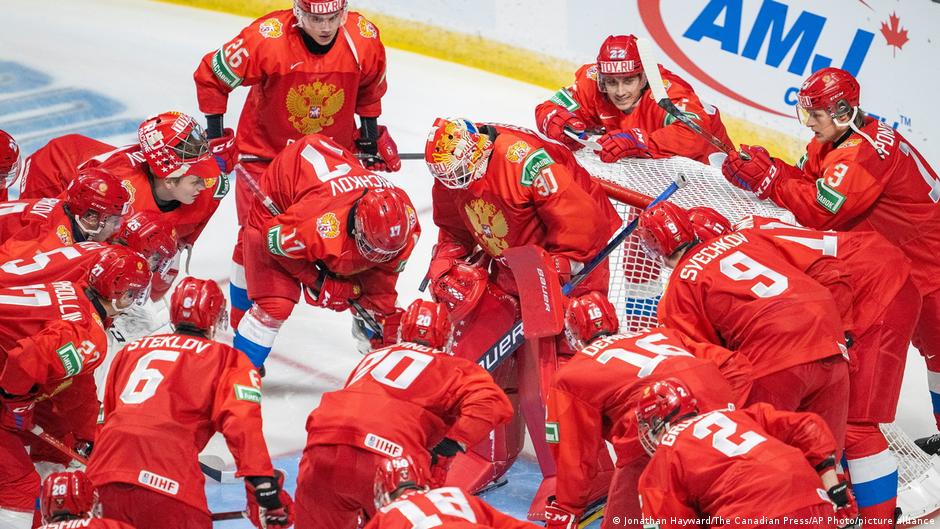
Canada will deny entry to Russian players at the 2027 World Juniors, exposing a conflict between sports arbitration and sovereign border policy.

Kyiv and Moscow discussed exchanging up to 3,000 prisoners as Abu Dhabi talks expanded toward energy, Black Sea security and possible leader-level negotiations.

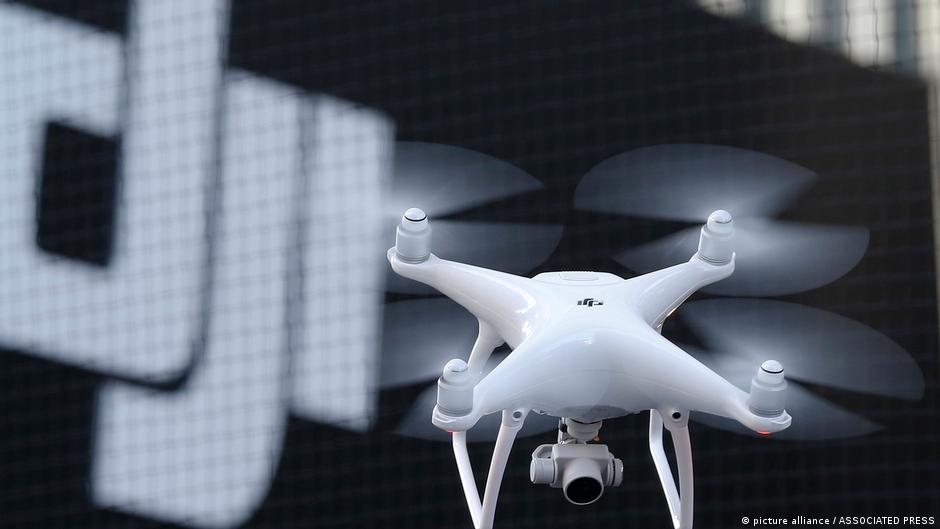
Germany’s military has barred Chinese drones and cars from sensitive sites, highlighting how security concerns are reshaping European procurement and industrial policy.

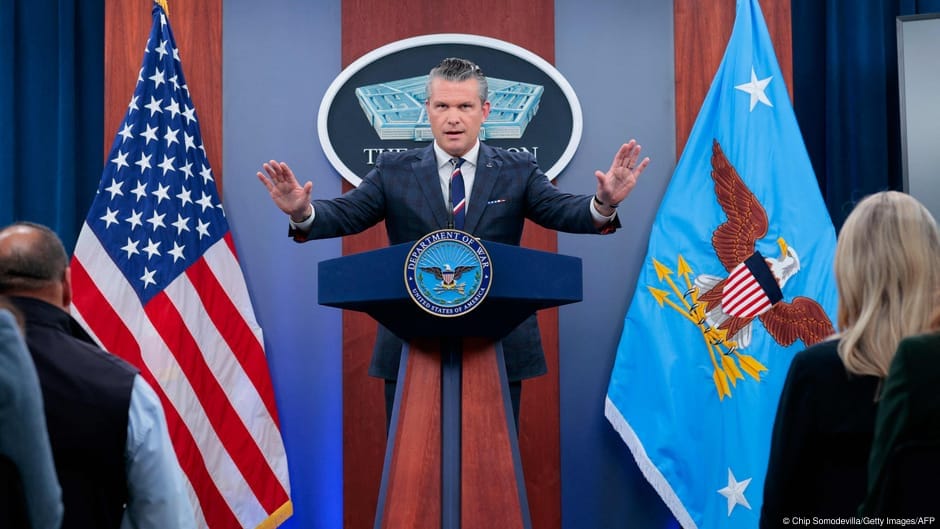
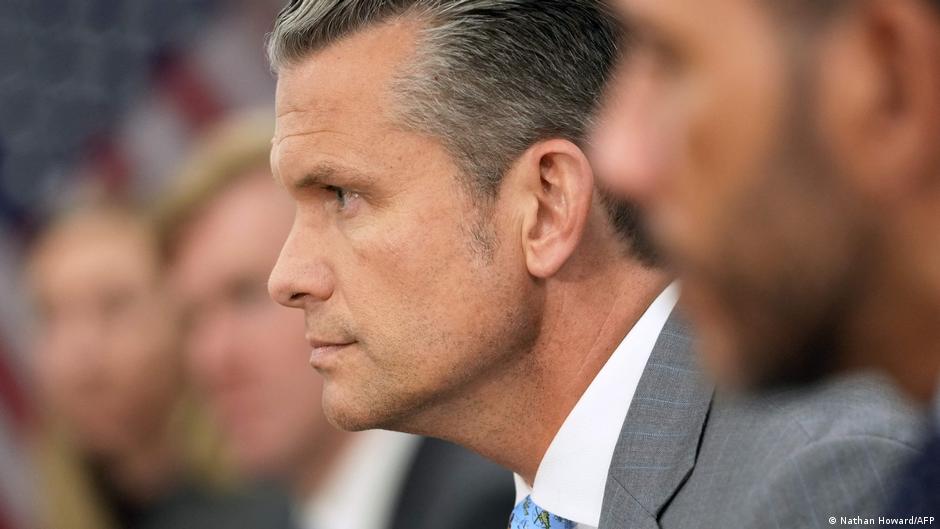
House Republicans referred the Hegseth impeachment resolution to committee, delaying a war-powers dispute until Democrats take control of Congress in January.

A Republican-led impeachment bid against Pete Hegseth highlights rising US war-powers tensions and risks to geopolitical and economic policy continuity.

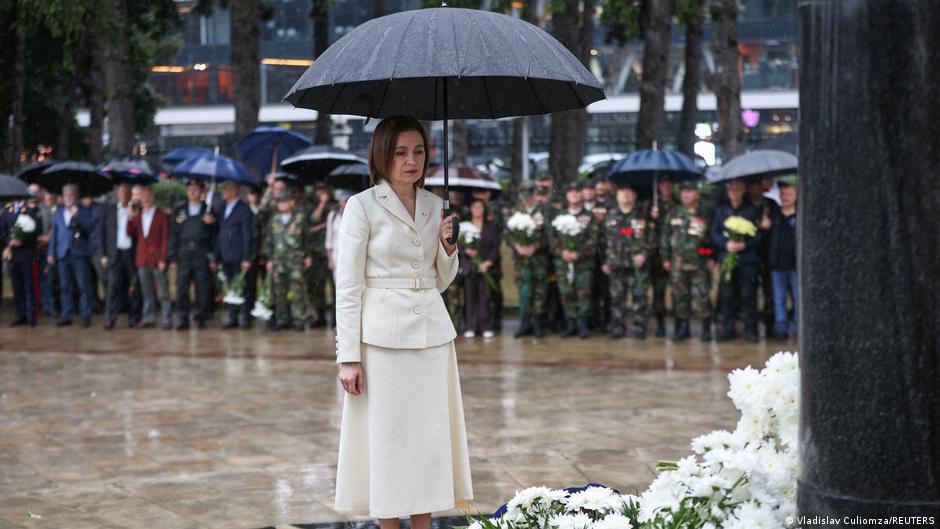
Moldova’s new power link with Romania reduces reliance on Russian-linked infrastructure and advances its economic integration with the European Union.

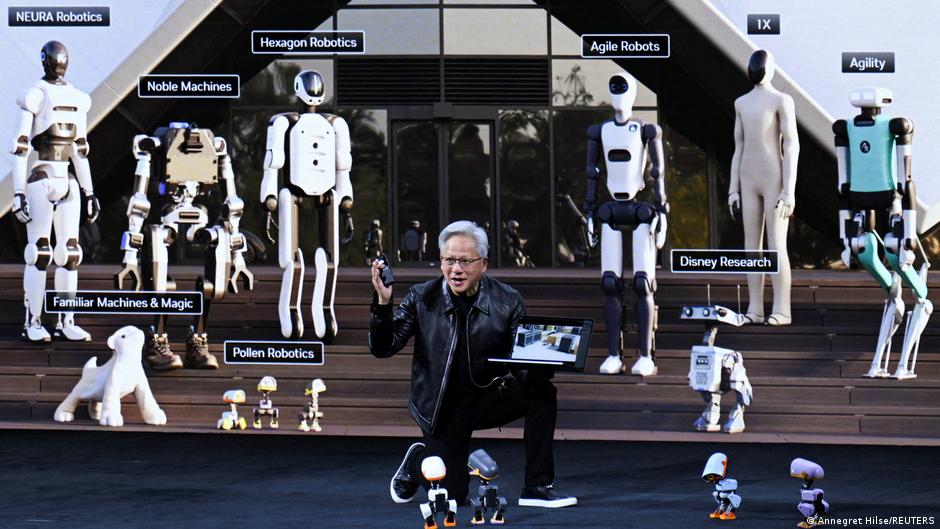
Nvidia’s board is investigating its CEO’s reported affair with a suspected Chinese intelligence asset as scrutiny of strategic AI supply chains intensifies.

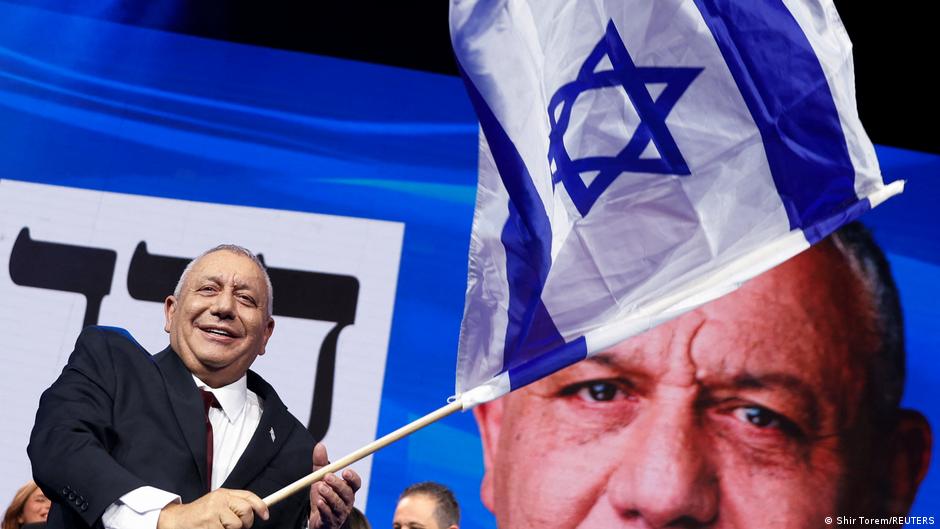
Gadi Eisenkot has 28 days to build an Israeli coalition, with Arab parties holding the balance and economic and diplomatic policy at stake.

Paraguay’s detention of former President Santiago Peña deepens a political and financial crisis that has blocked millions of Ueno customers from their accounts.

At least 350 Russian conscripts have died in the Ukraine war, highlighting growing manpower, demographic and fiscal risks for Moscow.

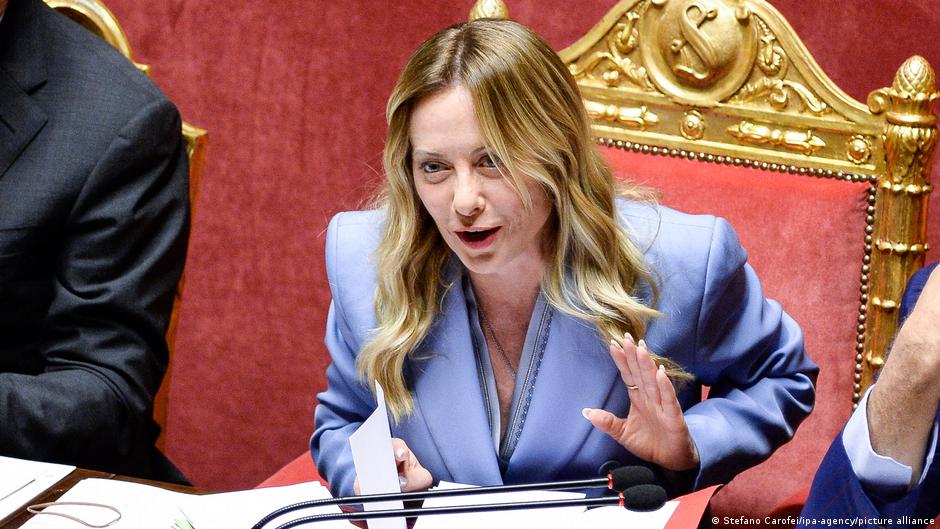
Giorgia Meloni says an agreed EU negotiator is essential to protect Europe’s influence over Ukraine’s security, sanctions and postwar economic settlement.

A Kharkiv language-school co-founder died after detention in Crimea, highlighting the war’s mounting human-capital and institutional costs.

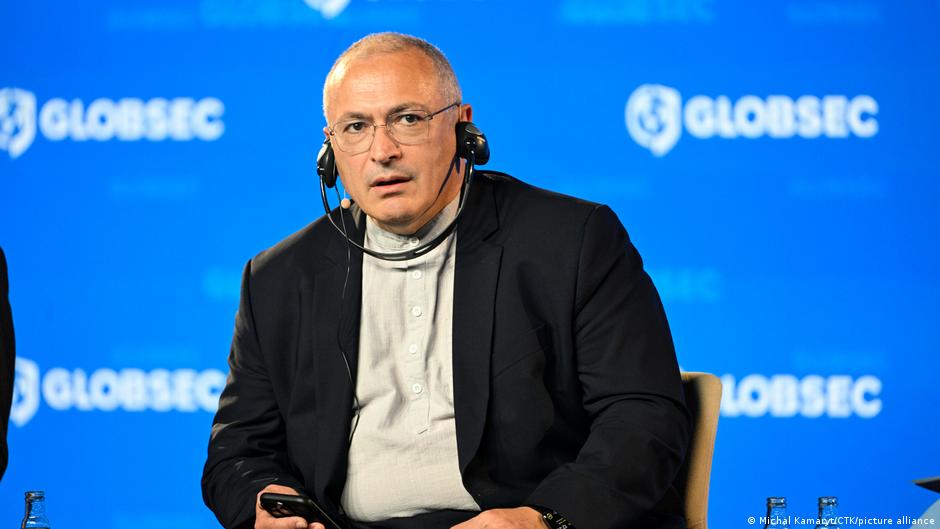
Khodorkovsky says Europe should offer Russian elites credible exit paths while avoiding transition policies that could trigger armed conflict and renewed authoritarianism.

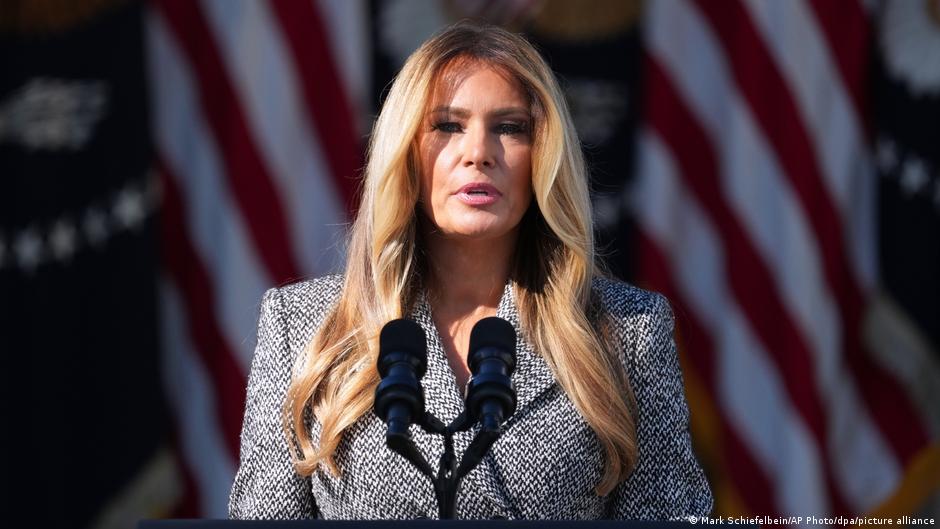
Melania Trump will meet Russian and Ukrainian representatives to review the Oleshky ceasefire and a humanitarian operation that evacuated hundreds of civilians.

US-mediated Russia-Ukraine talks in Abu Dhabi will link de-escalation and security guarantees with the long-term financing of Ukraine’s reconstruction.

France’s technical talks with the Taliban reveal Europe’s migration-policy shift and the growing tension between enforcement, fiscal pressures and human rights.

A federal court rejected an effort to halt certification of Alaska’s Senate result, limiting intervention in a race that could shape congressional control and US economic policy.

False radiation and nuclear warnings in Ukraine and Russia exposed cybersecurity and confidence risks surrounding essential public alert infrastructure.

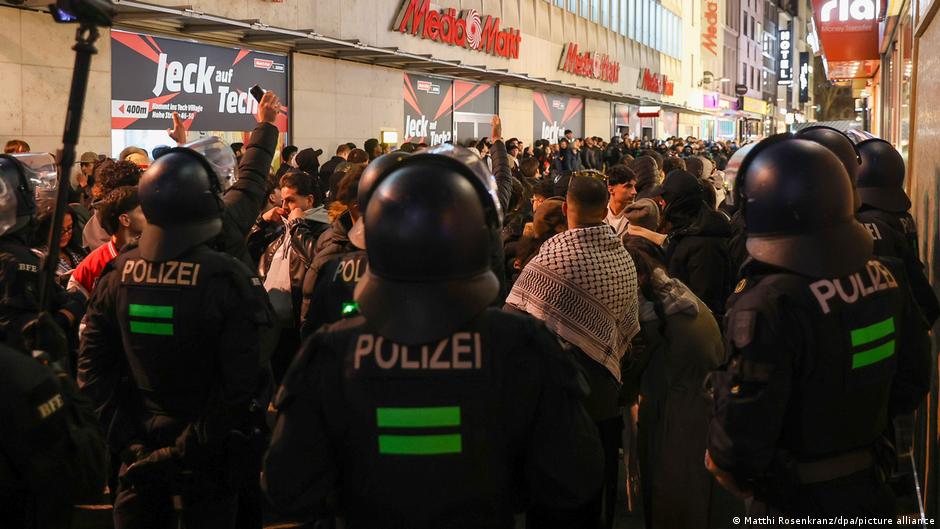
Youth unrest across Germany highlights growing European pressure over living costs, public services, climate action and competing fiscal priorities.

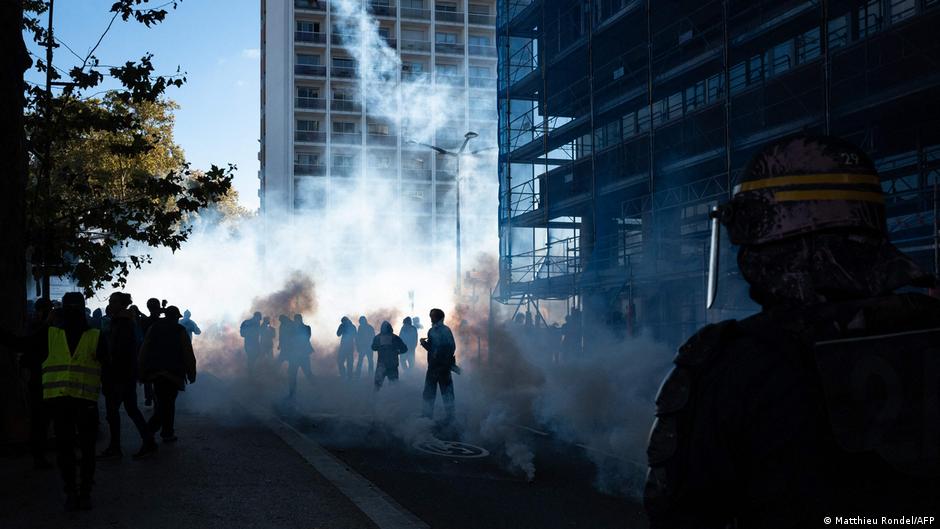
French protest turnout fell to 320,000, but cost-of-living and education grievances continue to pose fiscal and political risks.

Poland’s tribunal leadership dispute has triggered protests and presidential intervention, intensifying concerns over legal certainty and policy credibility.

Commemorations in 101 cities reveal how restrictions on Russian civic initiatives are shifting historical-memory work abroad and affecting perceptions of institutional risk.

Ukraine’s reported refinery-strike pause shows how US electoral pressure, fuel prices and dependence on American technology are reshaping wartime strategy.

The Pentagon watchdog’s refusal to investigate Starlink disruptions intensifies debate over private control of critical defense communications.