Pentagon Impeachment Bid Deepens US War-Powers and Policy Risks
The challenge to Defense Secretary Pete Hegseth raises questions over congressional authority, geopolitical stability and US policy continuity.
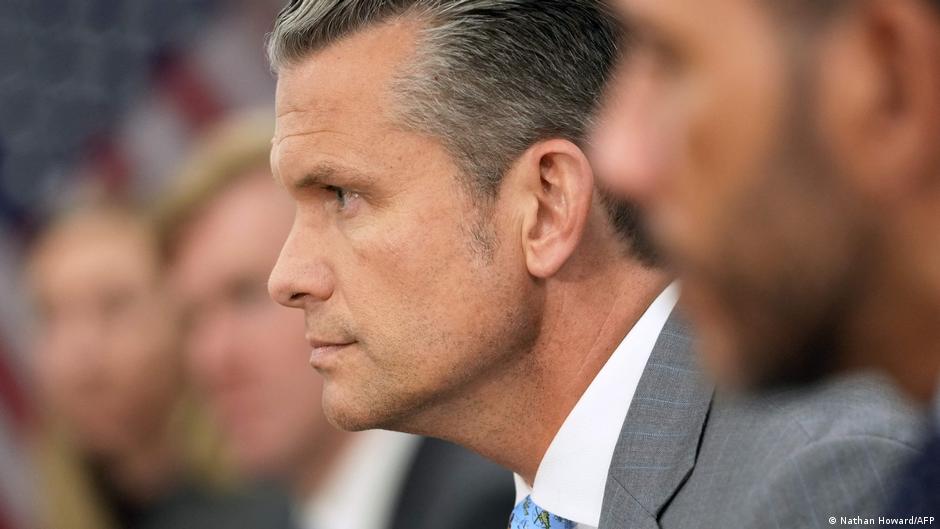
Republican Representative Thomas Massie has introduced a resolution in the US Congress seeking the impeachment of Defense Secretary Pete Hegseth, accusing him of exceeding his authority in connection with the war against Iran.
The initiative, submitted on Monday, November 9, adds a significant domestic political challenge to an expanding set of US military commitments. For senior economic decision-makers, the immediate significance lies less in the resolution’s uncertain prospects than in what the dispute signals about the durability of US foreign policy, the constitutional constraints on military action and the risk of abrupt changes in Washington’s strategic posture.
The 34-page proposal contains eight articles of impeachment. Three concern the war with Iran, which Massie alleges Hegseth began without congressional authorization. The document also refers to military operations in Yemen, US strikes allegedly conducted against drug-trafficking vessels in the Caribbean and the capture of Venezuelan President Nicolás Maduro.
“He has abused the powers of his office by ignoring congressional resolutions concerning the authority to declare war, kidnapping foreign leaders and intimidating critics of the Trump administration by targeting them for exercising their right to free speech,” Massie said.
Institutional conflict adds to geopolitical uncertainty
The resolution brings the longstanding dispute over presidential and congressional war powers into the center of US policymaking. Congress holds the constitutional power to declare war, while successive administrations have relied on executive authority to conduct military operations. Massie’s proposal argues that the latest actions crossed that institutional boundary.
For the global economy, uncertainty over who can authorize or constrain US military action can complicate assessments of geopolitical risk. Conflict involving Iran has direct implications for energy markets, shipping routes and business confidence. Military operations in Yemen also intersect with the security of strategically important maritime corridors, while developments involving Venezuela carry potential consequences for regional stability and the international energy landscape.
The impeachment effort therefore introduces another layer of policy risk at a time when investors, governments and multinational companies must evaluate not only the scale of US military involvement but also whether that involvement could be altered by congressional intervention. Even if Hegseth remains in office, the process may sharpen scrutiny of future deployments and intensify pressure for clearer legal authorization.
President Donald Trump defended the defense secretary, saying Hegseth had “done a very good job.” Trump described Massie as a “total loser,” underscoring the political divide between the White House and a Republican lawmaker who has challenged the administration on other issues.
Hegseth said the effort to impeach him did not concern him and announced that he would hold a Pentagon briefing on the matter on November 10. His response suggests that the administration intends to defend both his record and the military decisions cited in the resolution rather than seek an immediate political accommodation with critics in Congress.
A high procedural threshold limits near-term disruption
The House of Representatives is expected to consider Massie’s proposal this week. A simple majority in the lower chamber would be sufficient to impeach Hegseth and send the matter to the Senate. Removing him from office, however, would require a two-thirds majority in the upper chamber.
That threshold is exceptionally high and is expected to remain difficult to reach even after Democrats take control of the Senate following the midterm elections. The institutional arithmetic limits the probability of Hegseth’s removal, but the House proceedings could still expose divisions over the administration’s military policy and establish a basis for continuing congressional investigations.
From a macroeconomic perspective, the distinction between impeachment and removal is important. A House vote could generate political volatility without producing an immediate change in Pentagon leadership. The resulting period of uncertainty could nevertheless affect expectations about defense priorities, sanctions policy and the duration of overseas operations. It may also influence how US allies and adversaries assess Washington’s capacity to sustain long-term commitments.
The dispute comes as fiscal and strategic pressures from multiple military theaters compete with domestic policy priorities. The resolution itself does not specify economic measures, spending changes or a timetable for ending operations. Its broader consequence may instead be to strengthen demands for legislative oversight before additional military commitments are made.
Massie’s confrontation with Trump extends beyond defense policy
Massie, who represents Kentucky in the House, previously played a key role in releasing documents connected to the late financier Jeffrey Epstein, who was convicted of sexual offenses. Trump initially opposed publication of the documents but later yielded to congressional demands.
The president has backed Massie’s opponent in the Republican primary for the same Kentucky congressional seat. That political history places the impeachment resolution within a wider struggle over party discipline, congressional independence and the extent of presidential influence over Republican lawmakers.
For economic policymakers and corporate leaders, the episode illustrates how internal political conflicts can increasingly shape the execution of US foreign and security policy. The central issue is not only Hegseth’s tenure but whether Congress can reassert control over decisions that carry consequences for energy security, trade flows, defense expenditure and geopolitical risk. The outcome may help define the balance between executive flexibility and legislative oversight in future US military engagements.



