Lithuania Urges EU Terror Listing for Russian Military Intelligence
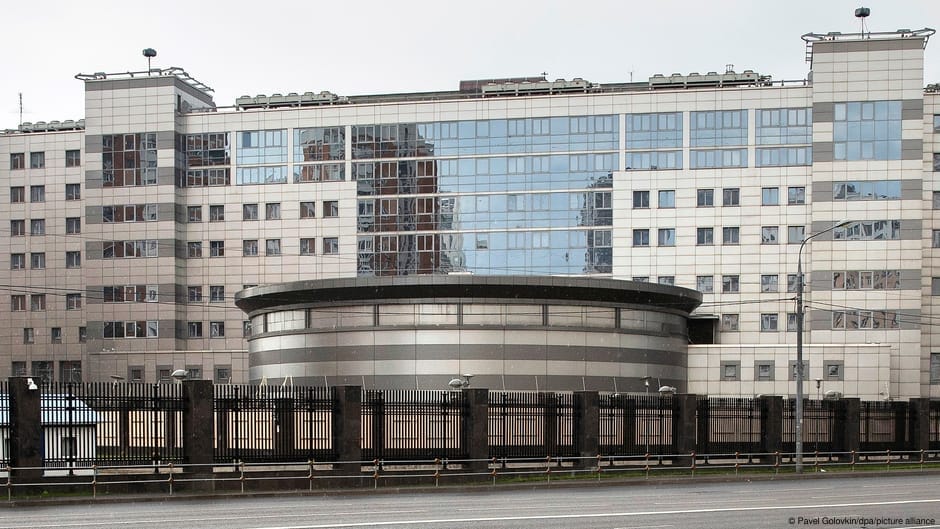
Lithuania is urging the EU to designate Russian military intelligence as a terrorist organization, potentially widening Europe’s security and economic response.

Lithuania is urging the EU to designate Russian military intelligence as a terrorist organization, potentially widening Europe’s security and economic response.

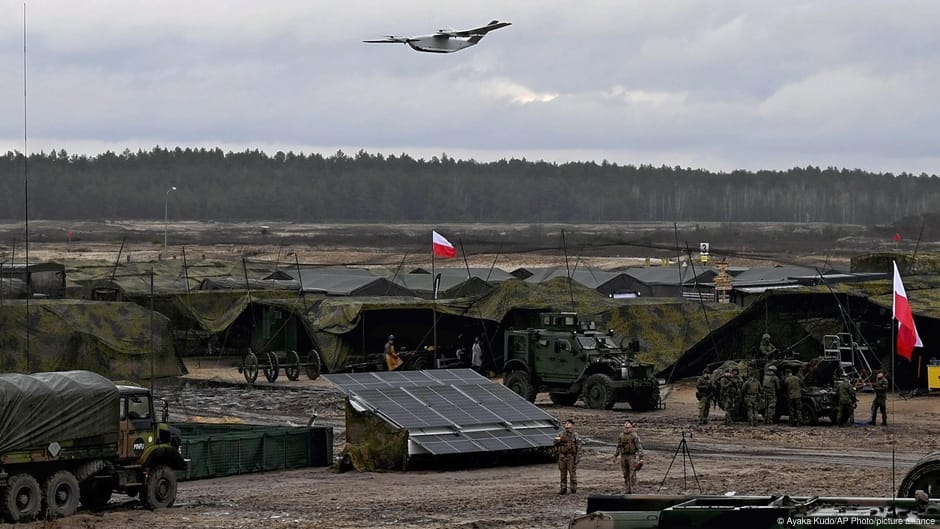
A Russian drone briefly entered Poland during an attack on western Ukraine, highlighting the rising defense and fiscal costs of spillover risks along NATO’s eastern flank.

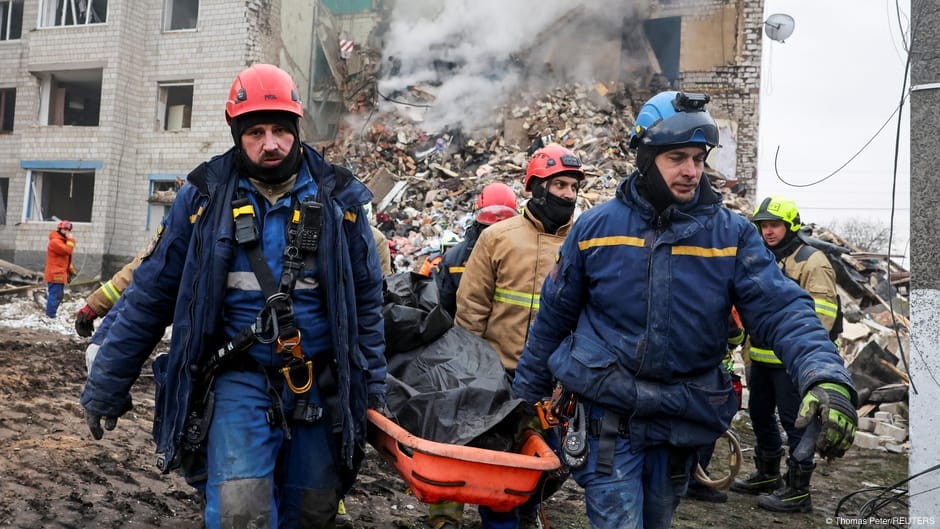
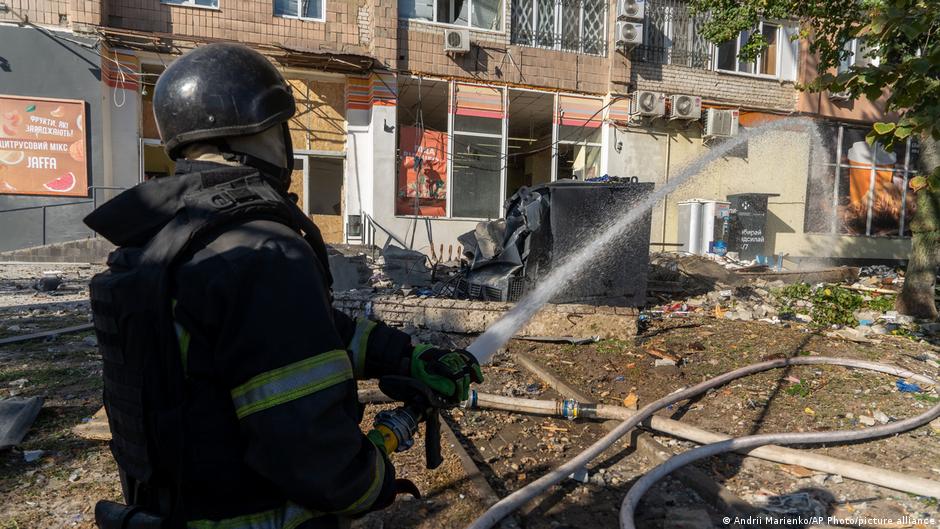
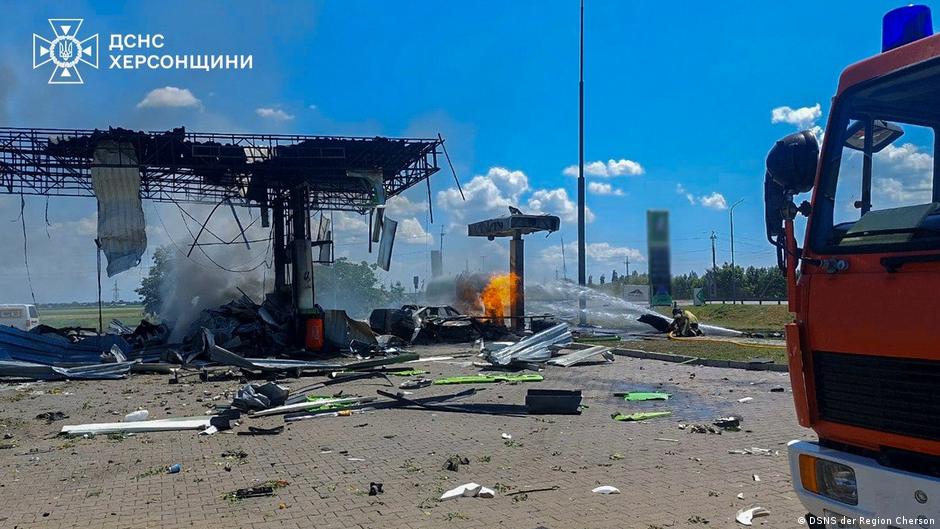
Russian attacks killed and injured dozens across Ukraine while damaging homes, shops, businesses and energy infrastructure in several regions.

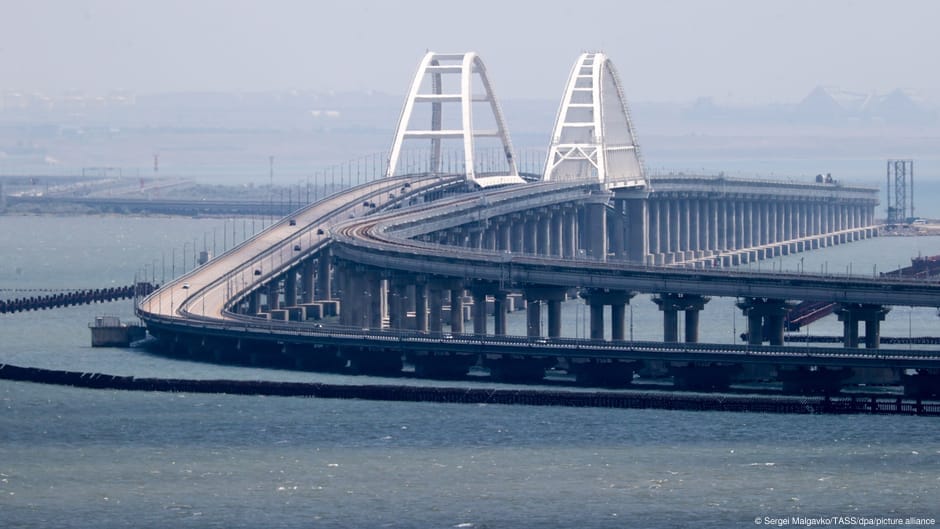
Strikes on bridges in Kyiv and the Kerch Strait highlight mounting risks to transport networks, public services, logistics and reconstruction budgets.

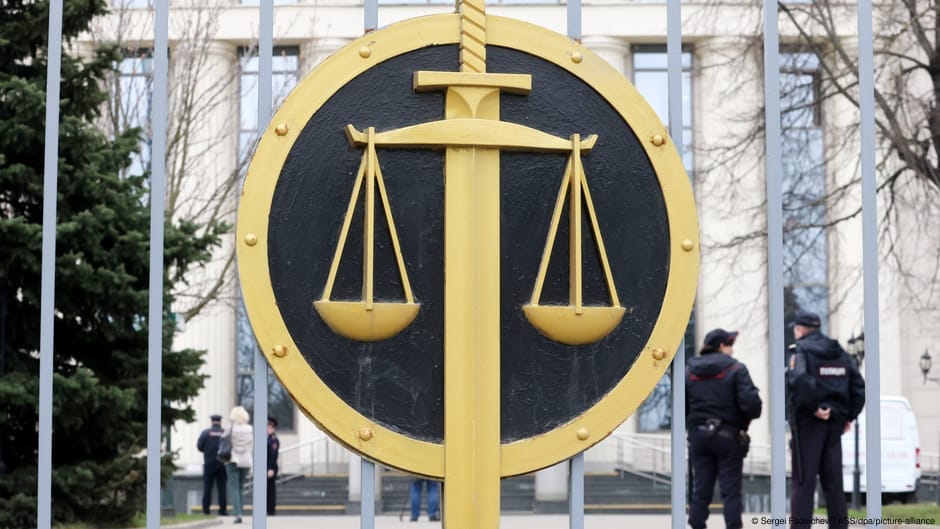
A Russian libertarian faction has voted to dissolve after a “foreign agent” designation, underscoring rising institutional and human-capital risks.

Washington is bringing Europe into Ukraine peace talks, a shift with implications for regional security, public finances, investment and long-term economic risk.

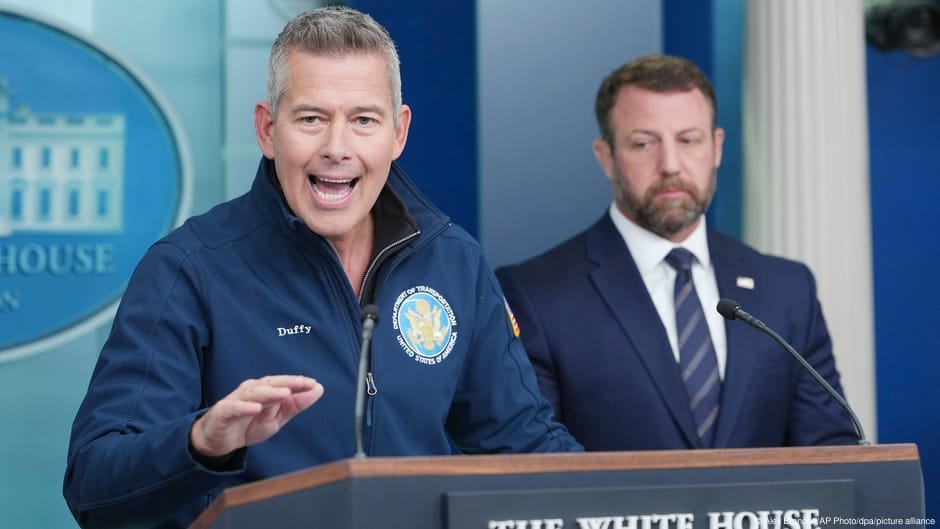
A four-hour US departure ban exposed the risks of aging air traffic systems as officials sought $50 billion in additional modernization funding.

Russia and Ukraine agreed to include European partners in the next peace talks, widening negotiations to cover postwar security as well as territorial issues.

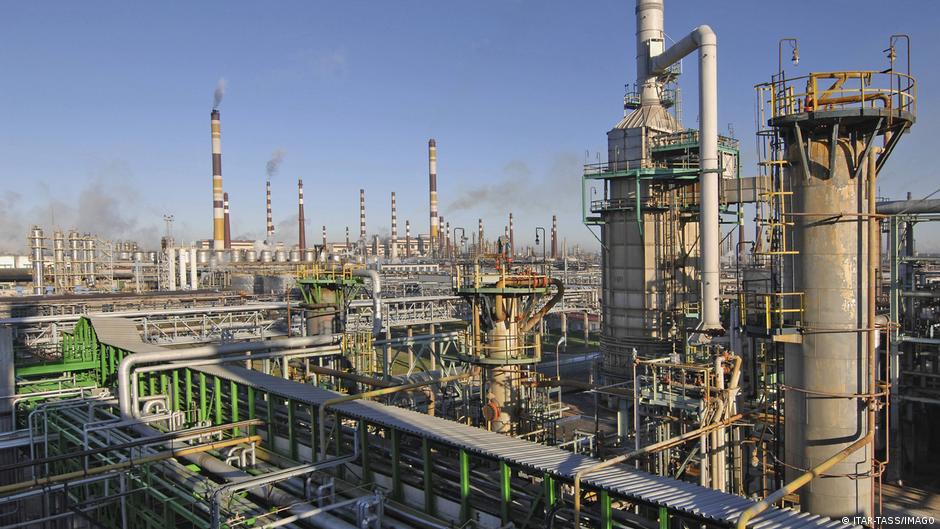
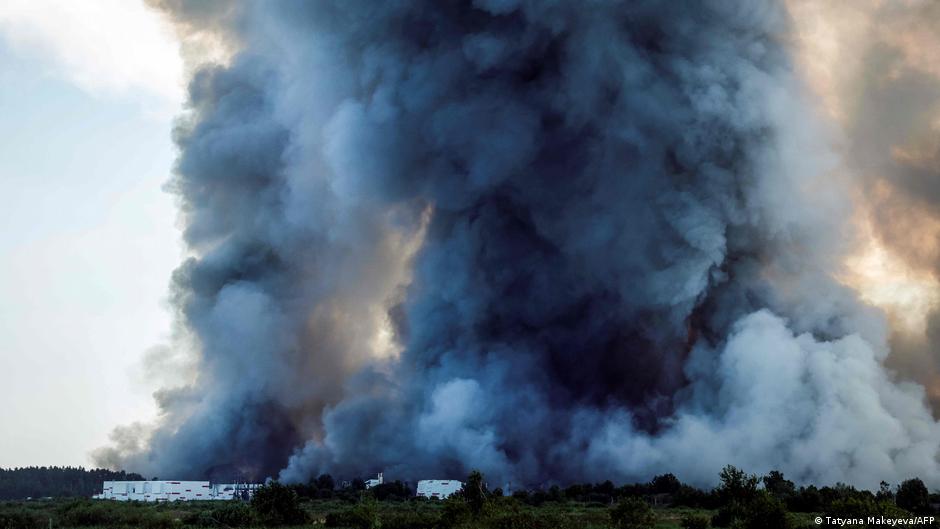
A drone attack on Russia’s Kirishi refinery puts a facility responsible for about 7% of national oil processing back at the center of fuel-security concerns.

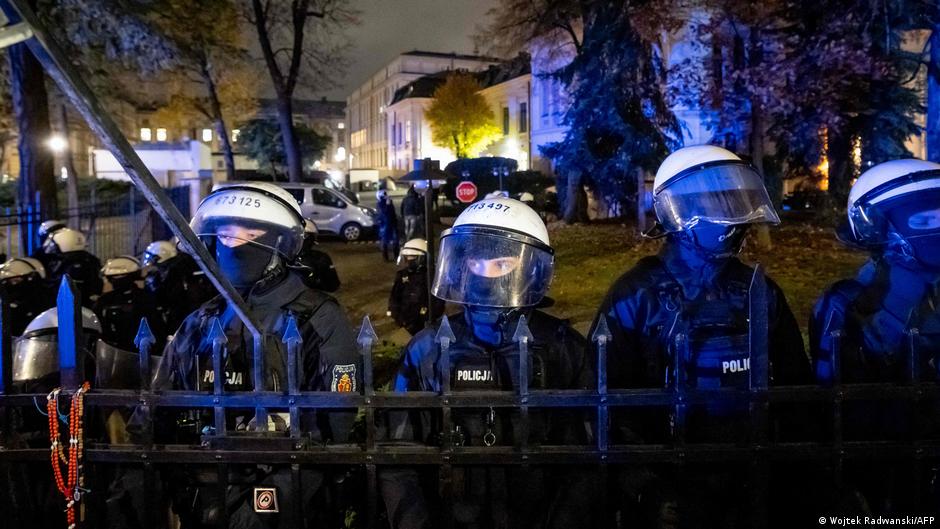
Poland’s tribunal leadership dispute has triggered protests and presidential intervention, intensifying concerns over legal certainty and policy credibility.

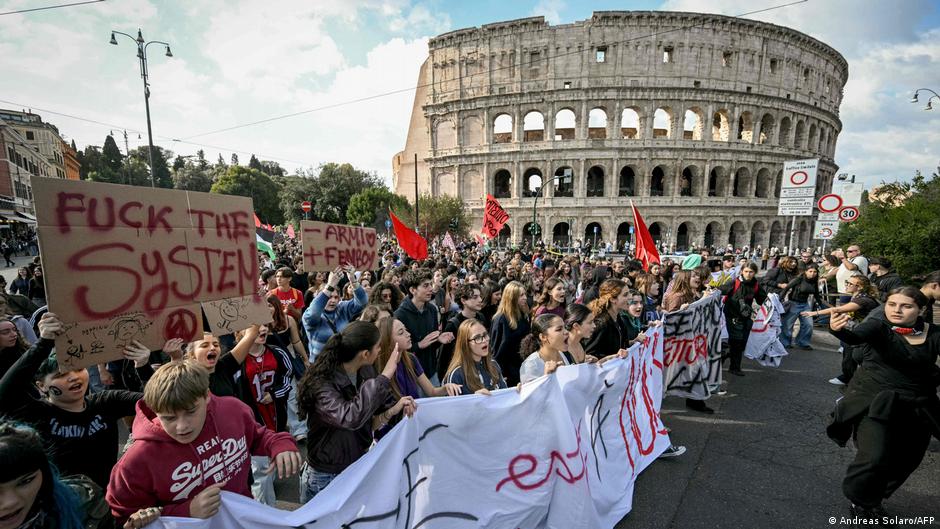
Italian protests over rents, fuel prices and military spending expose Europe’s growing struggle to reconcile defence commitments with household and social priorities.

Romania says a Russian-coordinated network targeted an arms plant, underscoring security and supply-chain risks for Europe’s defense expansion.

Russia’s designation of two StopTime musicians as foreign agents highlights growing compliance, human-capital and investment risks.

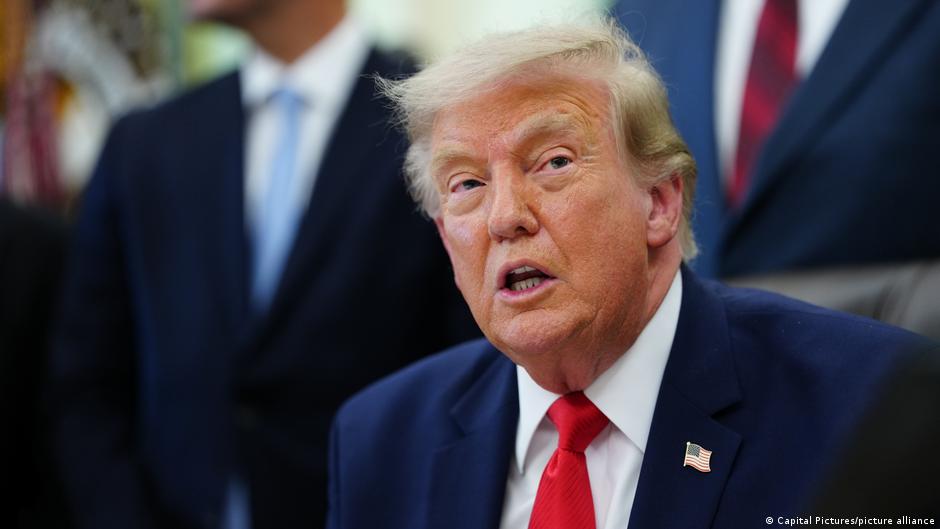
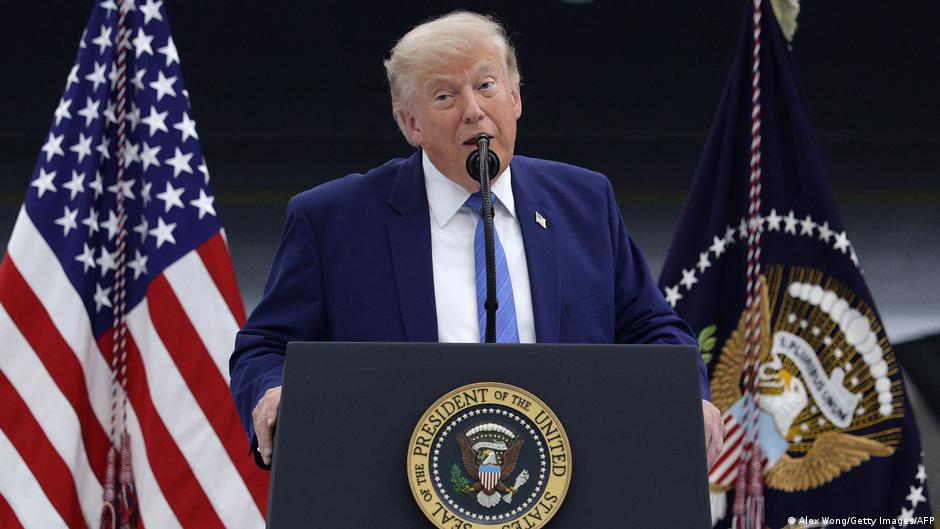
Trump said Putin is more interested than Zelensky in a Ukraine peace deal as Kyiv urged U.S. pressure over an energy ceasefire.

The White House is monitoring reports from Irkutsk as neighboring states tighten health controls and Trump offers U.S. assistance.

Seoul’s dispute with Kyiv over two North Korean prisoners raises risks for Ukraine support, defense policy and Northeast Asian stability.

Russian attacks killed four people in Ukraine and damaged residential, administrative, medical and warehouse sites, adding to economic strain.

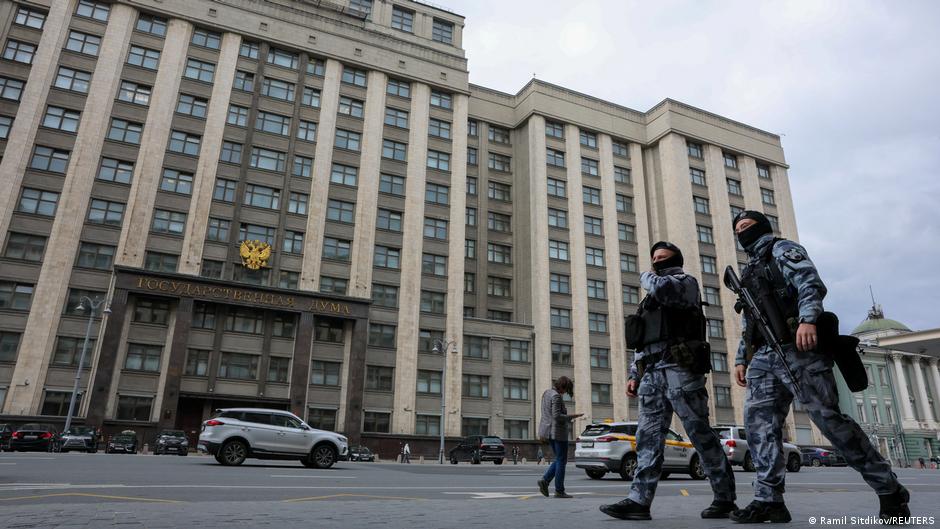
Russia’s three-day Duma vote includes occupied Ukrainian territories, raising verification concerns and signaling continued wartime policy consolidation.

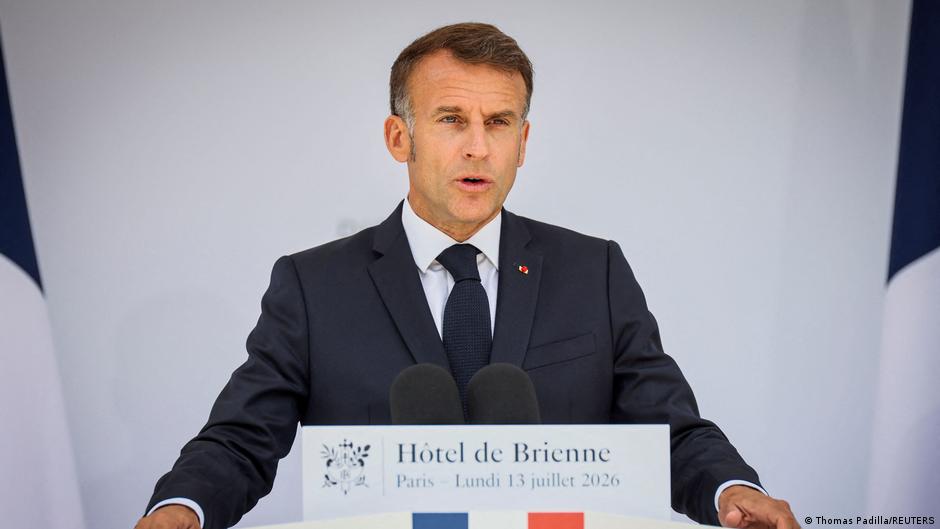
Macron is pushing Brussels to consider an EU-wide under-15 social media ban after France’s top constitutional body blocked a national measure.

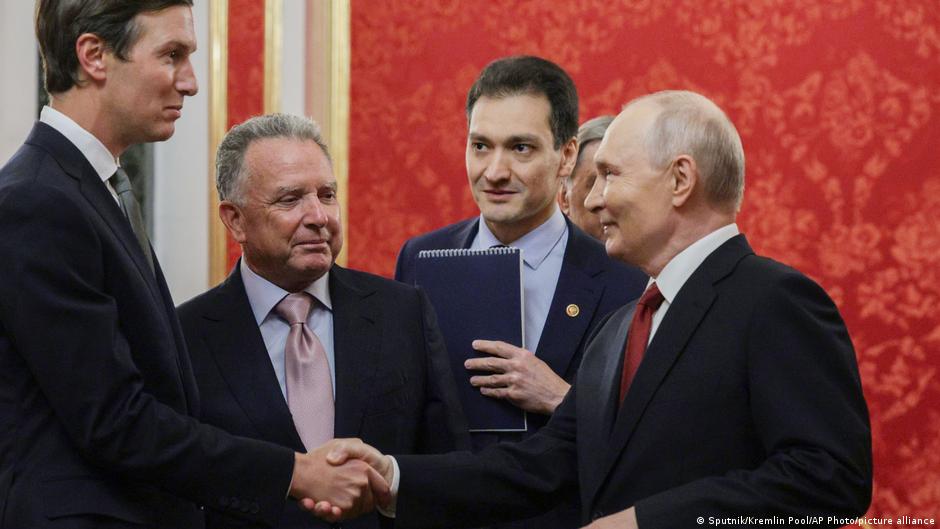
U.S. envoys discussed concrete Ukraine peace plans with Putin before Kyiv talks, raising major questions for sanctions, security and markets.

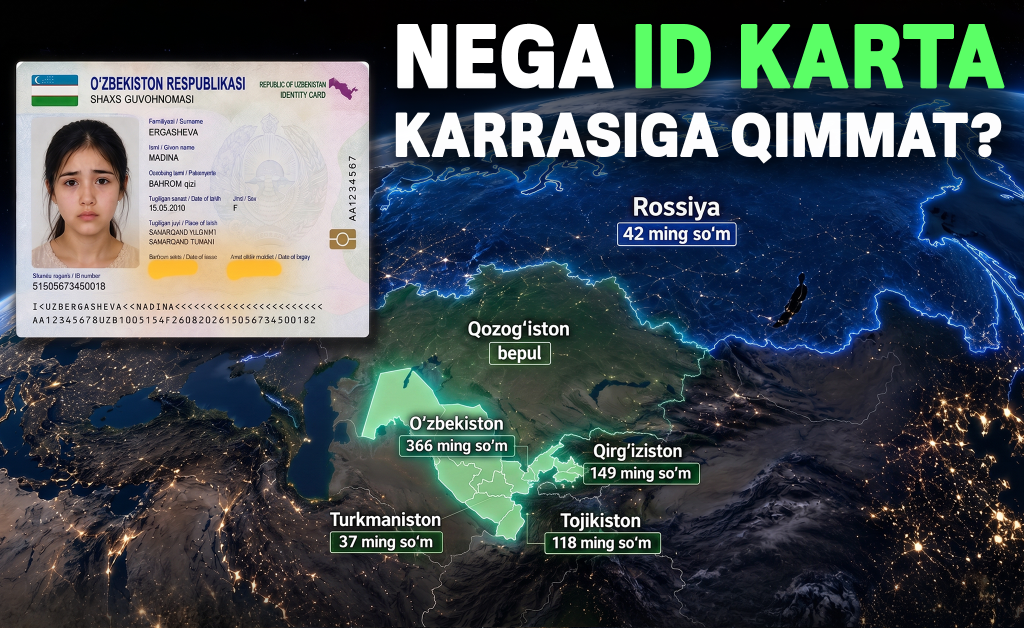
A debate over Uzbekistan's first ID card fee is widening as regional peers charge less or waive first-time costs, raising questions about access and policy design.

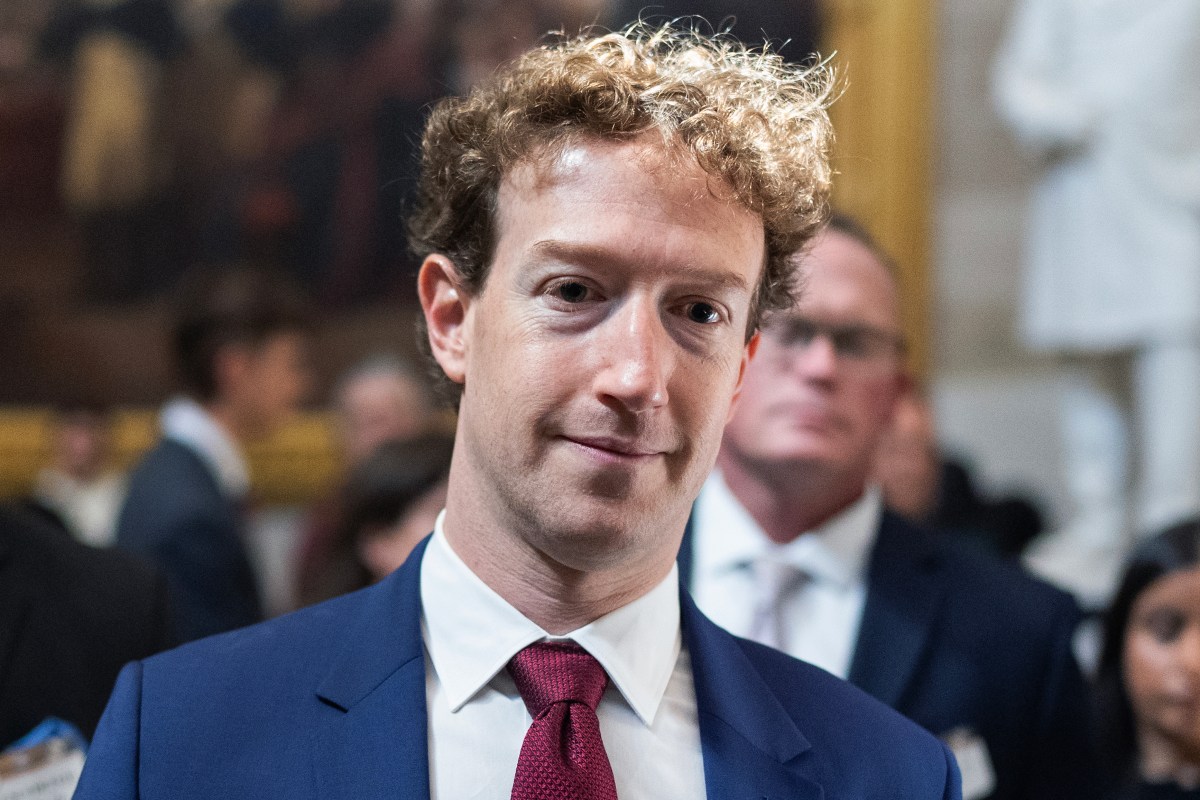
Meta’s $18 billion child safety settlement highlights challenges in implementing age-verification technology amid growing privacy concerns and regulatory shifts.

US President Trump announces an unprecedented economic war on Iran, threatening sanctions on any country supporting Tehran, intensifying global economic and geopolitical tensions.

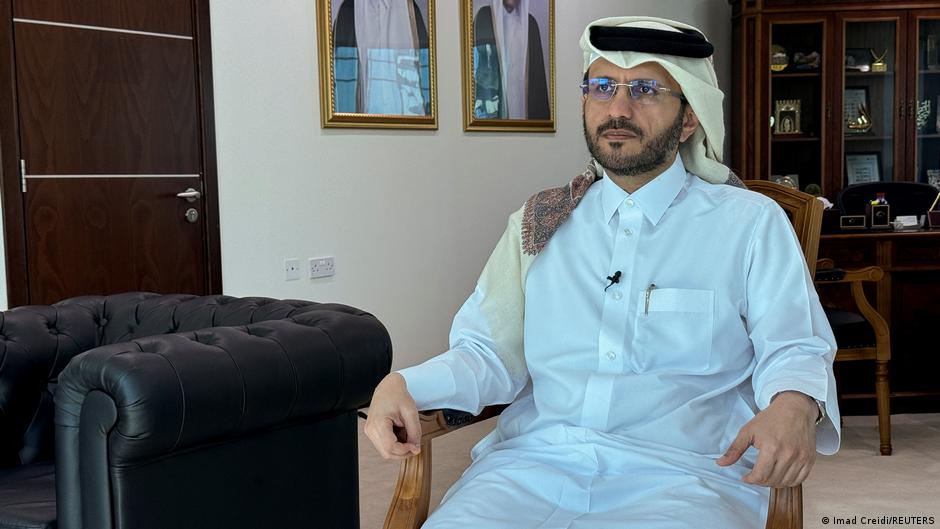
Qatar denies detaining Iranian pilots amid Middle East conflict, emphasizing ongoing diplomatic efforts to reduce regional tensions and highlighting the complexities of international security.

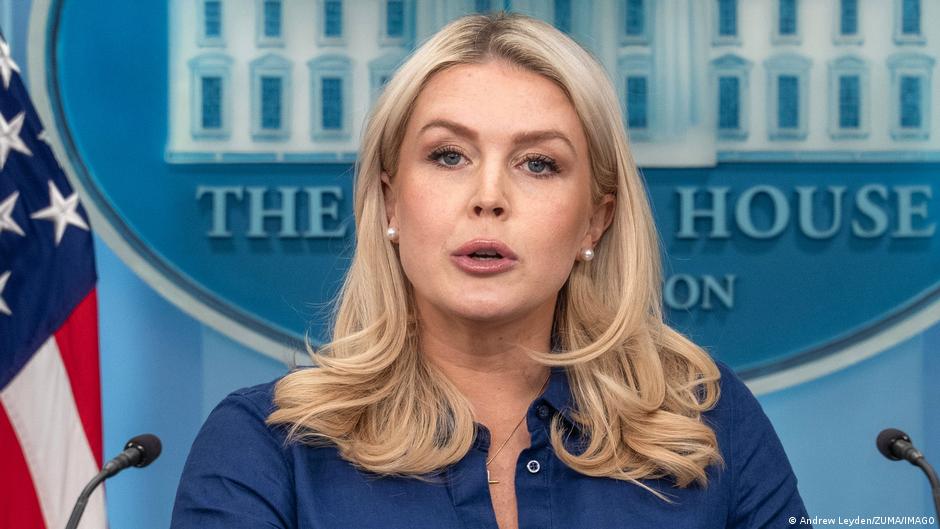
White House Press Secretary Caroline Leavitt resigns to focus on family, prompting potential shifts in administration communication and wider political strategy implications.

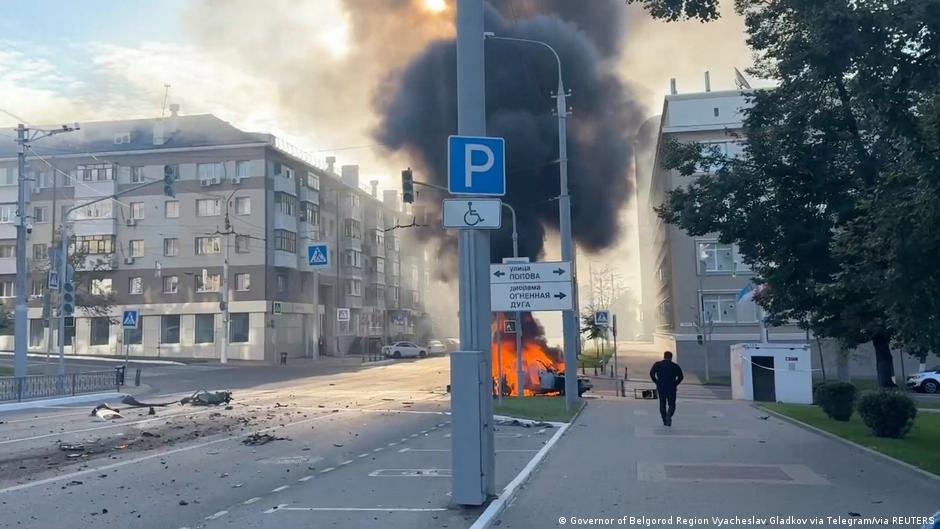
Drone attacks on the Russian border city Belgorod caused injuries and significant damage to residential and energy infrastructure, raising concerns about regional stability and economic impacts.

The EU and Ukraine welcome new US sanctions targeting Russia's energy sector and officials, highlighting coordinated Western efforts amid shifting global economic dynamics.

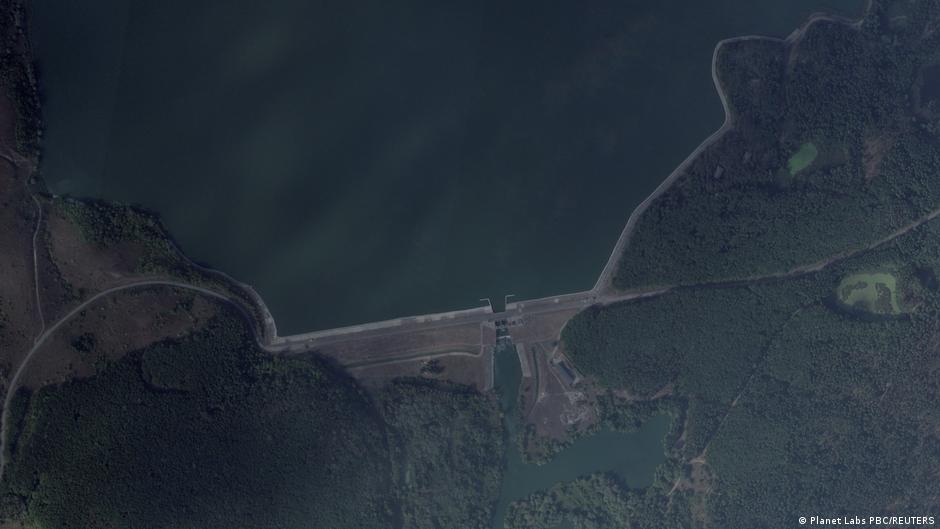
The Belgorod Reservoir has drastically depleted after Ukrainian strikes on its dam, raising concerns about regional water security and economic impacts.

The US brokered a phased disarmament agreement with Hamas, marking a major shift toward peace and new governance in Gaza amid ongoing regional tensions.

A Kremlin-linked bot network spreads false German media-style content to influence voter sentiment ahead of September regional elections, targeting all but pro-Russian parties.

Drone strikes on Russian cities Belgorod, Rostov-on-Don, and Engels highlight increasing security risks and potential economic disruptions to critical infrastructure.

Ukraine's strikes on Wildberries warehouses in Russia and Crimea disrupt logistics, exposing vulnerabilities in supply chains and signaling broader economic risks amid the regional conflict.

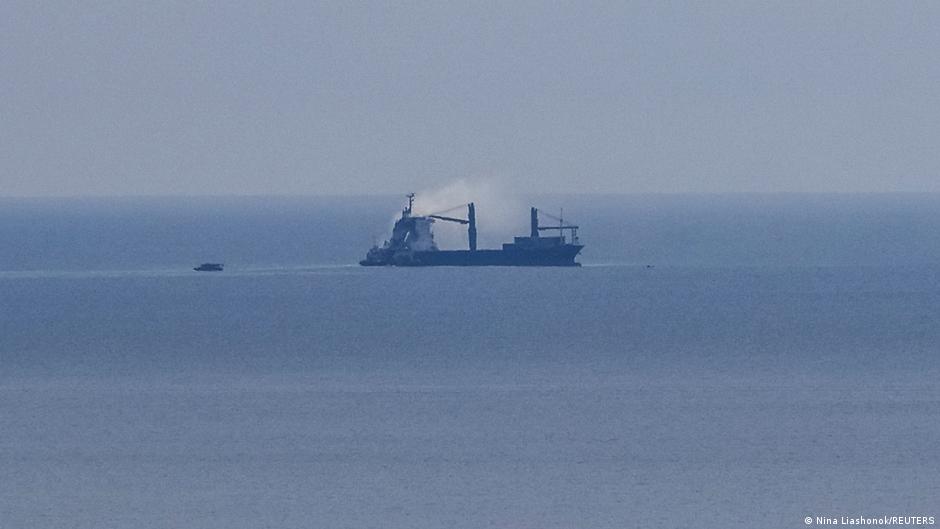
Ukraine urges a UN Security Council meeting as Russian attacks on Black Sea trade vessels threaten global food security and disrupt critical maritime routes.

Darlene Graham Norton has been appointed to her late brother Lindsey Graham’s Senate seat, securing the GOP’s fragile majority amid critical national and international issues.
Former Spanish PM Rajoy's remarks questioning the Frenchness of France's football team ignite political backlash and debates on national identity in Spain and France.

Gazprom has contracted with Russia's Defense Ministry to form mobile units protecting gas infrastructure, reflecting heightened security concerns amid geopolitical tensions and economic risks.

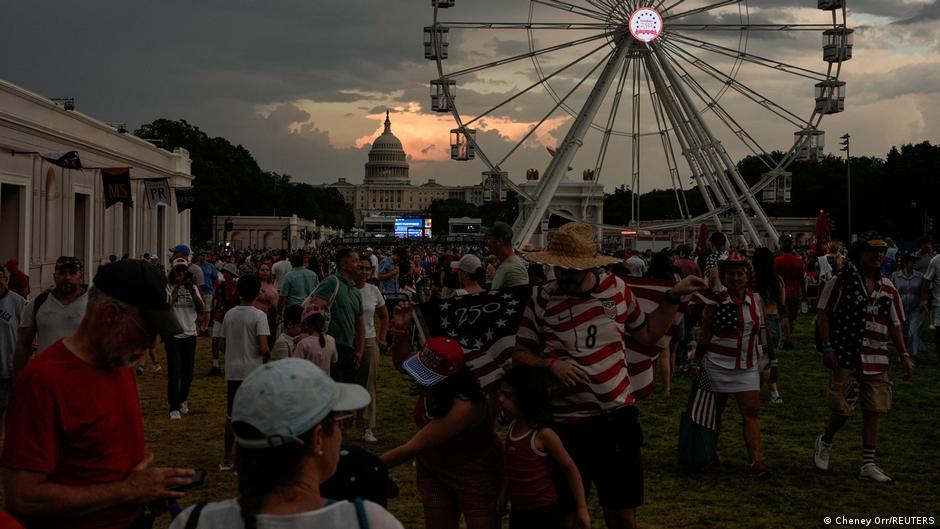
Severe thunderstorms and extreme heat forced Washington D.C. to cancel major Independence Day events commemorating the U.S. 250th anniversary, underscoring climate-related challenges.

Right-wing businessman Abelardo de la Espriella narrowly won Colombia’s presidency, signaling a shift toward militarized security and economic deregulation with significant regional ramifications.

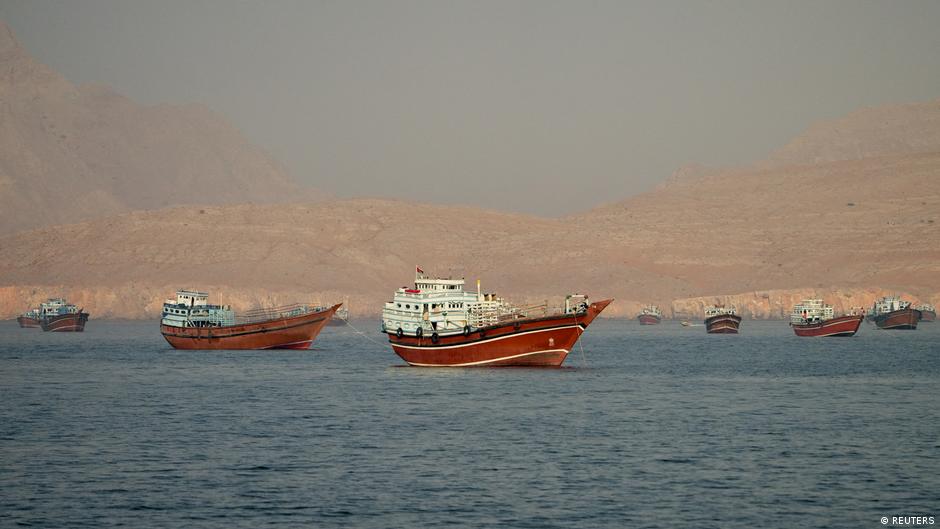
The US threatens to impose fees for passage through the Strait of Hormuz if Iran deal fails, highlighting risks to global oil supply and maritime security.

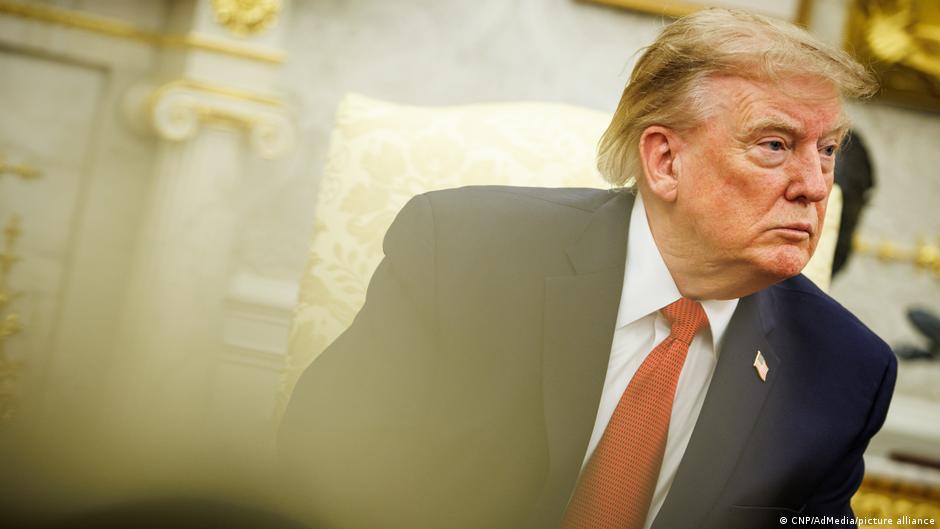
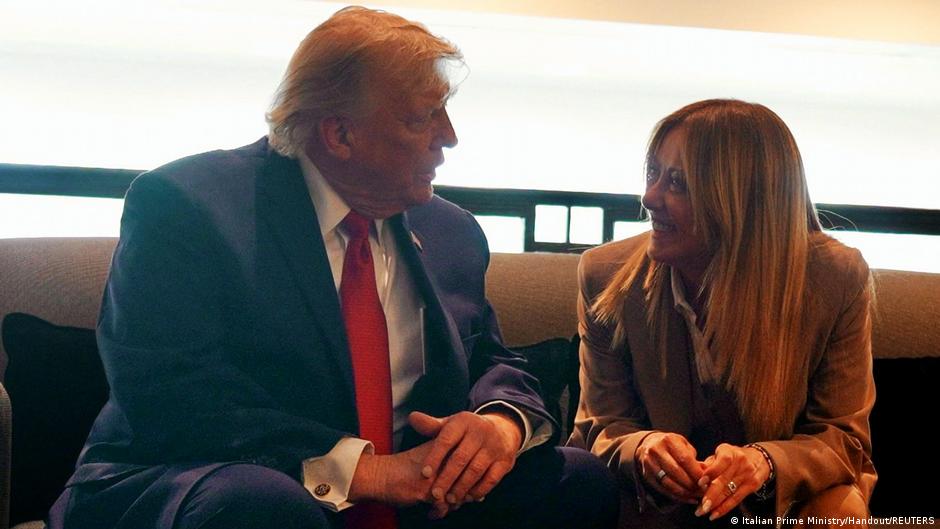
Italy’s Foreign Minister cancels US visit following offensive remarks by Donald Trump about Prime Minister Meloni, highlighting tensions in transatlantic relations and potential impacts on economic cooperation.

U.S. intelligence warns Israel may attempt to undermine the U.S.-Iran nuclear deal, risking increased Middle East instability and complicating global economic and policy landscapes.

Pakistan announces the immediate reopening of the Strait of Hormuz following a US-Iran memorandum, signaling a major shift with global economic implications.

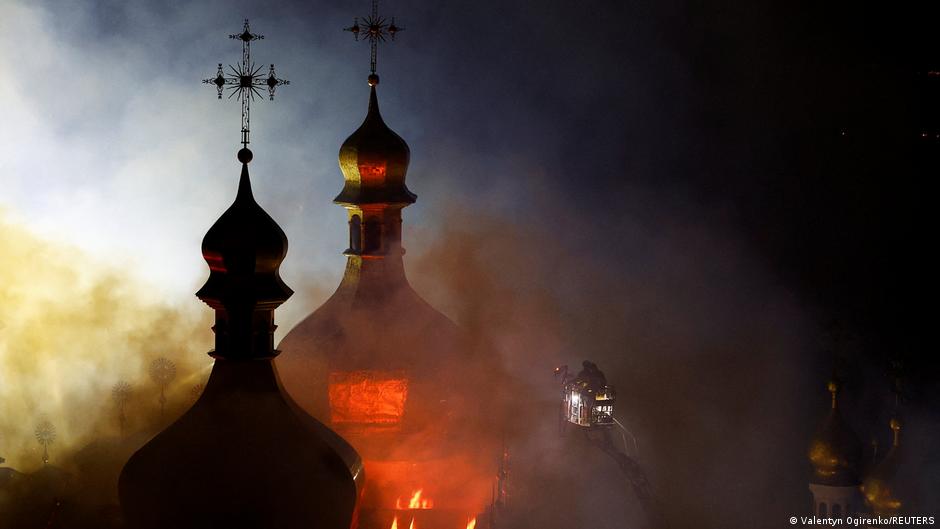
Russian missile strikes on Kyiv and Kharkiv have caused civilian deaths, damaged cultural heritage sites, and disrupted critical infrastructure, with significant implications for Ukraine’s economy and recovery.

Reports claim the UAE agreed to unfreeze billions in Iranian oil revenues to halt attacks, amid advancing Iran-US peace talks; official UAE denial follows.

The US has imposed sanctions on Cuba’s state oil company CUPET, intensifying economic pressure amid the island’s severe energy crisis and geopolitical tensions.

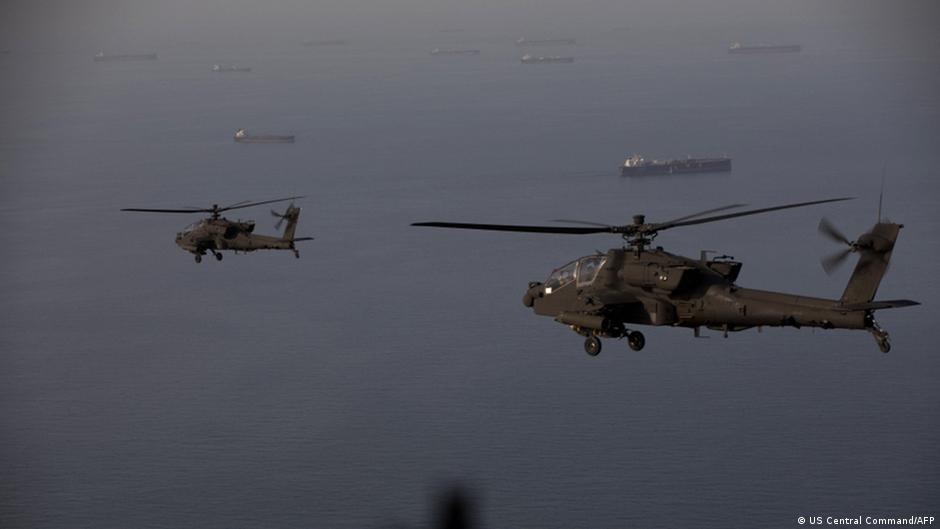
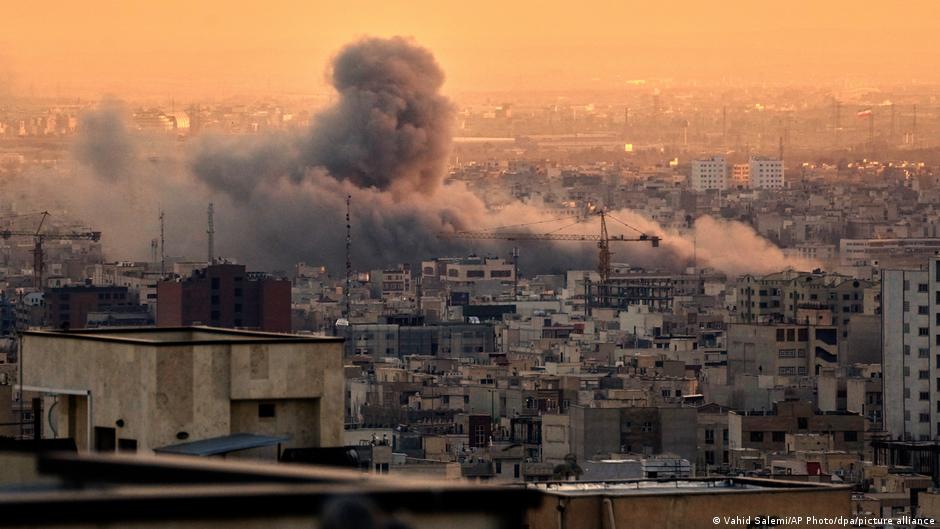
US forces struck Iranian air defense sites after Tehran downed a US Apache helicopter near the Strait of Hormuz, escalating tensions with significant global economic implications.

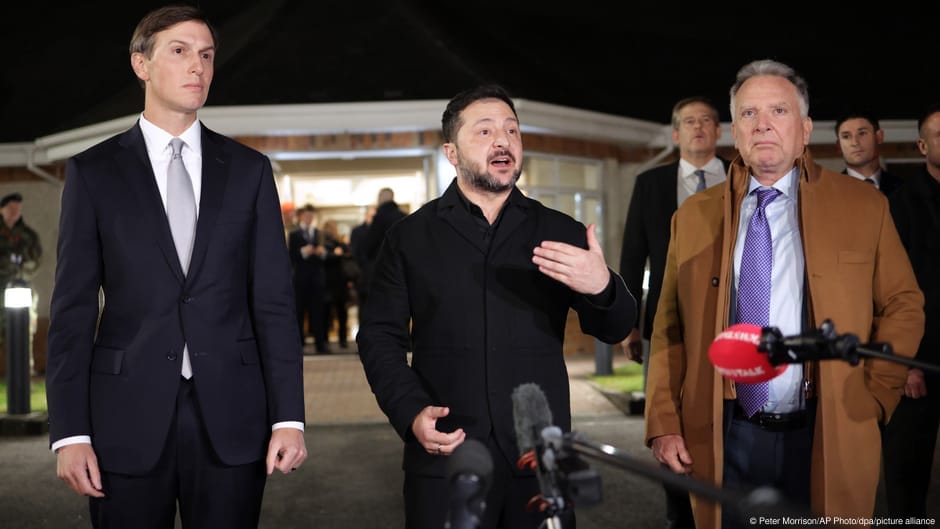
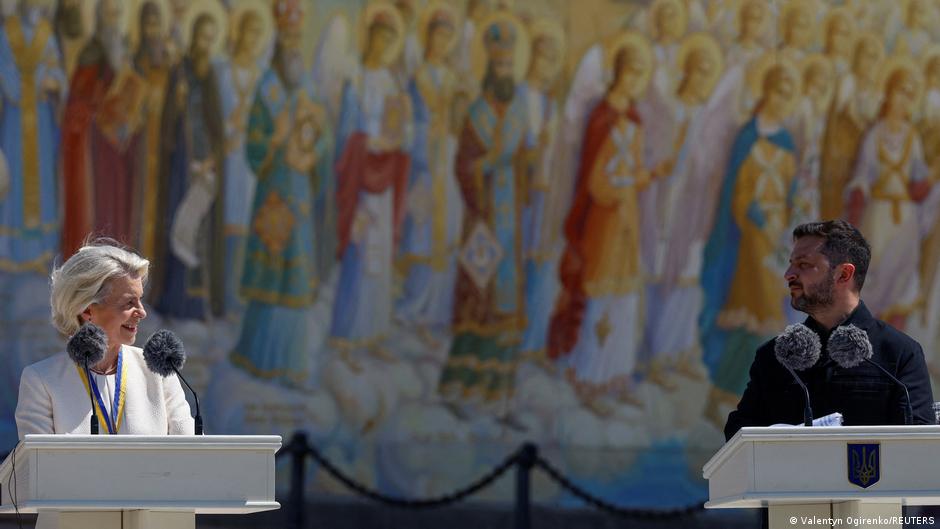
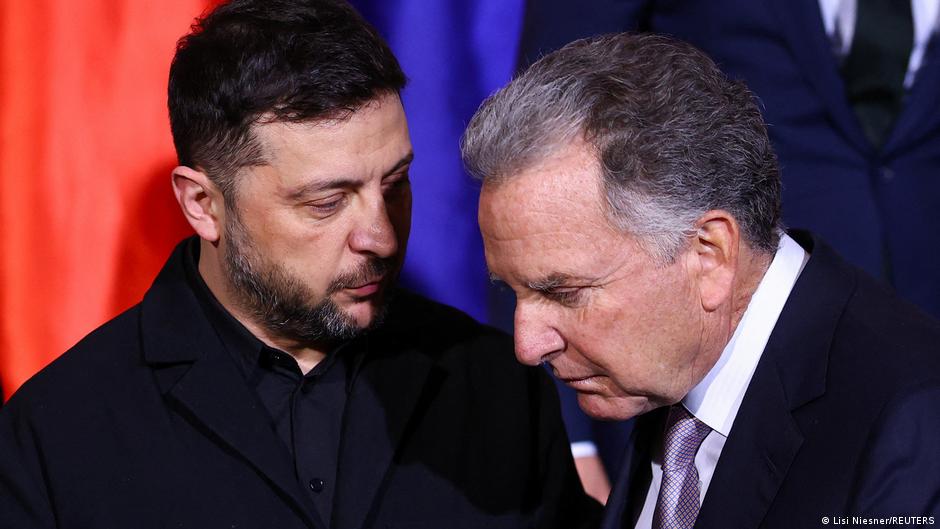
Ukrainian President Zelensky held a positive discussion with Trump envoys to boost diplomacy aimed at ending the Russia-Ukraine war, amid broader European summit talks.

Israel and Iran exchanged air and missile strikes amid US efforts to broker a peace deal, raising the stakes for regional security and global economic stability.

Ukrainian drone strikes on Russia’s Leningrad region days before the St. Petersburg Economic Forum highlight rising geopolitical risks impacting global economic cooperation.

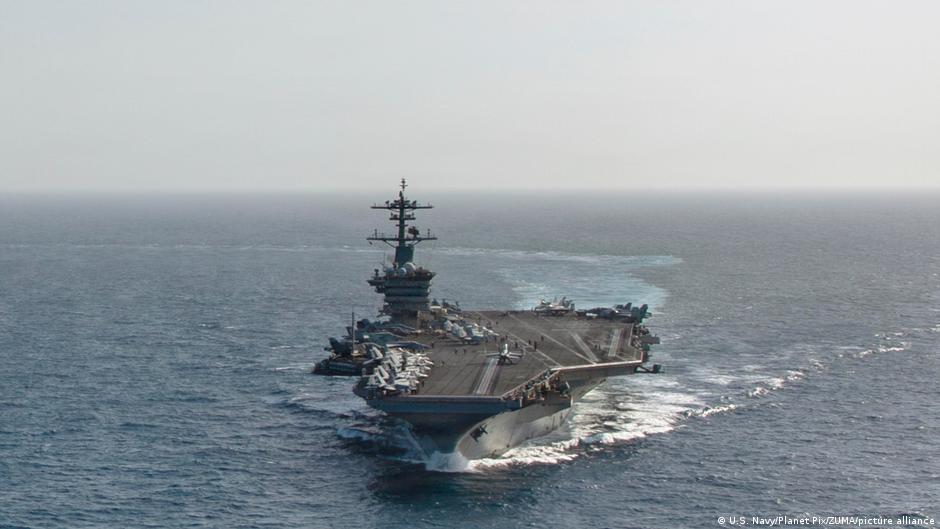
US forces conducted defensive strikes on Iranian missile sites and mine-laying vessels amid a fragile ceasefire, highlighting ongoing regional tensions and economic risks.