Storm Forces Cancellation of Washington D.C. Independence Day Celebrations Amid 250th Anniversary
Severe weather disrupted key events commemorating the U.S. 250th independence anniversary, highlighting challenges for public event planning amid climate extremes.
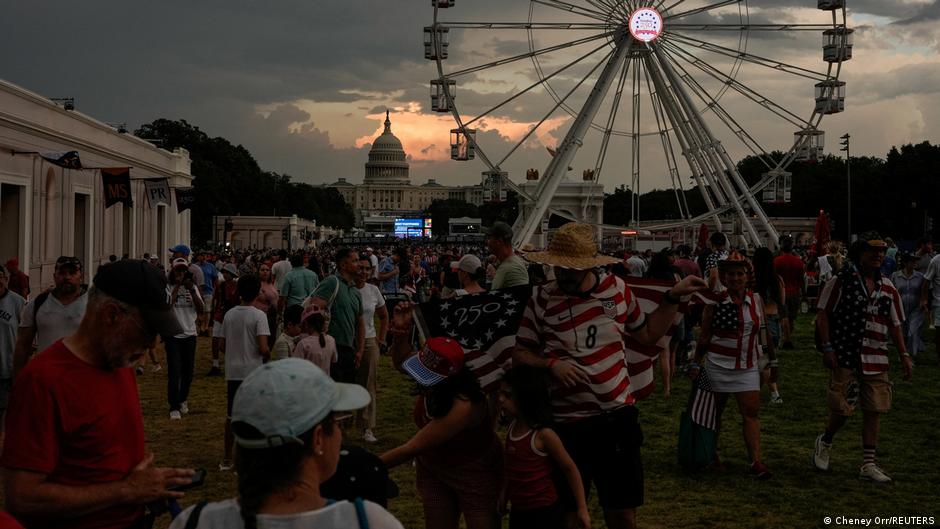
On July 4th, Washington D.C. faced unexpected disruptions to its Independence Day celebrations marking the 250th anniversary of U.S. independence. Authorities were compelled to cancel all major public events, including a scheduled address by President Donald Trump, due to an approaching thunderstorm.
Weather Disruptions Highlight Public Safety and Economic Implications
The sudden threat of severe thunderstorms forced city officials to halt festivities just hours before they were set to begin. The decision underscores the increasing vulnerability of large-scale public gatherings to extreme weather events, a trend linked to growing climate volatility.
President Trump, however, reassured supporters via his social media platform, Truth Social, that his speech would proceed once the storm subsided. He urged attendees to remain patient and expressed a desire to continue the celebrations despite the delay, emphasizing the symbolic importance of the milestone anniversary.
"Today is a Saturday night! Let's have fun even if we have to stay late," Trump posted, signaling resilience amid unforeseen disruption.
Earlier in the day, Washington's mayor had also cancelled the traditional Independence Day parade due to a severe heatwave, with temperatures soaring above 46 degrees Celsius (115 degrees Fahrenheit). This dual impact of extreme heat and storm conditions presents significant challenges for planning and executing public events, with implications for local economies reliant on tourism and related sectors.
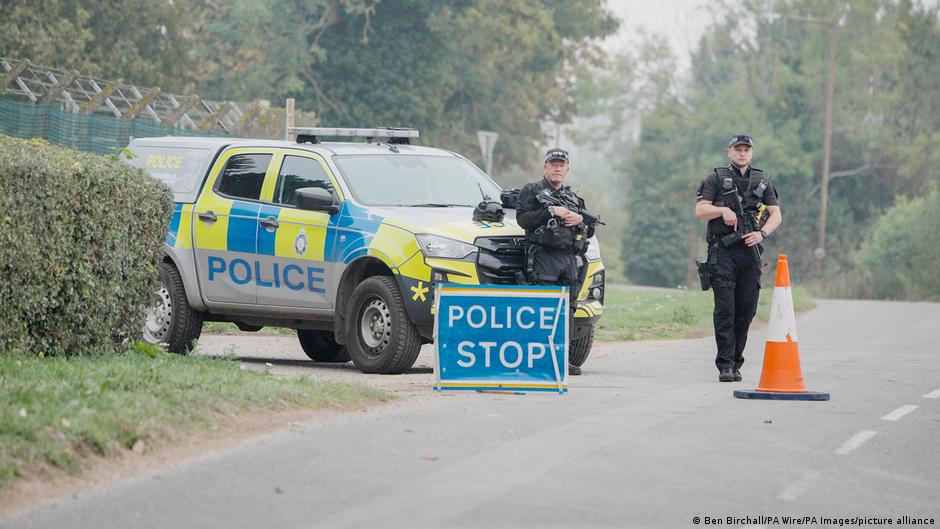
Authorities instructed attendees to leave the National Mall area and seek shelter in nearby museums and government buildings to ensure public safety. Nonetheless, confusion ensued as some visitors resisted evacuation in hopes of seeing the president’s address. Police were required to enforce the perimeter and escort reluctant participants off the premises.
The cancellations and safety measures demonstrate the increasing need for adaptive strategies in urban event management to mitigate risks posed by climate change. For policymakers and economic planners, these disruptions serve as a reminder of the cascading effects that extreme weather can have on national celebrations, public morale, and economic activity.
In the broader context, the incident in Washington highlights how even high-profile national events are not immune to the realities of a changing climate. This raises questions about the resilience of infrastructure, emergency preparedness, and the economic consequences of weather-related interruptions in major cities globally.