US Removes Syria from Terrorism Sponsors List, Signaling Major Shift in Middle East Policy
The US has removed Syria from its terrorism sponsor list, opening new economic and geopolitical avenues amid ongoing regional tensions and shifting alliances.

The US has removed Syria from its terrorism sponsor list, opening new economic and geopolitical avenues amid ongoing regional tensions and shifting alliances.

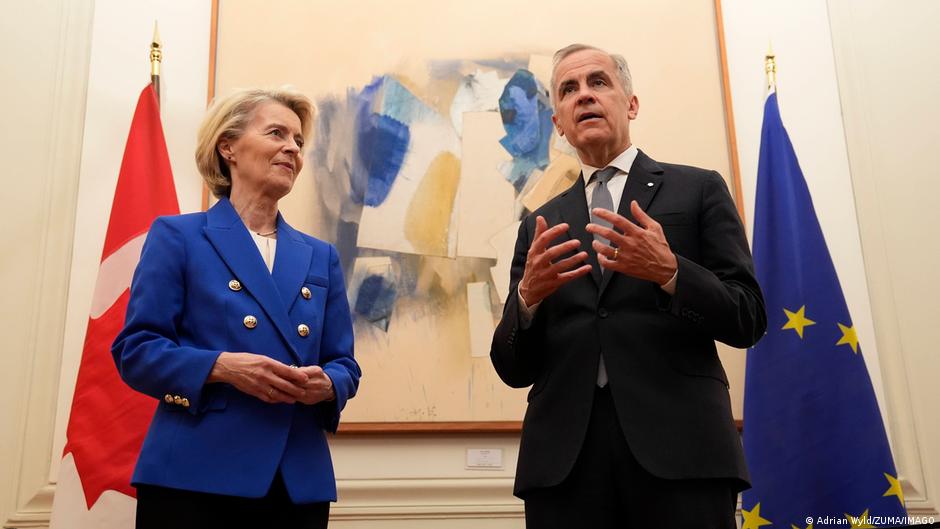
The EU pledges sustained support for Ukraine, linking its future EU membership with regional security and pledging intensified sanctions on Russia amidst ongoing conflict.

Russia has revised medical restrictions, allowing individuals with limb disabilities to drive public transport, aiding veteran reintegration and addressing labor shortages amid demographic challenges.

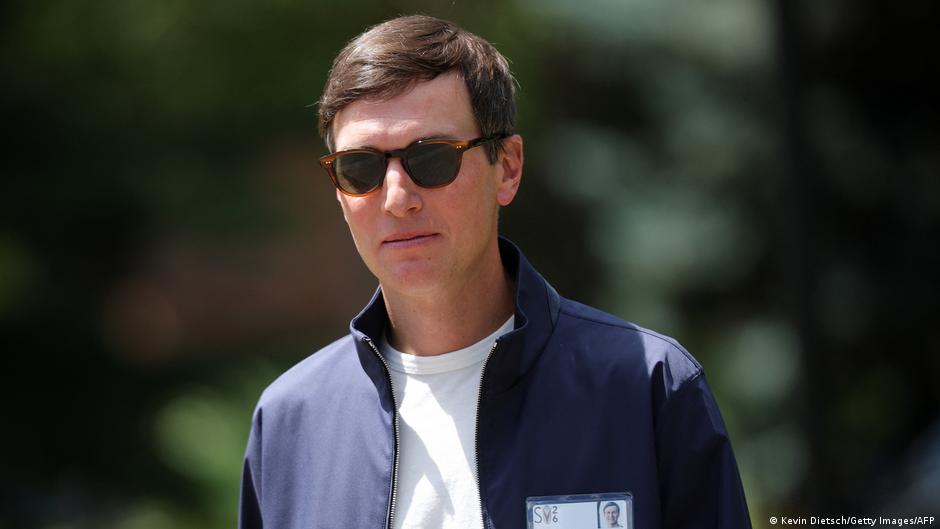
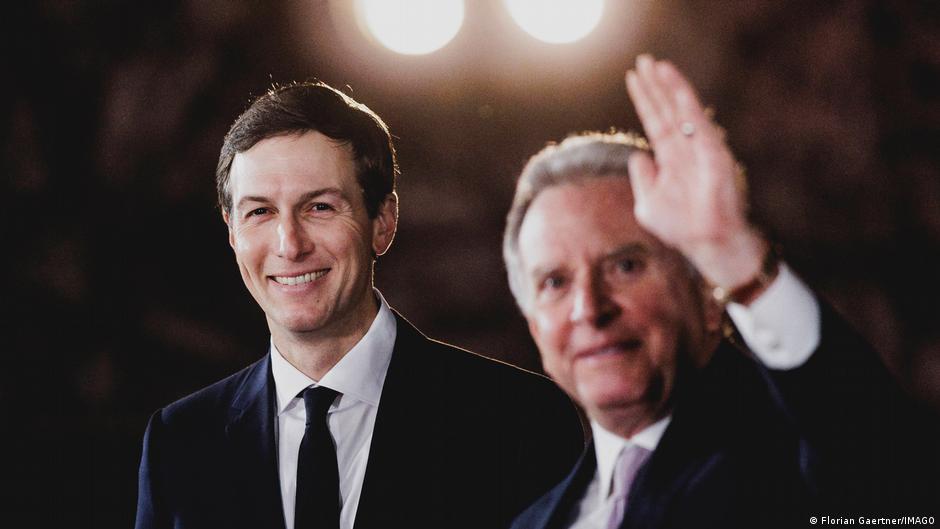
Jared Kushner's talks with Hamas in Egypt press for disarmament amid Israeli demands, highlighting pivotal shifts in Middle East diplomacy with major global economic effects.

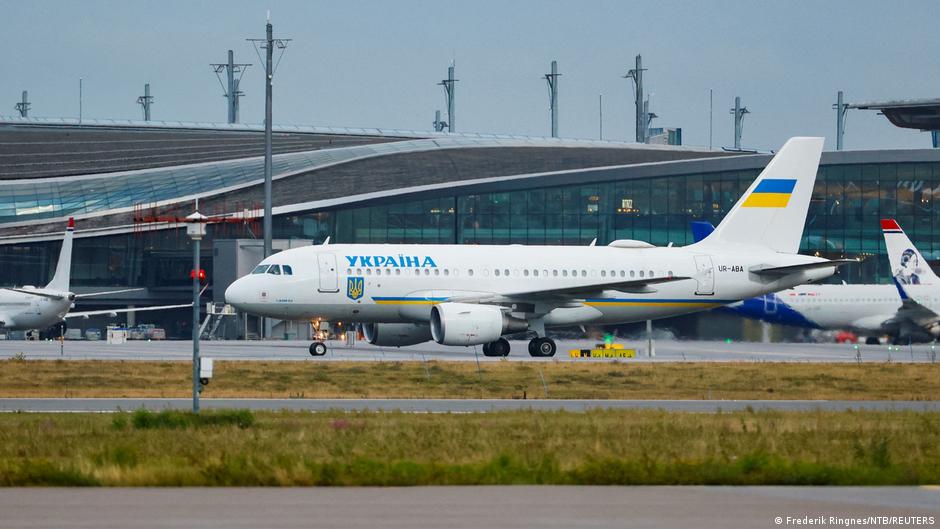
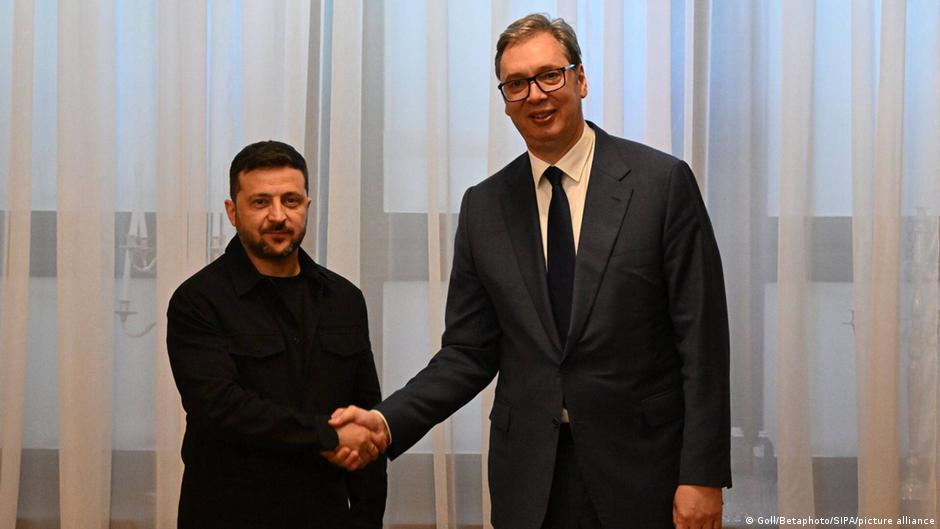
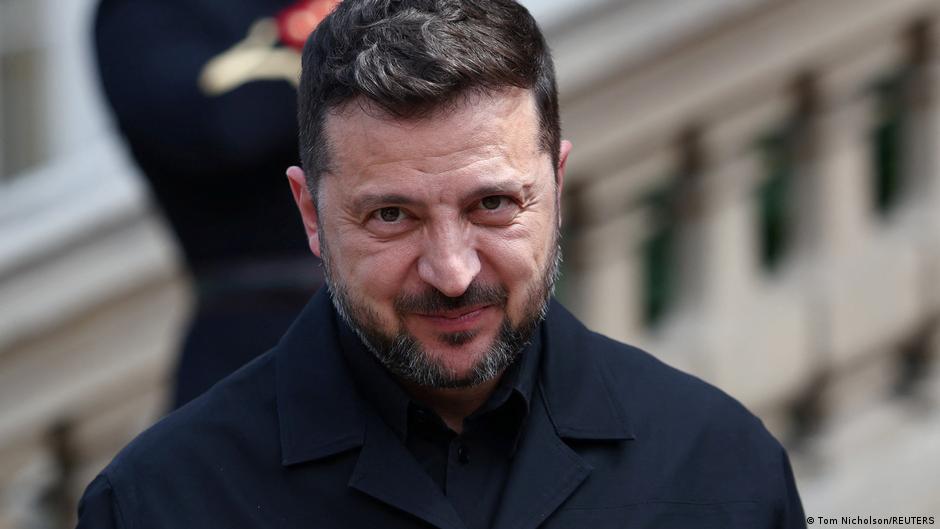
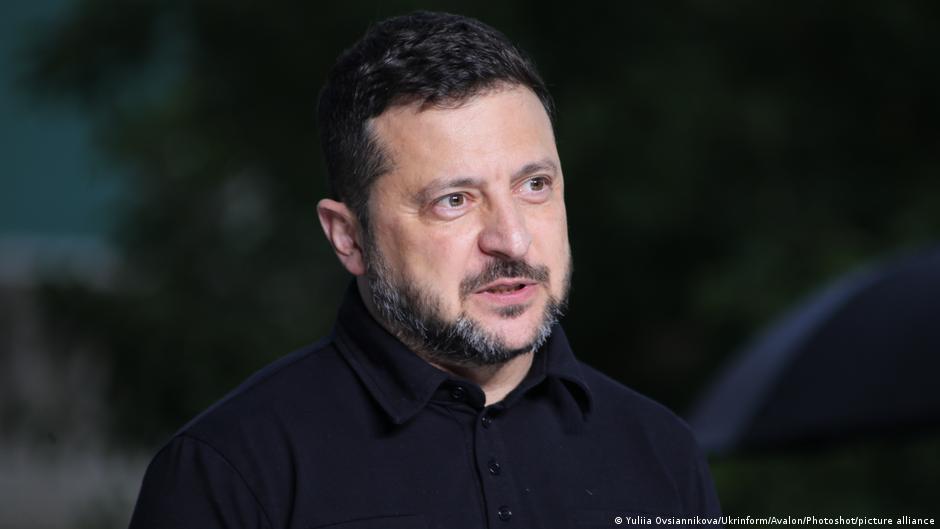
Ukrainian President Zelensky’s first visit to Serbia since the war aims to deepen economic cooperation and address energy and security ties amid complex regional dynamics.

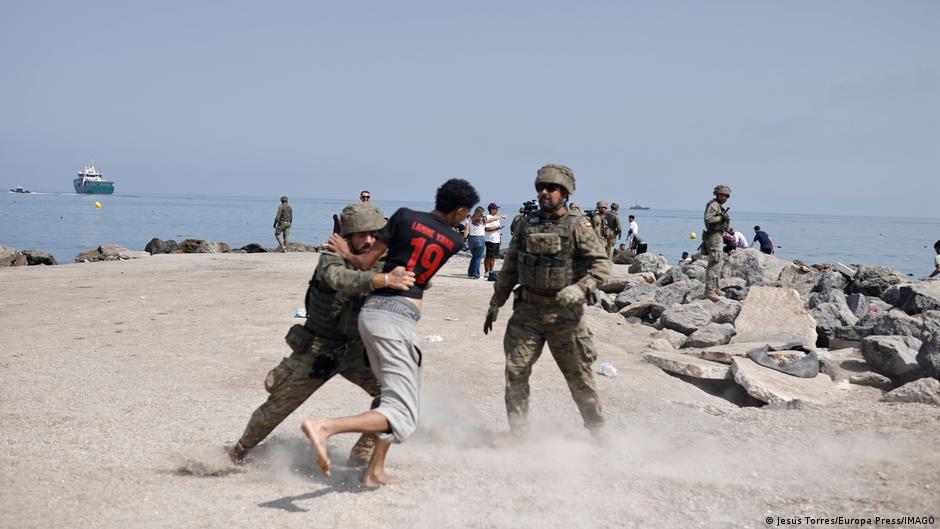
Spain confronts a massive migrant influx in Ceuta, triggering military deployment and Italy’s suspension of Schengen border-free travel with Spain.

President Zelensky visits Washington to meet all U.S. Senators as the Senate prepares to vote on new sanctions against Russia amid ongoing geopolitical and economic tensions.

The UK transfers rights to Stone Cloak electronic warfare technology to Ukraine, enabling industrial production and deepening defense ties amid regional security tensions.

A Kremlin-linked bot network spreads false German media-style content to influence voter sentiment ahead of September regional elections, targeting all but pro-Russian parties.

The US imposes 50% tariffs on key Canadian imports, escalating trade tensions and challenging the USMCA agreement with broad economic and policy consequences.

Hungary blocks Ukraine from opening key EU accession negotiation clusters, complicating regional enlargement efforts and delaying economic reforms.

Ukraine's parliament will vote on July 16 to confirm Sergey Koretsky as prime minister, initiating a major government reshuffle with significant implications for economic and defense policies.

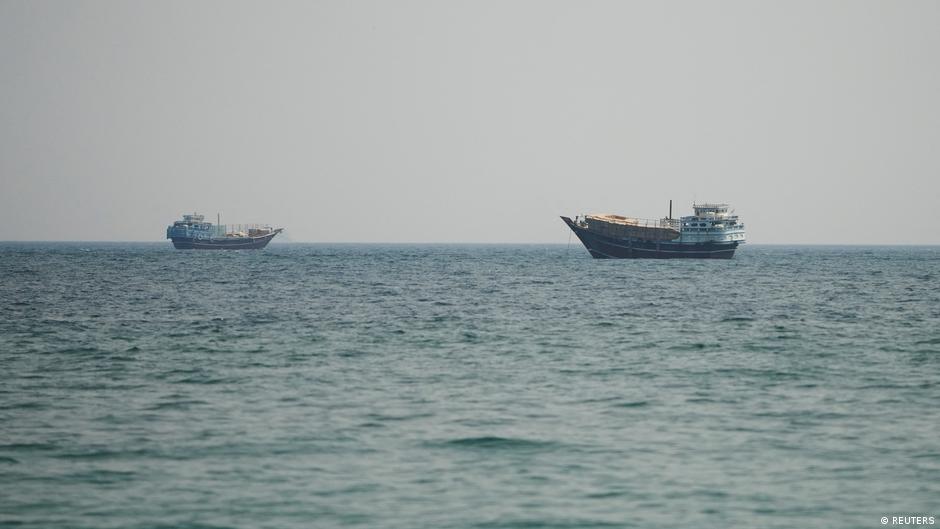
The US is advancing plans to restore an Iraq-Syria oil pipeline to bypass the Strait of Hormuz, aiming to reduce Iranian influence and diversify energy export routes amid rising Middle East tensions.
Former Spanish PM Rajoy's remarks questioning the Frenchness of France's football team ignite political backlash and debates on national identity in Spain and France.

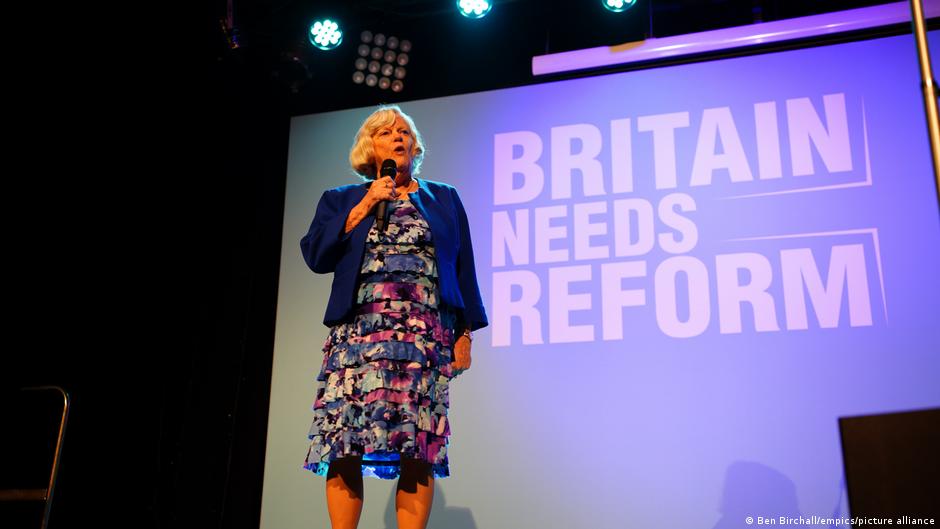
Anne Widdecombe, former Conservative MP and Reform UK speaker, was murdered in southwest England, prompting urgent calls to enhance security for British lawmakers amid rising political tensions.

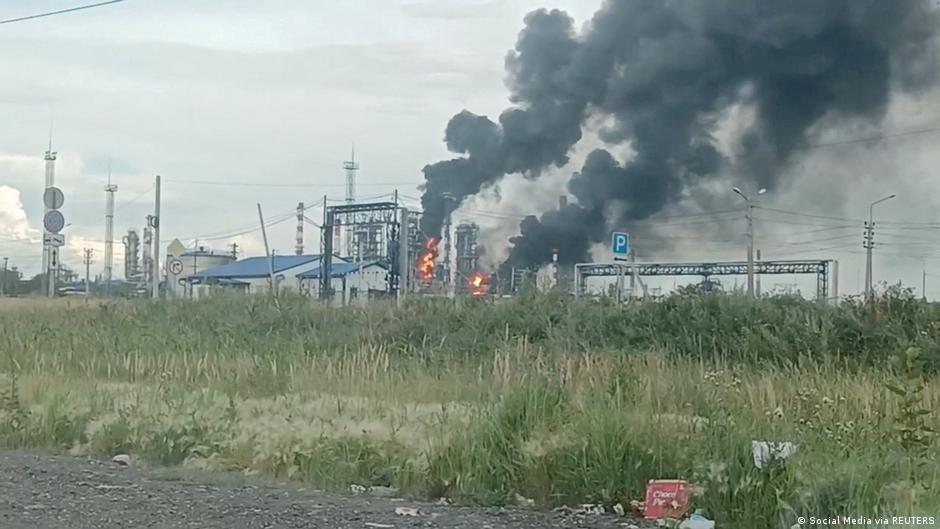
The Saratov refinery’s shutdown after Ukrainian drone attacks worsens Russia’s fuel crisis, disrupting 25% of refining capacity and impacting millions amid wartime economic pressures.

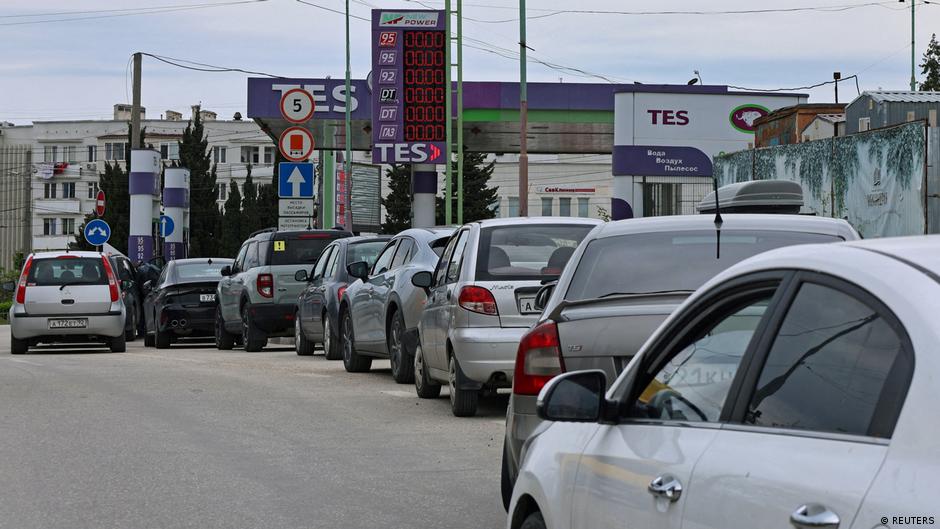
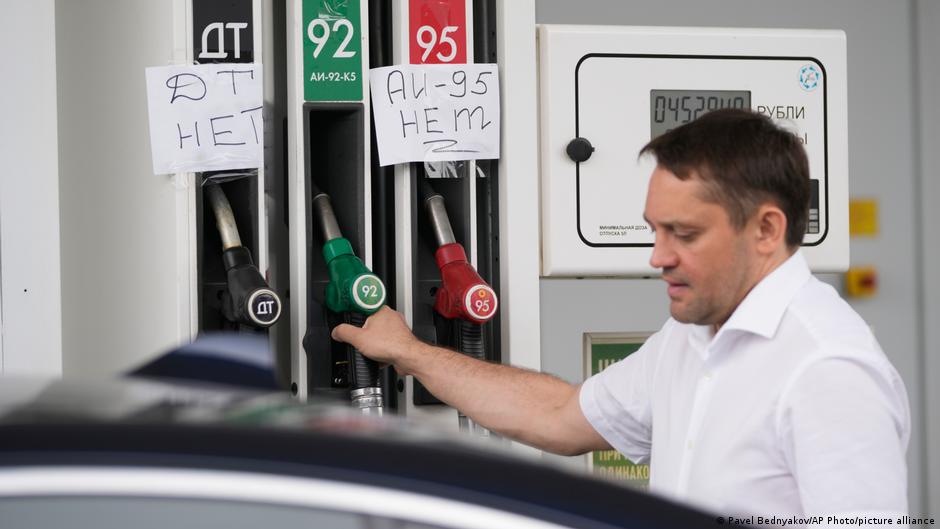
Fuel prices in Crimea have surged nearly 80% in one week amid Russia’s export restrictions and supply shortages, signaling broader energy market challenges and policy shifts.

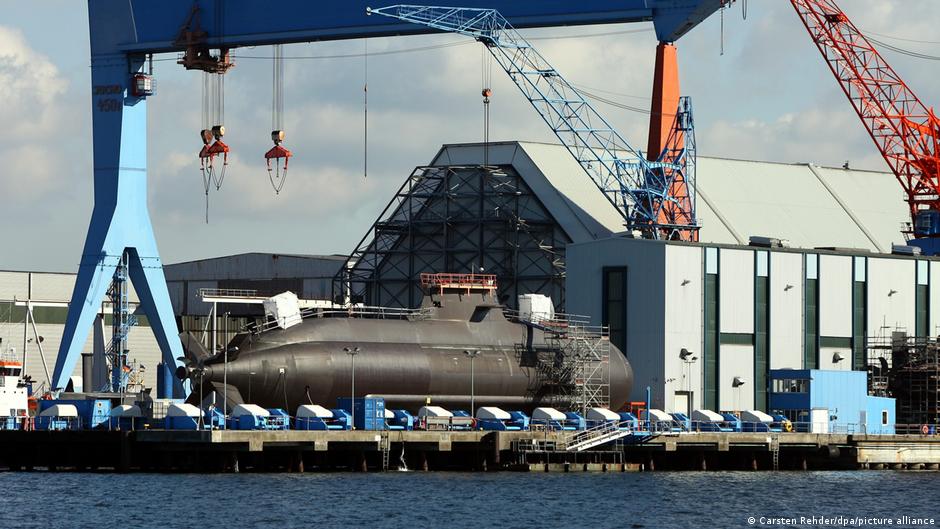
Canada's decision to procure German-designed Type 212CD submarines marks a pivotal moment in transatlantic defense collaboration and Arctic security strategy.

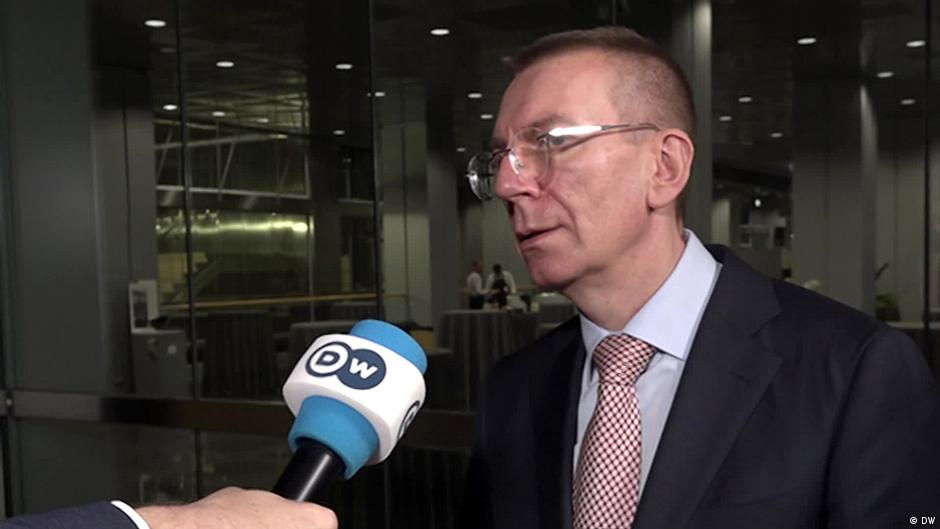
Latvian President Edgars Rinkēvičs warns NATO to prepare for potential escalation with Russia, stressing the need for increased military capabilities and clear deterrence signals to Moscow.

Russia permits continued use of higher-sulfur Euro-3 fuels domestically until 2026 amid refining disruptions, excluding exports to EAEU countries, signaling a shift in energy policy priorities.
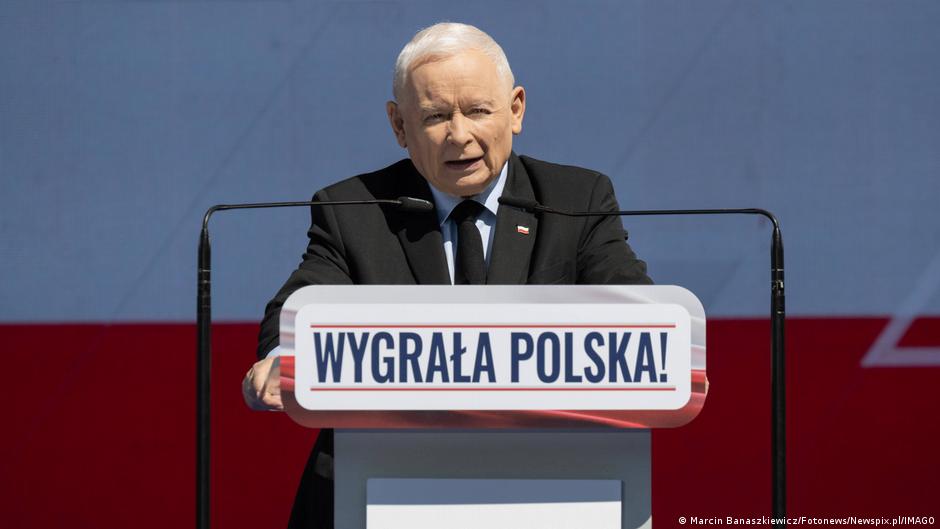
Poland's opposition leader Kaczyński calls to block Ukraine’s EU accession talks amid rising bilateral tensions and divergent historical narratives, raising broader European economic and political concerns.

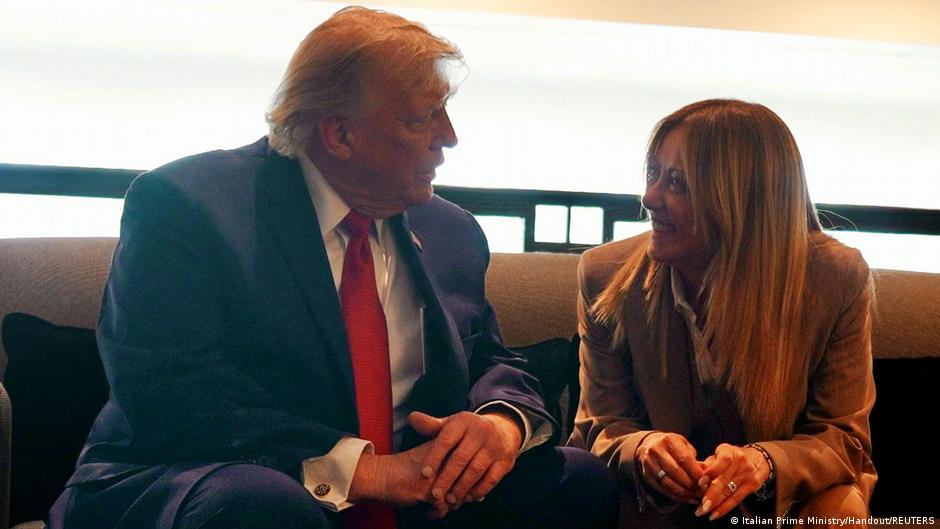
Italy’s Foreign Minister cancels US visit following offensive remarks by Donald Trump about Prime Minister Meloni, highlighting tensions in transatlantic relations and potential impacts on economic cooperation.

U.S. intelligence warns Israel may attempt to undermine the U.S.-Iran nuclear deal, risking increased Middle East instability and complicating global economic and policy landscapes.

US envoy Stephen Witkoff travels to Switzerland for nuclear talks with Iran, delayed by Lebanon conflict, with major economic stakes tied to ceasefire and sanctions relief.

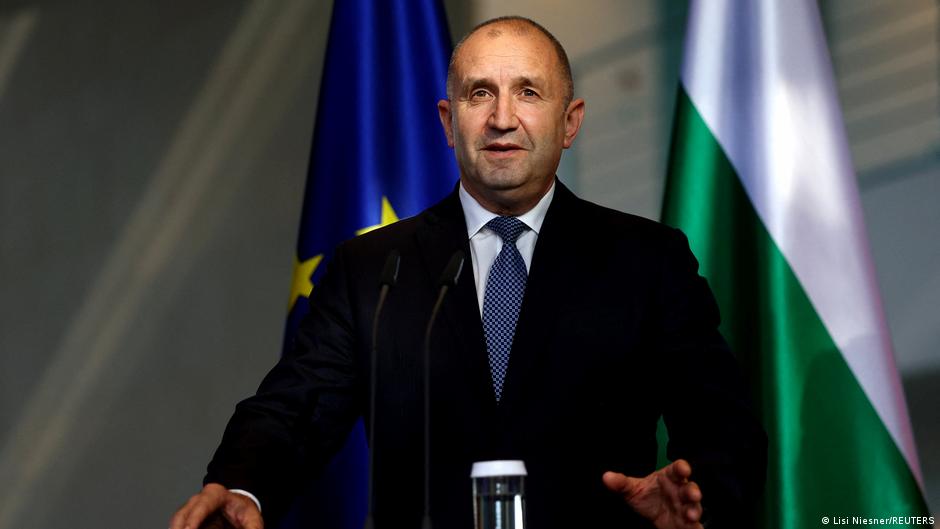
Bulgaria plans to veto new EU sanctions on Russia, citing risks to its economy and questioning their impact on peace efforts, highlighting divisions within the EU on sanction policy.

The EU has agreed to extend sanctions on Russia to one year, reflecting a strategic shift enabled by political changes in Hungary and signaling intensified economic pressure on Moscow.

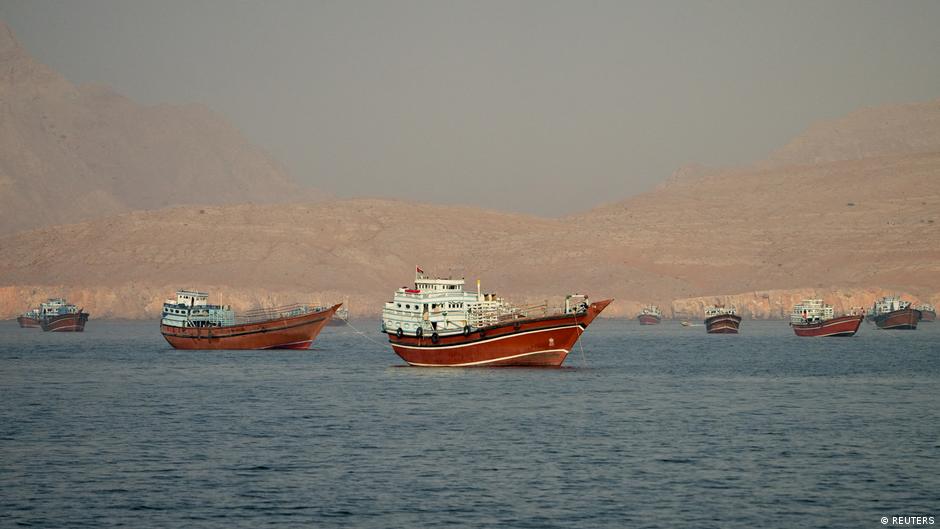
Pakistan announces the immediate reopening of the Strait of Hormuz following a US-Iran memorandum, signaling a major shift with global economic implications.

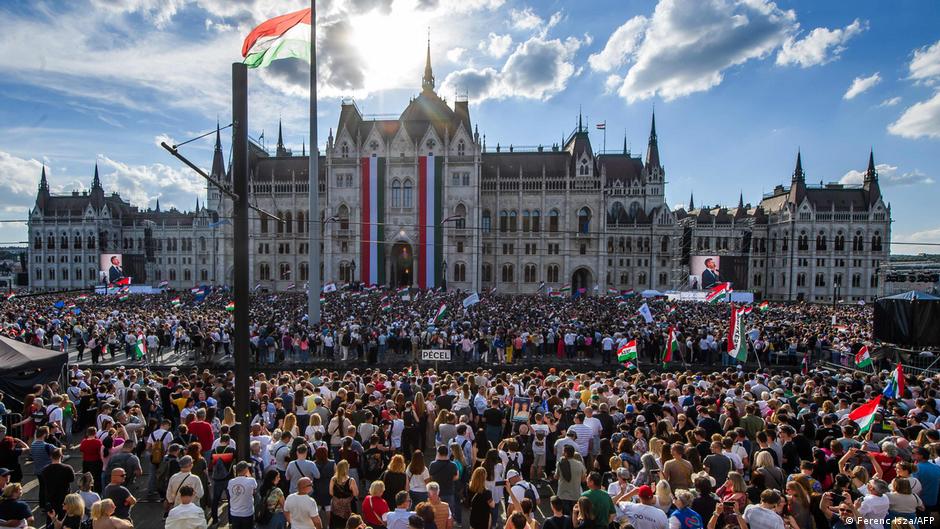
Hungary’s Parliament limits prime ministerial terms to two four-year periods, barring Viktor Orban’s return and signaling a shift in political and economic governance.

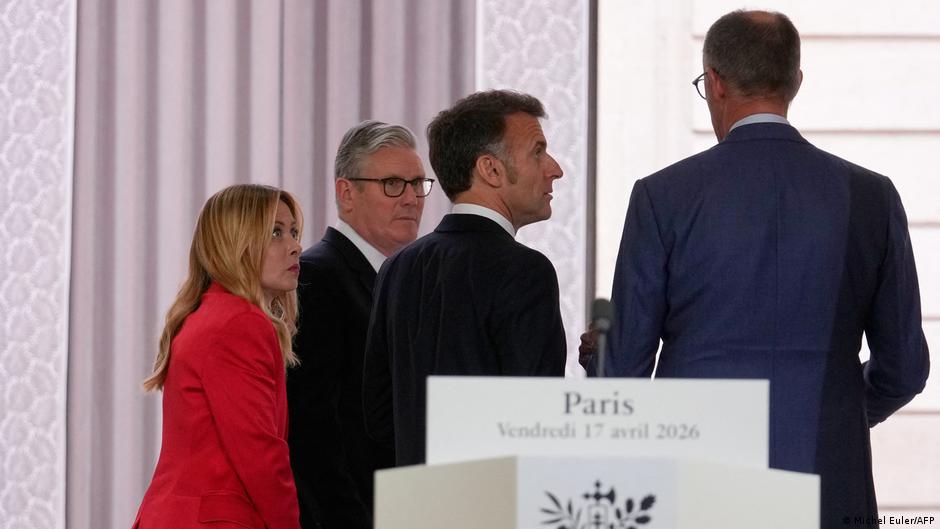
France, Germany, UK, and Italy endorse the US-Iran agreement as a vital step toward regional peace and global economic stability, stressing the need to prevent Iran’s nuclear armament.

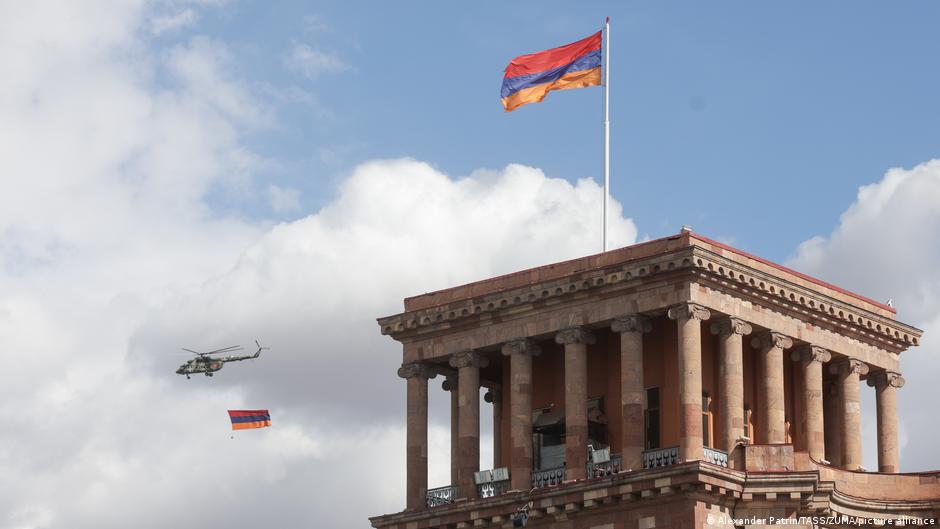
Armenia’s Central Election Commission recounted votes at one-third of polling stations, resulting in minor vote increases for main parties amid political tensions ahead of final tally.

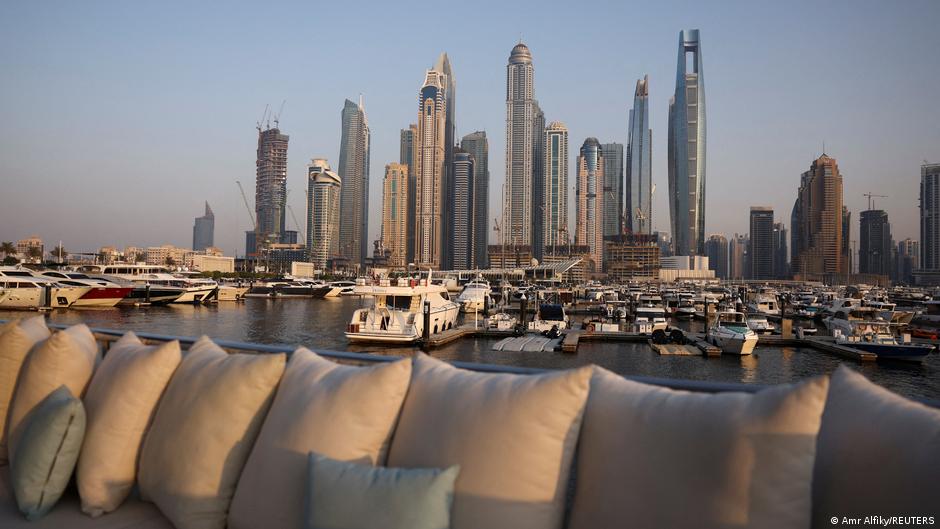
Reports claim the UAE agreed to unfreeze billions in Iranian oil revenues to halt attacks, amid advancing Iran-US peace talks; official UAE denial follows.

Germany allocates an extra €300 million to support the Czech-led ammunition supply initiative for Ukraine, highlighting evolving European defense commitments and strategic funding challenges.

Ukrainian President Zelensky held a positive discussion with Trump envoys to boost diplomacy aimed at ending the Russia-Ukraine war, amid broader European summit talks.

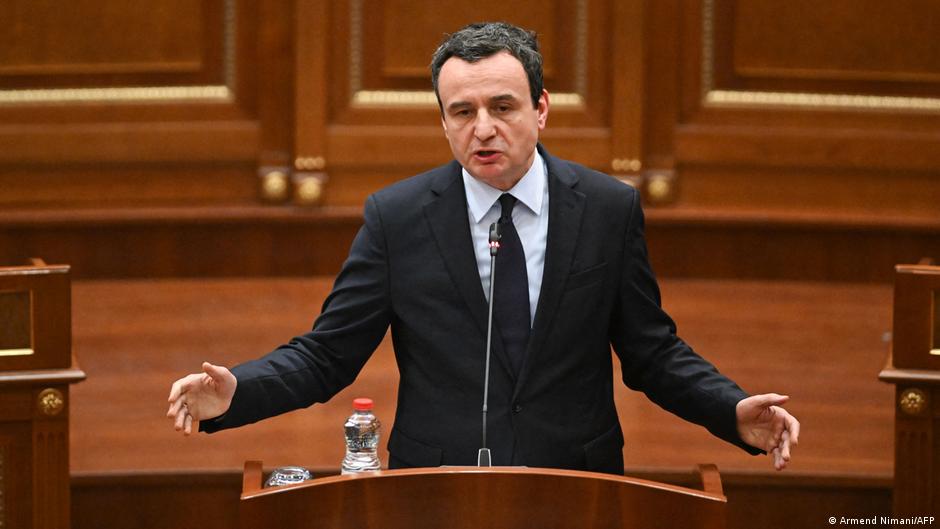
Kosovo’s Self-Determination party wins 43% in early elections but faces coalition hurdles amid EU integration challenges and regional political instability.

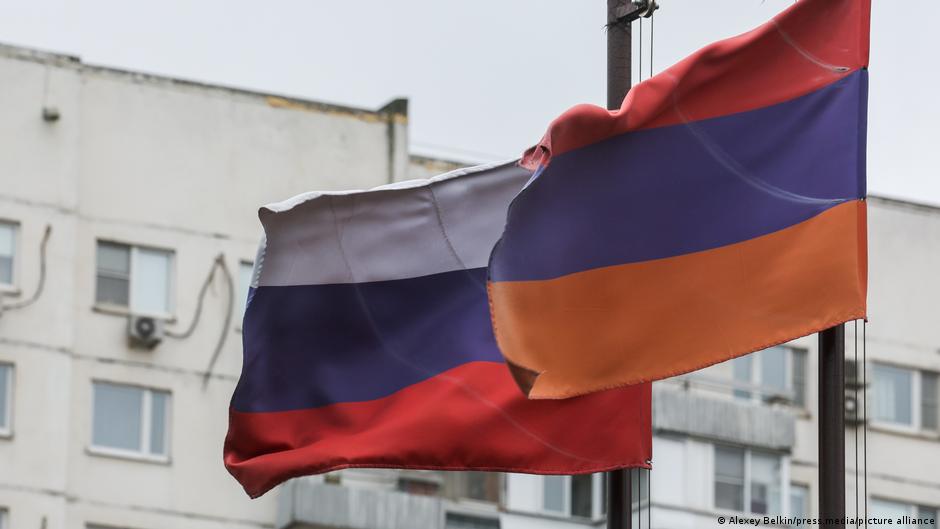
Armenia’s recent elections reinforce PM Pashinyan’s pro-EU stance, intensifying tensions with Russia and impacting regional economic and geopolitical stability.

Israel and Iran exchanged air and missile strikes amid US efforts to broker a peace deal, raising the stakes for regional security and global economic stability.

Intensified Russian drone attacks on Kyiv and eastern Ukraine highlight escalating conflict with significant implications for European security and global economic stability.

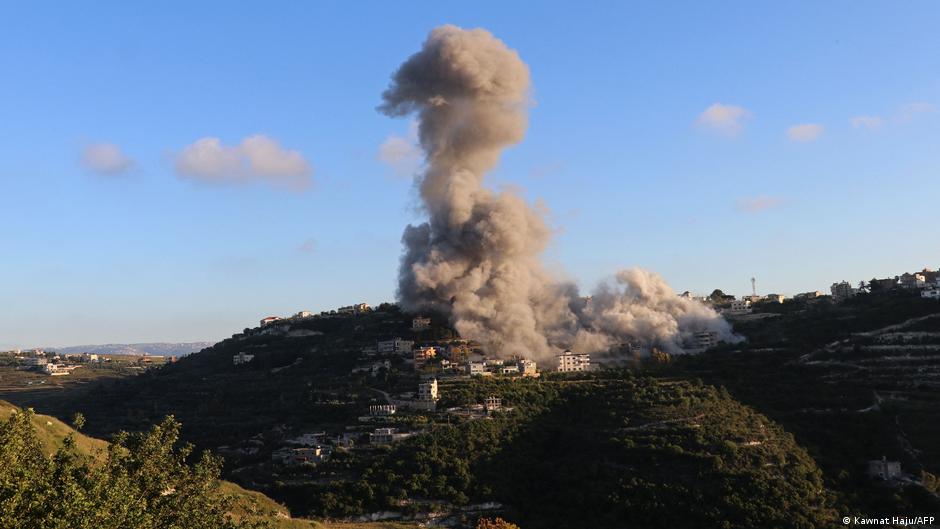
Trump rebuked Netanyahu over Lebanon strikes, highlighting risks to regional stability and US diplomatic efforts amid ongoing Middle East tensions.

Russia plans to temporarily restrict diesel and jet fuel exports amid refinery shutdowns caused by drone strikes, aiming to stabilize its domestic fuel market.

Violent protests in Belgrade expose deep political instability in Serbia, challenging governance and economic stability ahead of crucial 2026 elections.
Ukraine and European leaders convened to discuss reinvigorating diplomacy to end the war with Russia amid shifting global priorities and evolving conflict dynamics.

Hungary reverses a procedural lapse to reinstate its ban on Ukrainian agricultural imports, aiming to protect domestic farmers and recalibrates its stance on the International Criminal Court.

The EU and US have condemned Israel following a video showing detained pro-Palestinian activists, sparking diplomatic protests and highlighting tensions over Gaza blockade enforcement.

EU's top diplomat warns Russia, China, and the US employ divide-and-rule tactics to weaken European Union unity, threatening its global economic and geopolitical strength.

London hosted large opposing protests on migration and the Palestinian Nakba, highlighting political polarization with implications for economic policy and international relations.

UK Prime Minister Keir Starmer plans an £18 billion increase in defense spending, reflecting strategic shifts amid domestic political challenges and global security concerns.

Latvia's ruling coalition collapsed after the Defense Minister's resignation over a drone incident, raising political instability and economic uncertainty ahead of key parliamentary elections.

Latvia’s defense minister resigns after drones, likely Ukrainian, breach Latvian airspace, raising NATO security and regional economic stability concerns amid Russia-Ukraine conflict.

Former Polish Justice Minister Zbigniew Ziobro has fled Hungary for the US amid Hungary’s new government seeking to extradite officials sheltering under the previous administration.

Putin names former German Chancellor Gerhard Schröder as preferred EU negotiator for Russia-Ukraine talks, signaling Moscow's openness to dialogue under specific conditions.