US Announces New Phase in Iran Negotiations Amid Military Posturing
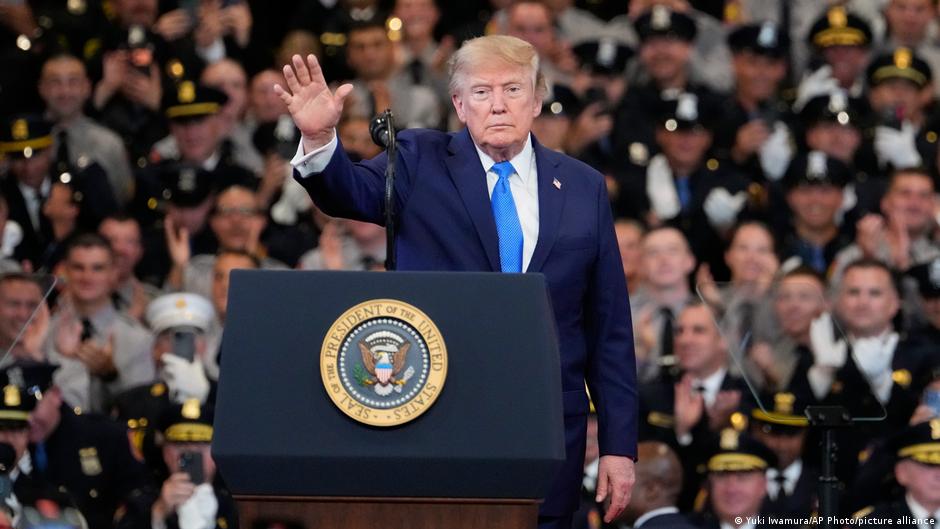
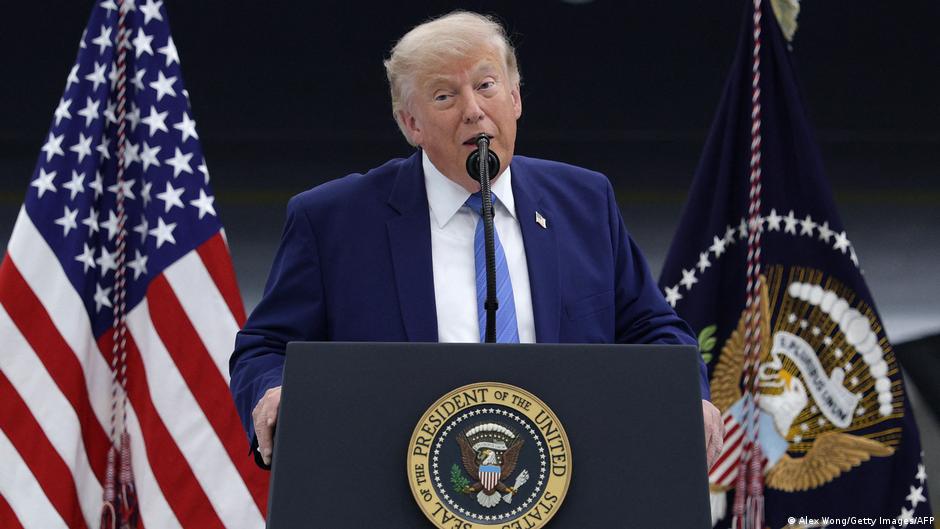
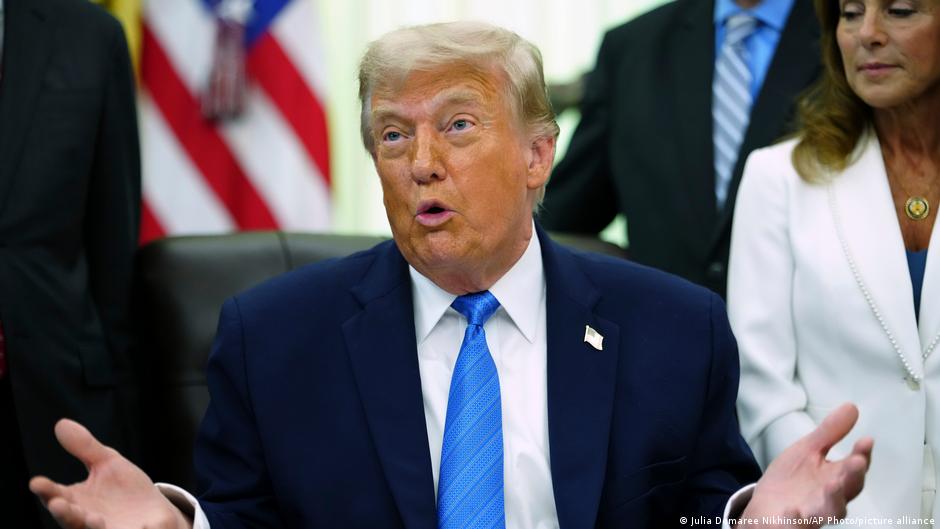
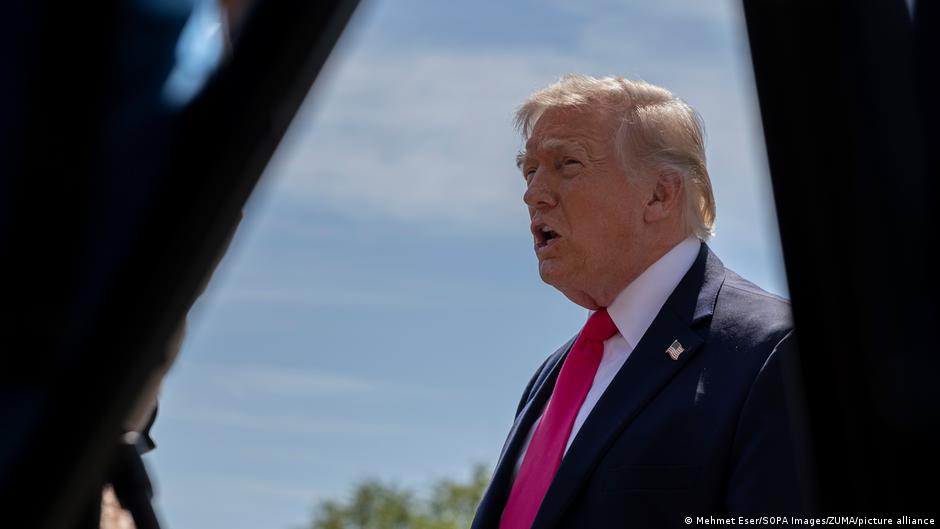
President Trump announced new talks with Iran starting August 3, delaying further military strikes and signaling a potential shift toward diplomacy amidst Middle East tensions.

President Trump announced new talks with Iran starting August 3, delaying further military strikes and signaling a potential shift toward diplomacy amidst Middle East tensions.

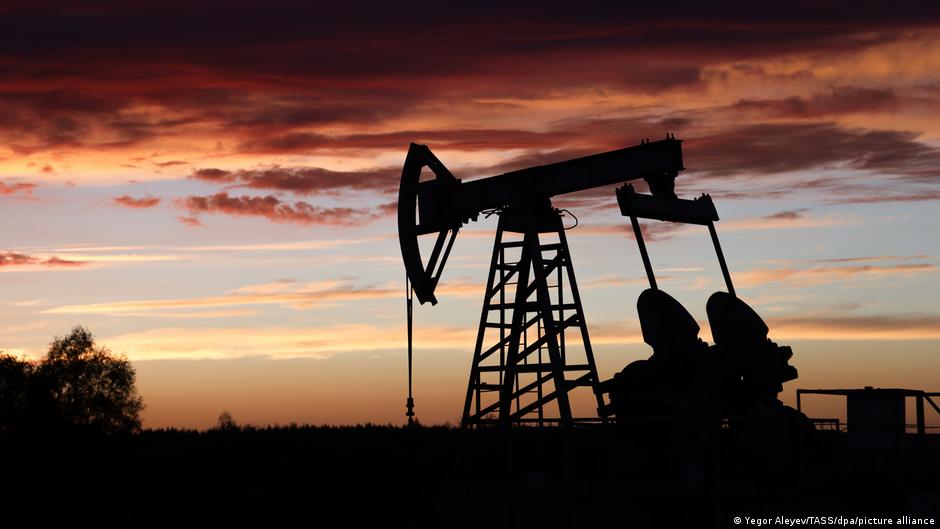
Russia’s July oil and gas revenues may rise 60% year-on-year due to higher global prices, despite sustained EU sanctions targeting its energy exports.

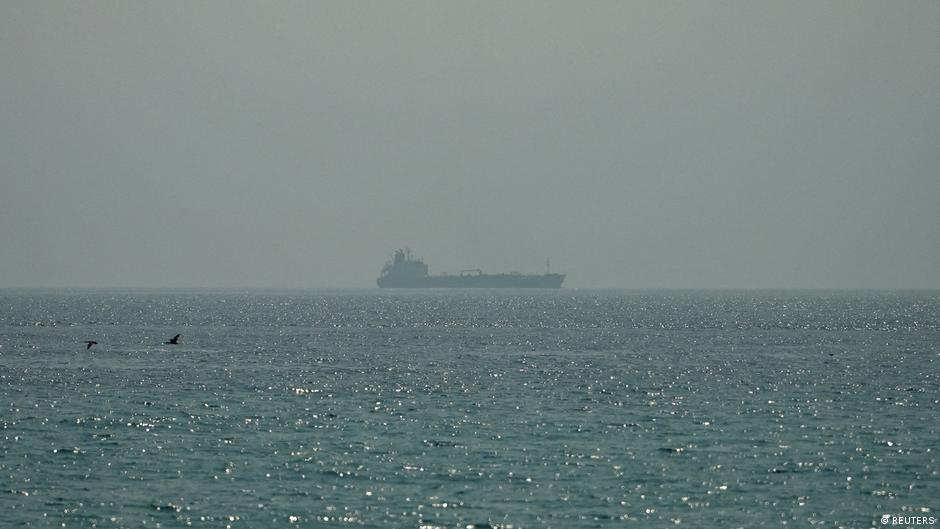
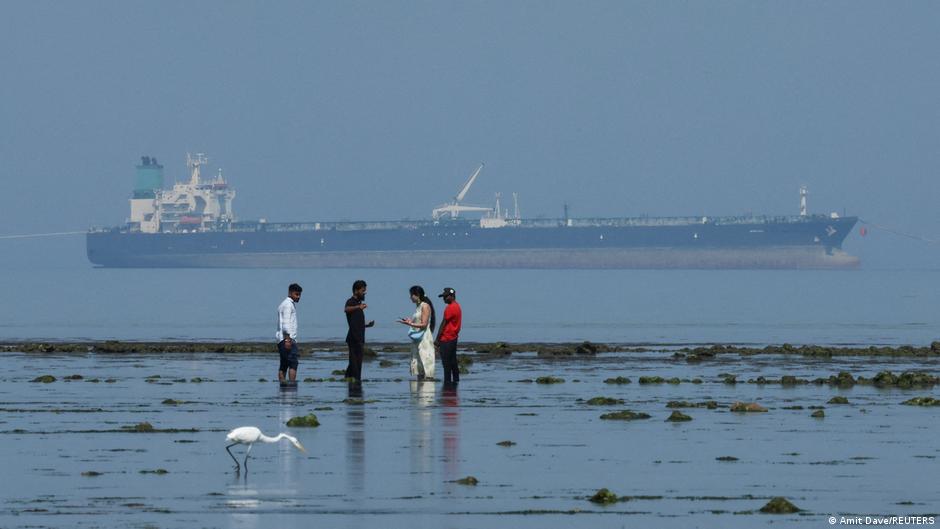
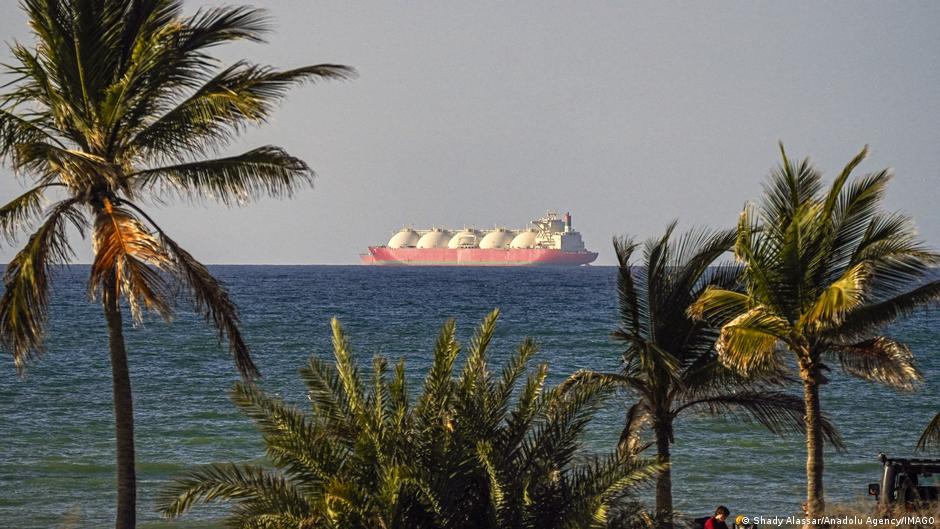
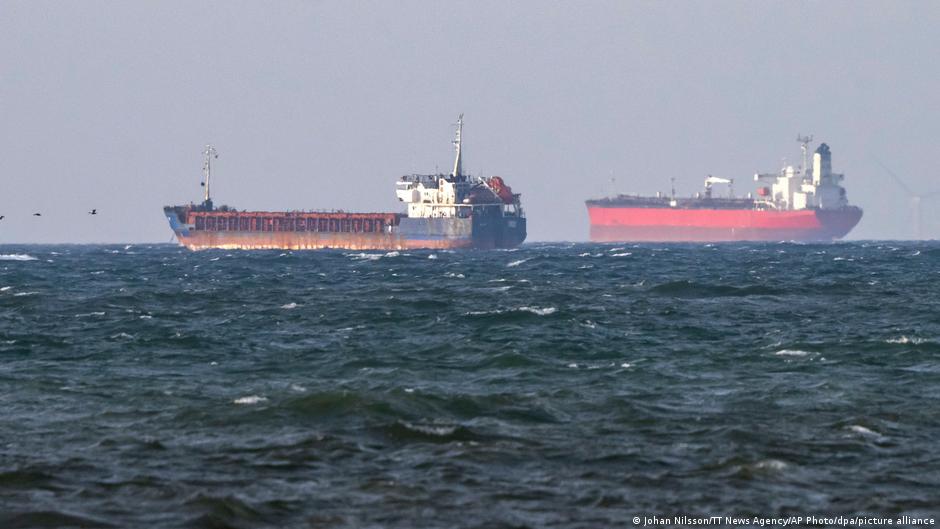
Iran’s IRGC mined an oil tanker near the Strait of Hormuz, escalating maritime tensions and threatening global oil supply chains in a critical transit corridor.

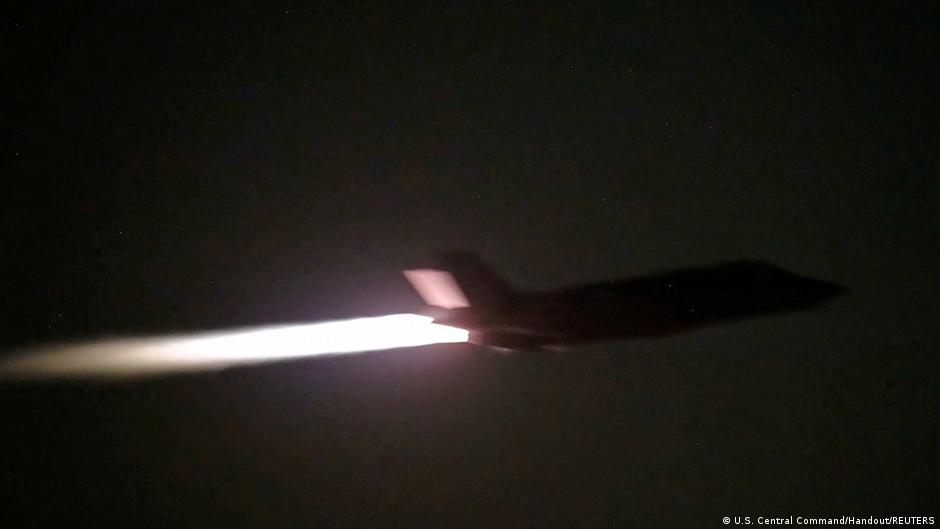
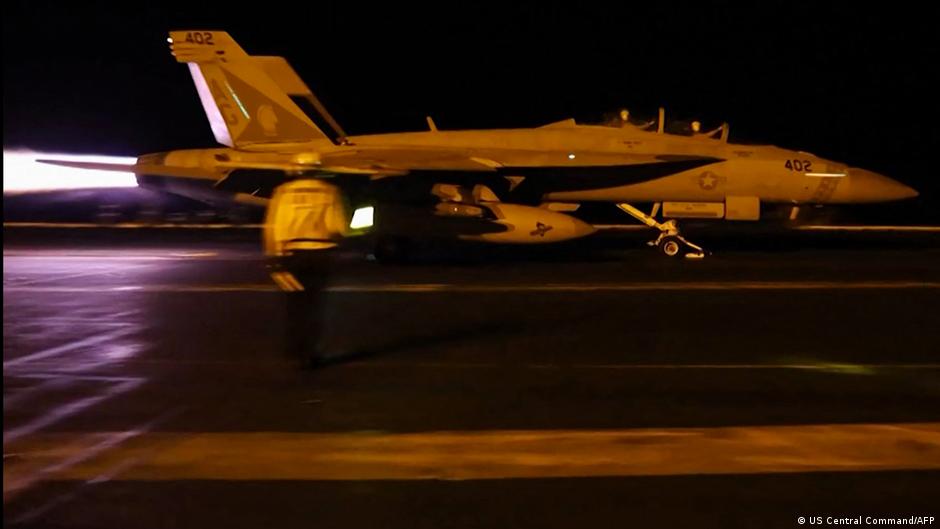
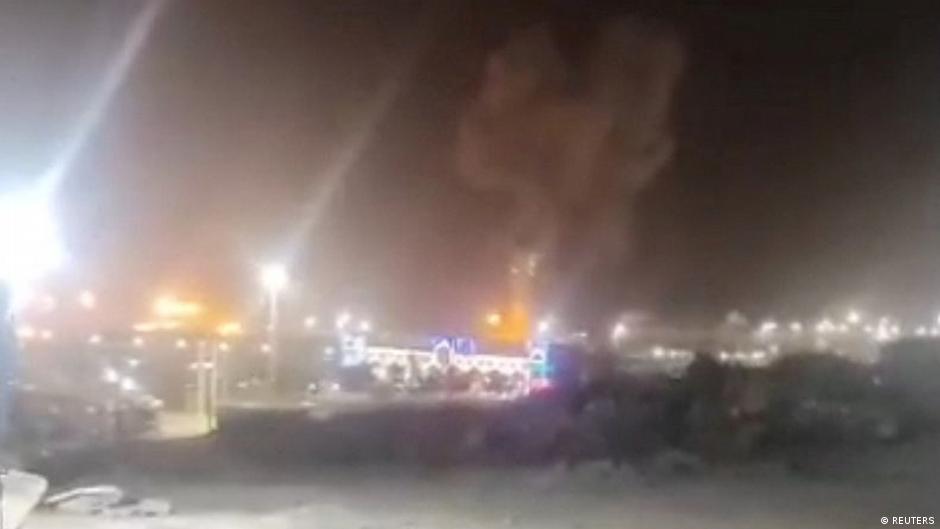
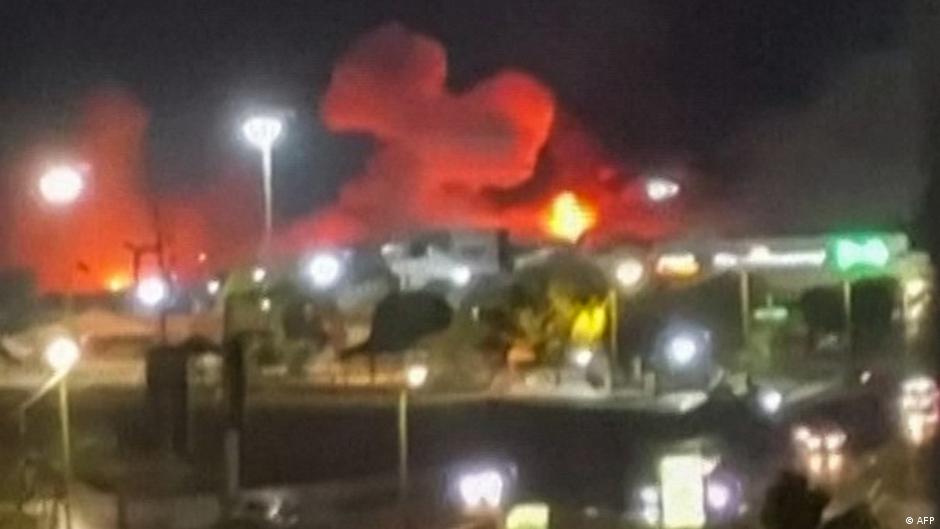
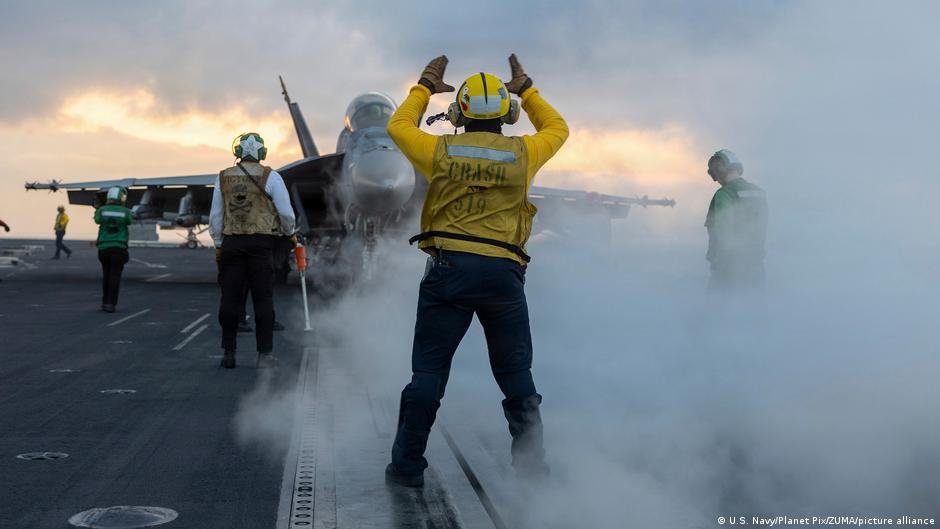
The US has conducted 11 consecutive nights of strikes against Iranian military targets, escalating tensions in the Gulf and threatening key global energy routes.

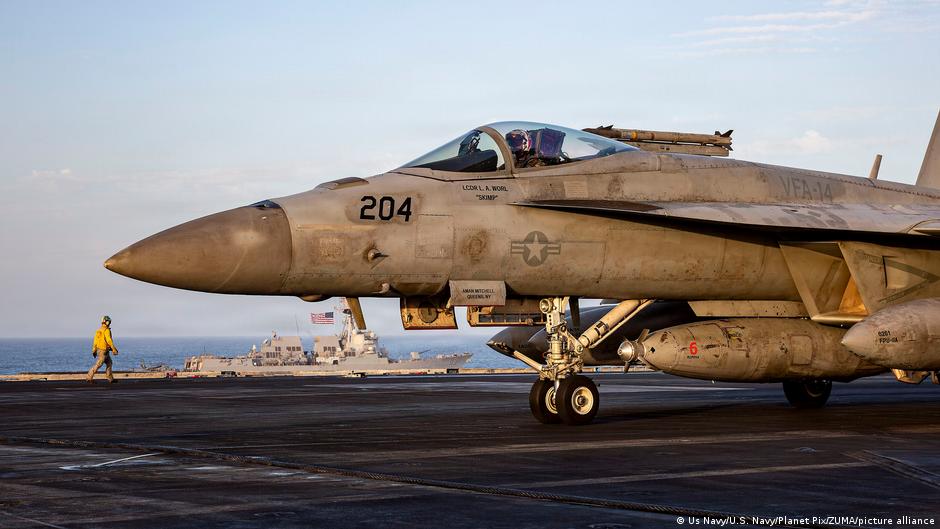
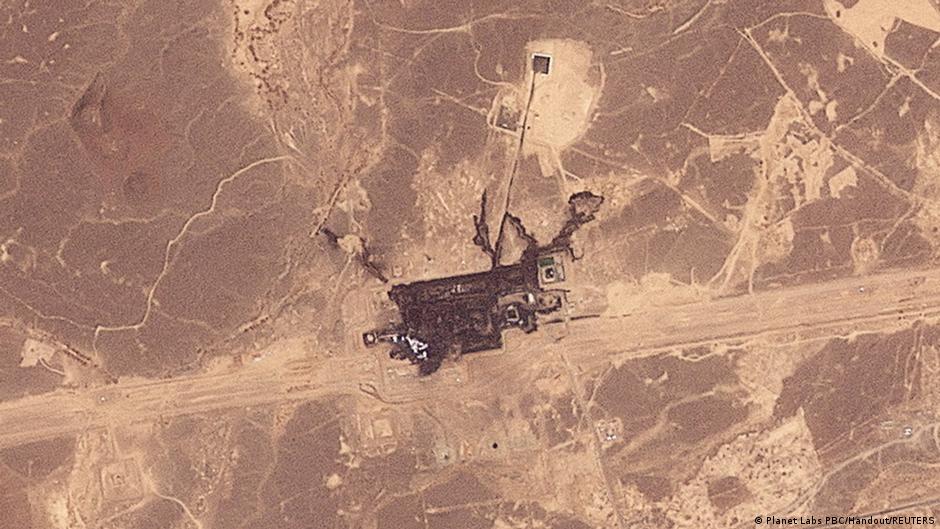
The US military continues its offensive against Iran, targeting strategic sites in the Strait of Hormuz amid escalating regional tensions with significant global economic implications.

US military strikes in Iran continue for the ninth night, escalating tensions in the Strait of Hormuz and impacting global energy supply routes.

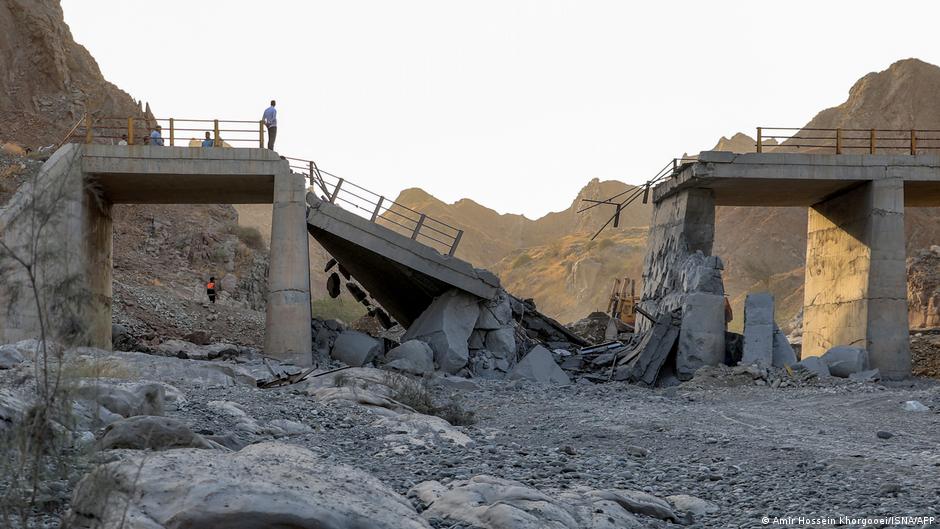
US military strikes on Iranian military and infrastructure sites have escalated tensions in the Persian Gulf, prompting retaliatory Iranian attacks on American bases.

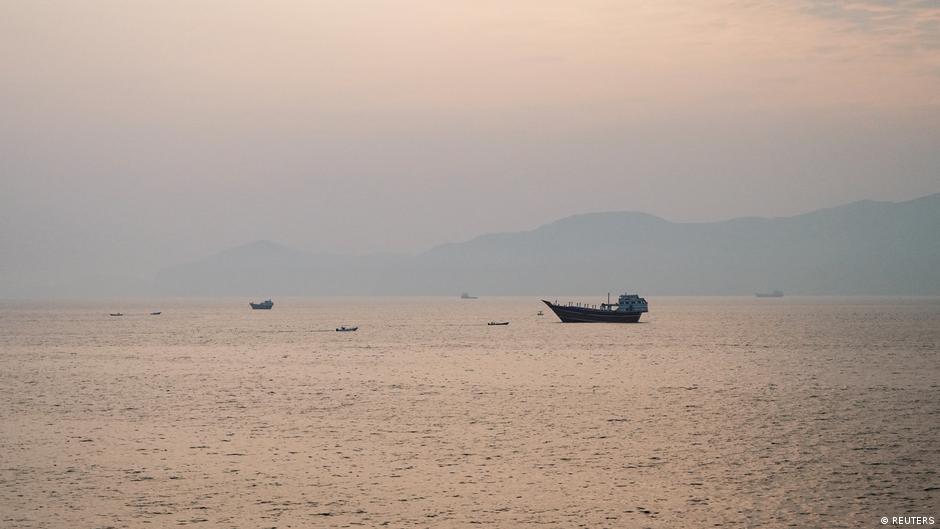
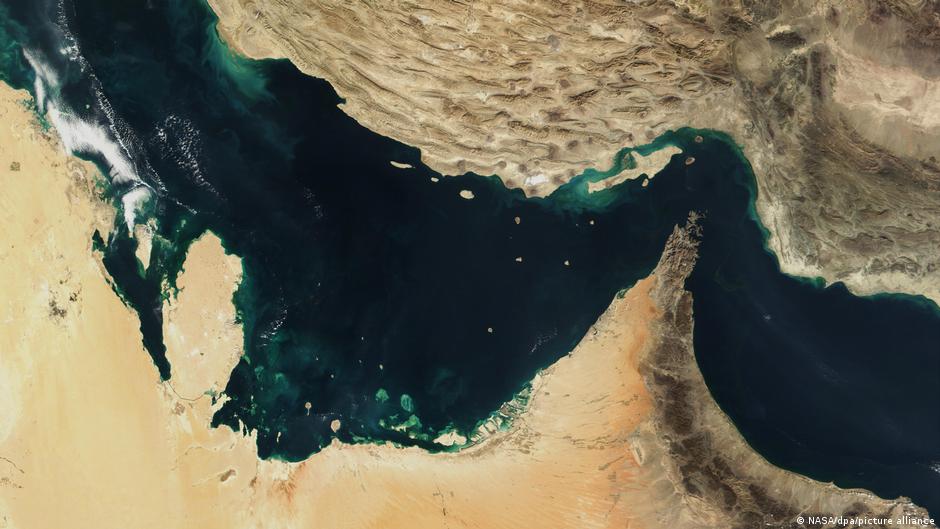
The US has launched new strikes against Iran to secure the strategic Strait of Hormuz, a critical route for global oil trade, amid escalating military tensions and attacks on civilian vessels.

The US and Iran have agreed on a temporary ceasefire until June 30 to discuss reopening the strategically vital Strait of Hormuz, impacting global energy markets and regional security.

US forces struck Iranian military sites following attacks on commercial vessels in the Strait of Hormuz, heightening geopolitical risks to global energy supply and economic stability.

US and Iran exchanged military strikes after Iran attacked a commercial vessel in the Strait of Hormuz, escalating tensions that threaten global oil supply chains and economic stability.

Russia has reached its highest weekly maritime oil export levels since early 2026, despite falling global prices and renewed competition from Iranian crude following US-Iran diplomatic progress.

Ukraine’s drone strikes on Russian refineries have forced Russia to impose fuel sales limits in 53 regions, signaling major disruptions in its oil sector with global economic impact.

The US and Iran have agreed on a communication channel to prevent incidents in the Strait of Hormuz, setting a 60-day roadmap to finalize broader agreements impacting regional security and global energy markets.

The US threatens to impose fees for passage through the Strait of Hormuz if Iran deal fails, highlighting risks to global oil supply and maritime security.

The US ends its blockade of the Strait of Hormuz under Trump’s directive, opening a 60-day negotiation period with Iran and easing tensions in global oil markets.

France, Germany, UK, and Italy endorse the US-Iran agreement as a vital step toward regional peace and global economic stability, stressing the need to prevent Iran’s nuclear armament.

Reports claim the UAE agreed to unfreeze billions in Iranian oil revenues to halt attacks, amid advancing Iran-US peace talks; official UAE denial follows.

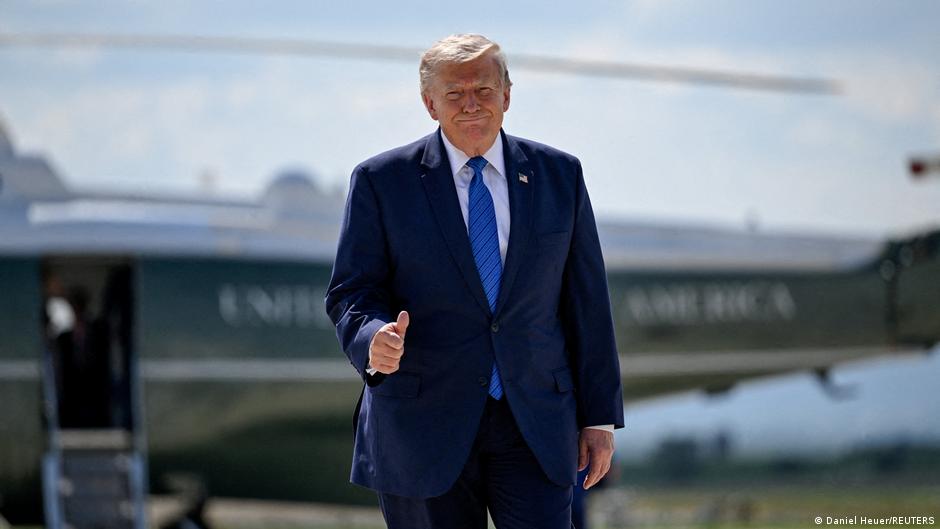
President Trump cancels planned airstrikes on Iran amid advancing talks supported by regional powers, signaling potential for a strategic agreement affecting global energy and security.

US airstrikes on Iran prompt Tehran to close the strategic Strait of Hormuz, escalating geopolitical risks with major consequences for global energy markets and economic stability.

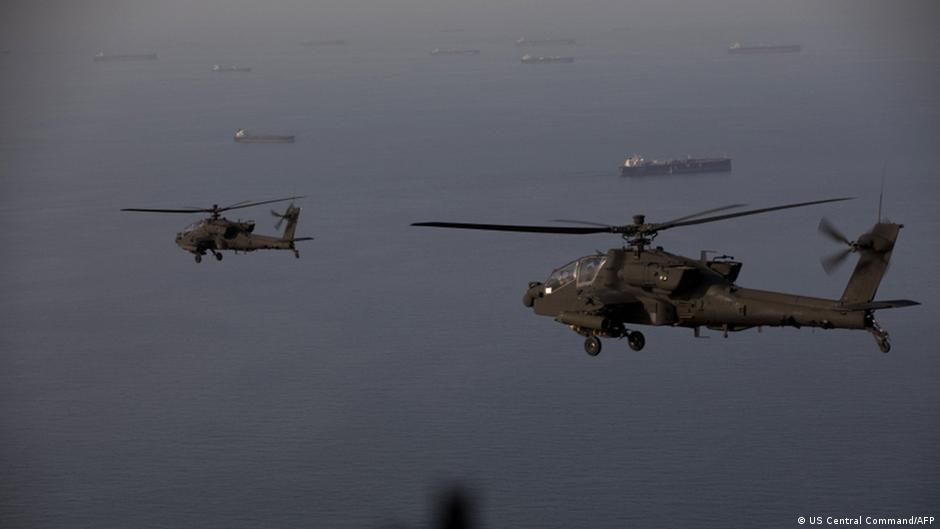
US forces struck Iranian air defense sites after Tehran downed a US Apache helicopter near the Strait of Hormuz, escalating tensions with significant global economic implications.

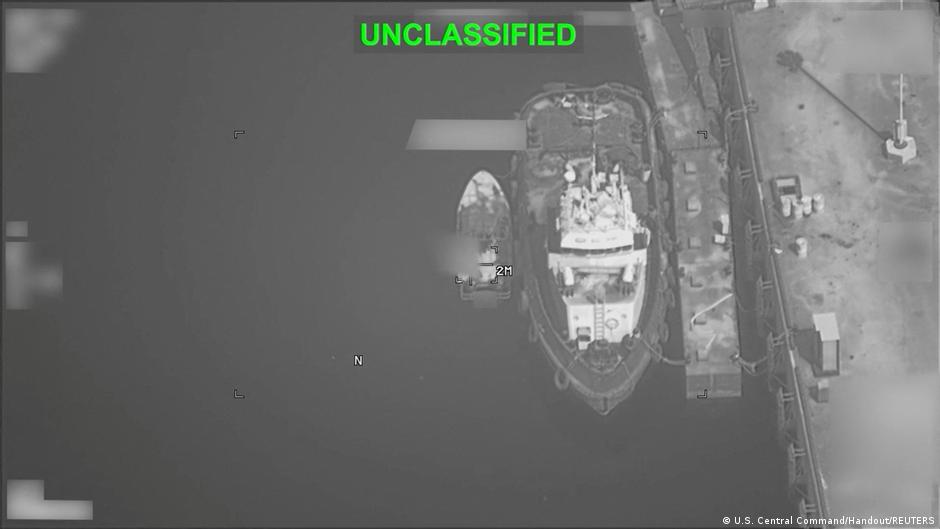
The US military disabled a Gambian-flagged ship heading to Iran, enforcing a Strait of Hormuz blockade amid escalating regional tensions and impacting global trade routes.

The US has ended its temporary easing of sanctions on Russian oil exports, a move with significant implications for global energy markets and economic policy amid ongoing geopolitical tensions.

Iran mandates comprehensive vessel disclosures for Strait of Hormuz passage amid US military operations, raising concerns over global energy security and maritime policy shifts.

US and Iran are reportedly close to a deal to end their conflict, with Iran agreeing to halt nuclear weapon development and negotiations set to address sanctions and regional security.

Global oil inventories fell by a record 200 million barrels in April amid Middle East conflicts, pushing reserves to an eight-year low and signaling potential price hikes.

US threats against Iran have driven Brent crude oil prices above $119 per barrel, raising concerns over long-term energy supply disruptions and global economic impacts.

Iran accuses the US of violating a ceasefire after US forces seized an Iranian cargo ship in the Strait of Hormuz, heightening geopolitical and economic risks.

The US has extended the suspension of sanctions on Russian oil shipments until May 16, impacting global energy markets and Russia’s oil revenue amid ongoing geopolitical tensions.

President Trump rejects NATO assistance in the Strait of Hormuz, while European nations prepare a peacekeeping mission amid ongoing Middle East tensions.