Finland Lifts Ban on Nuclear Weapons Import Amid Shifting Security Landscape
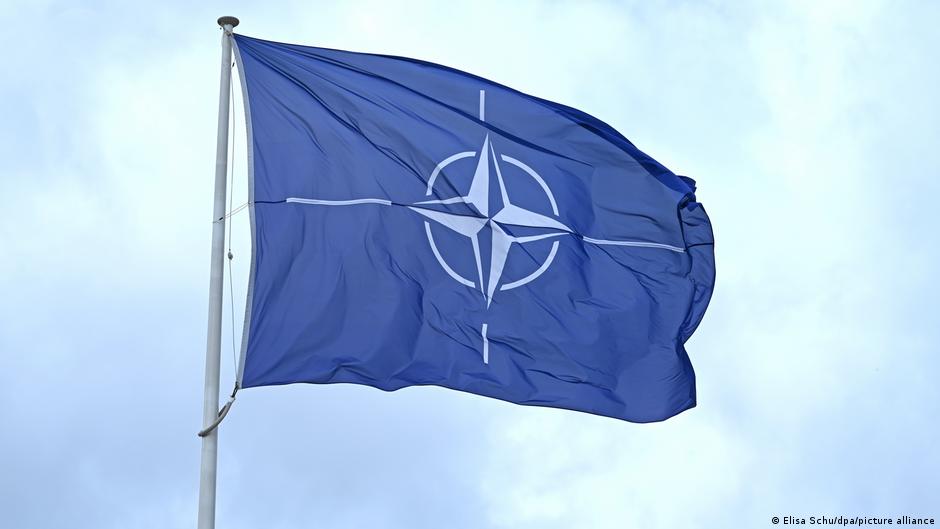
Finland amends its atomic energy law to lift the ban on nuclear weapons import, aligning with NATO membership and reshaping regional security dynamics.

Finland amends its atomic energy law to lift the ban on nuclear weapons import, aligning with NATO membership and reshaping regional security dynamics.

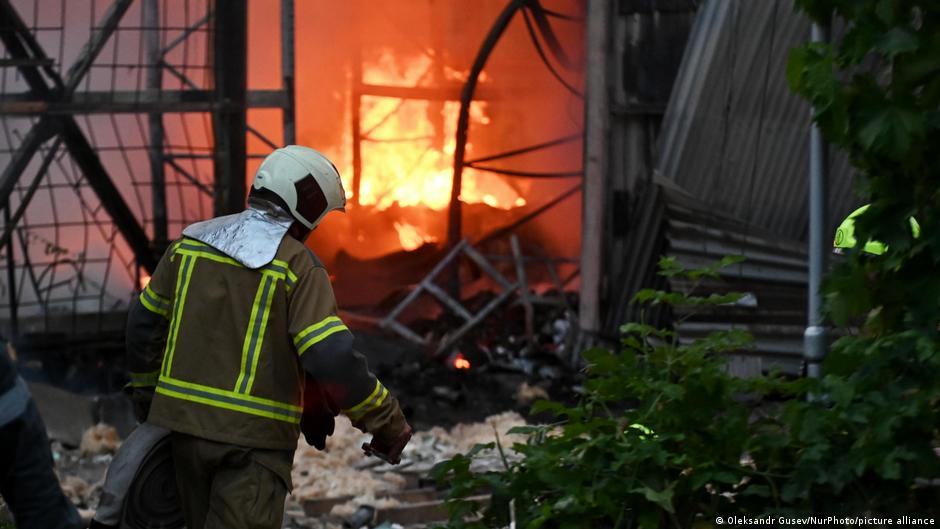
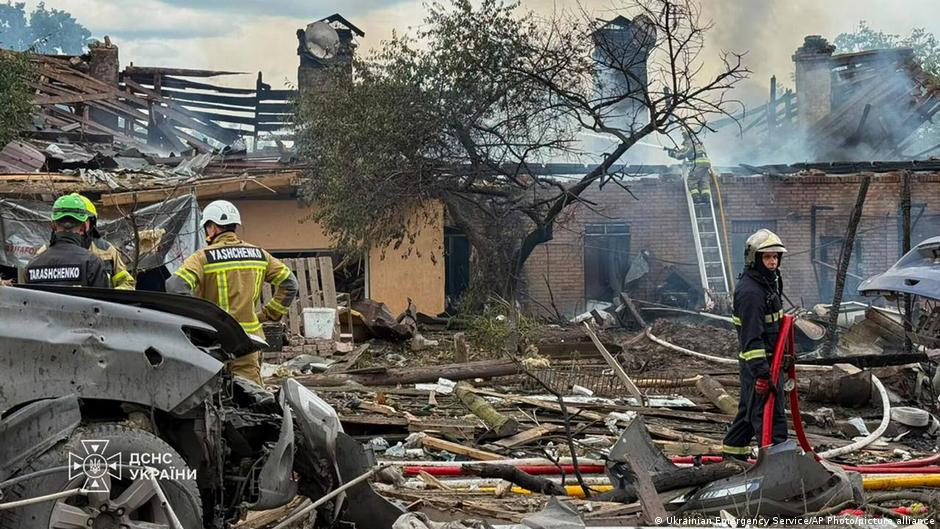
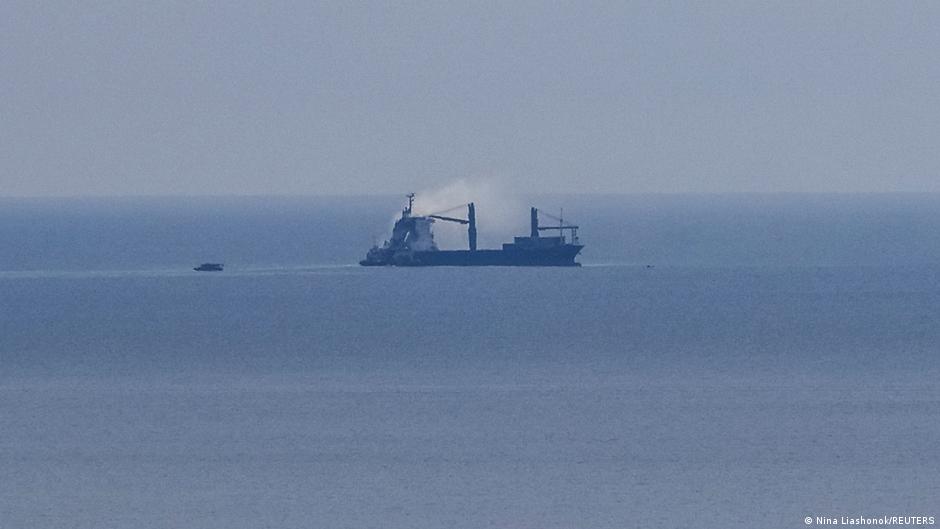
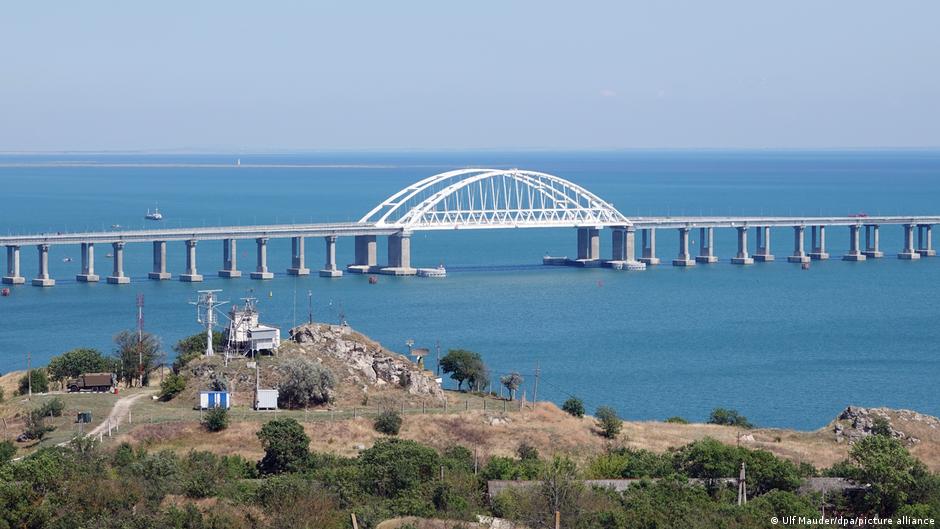
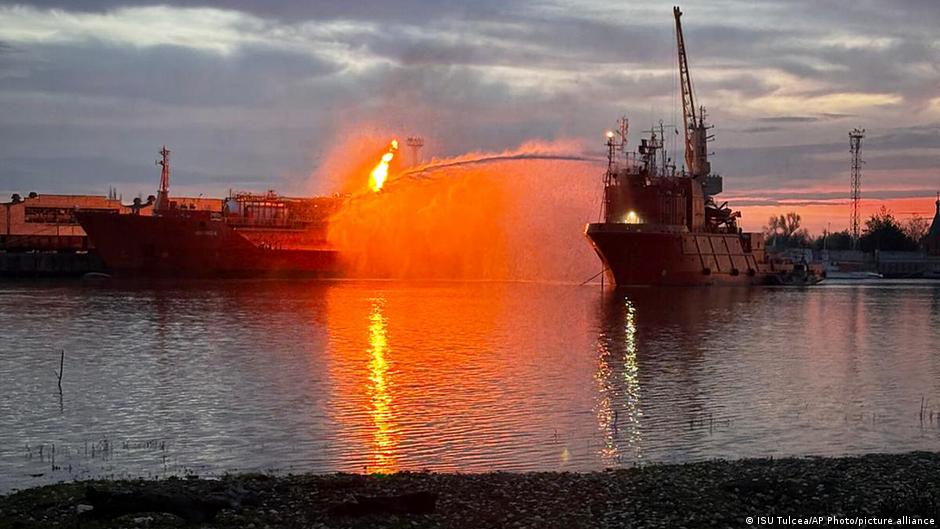
Ukrainian drone attacks on Crimean ports and energy facilities highlight rising regional tensions and risks to energy logistics and economic stability.

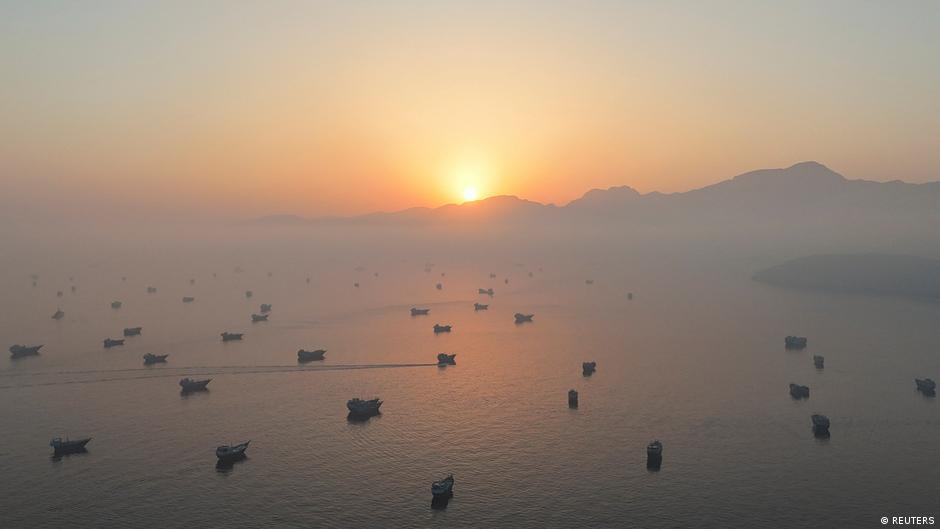
The US ends its blockade of the Strait of Hormuz under Trump’s directive, opening a 60-day negotiation period with Iran and easing tensions in global oil markets.

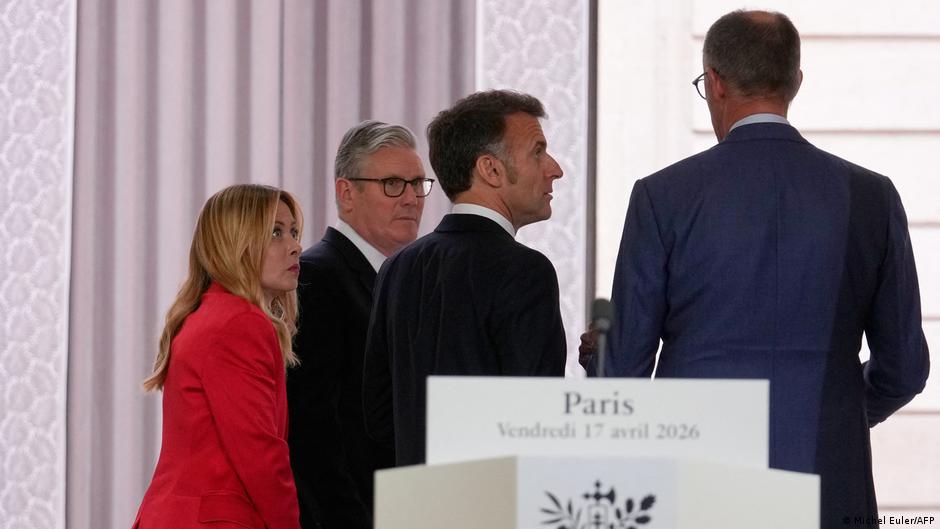
France, Germany, UK, and Italy endorse the US-Iran agreement as a vital step toward regional peace and global economic stability, stressing the need to prevent Iran’s nuclear armament.

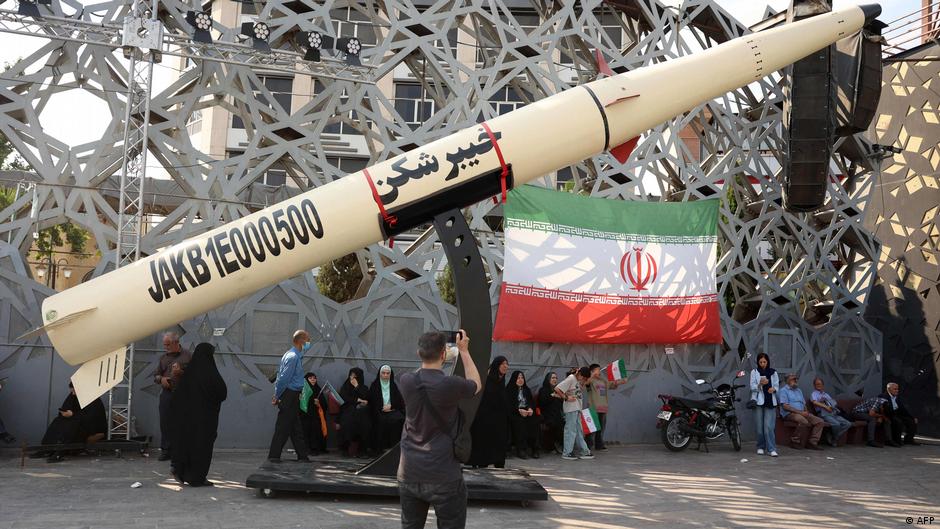
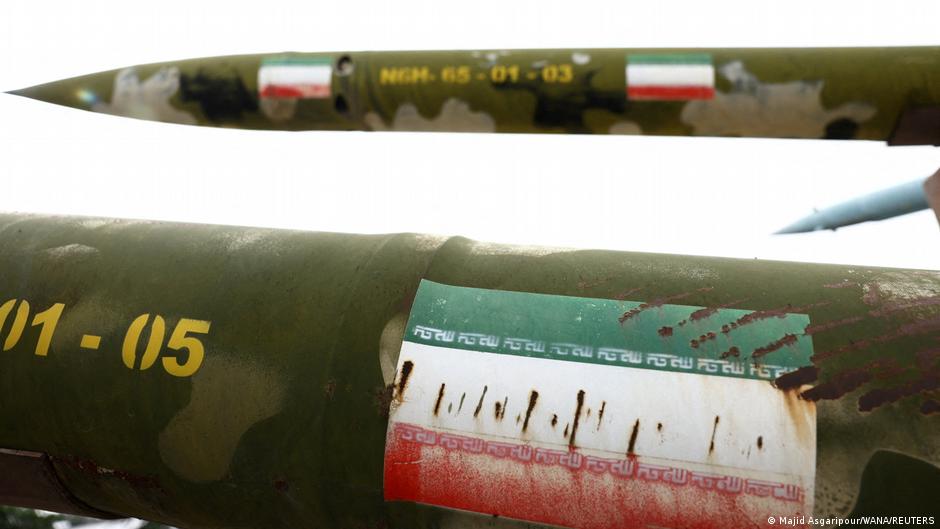
Iran has restored the majority of its missile arsenal, potentially aided by recent Russian arms transfers, complicating Middle East peace prospects and global energy stability.

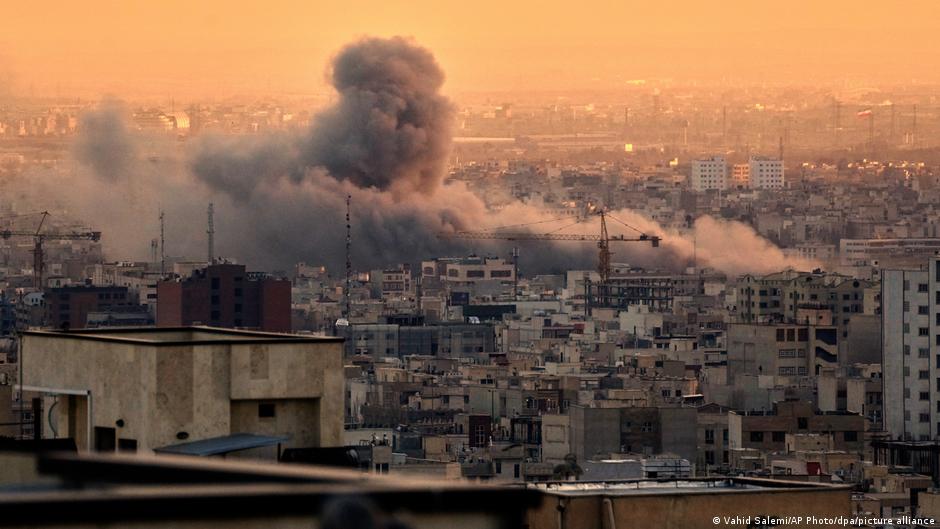
Israel and Iran exchanged air and missile strikes amid US efforts to broker a peace deal, raising the stakes for regional security and global economic stability.

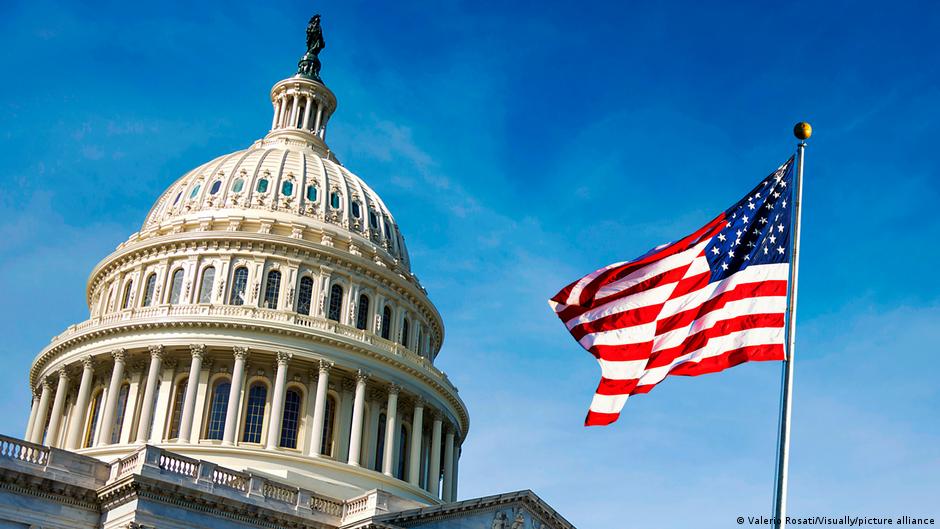
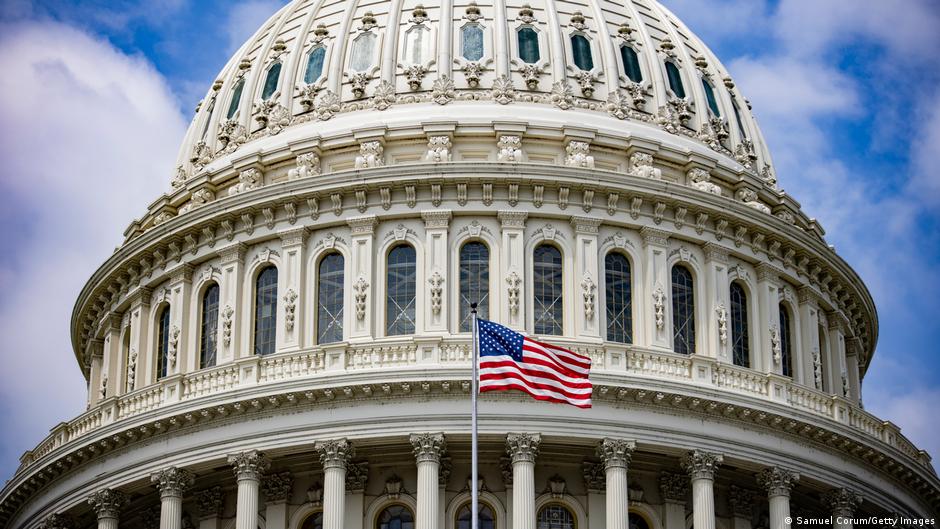
The US House passes a bill expanding military aid to Ukraine and sanctions on Russia, pending Senate approval amidst political divisions and potential presidential veto.

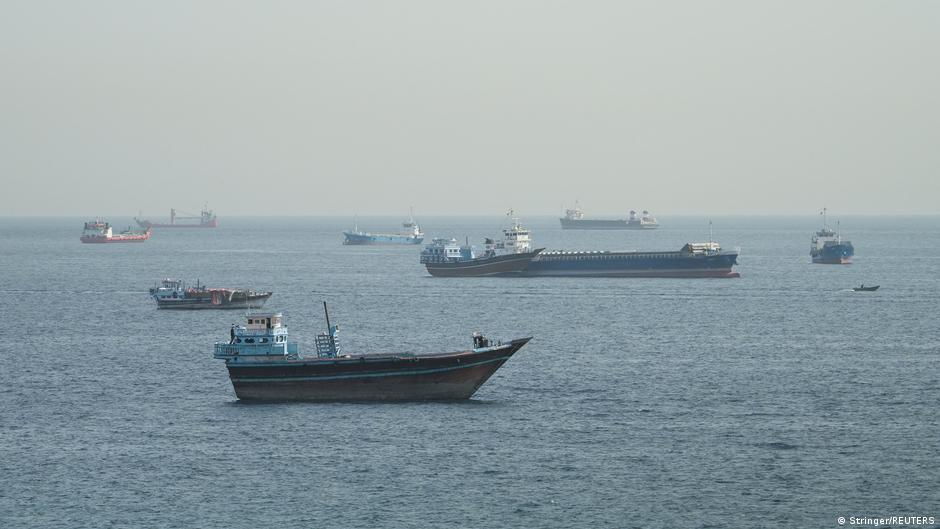
The US has covertly aided around 70 commercial ships navigating Iran-blocked Strait of Hormuz, reflecting heightened geopolitical tensions and risks to global energy supplies.

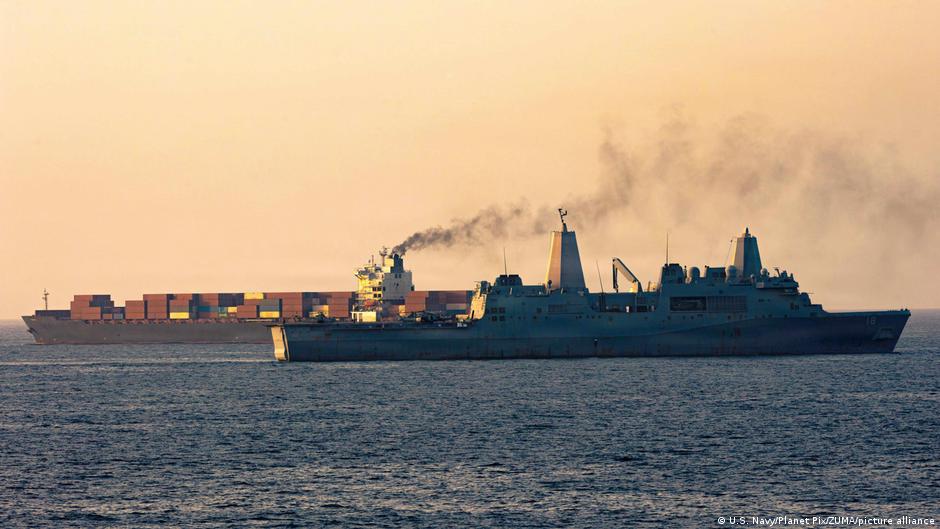
The US military disabled a Gambian-flagged ship heading to Iran, enforcing a Strait of Hormuz blockade amid escalating regional tensions and impacting global trade routes.

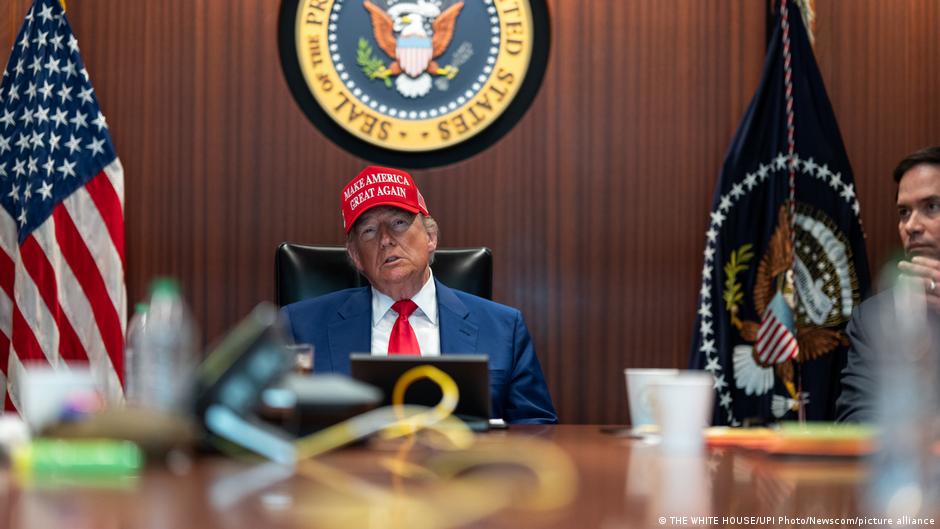
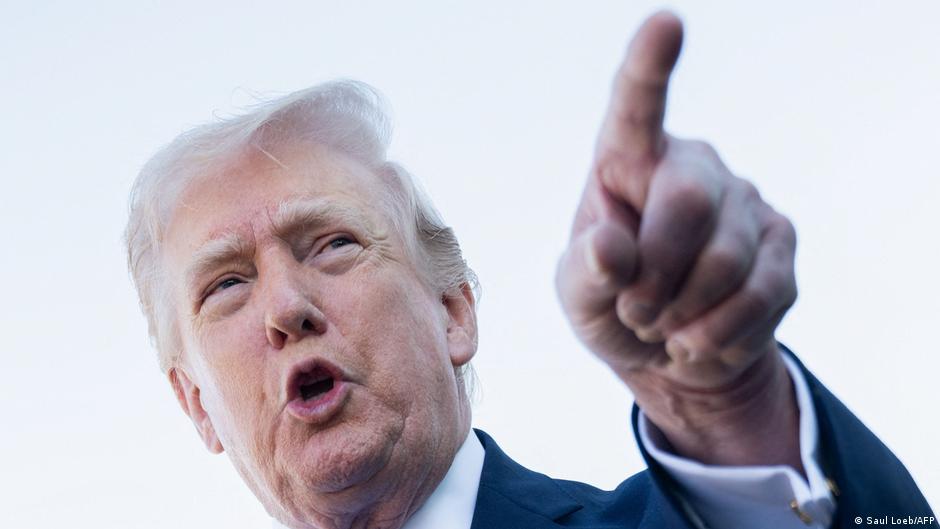
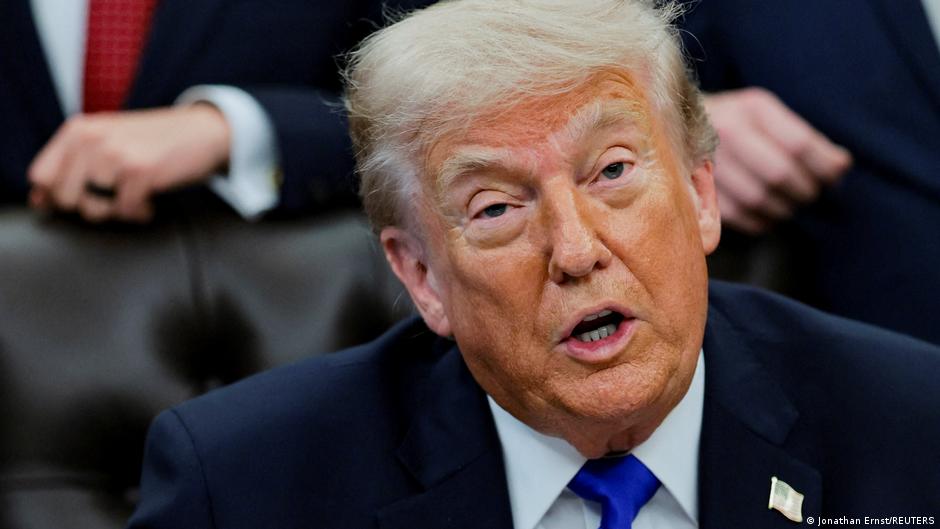
US President Trump insists on strict conditions, including Iran's nuclear non-proliferation, before agreeing to any deal, with Tehran maintaining cautious ongoing communications.

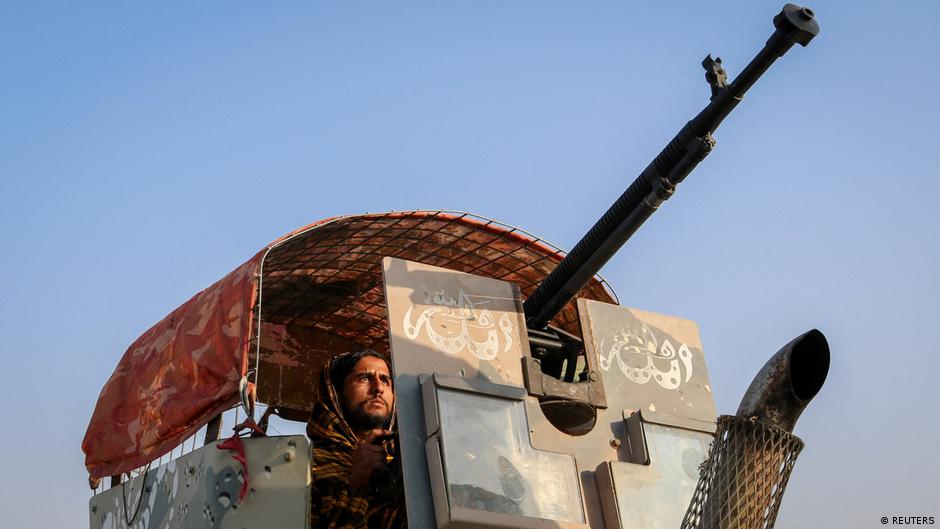
Russia's military cooperation deal with the Taliban signals shifting geopolitical alignments and potential impacts on regional security and global economic stability.

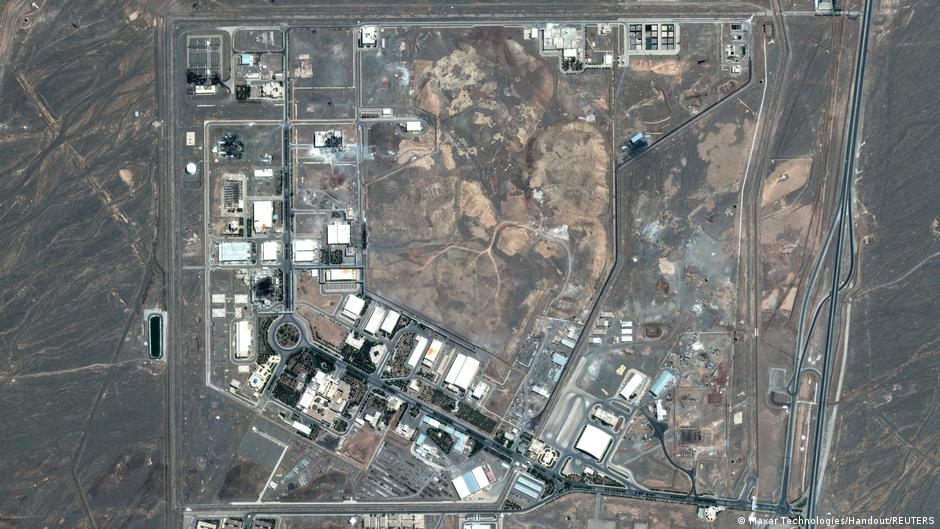
Trump demands Iran's enriched uranium stocks be destroyed in the U.S. or under IAEA supervision, intensifying nuclear tensions with global economic implications.

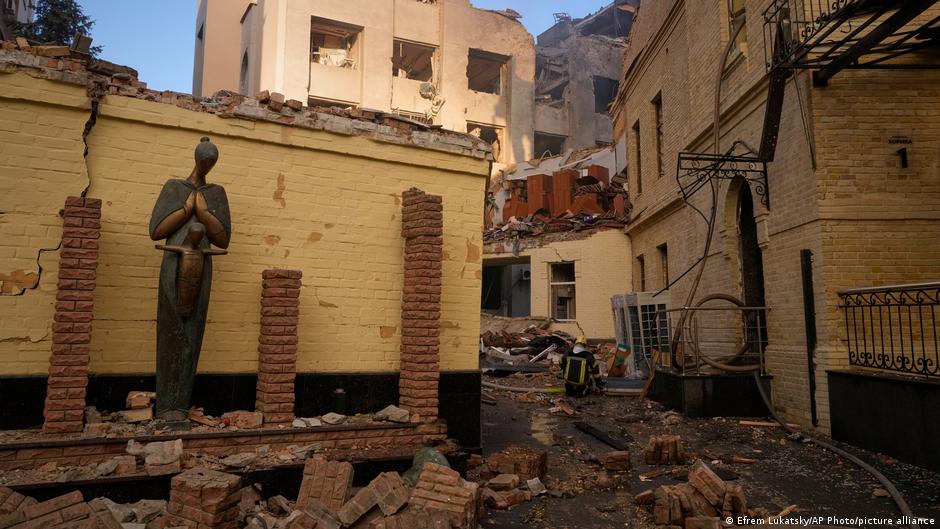
Russian missile strikes destroyed 40% of Kyiv's Chernobyl Museum exhibits and damaged multiple cultural institutions, highlighting major economic and cultural losses amid ongoing conflict.

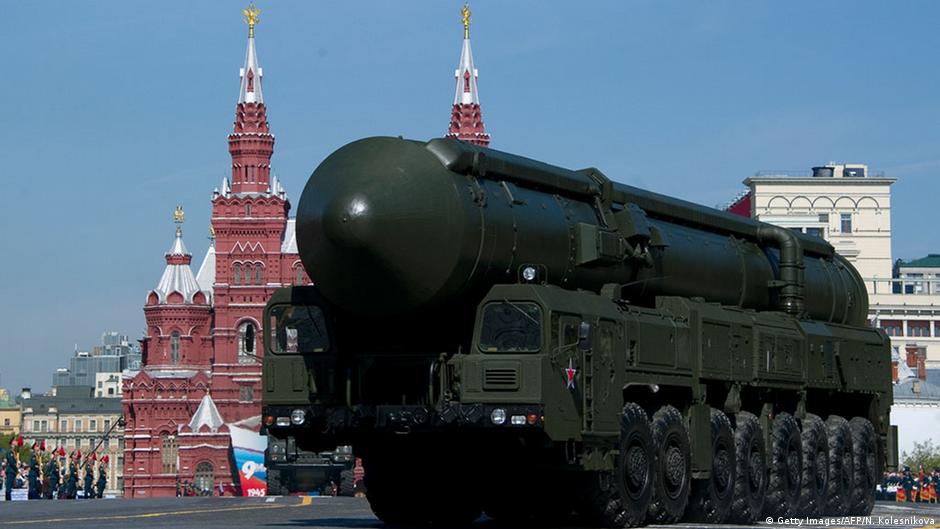
NATO intelligence indicates Russia is developing seabed-launched nuclear missiles, potentially reshaping global nuclear deterrence and strategic stability.

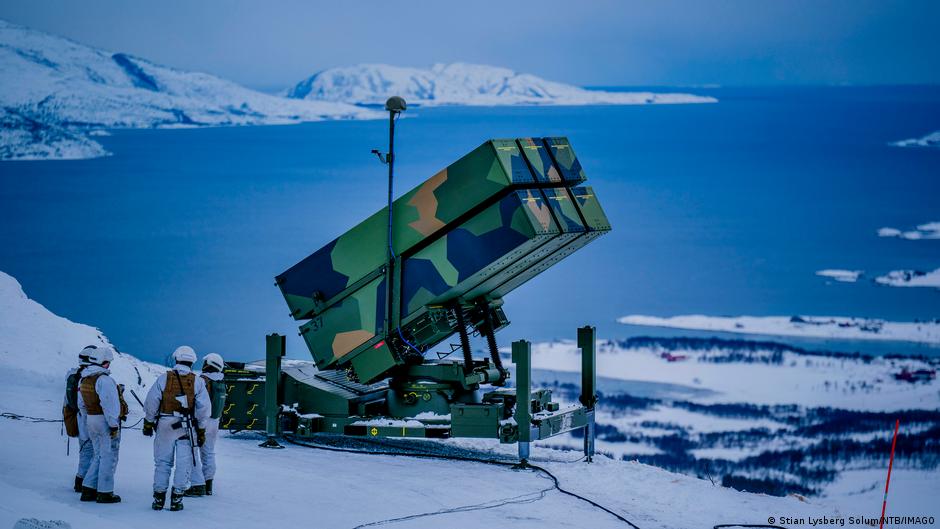
NATO confirms uninterrupted delivery of U.S. air defense missiles to Ukraine, emphasizing the alliance's role in European security amid ongoing conflict with Russia.

The US has postponed a planned military strike on Iran following appeals from Gulf leaders, initiating complex negotiations with far-reaching geopolitical and economic consequences.

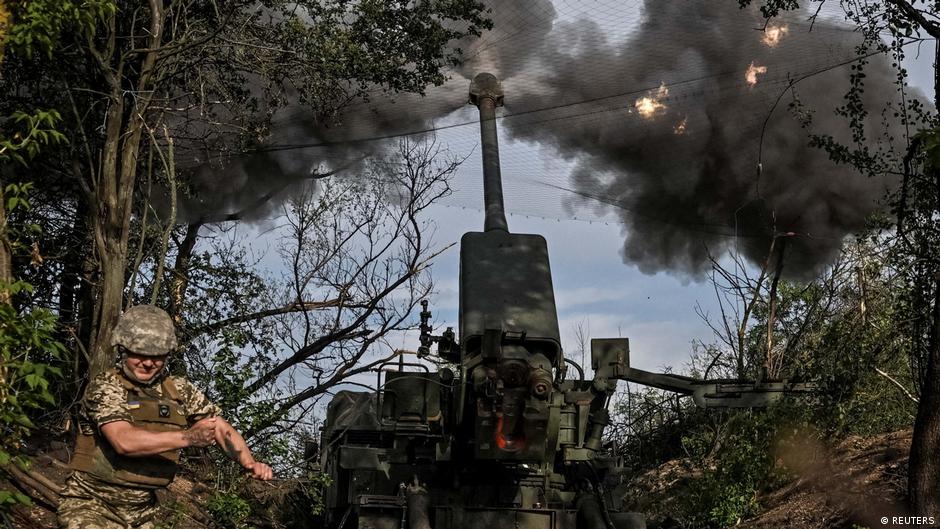
Russian missile and drone strikes on Ukrainian ports and energy infrastructure mark a dangerous escalation with broad global economic and energy security consequences.

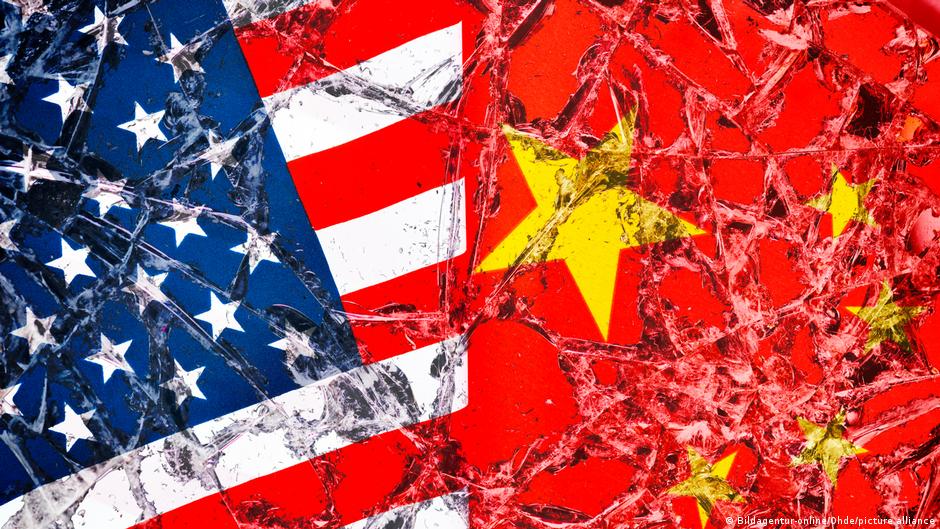
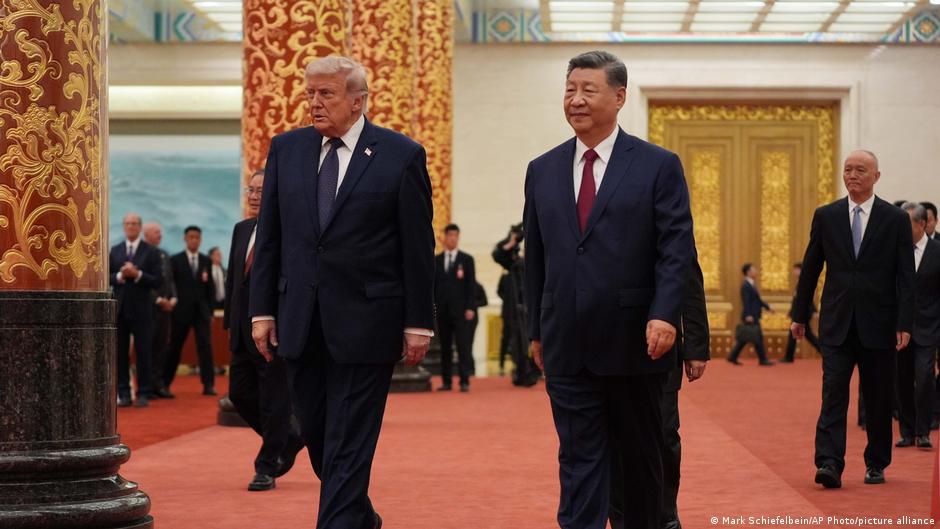
China signals renewed interest in U.S. oil and soybeans, potentially easing trade tensions and impacting global commodity markets and geopolitical relations.

US and Iran are reportedly close to a deal to end their conflict, with Iran agreeing to halt nuclear weapon development and negotiations set to address sanctions and regional security.

Germany accelerates indigenous long-range missile development after US declines Tomahawk deployment, aiming to counter Russia’s Iskander threat in Kaliningrad.

Iran’s missile and drone attacks on the UAE challenge the US-Iran ceasefire, raising risks for regional stability and global energy security.

US delays arms deliveries to Europe to replenish stockpiles amid Iran conflict, while approving $8.6 billion in arms sales to Middle Eastern allies, signaling shifts in global security priorities.
Germany authorized millions in arms exports to Israel during the US-Israel conflict with Iran, revealing complex export policies amid geopolitical tensions and partial embargoes.

The Trump administration wants GM, Ford and other manufacturers to help produce weapons, echoing WWII-era industrial mobilization.