Russian Missile Strikes Severely Damage Kyiv’s Chernobyl Museum and Cultural Institutions
Around 40% of the Chernobyl Museum’s exhibits destroyed amid extensive Russian attacks on Kyiv’s cultural infrastructure.
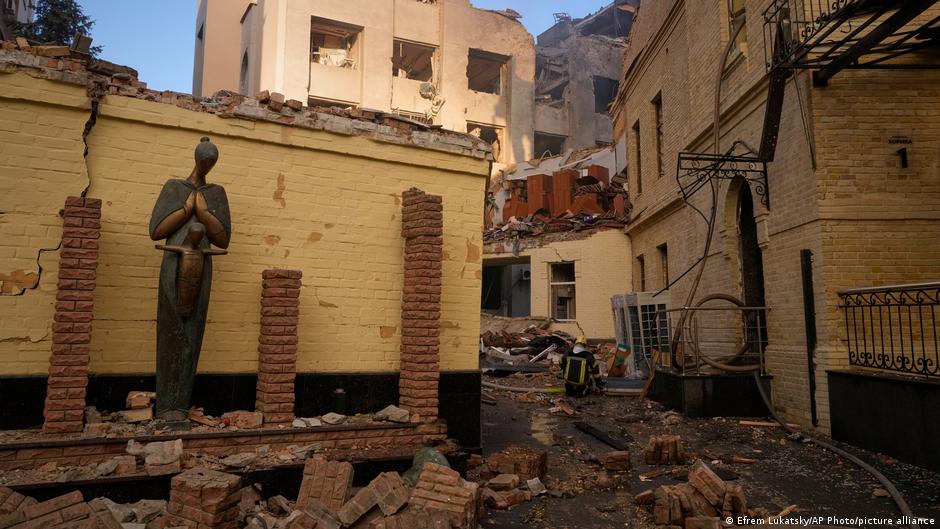
In the early hours of May 24, a major Russian missile strike on Kyiv inflicted significant damage on the National Museum "Chernobyl," which preserves the memory of the 1986 nuclear disaster. Approximately 40% of the museum's exhibits were destroyed, forcing a temporary closure and raising concerns about the broader impact on Ukraine's cultural heritage amid ongoing conflict.
Implications for Cultural Preservation and Economic Recovery
The attack represents the largest strike on Kyiv’s cultural institutions since Russia’s invasion began. Beyond the Chernobyl Museum, the National Art Museum, National Philharmonic, National Music Academy, Yaroslav Mudryi Library, and Kyiv Opera also sustained damage. Additional cultural sites and architectural landmarks, including Hinaus cultural space, Ukrainian House, and several historic buildings, were affected. Civilian infrastructure such as residential buildings, a shopping center, and media offices for Deutsche Welle and ARD were also hit, with casualties reported.
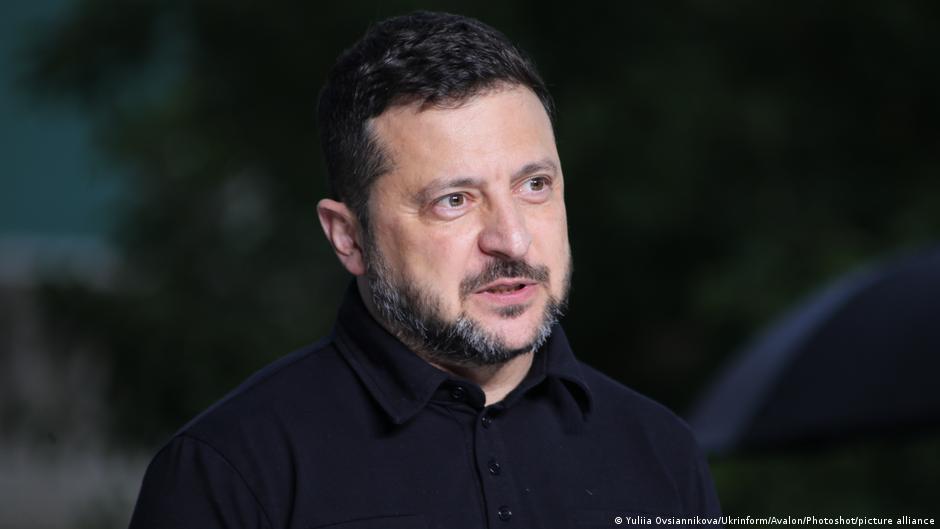
"Russian President Putin still 'wins' with missiles targeting residential buildings," Ukrainian President Volodymyr Zelensky said, condemning the attacks on critical civilian and cultural sites.
From a macroeconomic standpoint, these strikes exacerbate Ukraine's extensive reconstruction challenges. The destruction of cultural assets undermines not only heritage preservation but also the potential for post-war tourism and soft power influence, critical drivers for long-term economic recovery.
The use of high-precision weapons, including around 90 missiles and 600 drones aimed primarily at Kyiv and Bila Tserkva, reflects a strategic intensification of the conflict. The deployment of the "Oreshnik" medium-range ballistic missile in Bila Tserkva marks its third recorded use during the war, signaling escalating military engagement and increasing risks to civilian and industrial infrastructure.
The Ukrainian Ministry of Internal Affairs confirmed successful evacuation efforts for select valuable exhibits, including artwork by Maria Prymachenko and the Ukrainian flag raised at the Chernobyl plant after its 2022 liberation. Nevertheless, the substantial losses highlight the vulnerability of Ukraine's cultural and historical institutions amid persistent hostilities.
As Kyiv reels from the extensive damage, the broader economic implications extend beyond immediate physical destruction. The degradation of cultural capital risks diminishing investor confidence, complicating international aid allocation, and delaying the socio-economic normalization essential for sustainable post-conflict development.
For policymakers and global economic stakeholders, the attacks underscore the critical intersection between armed conflict, cultural heritage preservation, and economic stability. The resilience of Ukraine’s cultural sector will be a bellwether for the nation’s overall recovery trajectory and its reintegration into global economic frameworks once hostilities cease.