US Announces New Phase in Iran Negotiations Amid Military Posturing
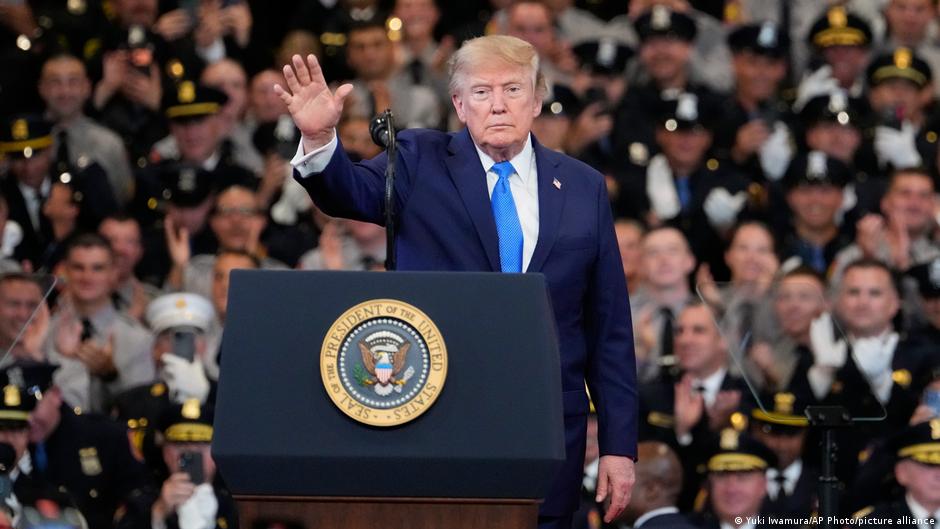
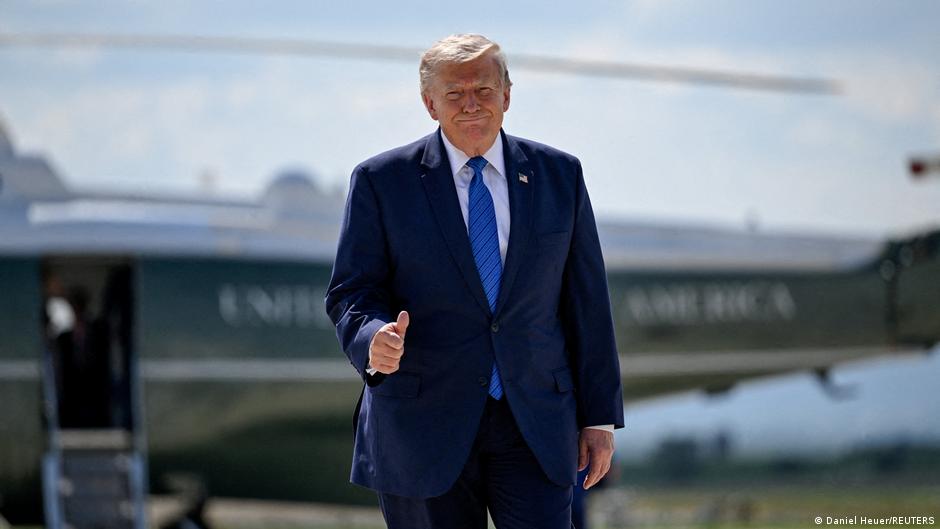
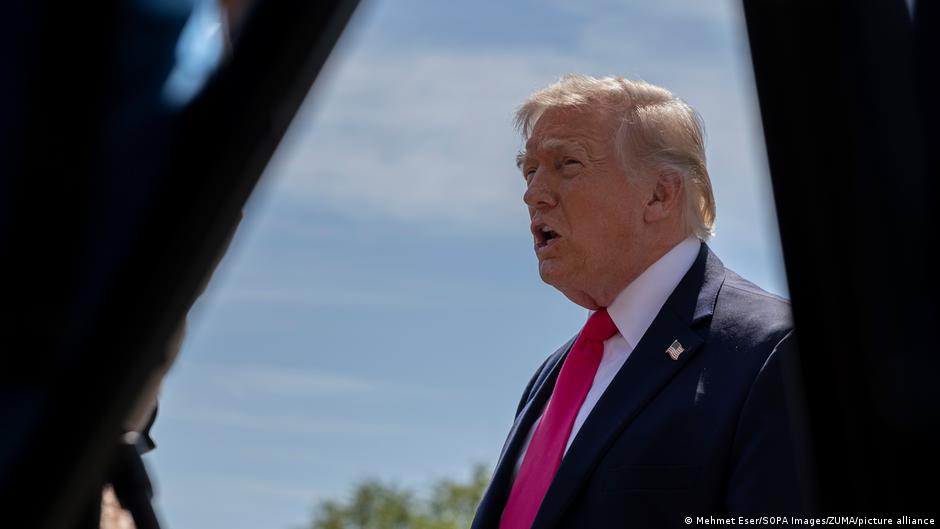
President Trump announced new talks with Iran starting August 3, delaying further military strikes and signaling a potential shift toward diplomacy amidst Middle East tensions.

President Trump announced new talks with Iran starting August 3, delaying further military strikes and signaling a potential shift toward diplomacy amidst Middle East tensions.

Ukraine warns of Russia's planned expanded mobilization in autumn 2026 and increased military cooperation with North Korea, underscoring global economic and geopolitical risks.

Russian forces launched a combined strike on Izyum, Ukraine, using guided bombs and drones, causing casualties and infrastructure damage with significant economic implications.

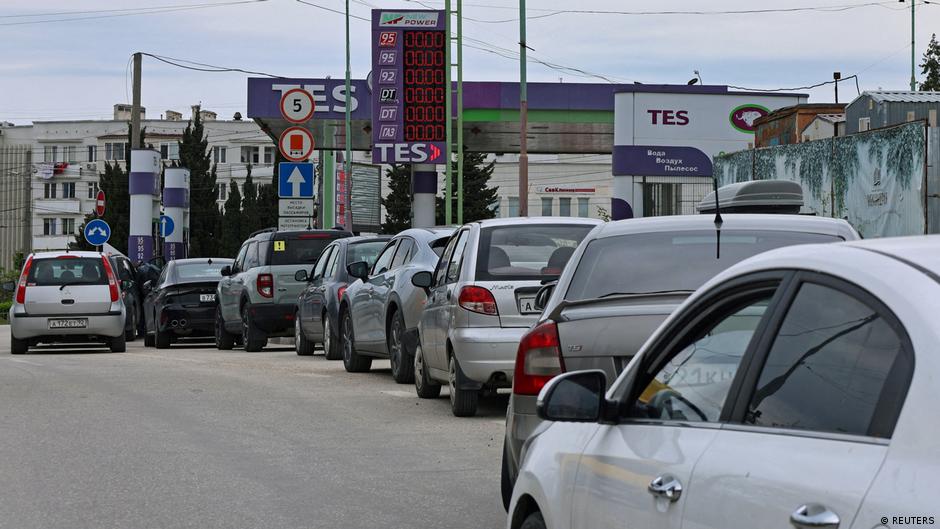
Fuel prices in Crimea have surged nearly 80% in one week amid Russia’s export restrictions and supply shortages, signaling broader energy market challenges and policy shifts.

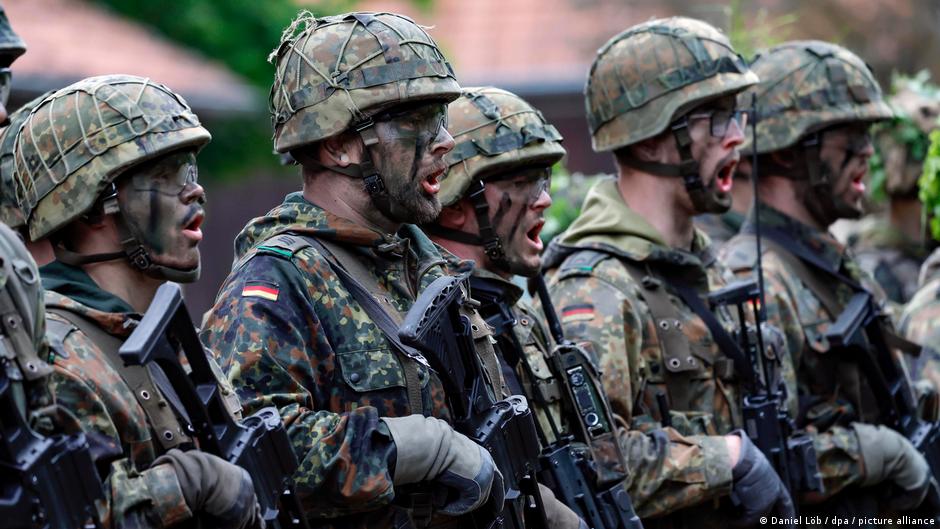
Germany plans a record €124.7 billion defense budget for 2026, marking a 25.5% rise and signaling a major shift in European security and economic policy.

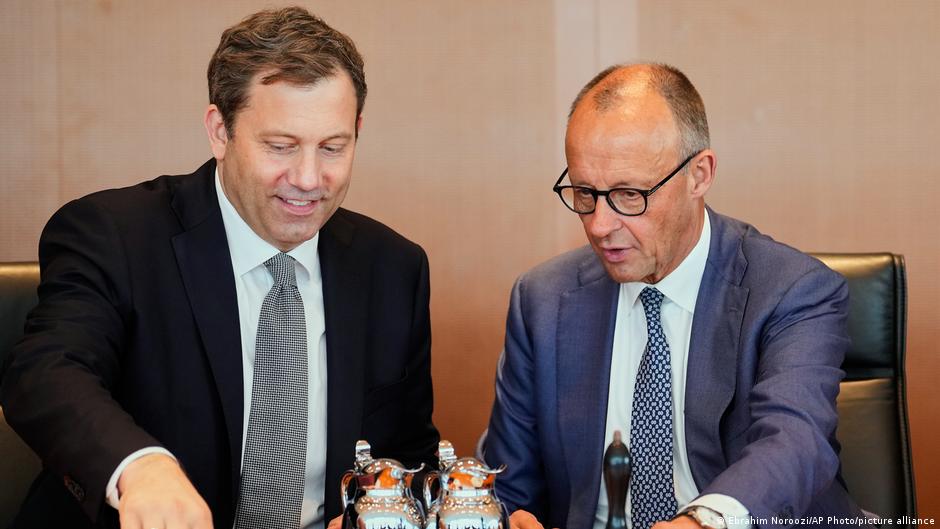
Germany’s 2027 budget increases defense spending and borrowing amid Russian security concerns, raising questions about economic growth and fiscal sustainability.

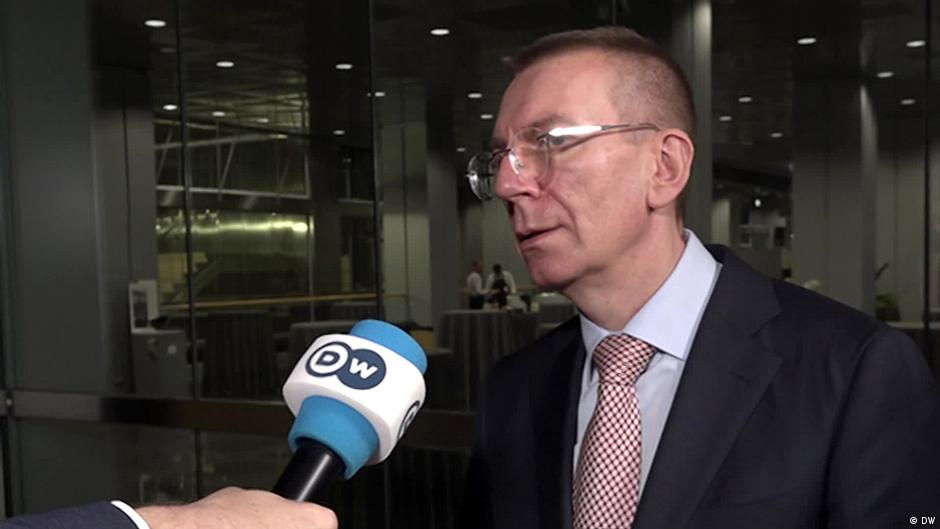
Latvian President Edgars Rinkēvičs warns NATO to prepare for potential escalation with Russia, stressing the need for increased military capabilities and clear deterrence signals to Moscow.

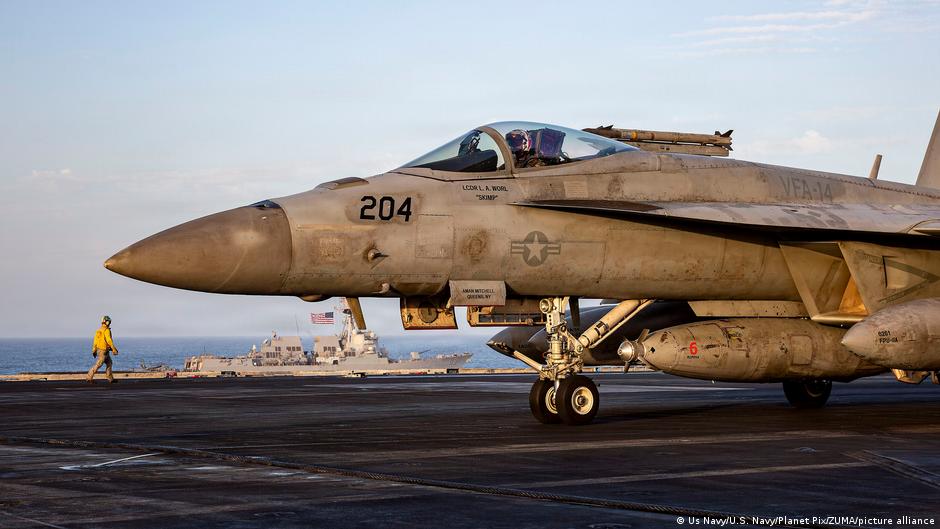
US forces struck Iranian military sites following attacks on commercial vessels in the Strait of Hormuz, heightening geopolitical risks to global energy supply and economic stability.

The EU has agreed to extend sanctions on Russia to one year, reflecting a strategic shift enabled by political changes in Hungary and signaling intensified economic pressure on Moscow.

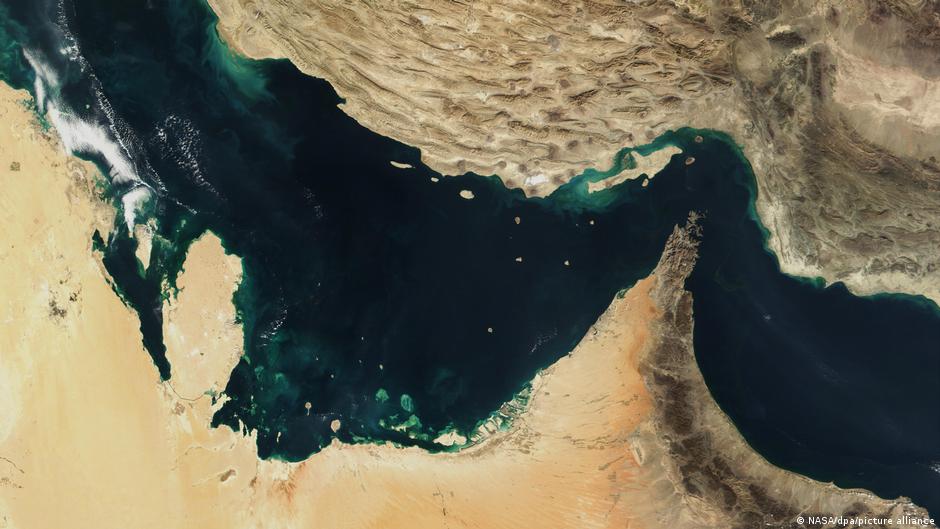
US airstrikes on Iran prompt Tehran to close the strategic Strait of Hormuz, escalating geopolitical risks with major consequences for global energy markets and economic stability.

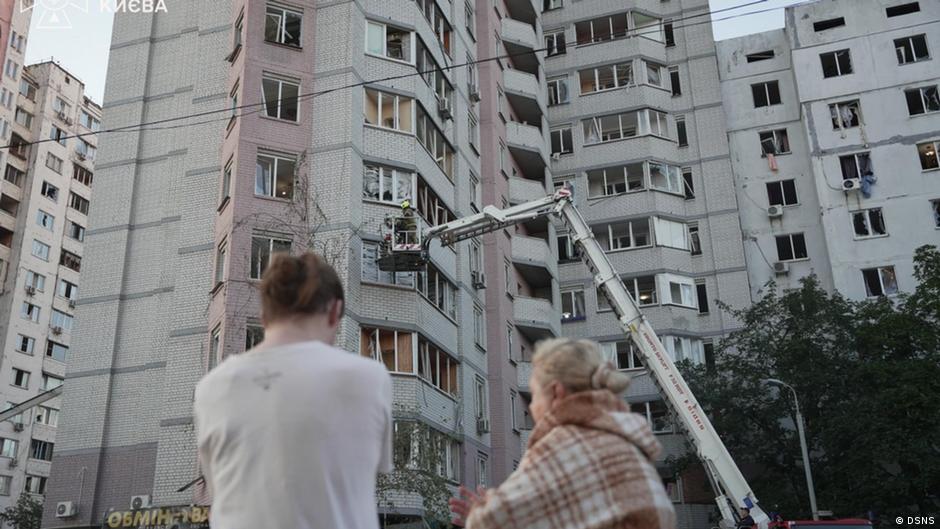
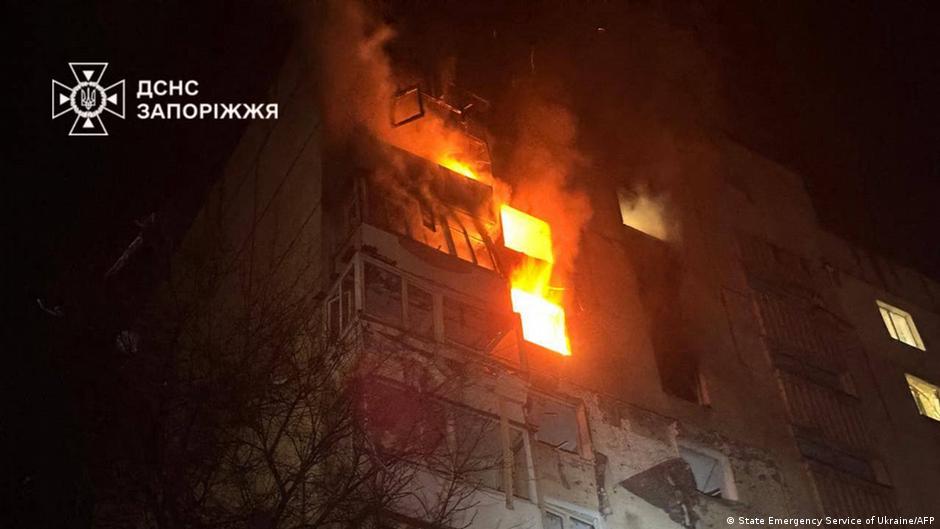
Russian drone strikes on Ukrainian residential areas cause civilian casualties and infrastructure damage, highlighting escalating conflict with significant economic and policy implications.

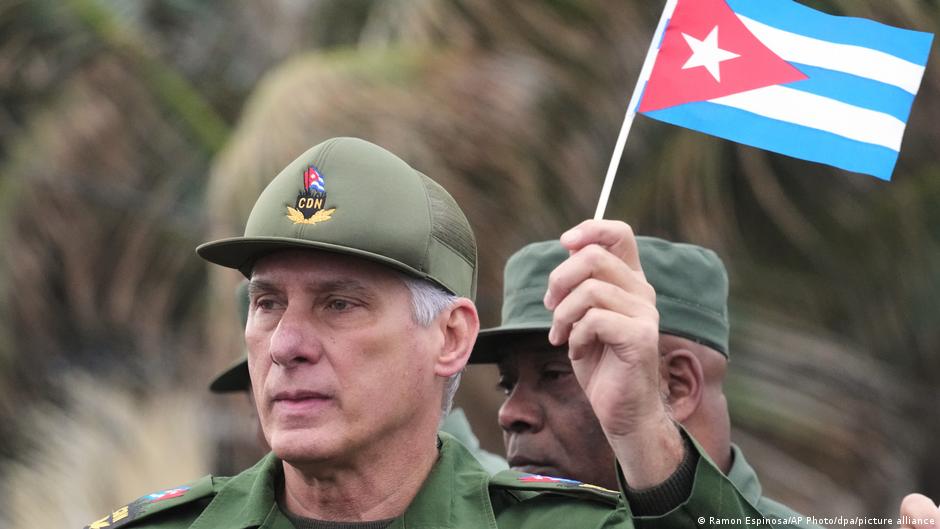
The US has expanded sanctions targeting Cuban President Díaz-Canel and Castro family members, intensifying economic pressure amid ongoing tensions and regional instability.

Advisor to Rosneft warns Russia faces decades-long conflict, requiring economic restructuring to balance development with defense amid rising security threats.

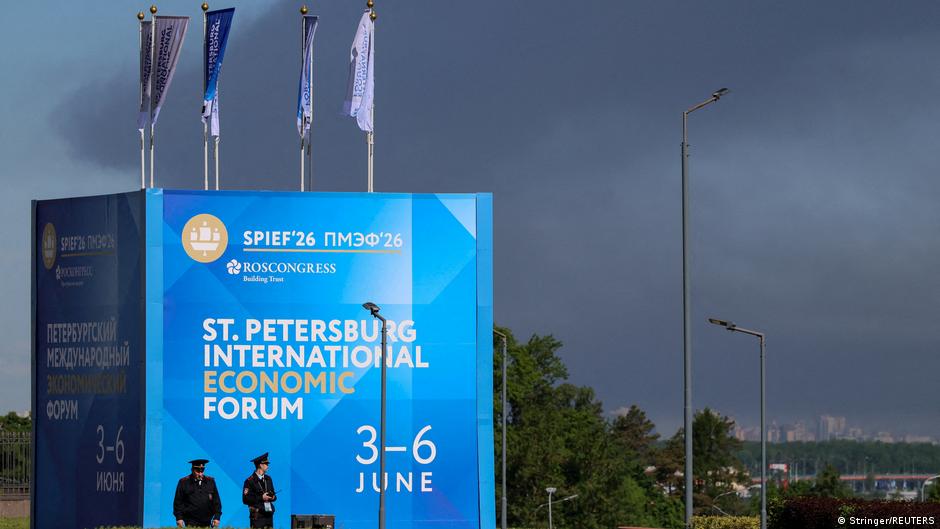
Ukrainian drone strikes on Russia’s Leningrad region days before the St. Petersburg Economic Forum highlight rising geopolitical risks impacting global economic cooperation.

The EU plans legislation to restrict US tech giants like Microsoft and Google from government cloud service contracts, aiming to enhance technological sovereignty and reduce data dependency.

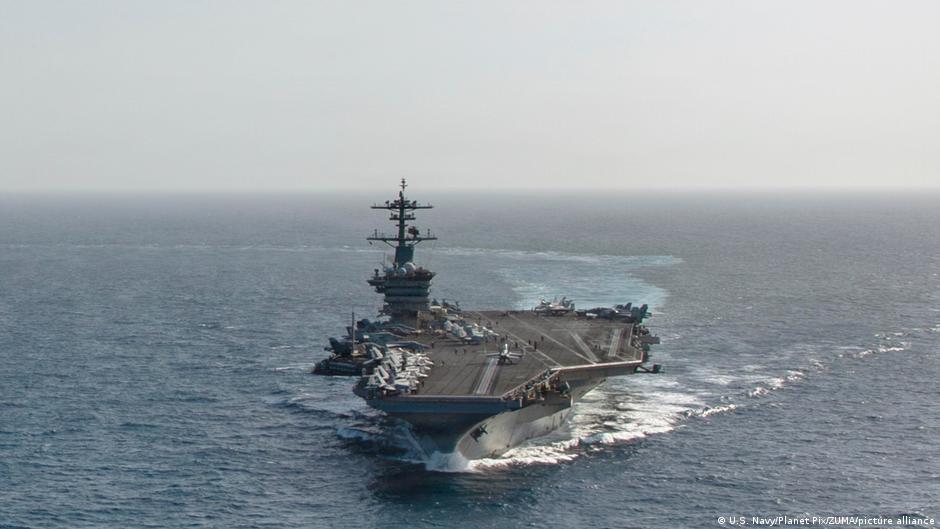
US forces conducted defensive strikes on Iranian missile sites and mine-laying vessels amid a fragile ceasefire, highlighting ongoing regional tensions and economic risks.

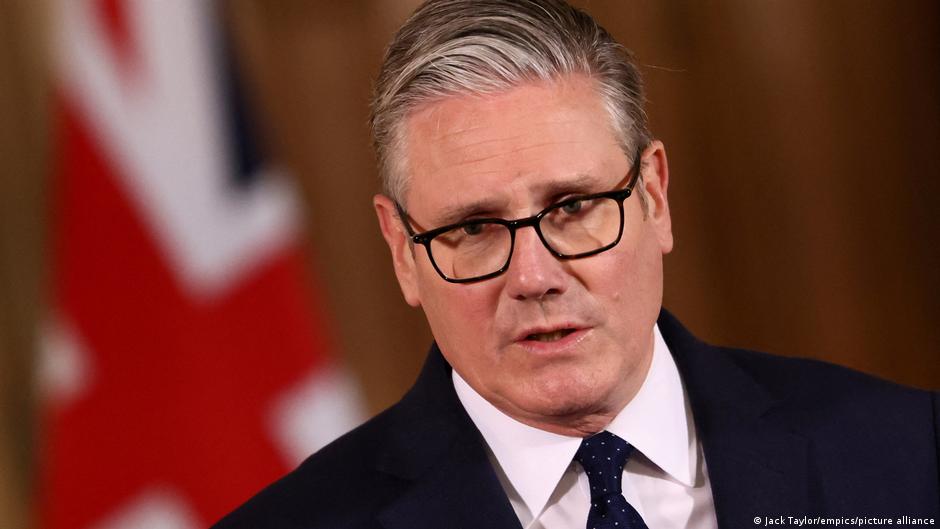
UK Prime Minister Keir Starmer plans an £18 billion increase in defense spending, reflecting strategic shifts amid domestic political challenges and global security concerns.

Trump’s talks with Xi Jinping on Jimmy Lai’s imprisonment expose growing geopolitical risks affecting global economic policies and US-China relations.

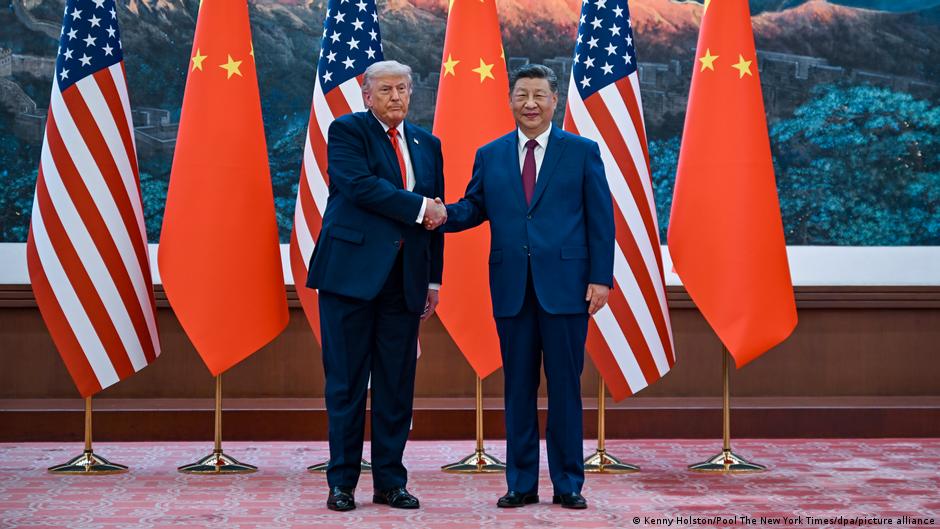
US President Trump and Chinese leader Xi Jinping meet in Beijing to discuss Iran Strait blockade, Taiwan tensions, and trade, signaling potential shifts in global economic dynamics.

Oxfam highlights rising income inequality in Germany as CEO pay surges by 56% since 2019, while average worker wages remain below pre-pandemic levels, posing risks to social and economic stability.

The AfD party’s expulsion of Alexander Eichwald, who mimicked Hitler’s speech, exposes ideological rifts and raises concerns about far-right extremism affecting Germany’s political and economic stability.

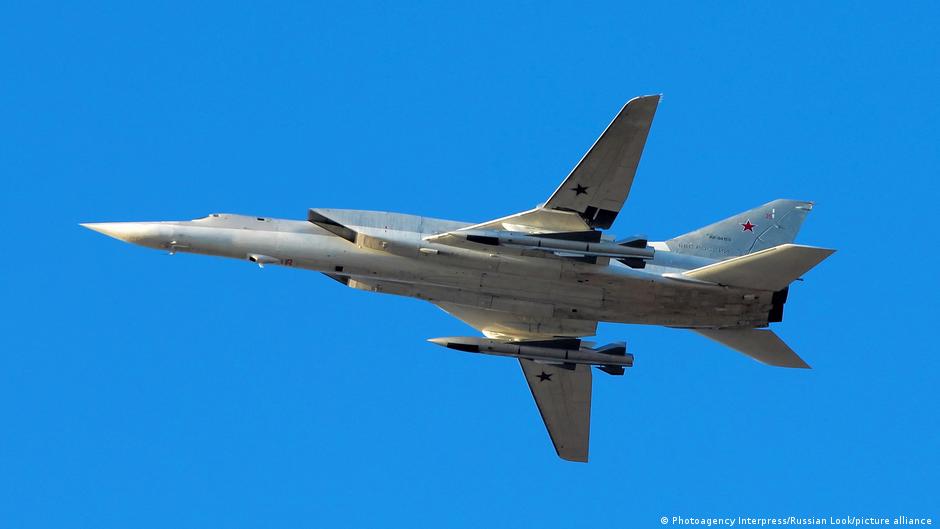
NATO jets intercepted Russian bombers and fighters over the Baltic Sea, reflecting heightened military tensions and potential geopolitical risks for the region and global economy.

President Trump rejects NATO assistance in the Strait of Hormuz, while European nations prepare a peacekeeping mission amid ongoing Middle East tensions.

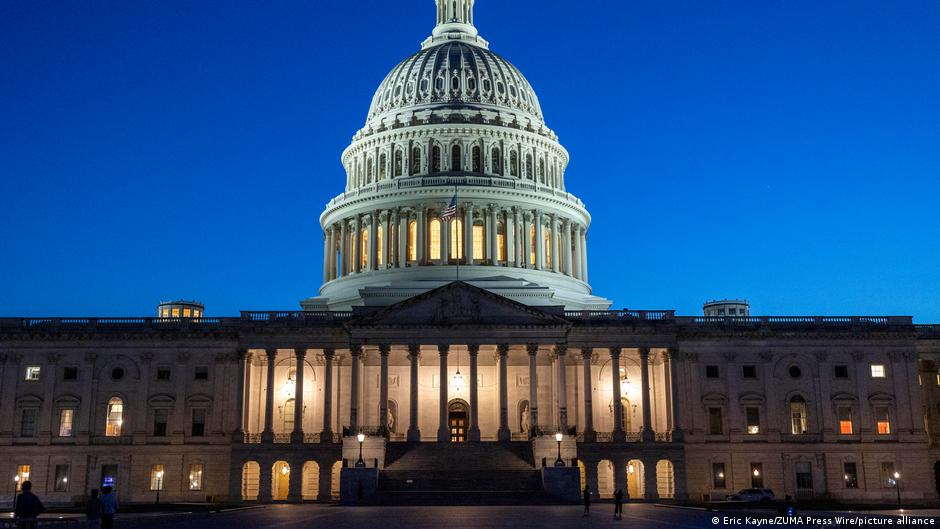
The US Senate has rejected a resolution to end hostilities with Iran, upholding presidential war powers and signaling ongoing challenges in congressional oversight of military actions.