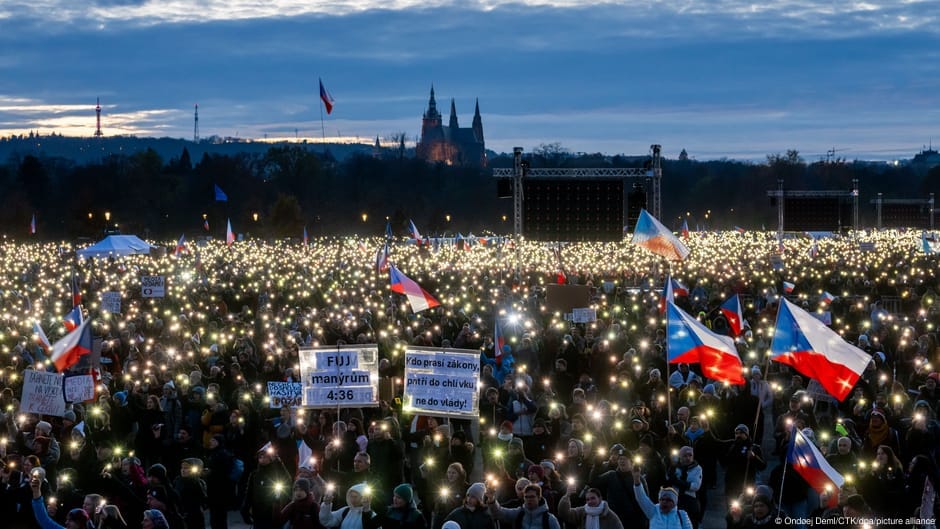
Czech Media Funding Reform Triggers Mass Protest and Fiscal Concerns
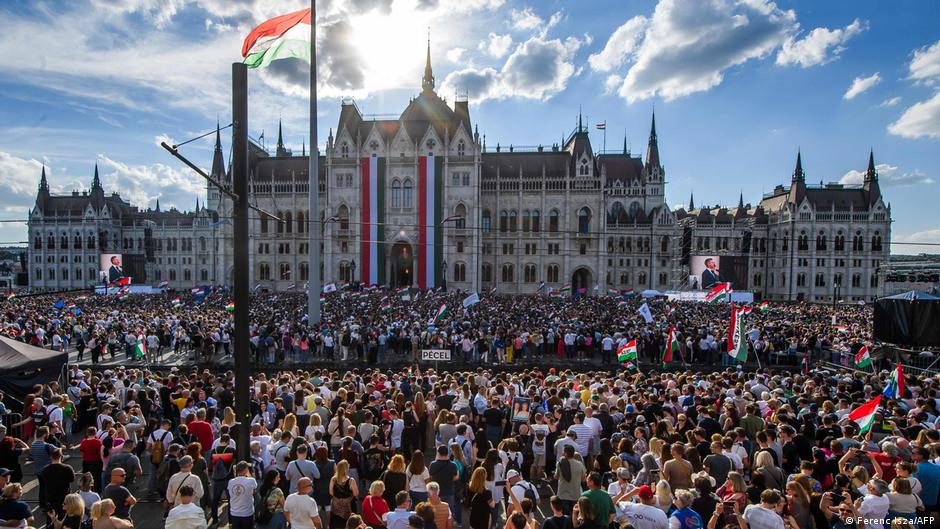
A Czech plan to replace broadcasting fees with state funding has prompted a huge Prague protest and warnings over media independence, fiscal pressure and institutional risk.

A Czech plan to replace broadcasting fees with state funding has prompted a huge Prague protest and warnings over media independence, fiscal pressure and institutional risk.

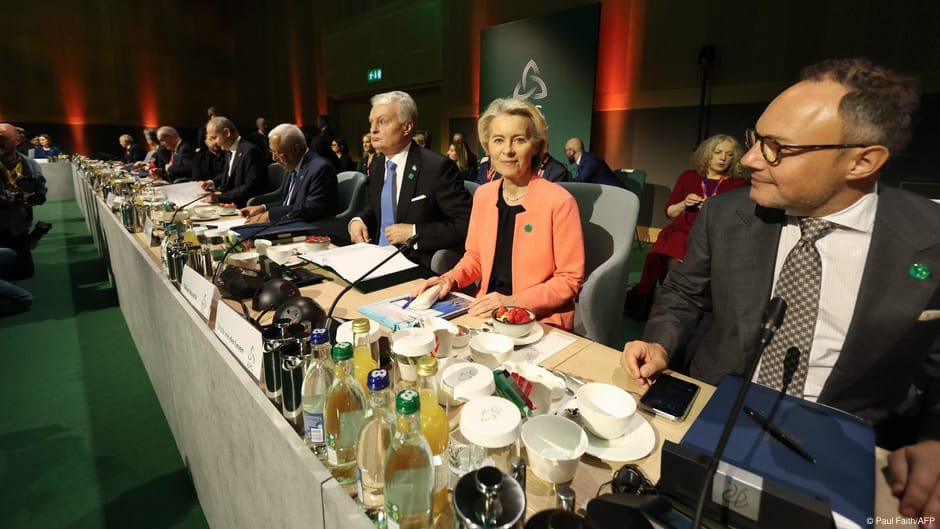
Nearly 40 European states have endorsed a security charter with potential consequences for fiscal policy, infrastructure investment and transatlantic risk.

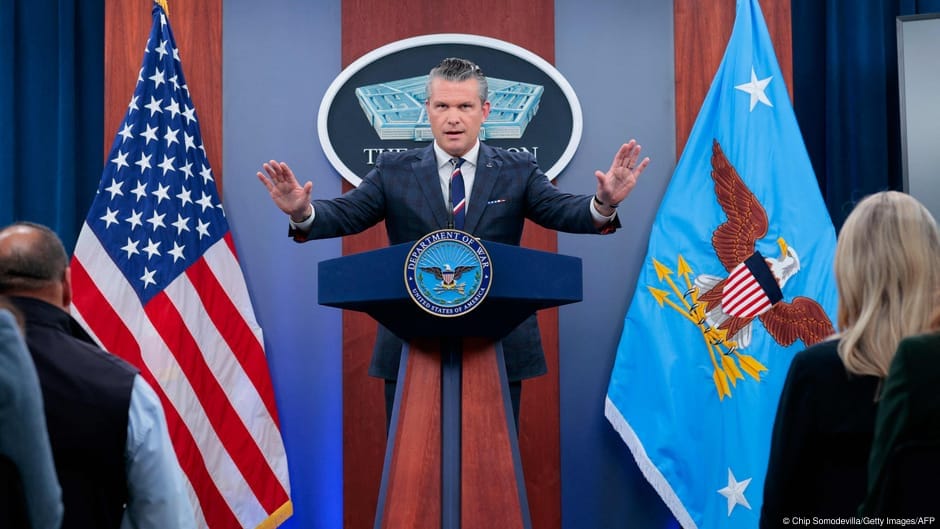
House Republicans referred the Hegseth impeachment resolution to committee, delaying a war-powers dispute until Democrats take control of Congress in January.

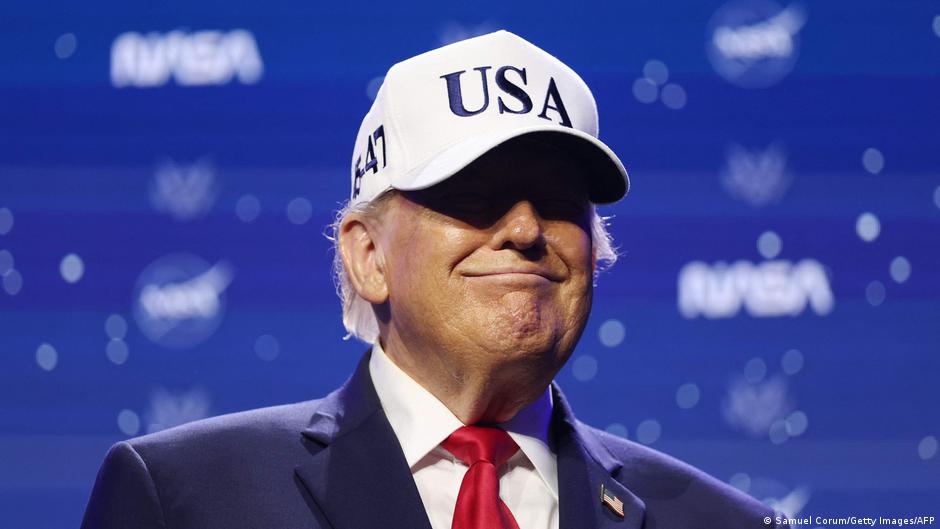
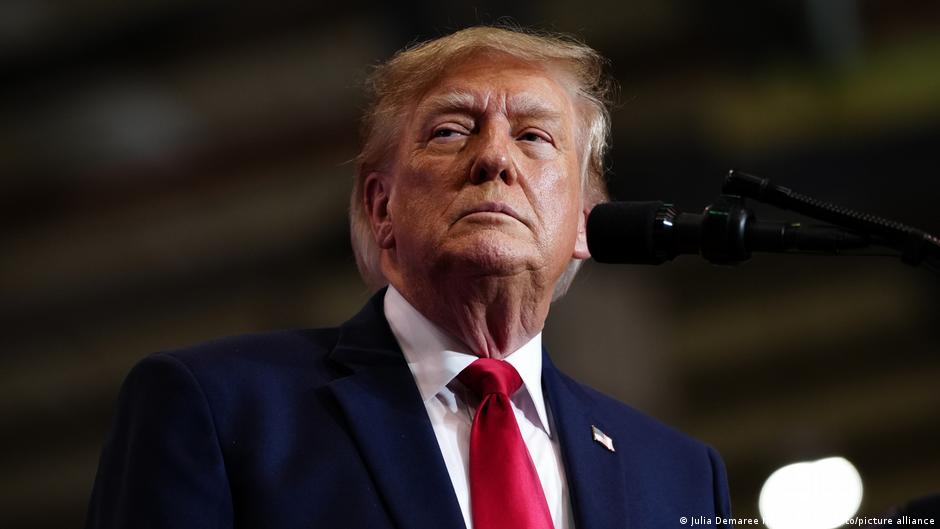
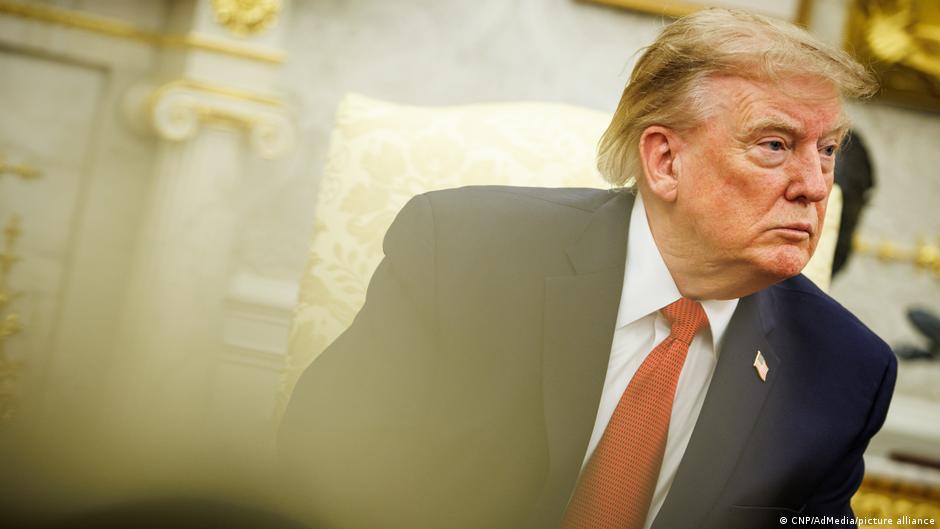
Trump ordered a Justice Department inquiry into Democrats, escalating institutional risks as the party takes control of both chambers of Congress.

Paraguay’s detention of former President Santiago Peña deepens a political and financial crisis that has blocked millions of Ueno customers from their accounts.

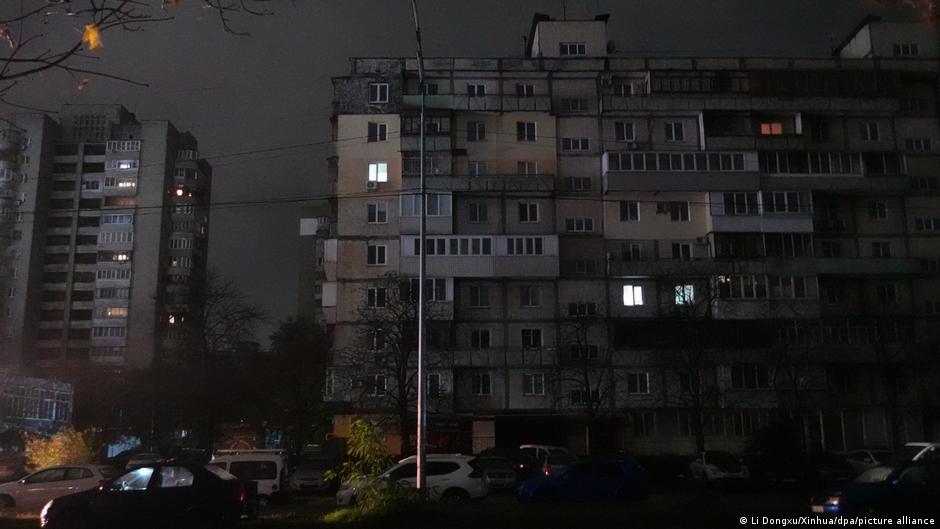
The dispute over Kyiv’s outages reveals how grid damage and strained coordination could magnify the economic costs of Russia’s attacks on Ukrainian energy infrastructure.

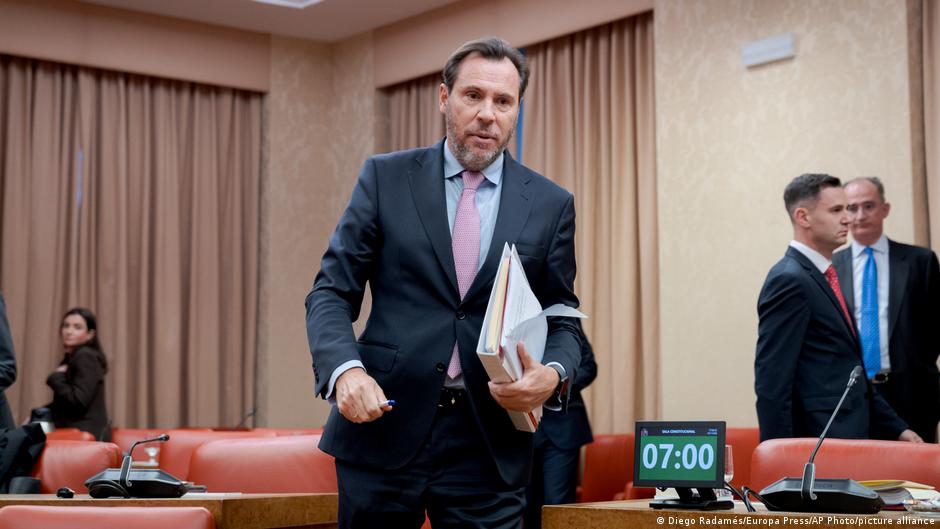
Óscar Puente’s resignation after the Toledo rail disaster puts Spain’s infrastructure governance, safety investment and transport resilience under sharper scrutiny.

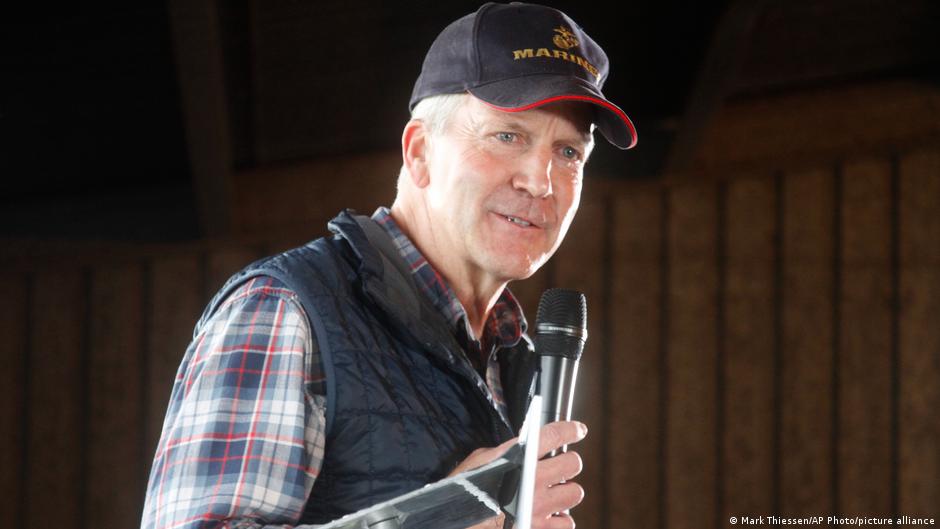
A federal court rejected an effort to halt certification of Alaska’s Senate result, limiting intervention in a race that could shape congressional control and US economic policy.

Trump questioned the FBI’s attribution of a $6.3 billion Binance theft to North Korea, highlighting the geopolitical and regulatory risks surrounding global crypto markets.

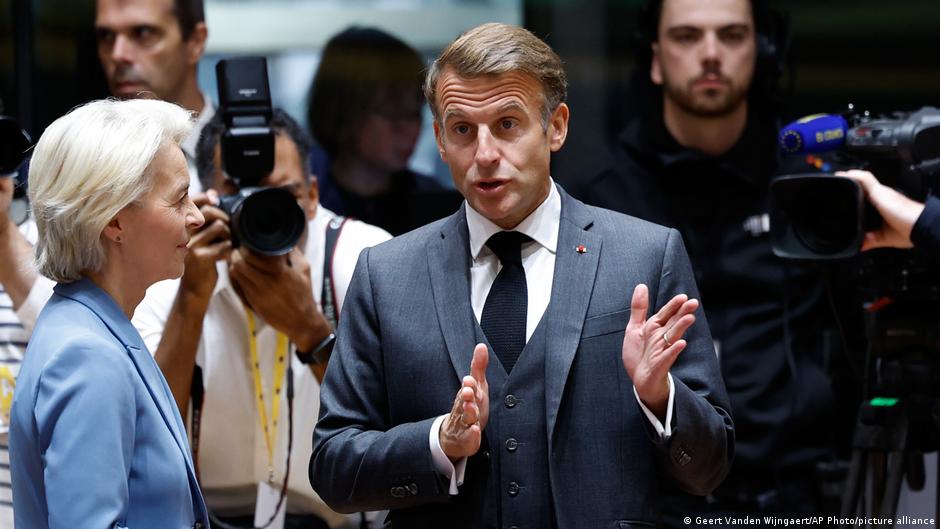
EU leaders postponed a seven-year budget deal amid disputes over spending cuts, strategic investment and proposed bloc-wide levies.

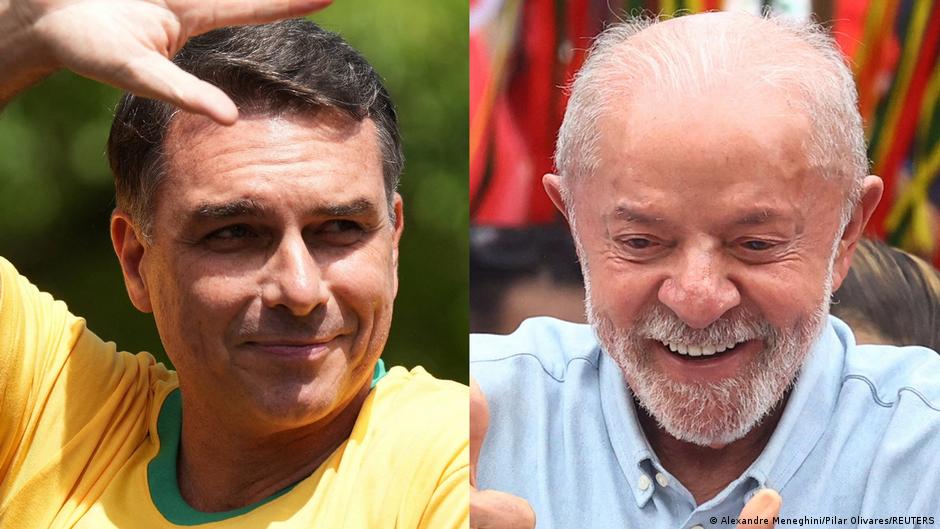
Brazil’s presidential race goes to an October 25 runoff after Flavio Bolsonaro led Lula da Silva by less than two points in the first round.

Katherina Reiche warned that Left Party gains in Berlin could weaken Germany’s investment appeal and raise concerns over property rights.

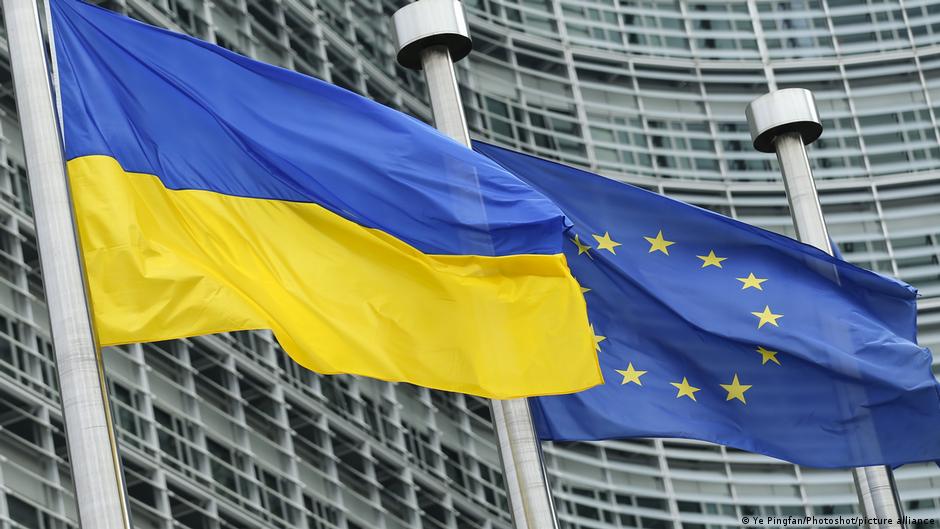
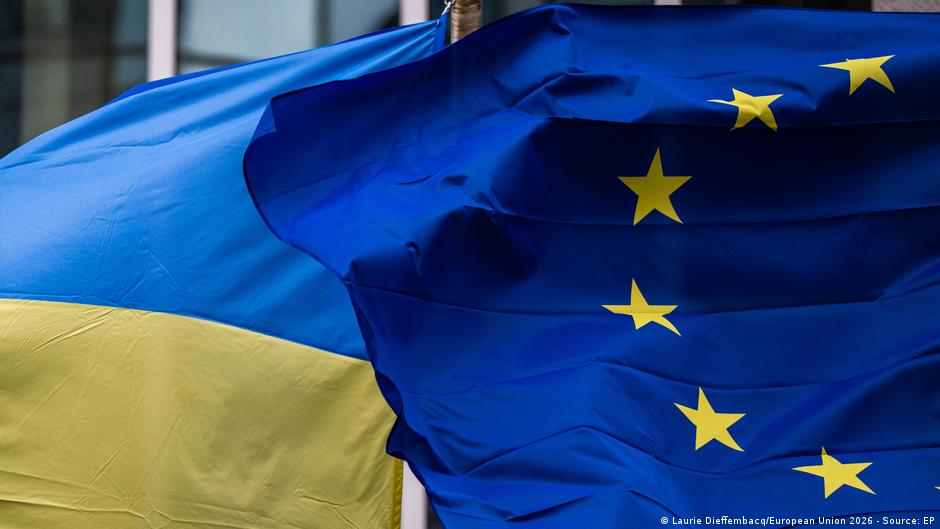
The EU declined to accelerate part of a €90 billion Ukraine loan, seeking wider partner support and reforms as Kyiv faces large funding gaps.

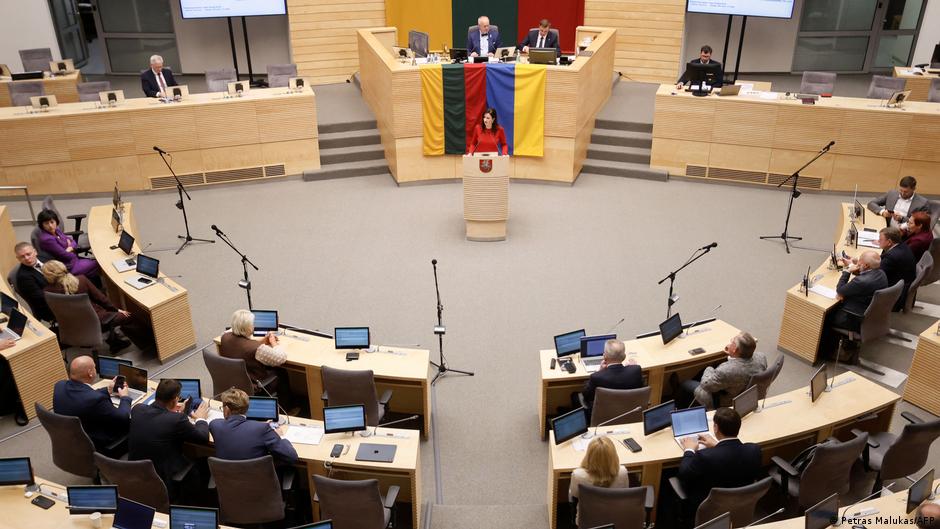
Lithuania’s planned property curbs signal how security policy is reshaping real estate, residency and foreign capital rules in Europe’s east.

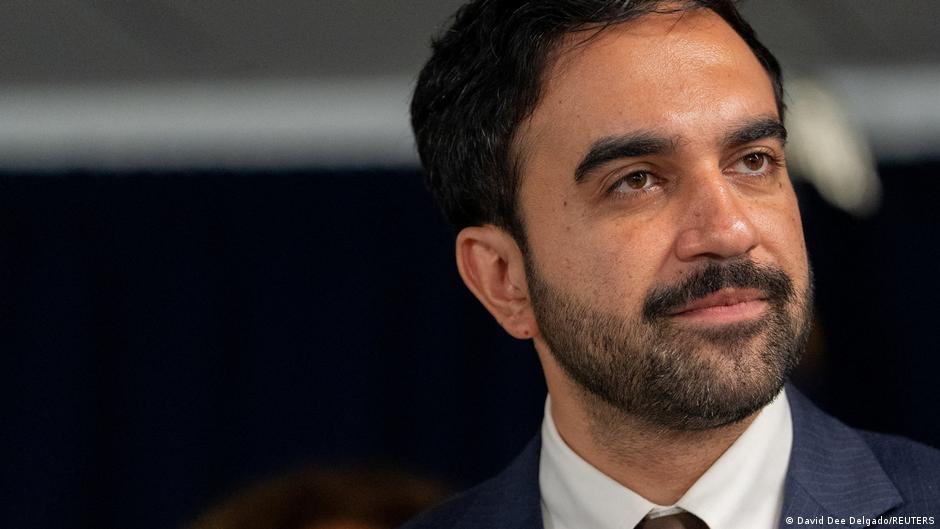
New York Mayor Zohran Mamdani unveiled a $29 million hate-crime strategy focused on antisemitism, synagogue security and Jewish institutions.

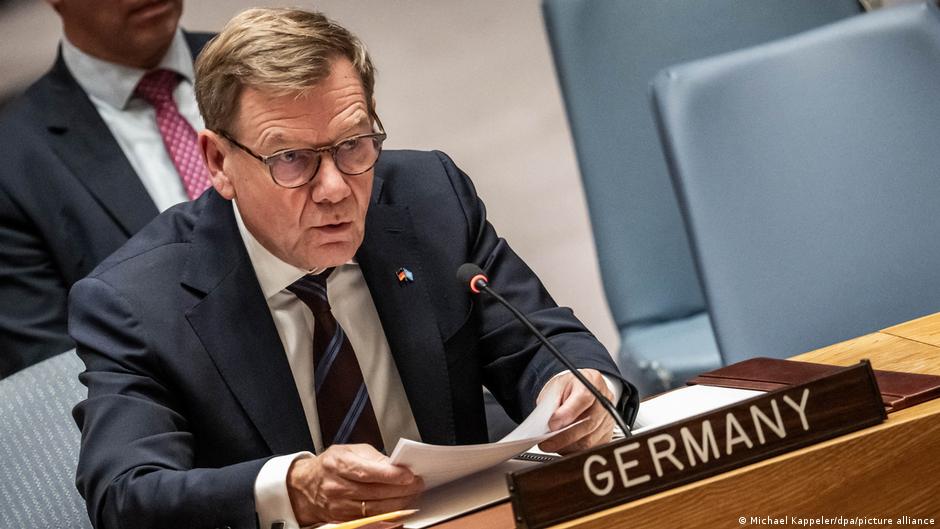
Germany says Putin’s possible G20 appearance would test Moscow’s readiness for Ukraine talks, with sanctions and global governance at stake.

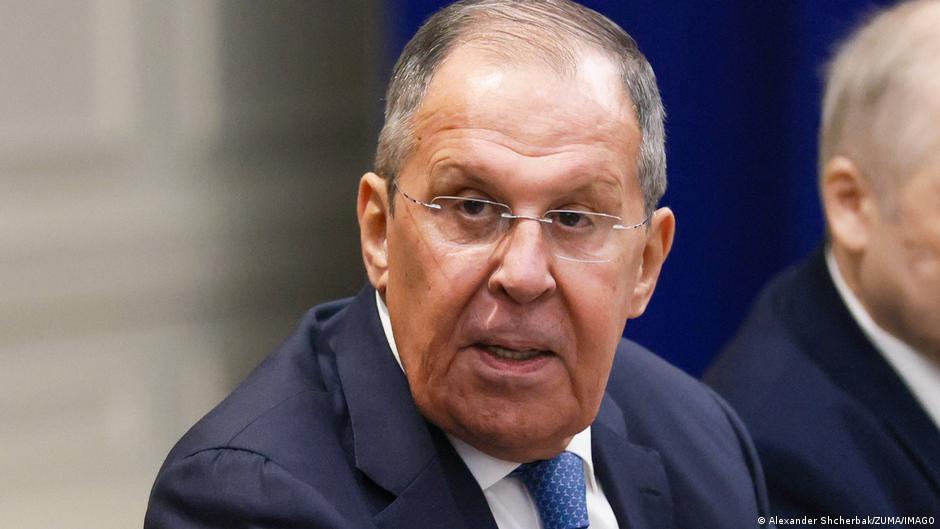
Russia says it will not pause operations for Ukraine talks, even as Washington offers to support ceasefire efforts and keeps channels open.

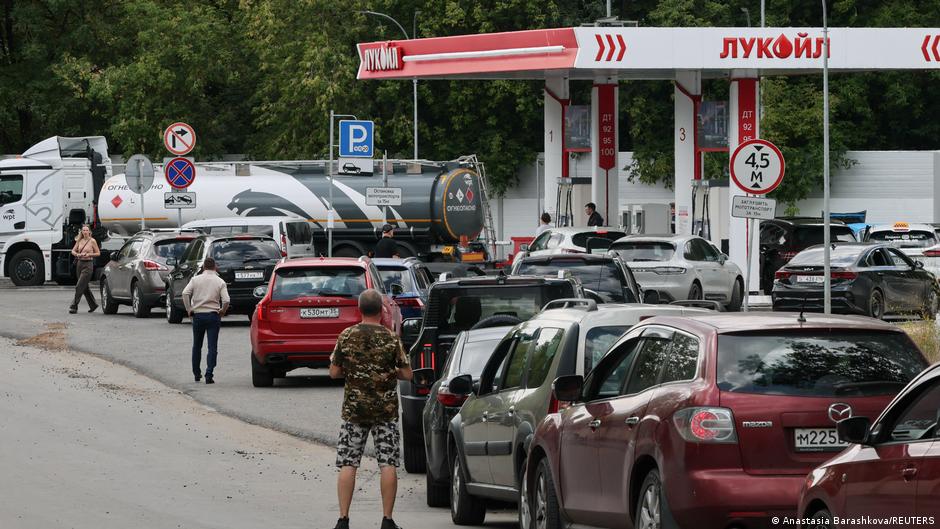
Kaluga and Zabaykalsky are restoring petrol limits as refinery strikes deepen Russia's second wave of fuel shortages.

Kaja Kallas urged EU envoys to extend Russia sanctions as disputes over Usmanov and Fridman test the bloc’s policy cohesion.

U.S. prosecutors accused Russian-linked figures of financing terrorism and plotting killings, widening the economic and policy stakes of the Ukraine conflict.

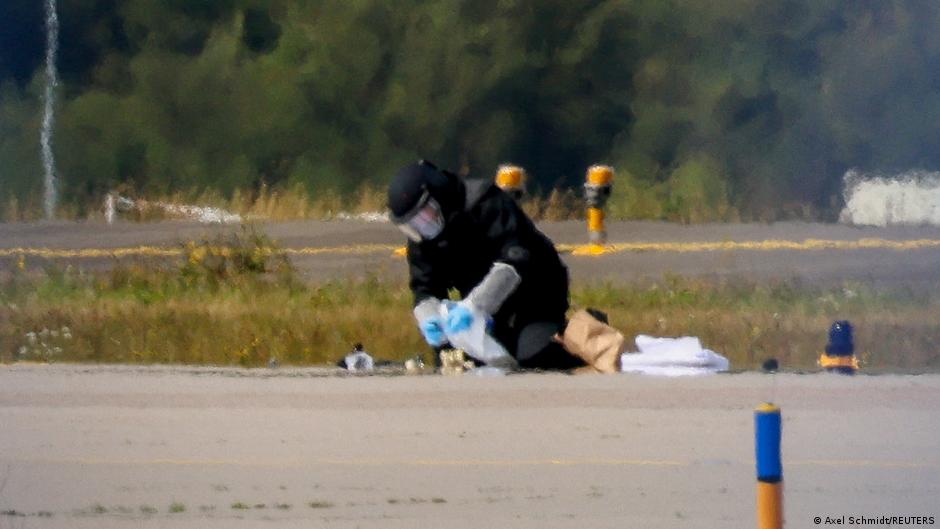
Latvia says a suspect in the Leipzig sabotage case had lived in Russia, as the incident drives wider EU security, sanctions and border-policy responses.

US President Trump announces an unprecedented economic war on Iran, threatening sanctions on any country supporting Tehran, intensifying global economic and geopolitical tensions.

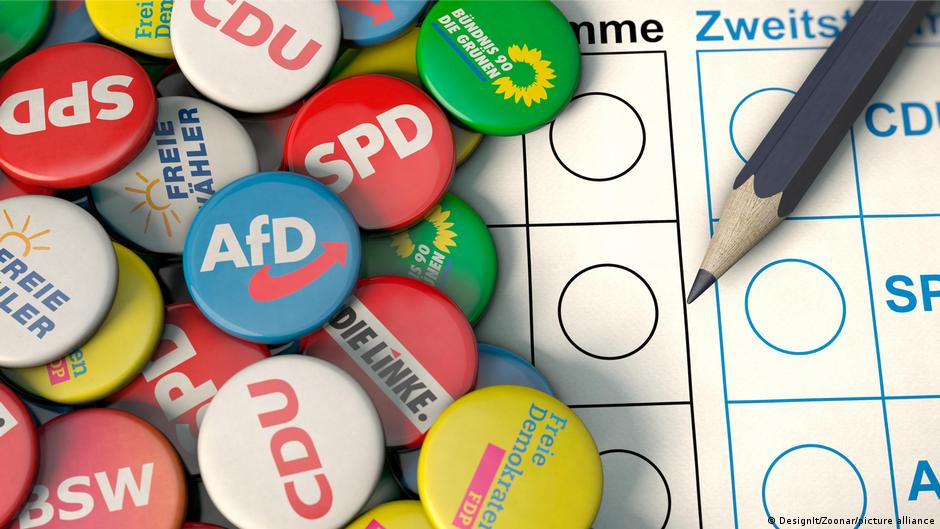
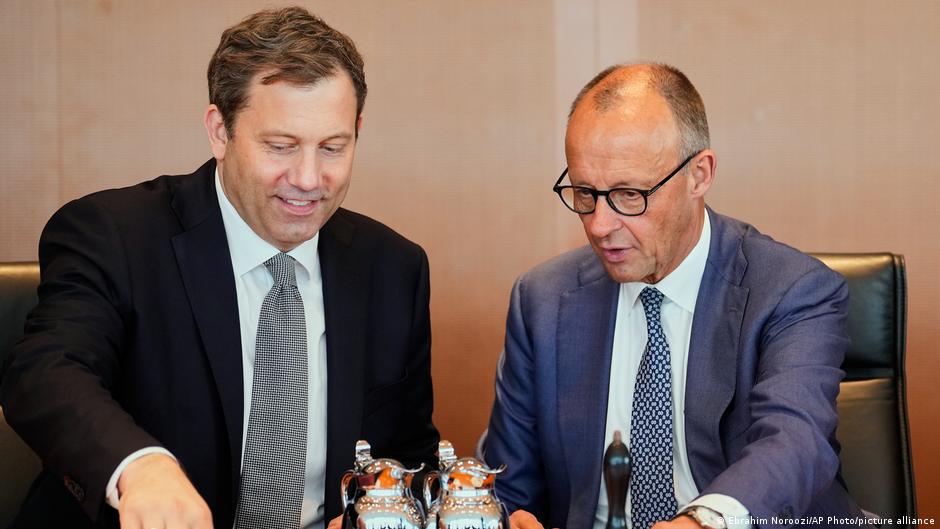
Germany’s CDU/CSU support drops to 20%, the lowest in five years, as far-right AfD leads polls ahead of key federal state elections, signaling shifting voter dynamics.

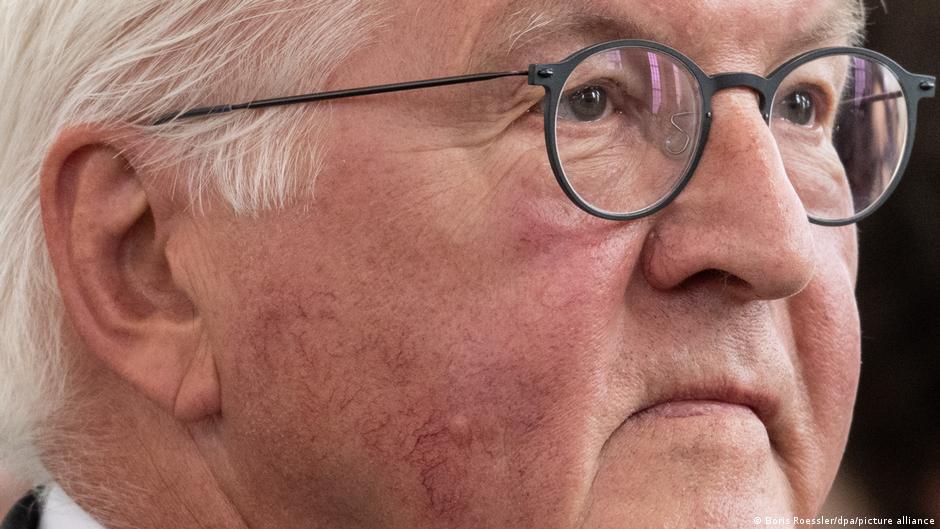
German President Steinmeier calls for Europe to uphold international law and counteract the ruthless geopolitical strategies of Russia and the US amid rising populism and reform challenges.

Germany’s 2027 budget increases defense spending and borrowing amid Russian security concerns, raising questions about economic growth and fiscal sustainability.

Graz, Austria’s second-largest city, reaffirms communist leadership focused on housing policies, highlighting contrasting urban and national political-economic dynamics.

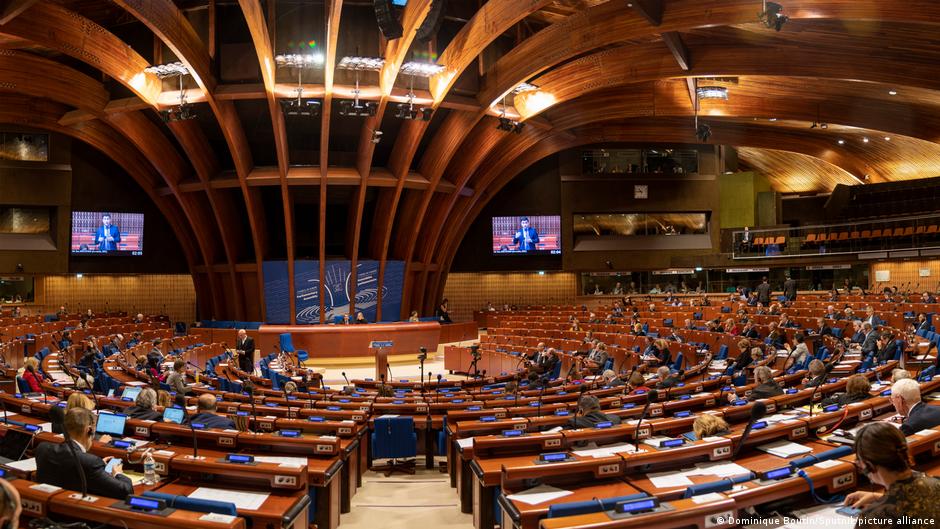
PACE adopts a resolution condemning democratic backsliding in Georgia, urging cessation of opposition repression and highlighting risks to regional stability and economic governance.

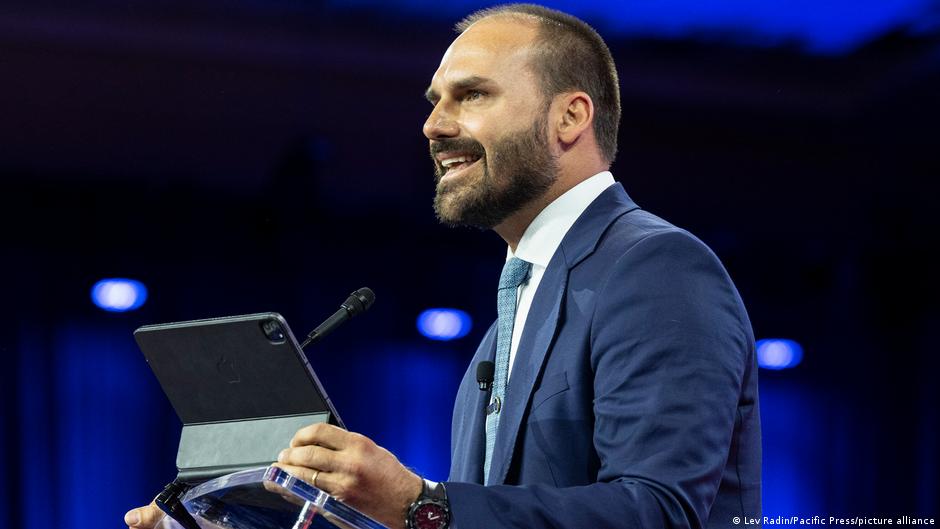
Eduardo Bolsonaro is sentenced to over four years in prison for lobbying US sanctions against Brazil and barred from public office amid escalating political tensions.

The EU has initiated the first negotiation cluster with Ukraine and Moldova, moving from preparation to detailed talks on future membership conditions and reforms.

Hungary’s Parliament limits prime ministerial terms to two four-year periods, barring Viktor Orban’s return and signaling a shift in political and economic governance.

Russia threatens Armenia with higher tariffs and labor restrictions if it leaves the Eurasian Economic Union amid rising tensions over Armenia's EU alignment.

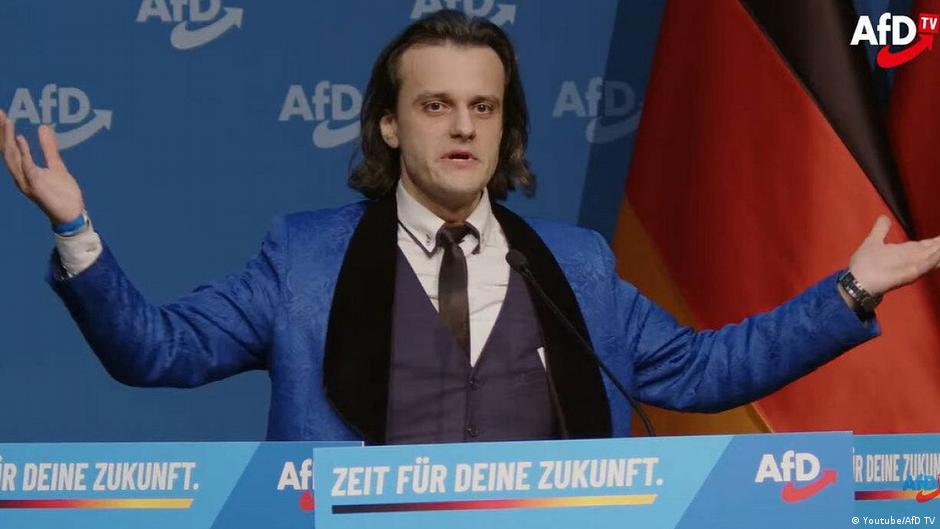
The AfD party’s expulsion of Alexander Eichwald, who mimicked Hitler’s speech, exposes ideological rifts and raises concerns about far-right extremism affecting Germany’s political and economic stability.

US Labor Secretary Lori Chavez-DeRemer resigns amid misconduct allegations, signaling possible broader cabinet reshuffle with significant economic policy implications.