White House Says U.S. Envoys Discussed Concrete Ukraine Plans in Moscow
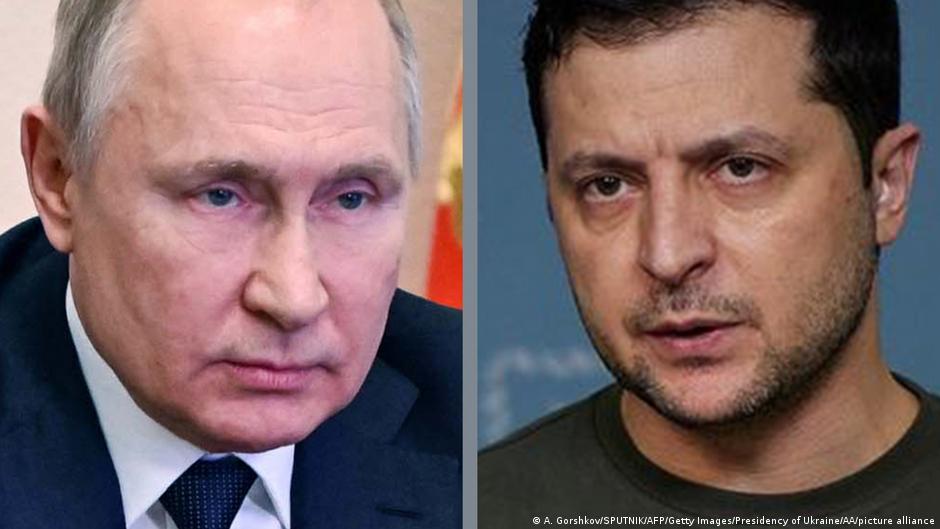
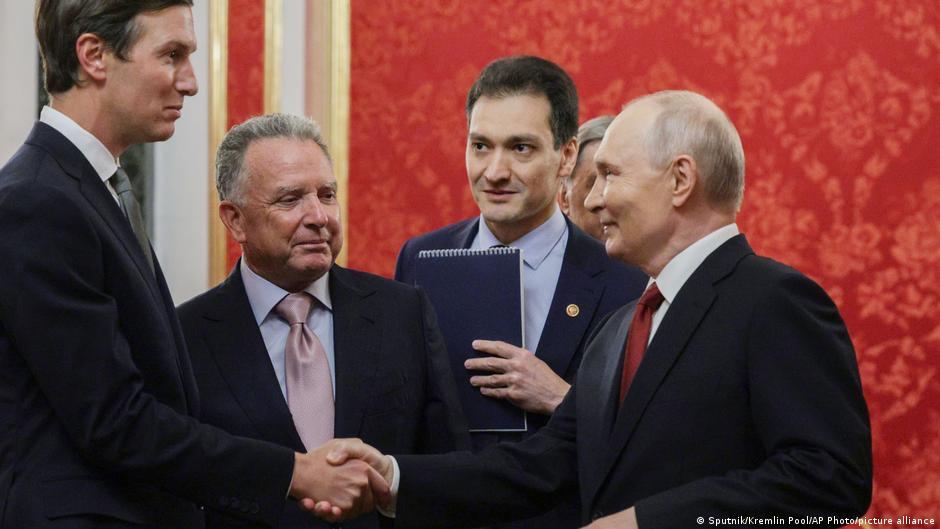
U.S. envoys discussed concrete Ukraine peace plans with Putin before Kyiv talks, raising major questions for sanctions, security and markets.

U.S. envoys discussed concrete Ukraine peace plans with Putin before Kyiv talks, raising major questions for sanctions, security and markets.

Putin and Zelensky signaled possible diplomatic movement as U.S. envoys prepare visits that could influence sanctions, trade risk and Europe’s economic outlook.

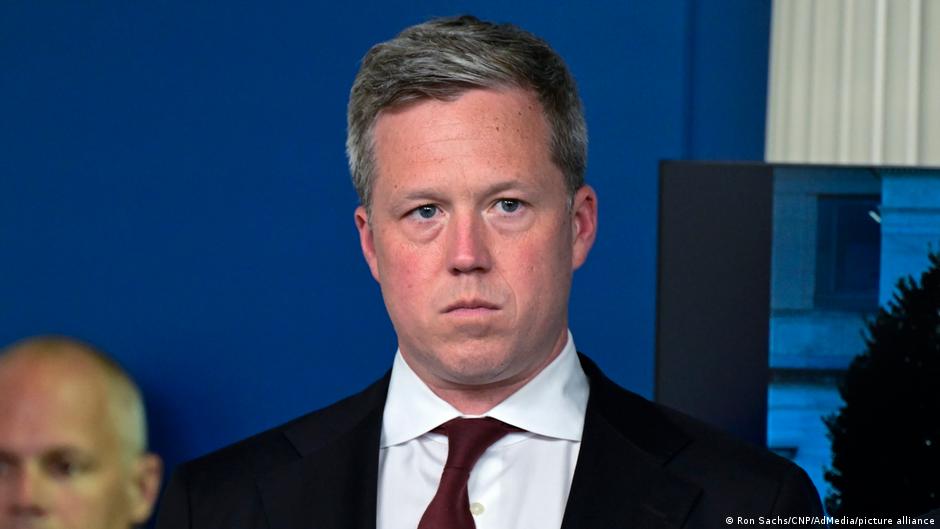
Daniel Driscoll’s reported resignation adds to Pentagon turnover and raises questions over U.S. defense policy, procurement priorities and wider economic effects.

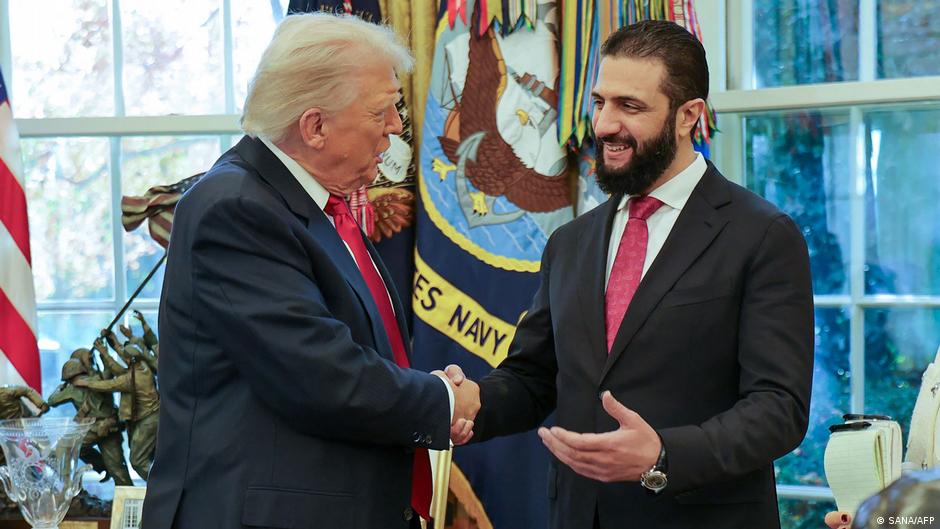
The US has removed Syria from its terrorism sponsor list, opening new economic and geopolitical avenues amid ongoing regional tensions and shifting alliances.

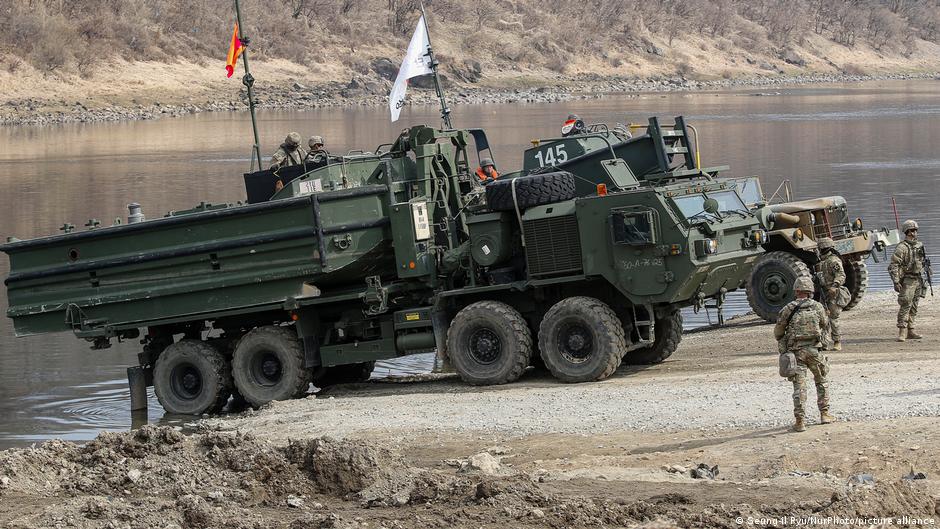
The US orders a significant reduction of joint military drills with South Korea, reflecting a strategic shift that impacts regional security and global economic stability.

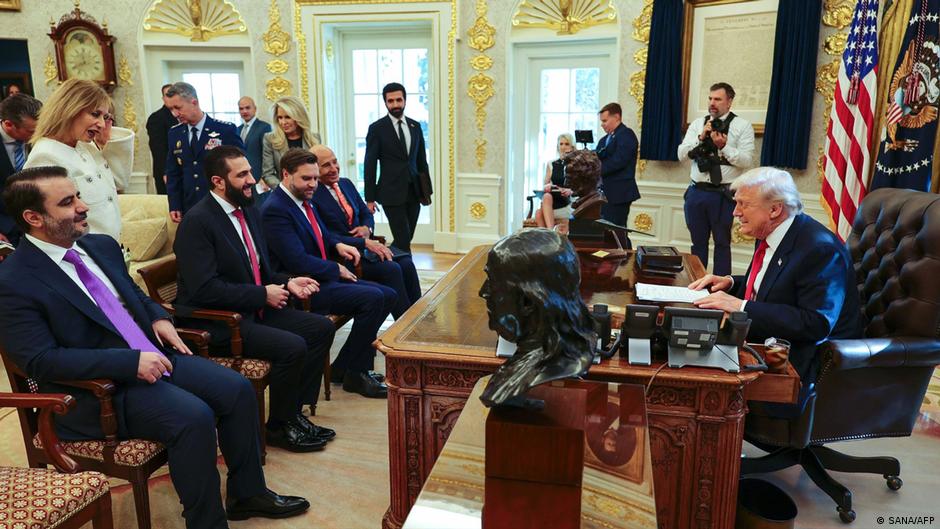
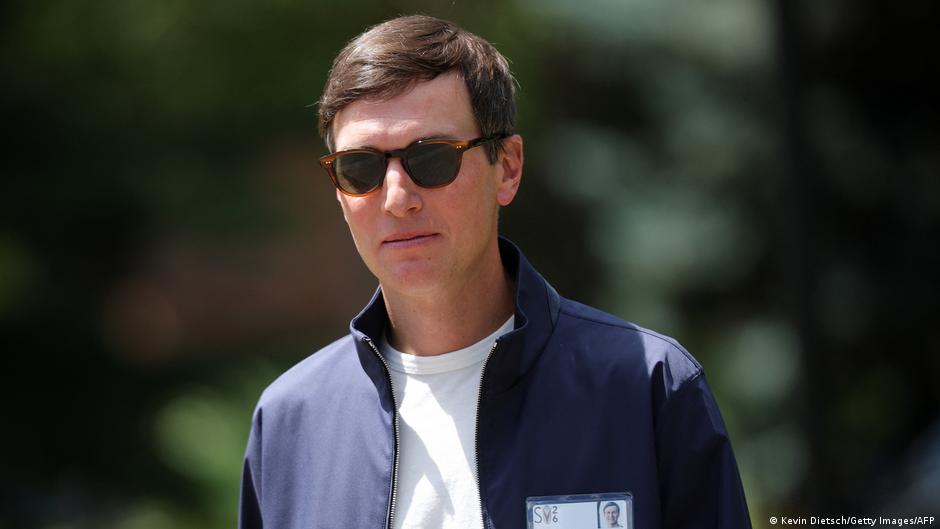
Jared Kushner's talks with Hamas in Egypt press for disarmament amid Israeli demands, highlighting pivotal shifts in Middle East diplomacy with major global economic effects.

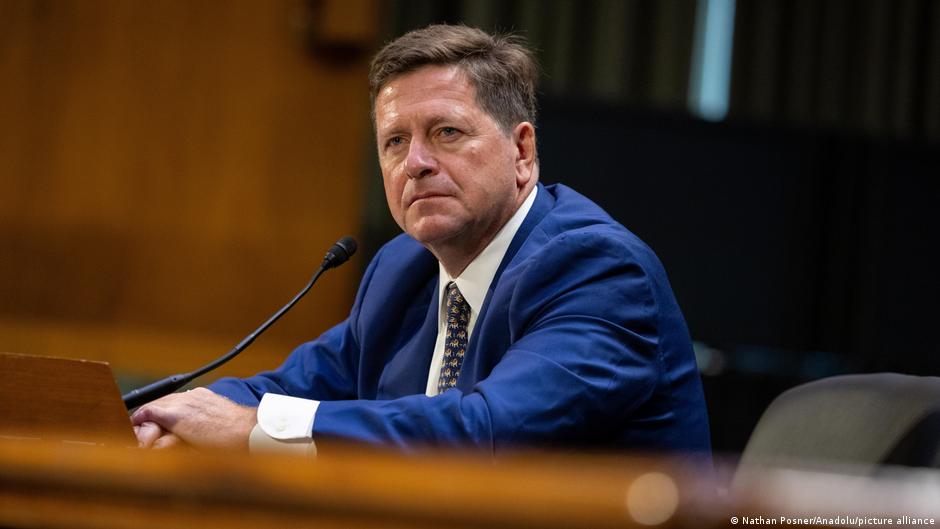
Jay Clayton's confirmation as US Director of National Intelligence raises questions about experience and signals potential shifts in security and economic policy.

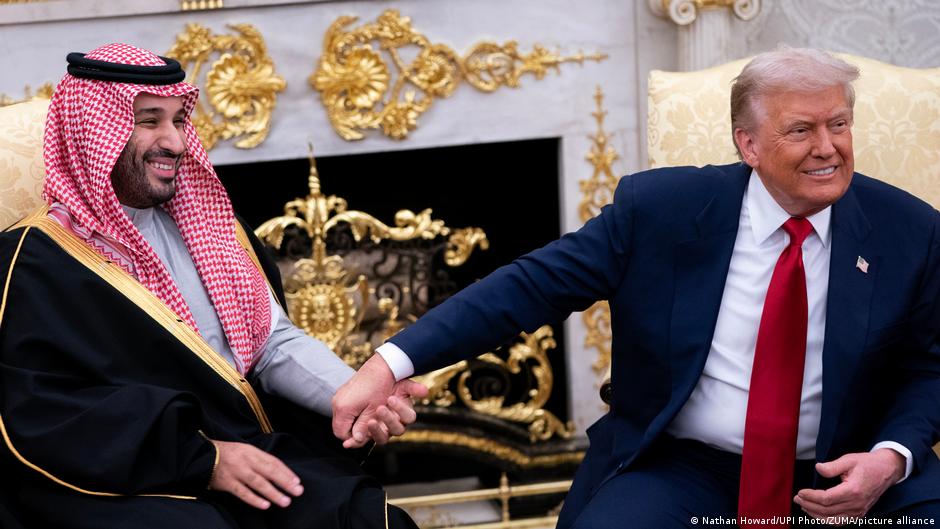
The US administration is poised to allow Saudi Arabia to enrich uranium without enhanced IAEA safeguards, raising concerns over nuclear proliferation and regional stability.

The US plans to remove Syria from the terrorism sponsors list, lifting sanctions and enabling economic reconstruction and reintegration into the global economy.

Right-wing businessman Abelardo de la Espriella narrowly won Colombia’s presidency, signaling a shift toward militarized security and economic deregulation with significant regional ramifications.

U.S. intelligence warns Israel may attempt to undermine the U.S.-Iran nuclear deal, risking increased Middle East instability and complicating global economic and policy landscapes.

The U.S. House approved $70 billion funding for immigration enforcement agencies, reflecting critical policy shifts with significant global economic and geopolitical implications.

A U.S. federal judge has struck down the Trump administration's $100,000 fee on H-1B visas, ruling it an illegal executive overreach, impacting immigration and tech labor markets.

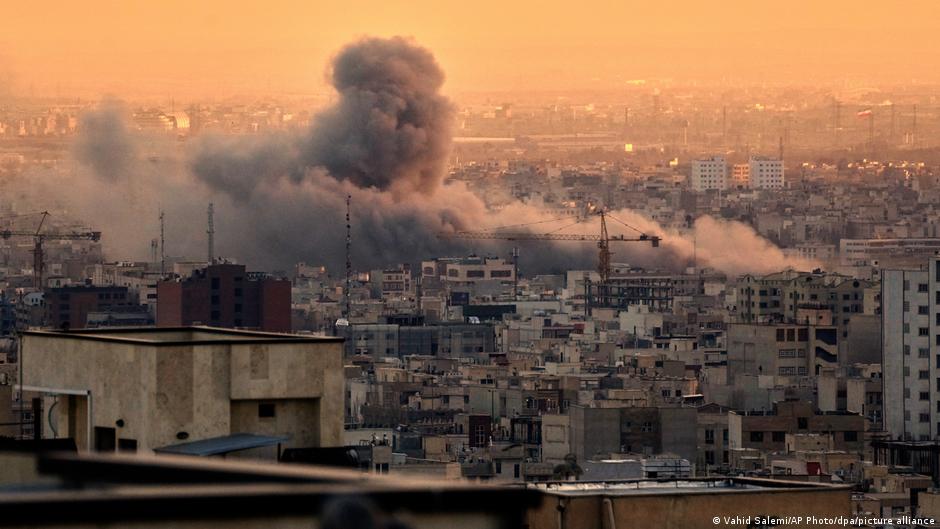
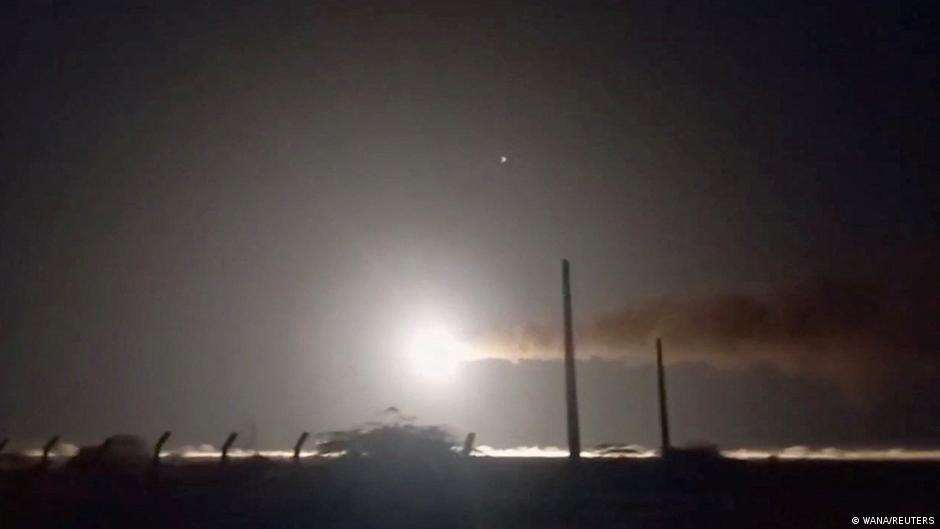
Israel and Iran exchanged air and missile strikes amid US efforts to broker a peace deal, raising the stakes for regional security and global economic stability.

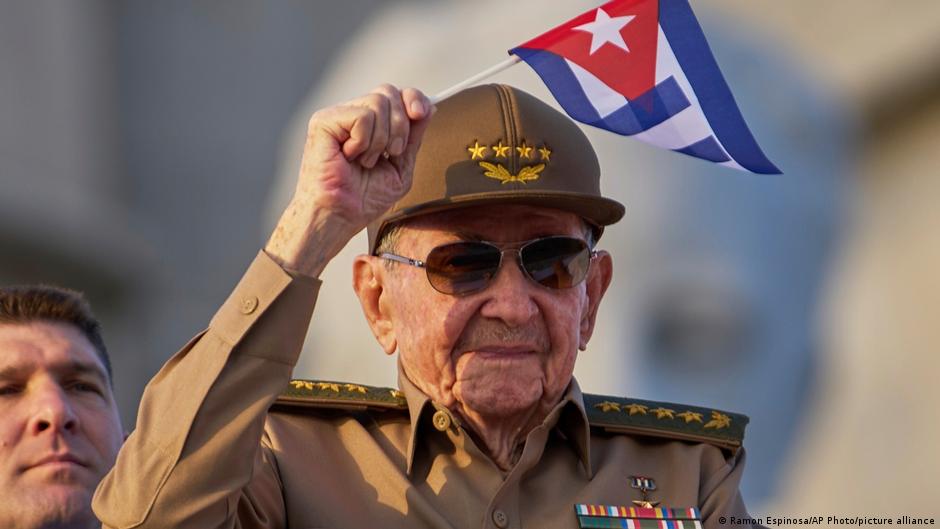
The US charges Raul Castro with murder related to a 1996 incident, signaling a tougher stance on Cuba amid heightened sanctions and geopolitical rivalry.

US intelligence indicates Iran retains about 70% of its missile arsenal, contradicting official claims and raising concerns over regional security and munitions supplies.

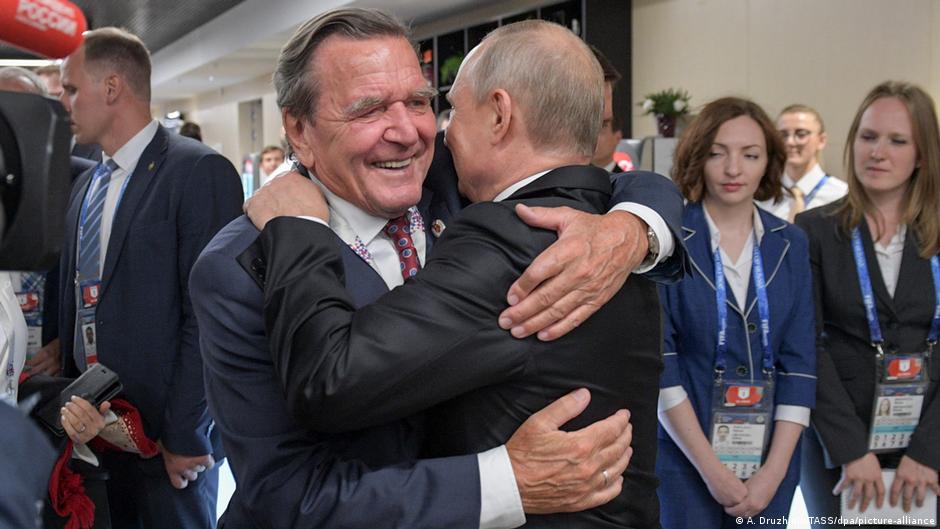
Putin names former German Chancellor Gerhard Schröder as preferred EU negotiator for Russia-Ukraine talks, signaling Moscow's openness to dialogue under specific conditions.

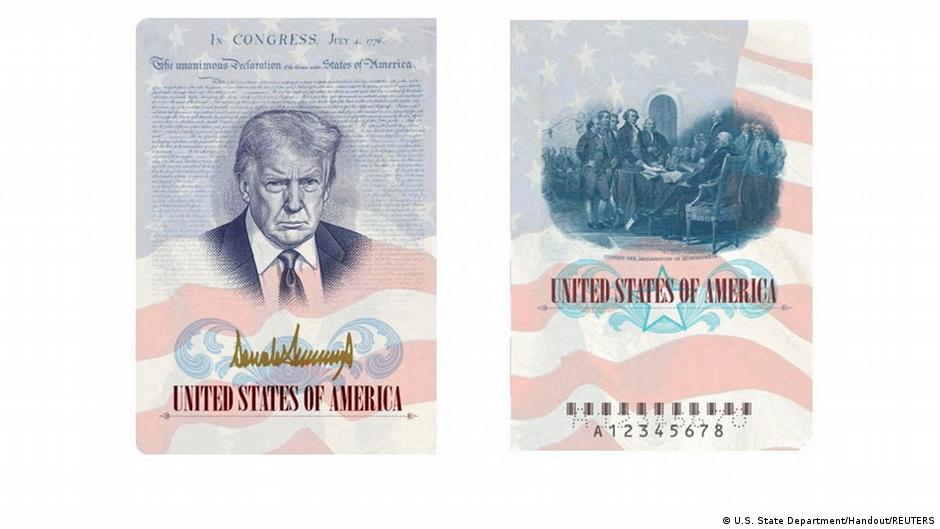
The US launches limited edition passports featuring President Trump for the 250th independence anniversary, signaling a deeper integration of political identity and national symbolism.

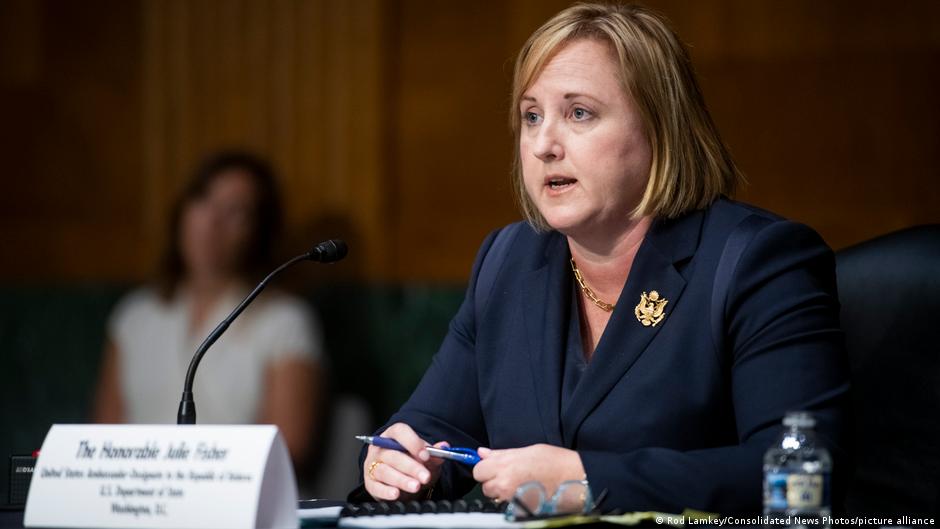
US acting chargé d’affaires in Ukraine Julie Davis to resign amid disagreements with Trump administration’s reduced support for Kyiv, signaling shifts in US foreign policy.

US Labor Secretary Lori Chavez-DeRemer resigns amid misconduct allegations, signaling possible broader cabinet reshuffle with significant economic policy implications.

The US has extended the suspension of sanctions on Russian oil shipments until May 16, impacting global energy markets and Russia’s oil revenue amid ongoing geopolitical tensions.

The US Senate has rejected a resolution to end hostilities with Iran, upholding presidential war powers and signaling ongoing challenges in congressional oversight of military actions.

The Trump administration wants GM, Ford and other manufacturers to help produce weapons, echoing WWII-era industrial mobilization.