EU to Fund Ukraine Drones and Missiles as War Pressures Policy Agenda
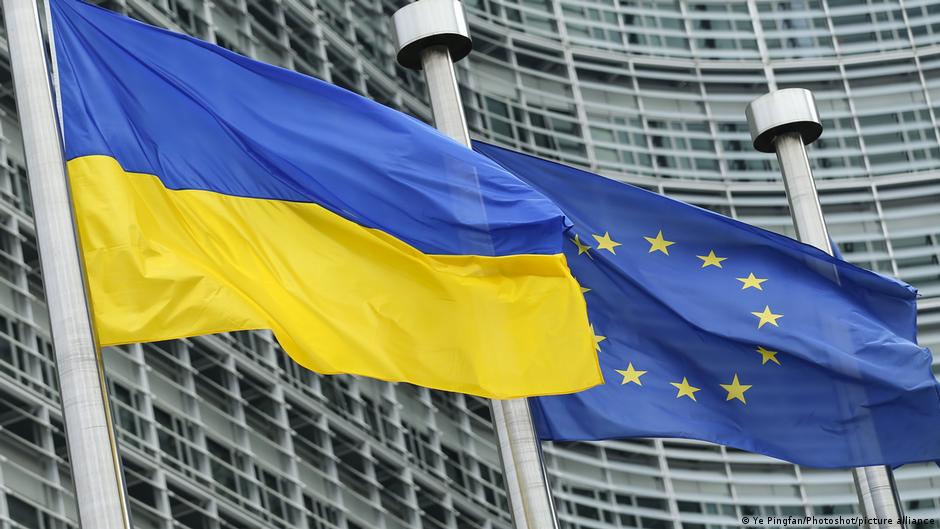
The EU plans new funding for Ukrainian drones and missiles as leaders prepare to discuss Kyiv’s financing needs and long-term support.

The EU plans new funding for Ukrainian drones and missiles as leaders prepare to discuss Kyiv’s financing needs and long-term support.

Germany’s 1.4 million long-term basic benefit recipients sharpen debate over labor supply, welfare costs and reform of Bürgergeld.

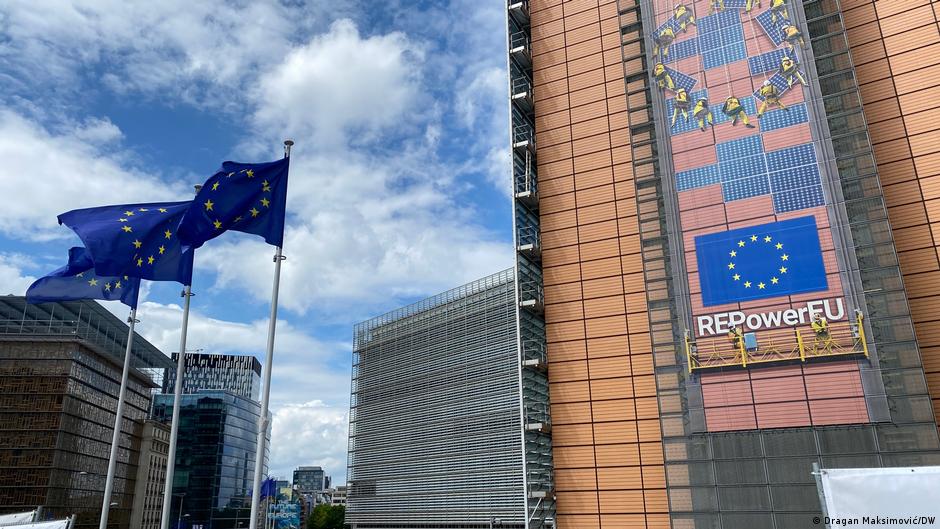
EU lawmakers approved a €115 million Agile programme to support small defence technology firms and accelerate innovation from 2027.

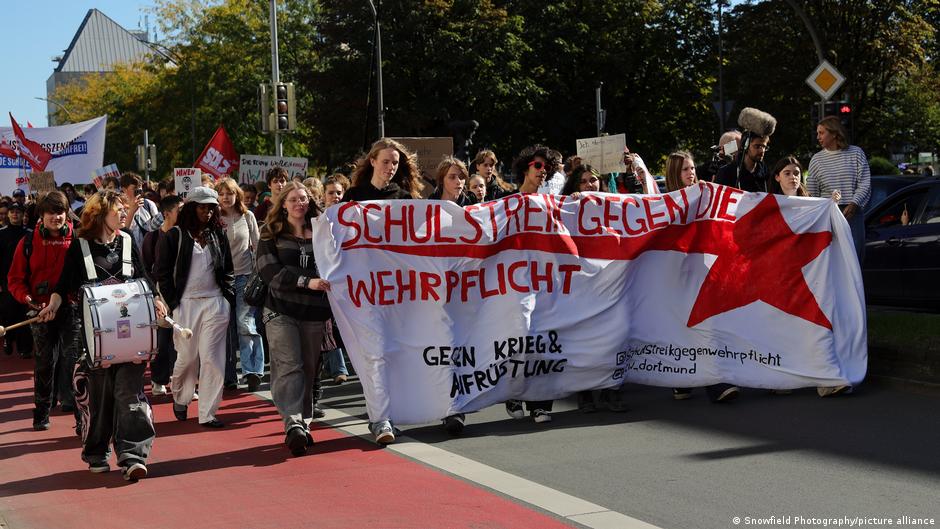
German military opt-out claims tripled in eight months, highlighting manpower, fiscal and labor-market pressures behind Berlin’s defense expansion.

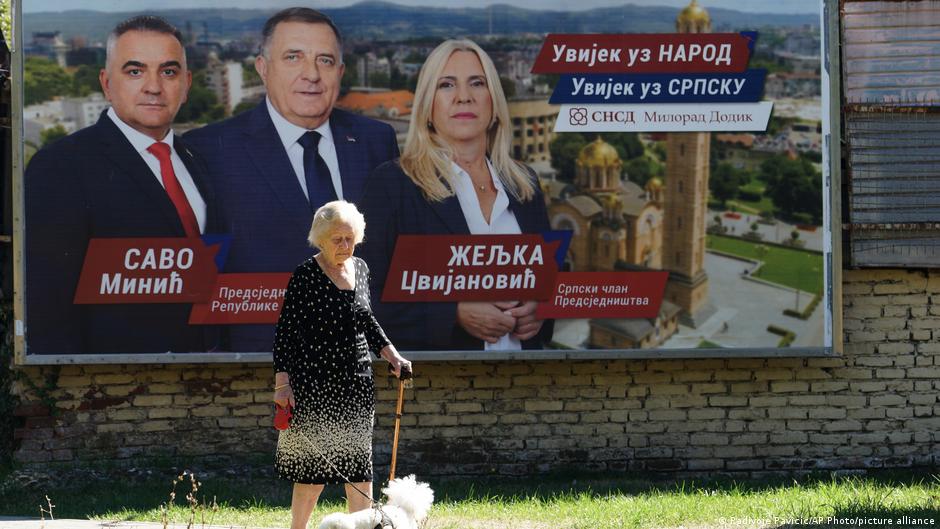
Preliminary results show ruling-party candidates and Dodik allies strengthening their hold across Bosnia and Herzegovina’s institutions.

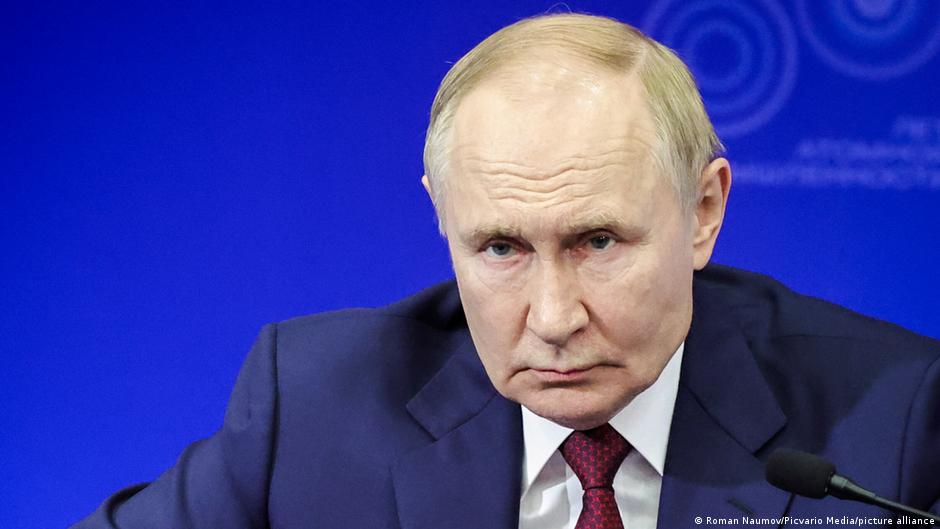
Putin’s Valdai speech sharpened nuclear rhetoric and blamed the West, reinforcing Europe’s long-term geopolitical and economic risk outlook.

The EU declined to accelerate part of a €90 billion Ukraine loan, seeking wider partner support and reforms as Kyiv faces large funding gaps.

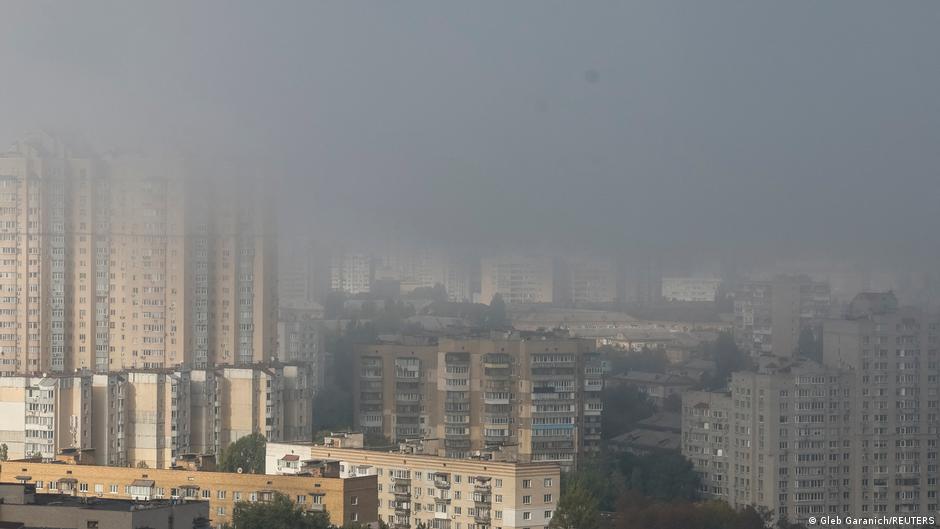
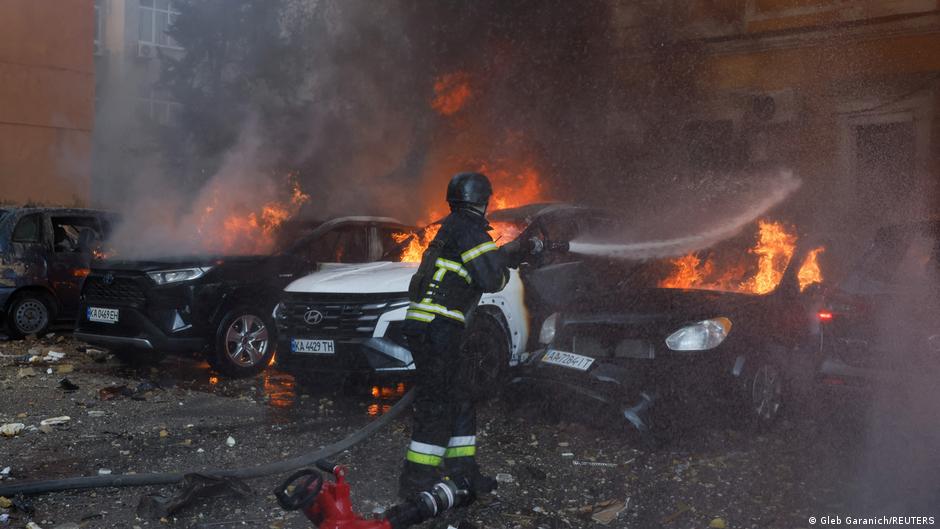
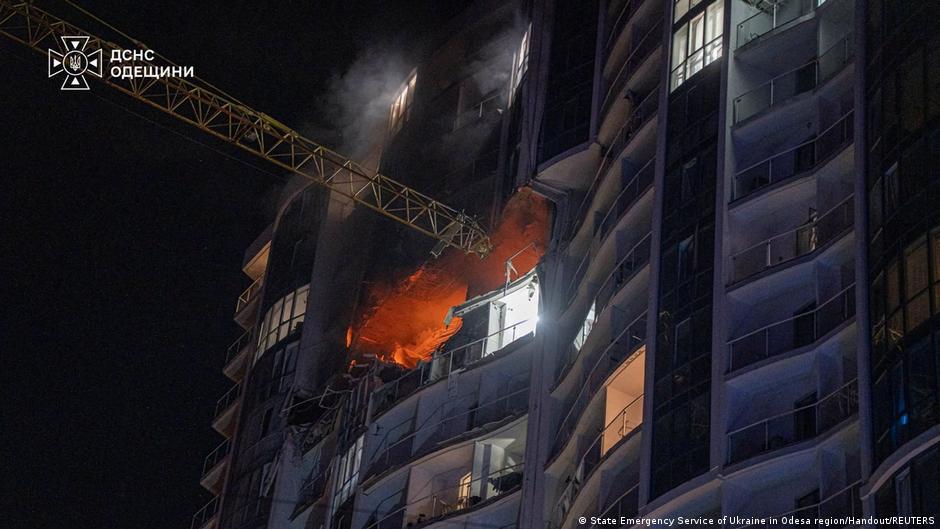
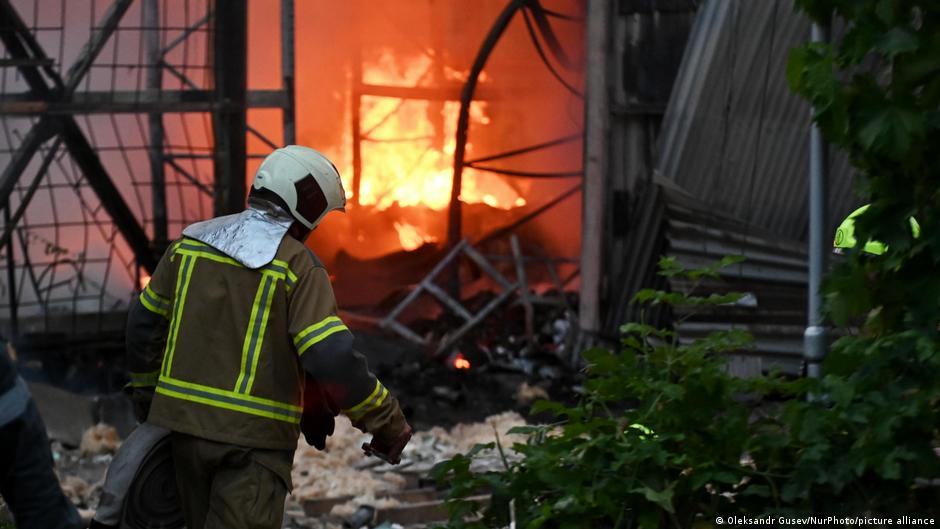
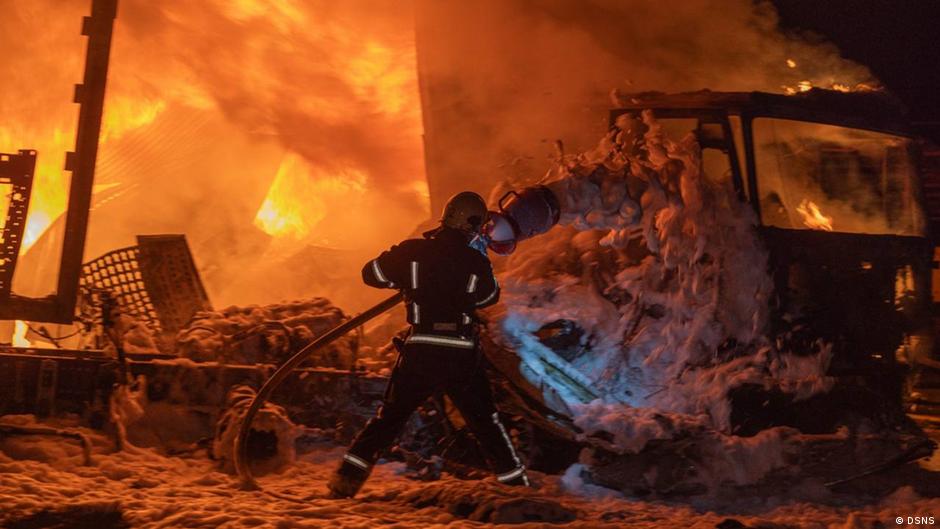
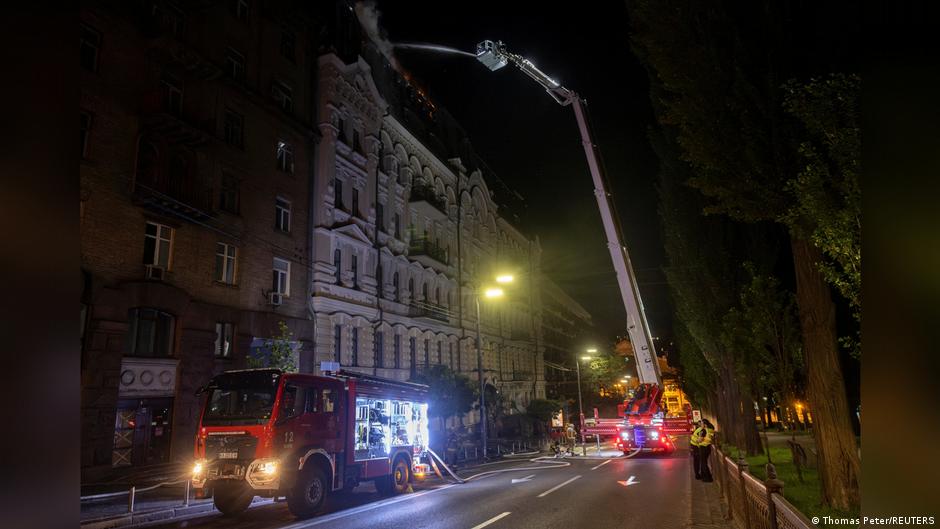
Russian attacks damaged property in Kyiv, Odesa, Sumy and Kyiv region while forcing new electricity limits across parts of Ukraine.

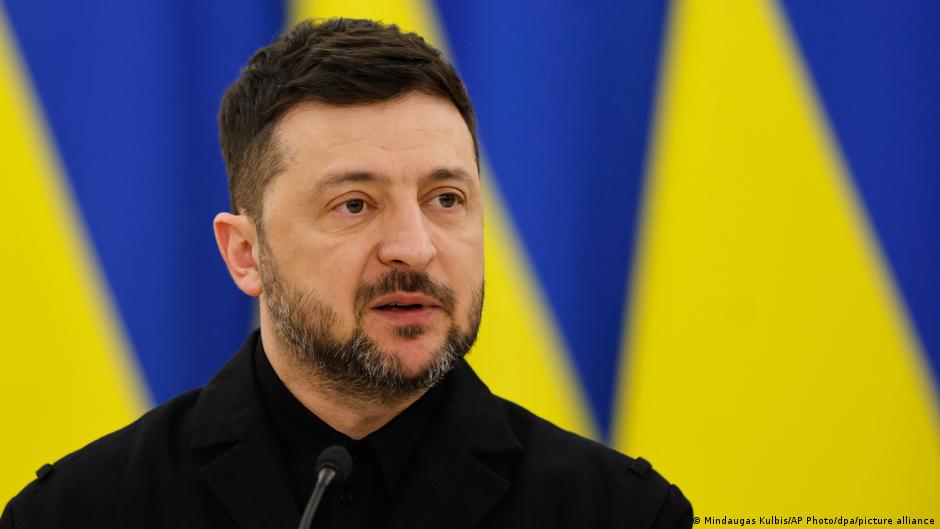
Zelensky says North Korea plans to send about 10,000 more troops to Russia, deepening concerns over Moscow-Pyongyang cooperation.

Russian strikes on Kyiv killed two people during the day and continued overnight, adding pressure to Ukraine’s urban economy and public finances.

The EU’s new €710 million aid package links humanitarian relief with migration management, regional stability and long-term fiscal risk.

Russian drone strikes killed at least three civilians in Zaporizhzhia and hit port and civilian infrastructure in Odesa region.

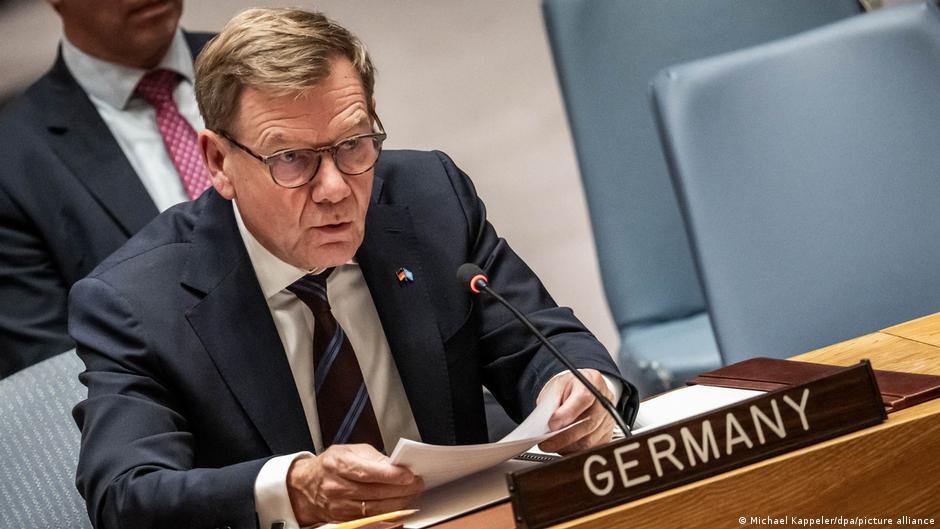
Germany says Putin’s possible G20 appearance would test Moscow’s readiness for Ukraine talks, with sanctions and global governance at stake.

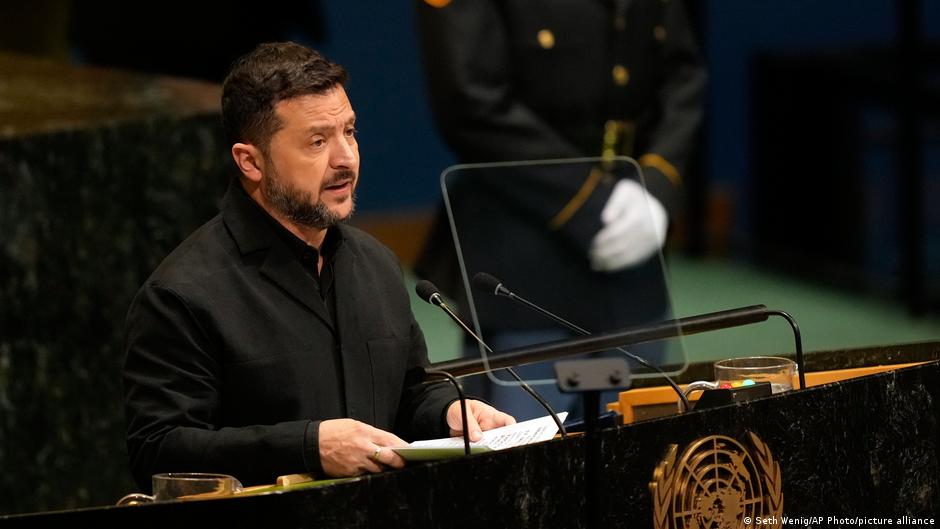
Zelenskyy used his UN address to link Russia’s war to energy revenues, global instability, AI risks and the long-term economic costs of conflict.

Russia says it will not pause operations for Ukraine talks, even as Washington offers to support ceasefire efforts and keeps channels open.

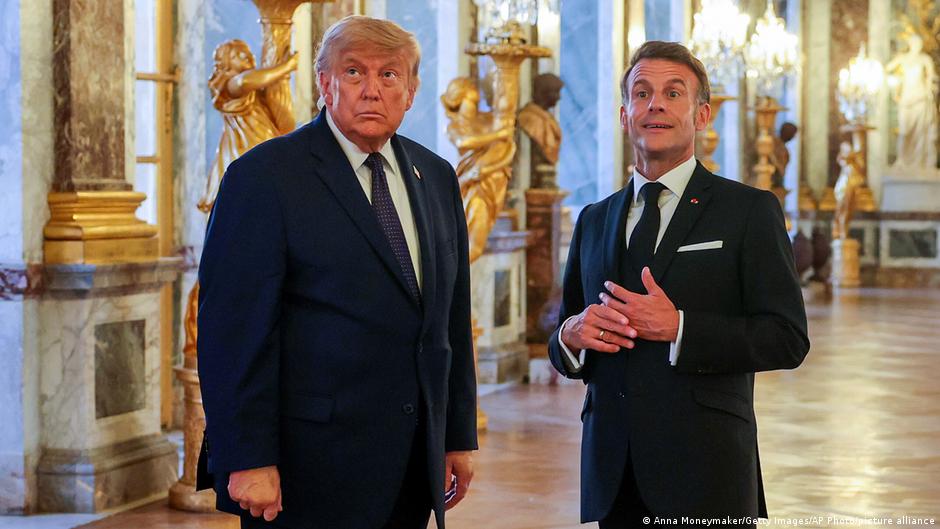
Macron and Trump discussed a moratorium on strikes against Ukraine’s energy and civilian infrastructure and stronger air defenses for Kyiv.

The Left Party’s Berlin victory puts housing expropriation and coalition risk at the center of Germany’s capital politics.

Russian strikes injured civilians, including children, in Kyiv and Odesa, while Sumy reported one death and wider damage to homes and vehicles.

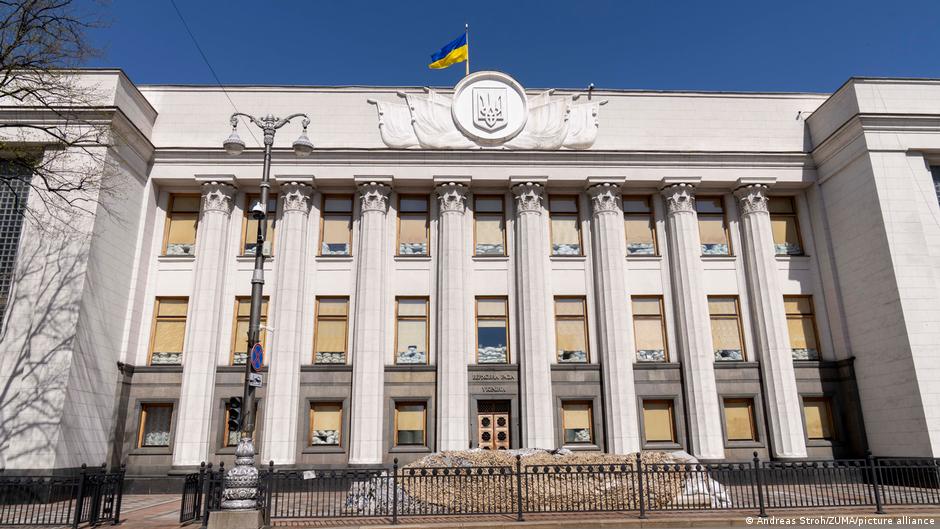
Ukraine’s parliament will consider seven difficult bills tied to Western financing as Kyiv seeks to close a major defense budget gap.

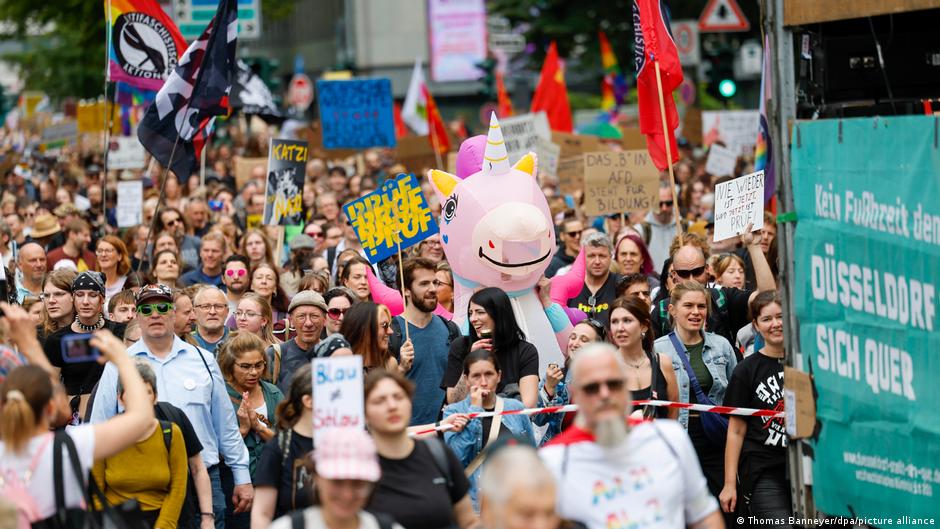
Mass protests across Germany reveal mounting political strain as the AfD gains ground and debate intensifies over bans and cooperation barriers.

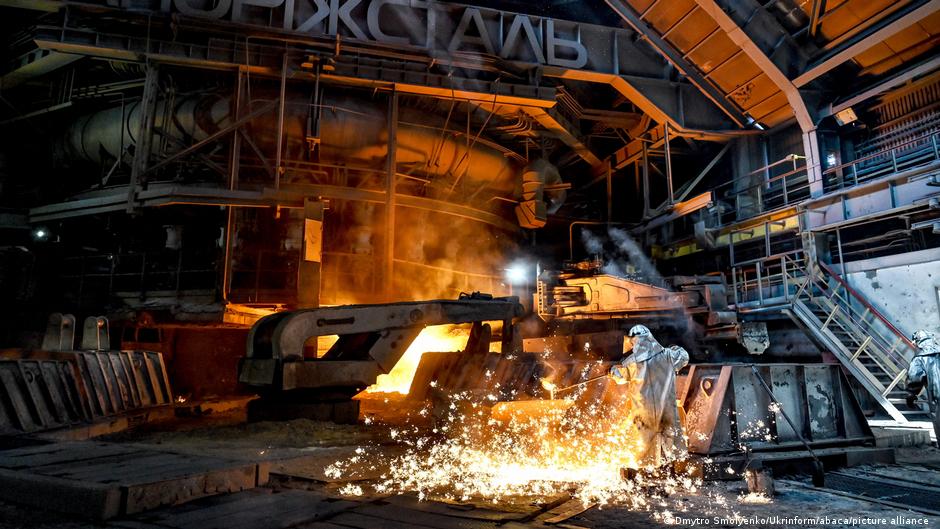
Critical damage at Zaporizhstal after a third Russian missile strike raises risks for Ukrainian steel output, jobs and fiscal revenue.

Russian strikes killed civilians in Sumy and Mykolaiv while damaging port, warehouse, postal and civilian infrastructure, deepening Ukraine’s economic exposure.

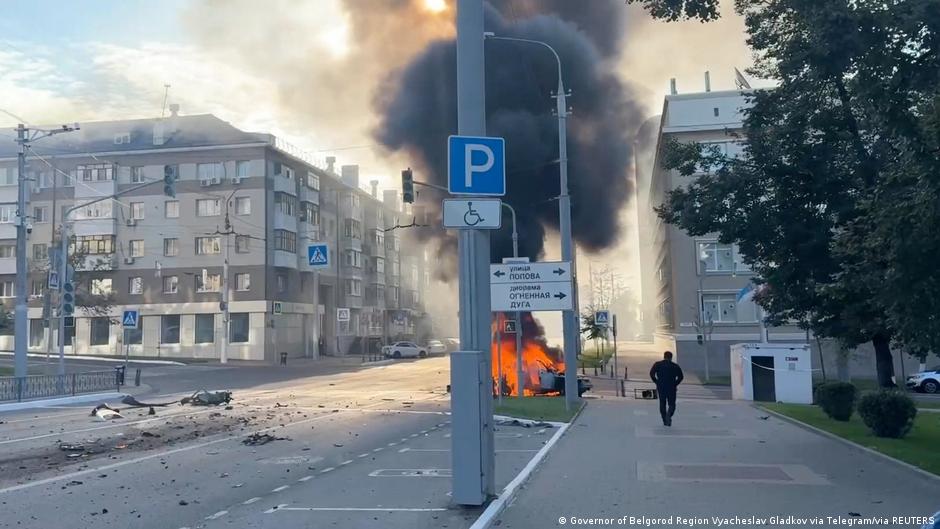
Drone attacks on the Russian border city Belgorod caused injuries and significant damage to residential and energy infrastructure, raising concerns about regional stability and economic impacts.

A DGB study finds 40% of German workers doubt they can work until retirement due to physical and psychological strain, raising concerns for pension reforms and labor policies.

Russian missile and drone strikes on Kyiv caused civilian casualties and infrastructure damage, raising concerns about Ukraine's economic stability and regional security.

Germany's labor shortage is set to rise to 4.3 million by 2036 due to baby boomer retirements and reduced immigration, challenging economic growth and social welfare sustainability.

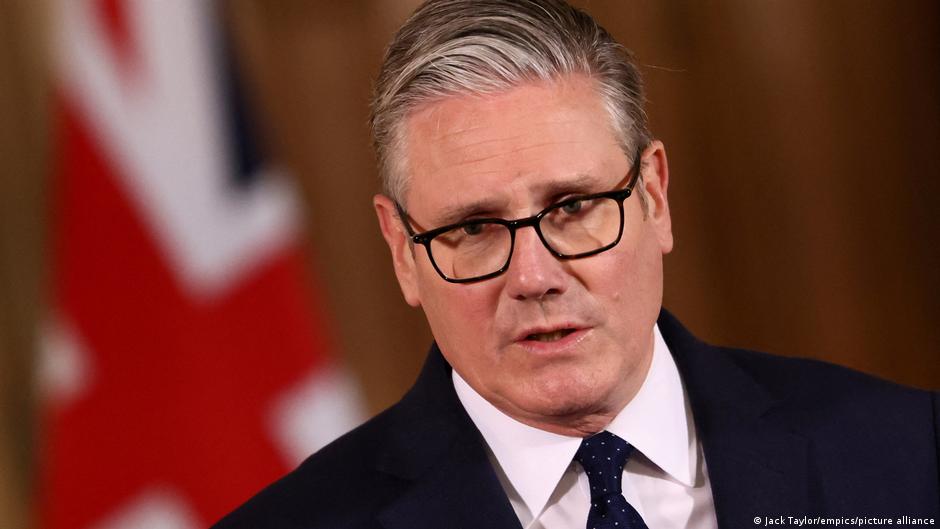
UK Prime Minister Keir Starmer plans an £18 billion increase in defense spending, reflecting strategic shifts amid domestic political challenges and global security concerns.

Uzbekistan faces rising urban divorce rates and declining birth rates, signaling demographic challenges that may impact its economic growth and policy landscape.