Renewed Russian Strikes on Ukraine Cause Civilian Casualties Amid Ongoing Conflict
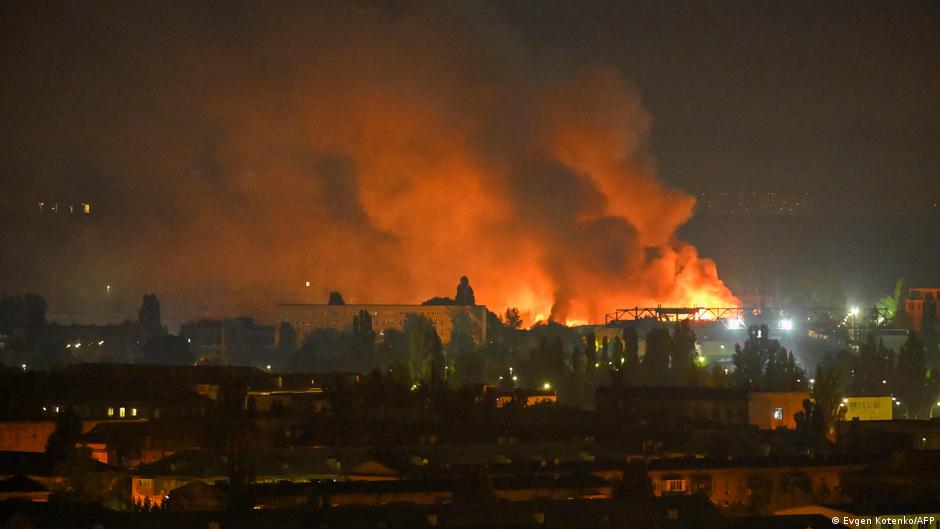
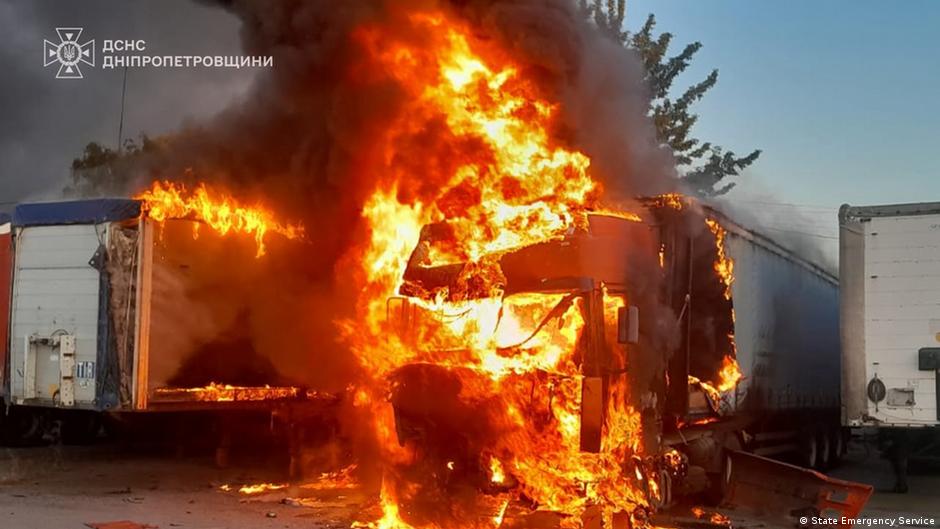
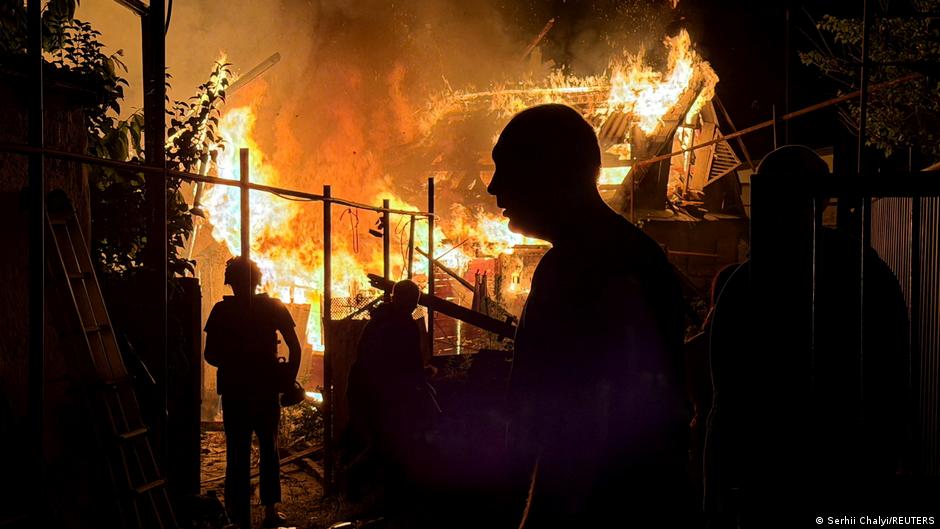
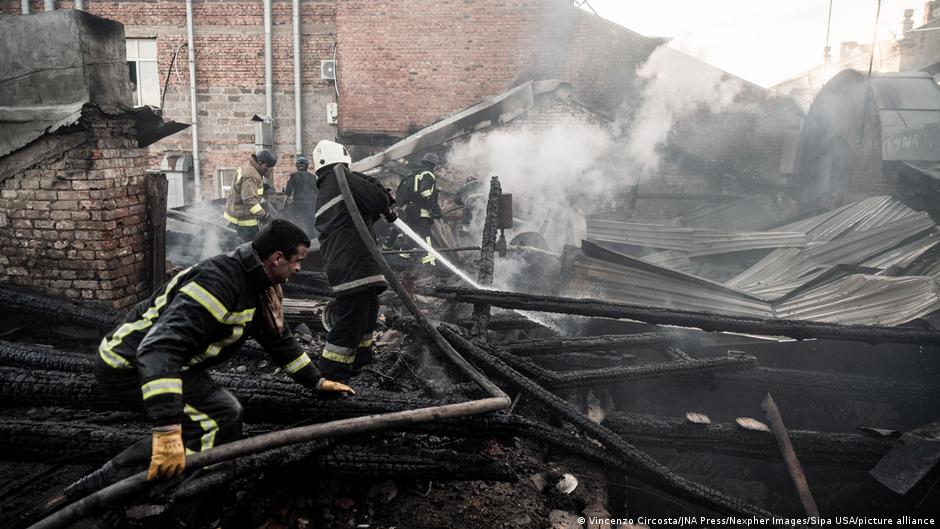
Russia’s July 2 strikes across multiple Ukrainian regions caused civilian deaths and injuries, highlighting the war's ongoing humanitarian and economic toll.

Russia’s July 2 strikes across multiple Ukrainian regions caused civilian deaths and injuries, highlighting the war's ongoing humanitarian and economic toll.

Russian strikes on Zaporizhzhia and Kharkiv have caused civilian injuries and infrastructure damage, intensifying regional instability and raising significant humanitarian and economic concerns.

Russian strikes on civilian and agricultural sites in Ukraine escalate conflict, prompting Kyiv to secure German air defense missiles amid rising regional economic risks.

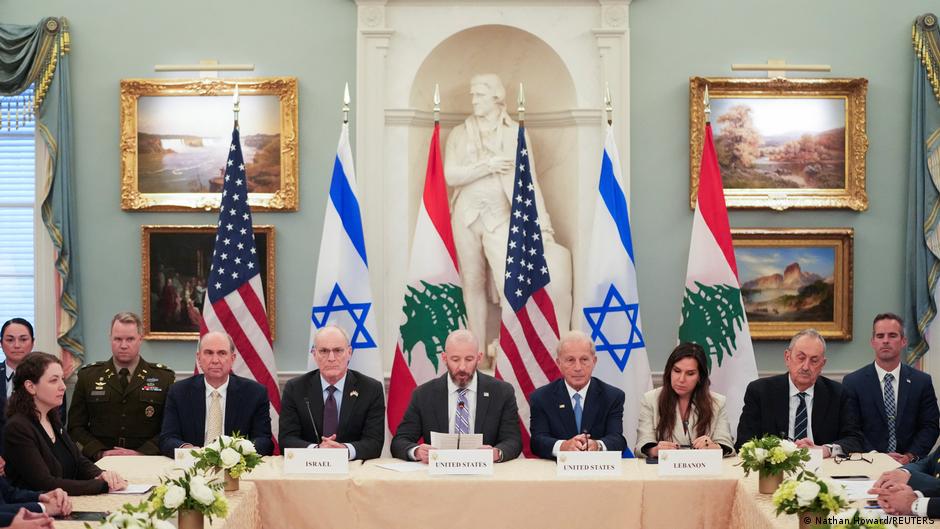
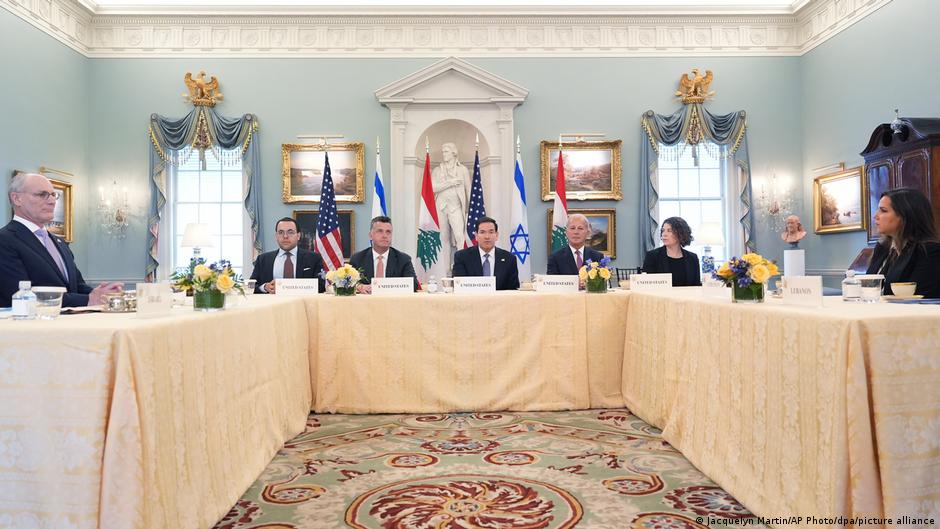
Israel and Lebanon, under US mediation, have agreed to a ceasefire requiring Hezbollah's withdrawal and cessation of hostilities, a move with significant regional and global economic implications.

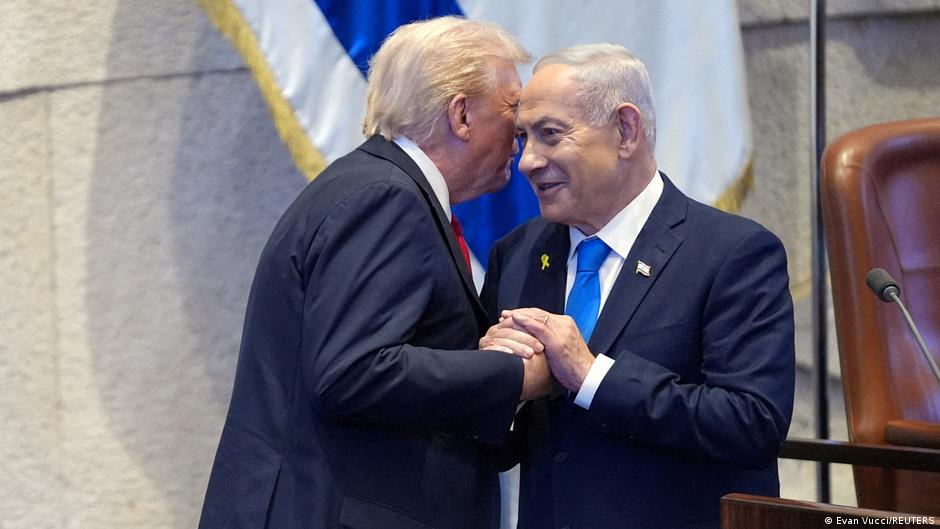
Trump rebuked Netanyahu over Lebanon strikes, highlighting risks to regional stability and US diplomatic efforts amid ongoing Middle East tensions.

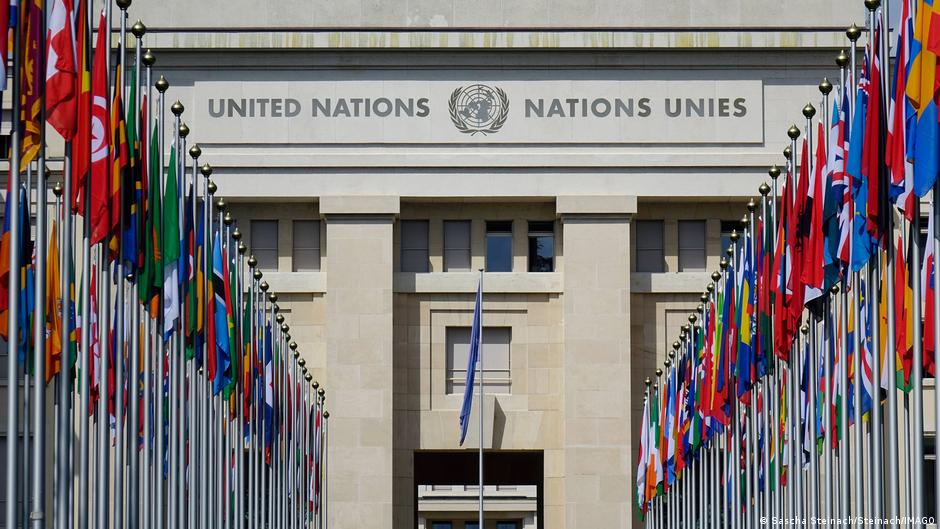
The United Nations faces a funding crisis as delayed payments from the US and China threaten its operations, prompting urgent budget cuts and raising concerns about global governance stability.

Filmmaker Andrei Zvyagintsev condemns Russia's war in Ukraine and Kremlin's suppression of dissent, urging an immediate end to the conflict amid profound economic and social consequences.

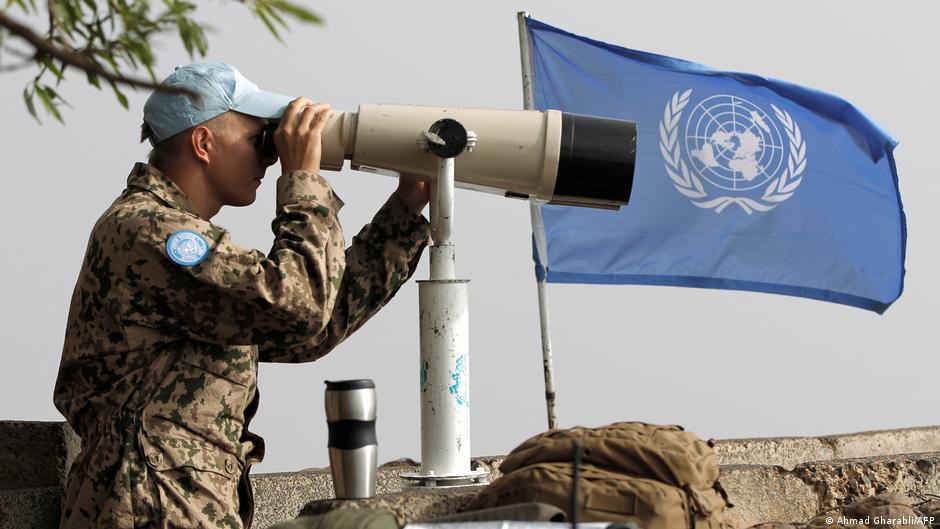
UN peacekeeping personnel have dropped to a 25-year low due to geopolitical tensions and funding shortfalls, threatening the future of multilateral conflict resolution, SIPRI warns.

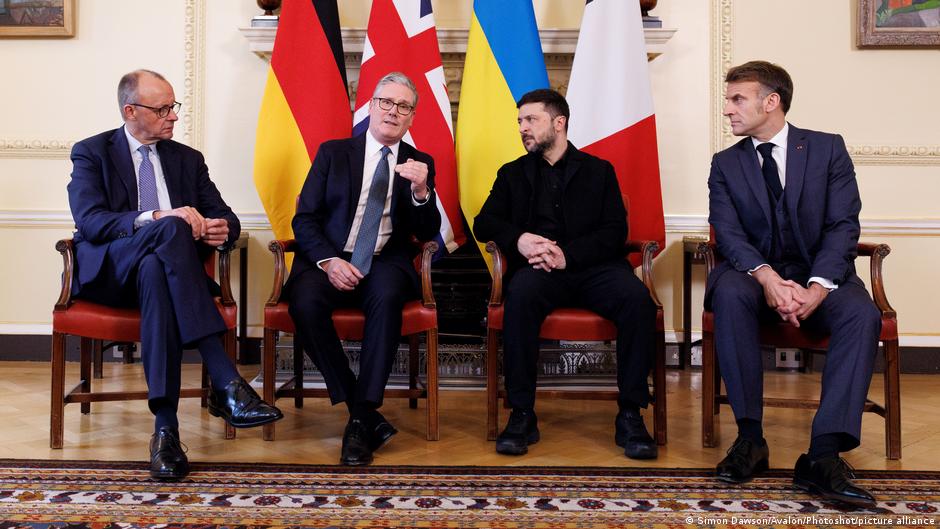
Ukraine and European leaders convened to discuss reinvigorating diplomacy to end the war with Russia amid shifting global priorities and evolving conflict dynamics.

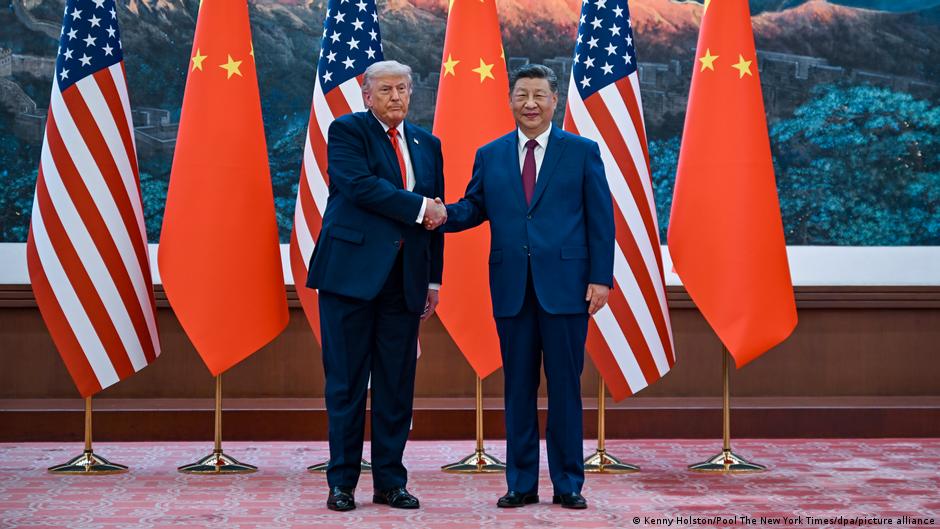
US President Trump and Chinese leader Xi Jinping meet in Beijing to discuss Iran Strait blockade, Taiwan tensions, and trade, signaling potential shifts in global economic dynamics.

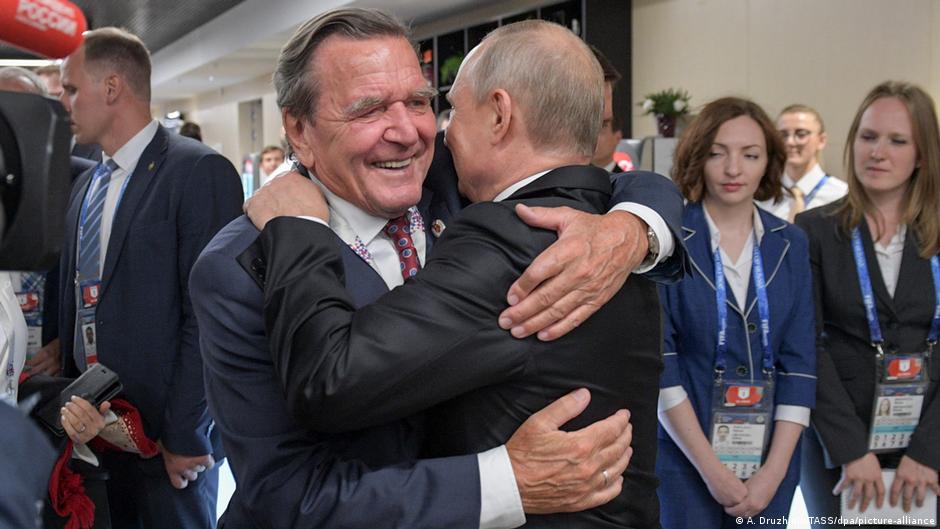
Putin names former German Chancellor Gerhard Schröder as preferred EU negotiator for Russia-Ukraine talks, signaling Moscow's openness to dialogue under specific conditions.

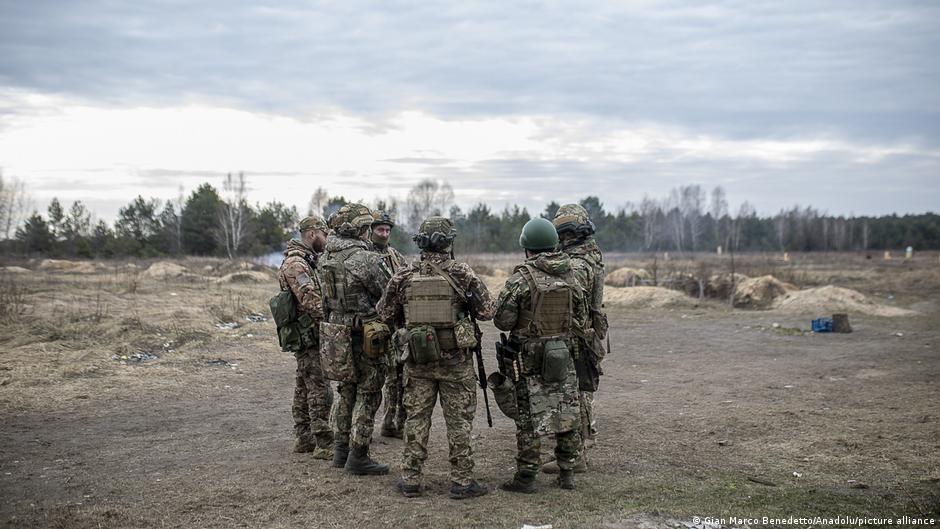
The May 9 ceasefire between Russia and Ukraine was used by both sides for troop rotations and logistical preparations, while sporadic hostilities continued, reflecting enduring conflict dynamics.

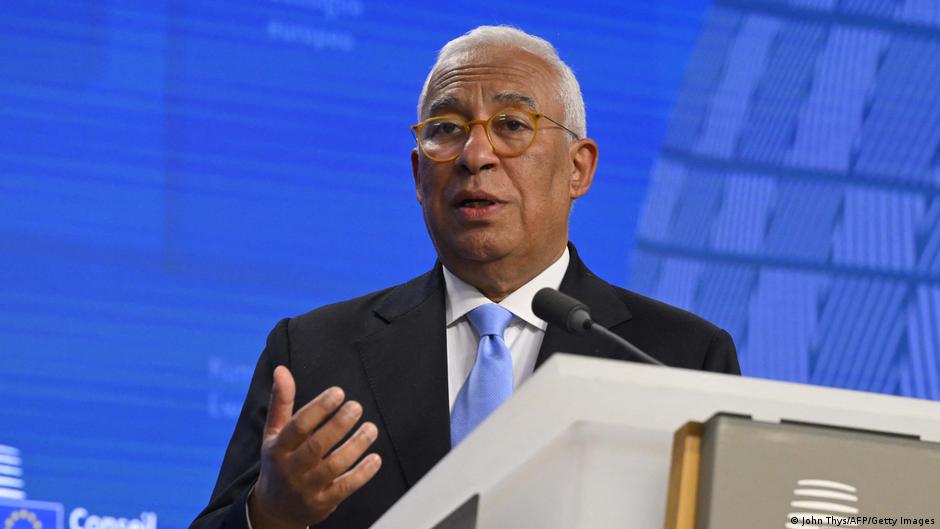
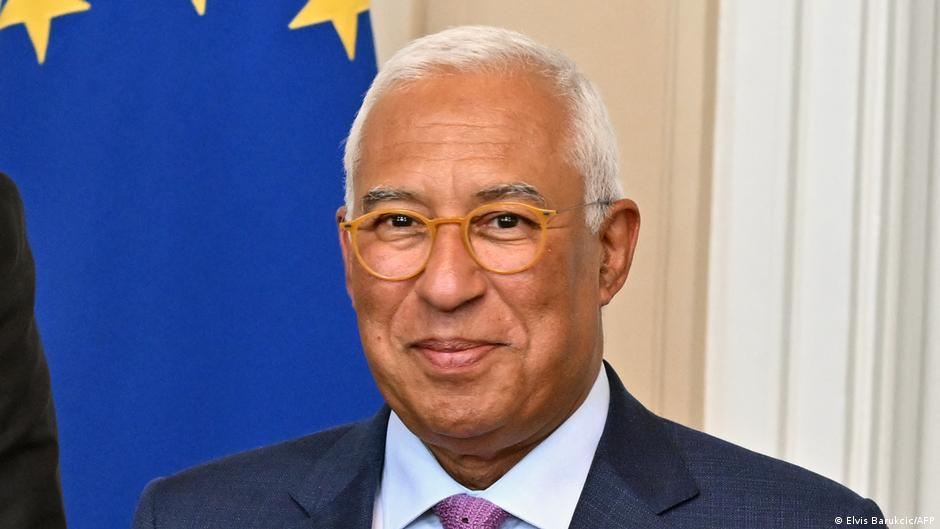
EU leaders are preparing for possible talks with Russia, signaling a strategic shift amid ongoing conflict and geopolitical tensions affecting global economic and policy frameworks.

Italy and Germany call for adherence to international law following Israel’s halt of a humanitarian flotilla to Gaza, emphasizing the need for responsible actions amid complex geopolitical tensions.

The US announces a three-week extension of the Israel-Lebanon ceasefire, marking historic diplomatic progress with potential long-term regional stability and economic benefits.

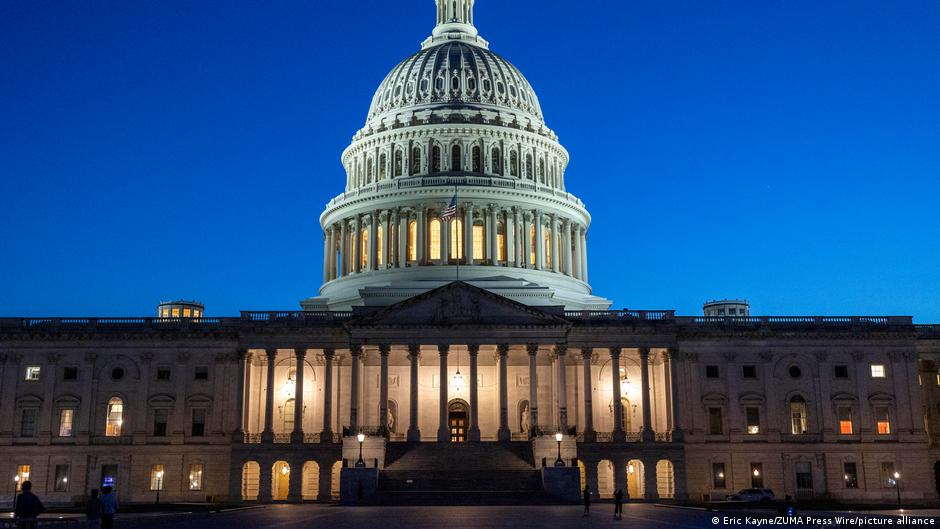
The US Senate has rejected a resolution to end hostilities with Iran, upholding presidential war powers and signaling ongoing challenges in congressional oversight of military actions.