EU Lawmakers Back €115 Million Agile Fund for Defence Technology Firms
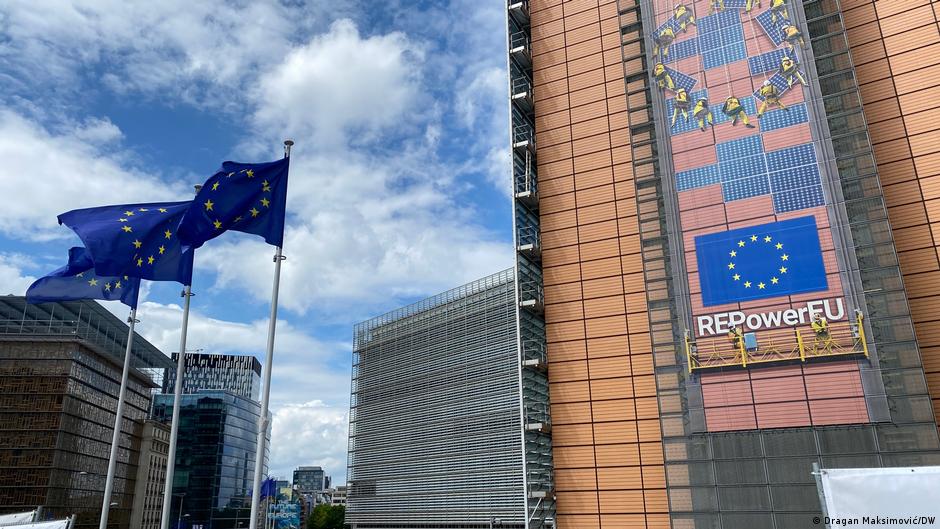
EU lawmakers approved a €115 million Agile programme to support small defence technology firms and accelerate innovation from 2027.

EU lawmakers approved a €115 million Agile programme to support small defence technology firms and accelerate innovation from 2027.

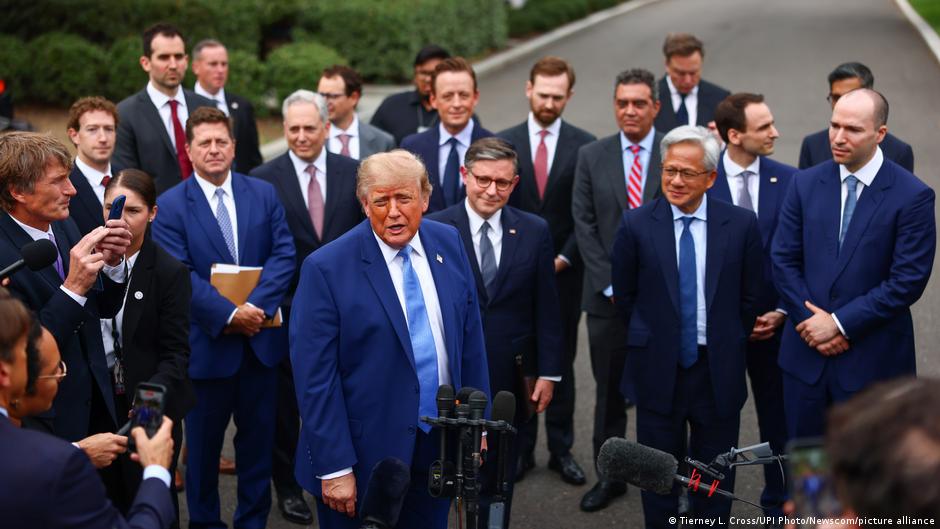
A White House AI agreement gives leading developers a central role in safety oversight while leaving open future regulation.

Dutch police detained an Amsterdam cybersecurity worker in a ShinyHunters probe, raising wider questions about cyber risk and governance.

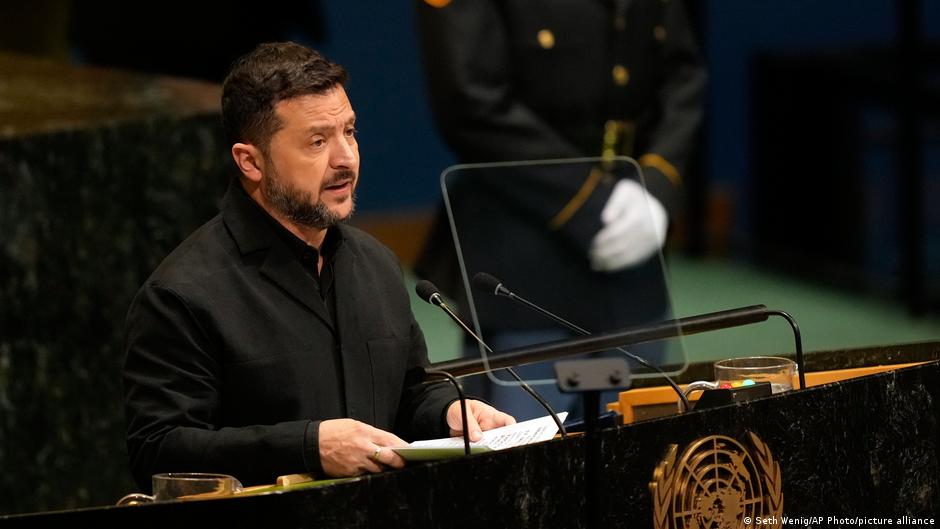
Zelenskyy used his UN address to link Russia’s war to energy revenues, global instability, AI risks and the long-term economic costs of conflict.

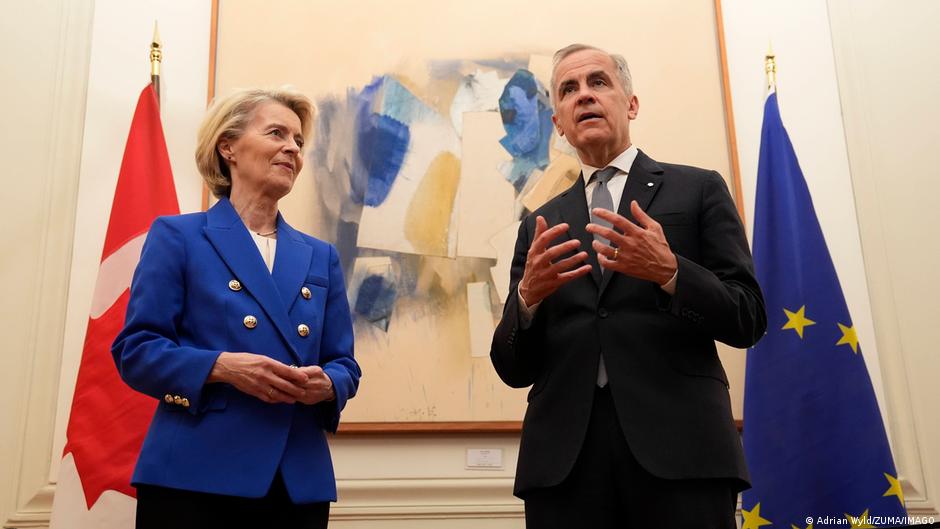
Canada is in talks to join the EU’s €90 billion Ukraine loan as Ottawa seeks deeper ties with Europe and less dependence on the United States.

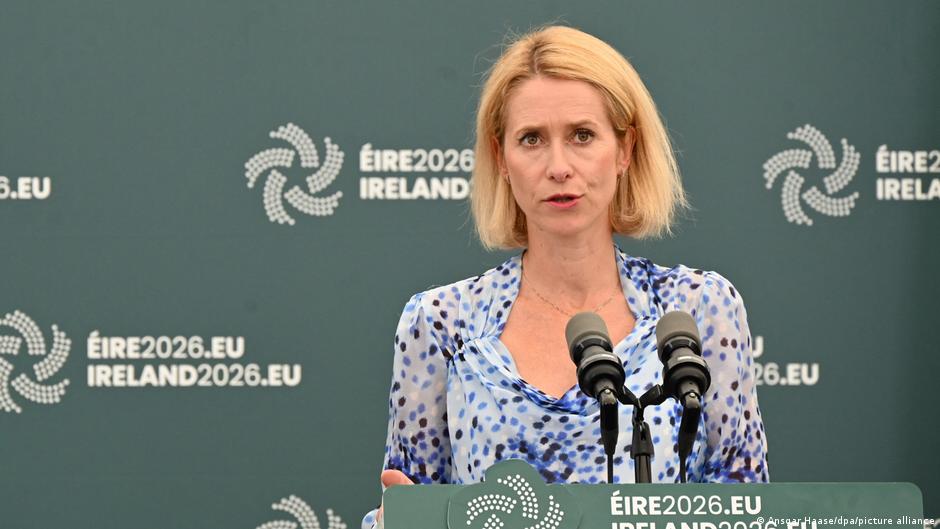
The EU cancelled a planned defence expert group after resistance from Germany and Italy, exposing unresolved tensions over Europe’s security and spending strategy.

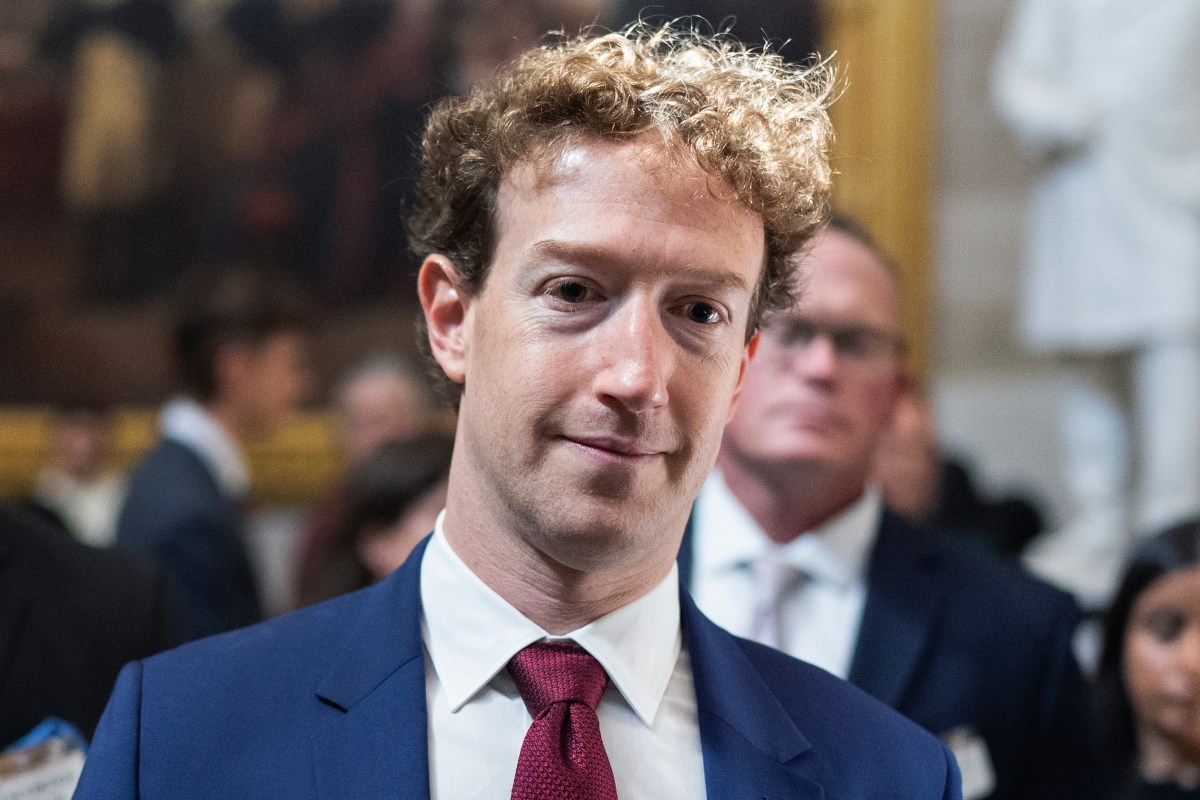
Meta’s $18 billion child safety settlement highlights challenges in implementing age-verification technology amid growing privacy concerns and regulatory shifts.

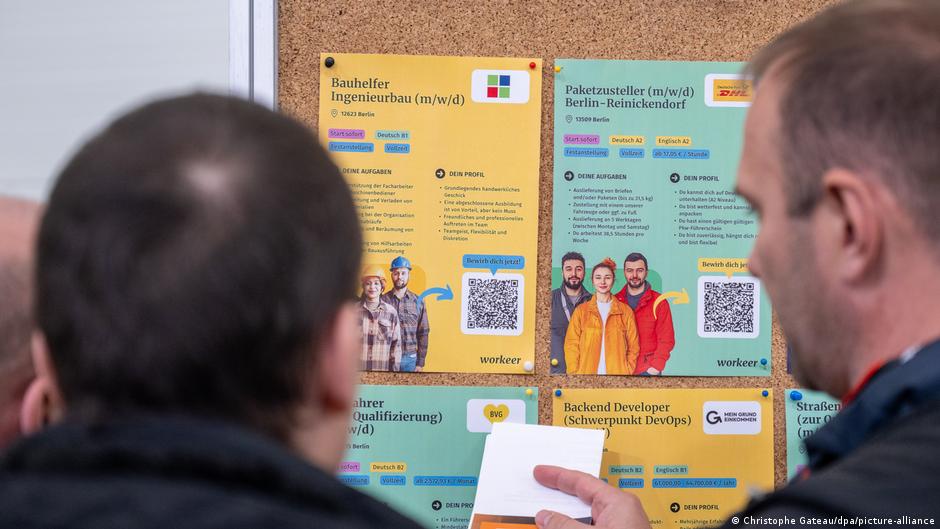
In 2025, Germany’s wage gap between German and foreign full-time workers stood at 23.6%, reflecting ongoing labor market inequalities and the need for policy reforms.

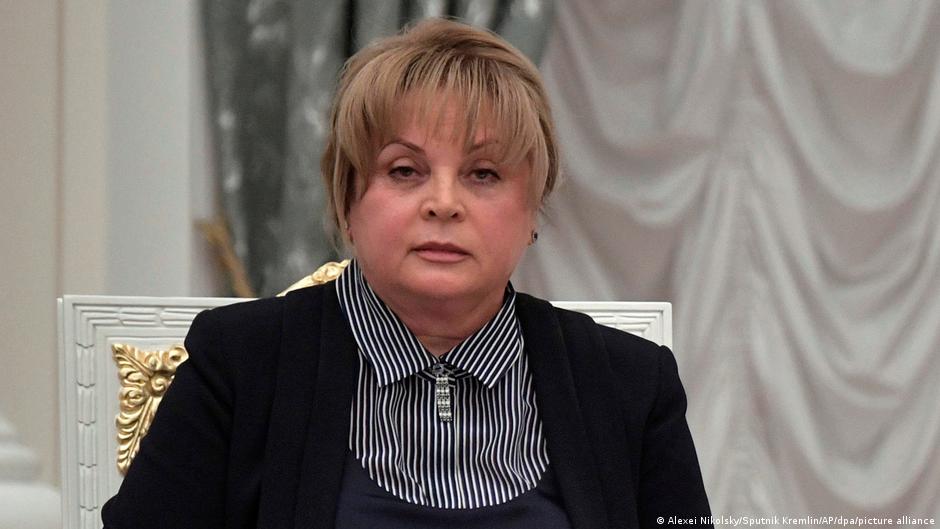
Russia’s election chief advocates stripping voting rights from emigrated citizens, signaling significant policy shifts with implications for global economic relations and diaspora engagement.

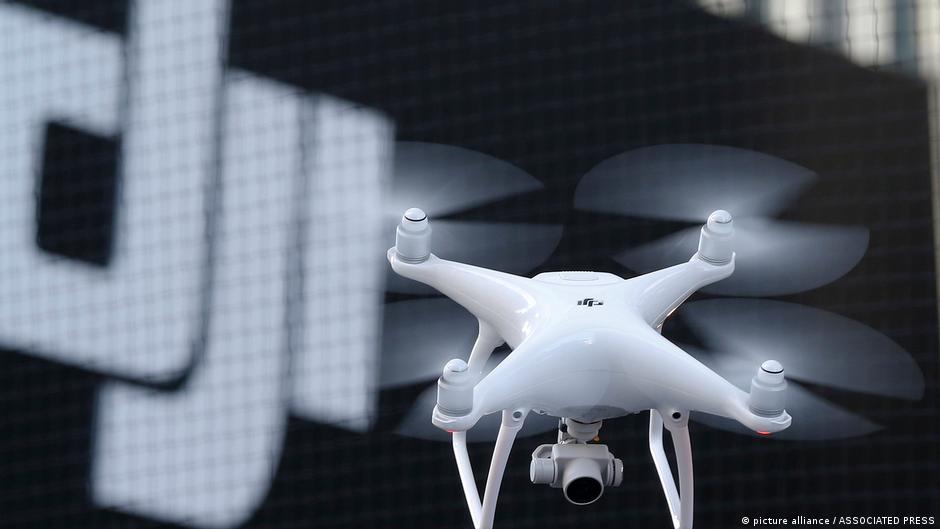
The US imposes tariffs up to 100% on imported drones and components to enhance national security and reduce reliance on foreign suppliers amid rising global tensions.

Germany confronts escalating hybrid warfare threats, including explosive drone attacks, prompting new technological defenses amid rising geopolitical tensions in Europe.

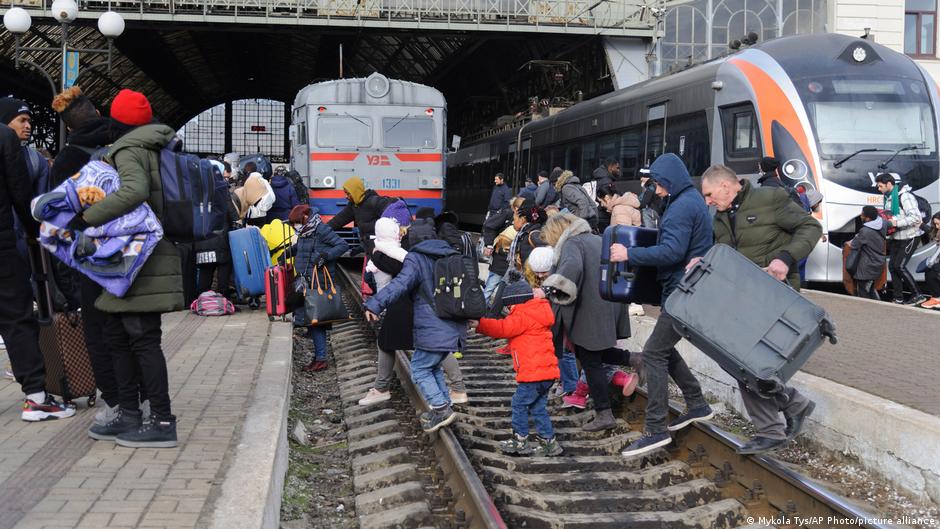
Over 8.4 million Ukrainians live abroad as of 2026, reflecting deep demographic changes due to conflict and posing challenges for Ukraine’s economic recovery and policy planning.

Humo payment system’s net profit surged over 3.3 times in H1 2026, driven by tripled revenues and despite elimination of key tax benefits, signaling strong fintech sector resilience.
Uzbekistan launches comprehensive digital reforms including a national navigation system and unified governance platform to boost economic efficiency and IT growth.

The UK transfers rights to Stone Cloak electronic warfare technology to Ukraine, enabling industrial production and deepening defense ties amid regional security tensions.

Germany seeks a formal agreement with Ukraine to access advanced drone technologies, aiming to enhance its military capabilities amid ongoing security challenges.

The EU condemns Russia's missile strikes on Ukraine, summons Russian envoy, and plans expanded sanctions amid escalating drone warfare and diplomatic tensions.

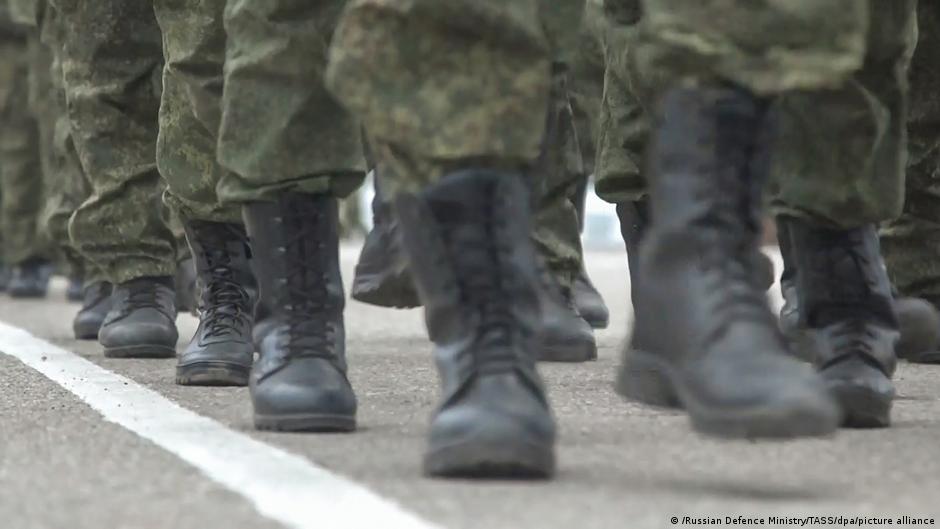
CIA Director reveals Russian conscripts face an average survival time of 20-30 minutes in Ukraine due to AI-enabled drone warfare, altering military and geopolitical dynamics.

A UN report spotlights Uzbekistan’s success in reducing water stress through reforms, digital innovation, and international cooperation, offering a model for global water sustainability.

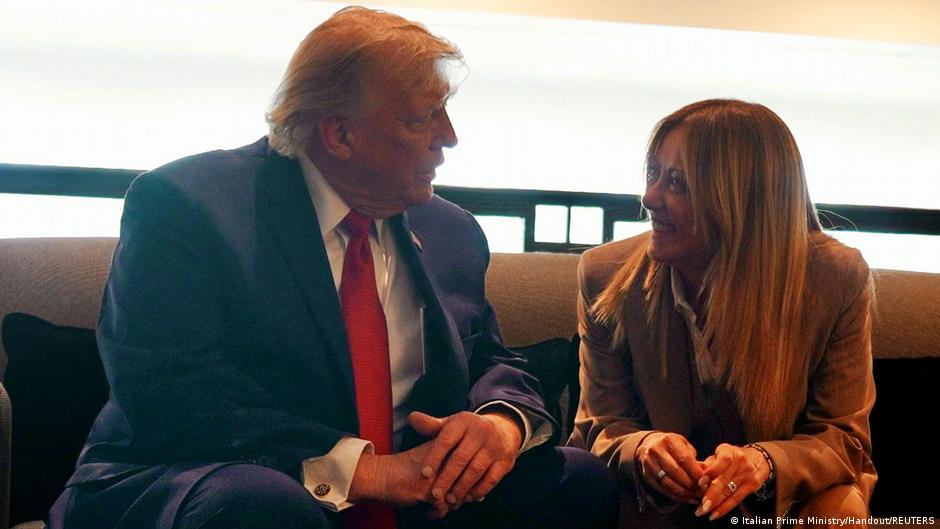
Italy’s Foreign Minister cancels US visit following offensive remarks by Donald Trump about Prime Minister Meloni, highlighting tensions in transatlantic relations and potential impacts on economic cooperation.

SpaceX’s $75 billion IPO valued at $1.77 trillion marks a historic milestone, reshaping the global space economy and signaling new paradigms for investment and technological advancement.

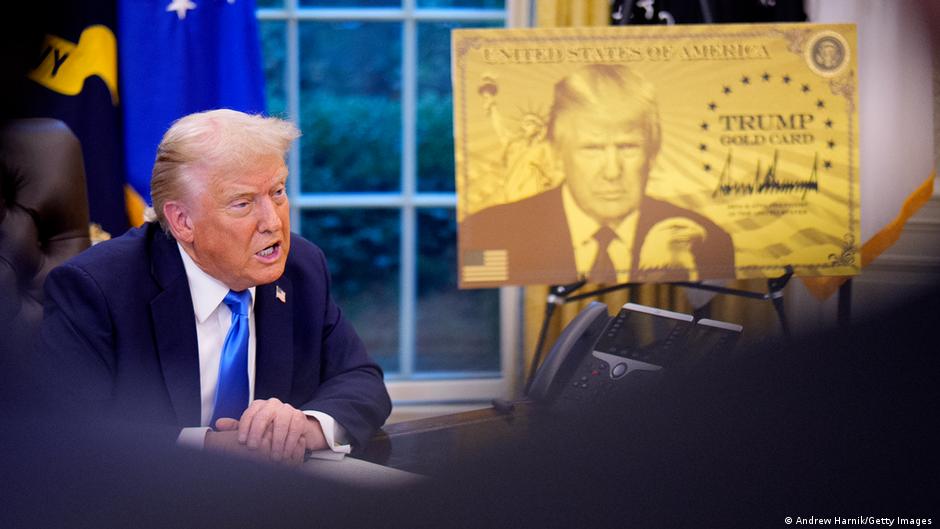
A U.S. federal judge has struck down the Trump administration's $100,000 fee on H-1B visas, ruling it an illegal executive overreach, impacting immigration and tech labor markets.

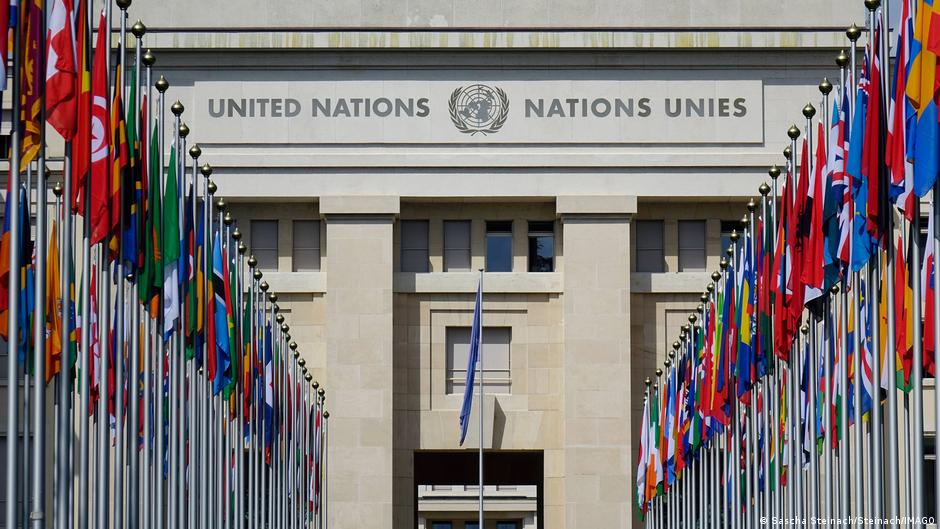
The United Nations faces a funding crisis as delayed payments from the US and China threaten its operations, prompting urgent budget cuts and raising concerns about global governance stability.

Uzbekistan’s Paxtakor football club reported a 50 billion UZS loss in 2025 amid reduced state funding and stalled privatization efforts, signaling wider economic shifts in the sports sector.

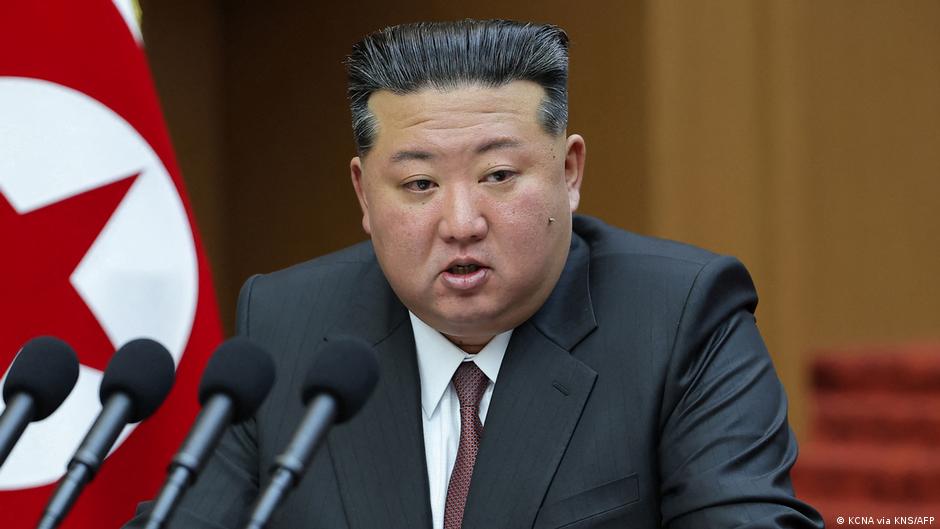
North Korea’s recent missile tests highlight its drive to modernize military capabilities, raising regional security concerns and potential global economic impacts.

Russian elites have attempted to dissuade Putin from enforcing harsh internet restrictions that threaten economic stability and public trust, but security forces prevail.

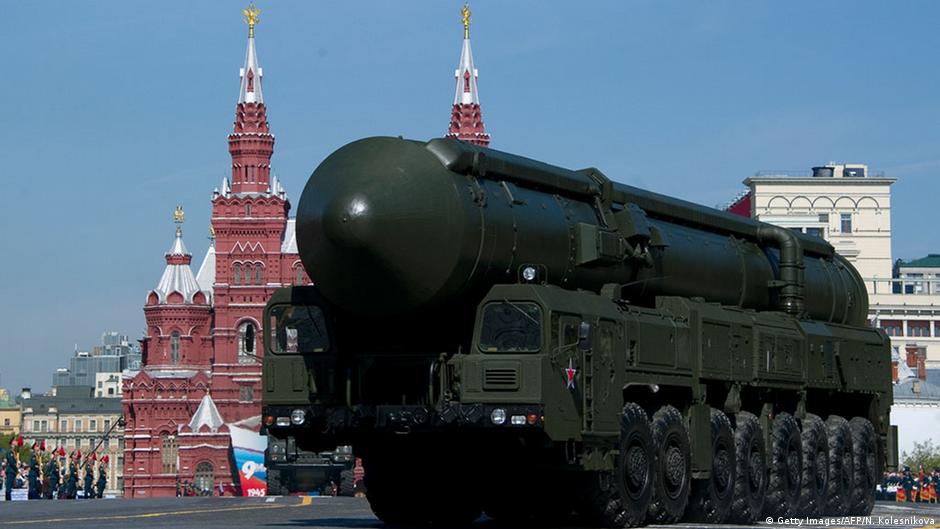
NATO intelligence indicates Russia is developing seabed-launched nuclear missiles, potentially reshaping global nuclear deterrence and strategic stability.

SpaceX plans a record $75 billion IPO, revealing detailed finances and aiming to accelerate space innovation with global economic consequences.

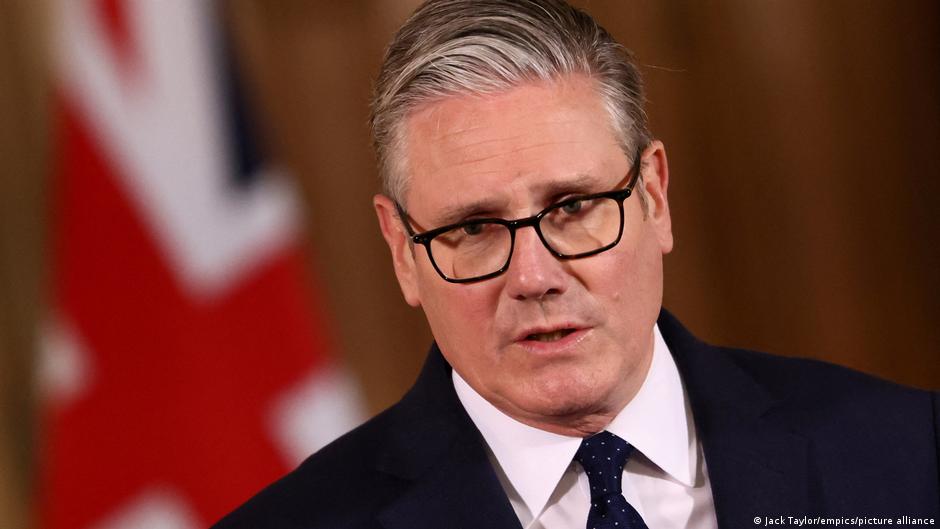
UK Prime Minister Keir Starmer plans an £18 billion increase in defense spending, reflecting strategic shifts amid domestic political challenges and global security concerns.

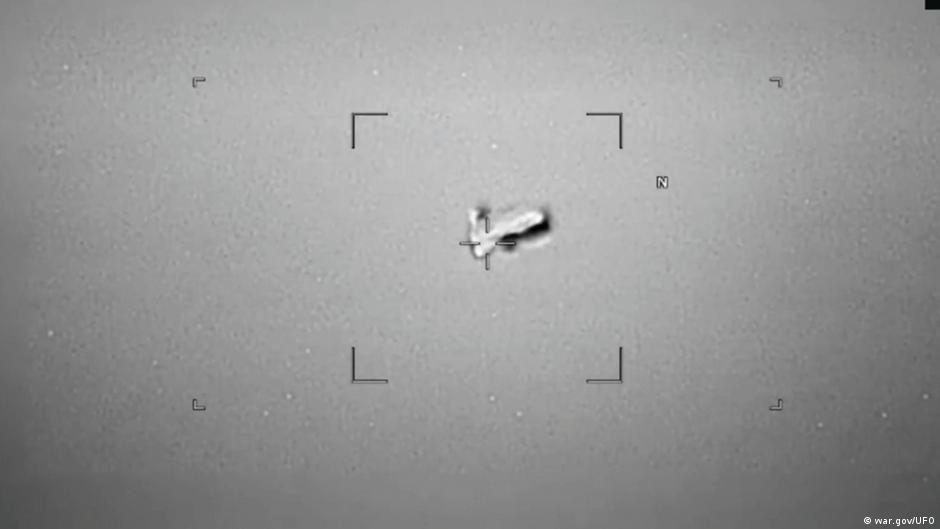
The US Department of Defense has begun releasing declassified UFO files, highlighting transparency efforts with significant implications for global policy and economic strategy.

Octobank enables money transfers from South Korea to Uzbekistan’s HUMO cards via E9PAY, enhancing cross-border payment infrastructure and regional economic integration.

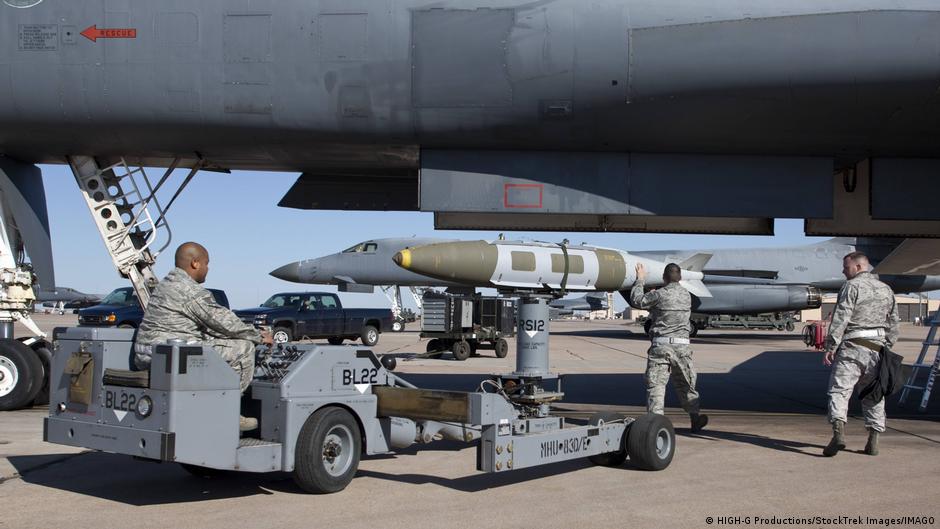
The US approved a $373.6M sale of JDAM-ER kits to Ukraine, enhancing bomb range and precision amid conflict, highlighting strategic shifts in military support and economic ties.

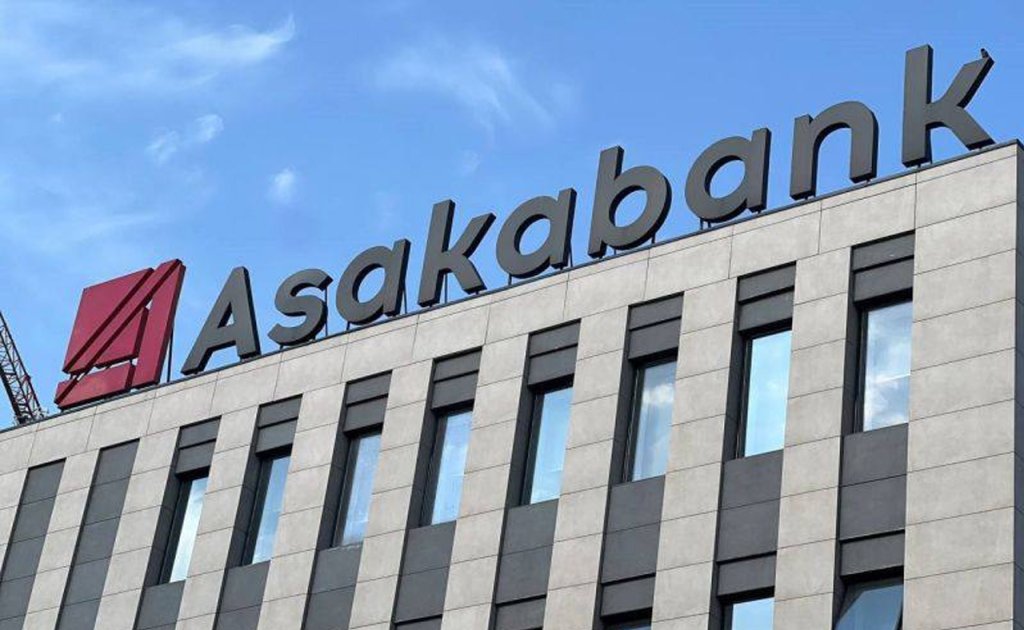
Uzbekistan fast-tracks Asakabank privatization with targeted asset transfers, capital injections, and strategic partnerships, signaling a pivotal reform in the state banking sector.

Tencent and institutional investors acquire 6 million Kaspi.kz shares, signaling confidence in the fintech’s growth and expanding its regional ecosystem.