North Korea Tests Multiple Rocket Systems, Signaling Military Modernization and Regional Tensions
Pyongyang’s recent tactical ballistic and cruise missile tests underscore its defense upgrade amid escalating regional security concerns.
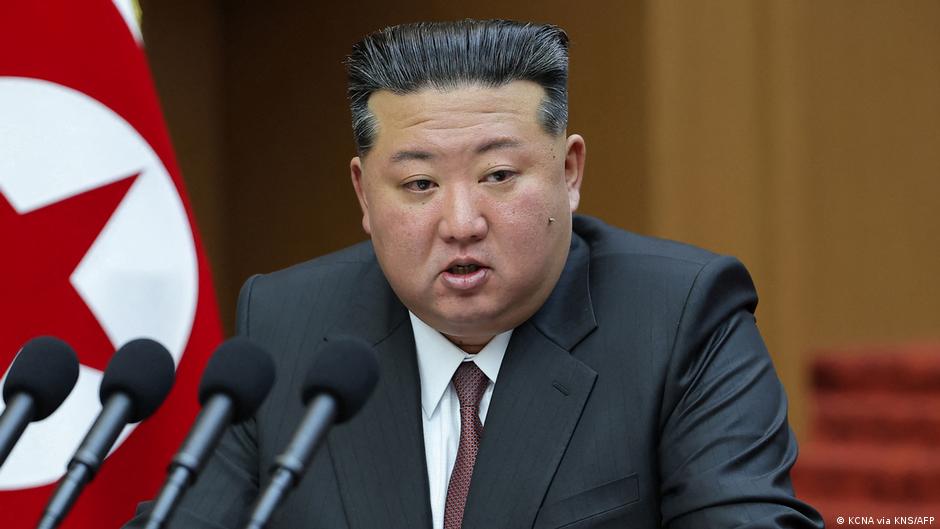
North Korea has conducted a series of tests involving tactical ballistic missiles, artillery rockets, and precision-guided cruise missiles, marking a significant step in its ongoing military modernization efforts. The launches, overseen by Supreme Leader Kim Jong Un, highlight Pyongyang’s commitment to enhancing its combat capabilities, with potential implications for regional stability and global security dynamics.
Strategic Military Advances and Their Broader Implications
The missile tests, reported on May 26 and confirmed by state media, were conducted in the North Pyongan province, near the city of Chonju, with projectiles fired towards the Yellow Sea. South Korean military authorities detected the launches, identifying them as involving short-range ballistic and artillery rockets. These developments form part of North Korea’s stated five-year plan to modernize its artillery and missile forces, aiming to strengthen its national defense capabilities.
Kim Jong Un expressed "great satisfaction" with the outcomes, describing the tests as a "clear signal" of military superiority and expanding combat potential.
Particularly noteworthy is the deployment of a tactical cruise missile equipped with advanced navigation systems, including terrain contour mapping and artificial intelligence guidance. This technology enables high-precision targeting within a 100-kilometer radius, suggesting a leap forward in Pyongyang’s strike accuracy and tactical versatility. The missile is reportedly intended for deployment within long-range artillery units positioned near the southern border, indicating a strategic focus on deterrence and battlefield readiness against South Korea.
From a macroeconomic perspective, these developments may exacerbate geopolitical tensions in East Asia, potentially triggering increased defense expenditures among neighboring countries and influencing global arms market dynamics. Heightened military activities could also impact regional trade flows and investor confidence, compounding existing challenges in supply chains and economic cooperation within the Asia-Pacific region.
Furthermore, the demonstration of sophisticated missile technology reflects broader trends in the militarization strategies of isolated regimes, where technological innovation is leveraged to offset conventional military disadvantages. Policymakers worldwide will need to consider these advances when formulating diplomatic and security responses, balancing deterrence with engagement to mitigate the risk of escalation.
In conclusion, North Korea’s recent missile tests are more than isolated military maneuvers; they represent a calculated push in defense modernization with significant ramifications for regional security architectures and global economic stability.