Germany and Poland Turn Defense Pact Into an Industrial Strategy
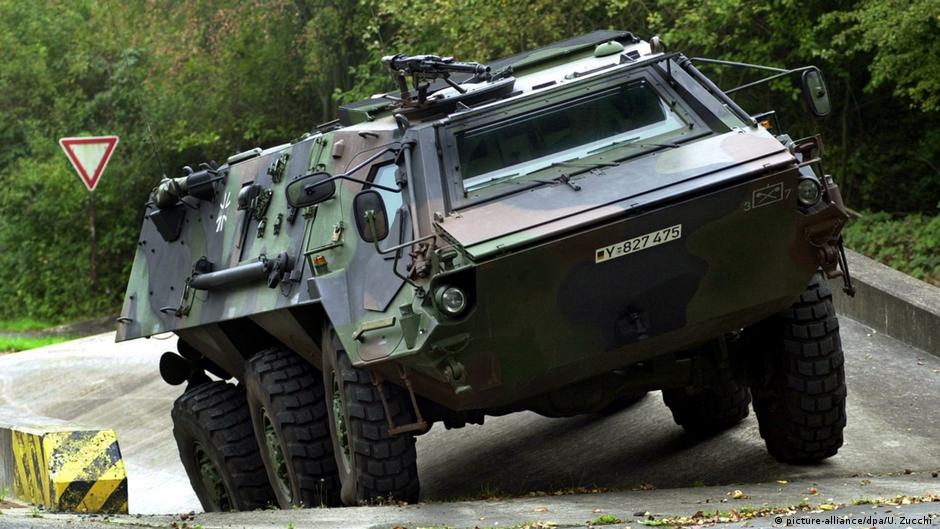
Germany and Poland are turning their defense pact into a program for military readiness, resilient supply chains and greater European industrial autonomy.

Germany and Poland are turning their defense pact into a program for military readiness, resilient supply chains and greater European industrial autonomy.

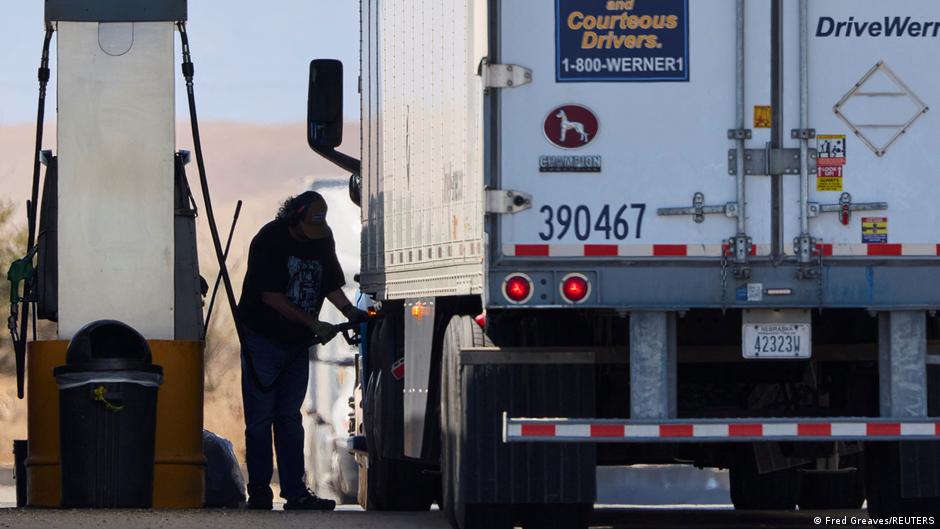
Washington is reviewing sanctions on Russia’s RDIF as proposed diesel shipments bring energy prices, investment ties and sanctions policy into the same negotiation.

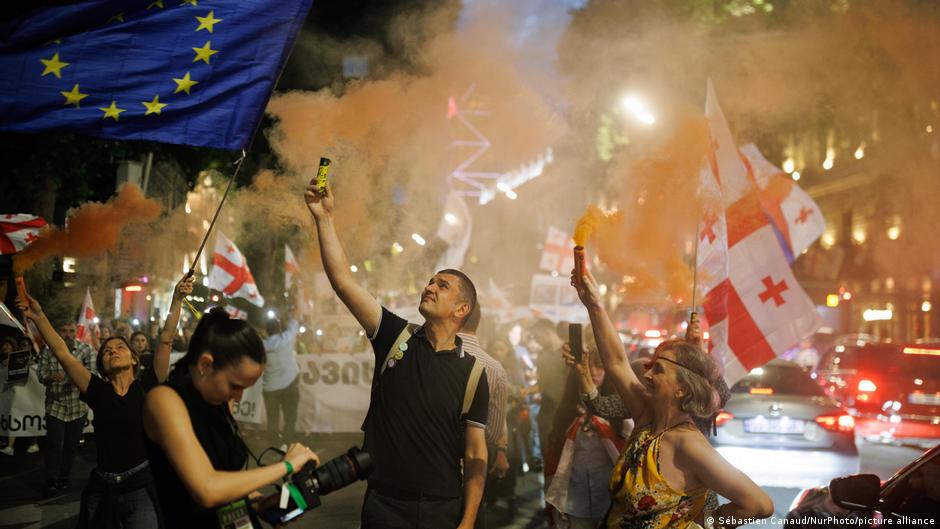
Renewed protests and a possible ban on opposition parties are deepening uncertainty over Georgia’s institutions and European economic trajectory.

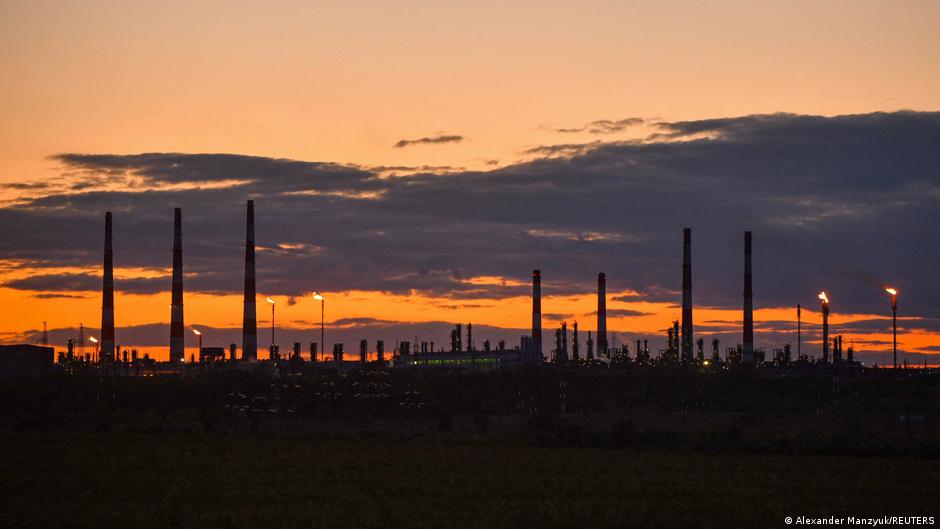
A reported US peace proposal linking renewed Russian gas sales to an end to the Ukraine war challenges Europe’s energy phaseout and security strategy.

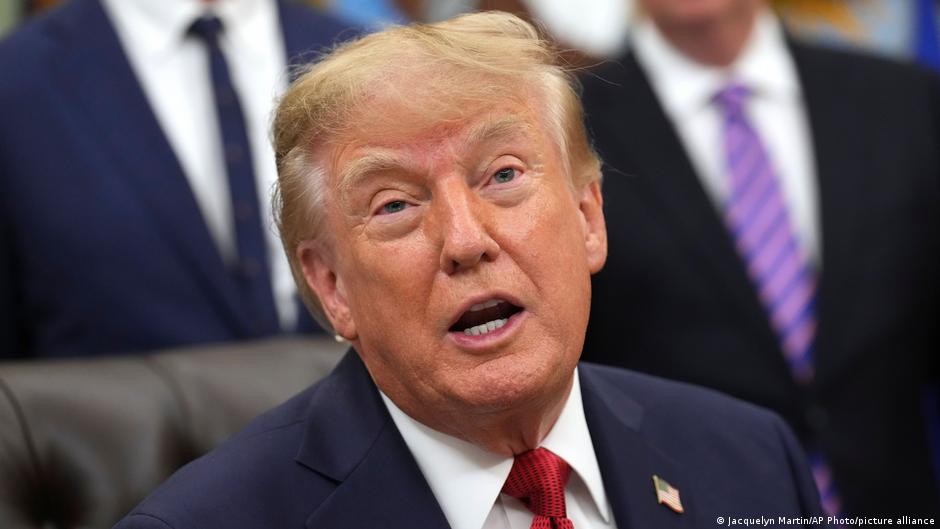
A bipartisan Senate group says Trump’s Russian diesel deal would offer little price relief while funding Moscow’s war effort.

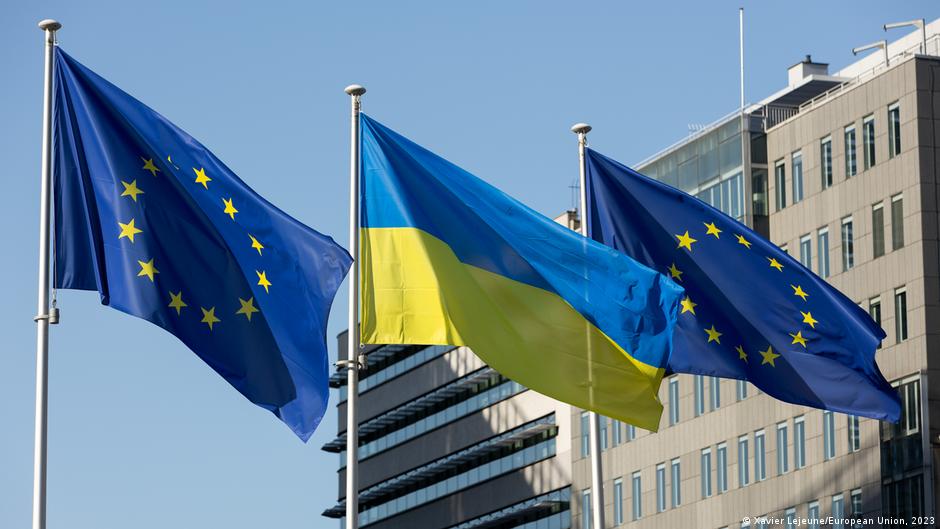
EU states agreed to open internal market and competitiveness accession clusters for Ukraine and Moldova, deepening economic integration talks.

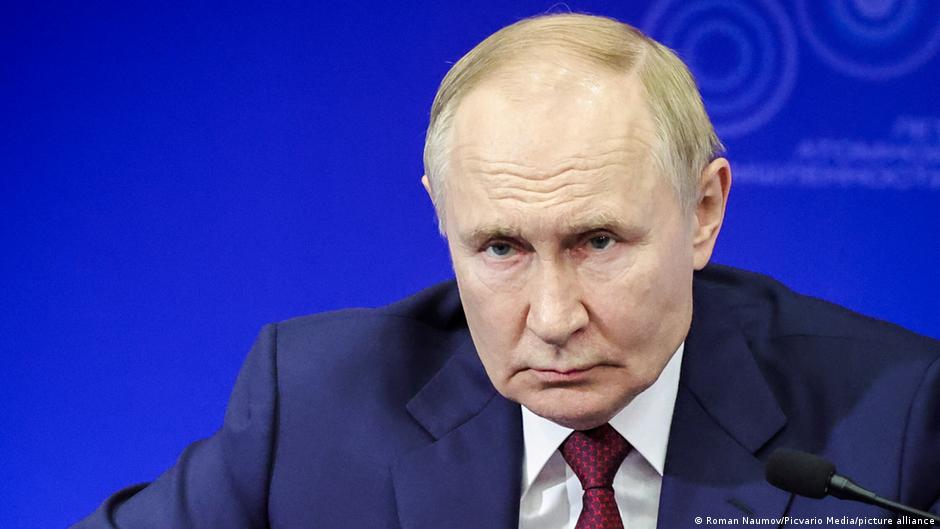
Putin’s Valdai speech sharpened nuclear rhetoric and blamed the West, reinforcing Europe’s long-term geopolitical and economic risk outlook.

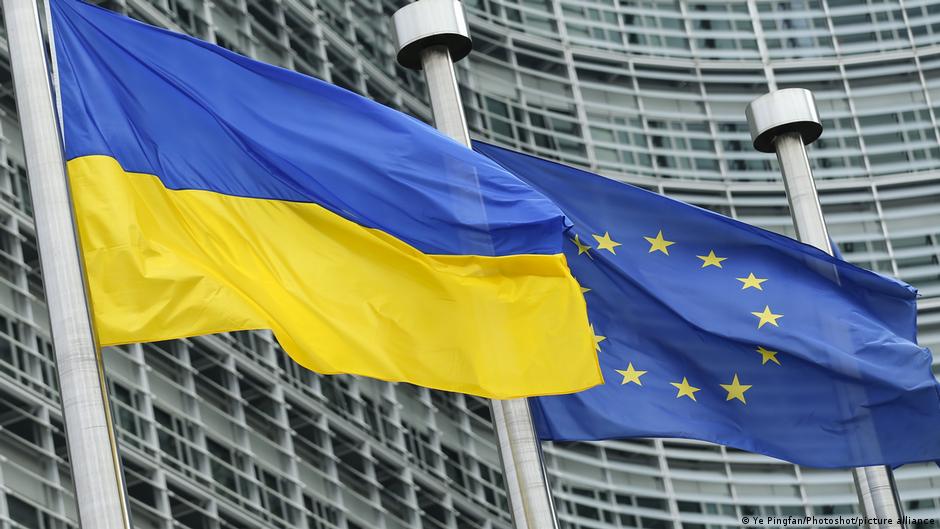
The EU declined to accelerate part of a €90 billion Ukraine loan, seeking wider partner support and reforms as Kyiv faces large funding gaps.

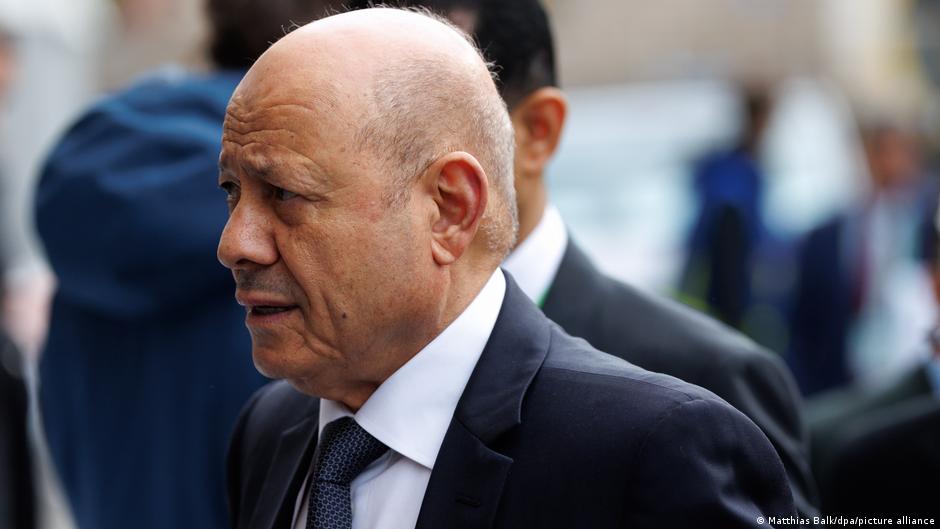
Yemen’s mobilization call underscores rising risks to energy flows, Red Sea trade routes and Gulf export stability as Houthi forces advance.

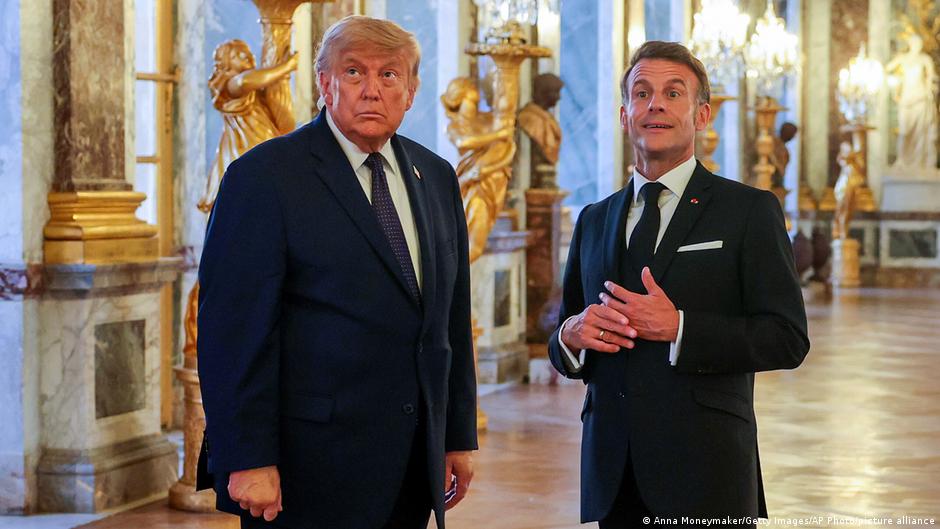
Macron and Trump discussed a moratorium on strikes against Ukraine’s energy and civilian infrastructure and stronger air defenses for Kyiv.

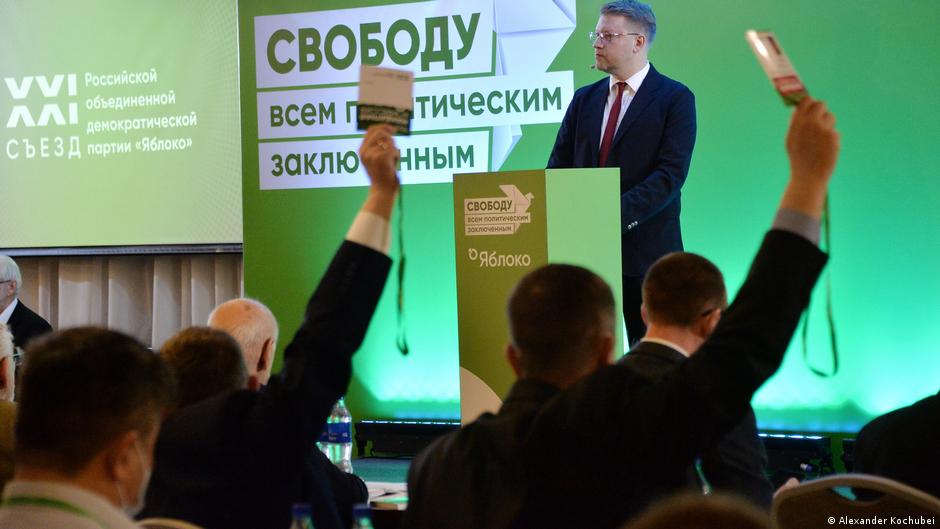
Yabloko’s Novgorod result preserves a formal route into future State Duma elections, with broader implications for Russian political risk.

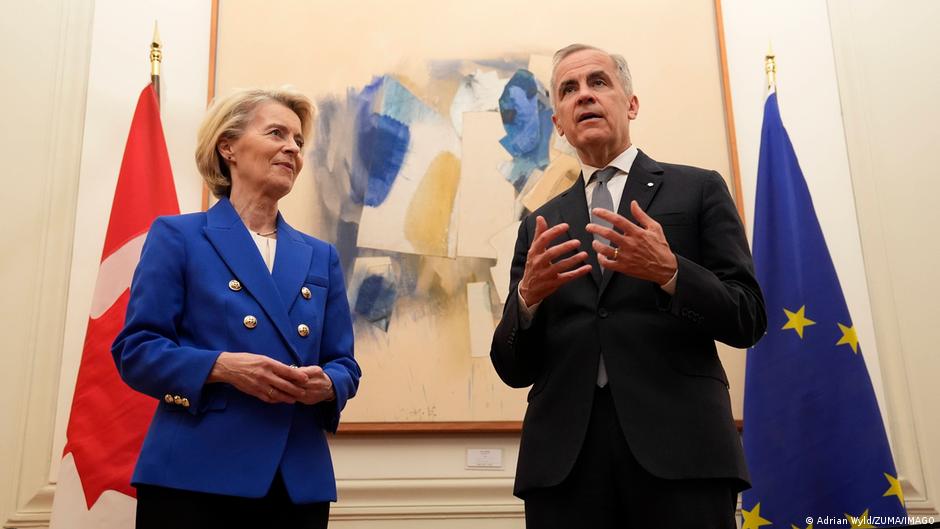
Canada is in talks to join the EU’s €90 billion Ukraine loan as Ottawa seeks deeper ties with Europe and less dependence on the United States.

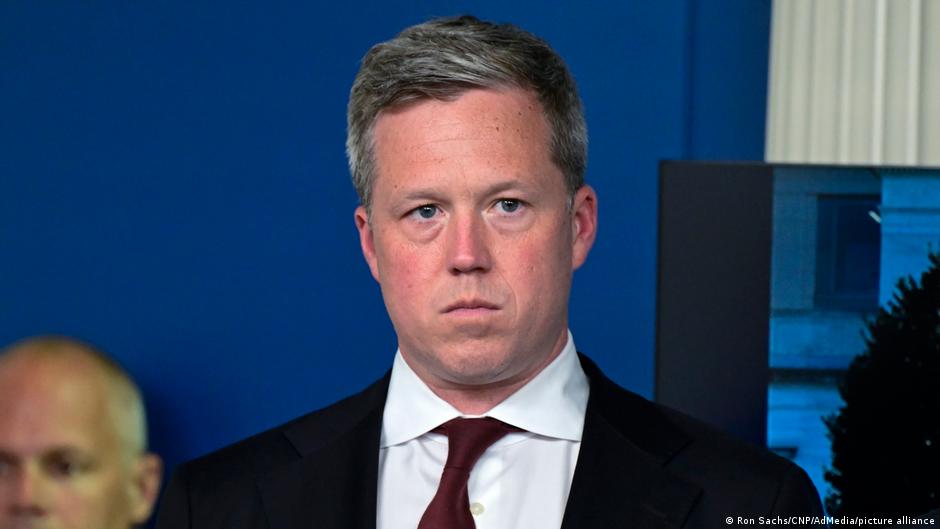
Daniel Driscoll’s reported resignation adds to Pentagon turnover and raises questions over U.S. defense policy, procurement priorities and wider economic effects.

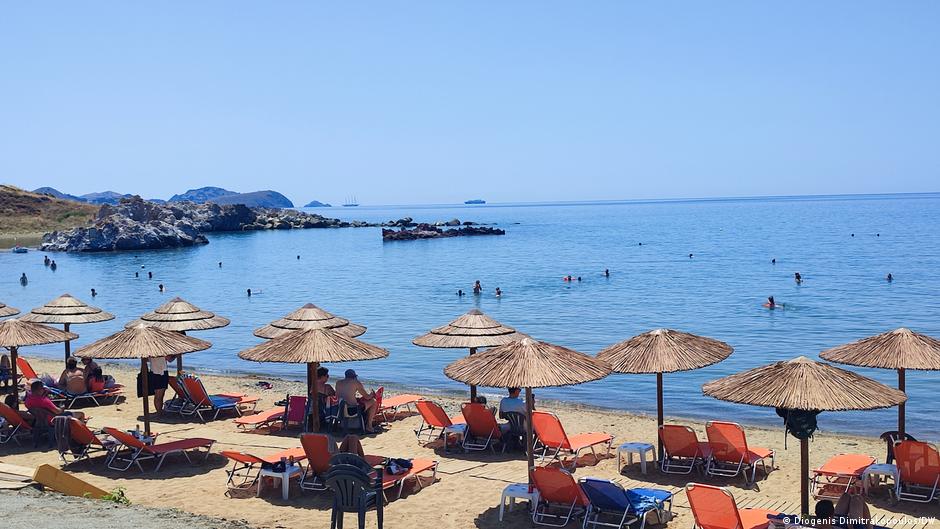
Greece's substantial increase in Schengen visa refusals to Russians highlights EU security-driven policy shifts, affecting Russian travel and European tourism economies.

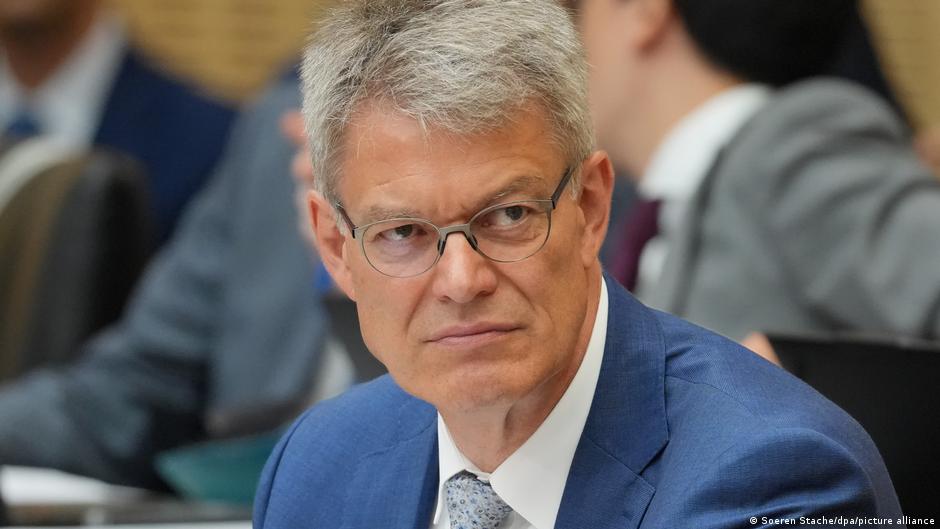
German Transport Minister Patrick Schnieder resigns amid political tensions; Chancellor Friedrich Merz to nominate Steffen Bilger as successor amid critical transport sector challenges.

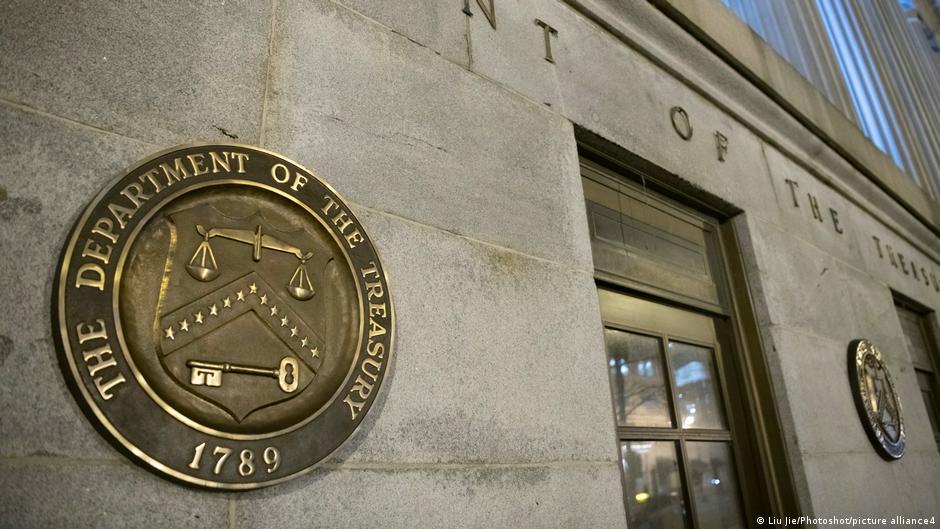
The US removes sanctions on Miami-based Bel-Kap-Steel amid Belarus's release of political prisoners, signaling shifts in economic diplomacy and regional market dynamics.

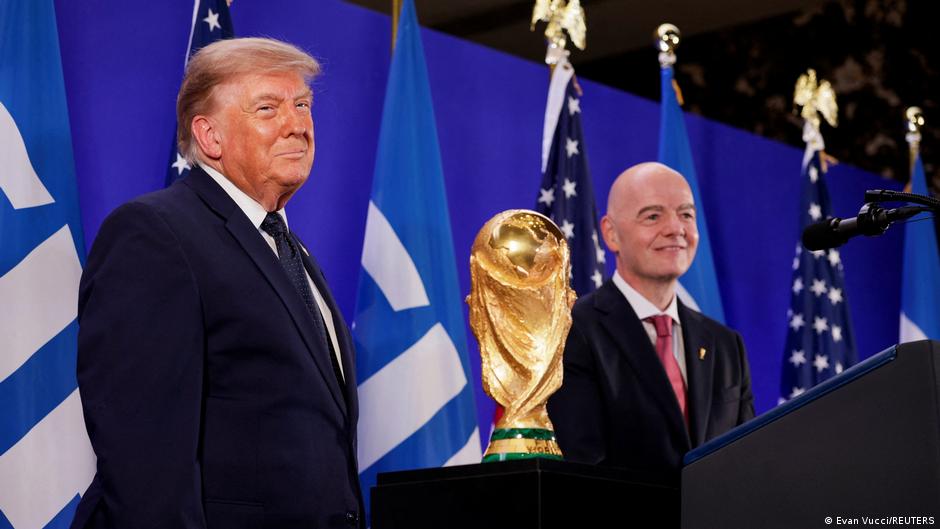
Donald Trump proposes the US host the next FIFA World Cup independently or with China, excluding Canada and Mexico, reflecting shifts in global sports diplomacy and economic strategy.

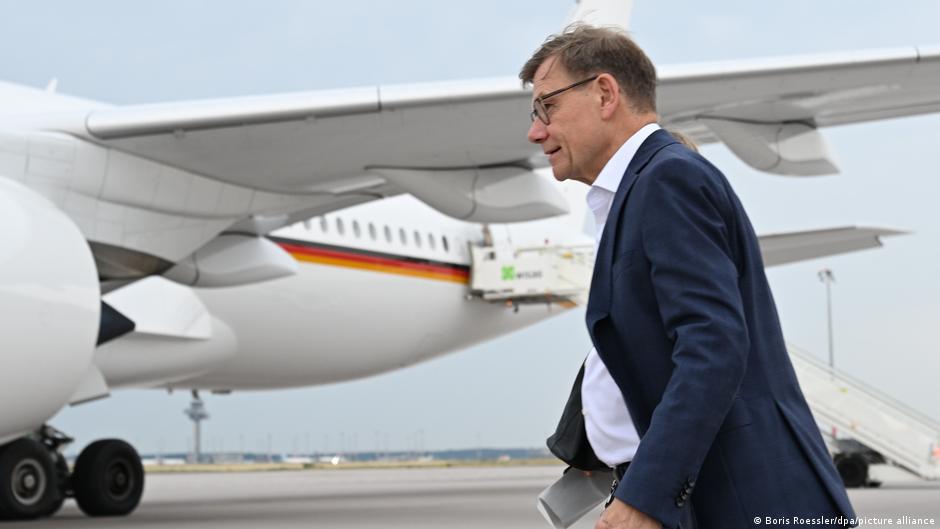
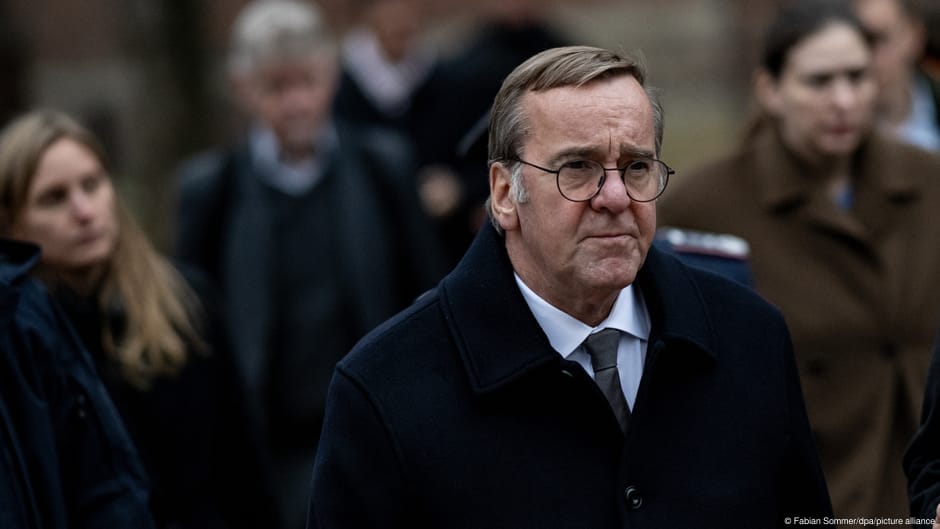
German and US foreign ministers reaffirmed their indispensable partnership amid global economic instability and discussed NATO burden-sharing and support for Ukraine.

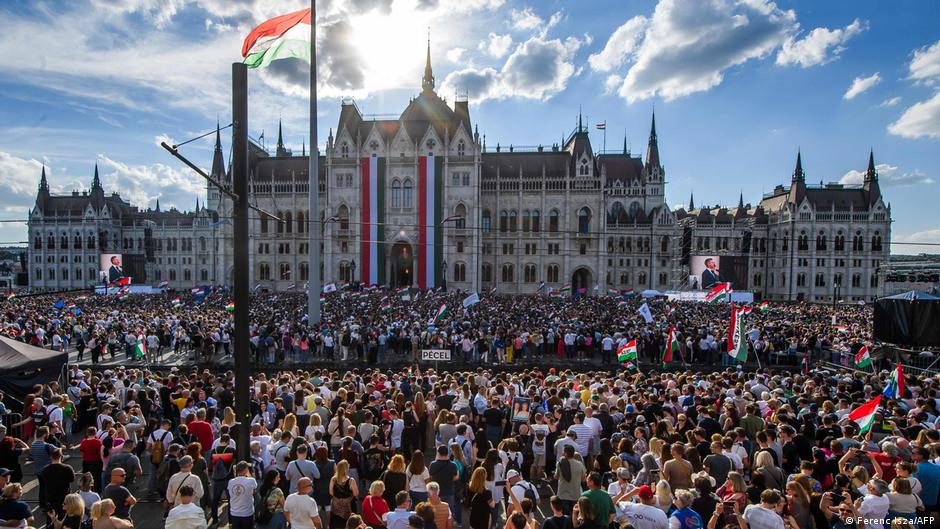
Hungary’s Parliament limits prime ministerial terms to two four-year periods, barring Viktor Orban’s return and signaling a shift in political and economic governance.

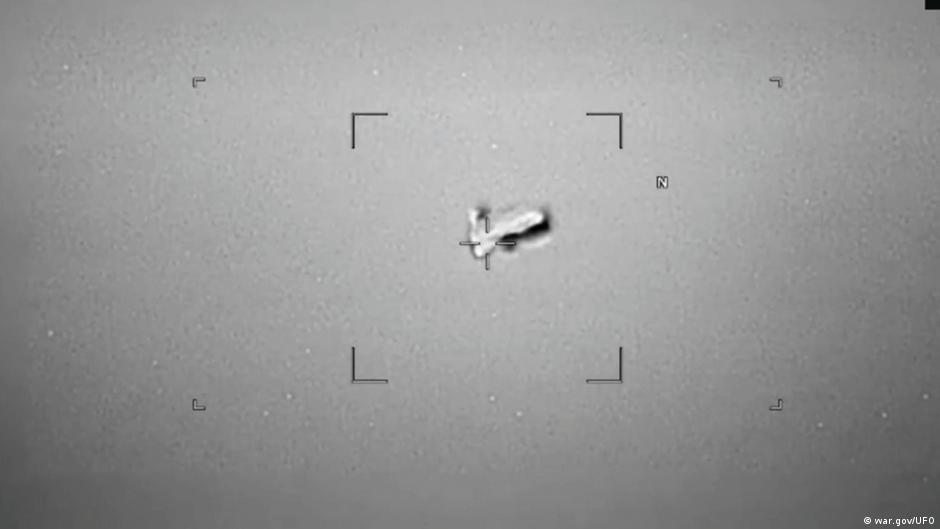
The US Department of Defense has begun releasing declassified UFO files, highlighting transparency efforts with significant implications for global policy and economic strategy.

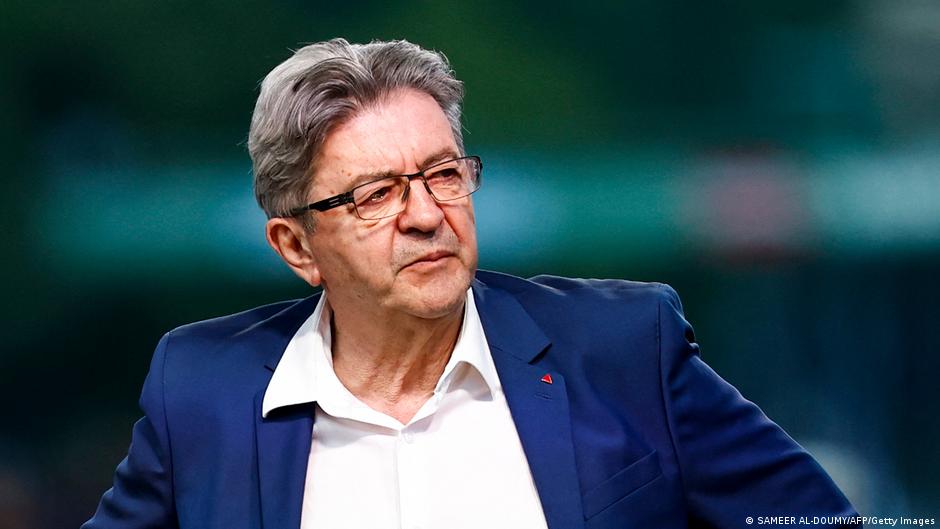
Jean-Luc Mélenchon confirms his run for France's 2027 presidency, highlighting a pivotal far-left challenge amid a political landscape reshaped by Macron's exit.

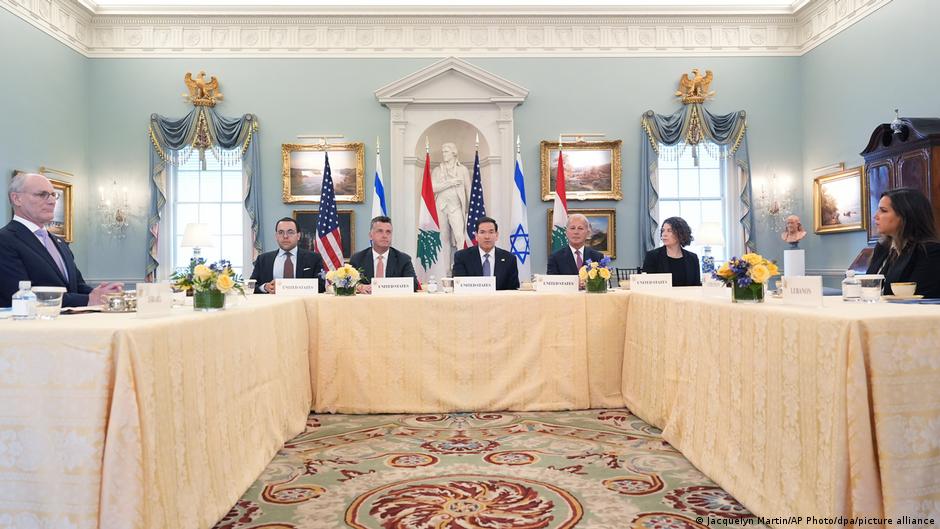
The US announces a three-week extension of the Israel-Lebanon ceasefire, marking historic diplomatic progress with potential long-term regional stability and economic benefits.

Germany authorized millions in arms exports to Israel during the US-Israel conflict with Iran, revealing complex export policies amid geopolitical tensions and partial embargoes.