Putin’s Nuclear Warning Signals Rising Geopolitical Risk for Europe
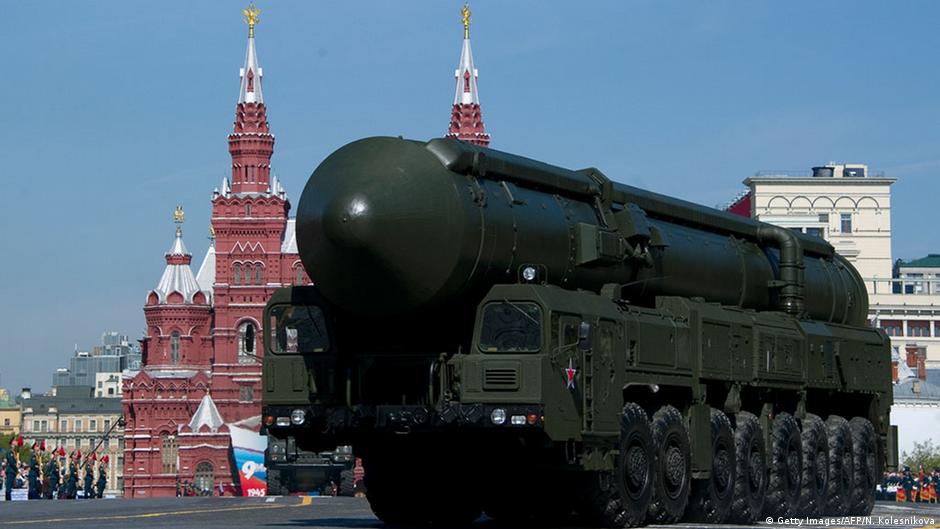
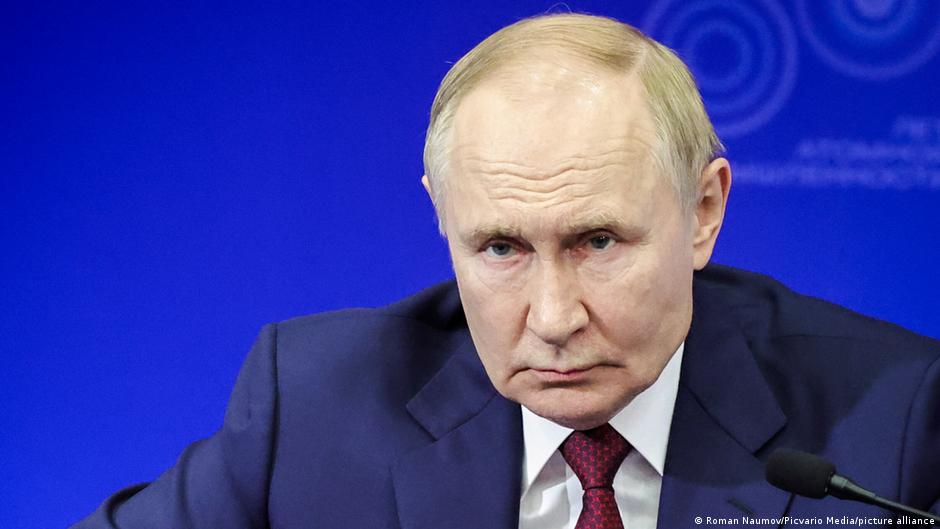
Putin’s Valdai speech sharpened nuclear rhetoric and blamed the West, reinforcing Europe’s long-term geopolitical and economic risk outlook.

Putin’s Valdai speech sharpened nuclear rhetoric and blamed the West, reinforcing Europe’s long-term geopolitical and economic risk outlook.

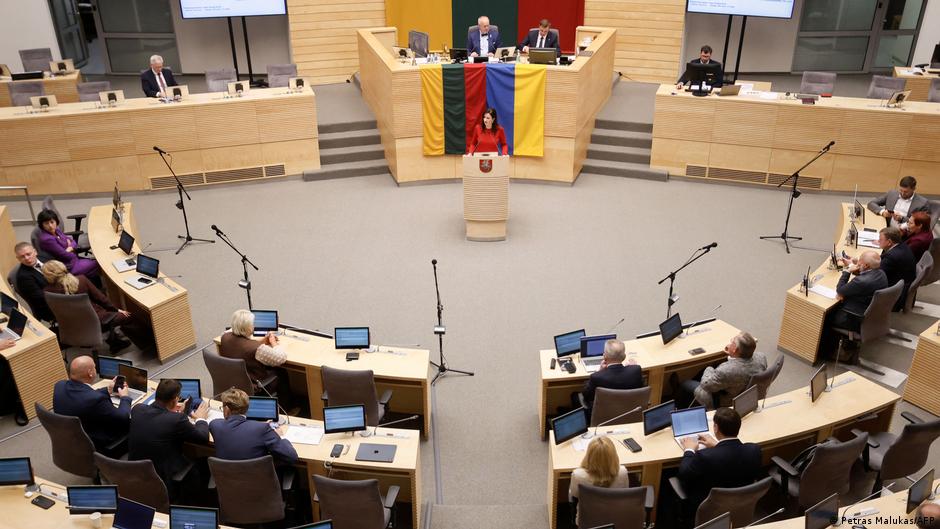
Lithuania’s planned property curbs signal how security policy is reshaping real estate, residency and foreign capital rules in Europe’s east.

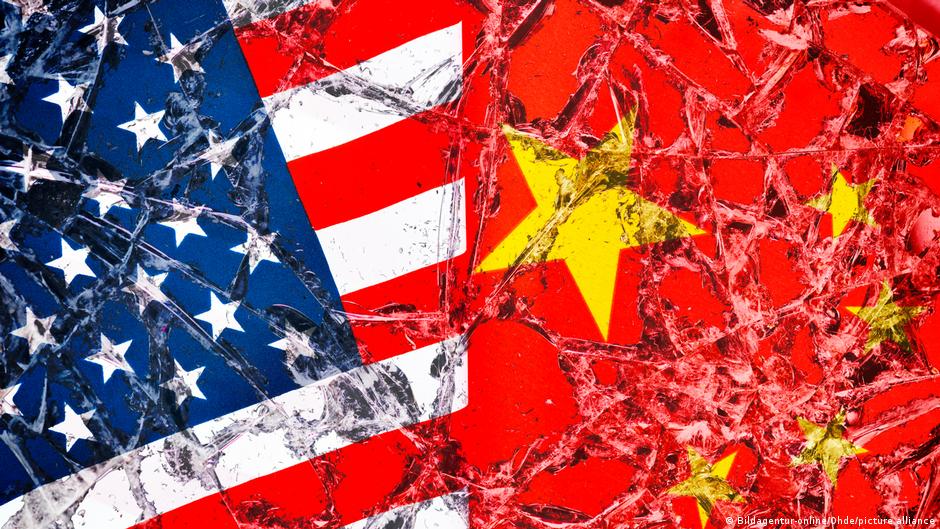
China warned the U.S. against preparing for space warfare after Washington confirmed orbital weapons with offensive and defensive uses.

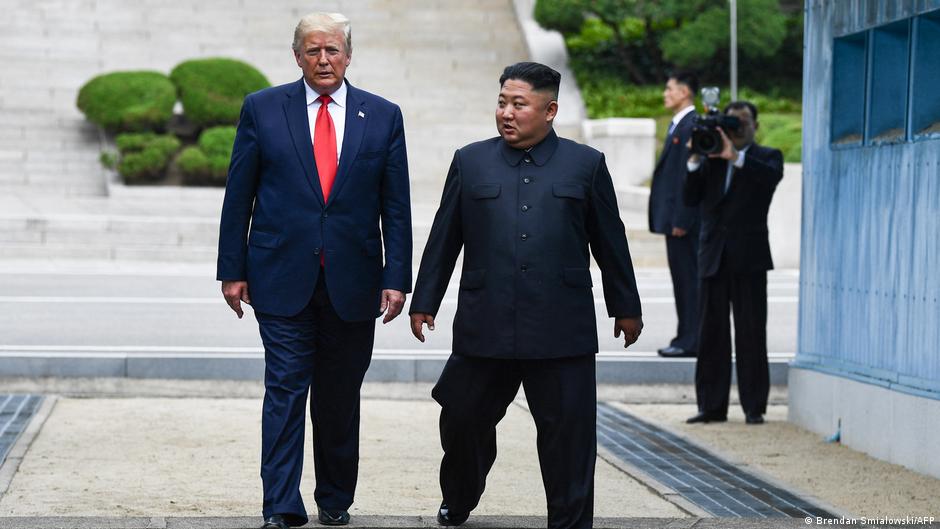
President Trump plans to meet Kim Jong Un during November's APEC summit to revive stalled nuclear negotiations, with significant implications for regional security and global economic stability.

NATO is contemplating deployment of tactical nuclear weapons in Finland, Poland, and Lithuania, marking a strategic shift amid rising security tensions with Russia.

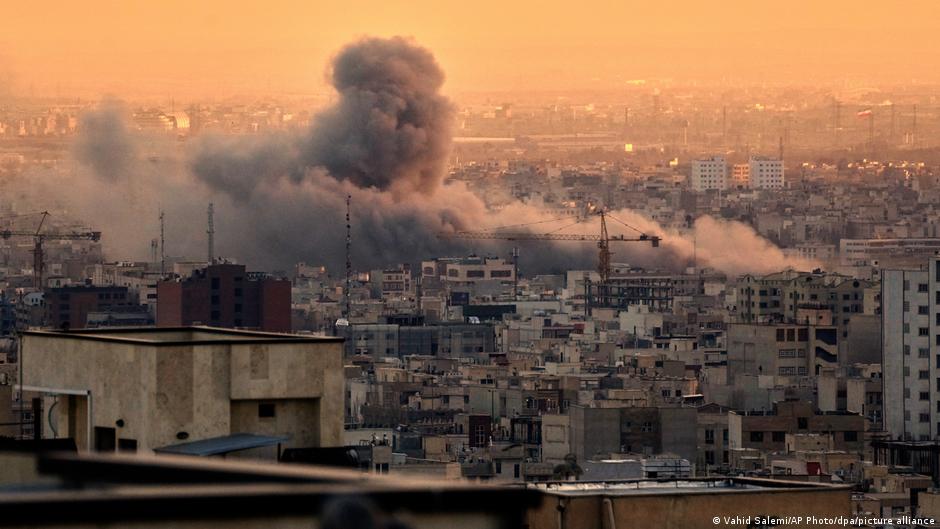
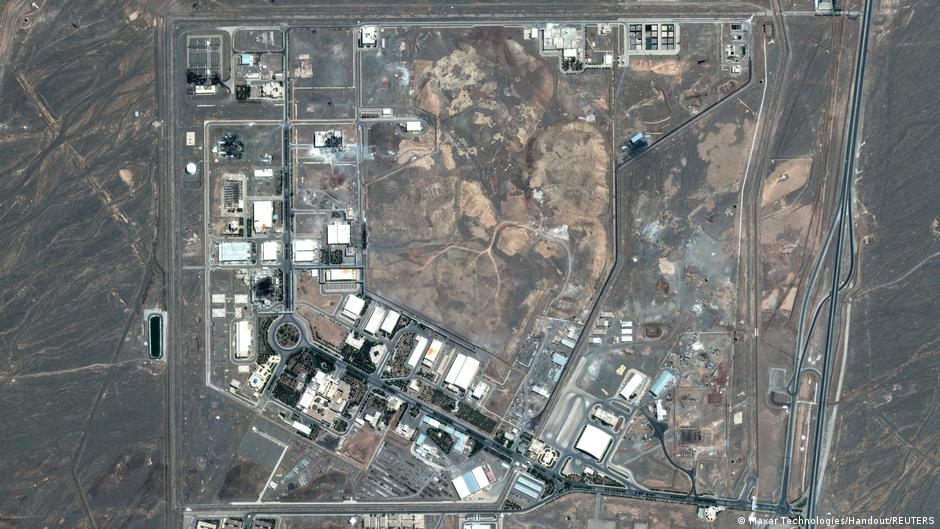
US military casualties in the Iran conflict have risen to 17, accompanied by increased US military deployments and retaliatory strikes, impacting global economic and security dynamics.

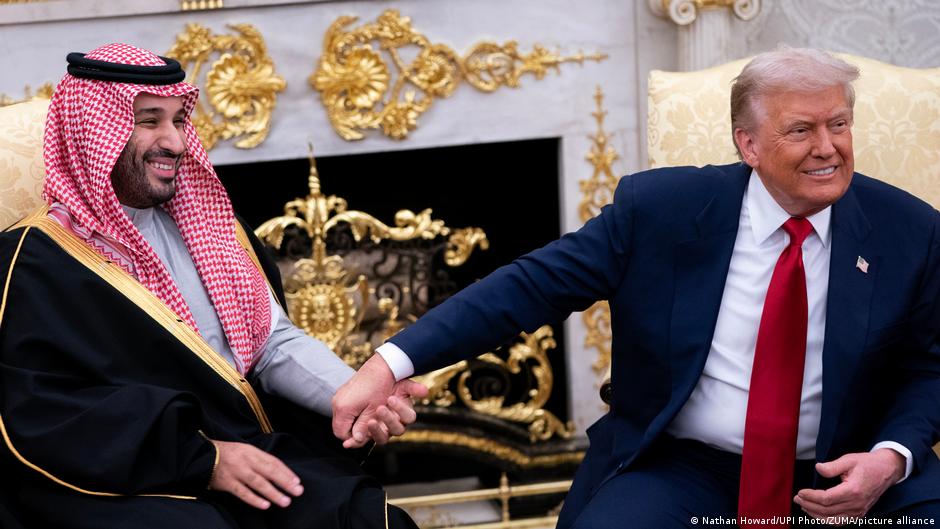
The US administration is poised to allow Saudi Arabia to enrich uranium without enhanced IAEA safeguards, raising concerns over nuclear proliferation and regional stability.

Finland amends its atomic energy law to lift the ban on nuclear weapons import, aligning with NATO membership and reshaping regional security dynamics.

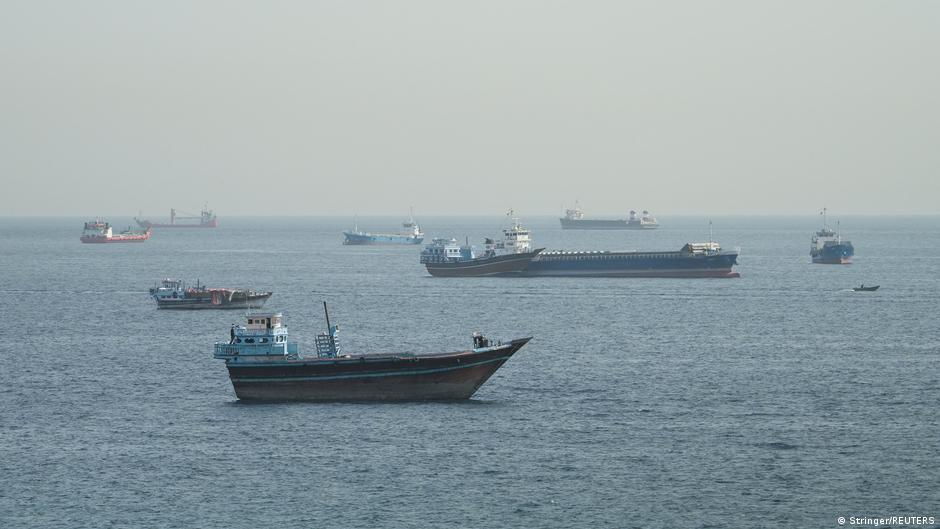
The US ends its blockade of the Strait of Hormuz under Trump’s directive, opening a 60-day negotiation period with Iran and easing tensions in global oil markets.

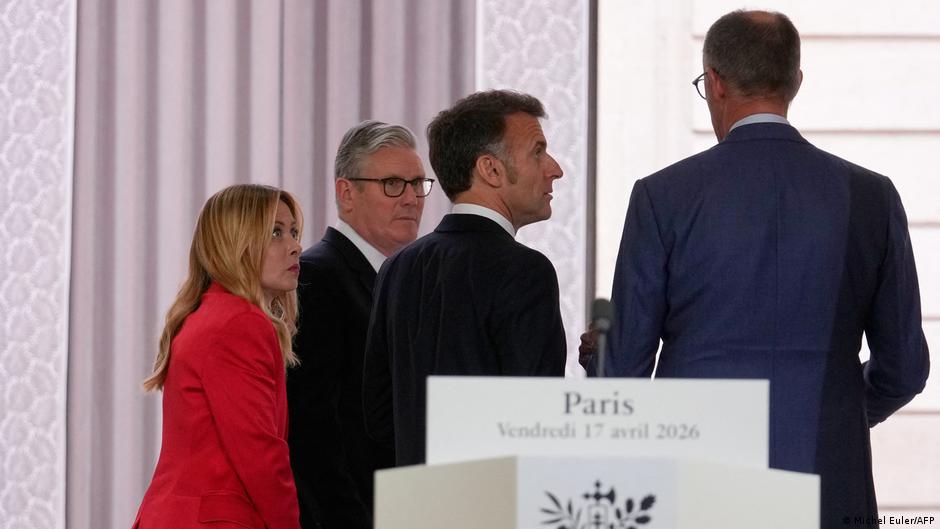
France, Germany, UK, and Italy endorse the US-Iran agreement as a vital step toward regional peace and global economic stability, stressing the need to prevent Iran’s nuclear armament.

Israel and Iran exchanged air and missile strikes amid US efforts to broker a peace deal, raising the stakes for regional security and global economic stability.

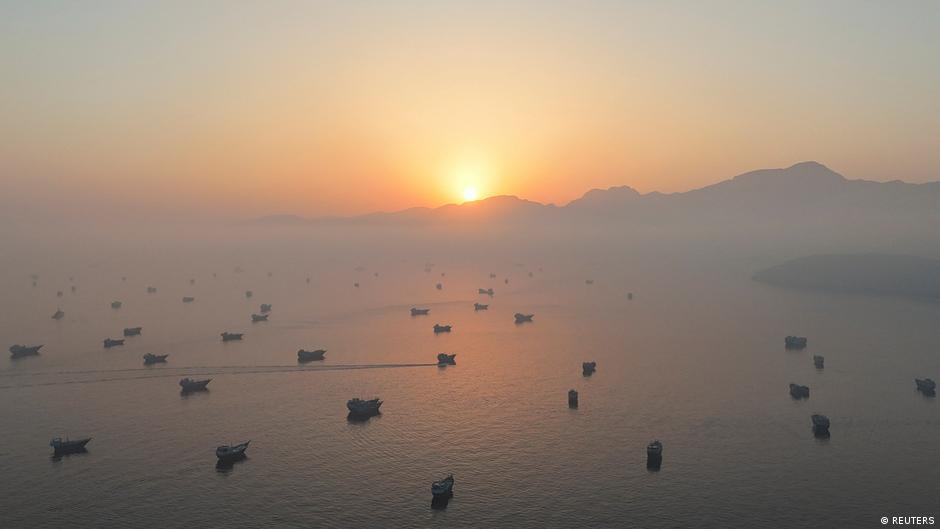
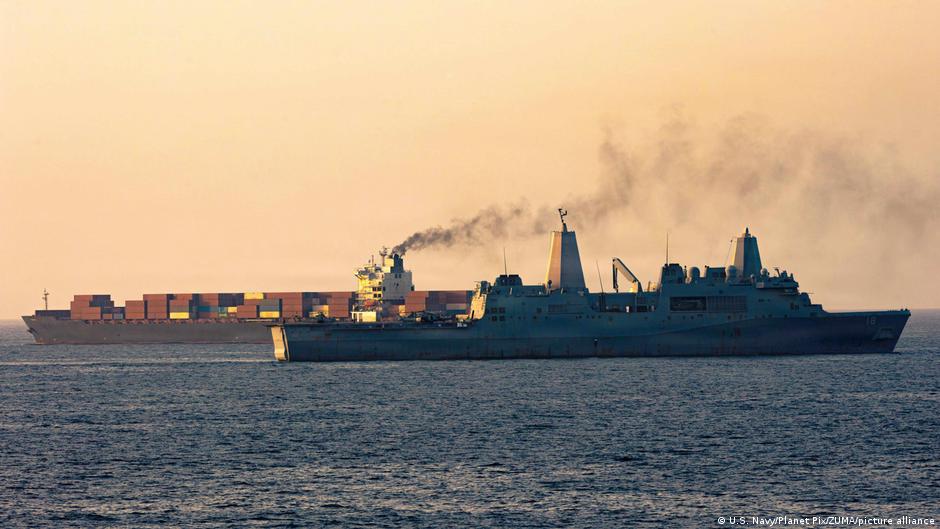
The US has covertly aided around 70 commercial ships navigating Iran-blocked Strait of Hormuz, reflecting heightened geopolitical tensions and risks to global energy supplies.

The US military disabled a Gambian-flagged ship heading to Iran, enforcing a Strait of Hormuz blockade amid escalating regional tensions and impacting global trade routes.

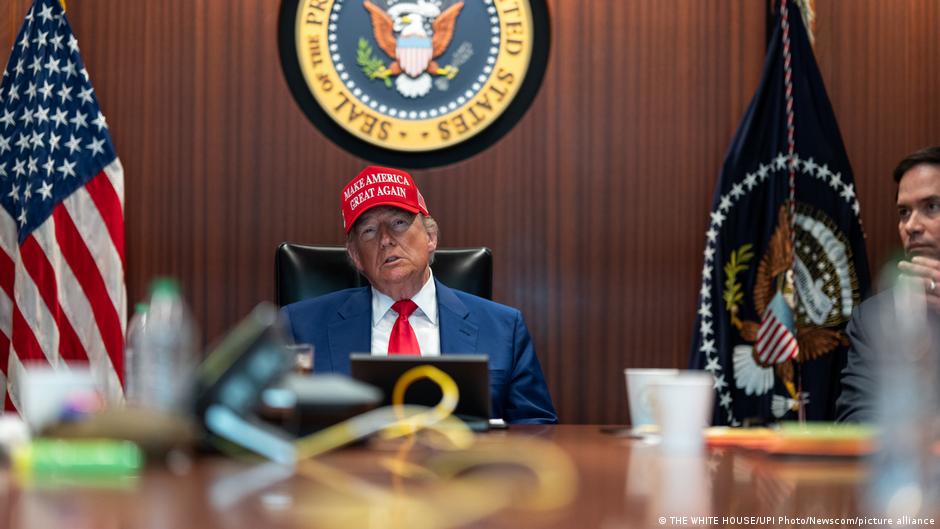
US President Trump insists on strict conditions, including Iran's nuclear non-proliferation, before agreeing to any deal, with Tehran maintaining cautious ongoing communications.

Trump demands Iran's enriched uranium stocks be destroyed in the U.S. or under IAEA supervision, intensifying nuclear tensions with global economic implications.

NATO intelligence indicates Russia is developing seabed-launched nuclear missiles, potentially reshaping global nuclear deterrence and strategic stability.

The US has postponed a planned military strike on Iran following appeals from Gulf leaders, initiating complex negotiations with far-reaching geopolitical and economic consequences.

US and Iran are reportedly close to a deal to end their conflict, with Iran agreeing to halt nuclear weapon development and negotiations set to address sanctions and regional security.

Iran’s missile and drone attacks on the UAE challenge the US-Iran ceasefire, raising risks for regional stability and global energy security.