Germany Reroutes Lithuania Tank Deployment to Limit Russia Tensions
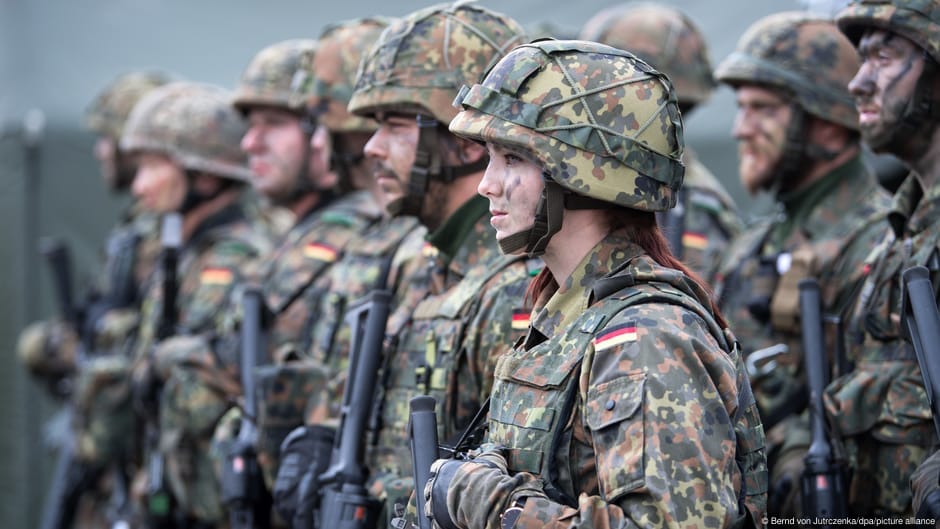
Germany will move tanks to Lithuania by rail instead of driving through Poland, testing military mobility while seeking to limit escalation risks with Russia.

Germany will move tanks to Lithuania by rail instead of driving through Poland, testing military mobility while seeking to limit escalation risks with Russia.

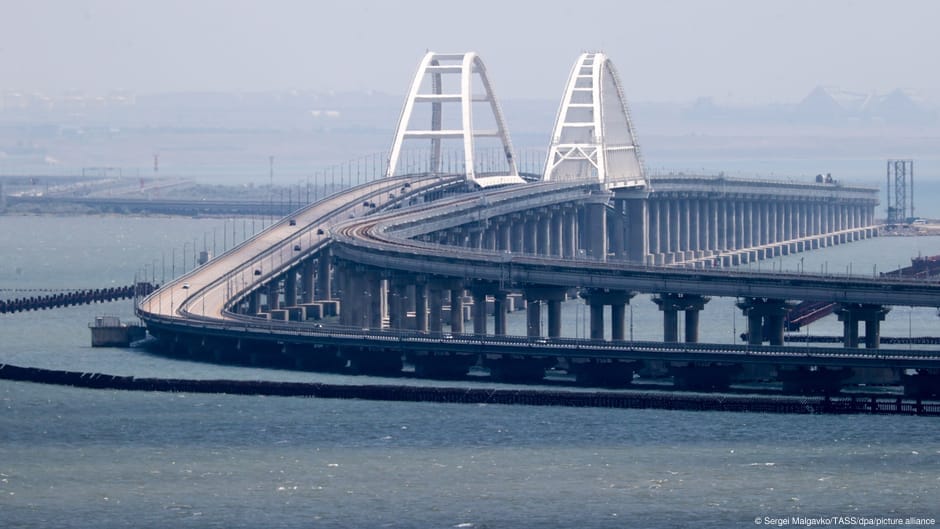
Strikes on bridges in Kyiv and the Kerch Strait highlight mounting risks to transport networks, public services, logistics and reconstruction budgets.

A four-hour US departure ban exposed the risks of aging air traffic systems as officials sought $50 billion in additional modernization funding.

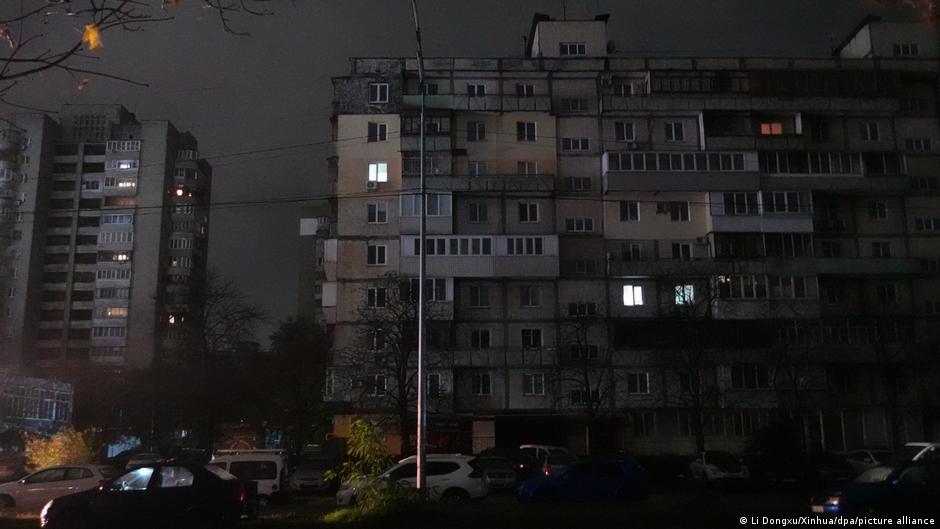
The dispute over Kyiv’s outages reveals how grid damage and strained coordination could magnify the economic costs of Russia’s attacks on Ukrainian energy infrastructure.

Germany plans an extra €100 million for Ukrainian infrastructure as attacks deepen energy losses and raise the long-term cost of economic recovery.

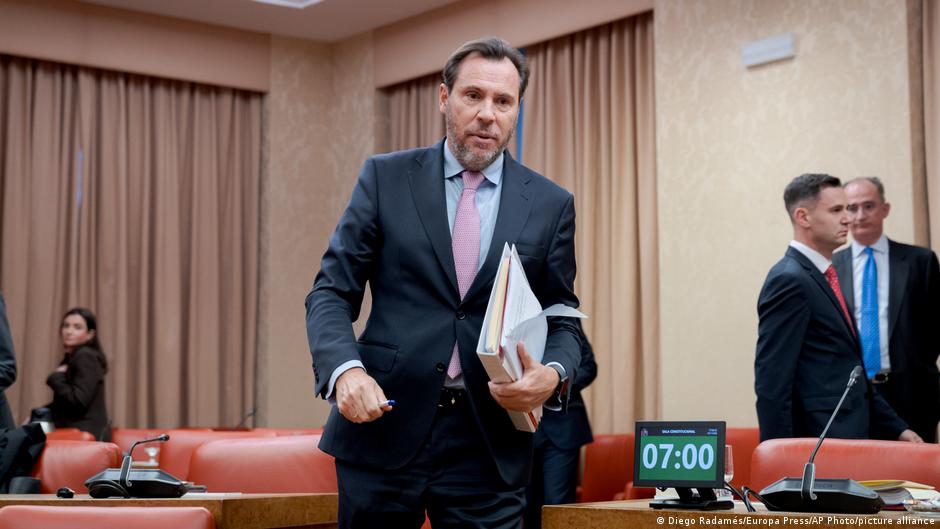
Óscar Puente’s resignation after the Toledo rail disaster puts Spain’s infrastructure governance, safety investment and transport resilience under sharper scrutiny.

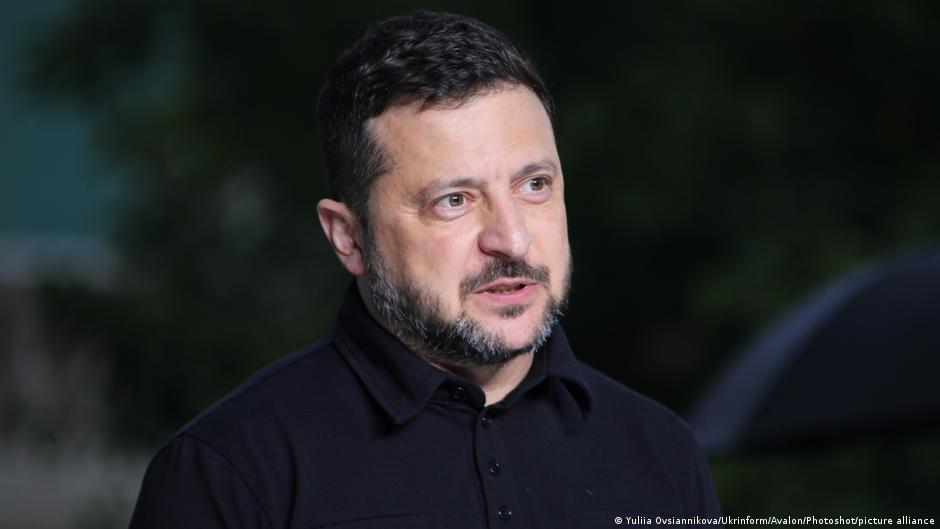
Zelensky warned that easing Russian diesel export limits without de-escalation would strengthen Moscow and risk prolonging the war.

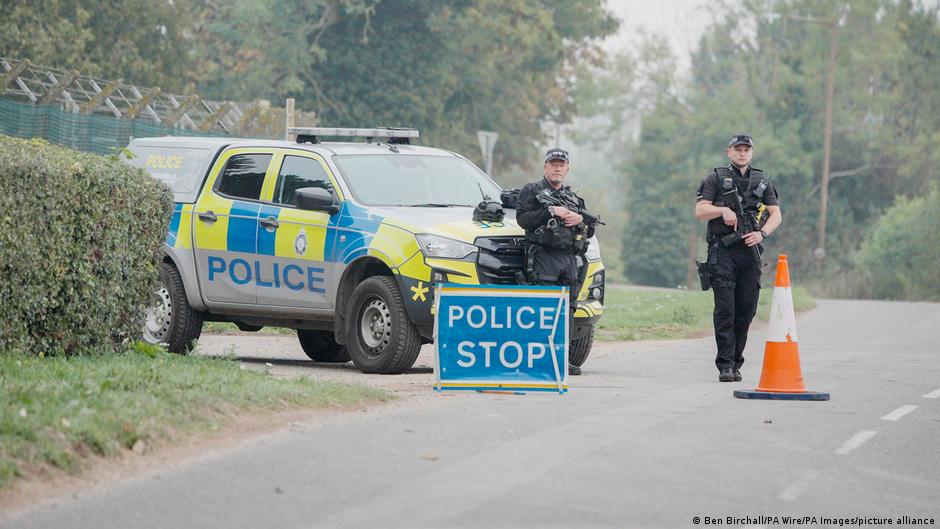
Two Latvian citizens were detained after entering RAF Molesworth, raising wider questions about UK military-site security and resilience costs.

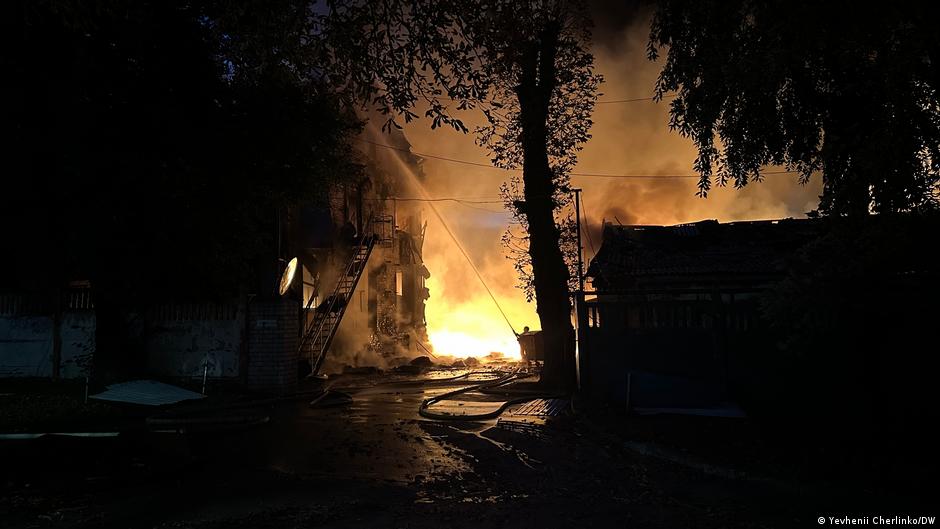
Russian drone strikes killed at least three civilians in Zaporizhzhia and hit port and civilian infrastructure in Odesa region.

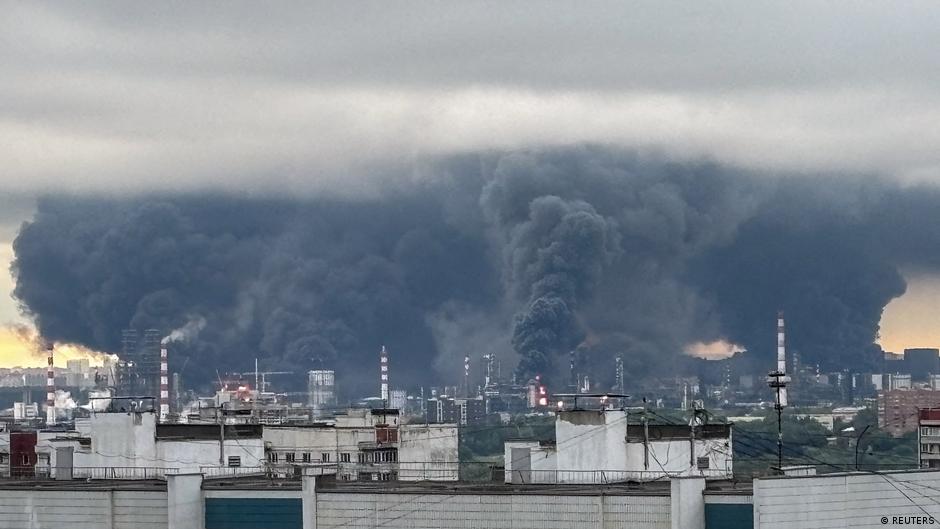
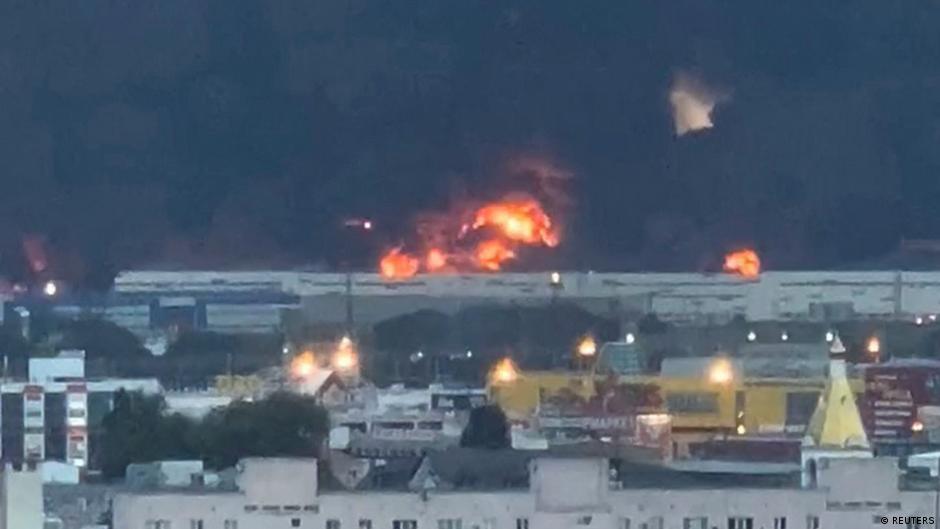
A large reported drone attack near Moscow killed two people, damaged sites including a refinery area, and briefly halted three airports.

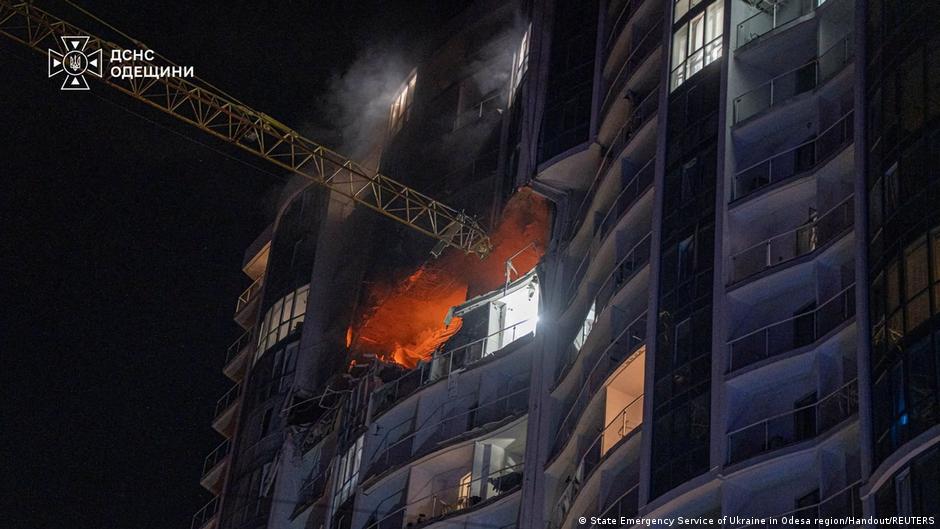
Russian attacks damaged logistics, housing, warehouses and energy infrastructure in Ukraine, injuring two people in the Odesa region.

Russia is expected at G20 energy talks in Houston as governments weigh energy security, sanctions and Red Sea risks.

Germany is preparing a broad anti-sabotage shield against Russian hybrid threats, with new drone defenses, cyber monitoring and roles for critical infrastructure firms.

Ukraine’s anti-corruption agencies searched the Prosecutor General’s Office in a probe tied to fraudulent call centers and alleged official protection.

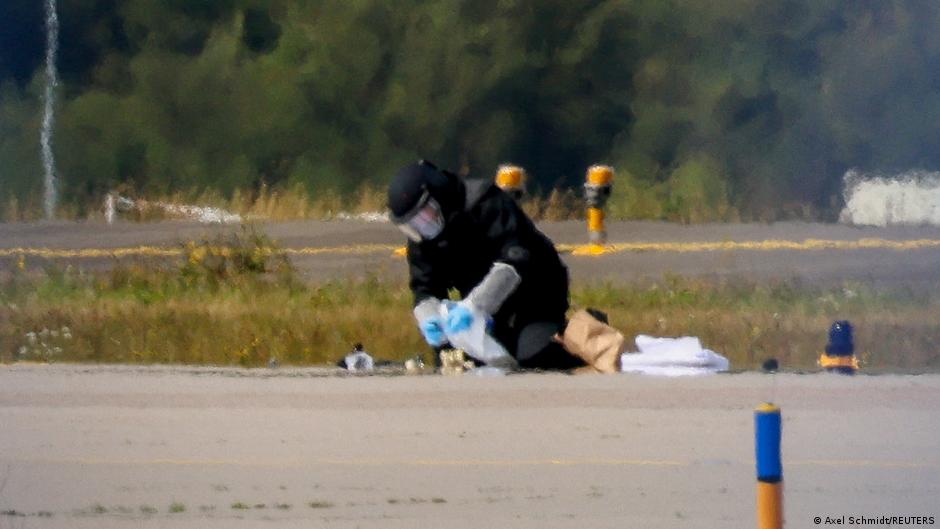
Latvia says a suspect in the Leipzig sabotage case had lived in Russia, as the incident drives wider EU security, sanctions and border-policy responses.

Drone strikes on Ozon logistics centers in Krasnodar and Stavropol caused fires, casualties, and supply chain disruptions, exposing vulnerabilities in critical Russian infrastructure.

Finland summoned the Russian ambassador after an Il-20 aircraft briefly entered its airspace, highlighting regional security tensions with potential economic ramifications.

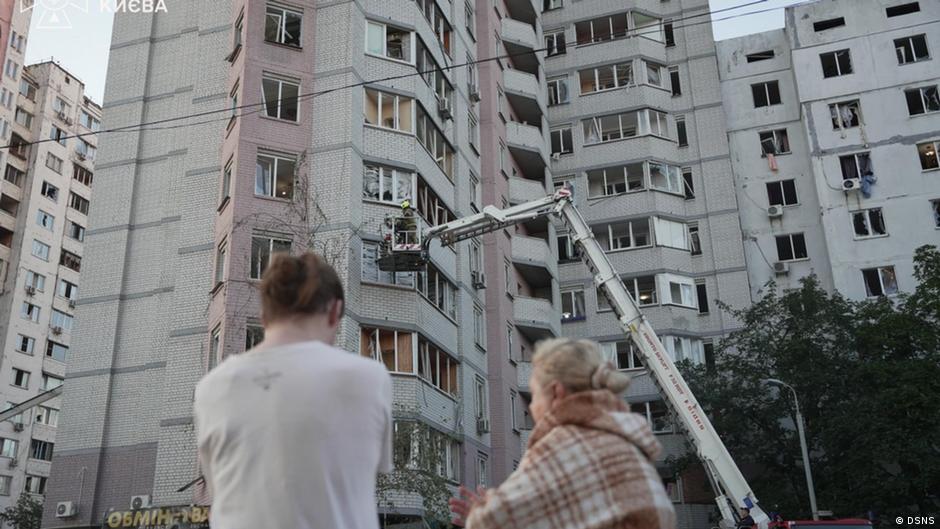
Russian forces attacked Kyiv and Kryvyi Rih with missiles and drones, causing casualties and damage to critical infrastructure, highlighting growing economic and geopolitical risks.

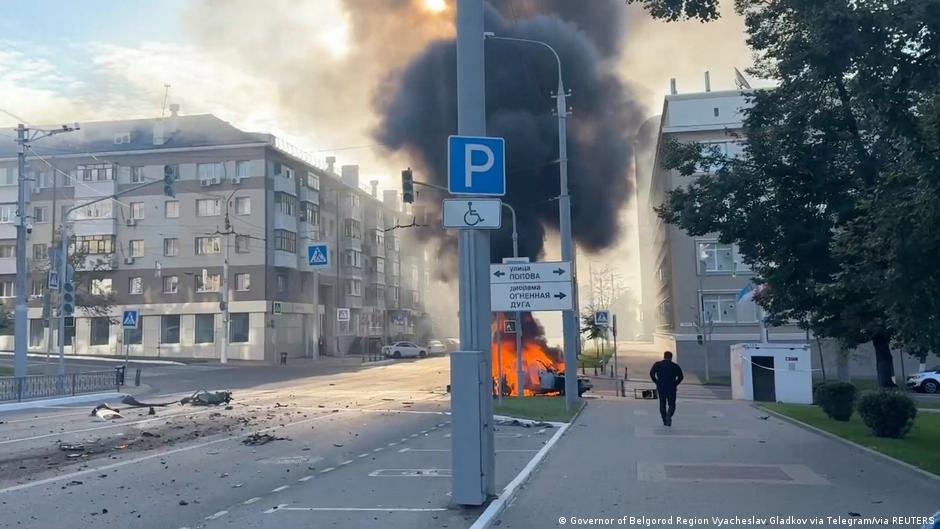
Drone attacks on the Russian border city Belgorod caused injuries and significant damage to residential and energy infrastructure, raising concerns about regional stability and economic impacts.

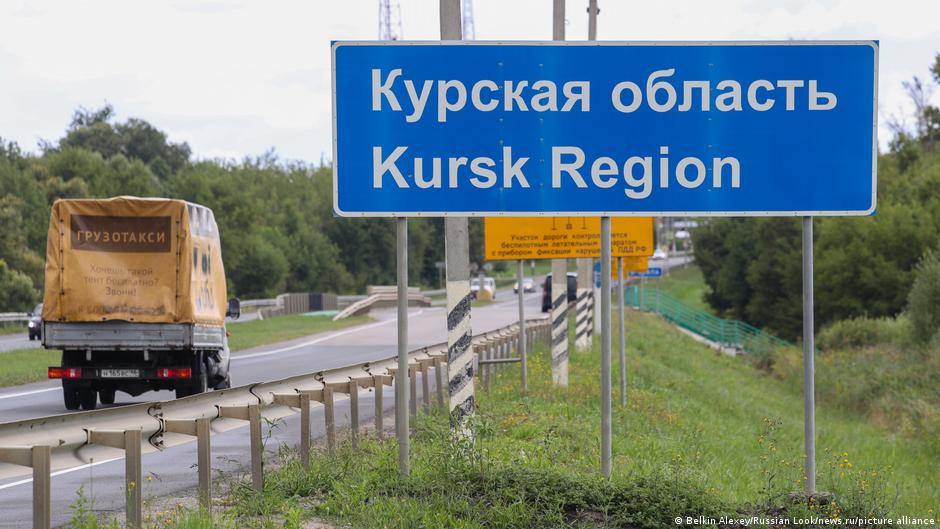
Drone attacks in Russia's Kursk and Belgorod regions caused casualties and triggered heightened security measures, raising concerns over potential economic disruptions.

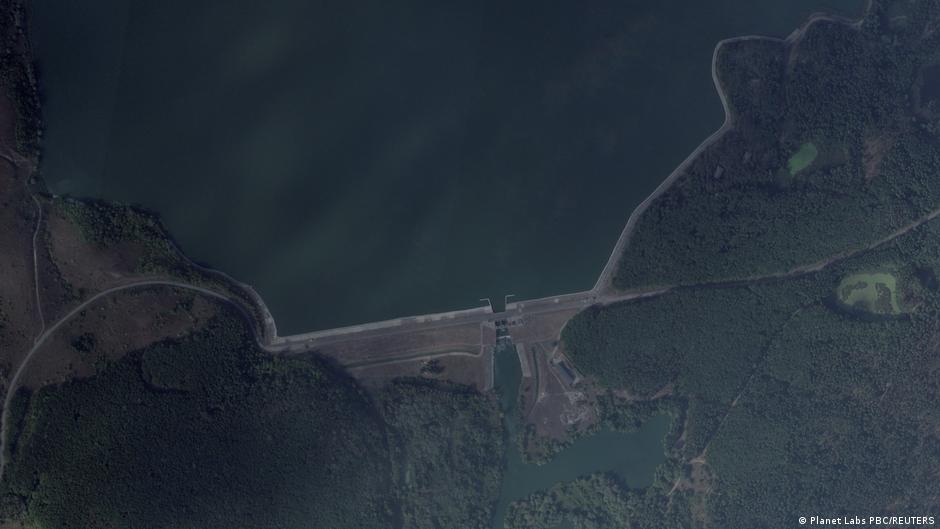
The Belgorod Reservoir has drastically depleted after Ukrainian strikes on its dam, raising concerns about regional water security and economic impacts.

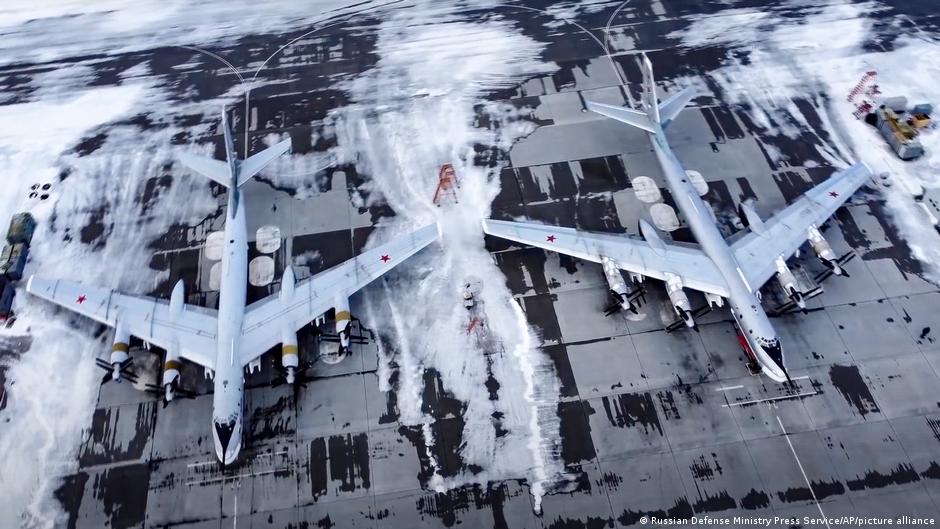
Drone strikes on Russian cities Belgorod, Rostov-on-Don, and Engels highlight increasing security risks and potential economic disruptions to critical infrastructure.

G7 leaders have announced new sanctions targeting Russian oil and gas exports and pledged increased military support for Ukraine, signaling a strategic shift with significant global economic implications.

Slovakia will block the EU's 20th sanctions package on Russia until oil supply via the Druzhba pipeline through Ukraine is restored, highlighting regional energy tensions.