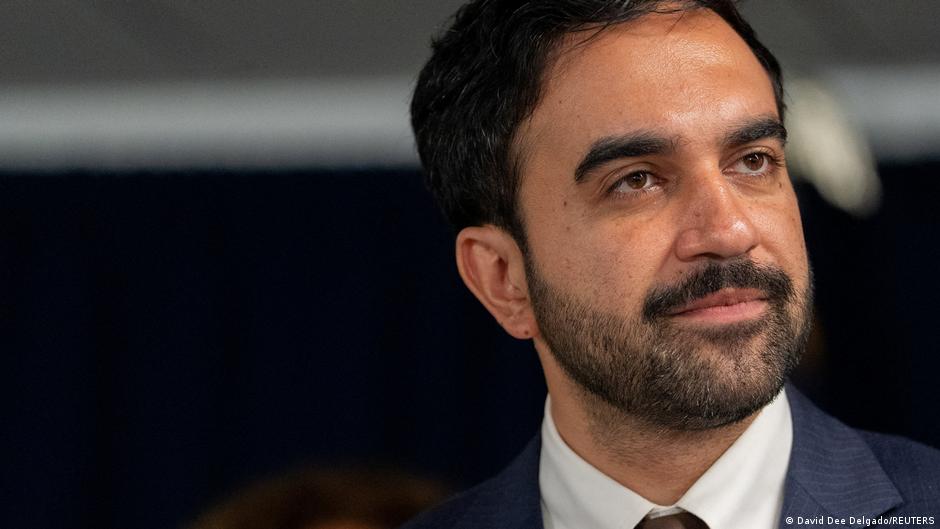
New York Mayor Mamdani Raises Hate-Crime Budget in Antisemitism Plan
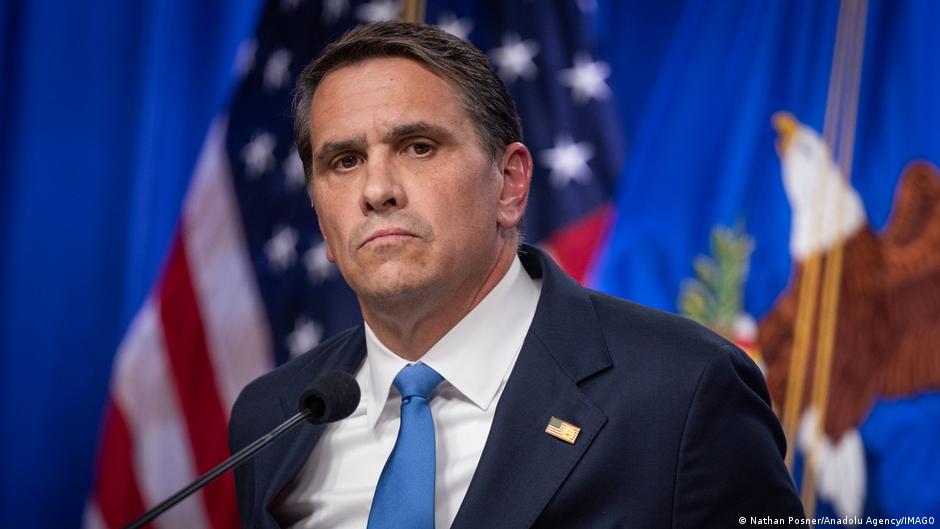
New York Mayor Zohran Mamdani unveiled a $29 million hate-crime strategy focused on antisemitism, synagogue security and Jewish institutions.

New York Mayor Zohran Mamdani unveiled a $29 million hate-crime strategy focused on antisemitism, synagogue security and Jewish institutions.

A White House AI agreement gives leading developers a central role in safety oversight while leaving open future regulation.

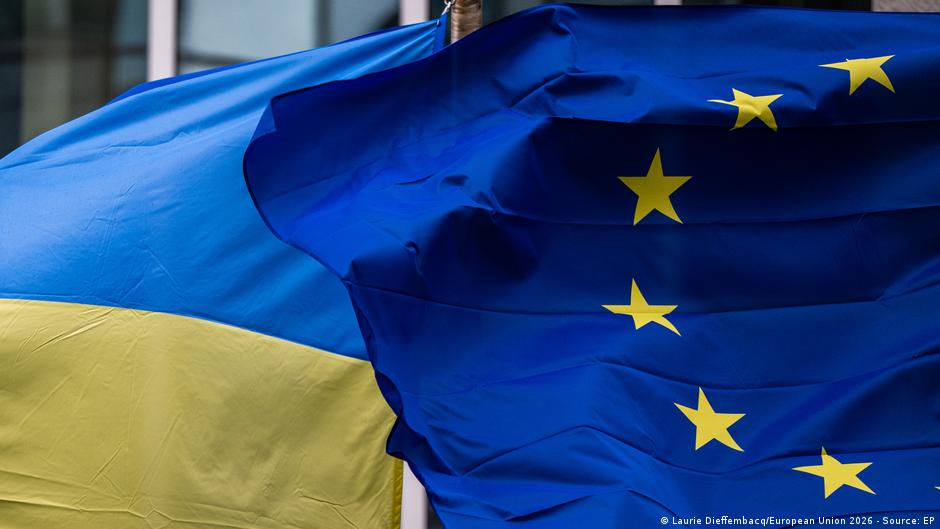
The EU’s new €710 million aid package links humanitarian relief with migration management, regional stability and long-term fiscal risk.

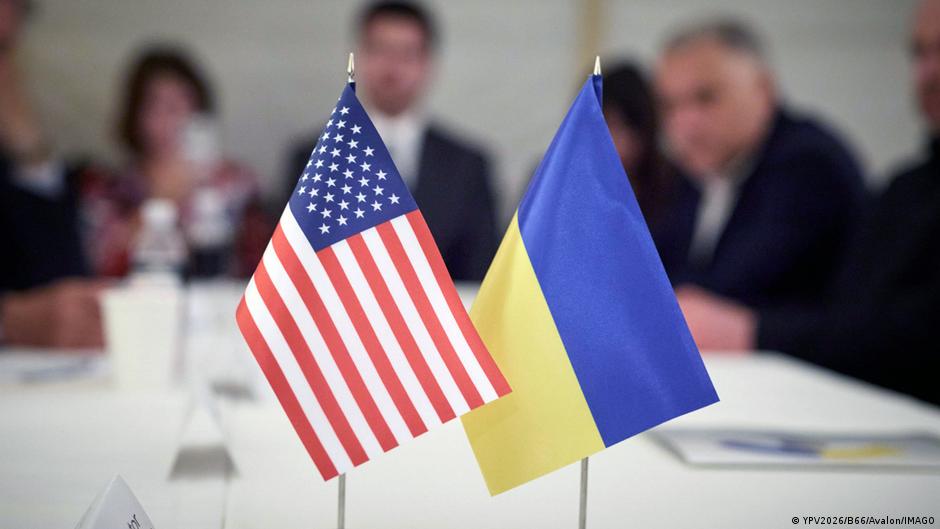
Kyiv denied that Trump proposed Moscow talks for Zelensky as U.S. diplomacy focuses on energy strikes and rising diesel prices.

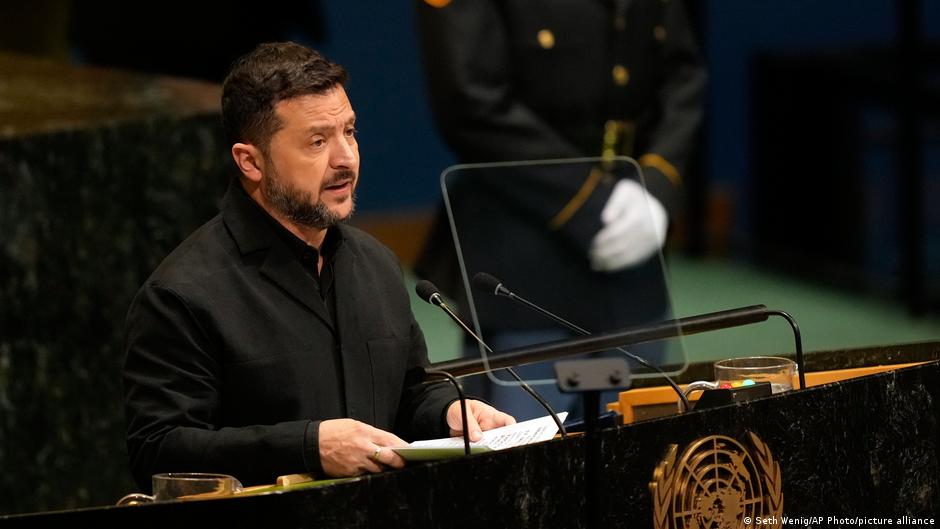
Zelenskyy used his UN address to link Russia’s war to energy revenues, global instability, AI risks and the long-term economic costs of conflict.

Russia says it will not pause operations for Ukraine talks, even as Washington offers to support ceasefire efforts and keeps channels open.

U.S.-Iran talks in New York may reopen diplomacy on sanctions, Hormuz shipping and Gulf security after Trump’s renewed threats.

Kaja Kallas urged EU envoys to extend Russia sanctions as disputes over Usmanov and Fridman test the bloc’s policy cohesion.

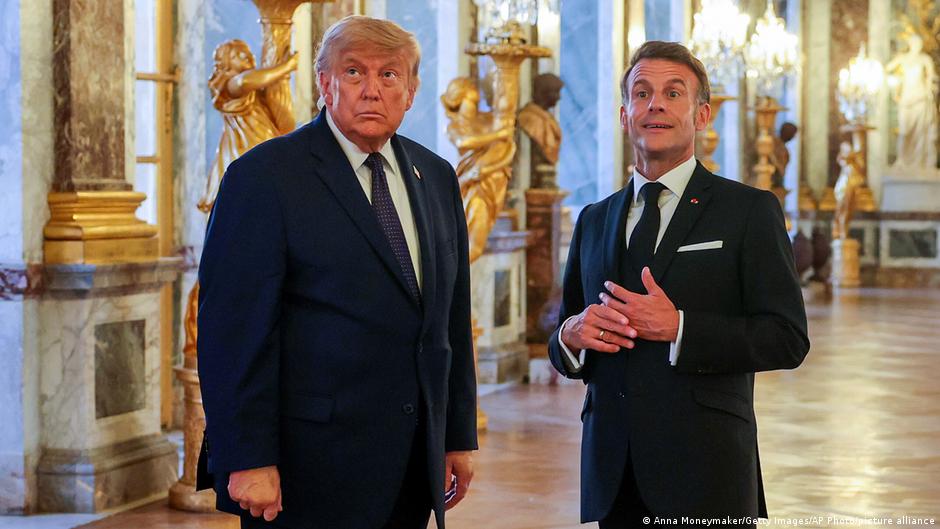
Macron and Trump discussed a moratorium on strikes against Ukraine’s energy and civilian infrastructure and stronger air defenses for Kyiv.

U.S. prosecutors accused Russian-linked figures of financing terrorism and plotting killings, widening the economic and policy stakes of the Ukraine conflict.

Zelensky expects late-September US talks on food and energy security as Ukraine warns of Black Sea export disruption and infrastructure attacks.

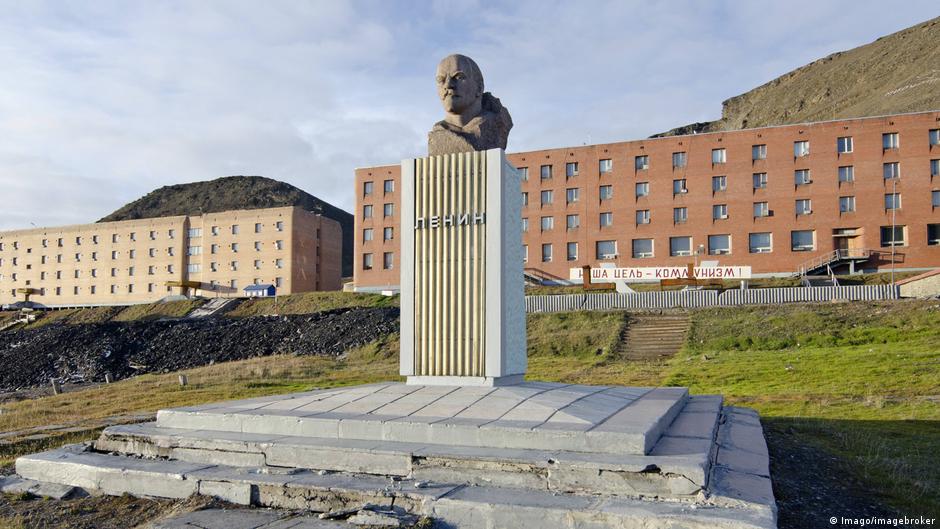
Norway’s seizure of a Russian research vessel in Svalbard signals widening cross-border enforcement risks tied to Naftogaz’s Crimea-related claims.

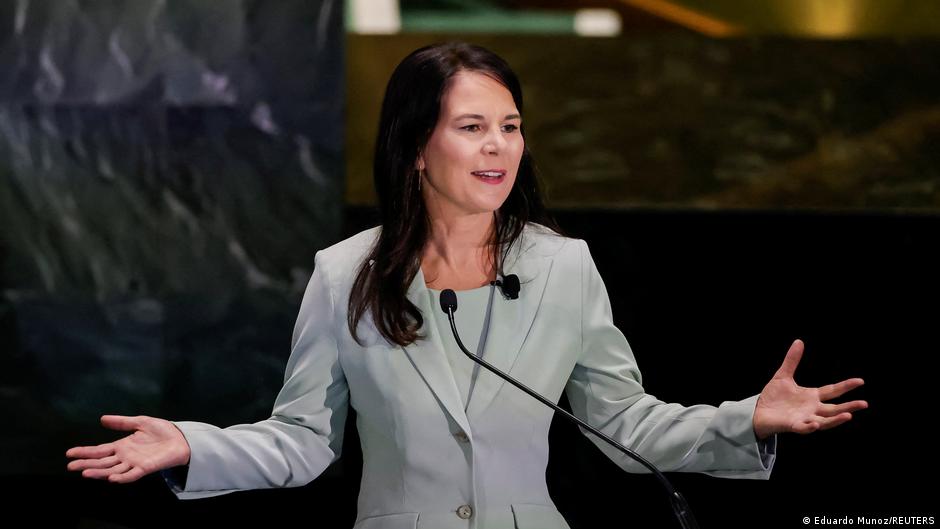
Annalena Baerbock, former German Foreign Minister and UNGA President, will serve as co-director of Columbia University's public administration program focused on global leadership.

NATO confirms readiness to respond to Iranian threats targeting military bases in Bulgaria and Cyprus, highlighting rising geopolitical tensions with potential economic fallout.

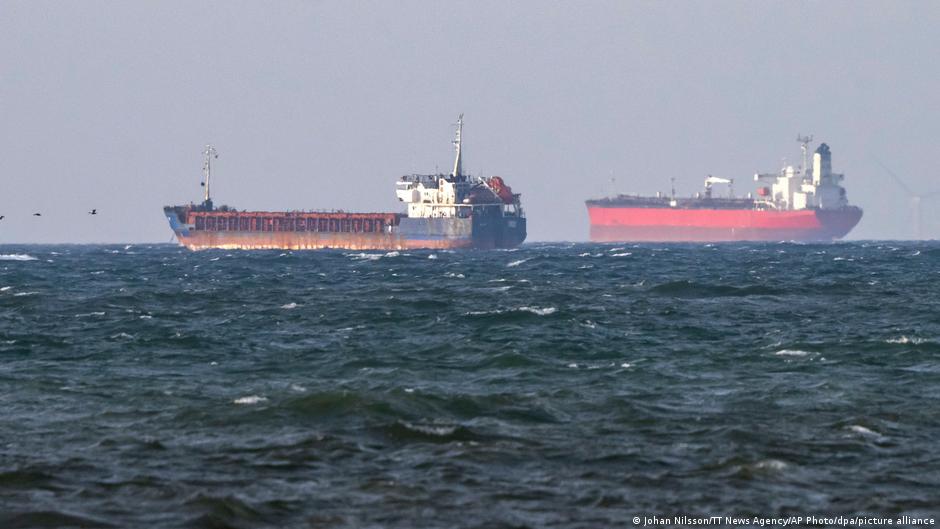
President Trump plans to declare the Strait of Hormuz US territory, signaling a permanent military presence with significant risks for global energy markets and geopolitical stability.

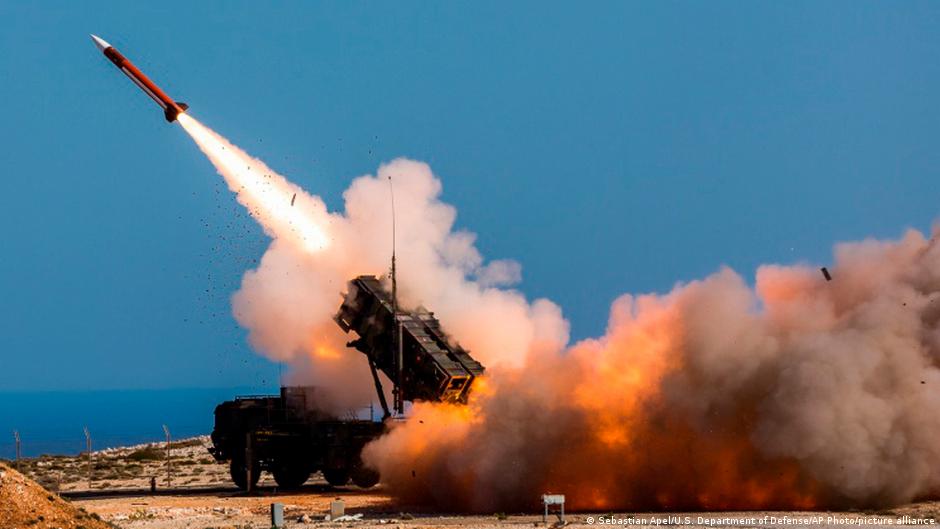
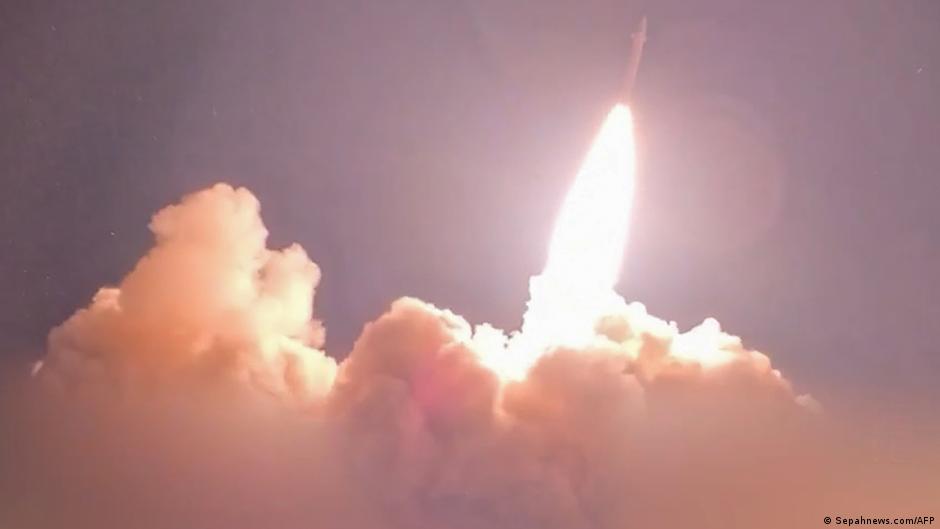
US forces intercepted Iranian ballistic missiles targeting American troops in the Middle East, underscoring rising regional tensions and global economic risks linked to energy supply security.

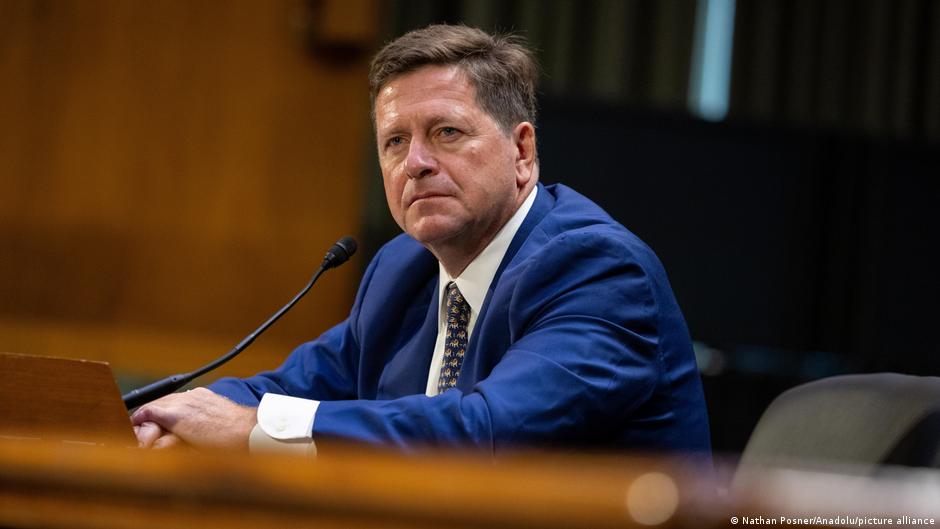
Jay Clayton's confirmation as US Director of National Intelligence raises questions about experience and signals potential shifts in security and economic policy.

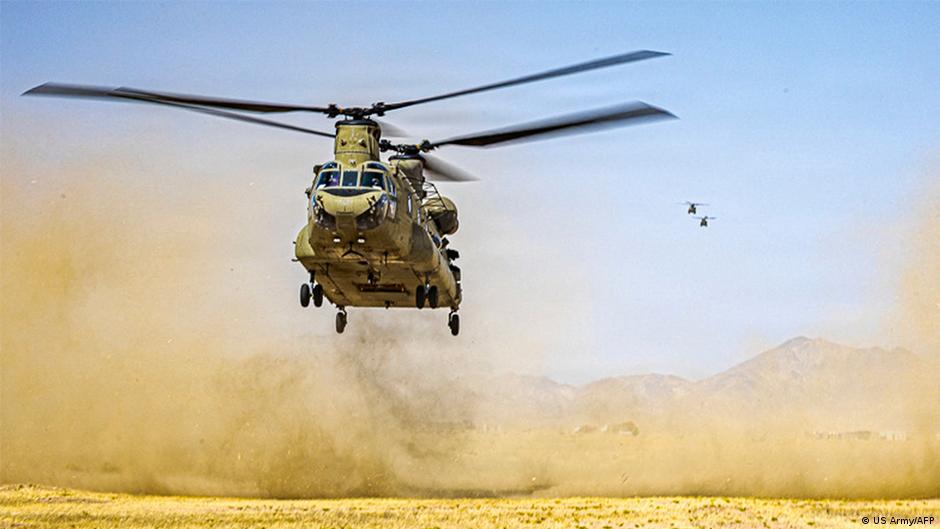
US military casualties in the Iran conflict have risen to 17, accompanied by increased US military deployments and retaliatory strikes, impacting global economic and security dynamics.

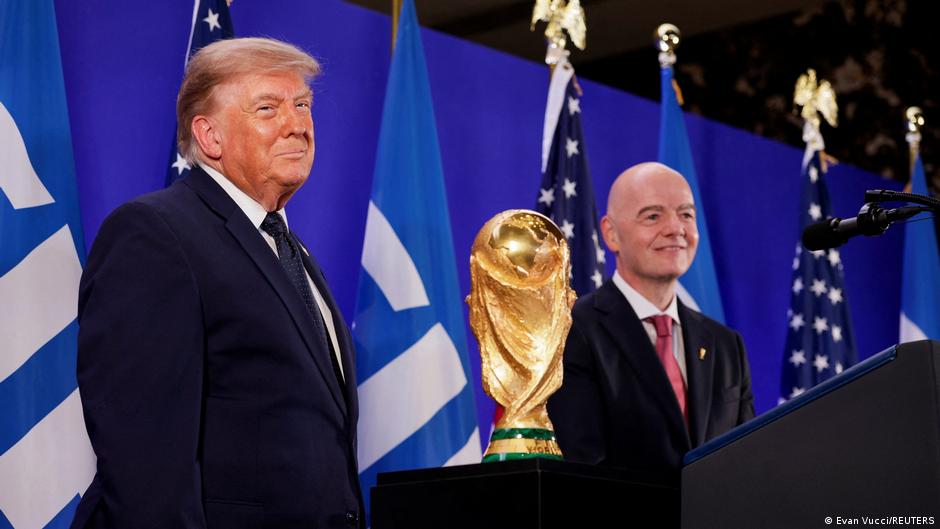
Donald Trump proposes the US host the next FIFA World Cup independently or with China, excluding Canada and Mexico, reflecting shifts in global sports diplomacy and economic strategy.

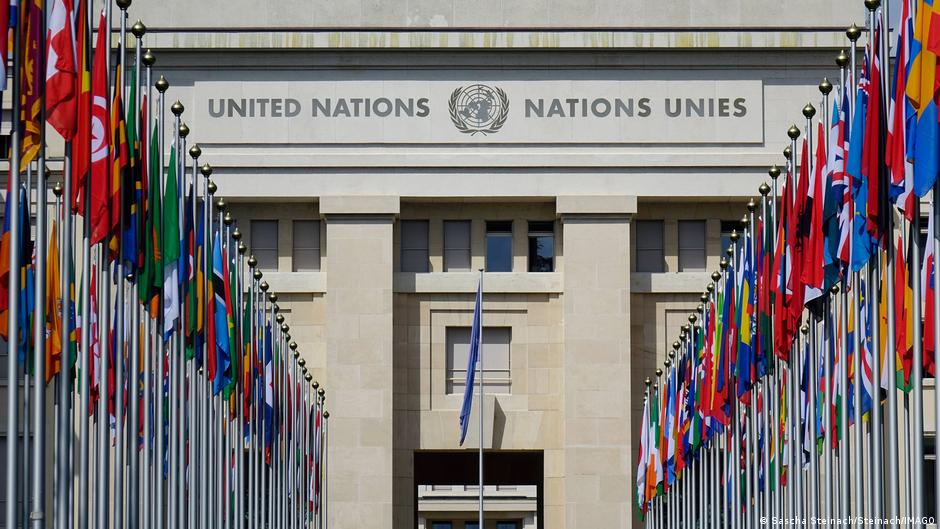
The United Nations faces a funding crisis as delayed payments from the US and China threaten its operations, prompting urgent budget cuts and raising concerns about global governance stability.

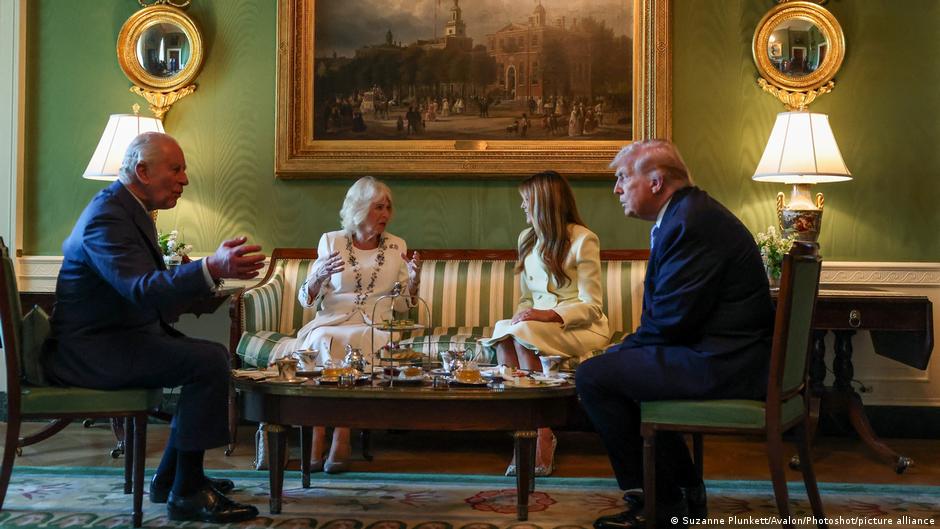
King Charles III’s US visit aims to mend frayed UK-US relations amid Iran conflict tensions and divergent NATO positions, highlighting broader geopolitical and economic shifts.

The US has extended the suspension of sanctions on Russian oil shipments until May 16, impacting global energy markets and Russia’s oil revenue amid ongoing geopolitical tensions.