Business
US AI Deal Puts Corporate Self-Policing at Center of Technology Race
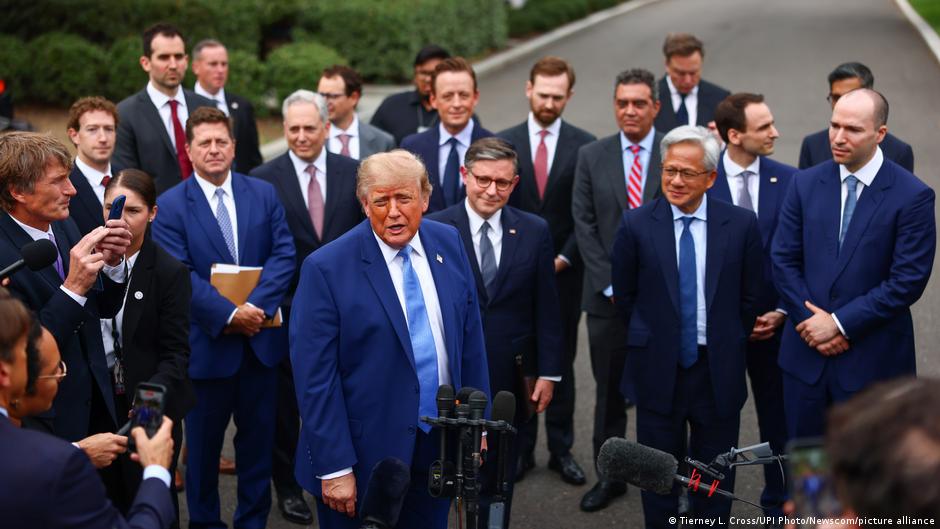
A White House AI agreement gives leading developers a central role in safety oversight while leaving open future regulation.
By Editorial Team — September 30, 2026
A White House AI agreement gives leading developers a central role in safety oversight while leaving open future regulation.

The Left Party’s Berlin victory puts housing expropriation and coalition risk at the center of Germany’s capital politics.

France warned CNews it could face criminal proceedings if it airs expelled former RT France chief Ksenia Fedorova by video link.
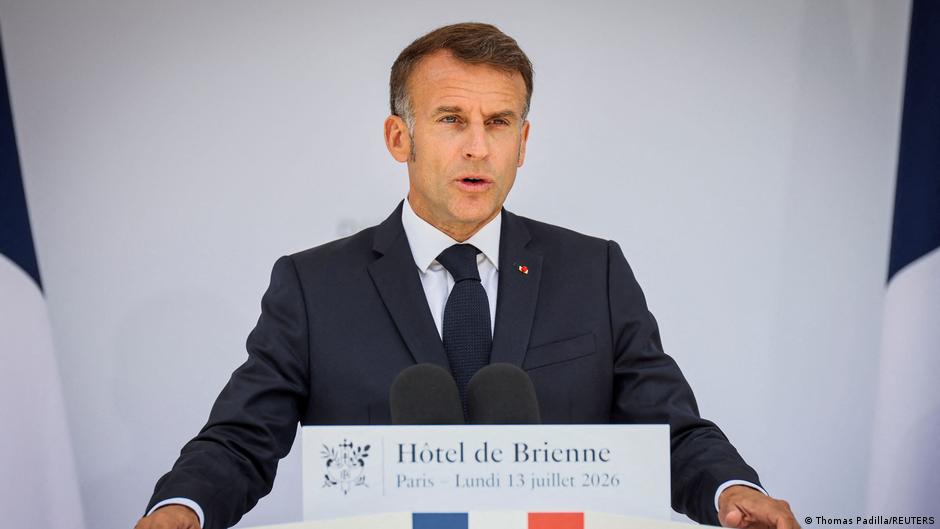
Macron is pushing Brussels to consider an EU-wide under-15 social media ban after France’s top constitutional body blocked a national measure.
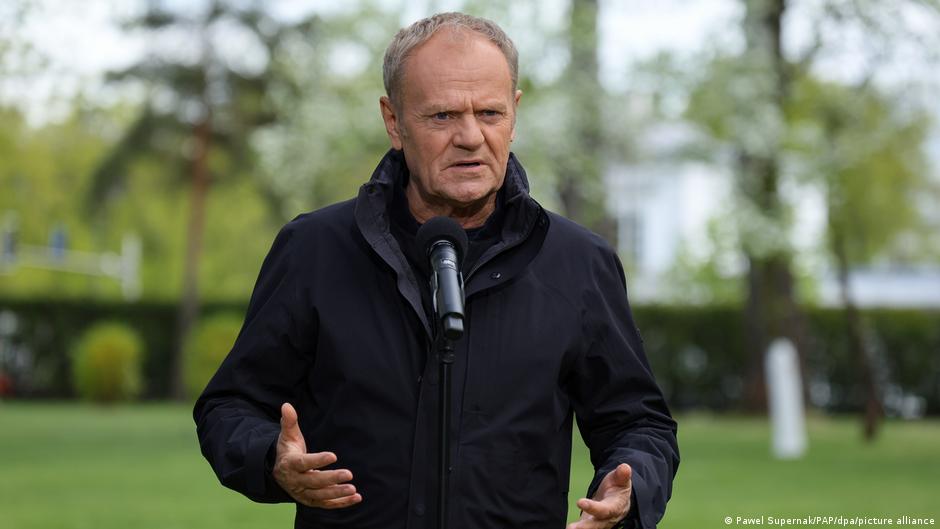
AfD’s strong Saxony-Anhalt result drew sharp reactions from Poland, France and the Czech Republic, raising wider EU policy concerns.
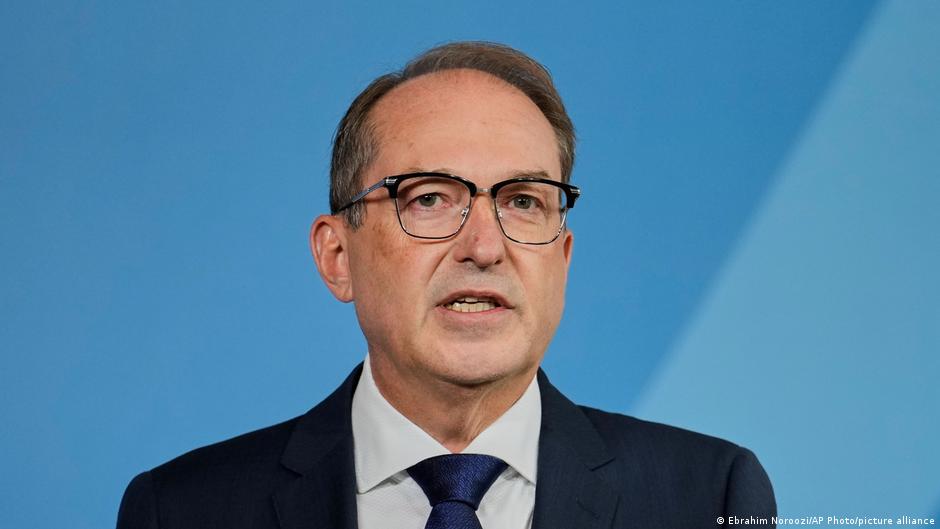
Germany is preparing a broad anti-sabotage shield against Russian hybrid threats, with new drone defenses, cyber monitoring and roles for critical infrastructure firms.
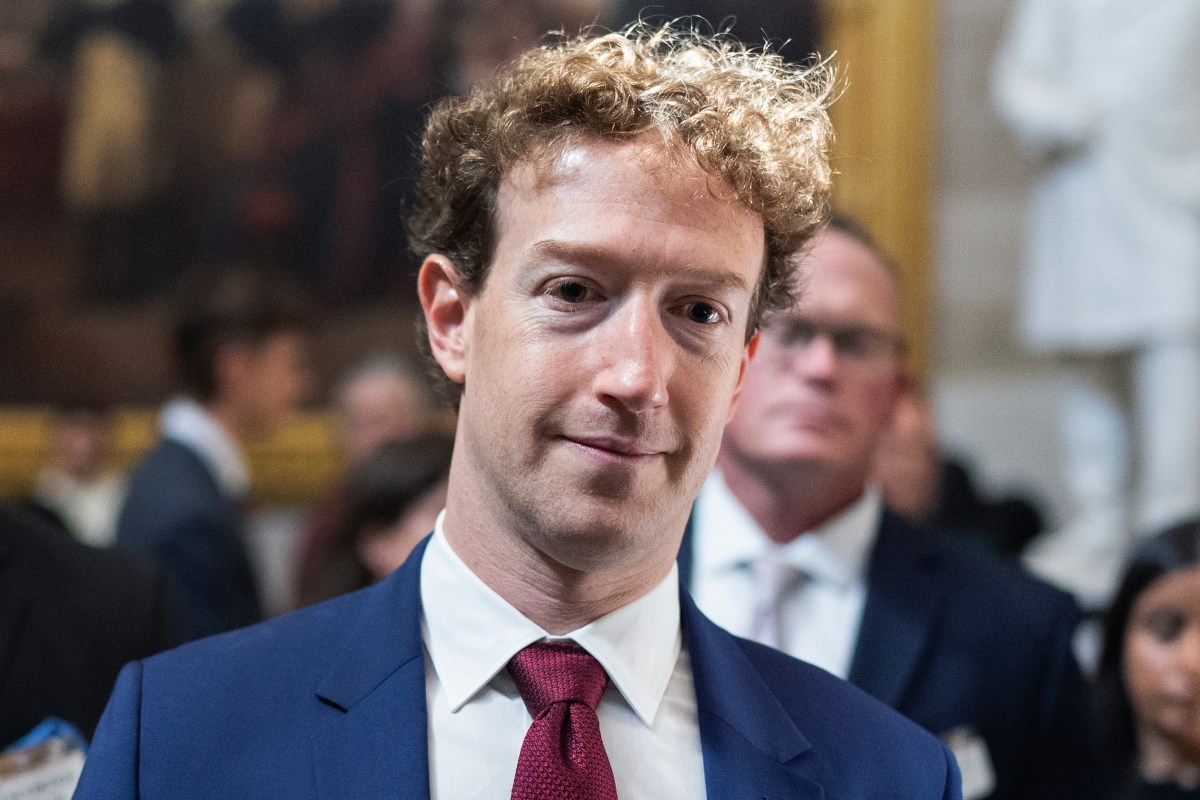
Meta’s $18 billion child safety settlement highlights challenges in implementing age-verification technology amid growing privacy concerns and regulatory shifts.
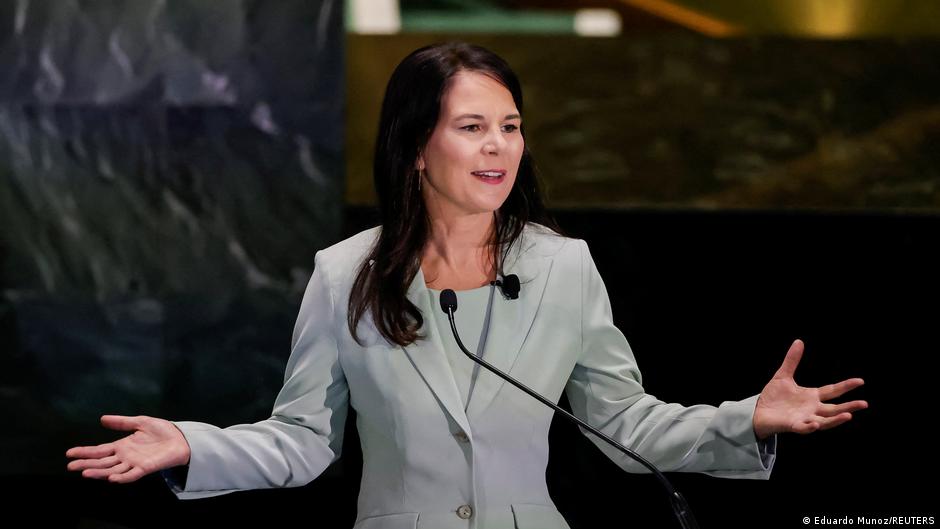
Annalena Baerbock, former German Foreign Minister and UNGA President, will serve as co-director of Columbia University's public administration program focused on global leadership.
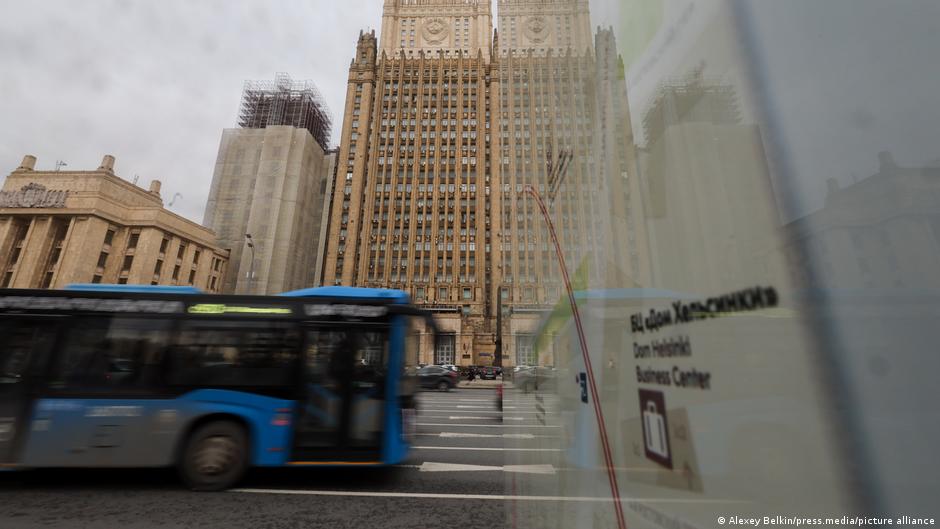
Russia has revised medical restrictions, allowing individuals with limb disabilities to drive public transport, aiding veteran reintegration and addressing labor shortages amid demographic challenges.
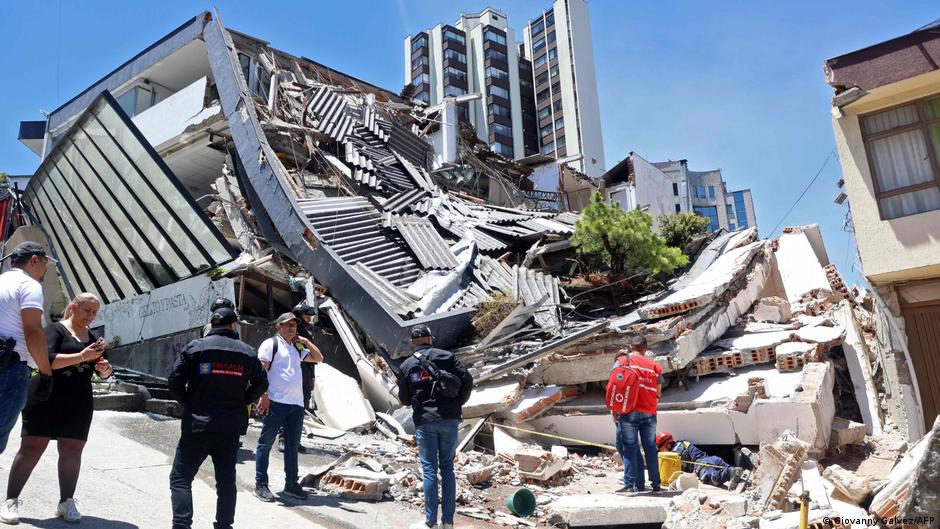
Colombia declares a national emergency after a 7.4 magnitude earthquake causes significant casualties and infrastructure damage, prompting U.S. aid and economic challenges for the new administration.

Russian banks lose international security certificates causing websites to be flagged as unsafe in global browsers, highlighting digital decoupling amid sanctions.

Uzbekistan offers subsidies covering up to half of construction costs for modern swimming pools to boost tourism, create jobs, and diversify its economy by 2028.
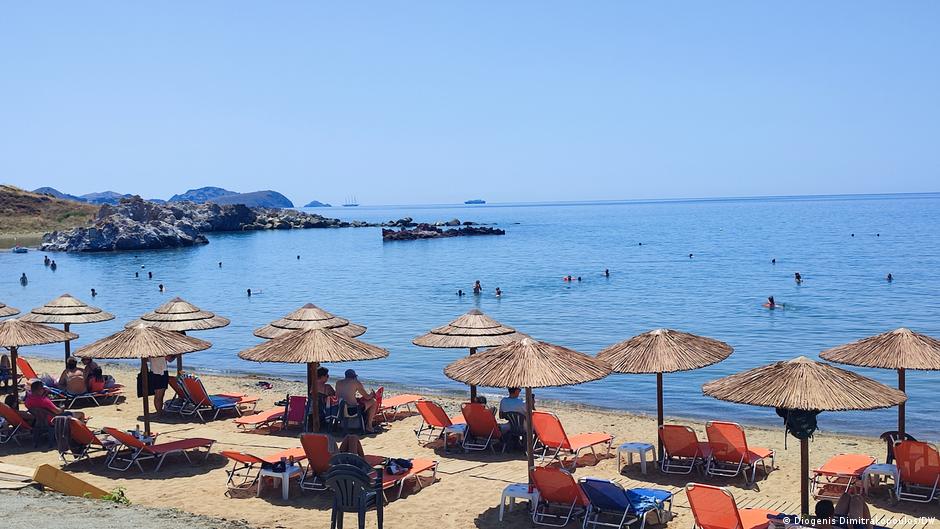
Greece's substantial increase in Schengen visa refusals to Russians highlights EU security-driven policy shifts, affecting Russian travel and European tourism economies.
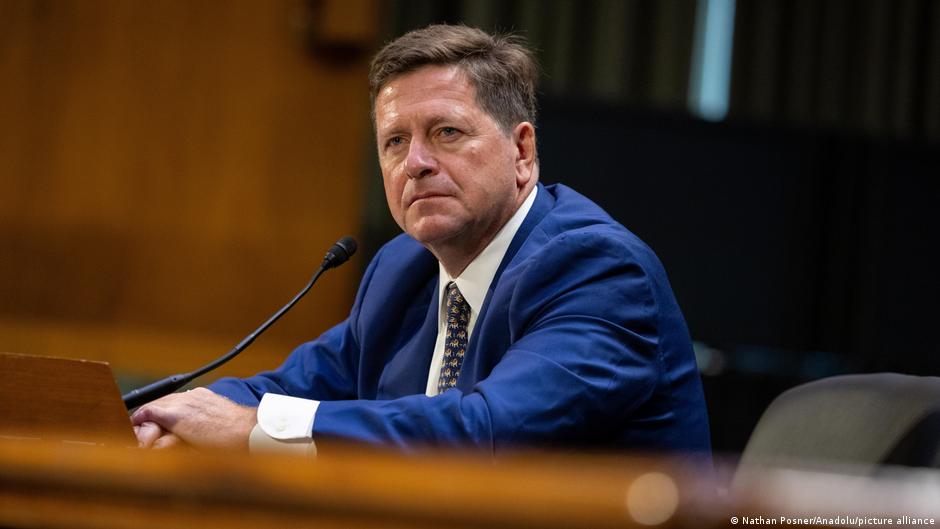
Jay Clayton's confirmation as US Director of National Intelligence raises questions about experience and signals potential shifts in security and economic policy.
Montenegro will end visa-free travel for Russian and Belarusian citizens by October 31, 2026, aligning its policy with EU accession requirements and security considerations.
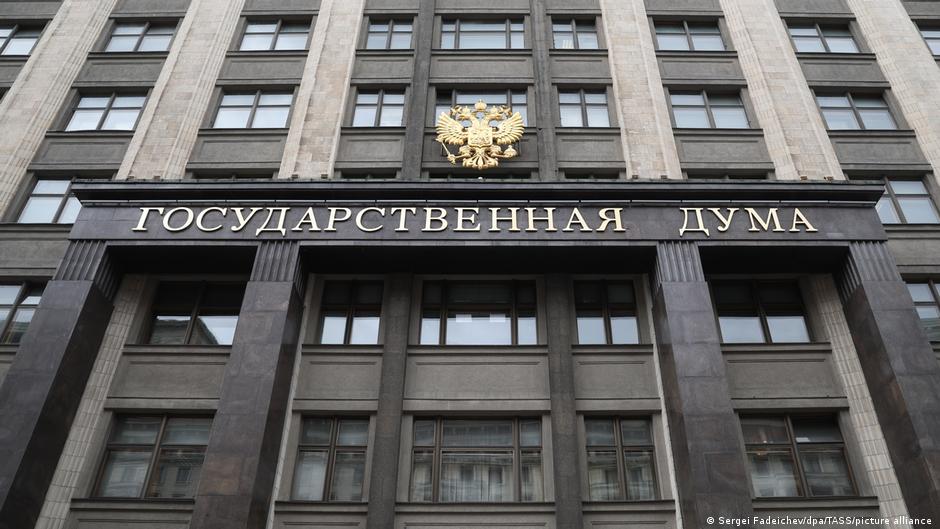
Russia revises fuel dampener and import compensation mechanisms to stabilize domestic fuel prices amid refinery disruptions and global market challenges.
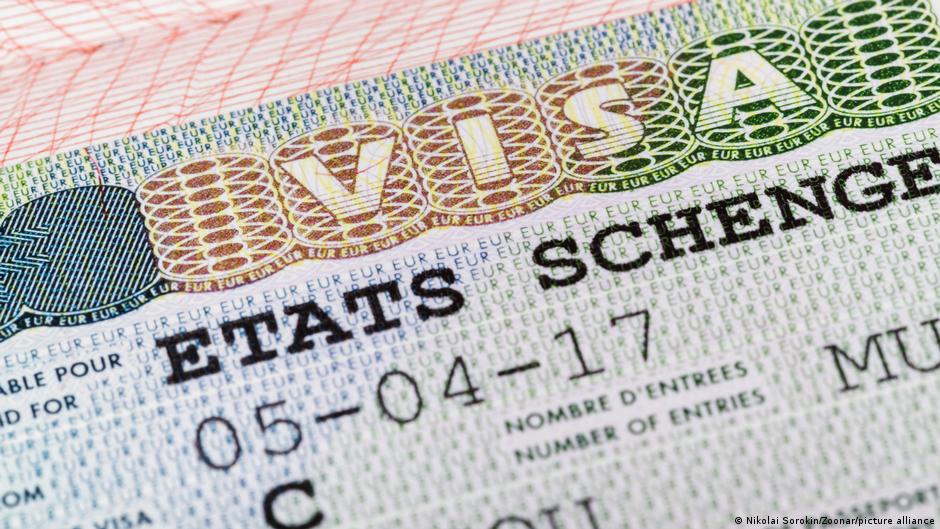
France joins Italy, Spain, and Hungary in tightening visa rules for Russian citizens, signaling a coordinated EU response with significant economic and geopolitical consequences.

Right-wing businessman Abelardo de la Espriella narrowly won Colombia’s presidency, signaling a shift toward militarized security and economic deregulation with significant regional ramifications.

Russian elites have attempted to dissuade Putin from enforcing harsh internet restrictions that threaten economic stability and public trust, but security forces prevail.
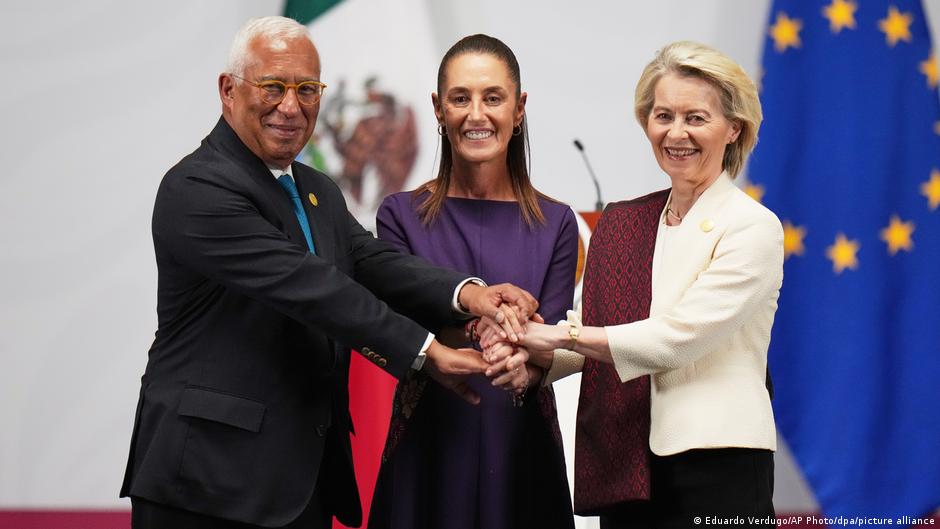
The EU and Mexico have signed a comprehensive trade agreement removing nearly all tariffs and enhancing bilateral trade and investment by 2030.

Iran mandates comprehensive vessel disclosures for Strait of Hormuz passage amid US military operations, raising concerns over global energy security and maritime policy shifts.
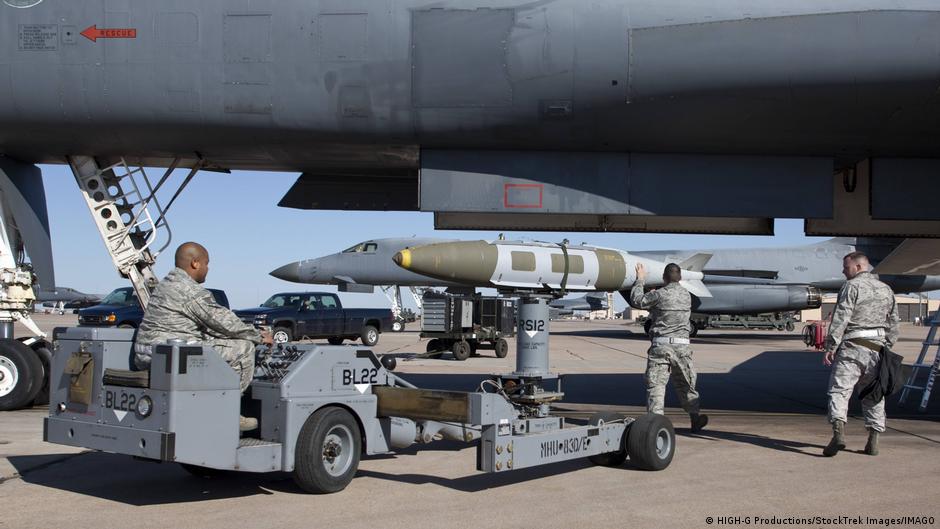
The US approved a $373.6M sale of JDAM-ER kits to Ukraine, enhancing bomb range and precision amid conflict, highlighting strategic shifts in military support and economic ties.
The EU-Mercosur free trade agreement begins provisional application, promising significant market expansion and industry growth amid legal and environmental challenges.

Israel rebuffs Ukraine's protest over a Russian grain ship docking in Haifa, underscoring complex geopolitical and economic challenges amid the Russia-Ukraine conflict.
Moscow court restricts actions of two men accused of manipulating stock prices via Telegram channels, linked to illicit profits over 28 million rubles on the Moscow Exchange.

Uzbekistan enforces new banking rules requiring minimum balances on cards during automatic debt repayments to prevent full fund depletion and protect consumers.
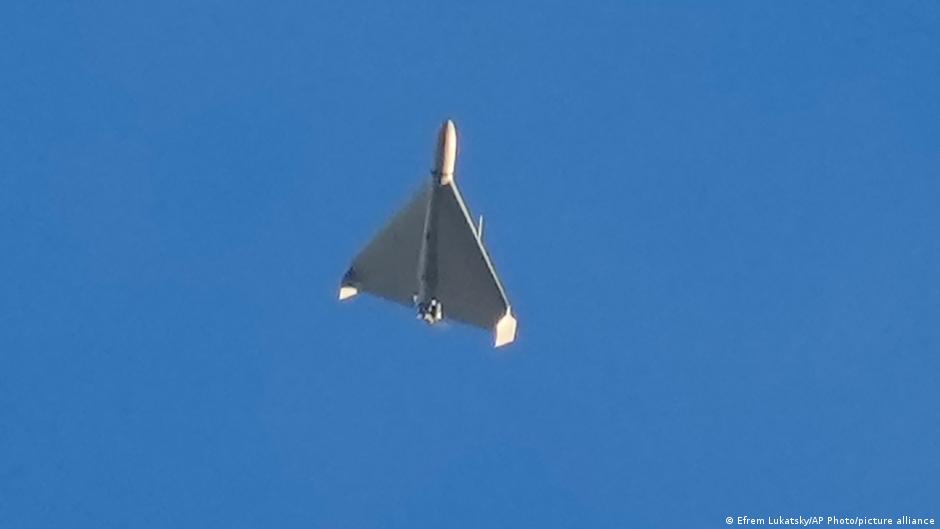
Russian drone strikes on Odessa’s residential areas cause casualties and structural damage, highlighting risks to regional stability and global economic implications.
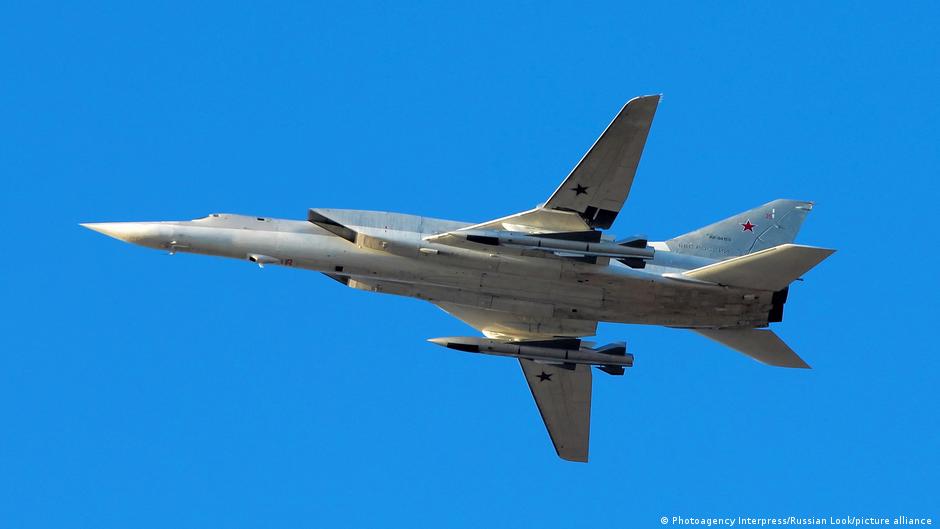
NATO jets intercepted Russian bombers and fighters over the Baltic Sea, reflecting heightened military tensions and potential geopolitical risks for the region and global economy.
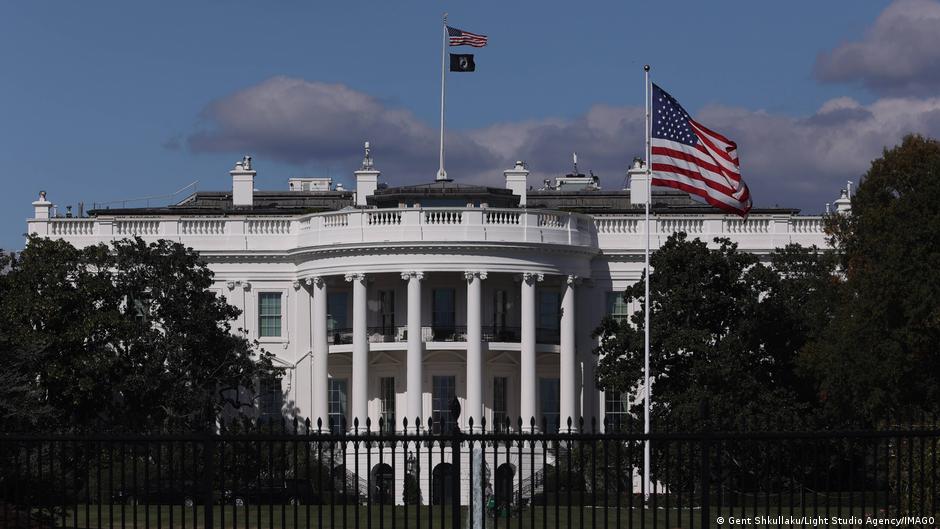
US Labor Secretary Lori Chavez-DeRemer resigns amid misconduct allegations, signaling possible broader cabinet reshuffle with significant economic policy implications.

Germany has restricted access to its Bundeswehr Military Technology Museum in Koblenz for Uzbek and other Central Asian citizens due to new security laws.