Russian Court Imposes Restrictions on Accused in Moscow Exchange Price Manipulation Case
Two defendants face action bans amid allegations of market manipulation yielding over 28 million rubles on the Moscow Exchange.
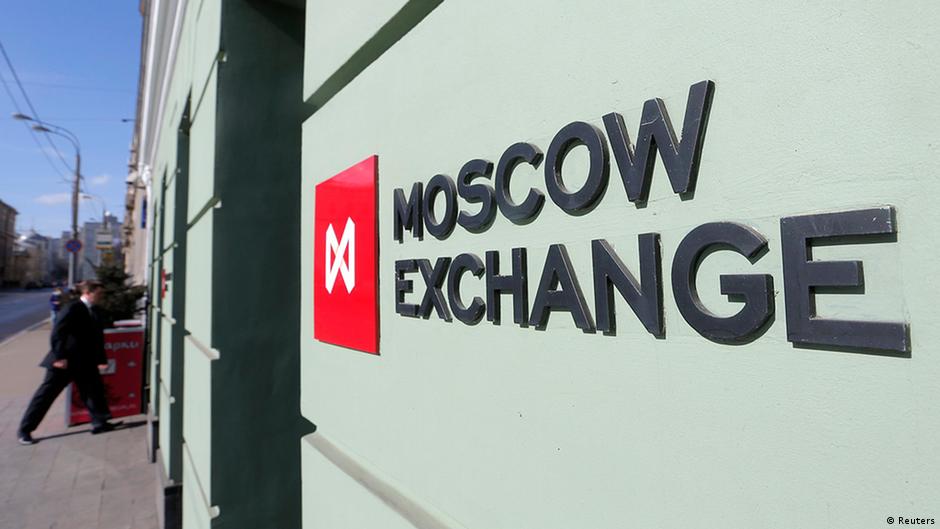
The Basmanny District Court of Moscow has imposed restrictions on two individuals accused of manipulating prices on the Moscow Exchange using Telegram channels, a case that highlights ongoing regulatory challenges in Russia's financial markets. The accused, Ilya Marochenkov and Gavriil Romanenko, were subjected to prohibitions on certain activities as part of pretrial measures following allegations that they generated illicit profits exceeding 28 million rubles.
Market Manipulation Through Social Media Channels
According to the investigation, the defendants orchestrated a scheme involving coordinated trades influenced by targeted messaging on Telegram channels such as "RynkiDengiVlast | RDV," "Signals RCB," and "Wolf from Mosbirzhi." These channels, which have a combined audience of nearly 300,000 followers, were used in 2023 and 2024 to disseminate calls to buy or sell specific financial instruments, directly impacting their market valuations.
"Participants in the organized group extracted excessive income of more than 28 million rubles," the court's official statement confirmed.
The case underscores the growing intersection of social media influence and financial market regulation in Russia, where authorities have intensified efforts to curb manipulative practices that undermine market integrity.
Earlier in April, the Russian Ministry of Internal Affairs, in cooperation with the Federal Security Service (FSB), detained three men suspected of systematically affecting stock prices through their control over theme-specific Telegram channels.
On the same day, the Bank of Russia issued ten official directives addressing violations of the federal law aimed at preventing insider trading and market manipulation. Among those receiving these orders were Marochenkov, Romanenko, and Vladislav Panteleev, a partner at the investment firm PFL Advisors.
Broader Economic and Regulatory Implications
The investigation, led by the Russian Investigative Committee, revealed that the organized group affiliated with PFL Advisors conducted over 55,000 illegal transactions. Their strategy involved artificially inflating stock prices before liquidating their shares at inflated prices, thereby distorting the market and potentially damaging investor confidence.
This case illustrates the challenges faced by regulatory bodies in adapting to evolving technological platforms that can be exploited for financial manipulation. The use of Telegram — a widely popular communication platform in Russia — as a tool for influencing market behavior raises questions about the efficacy of current oversight mechanisms and the need for enhanced transparency and enforcement.
From a macroeconomic perspective, such manipulative practices can have ripple effects on market stability, investor trust, and capital allocation efficiency, which are critical for the sustainable development of Russia's financial sector.
Financial regulators globally are increasingly attentive to the risks posed by social media in market dynamics, as digital platforms become conduits for rapid information dissemination and potential abuse. The Moscow Exchange case serves as a cautionary example of how social media-driven manipulation can manifest and the importance of robust regulatory frameworks to mitigate such risks.