Russian Drone Strikes on Odessa Raise Concerns Over Regional Stability and Economic Impact
Drone attacks on residential areas in Odessa highlight escalating conflict risks with broader economic and geopolitical consequences.
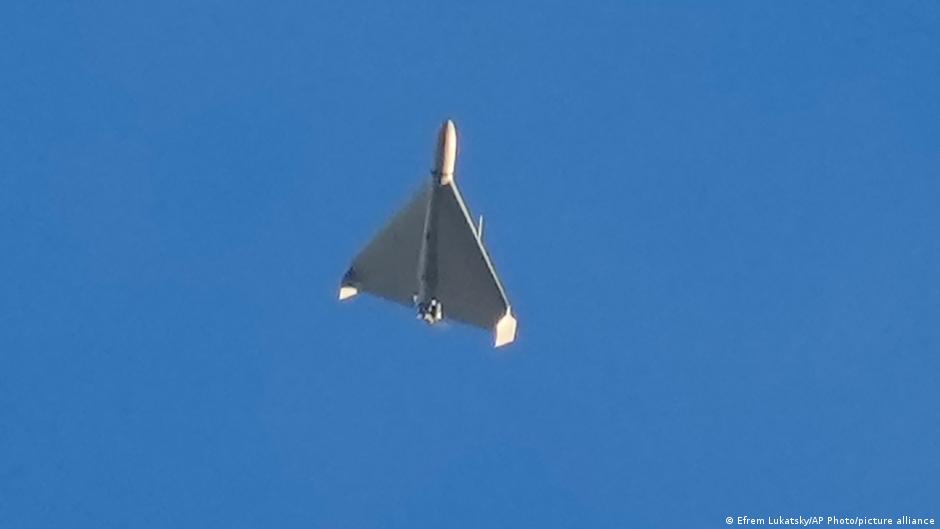
In the early hours of Friday, April 24, Russian military forces conducted drone strikes targeting the city of Odessa, Ukraine, resulting in multiple casualties and material damage. This assault underscores the ongoing tensions in the region and poses significant implications for global economic stability and policy frameworks.
Impact on Civilian Infrastructure and Human Toll
"Two individuals, a 72-year-old woman and a 52-year-old man, suffered shrapnel injuries from drone impacts on a three-story building," reported regional authorities, emphasizing the civilian cost of ongoing military operations.
Beyond immediate human suffering, these attacks contribute to increased volatility and uncertainty, particularly in regions with fragile security environments.
Broader Economic and Policy Implications
The escalation of drone warfare in urban settings like Odessa not only exacerbates humanitarian concerns but also poses significant challenges for economic resilience. Damage to residential infrastructure disrupts local economies, displaces populations, and strains public services. Moreover, such assaults raise insurance costs and deter investment, compounding economic hardship in affected areas.
On a macroeconomic scale, sustained conflict can disrupt supply chains, regional trade, and energy markets, influencing global commodity prices and investor confidence. This environment pressures policymakers worldwide to reassess risk exposure and implement strategies for economic diversification and crisis mitigation.
Furthermore, the use of drones in conflict zones signals a shift in modern warfare tactics, necessitating updated defense policies and international regulations to address emerging threats effectively.
Looking Ahead
The recent drone attacks on Odessa exemplify how regional conflicts can have far-reaching consequences beyond immediate military outcomes. For global economic stakeholders and senior policymakers, understanding these dynamics is crucial to formulating responsive strategies that balance security concerns with economic stability and growth objectives.