German Economy Minister Warns Left Party Gains Could Weaken Investment Climate
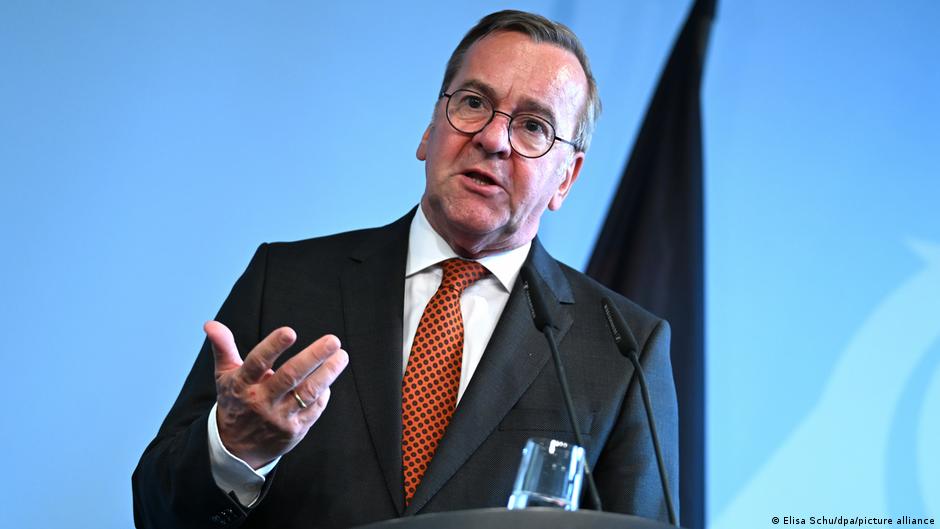
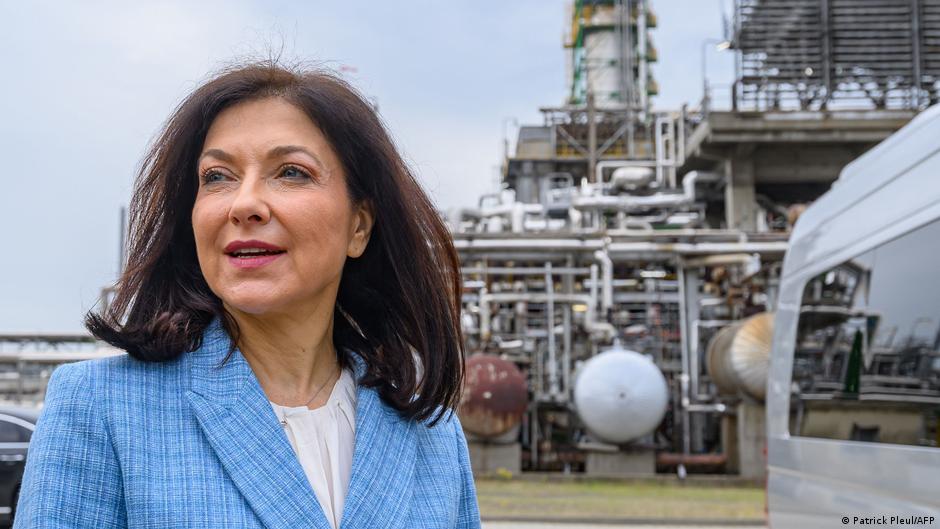
Katherina Reiche warned that Left Party gains in Berlin could weaken Germany’s investment appeal and raise concerns over property rights.

Katherina Reiche warned that Left Party gains in Berlin could weaken Germany’s investment appeal and raise concerns over property rights.

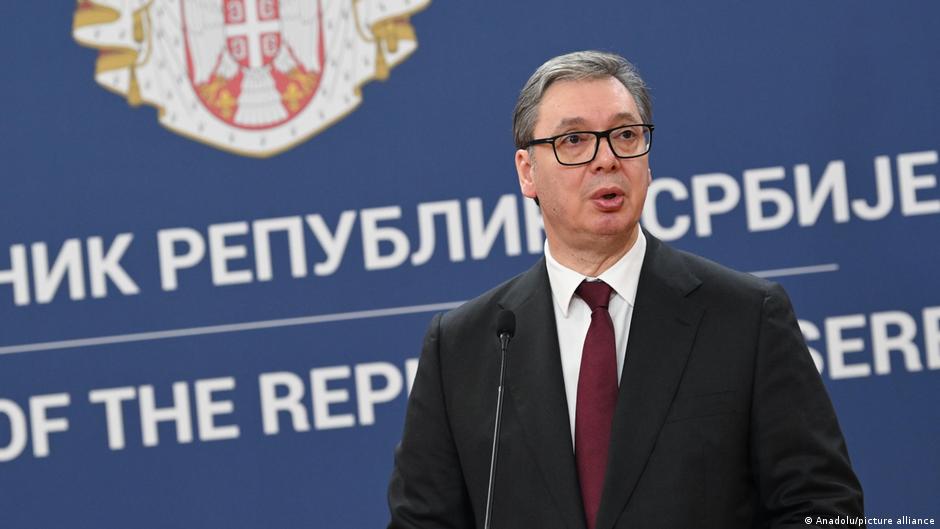
Serbia announces early parliamentary elections in October 2023 amid ongoing protests and demands for anti-corruption reforms, signaling potential shifts in the country’s political and economic trajectory.

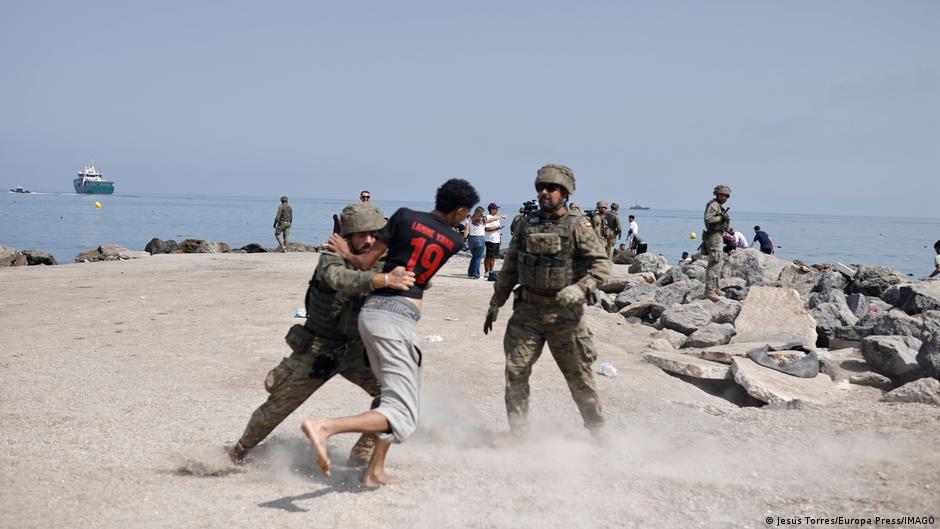
Spain confronts a massive migrant influx in Ceuta, triggering military deployment and Italy’s suspension of Schengen border-free travel with Spain.

NATO is contemplating deployment of tactical nuclear weapons in Finland, Poland, and Lithuania, marking a strategic shift amid rising security tensions with Russia.

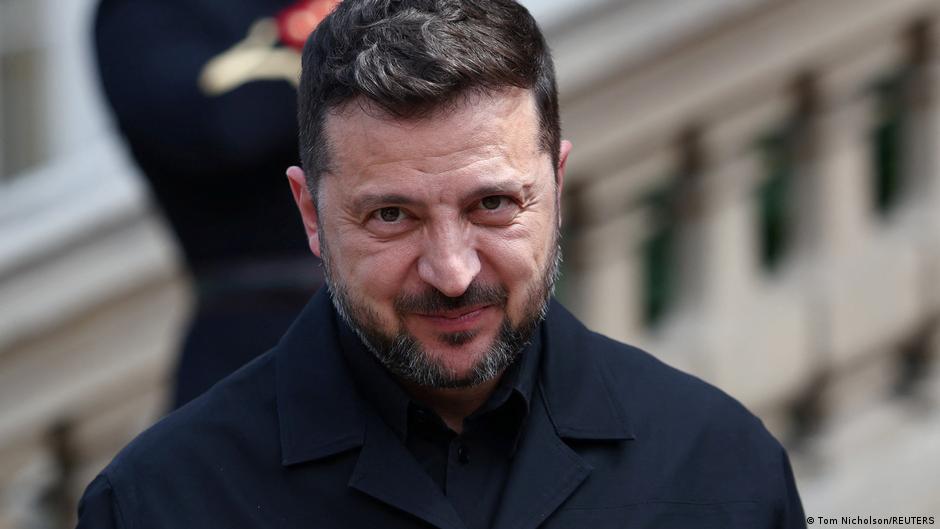
President Zelensky visits Washington to meet all U.S. Senators as the Senate prepares to vote on new sanctions against Russia amid ongoing geopolitical and economic tensions.

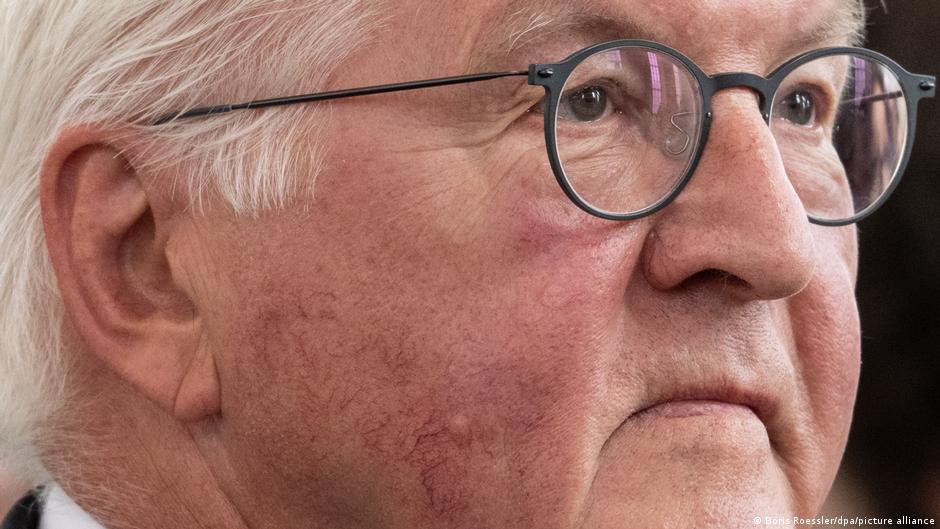
German President Steinmeier calls for Europe to uphold international law and counteract the ruthless geopolitical strategies of Russia and the US amid rising populism and reform challenges.

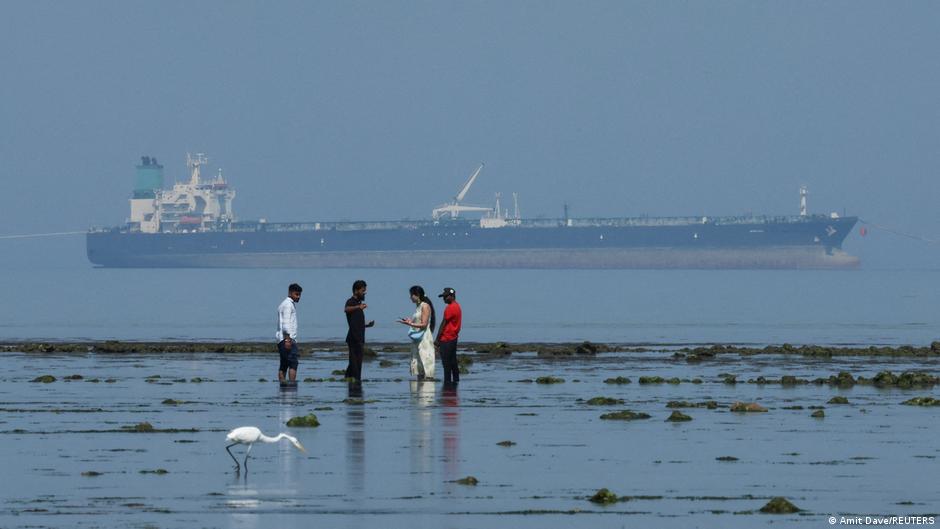
Russia has reached its highest weekly maritime oil export levels since early 2026, despite falling global prices and renewed competition from Iranian crude following US-Iran diplomatic progress.

Right-wing businessman Abelardo de la Espriella narrowly won Colombia’s presidency, signaling a shift toward militarized security and economic deregulation with significant regional ramifications.

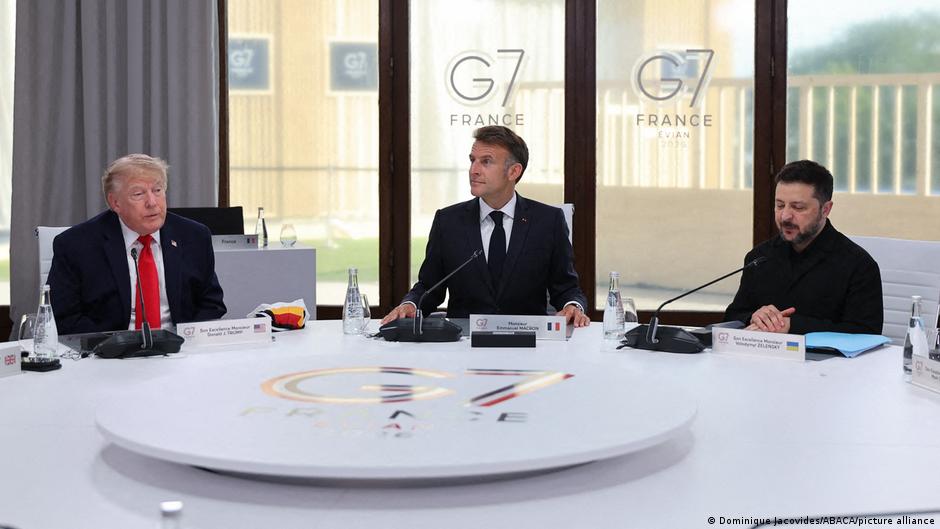
G7 leaders have announced new sanctions targeting Russian oil and gas exports and pledged increased military support for Ukraine, signaling a strategic shift with significant global economic implications.

Germany allocates an extra €300 million to support the Czech-led ammunition supply initiative for Ukraine, highlighting evolving European defense commitments and strategic funding challenges.

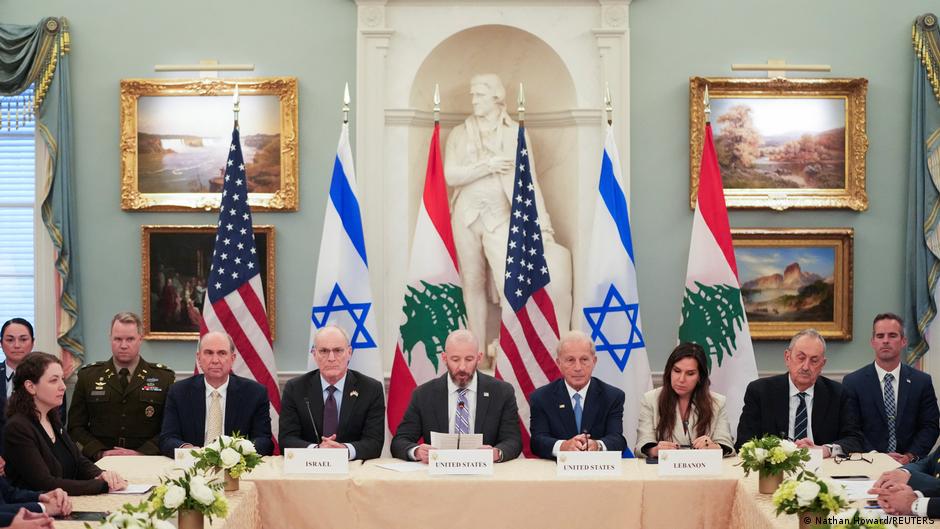
Israel and Lebanon, under US mediation, have agreed to a ceasefire requiring Hezbollah's withdrawal and cessation of hostilities, a move with significant regional and global economic implications.

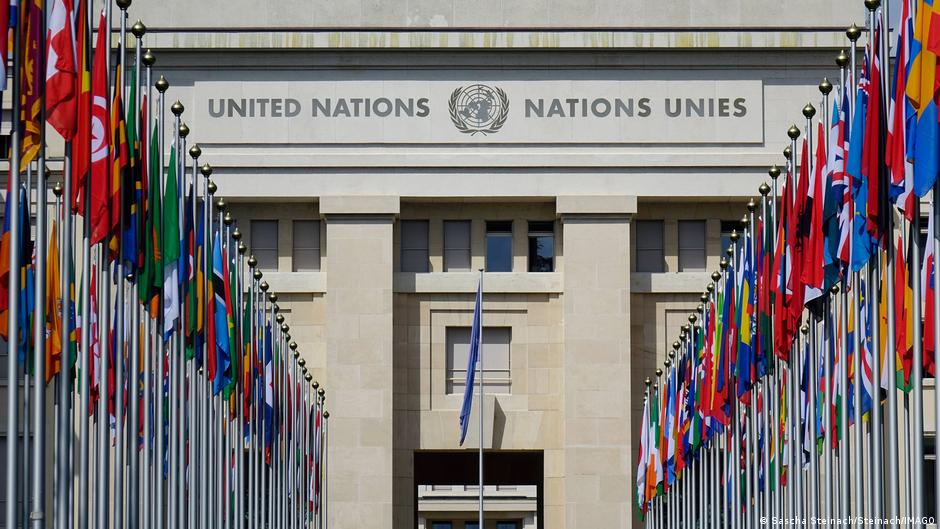
The United Nations faces a funding crisis as delayed payments from the US and China threaten its operations, prompting urgent budget cuts and raising concerns about global governance stability.

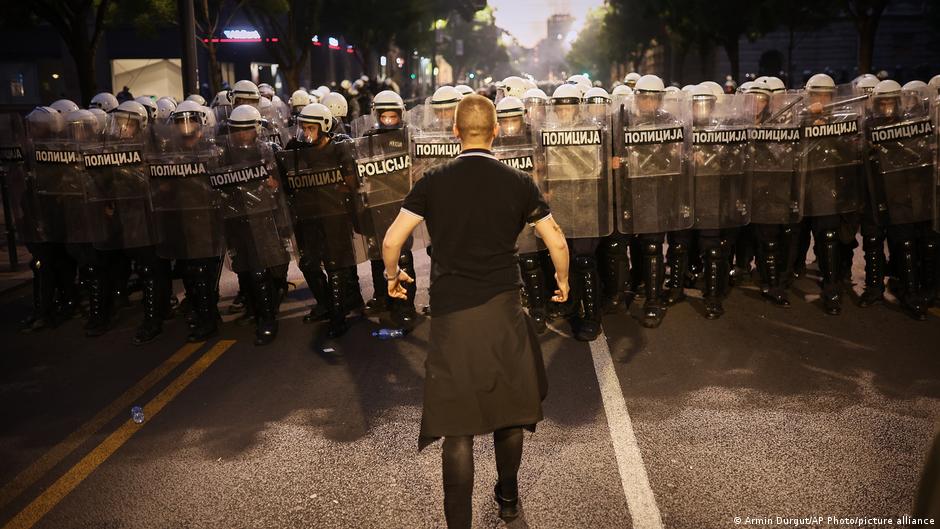
Violent protests in Belgrade expose deep political instability in Serbia, challenging governance and economic stability ahead of crucial 2026 elections.

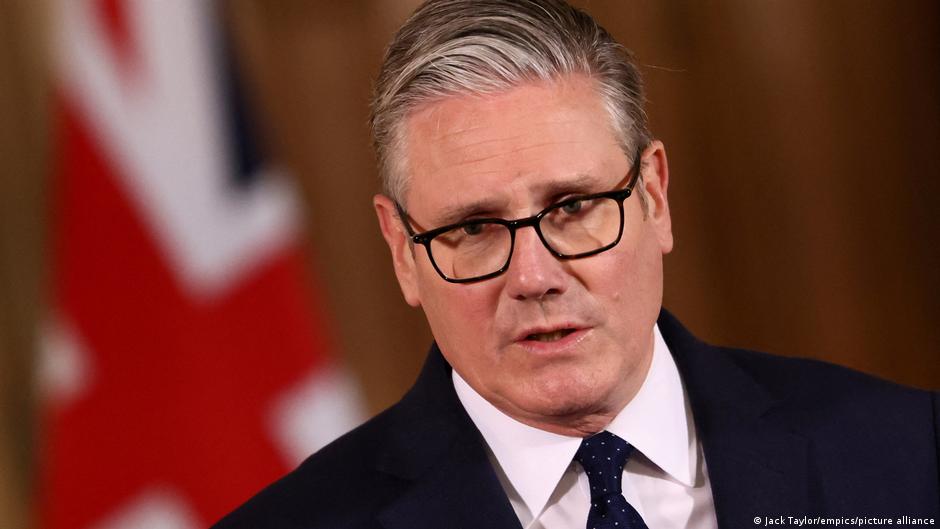
UK Prime Minister Keir Starmer plans an £18 billion increase in defense spending, reflecting strategic shifts amid domestic political challenges and global security concerns.

EU leaders are preparing for possible talks with Russia, signaling a strategic shift amid ongoing conflict and geopolitical tensions affecting global economic and policy frameworks.

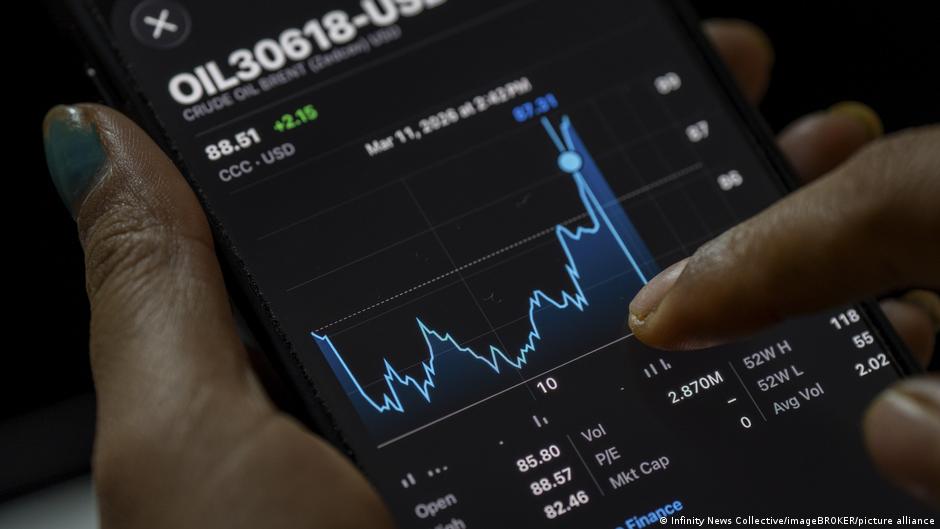
US threats against Iran have driven Brent crude oil prices above $119 per barrel, raising concerns over long-term energy supply disruptions and global economic impacts.

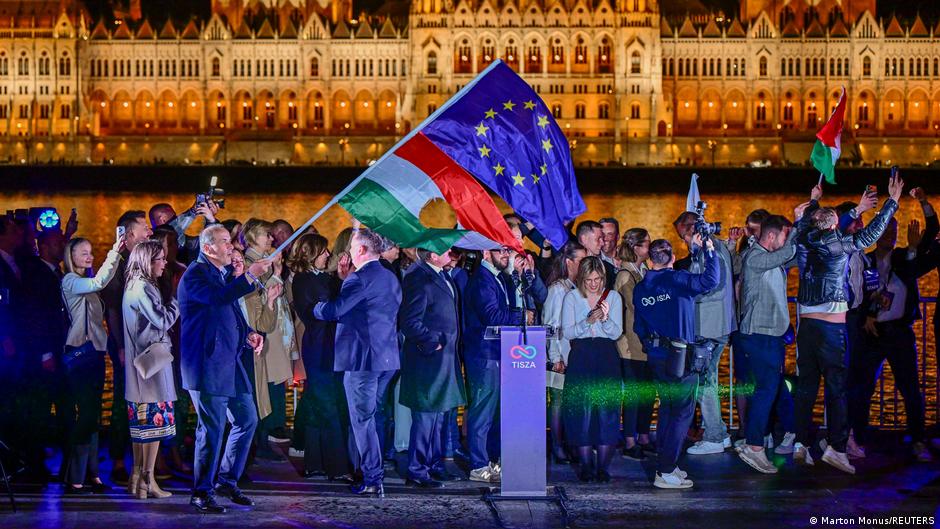
Hungary’s new government initiates talks with the European Commission to unlock €35 billion in frozen EU funds, contingent on reforms and realignment with EU values.

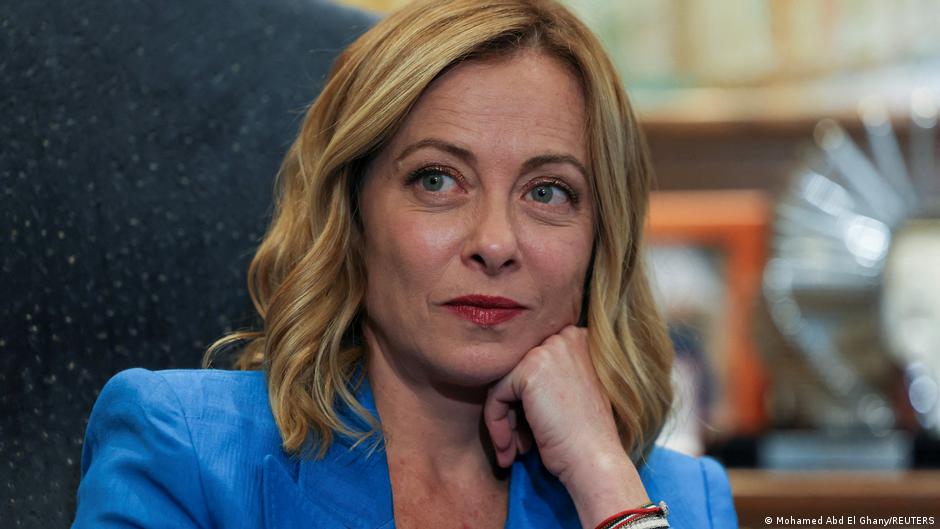
Italy’s Prime Minister Meloni denounces Russian propaganda attacks following offensive remarks by Russian TV host Solovyov, prompting diplomatic protests and political backing.

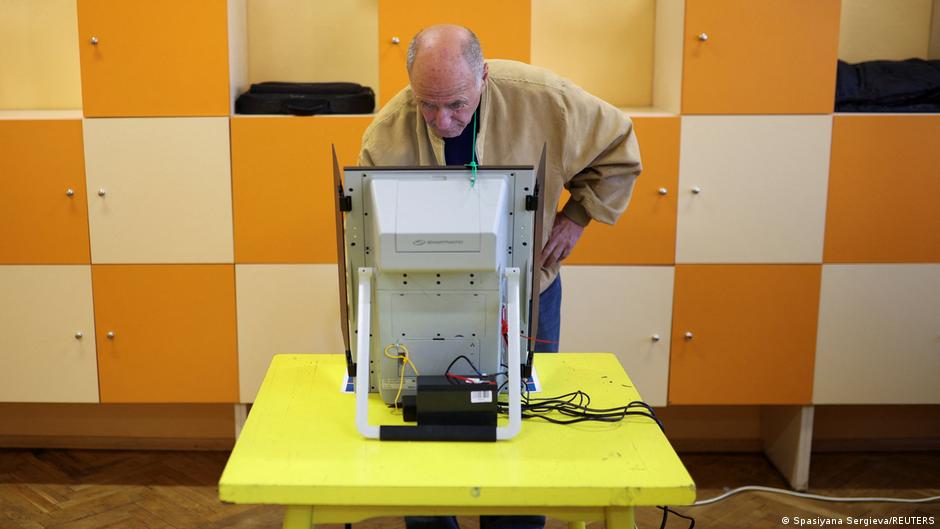
Bulgaria’s Progressive Bulgaria coalition, led by ex-president Rumen Radev, leads parliamentary elections amid public demand for anti-corruption reforms and geopolitical realignment.

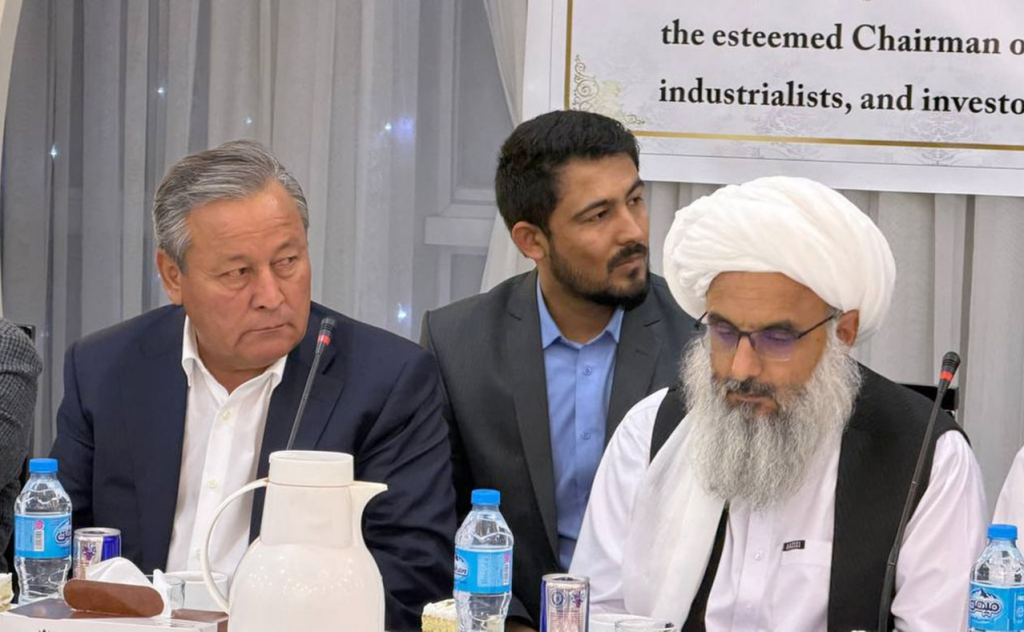
Uzbek and Afghan businesses have secured $300 million in trade agreements, signaling a strategic push toward regional economic integration and diversification.