Bulgarian Parliamentary Elections See Progressive Bulgaria Coalition Take Lead Amidst Political Unrest
Ex-president Rumen Radev’s coalition leads with over 40% as Bulgaria faces ongoing anti-corruption demands and geopolitical realignments.
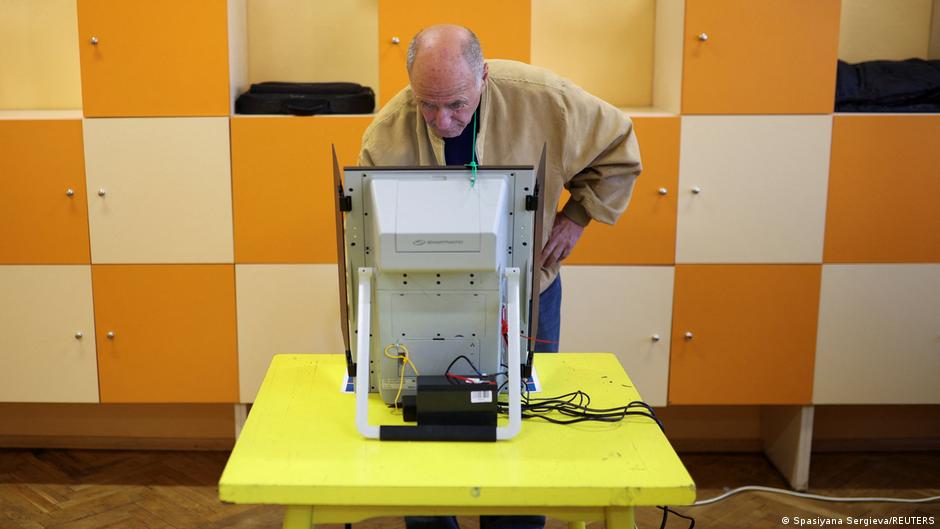
Preliminary results from Bulgaria’s latest parliamentary elections indicate a decisive lead for the left-centrist coalition Progressive Bulgaria, headed by former President Rumen Radev. With approximately one-third of ballots counted, the coalition has secured around 44.59% of the vote, signaling a significant political shift.
Electoral Dynamics and Political Context
The elections, held on April 20, mark Bulgaria’s eighth parliamentary vote in five years, reflecting persistent political volatility. These snap elections were triggered by the resignation of the conservative-led government amid mass protests that erupted in late 2025. Citizens demanded judicial independence and an end to entrenched corruption, issues that continue to dominate public discourse.
The ruling coalition’s primary challengers — the center-right alliance Citizens for European Development of Bulgaria (GERB), led by former Prime Minister Boyko Borisov, and the liberal alliance We Continue the Change-Democratic Bulgaria (PP-DB) — garnered approximately 12-13% of the vote each, according to exit polls. Five parties are reportedly poised to surpass the 4% vote threshold required for parliamentary representation. Voter turnout stood at 43.4%, indicative of moderate electoral engagement amid political uncertainty.
“The coalition led by Rumen Radev has capitalized on public discontent by prioritizing anti-corruption reforms, attracting both pro-Russian sympathizers and voters concerned about governance.”
Radev’s coalition has notably centered its campaign on tackling corruption, a strategy resonating strongly with the electorate. Analysts observe that its voter base is a complex blend: roughly half are citizens with a pro-Russian orientation, reflecting the country’s historical ties and geopolitical considerations, while the other half are motivated primarily by the desire for transparency and reform.
Further complicating the political landscape, Radev retains substantial support from former voters of the Bulgarian Socialist Party, the successor to the communist regime that governed for 45 years. His platform includes calls to reduce military aid to Ukraine, illustrating Bulgaria’s nuanced position amid ongoing regional conflicts and European security debates.
Macro-Economic and Geopolitical Implications
Bulgaria’s election results carry significant implications for both domestic economic policy and the broader European context. The Progressive Bulgaria coalition’s ascendancy, with its anti-corruption agenda, signals potential reforms that could improve governance and attract foreign investment, crucial for Bulgaria’s medium-term economic stability.
However, the pro-Russian element within Radev’s coalition may complicate Bulgaria’s alignment with EU policies, especially concerning sanctions and military support related to the conflict in Ukraine. This duality raises questions about Bulgaria’s future role in European integration and security frameworks.
Moreover, the persistent political flux, with frequent elections and government changes, poses challenges for consistent economic policymaking, structural reforms, and investor confidence. Policymakers across the EU and international partners will need to monitor developments closely, considering Bulgaria’s strategic position as an EU and NATO member bridging Eastern and Western interests.
In summary, Bulgaria’s latest elections underscore a pivotal moment where public demand for anti-corruption reforms intersects with complex geopolitical considerations. The emerging government’s policy trajectory will be critical not only for Bulgaria’s internal stability but also for broader regional economic and security dynamics.