Ukraine Pauses Russian Refinery Strikes as US Election Risks Mount
Ukraine’s reported refinery-strike pause shows how US electoral pressure, fuel prices and dependence on American technology are reshaping wartime strategy.

Ukraine’s reported refinery-strike pause shows how US electoral pressure, fuel prices and dependence on American technology are reshaping wartime strategy.

Washington is reviewing sanctions on Russia’s RDIF as proposed diesel shipments bring energy prices, investment ties and sanctions policy into the same negotiation.

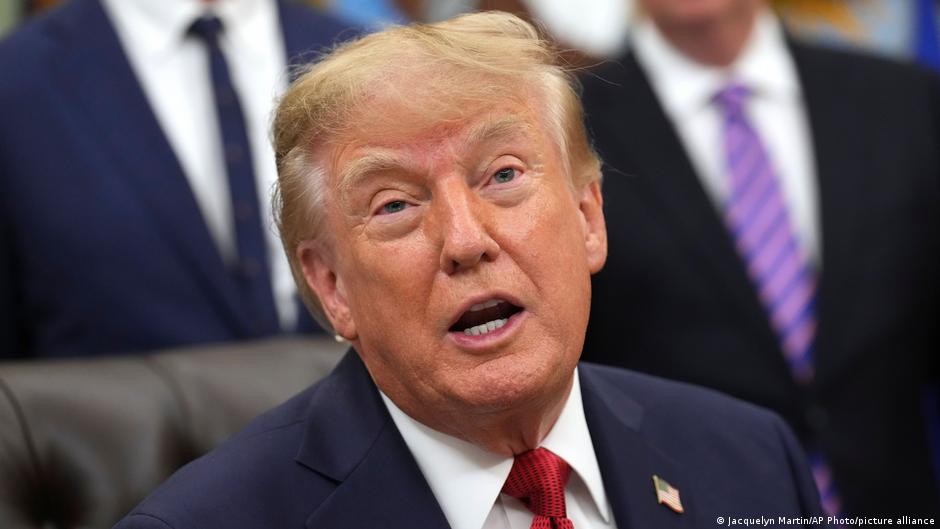
Trump has postponed sweeping Russia-linked tariffs, citing Ukraine negotiations, Moscow’s limited support for Iran and risks to global diesel markets.

A bipartisan Senate group says Trump’s Russian diesel deal would offer little price relief while funding Moscow’s war effort.

Washington’s reported threat to block a Ukraine arms channel highlights the growing economic stakes of energy infrastructure strikes.

Zelensky warned that easing Russian diesel export limits without de-escalation would strengthen Moscow and risk prolonging the war.

Macron says France sees a Russian mobilization of about 300,000 people as plausible, warning Europe could face wider hybrid pressure.

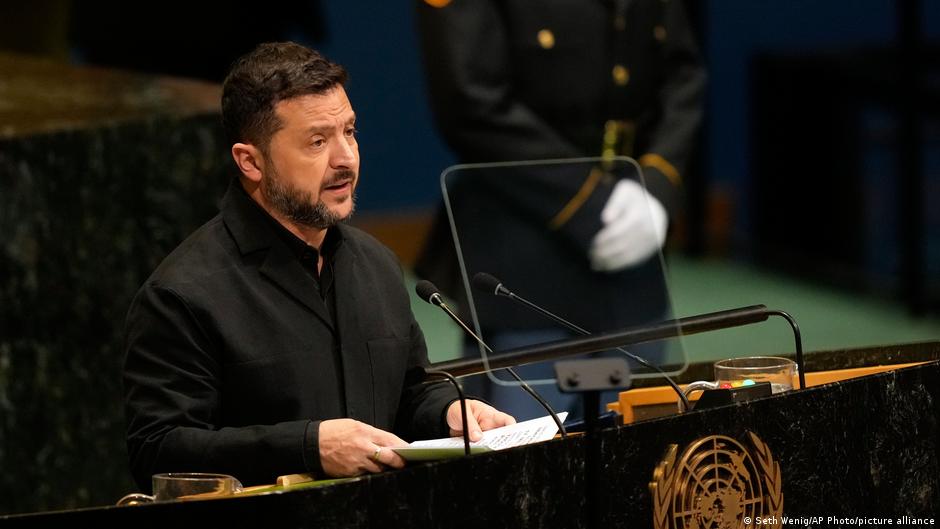
Zelenskyy used his UN address to link Russia’s war to energy revenues, global instability, AI risks and the long-term economic costs of conflict.

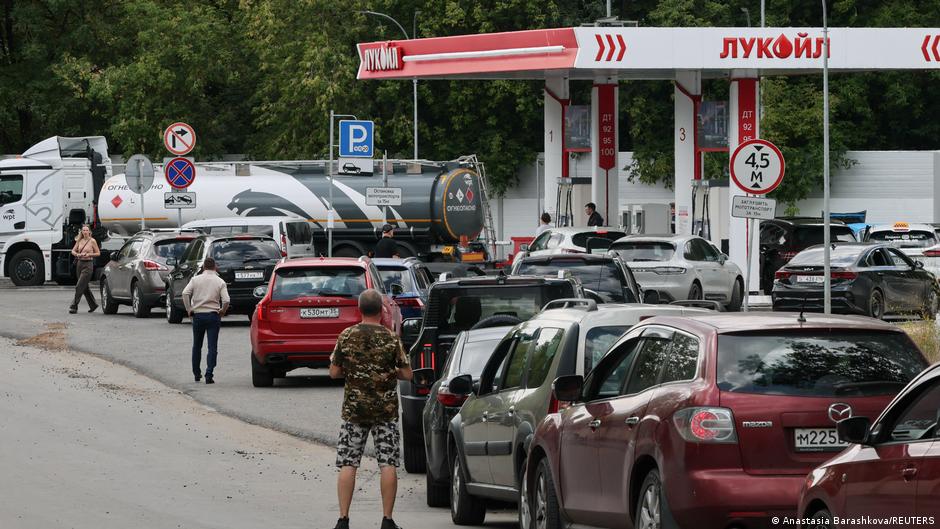
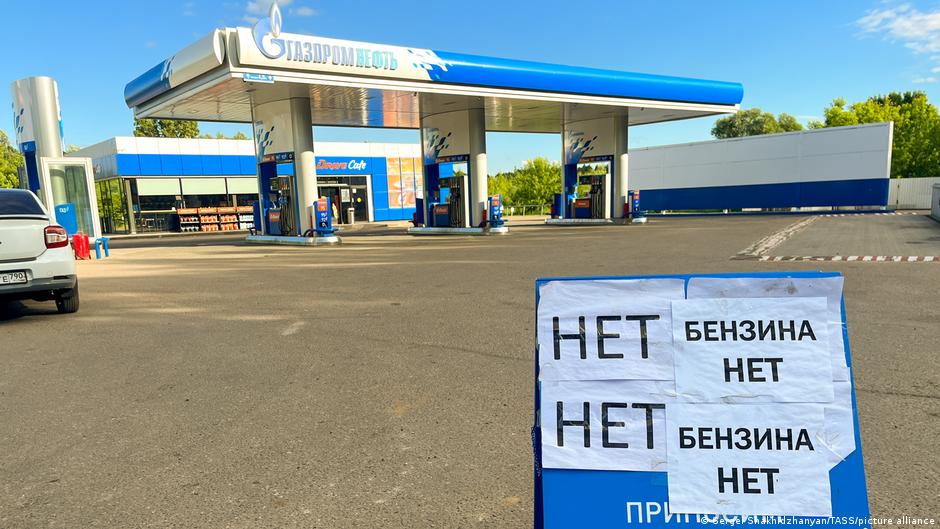
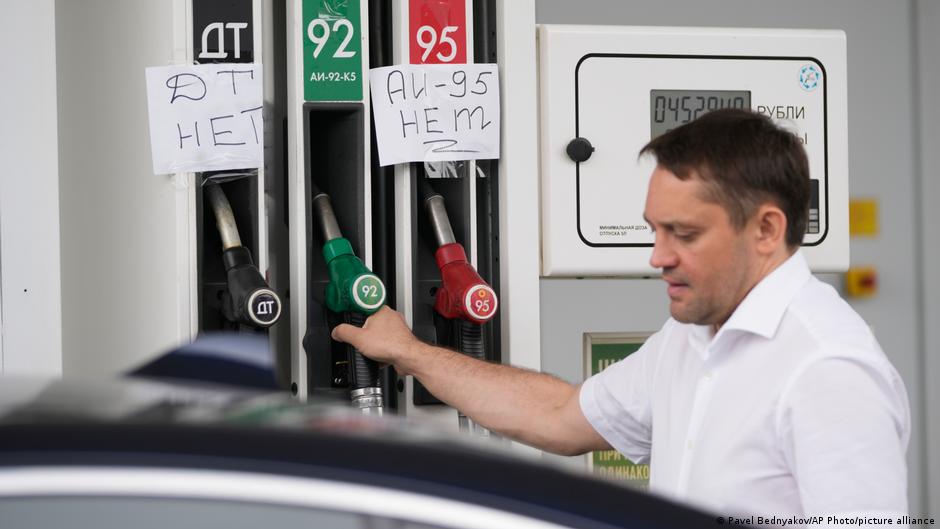
Kaluga and Zabaykalsky are restoring petrol limits as refinery strikes deepen Russia's second wave of fuel shortages.

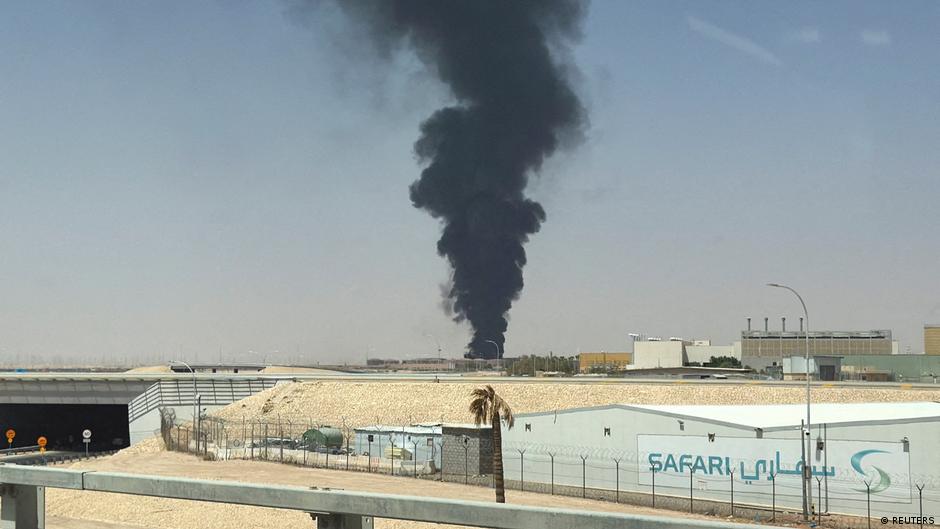
Saudi Arabia says it intercepted a Houthi ballistic missile aimed at Riyadh as attacks intensify around oil infrastructure and Red Sea trade routes.

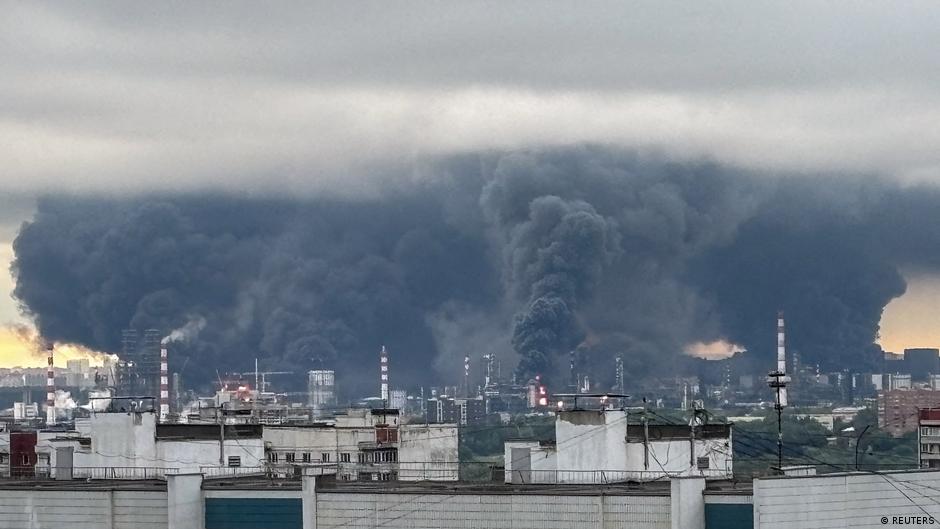
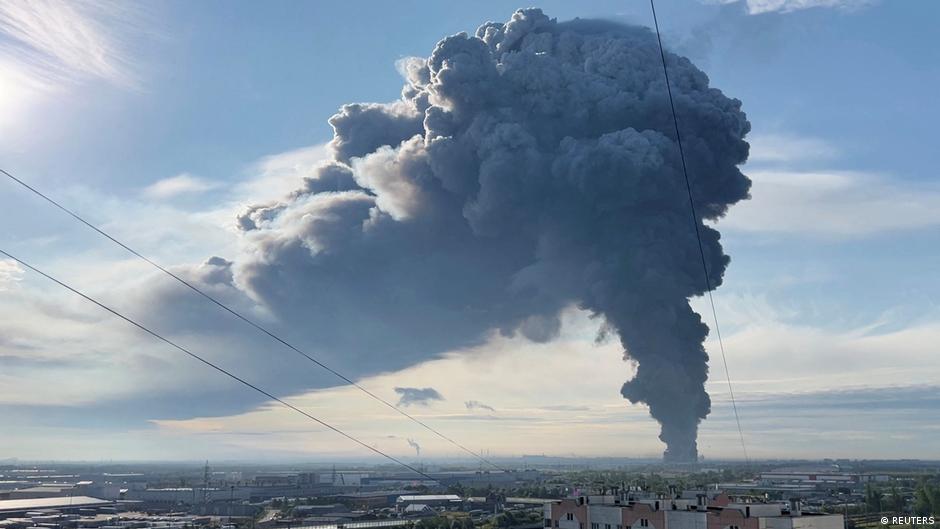
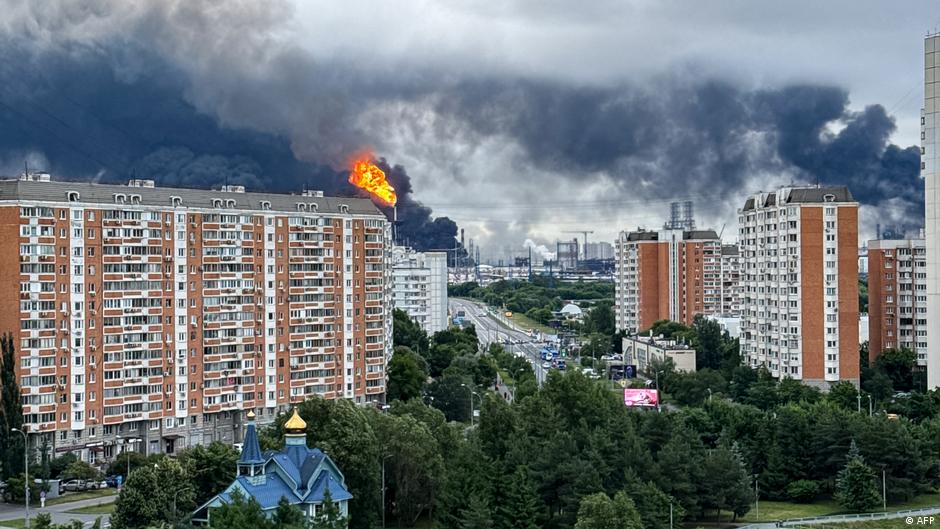
A large reported drone attack near Moscow killed two people, damaged sites including a refinery area, and briefly halted three airports.

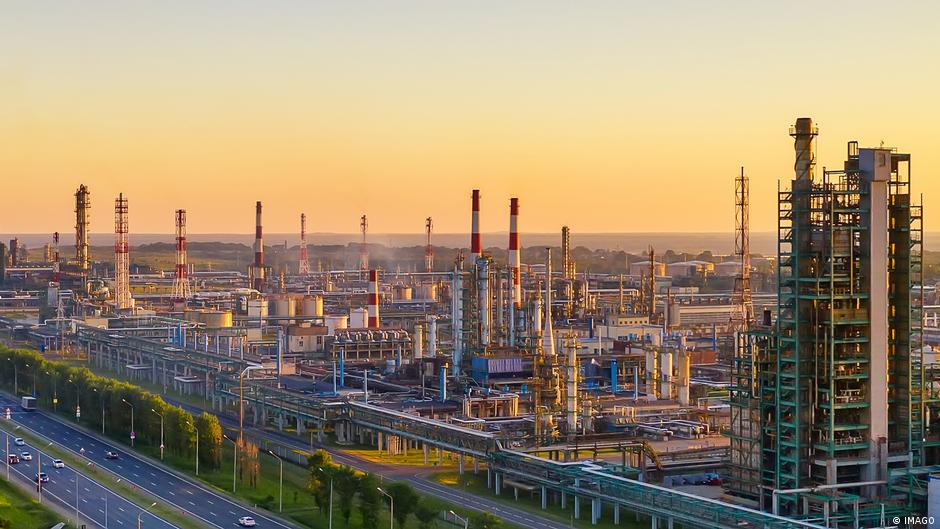
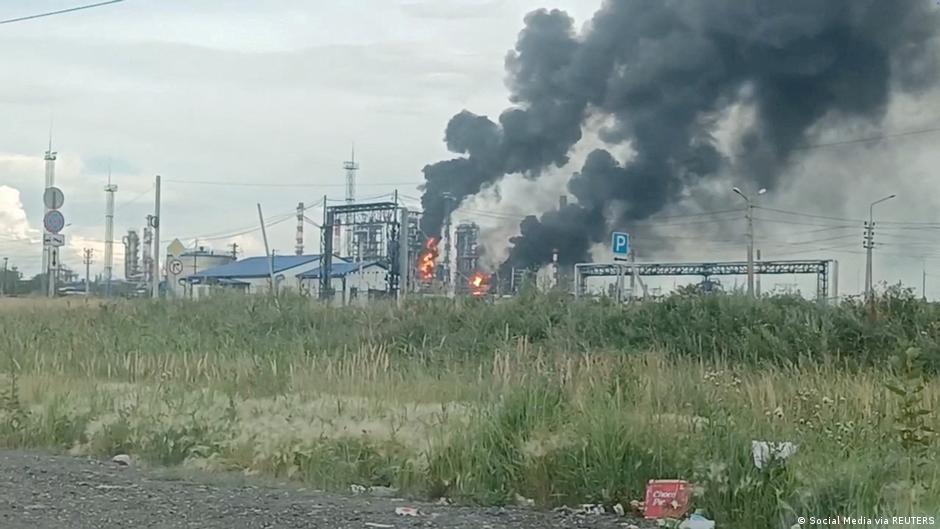
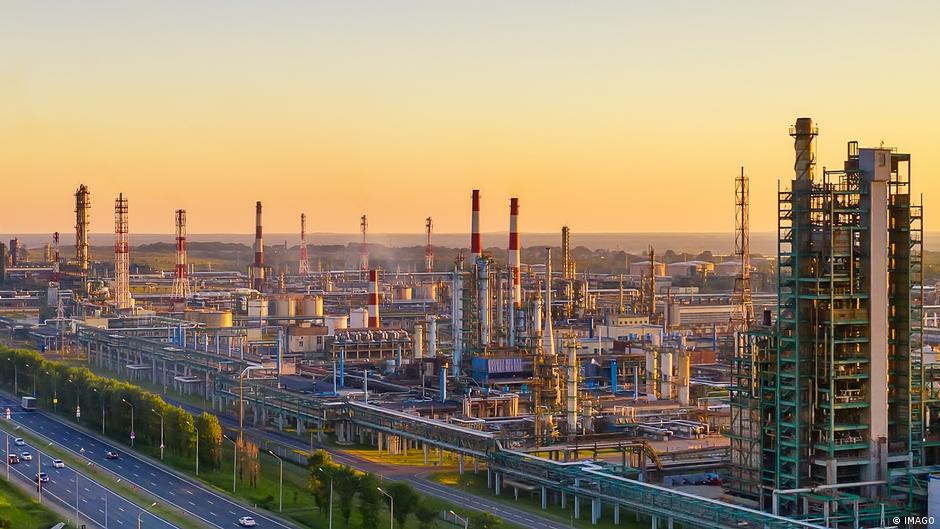
The halt at Yaroslavl’s YANOS refinery deepens Russia’s fuel shortages and exposes rising wartime risks to its energy infrastructure.

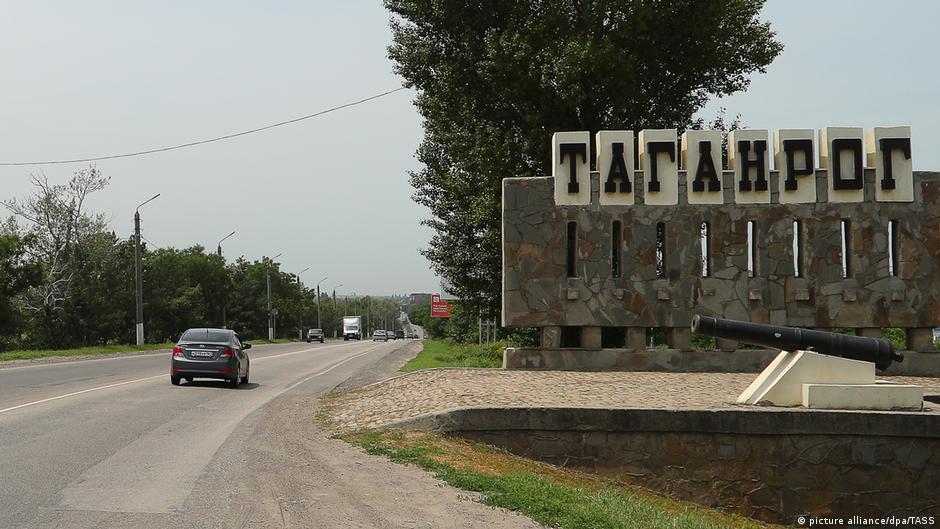
Strikes on Syzran refinery and Taganrog sites show how the war’s economic pressure is extending into Russia’s energy and industrial infrastructure.

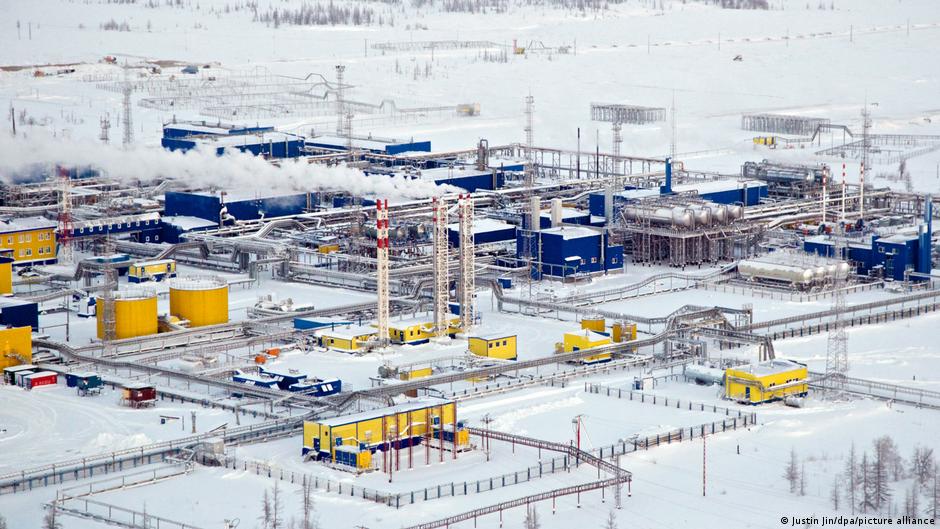
A reported drone strike in Russia’s Yamal gas region highlights rising infrastructure risk in a core pillar of the country’s energy economy.

Ukraine’s 40-day security operation has targeted over 100 strategic Russian sites and energy infrastructure, signaling a calculated effort to weaken Russia’s military and economic capabilities.

Russia’s oil product production fell nearly 22% in June amid intensified attacks on its refining infrastructure, triggering fuel shortages and price volatility with global economic implications.

Russia revises fuel dampener and import compensation mechanisms to stabilize domestic fuel prices amid refinery disruptions and global market challenges.

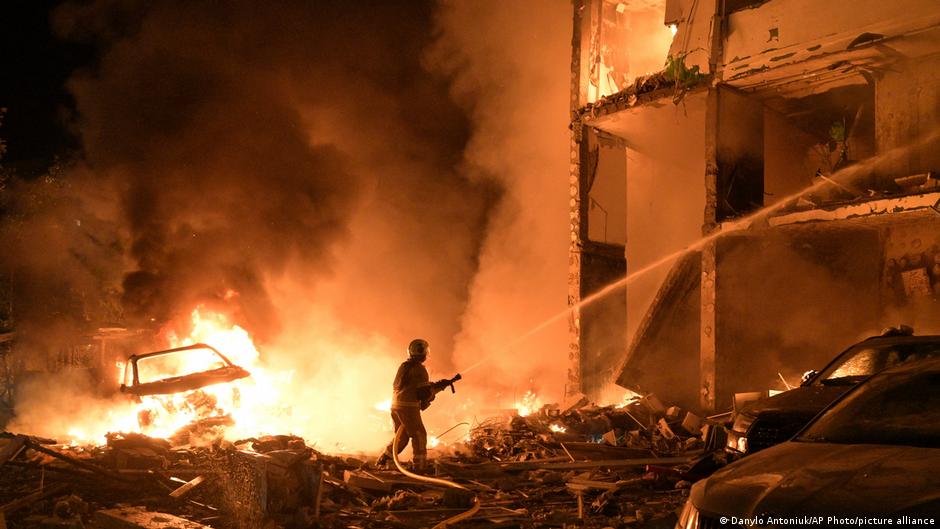
Russia’s missile strikes on Kyiv intensify civilian casualties amid rising hostilities, with major implications for regional stability and global energy markets.

The Saratov refinery’s shutdown after Ukrainian drone attacks worsens Russia’s fuel crisis, disrupting 25% of refining capacity and impacting millions amid wartime economic pressures.

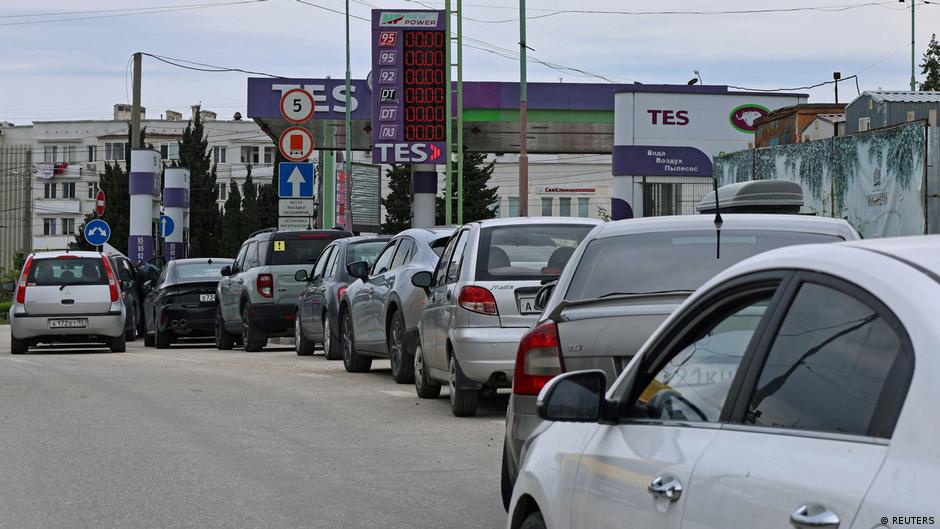
Fuel prices in Crimea have surged nearly 80% in one week amid Russia’s export restrictions and supply shortages, signaling broader energy market challenges and policy shifts.

Russia permits continued use of higher-sulfur Euro-3 fuels domestically until 2026 amid refining disruptions, excluding exports to EAEU countries, signaling a shift in energy policy priorities.

Russia reduced drone and missile strikes on Ukraine in June compared to May, possibly reflecting logistical challenges or strategic shifts amid intensified Ukrainian counterattacks.

Russia's aviation fuel imports from Belarus surged nearly fourfold in May 2026 amid domestic production setbacks, prompting policy shifts and regional supply realignments.

Russia has reached its highest weekly maritime oil export levels since early 2026, despite falling global prices and renewed competition from Iranian crude following US-Iran diplomatic progress.

The US has imposed sanctions on five Cuban state-owned companies controlling 40% of GDP, escalating economic pressure with significant regional and global implications.

Ukraine’s drone strikes on Russian refineries have forced Russia to impose fuel sales limits in 53 regions, signaling major disruptions in its oil sector with global economic impact.

Germany urges the EU and Turkey to exclude Russian gas in future contracts, reflecting a strategic shift as Turkey seeks to become a regional gas hub amid evolving geopolitical tensions.

Russia plans to temporarily restrict diesel and jet fuel exports amid refinery shutdowns caused by drone strikes, aiming to stabilize its domestic fuel market.

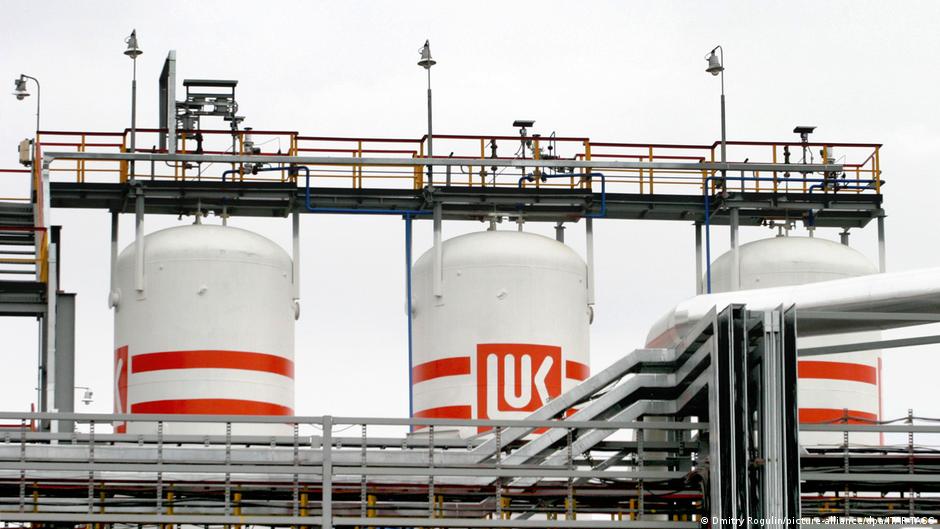
Ukrainian drone attacks have halved Lukoil’s NORSI refinery capacity, disrupting a quarter of Russia’s refining output and impacting global energy markets.