Russia’s July Oil Revenues May Surge 60% Year-on-Year Amid Rising Global Prices
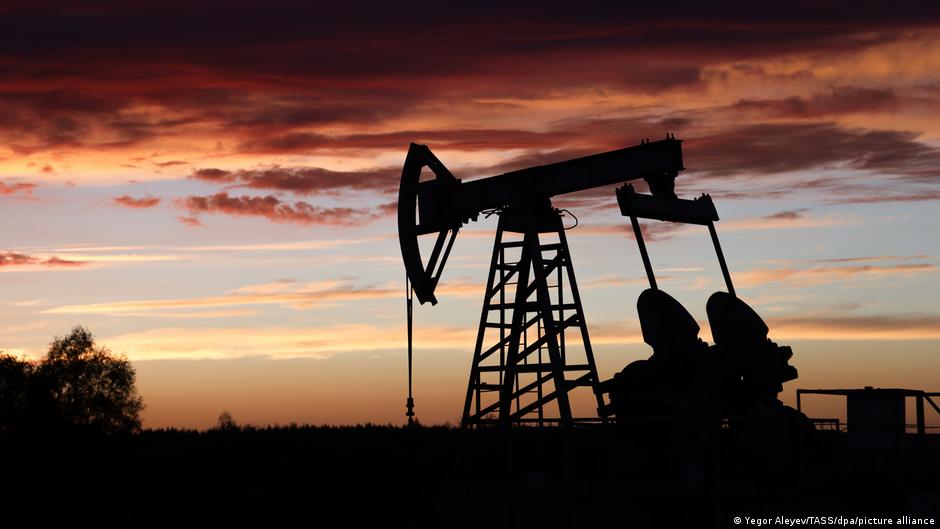
Russia’s July oil and gas revenues may rise 60% year-on-year due to higher global prices, despite sustained EU sanctions targeting its energy exports.

Russia’s July oil and gas revenues may rise 60% year-on-year due to higher global prices, despite sustained EU sanctions targeting its energy exports.

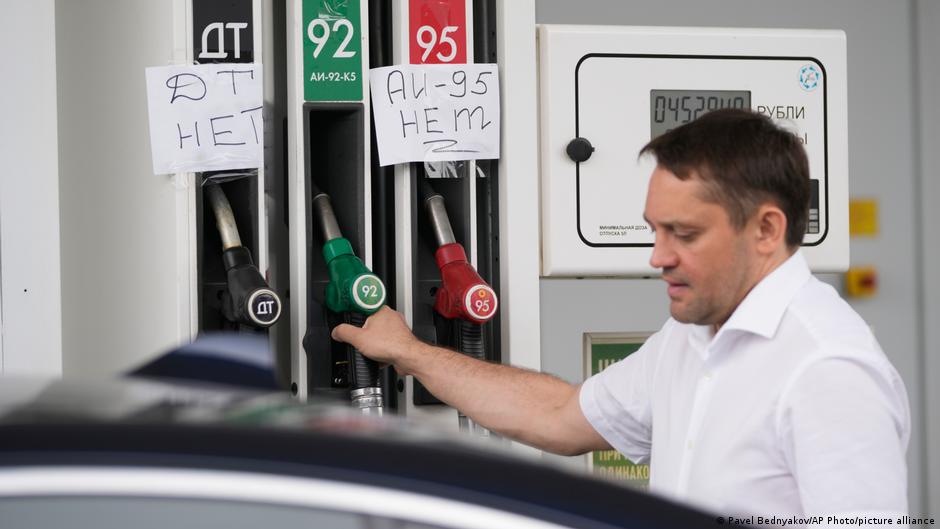
Russia revises fuel dampener and import compensation mechanisms to stabilize domestic fuel prices amid refinery disruptions and global market challenges.

The IMF approved a €604 million disbursement to Ukraine, recognizing its progress under the EFF program amid war, despite delays in structural reforms and revised growth forecasts.

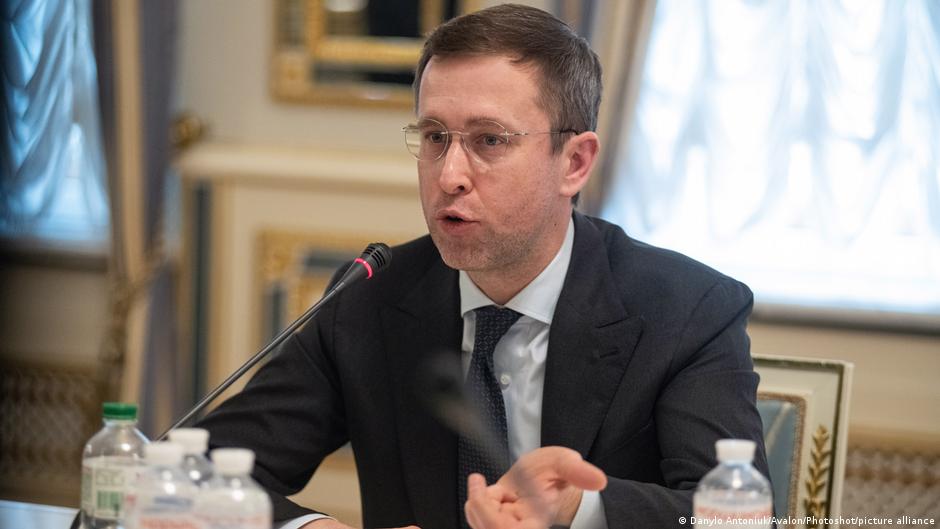
Ukraine's parliament will vote on July 16 to confirm Sergey Koretsky as prime minister, initiating a major government reshuffle with significant implications for economic and defense policies.

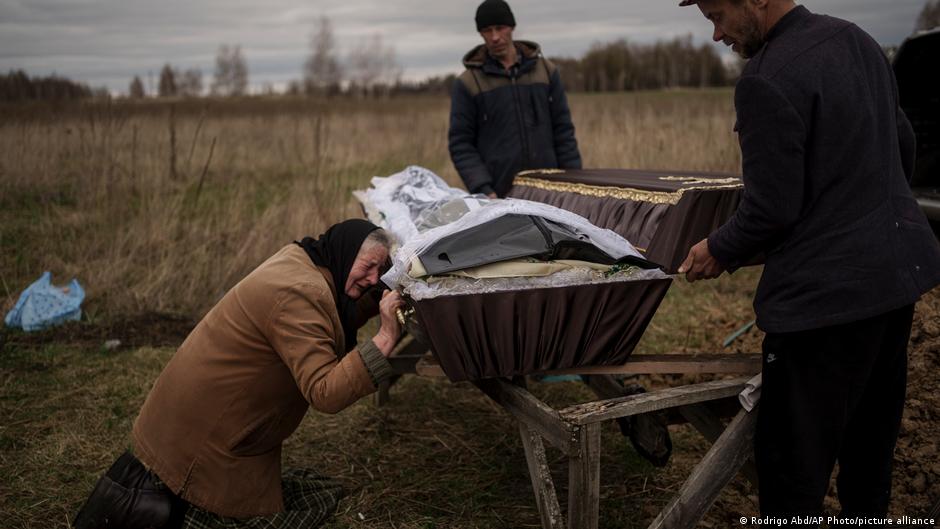
June 2026 saw the highest civilian casualties in Ukraine since the Russian invasion began, signaling escalating conflict with profound economic and geopolitical ramifications.

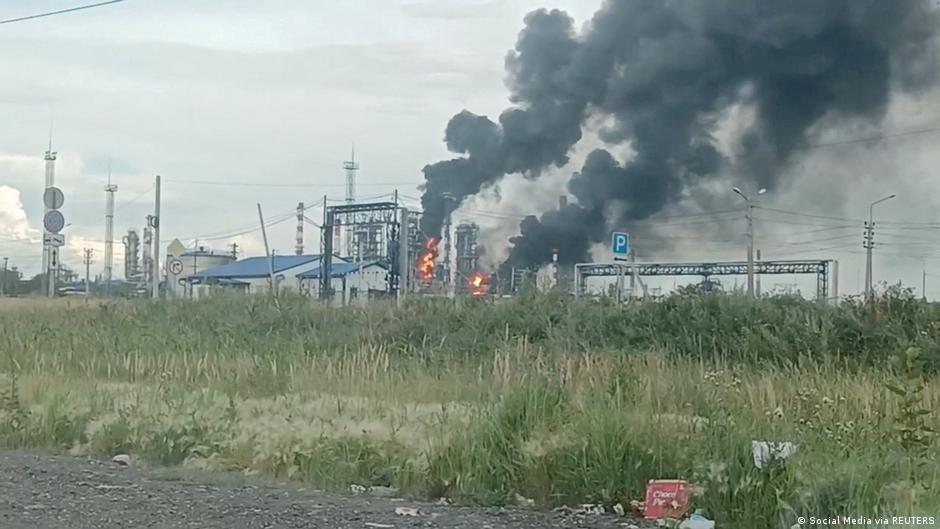
The Saratov refinery’s shutdown after Ukrainian drone attacks worsens Russia’s fuel crisis, disrupting 25% of refining capacity and impacting millions amid wartime economic pressures.

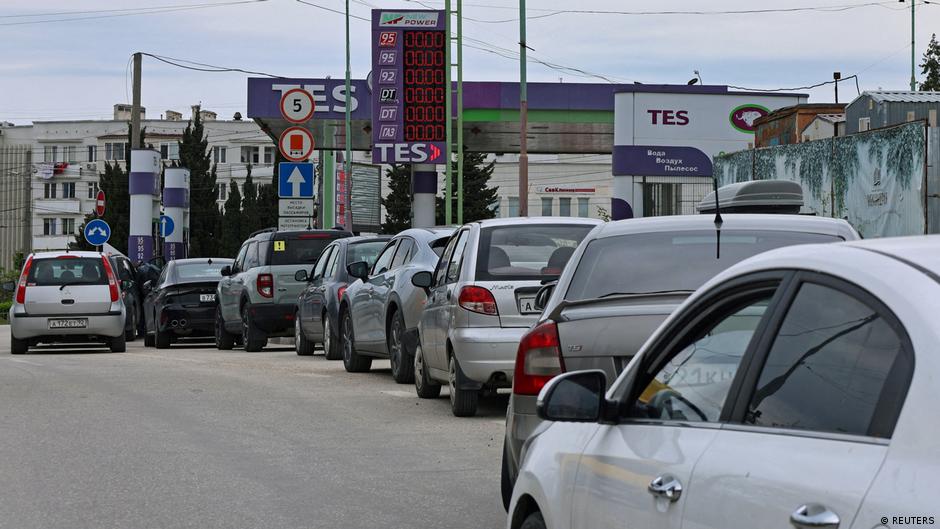
Fuel prices in Crimea have surged nearly 80% in one week amid Russia’s export restrictions and supply shortages, signaling broader energy market challenges and policy shifts.

Gazprom has contracted with Russia's Defense Ministry to form mobile units protecting gas infrastructure, reflecting heightened security concerns amid geopolitical tensions and economic risks.

Russia permits continued use of higher-sulfur Euro-3 fuels domestically until 2026 amid refining disruptions, excluding exports to EAEU countries, signaling a shift in energy policy priorities.

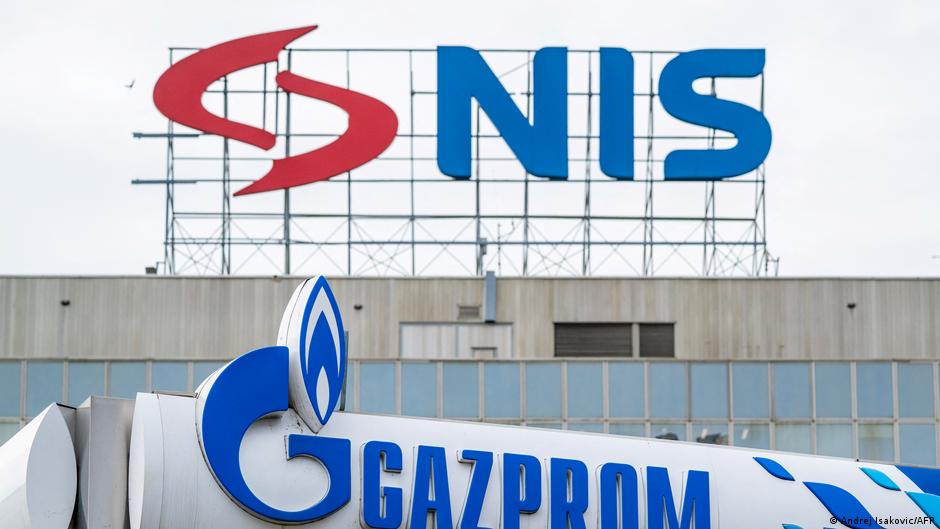
The US has extended a temporary license allowing Serbian oil company NIS to operate under sanctions while Gazprom's stake sale deadline is repeatedly postponed.

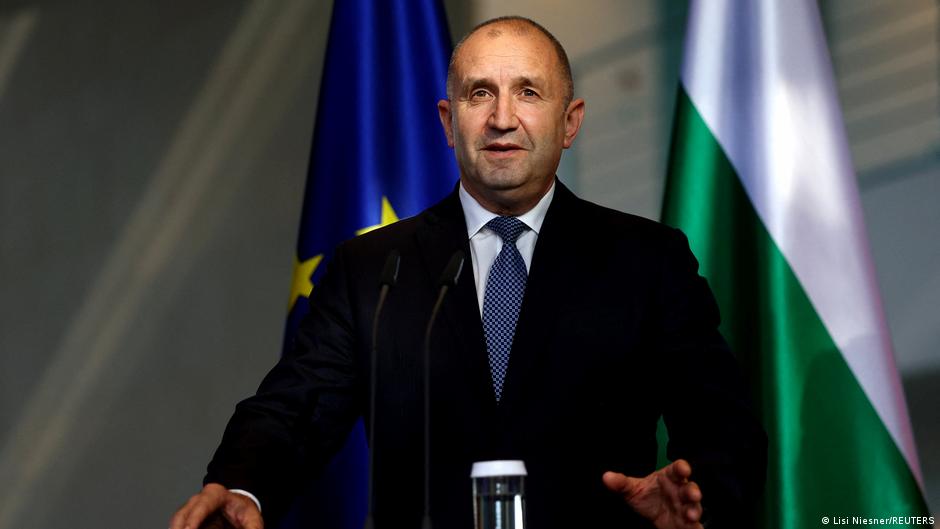
Bulgaria plans to veto new EU sanctions on Russia, citing risks to its economy and questioning their impact on peace efforts, highlighting divisions within the EU on sanction policy.

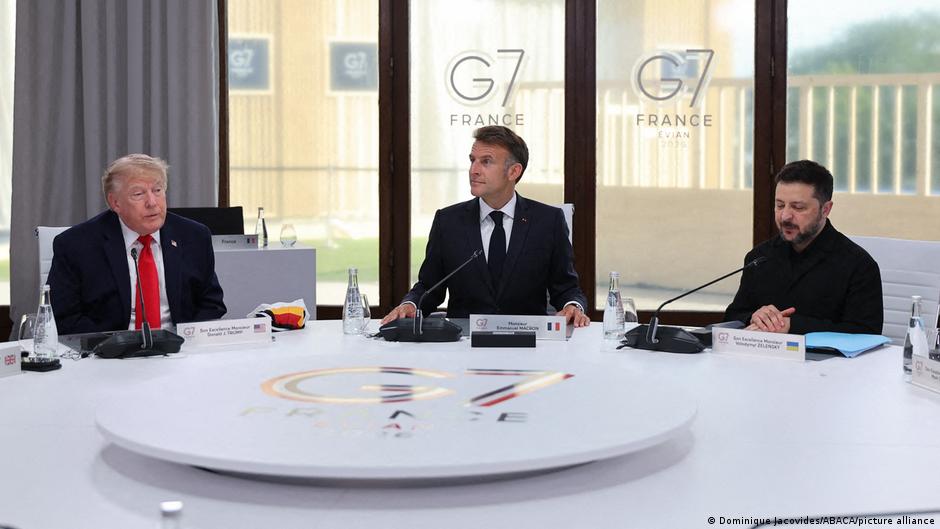
G7 leaders have announced new sanctions targeting Russian oil and gas exports and pledged increased military support for Ukraine, signaling a strategic shift with significant global economic implications.

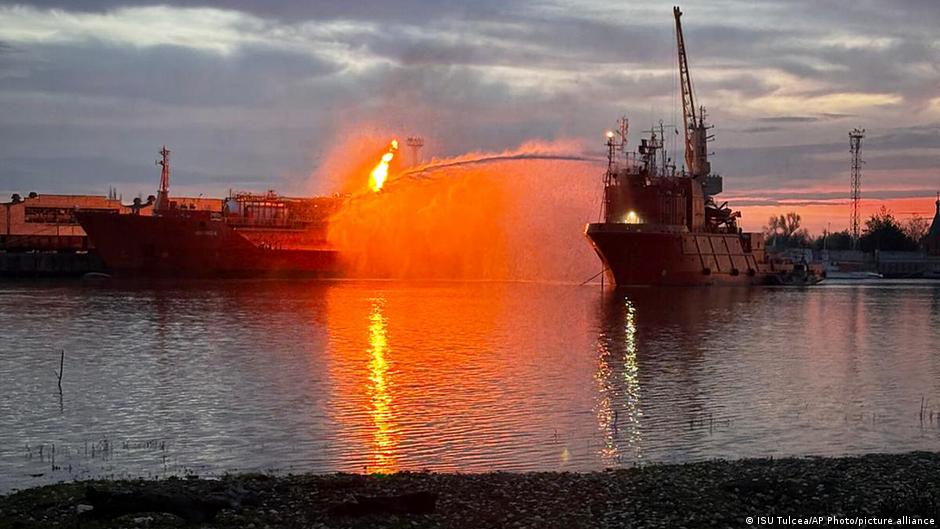
Russian missile and drone strikes on Ukrainian ports and energy infrastructure mark a dangerous escalation with broad global economic and energy security consequences.

The US has ended its temporary easing of sanctions on Russian oil exports, a move with significant implications for global energy markets and economic policy amid ongoing geopolitical tensions.

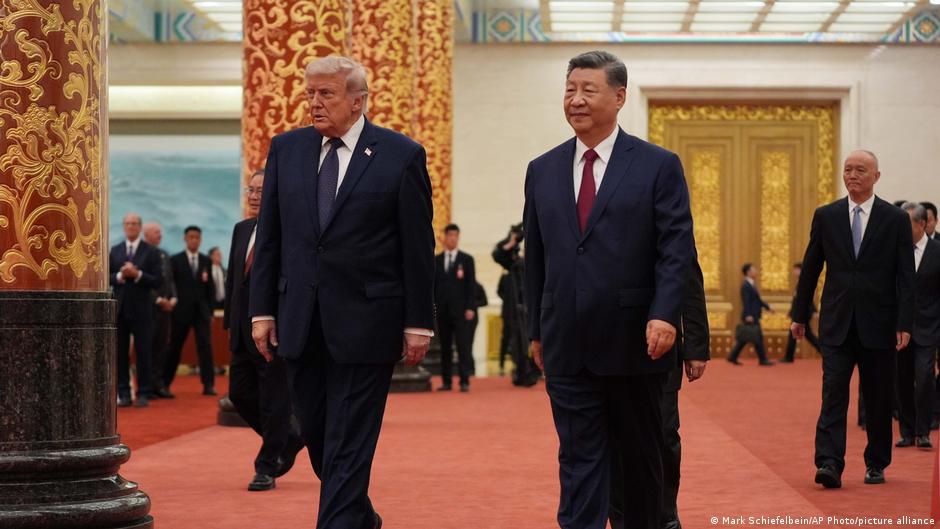
China signals renewed interest in U.S. oil and soybeans, potentially easing trade tensions and impacting global commodity markets and geopolitical relations.

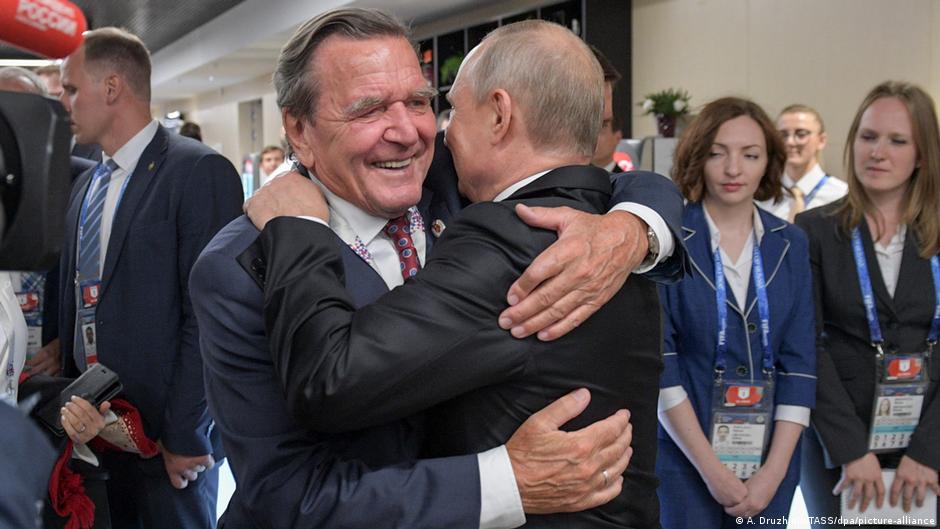
Putin names former German Chancellor Gerhard Schröder as preferred EU negotiator for Russia-Ukraine talks, signaling Moscow's openness to dialogue under specific conditions.