Germany Plans Anti-Sabotage Shield as Russian Hybrid Threats Escalate
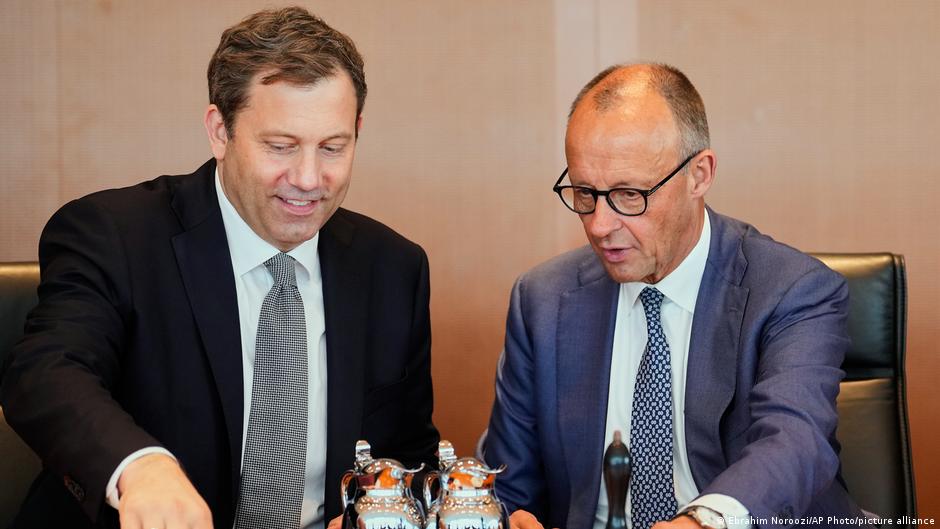
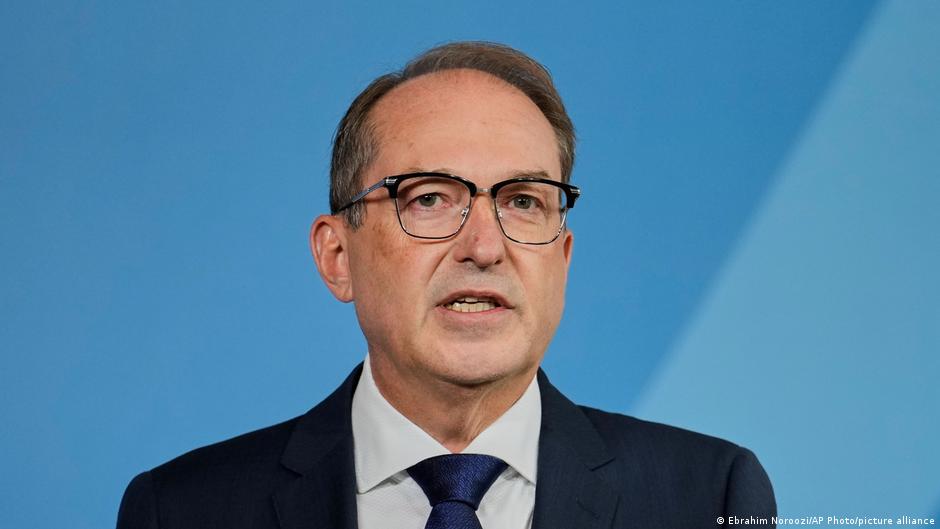
Germany is preparing a broad anti-sabotage shield against Russian hybrid threats, with new drone defenses, cyber monitoring and roles for critical infrastructure firms.

Germany is preparing a broad anti-sabotage shield against Russian hybrid threats, with new drone defenses, cyber monitoring and roles for critical infrastructure firms.

Uzbekistan’s ten-year reform drive has reshaped business rules, tax policy and investor conditions as part of a broader economic liberalization strategy.

Uzbekistan auctions its full stake in the 'Fonon' jewelry factory, with the buyer assuming significant debts amid ongoing financial recovery efforts.

Russia’s covert sabotage of European defense factories tests NATO’s unity and resilience, posing strategic and economic challenges across the alliance.

Humo payment system’s net profit surged over 3.3 times in H1 2026, driven by tripled revenues and despite elimination of key tax benefits, signaling strong fintech sector resilience.

Uzbekistan offers subsidies covering up to half of construction costs for modern swimming pools to boost tourism, create jobs, and diversify its economy by 2028.

Russia revises fuel dampener and import compensation mechanisms to stabilize domestic fuel prices amid refinery disruptions and global market challenges.

Germany’s 2027 budget increases defense spending and borrowing amid Russian security concerns, raising questions about economic growth and fiscal sustainability.

Gazprom has contracted with Russia's Defense Ministry to form mobile units protecting gas infrastructure, reflecting heightened security concerns amid geopolitical tensions and economic risks.

Two German businessmen admitted to violating EU sanctions by shipping machinery components to Russia via front companies in Kyrgyzstan and Turkey, raising concerns about enforcement challenges.

The United Nations faces a funding crisis as delayed payments from the US and China threaten its operations, prompting urgent budget cuts and raising concerns about global governance stability.

The UK has issued an indefinite license to import diesel and kerosene derived from Russian oil via third countries, easing sanctions amid global energy and economic pressures.

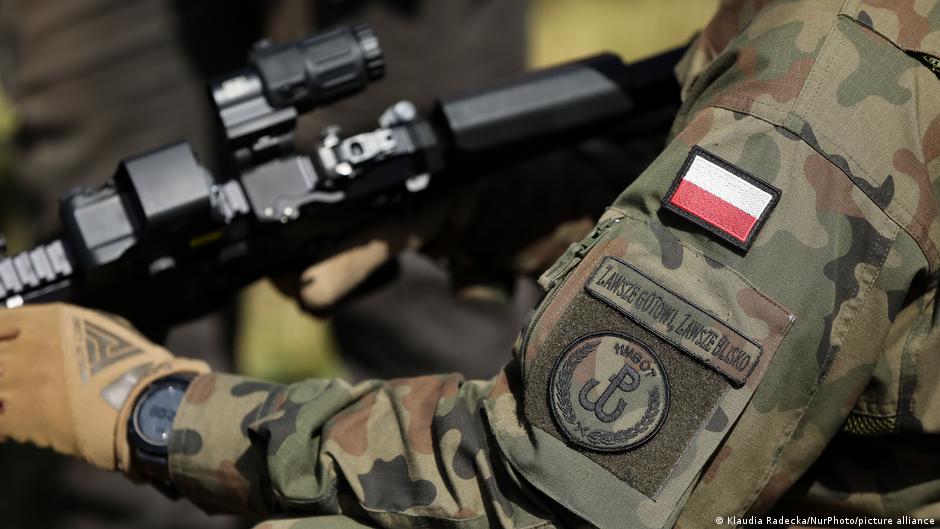
Poland has signed a €44 billion EU loan agreement to fund defense modernization, marking a significant shift in European security investment despite presidential veto concerns.

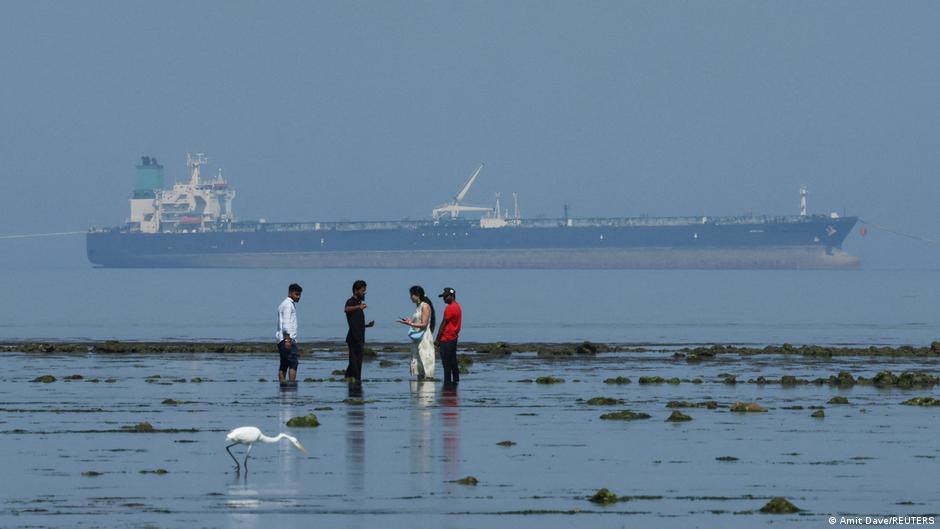
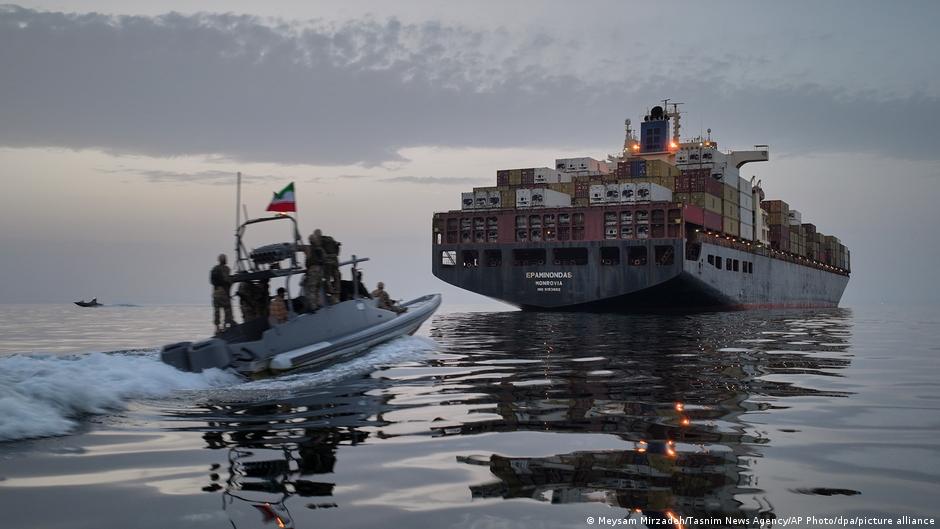
Iran mandates comprehensive vessel disclosures for Strait of Hormuz passage amid US military operations, raising concerns over global energy security and maritime policy shifts.

Major Uzbek payment companies report varied profit increases in Q1 2026, with Paynet’s surge driven by a significant one-time dividend inflow.

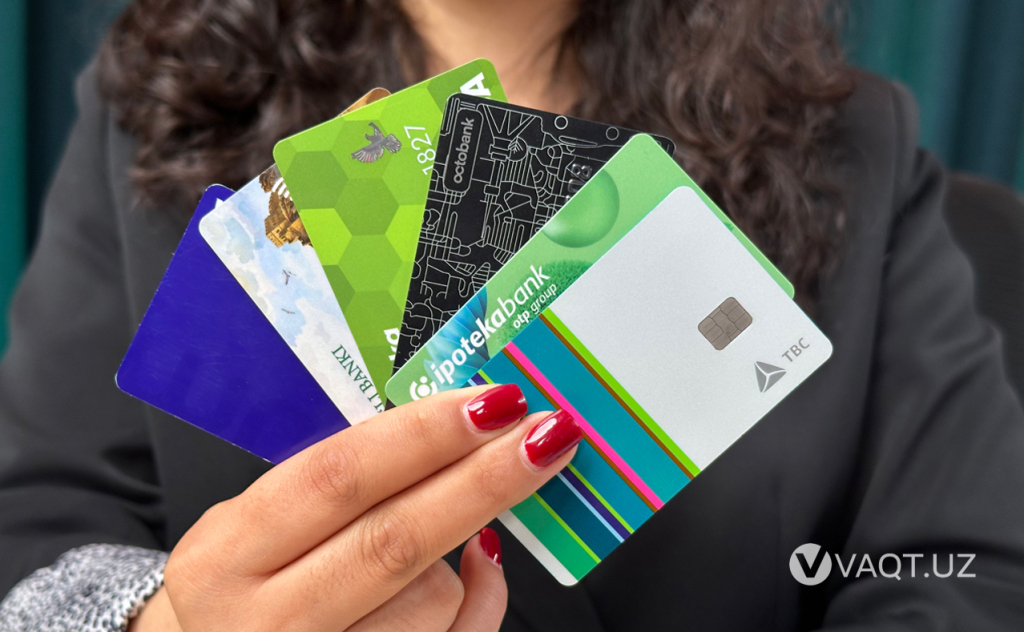
Uzbekistan enforces new banking rules requiring minimum balances on cards during automatic debt repayments to prevent full fund depletion and protect consumers.

Tencent and institutional investors acquire 6 million Kaspi.kz shares, signaling confidence in the fintech’s growth and expanding its regional ecosystem.