German Youth Protests Expose Mounting Economic and Social Strains
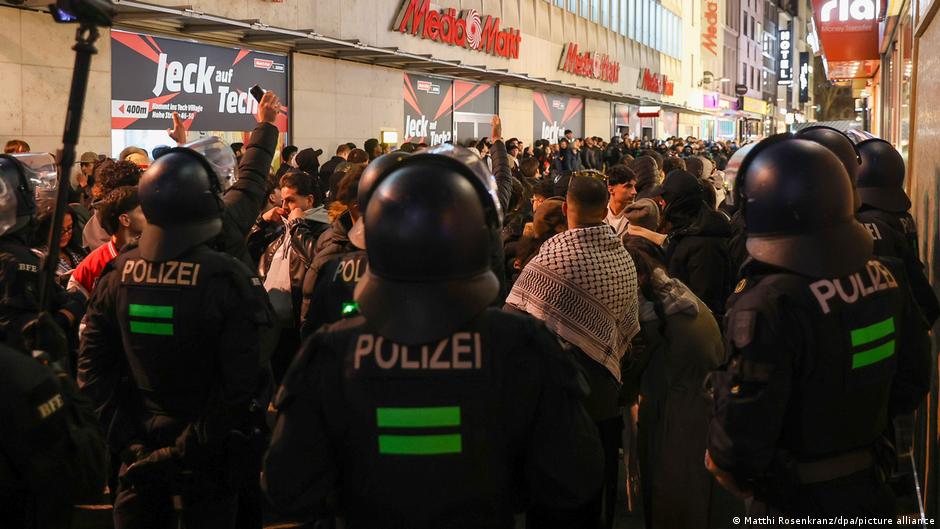
Youth unrest across Germany highlights growing European pressure over living costs, public services, climate action and competing fiscal priorities.

Youth unrest across Germany highlights growing European pressure over living costs, public services, climate action and competing fiscal priorities.

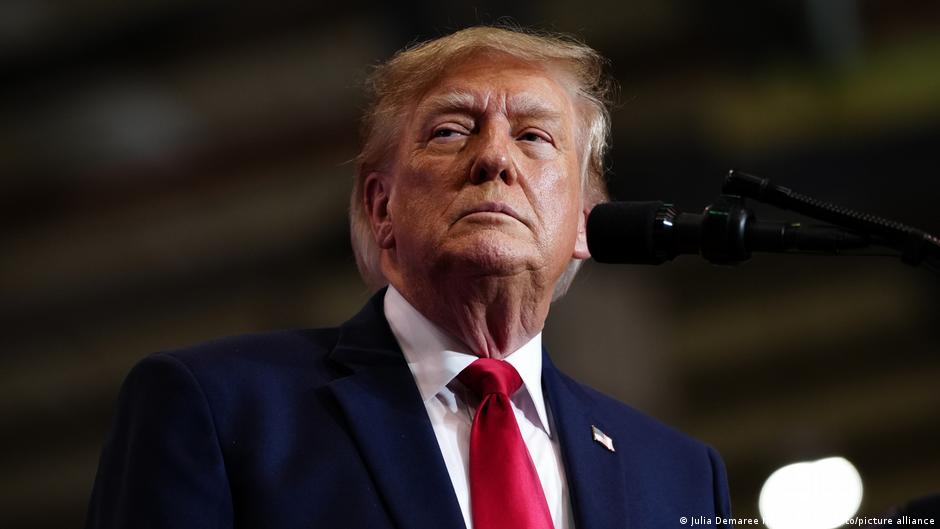
Trump questioned the FBI’s attribution of a $6.3 billion Binance theft to North Korea, highlighting the geopolitical and regulatory risks surrounding global crypto markets.

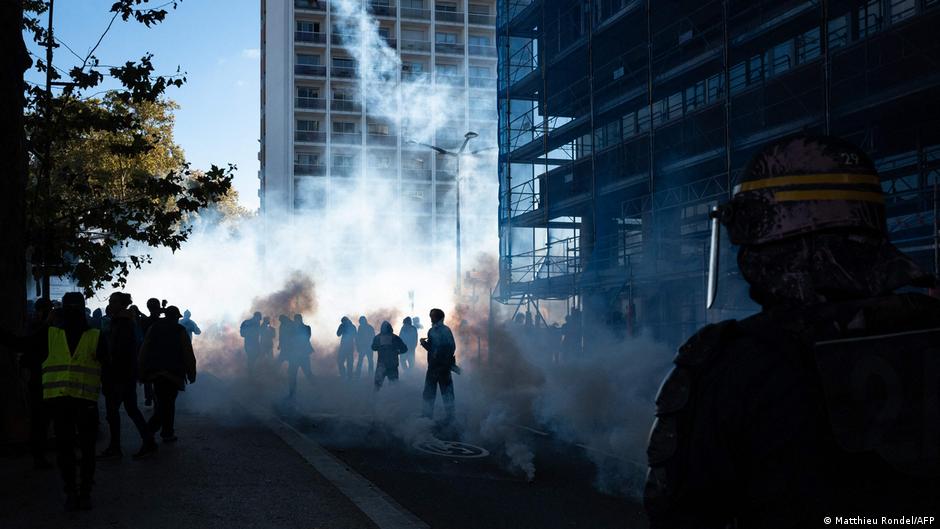
French protest turnout fell to 320,000, but cost-of-living and education grievances continue to pose fiscal and political risks.

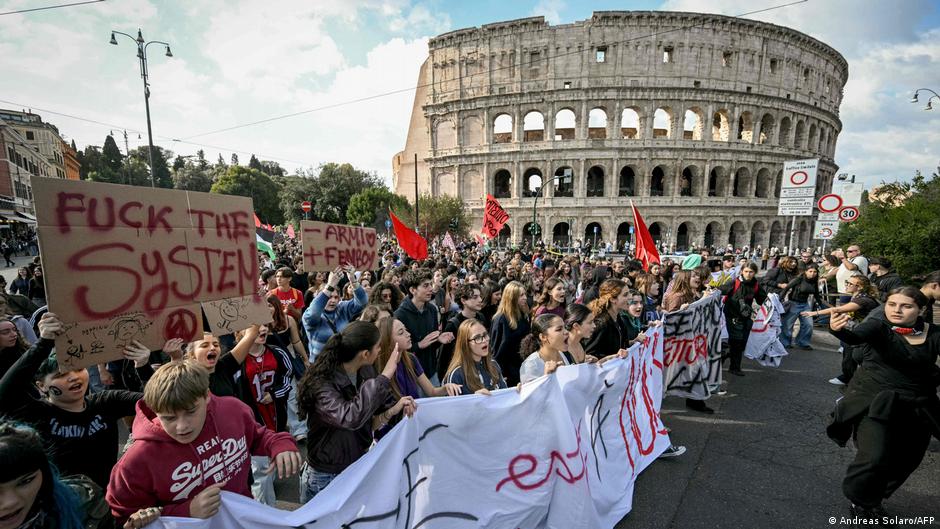
Italian protests over rents, fuel prices and military spending expose Europe’s growing struggle to reconcile defence commitments with household and social priorities.

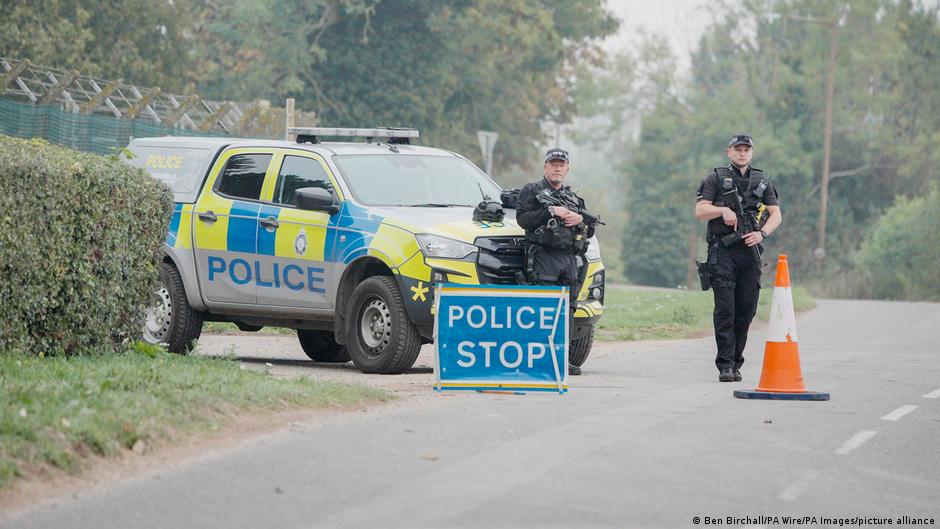
Two Latvian citizens were detained after entering RAF Molesworth, raising wider questions about UK military-site security and resilience costs.

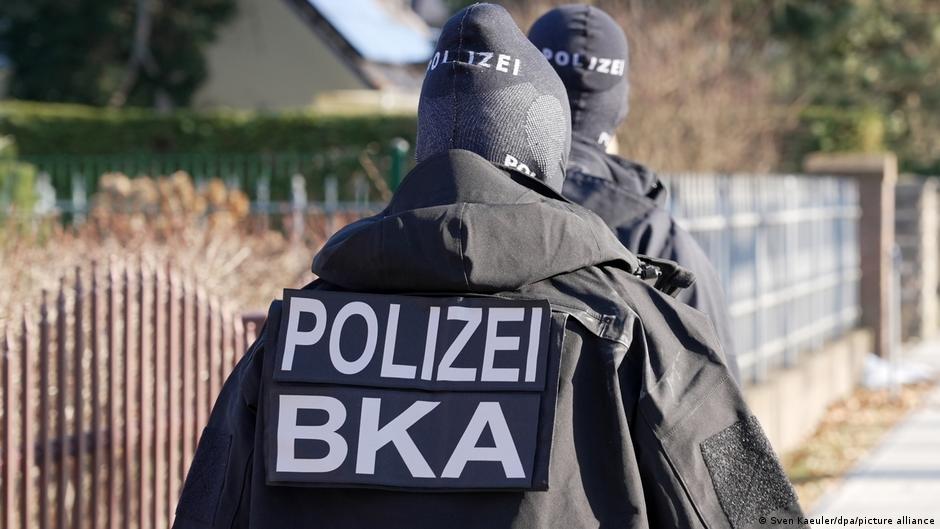
Raids in Germany and Austria over alleged vehicle exports to Russia expose persistent loopholes in EU sanctions enforcement.

Dutch police detained an Amsterdam cybersecurity worker in a ShinyHunters probe, raising wider questions about cyber risk and governance.

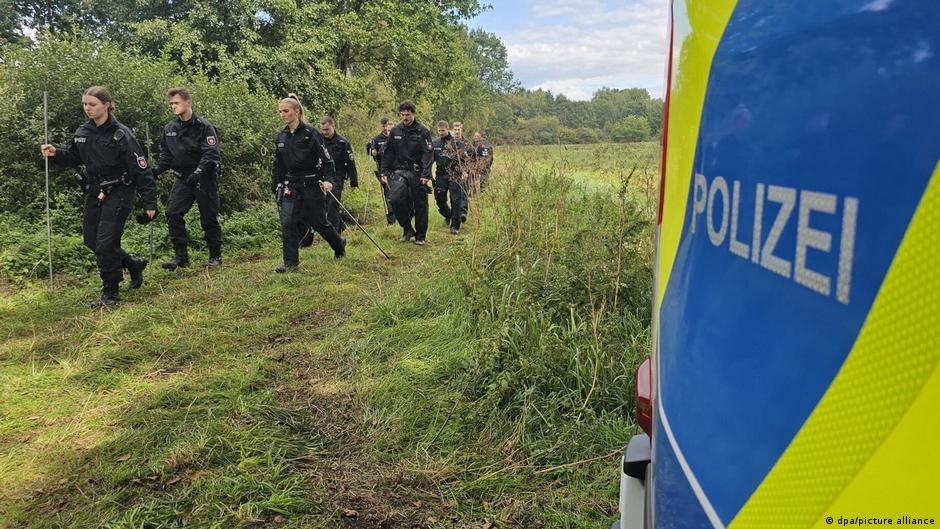
German investigators are probing whether a crashed drone near the Wunstorf air base involved explosives, raising wider infrastructure-risk concerns.

Georgia detained former defense chief Giorgi Baramidze on treason and sabotage accusations tied to remarks about the Abkhazia war.

Germany is preparing a broad anti-sabotage shield against Russian hybrid threats, with new drone defenses, cyber monitoring and roles for critical infrastructure firms.

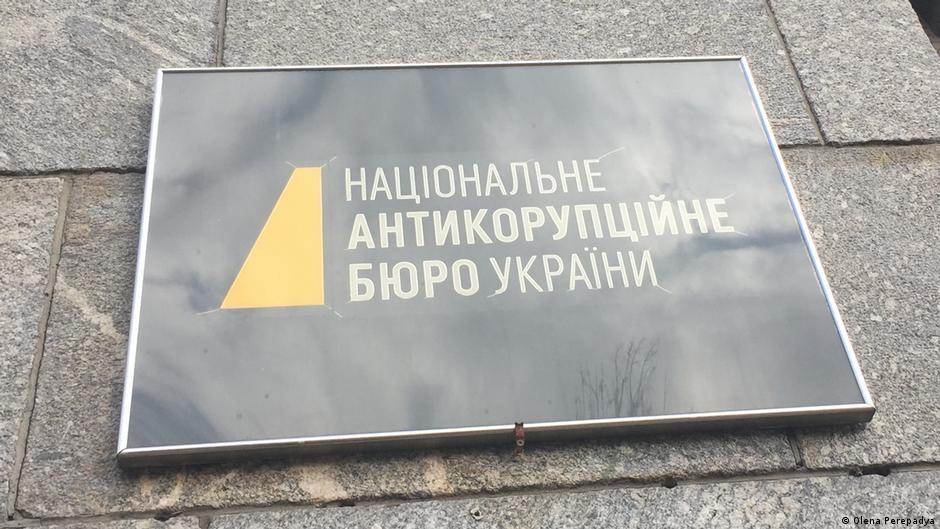
Ukraine’s anti-corruption agencies searched the Prosecutor General’s Office in a probe tied to fraudulent call centers and alleged official protection.

Russia’s covert sabotage of European defense factories tests NATO’s unity and resilience, posing strategic and economic challenges across the alliance.

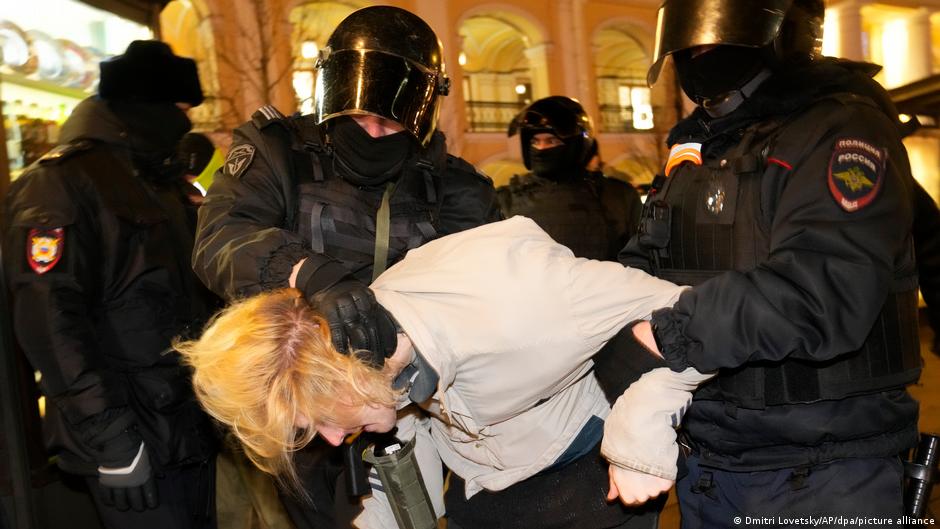
Russian authorities detained nearly 100 participants at a music festival near Vyborg over pro-Ukraine songs and regime criticism, reflecting tightening political controls with broad economic implications.

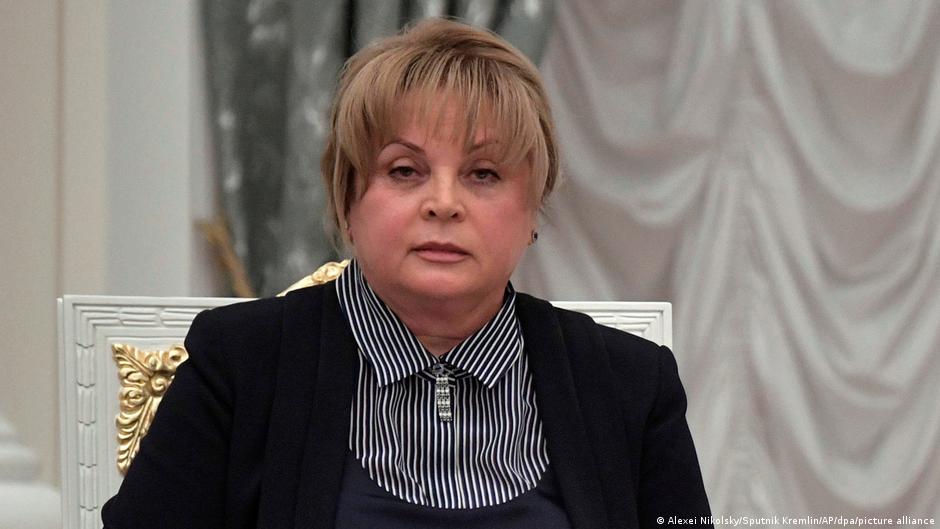
Russia’s election chief advocates stripping voting rights from emigrated citizens, signaling significant policy shifts with implications for global economic relations and diaspora engagement.

Germany confronts escalating hybrid warfare threats, including explosive drone attacks, prompting new technological defenses amid rising geopolitical tensions in Europe.

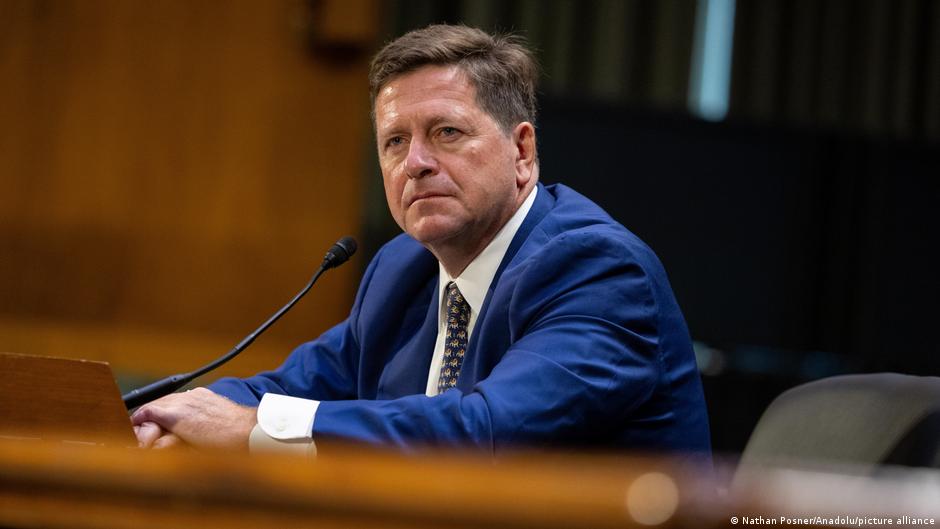
Jay Clayton's confirmation as US Director of National Intelligence raises questions about experience and signals potential shifts in security and economic policy.

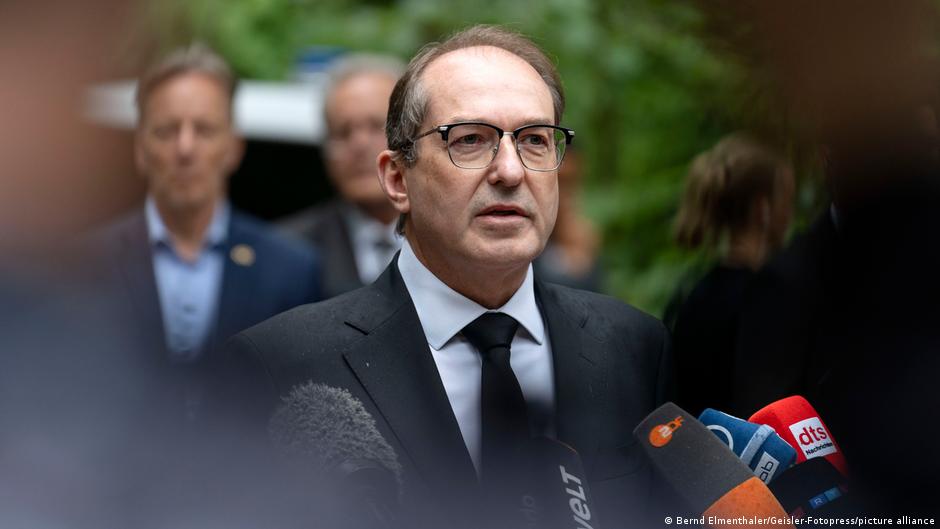
Germany reports 410 Islamist individuals posing threats, highlighting ongoing radicalization challenges and prompting calls for enhanced deradicalization and security measures.

Bolivia and the US have signed their first drug control cooperation agreement in 18 years, marking a strategic shift with significant implications for global drug markets and economic policy.

Georgia has arrested a Russian national accused of sanctions evasion in a case coordinated with the FBI, reflecting growing international enforcement of economic measures.

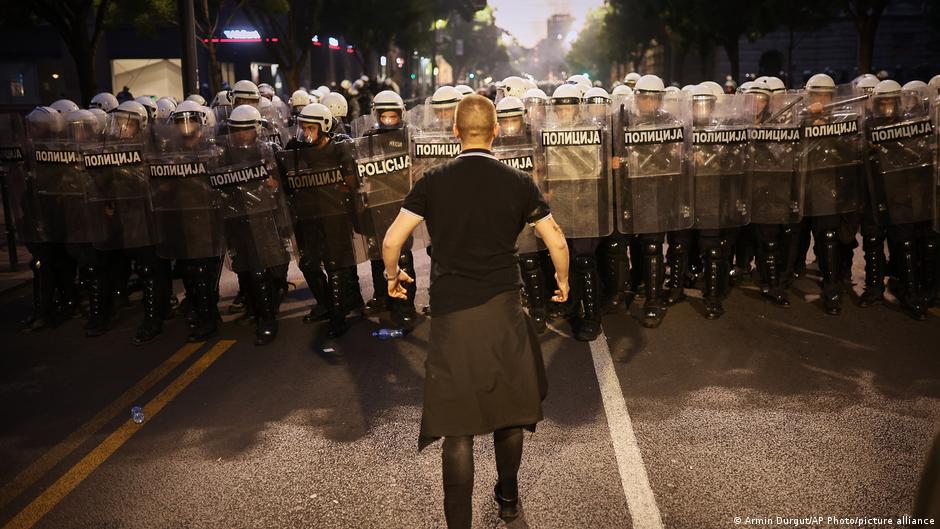
Violent protests in Belgrade expose deep political instability in Serbia, challenging governance and economic stability ahead of crucial 2026 elections.

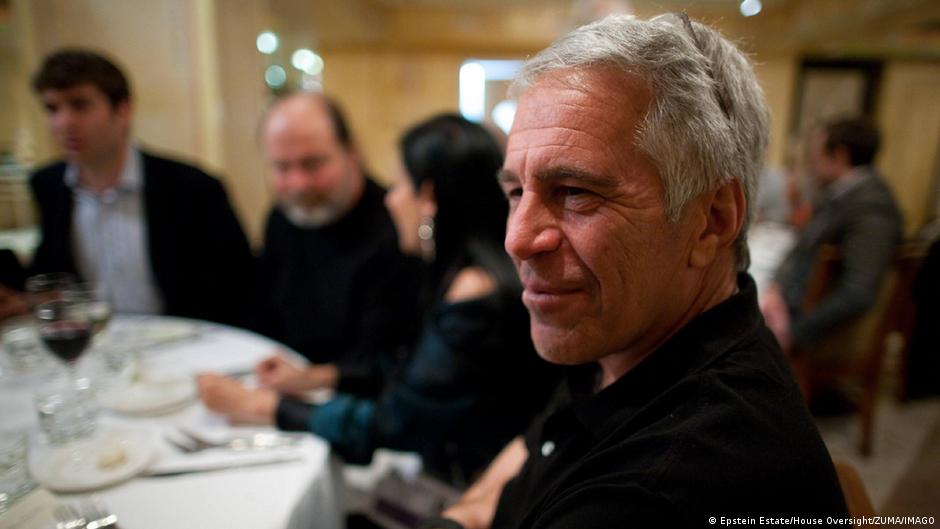
Paris prosecutors report about 20 new claims from potential victims in the Jeffrey Epstein trafficking case, focusing on French intermediary networks and expanding international investigations.

Ukraine imposes sanctions on 32 Russian firms and 34 individuals tied to Russia’s military industry, extending previous measures and targeting entities circumventing international restrictions.

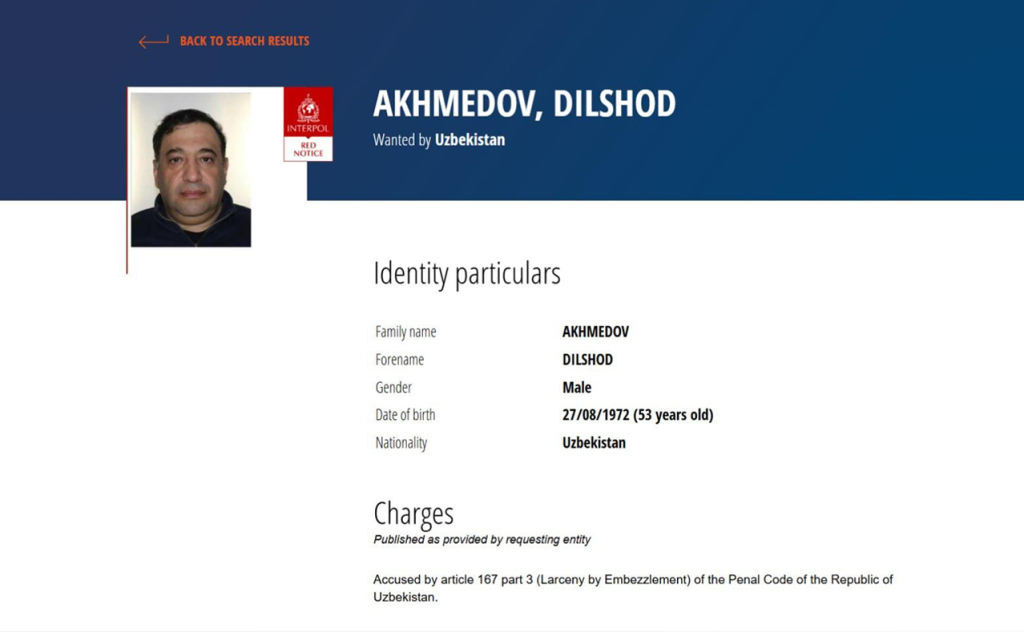
Dilshod Ahmedov, former head of Uzbekistan's metallurgical plant O‘zmetkombinat, is internationally wanted over alleged large-scale embezzlement, triggering sector reforms.