Bolivia and US Renew Cooperation Against Drug Trafficking After 18 Years
Bolivia and the United States have signed a landmark agreement to jointly combat drug trafficking, marking a significant policy shift with global economic implications.
In a notable development in international relations and global drug policy, Bolivia and the United States have signed an agreement to strengthen cooperation in combating illegal drug trafficking and transnational organized crime. This marks the first such bilateral accord between the two nations since 2008, despite the absence of formal diplomatic relations for nearly two decades.
Significance of the Agreement
The agreement, formally titled the "Agreement on Strengthening Bilateral Cooperation in the Fight Against Illegal Drug Trafficking and Transnational Organized Crime," was signed by Bolivia's Foreign Minister Fernando Aramayo. Under the terms, the United States will allocate up to $20 million to provide training and equipment to Bolivian specialists dedicated to countering narcotics trafficking.
This renewed collaboration signals a strategic pivot in how both countries approach drug-related challenges, with potential macroeconomic benefits. By enhancing Bolivia’s capacity to manage and reduce drug production and trafficking, the agreement could influence regional stability and international drug markets, which in turn affect global economic dynamics.
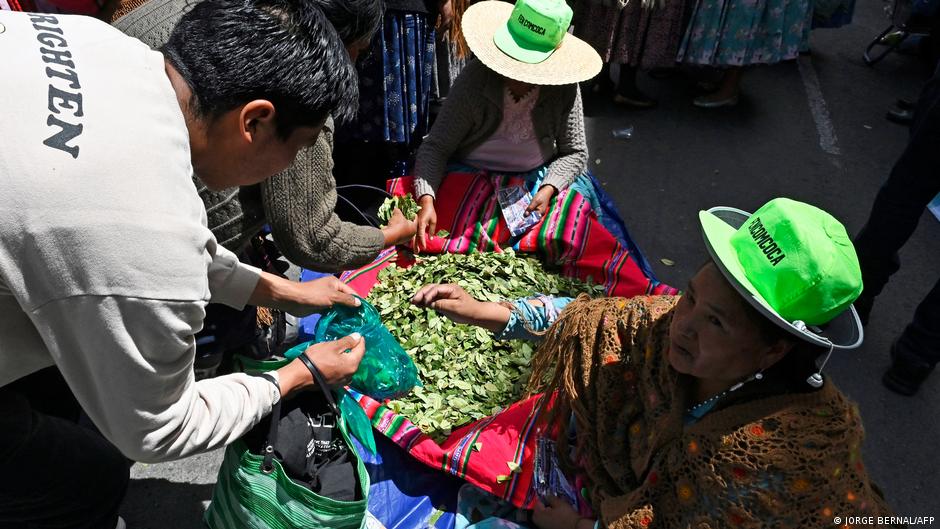
Bolivia is recognized as the world’s third-largest producer of cocaine. The country maintains cultural traditions such as the chewing of coca leaves, which complicates the socio-political landscape surrounding drug control policies.
"This agreement represents a crucial step in redefining cooperation on drug control between two countries long estranged by diplomatic tensions," said an official statement from Bolivia’s foreign ministry.
The accord also reflects a departure from past policies. In 2008, then-President Evo Morales severed diplomatic ties with the U.S. and expelled the Drug Enforcement Administration (DEA) agents from Bolivia, a move that significantly curtailed joint anti-narcotics operations. Although collaboration with the DEA has recently resumed, the agency’s office in La Paz remains closed and ambassadorial exchanges have not yet been restored.
Global and Economic Implications
The re-engagement between Bolivia and the United States in narcotics control has broader implications beyond bilateral relations. Cocaine production and trafficking have wide-reaching effects on global markets, law enforcement costs, and international policy coordination. The injection of U.S. resources into Bolivian drug enforcement efforts may contribute to reducing supply, thereby potentially impacting prices and trafficking routes in the Americas and beyond.
For Bolivia, boosting institutional capacity to tackle drug trafficking aligns with long-term economic stabilization goals. The country’s reliance on coca cultivation poses challenges for agricultural diversification and foreign investment. Enhanced security and law enforcement could pave the way for improved economic conditions and integration into global markets.
From a policy perspective, this renewed cooperation may serve as a model for addressing drug-related issues where geopolitical tensions have hindered progress. It underscores the necessity of pragmatic engagement and resource-sharing in combatting transnational organized crime, which remains a persistent threat to economic development and governance worldwide.