Ukraine Pauses Russian Refinery Strikes as US Election Risks Mount
Ukraine’s reported refinery-strike pause shows how US electoral pressure, fuel prices and dependence on American technology are reshaping wartime strategy.

Ukraine’s reported refinery-strike pause shows how US electoral pressure, fuel prices and dependence on American technology are reshaping wartime strategy.

Washington is reviewing sanctions on Russia’s RDIF as proposed diesel shipments bring energy prices, investment ties and sanctions policy into the same negotiation.

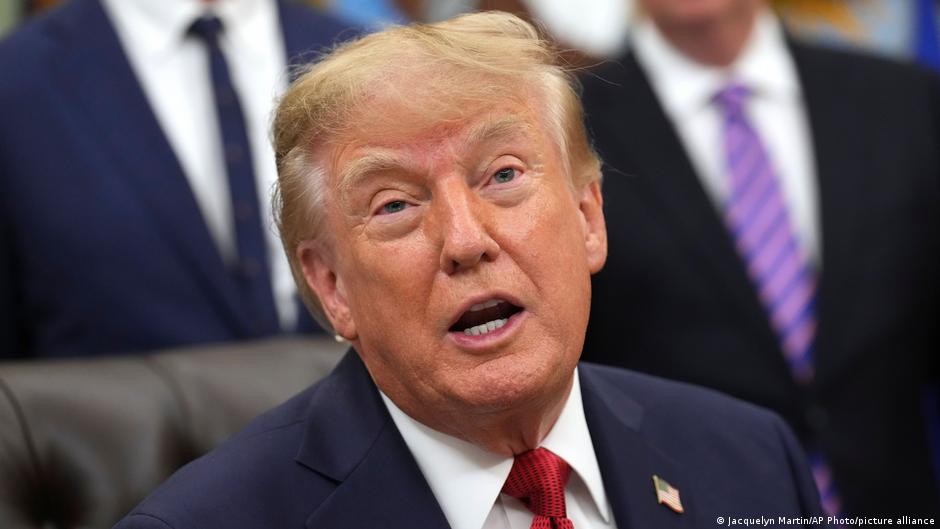
Trump has postponed sweeping Russia-linked tariffs, citing Ukraine negotiations, Moscow’s limited support for Iran and risks to global diesel markets.

Washington’s reported threat to block a Ukraine arms channel highlights the growing economic stakes of energy infrastructure strikes.

Macron says France sees a Russian mobilization of about 300,000 people as plausible, warning Europe could face wider hybrid pressure.

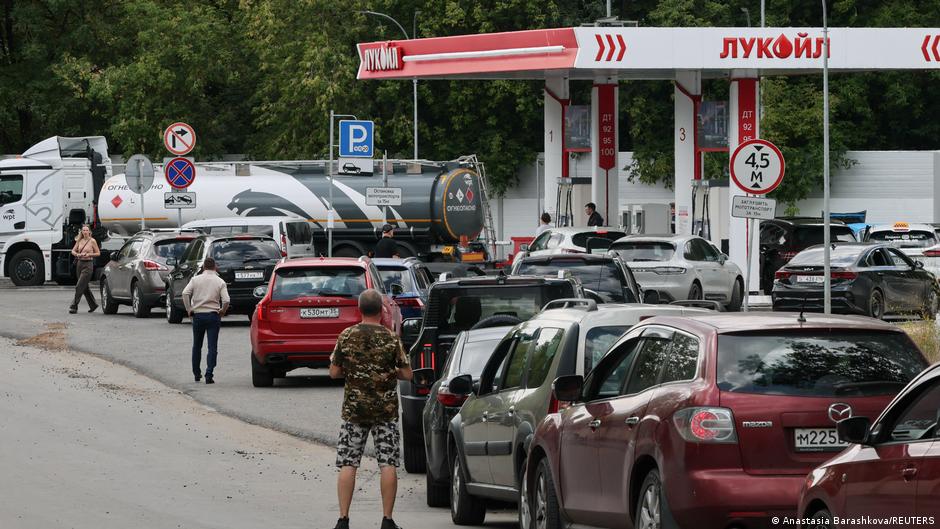
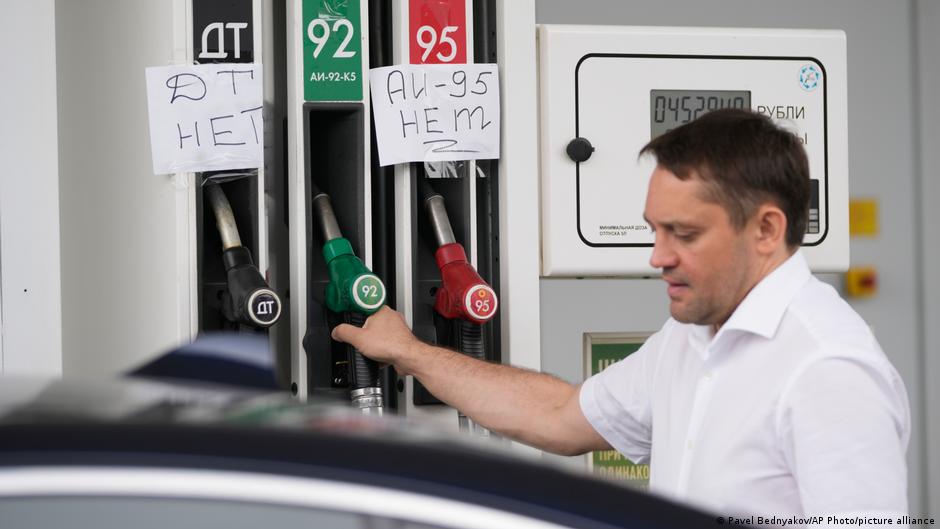
Kaluga and Zabaykalsky are restoring petrol limits as refinery strikes deepen Russia's second wave of fuel shortages.

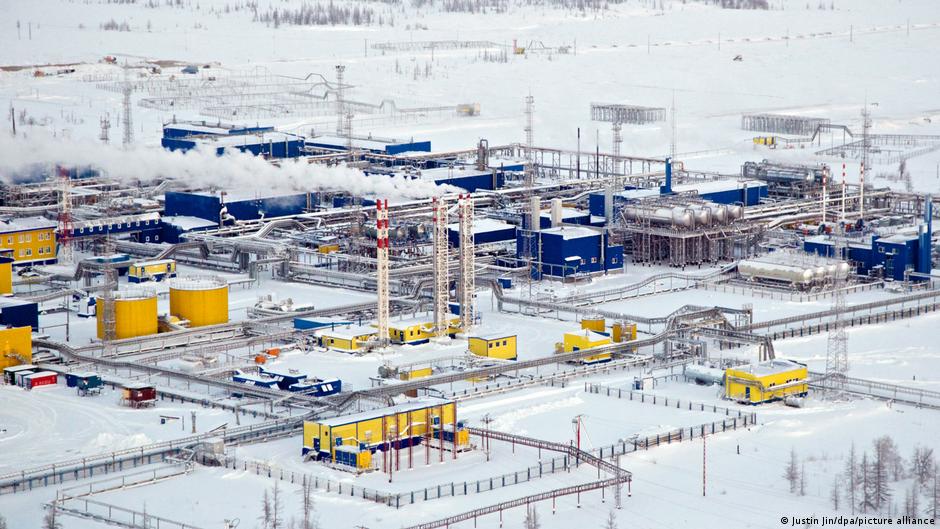
A reported drone strike in Russia’s Yamal gas region highlights rising infrastructure risk in a core pillar of the country’s energy economy.

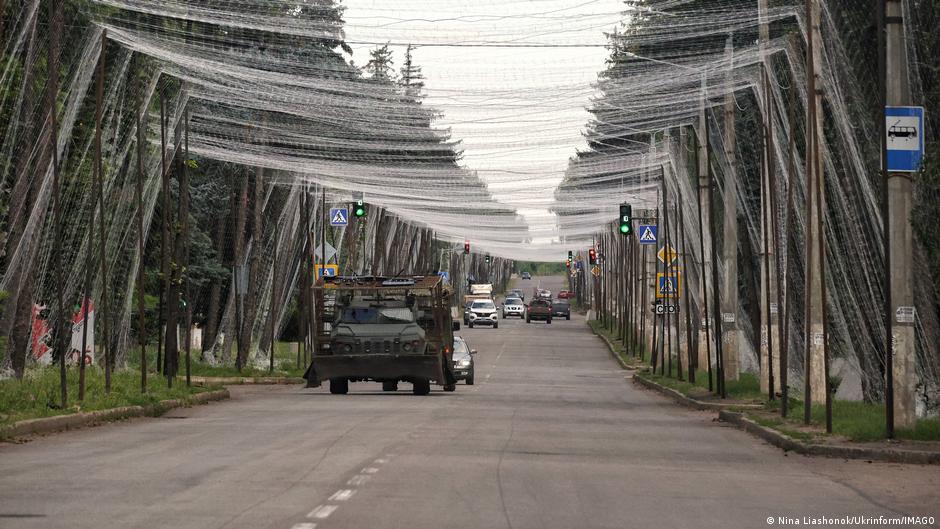
Ukraine’s 40-day security operation has targeted over 100 strategic Russian sites and energy infrastructure, signaling a calculated effort to weaken Russia’s military and economic capabilities.

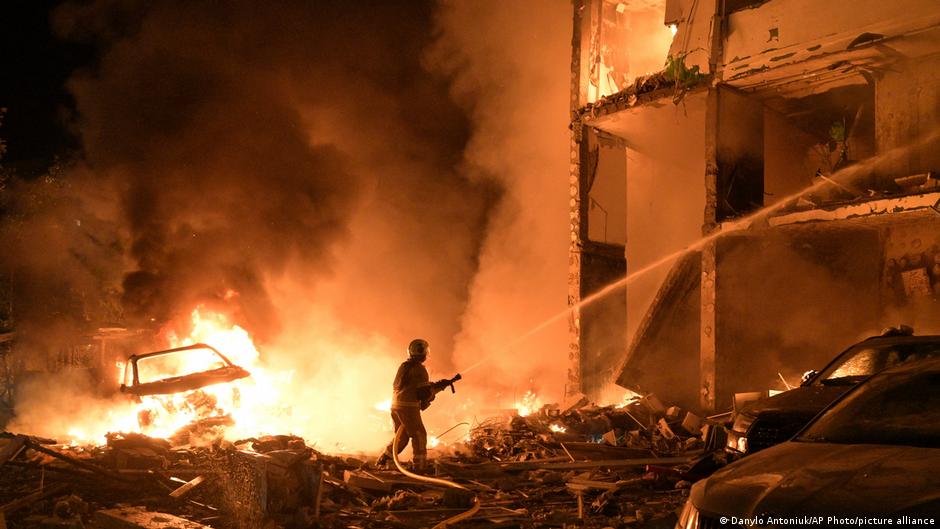
Russia’s missile strikes on Kyiv intensify civilian casualties amid rising hostilities, with major implications for regional stability and global energy markets.

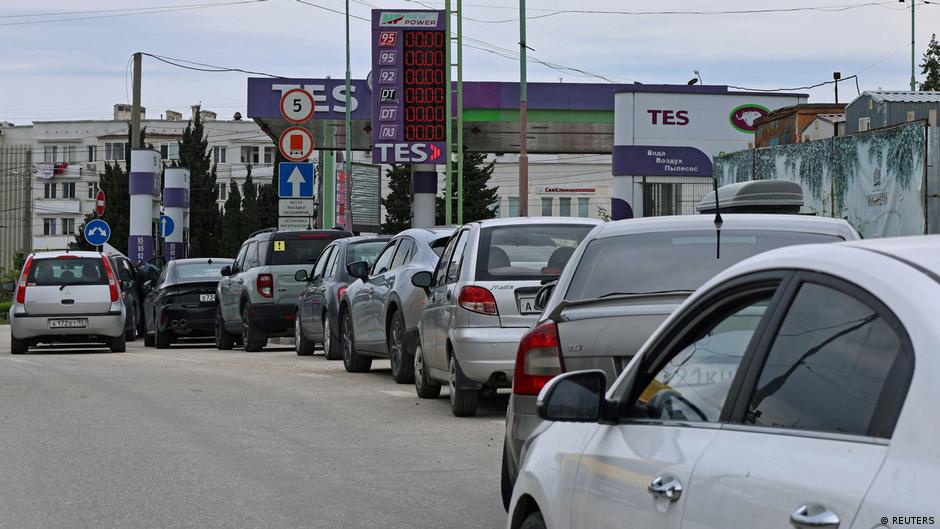
Fuel prices in Crimea have surged nearly 80% in one week amid Russia’s export restrictions and supply shortages, signaling broader energy market challenges and policy shifts.

Russia permits continued use of higher-sulfur Euro-3 fuels domestically until 2026 amid refining disruptions, excluding exports to EAEU countries, signaling a shift in energy policy priorities.

Russia reduced drone and missile strikes on Ukraine in June compared to May, possibly reflecting logistical challenges or strategic shifts amid intensified Ukrainian counterattacks.

Russia's aviation fuel imports from Belarus surged nearly fourfold in May 2026 amid domestic production setbacks, prompting policy shifts and regional supply realignments.

The US has imposed sanctions on five Cuban state-owned companies controlling 40% of GDP, escalating economic pressure with significant regional and global implications.

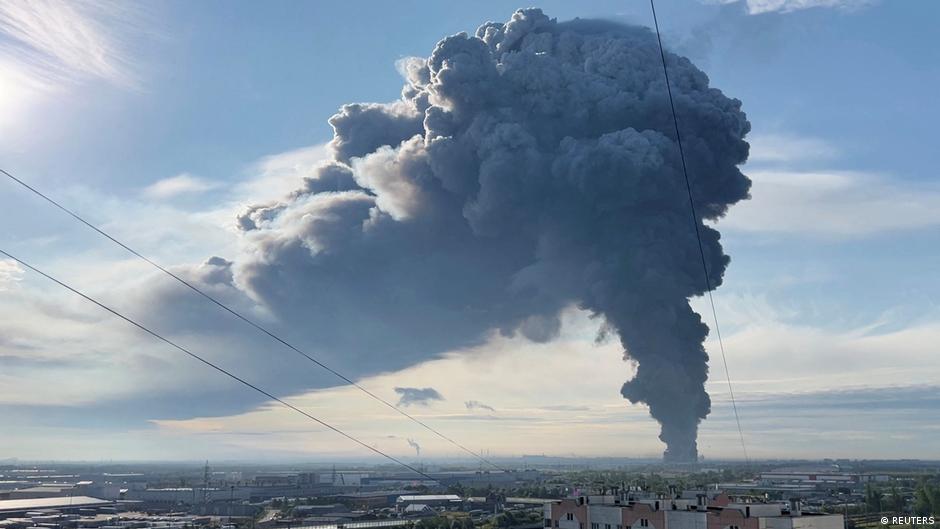
Ukraine’s drone strikes on Russian refineries have forced Russia to impose fuel sales limits in 53 regions, signaling major disruptions in its oil sector with global economic impact.

Russia plans to temporarily restrict diesel and jet fuel exports amid refinery shutdowns caused by drone strikes, aiming to stabilize its domestic fuel market.