Zelensky Says U.S.-Russia Diesel Deal Risks Financing a Longer War
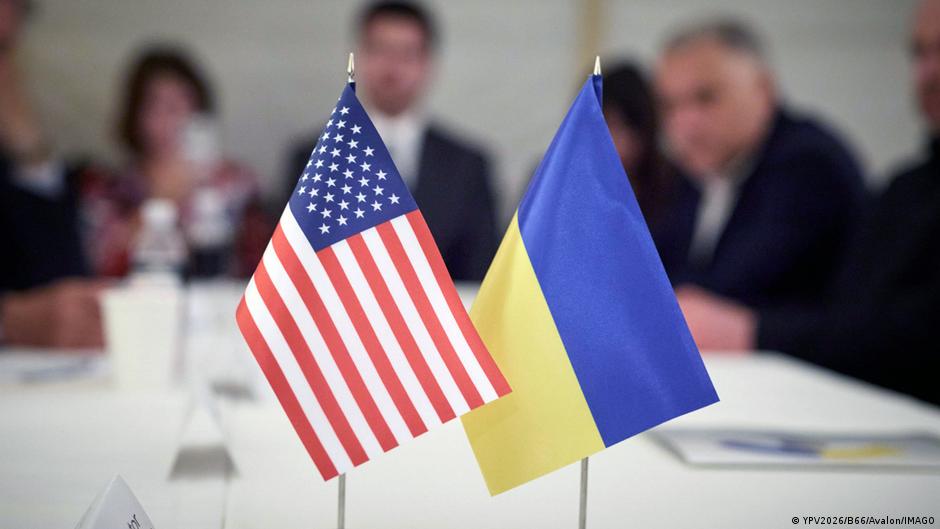
Zelensky warned that easing Russian diesel export limits without de-escalation would strengthen Moscow and risk prolonging the war.

Zelensky warned that easing Russian diesel export limits without de-escalation would strengthen Moscow and risk prolonging the war.

Kyiv denied that Trump proposed Moscow talks for Zelensky as U.S. diplomacy focuses on energy strikes and rising diesel prices.

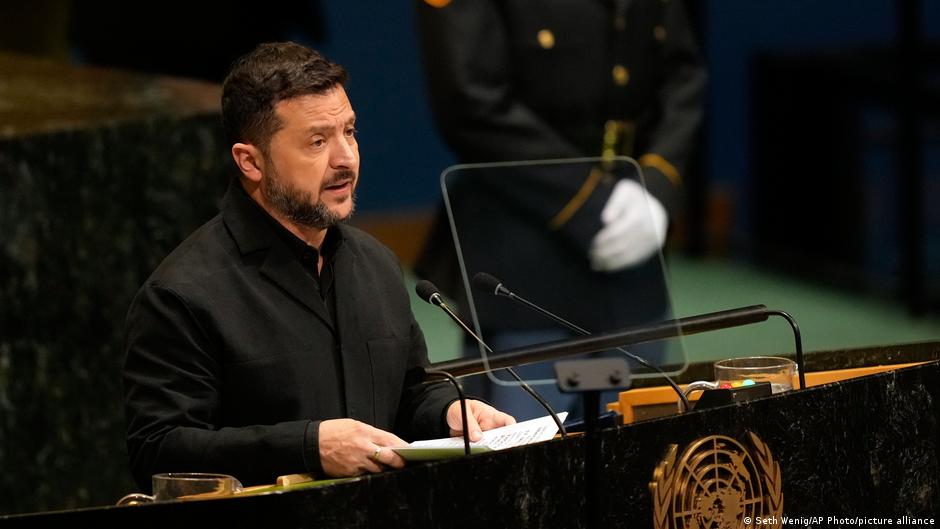
Zelenskyy used his UN address to link Russia’s war to energy revenues, global instability, AI risks and the long-term economic costs of conflict.

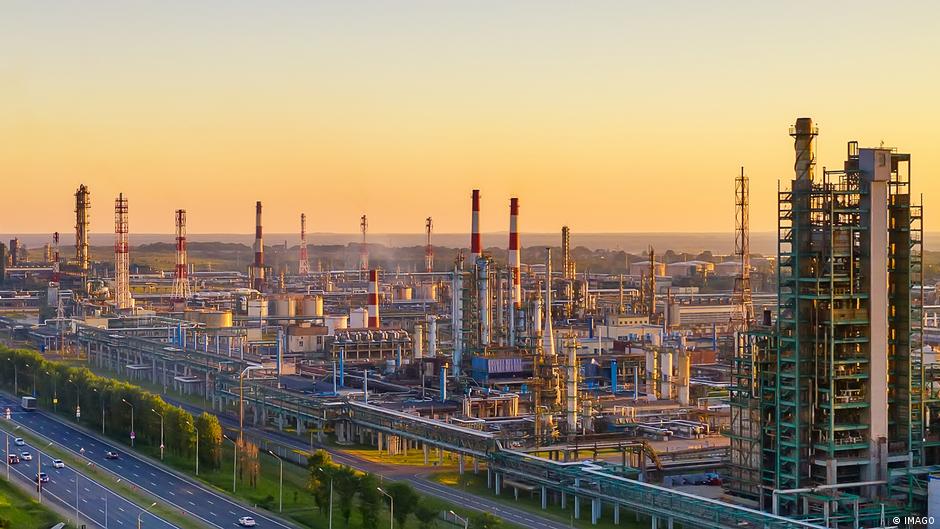
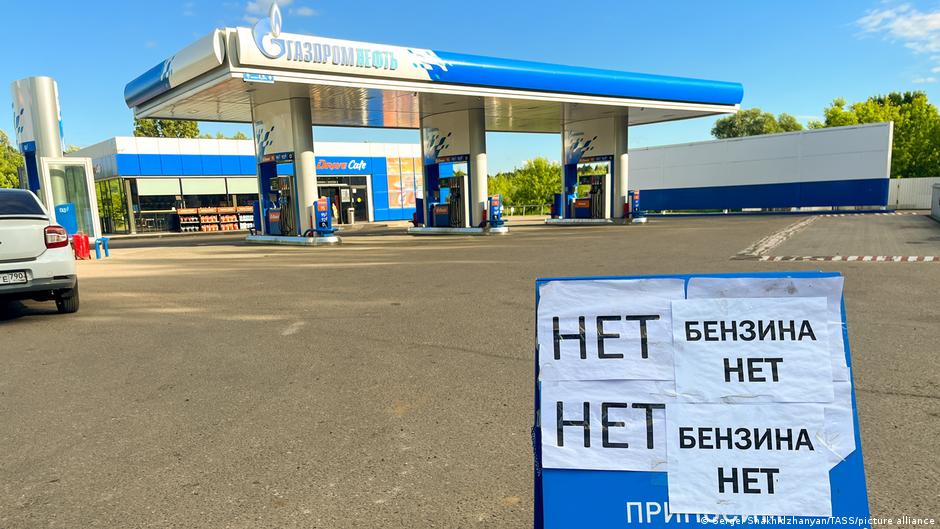
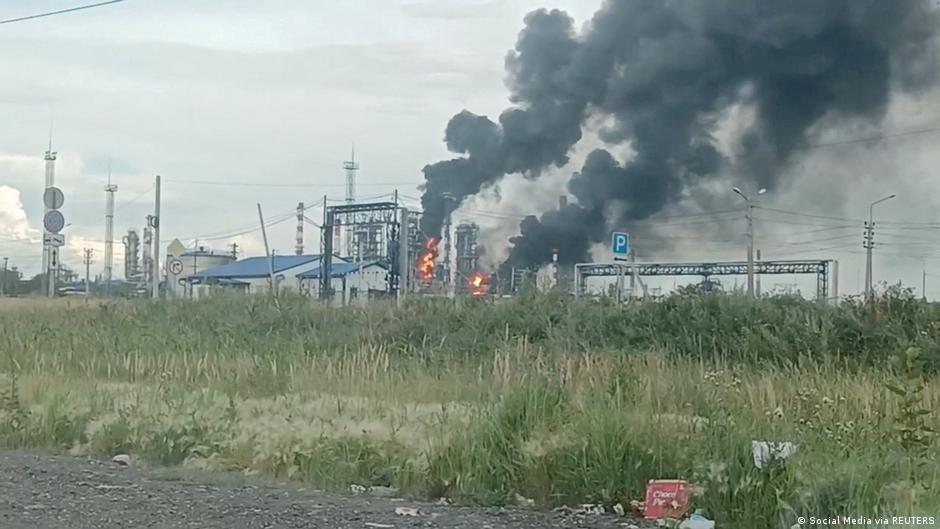
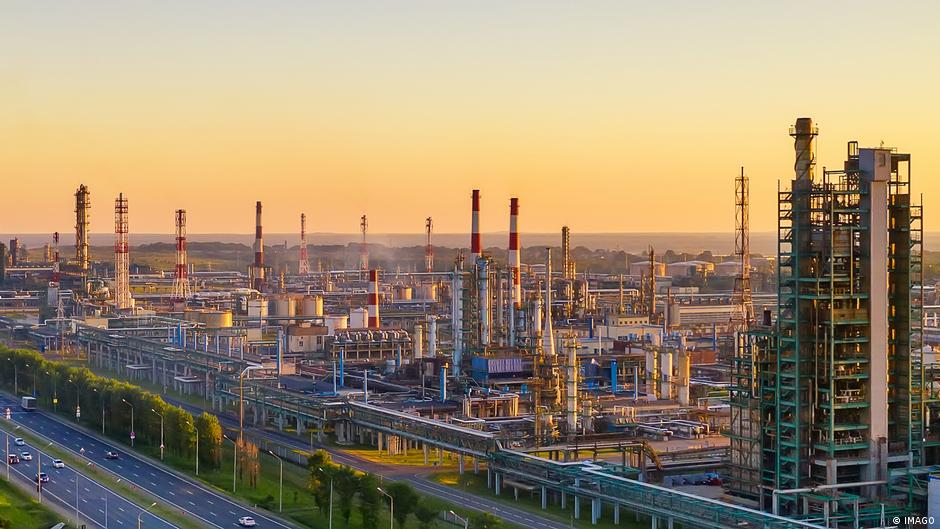
The halt at Yaroslavl’s YANOS refinery deepens Russia’s fuel shortages and exposes rising wartime risks to its energy infrastructure.

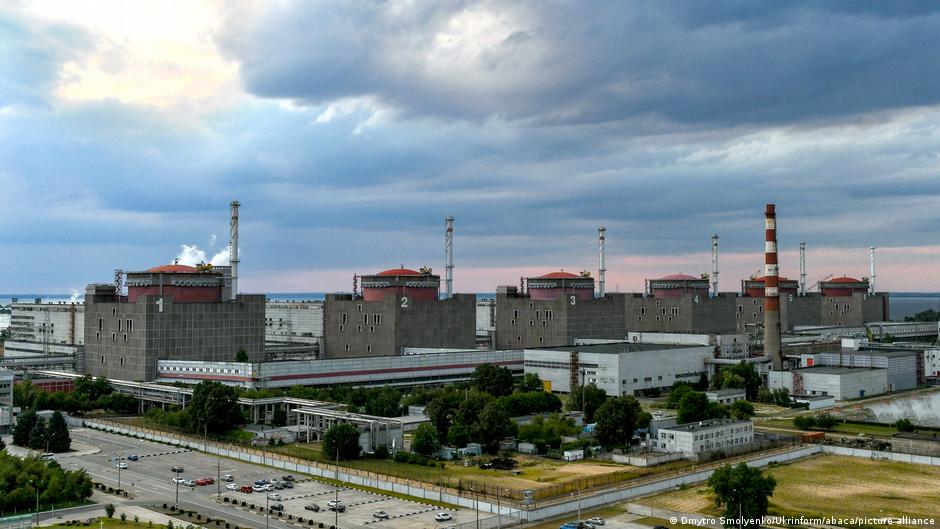
The Zaporizhzhia nuclear plant in Ukraine lost external power for the 23rd time since the Russian invasion, raising serious safety and regional energy security concerns.

Russia’s oil product production fell nearly 22% in June amid intensified attacks on its refining infrastructure, triggering fuel shortages and price volatility with global economic implications.

Russia revises fuel dampener and import compensation mechanisms to stabilize domestic fuel prices amid refinery disruptions and global market challenges.

The Saratov refinery’s shutdown after Ukrainian drone attacks worsens Russia’s fuel crisis, disrupting 25% of refining capacity and impacting millions amid wartime economic pressures.

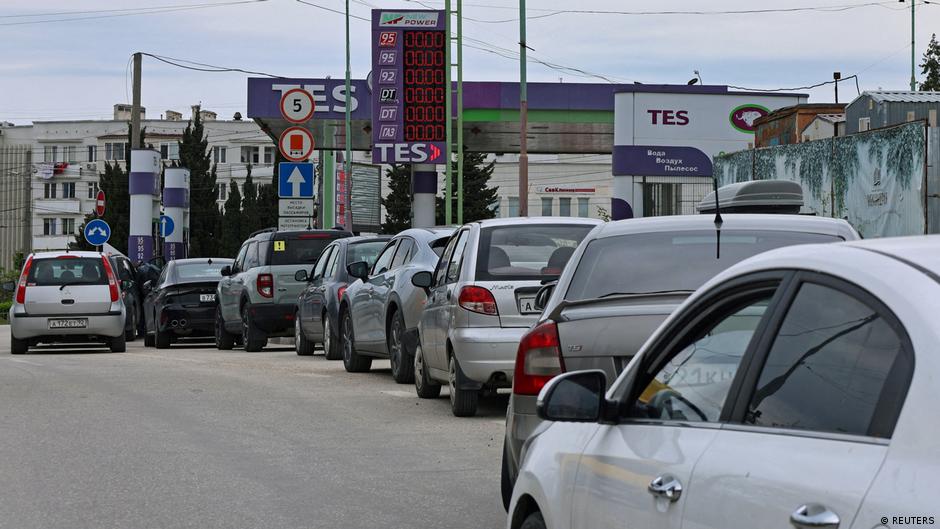
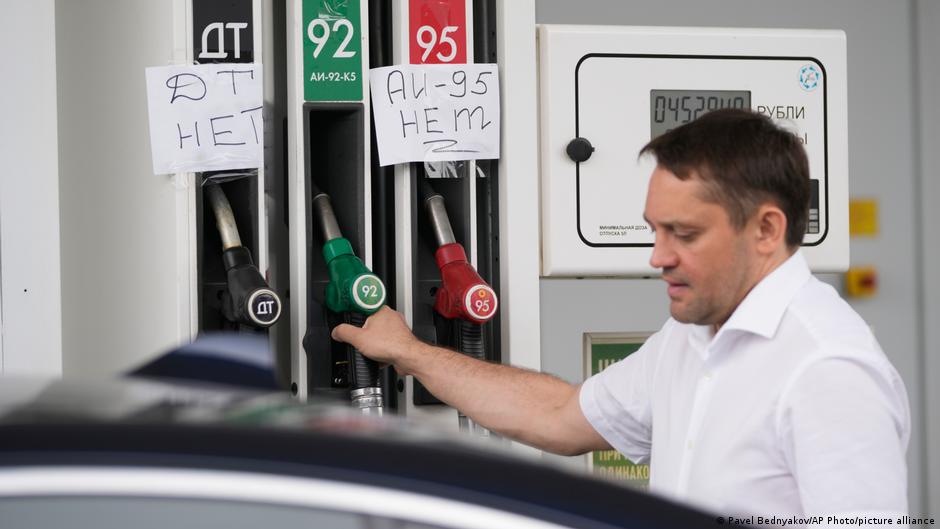
Fuel prices in Crimea have surged nearly 80% in one week amid Russia’s export restrictions and supply shortages, signaling broader energy market challenges and policy shifts.

Russia permits continued use of higher-sulfur Euro-3 fuels domestically until 2026 amid refining disruptions, excluding exports to EAEU countries, signaling a shift in energy policy priorities.

The US has extended a temporary license allowing Serbian oil company NIS to operate under sanctions while Gazprom's stake sale deadline is repeatedly postponed.

Ukraine’s drone strikes on Russian refineries have forced Russia to impose fuel sales limits in 53 regions, signaling major disruptions in its oil sector with global economic impact.

Russia plans to temporarily restrict diesel and jet fuel exports amid refinery shutdowns caused by drone strikes, aiming to stabilize its domestic fuel market.

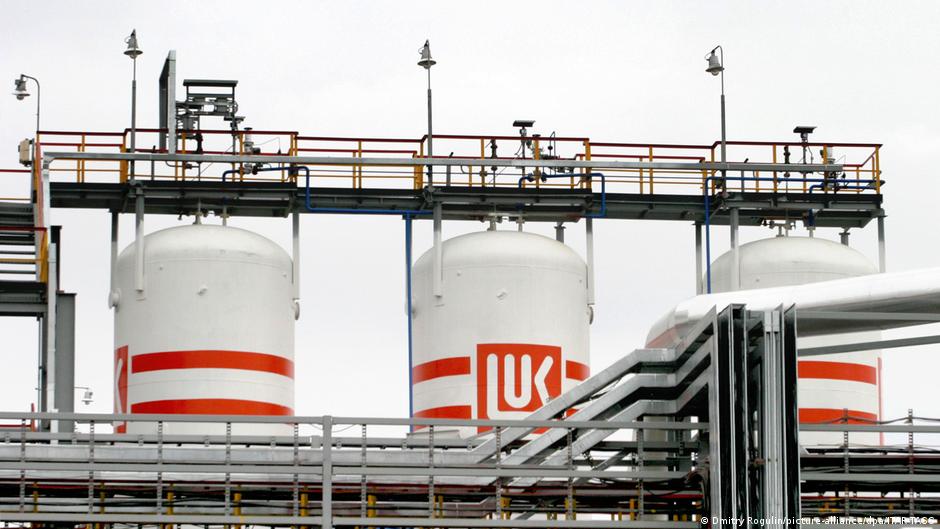
Ukrainian drone attacks have halved Lukoil’s NORSI refinery capacity, disrupting a quarter of Russia’s refining output and impacting global energy markets.

The UK has issued an indefinite license to import diesel and kerosene derived from Russian oil via third countries, easing sanctions amid global energy and economic pressures.