Ukraine Pauses Russian Refinery Strikes as US Election Risks Mount
Ukraine’s reported refinery-strike pause shows how US electoral pressure, fuel prices and dependence on American technology are reshaping wartime strategy.

Ukraine’s reported refinery-strike pause shows how US electoral pressure, fuel prices and dependence on American technology are reshaping wartime strategy.

Washington is reviewing sanctions on Russia’s RDIF as proposed diesel shipments bring energy prices, investment ties and sanctions policy into the same negotiation.

Trump says SpaceX restored Starlink access in Ukraine, highlighting the strategic risks of relying on privately controlled wartime infrastructure.

A bipartisan Senate group says Trump’s Russian diesel deal would offer little price relief while funding Moscow’s war effort.

A bipartisan House bill would seek to ban Russian oil purchases, challenging Trump’s reported diesel supply agreement with Moscow.

Zelensky warned that easing Russian diesel export limits without de-escalation would strengthen Moscow and risk prolonging the war.

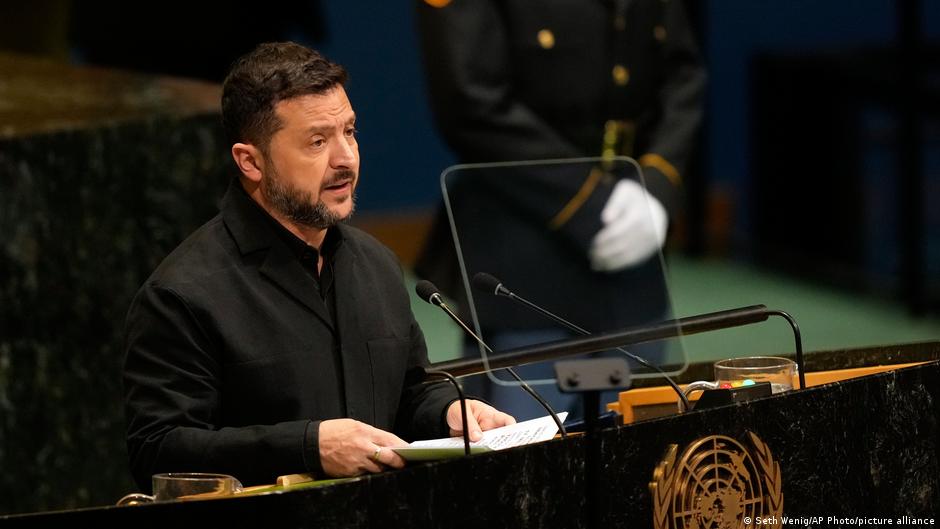
Zelenskyy used his UN address to link Russia’s war to energy revenues, global instability, AI risks and the long-term economic costs of conflict.

Russia revises fuel dampener and import compensation mechanisms to stabilize domestic fuel prices amid refinery disruptions and global market challenges.

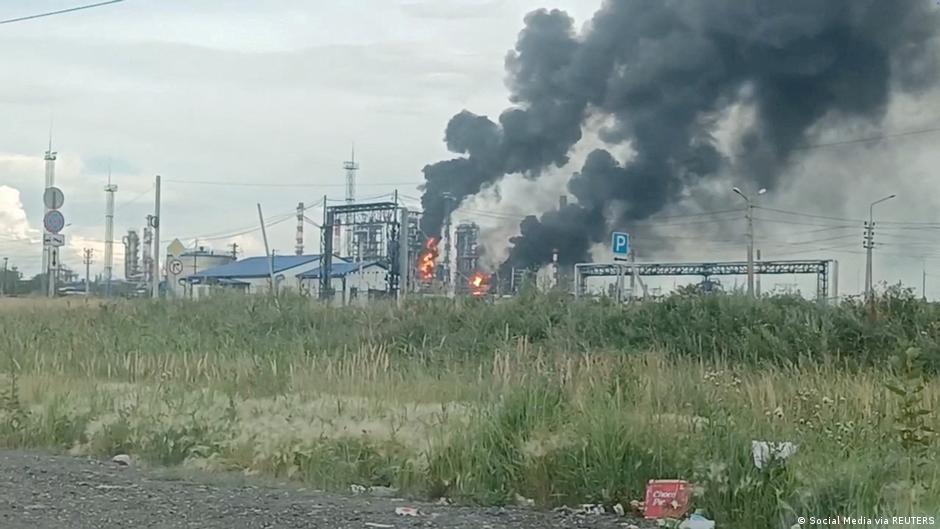
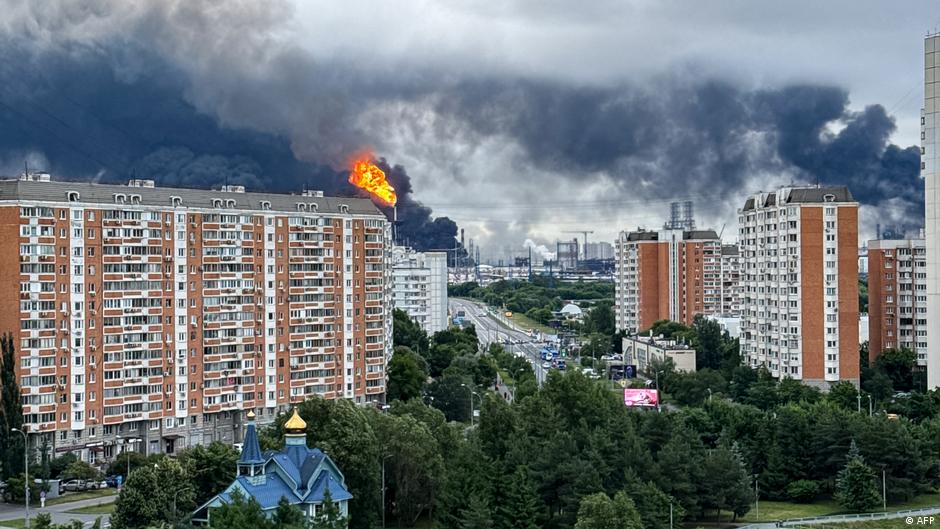
The Saratov refinery’s shutdown after Ukrainian drone attacks worsens Russia’s fuel crisis, disrupting 25% of refining capacity and impacting millions amid wartime economic pressures.

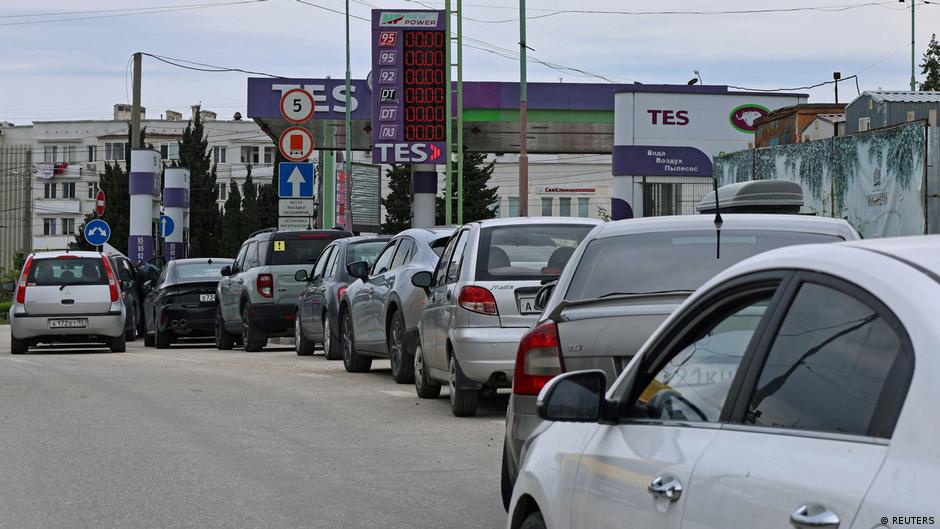
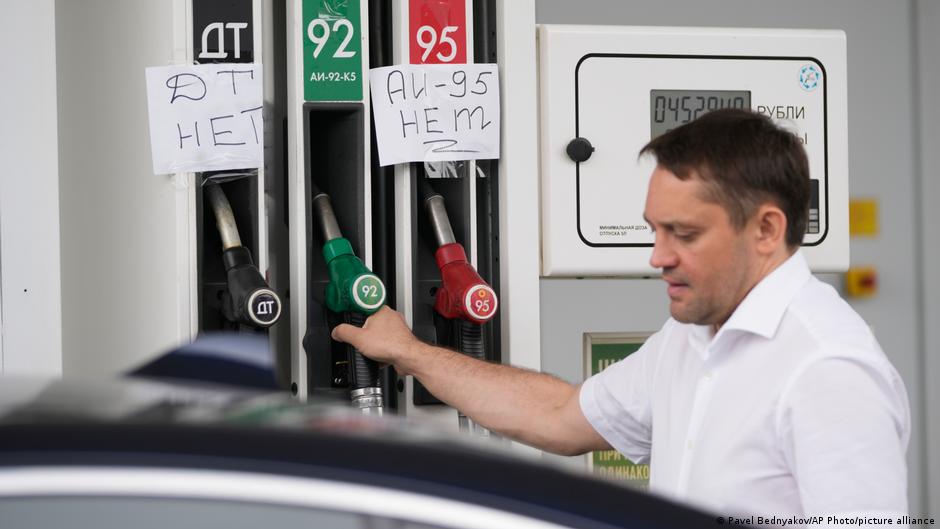
Fuel prices in Crimea have surged nearly 80% in one week amid Russia’s export restrictions and supply shortages, signaling broader energy market challenges and policy shifts.

Russia permits continued use of higher-sulfur Euro-3 fuels domestically until 2026 amid refining disruptions, excluding exports to EAEU countries, signaling a shift in energy policy priorities.

Russia plans to temporarily restrict diesel and jet fuel exports amid refinery shutdowns caused by drone strikes, aiming to stabilize its domestic fuel market.

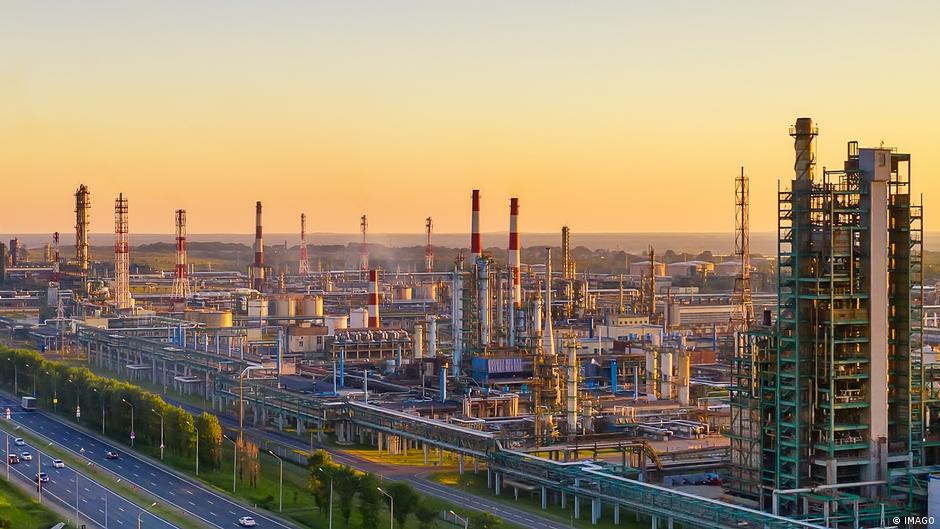
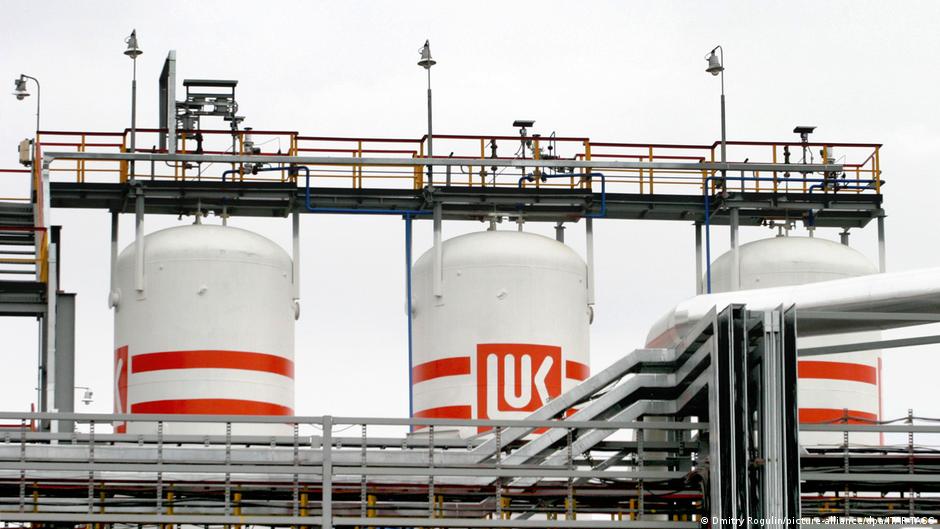
Ukrainian drone attacks have halved Lukoil’s NORSI refinery capacity, disrupting a quarter of Russia’s refining output and impacting global energy markets.

The UK has issued an indefinite license to import diesel and kerosene derived from Russian oil via third countries, easing sanctions amid global energy and economic pressures.