US-Iran Tensions Escalate as Trump Threatens Oman Amid Strategic Strait Negotiations
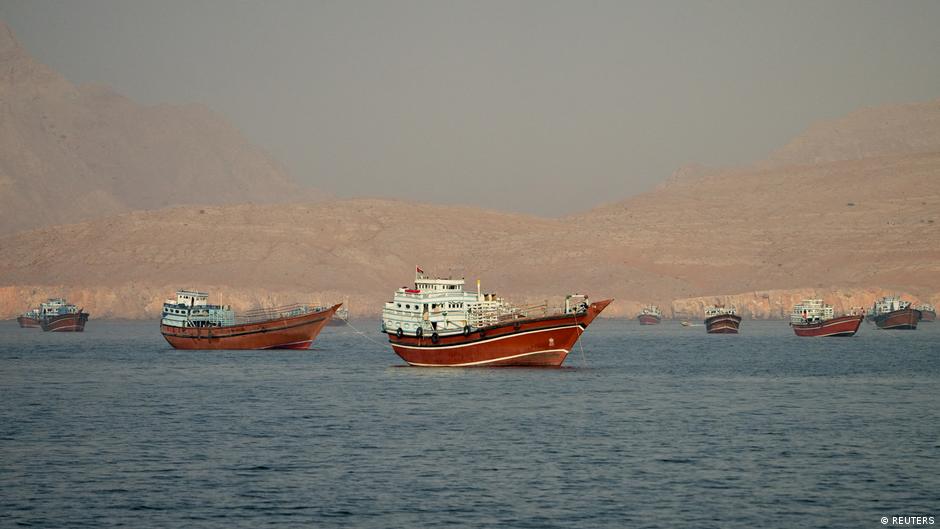
Trump threatens Oman with military strikes over Strait of Hormuz negotiations amid US-Iran tensions, risking global oil market stability.

Trump threatens Oman with military strikes over Strait of Hormuz negotiations amid US-Iran tensions, risking global oil market stability.

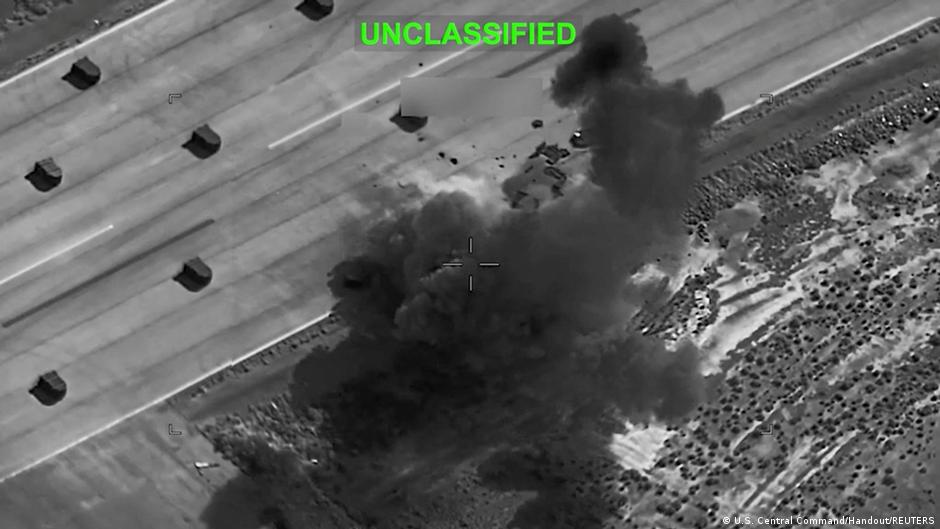
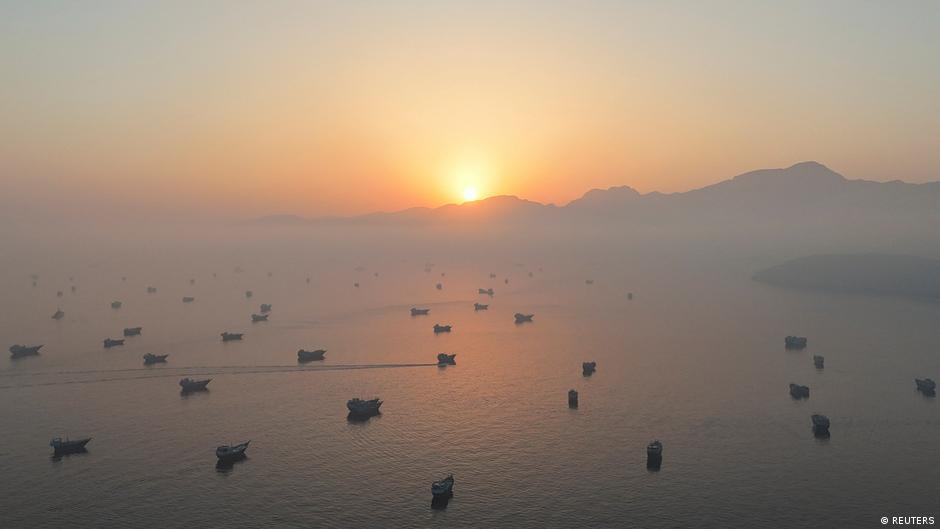
US military strikes on Iran escalate after attacks in the Strait of Hormuz, closing this key oil export route and raising global economic risks.

The US ends its blockade of the Strait of Hormuz under Trump’s directive, opening a 60-day negotiation period with Iran and easing tensions in global oil markets.

Pakistan announces the immediate reopening of the Strait of Hormuz following a US-Iran memorandum, signaling a major shift with global economic implications.

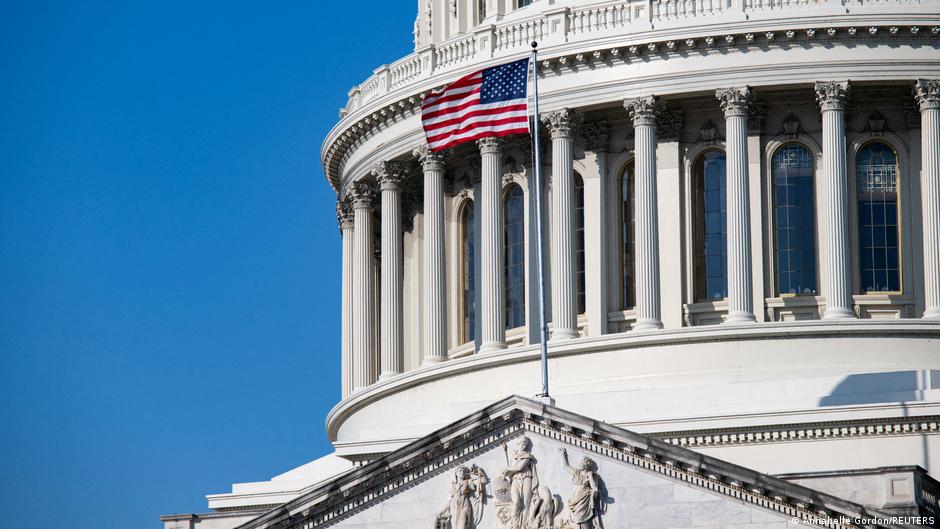
The US House restricts presidential war powers on Iran in a bipartisan vote, reflecting growing congressional resistance and potential impacts on global stability.

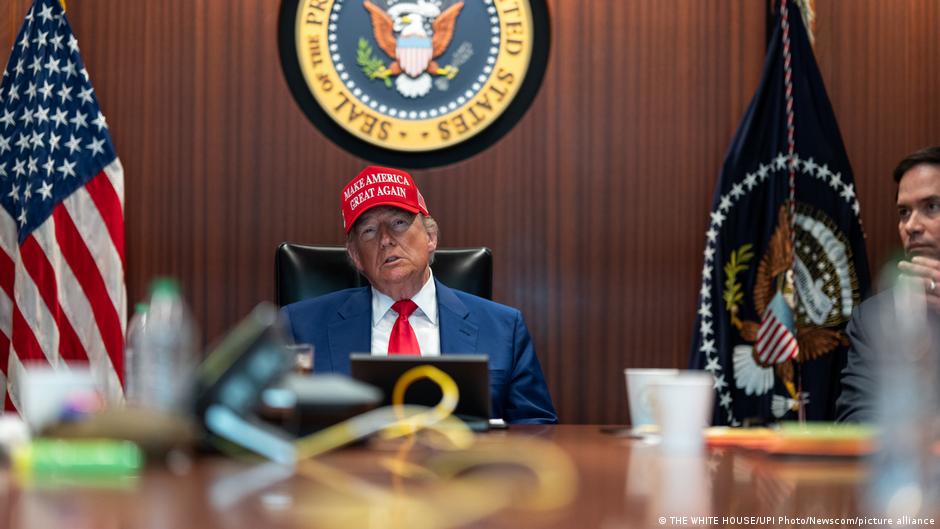
US President Trump insists on strict conditions, including Iran's nuclear non-proliferation, before agreeing to any deal, with Tehran maintaining cautious ongoing communications.

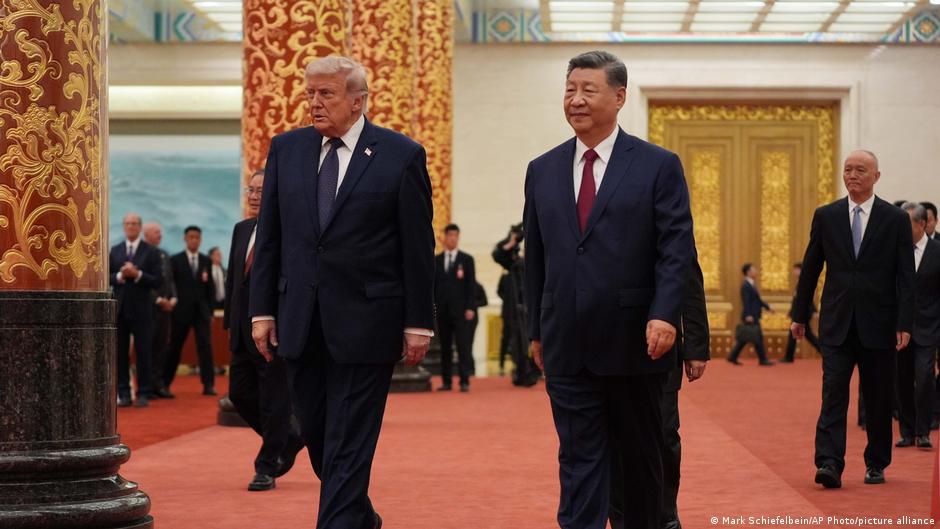
China signals renewed interest in U.S. oil and soybeans, potentially easing trade tensions and impacting global commodity markets and geopolitical relations.

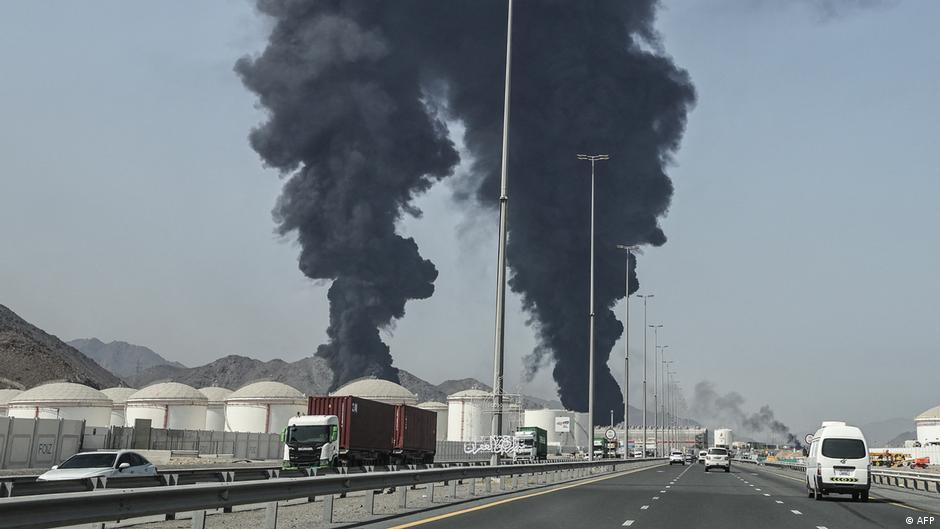
The UAE has secretly conducted military strikes against Iran, marking a strategic shift amid rising Gulf tensions that impact regional stability and global economic interests.

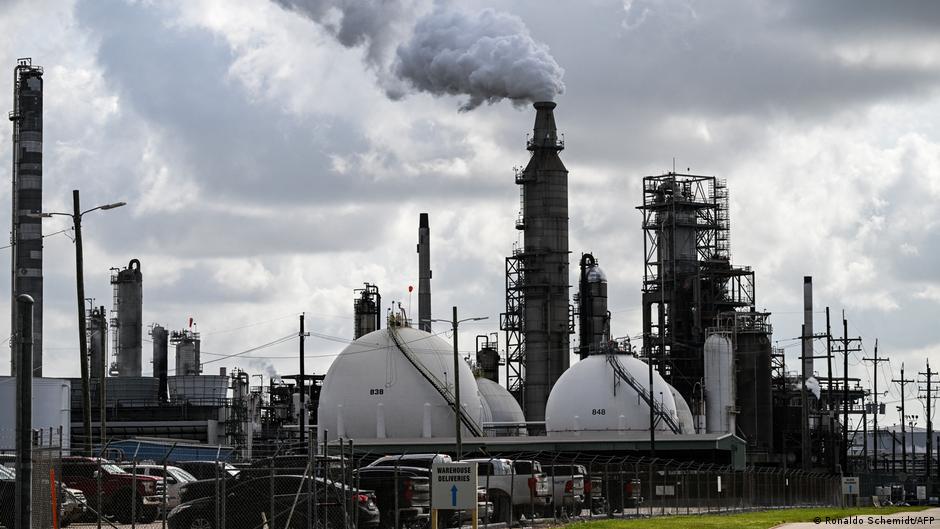
Global oil inventories fell by a record 200 million barrels in April amid Middle East conflicts, pushing reserves to an eight-year low and signaling potential price hikes.

Iran’s missile and drone attacks on the UAE challenge the US-Iran ceasefire, raising risks for regional stability and global energy security.