Business
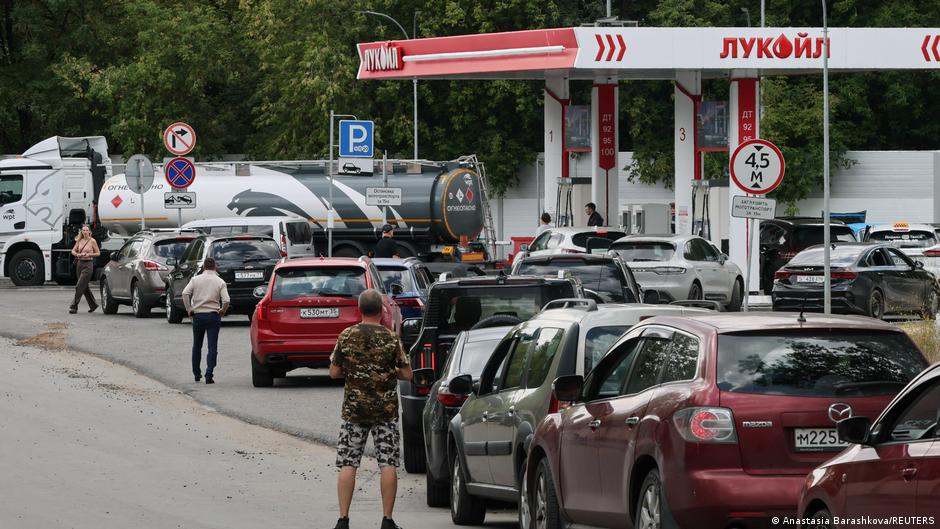
Russian Regions Restore Petrol Rationing as Refinery Strikes Strain Supply
Kaluga and Zabaykalsky are restoring petrol limits as refinery strikes deepen Russia's second wave of fuel shortages.
By Editorial Team — September 23, 2026
Kaluga and Zabaykalsky are restoring petrol limits as refinery strikes deepen Russia's second wave of fuel shortages.
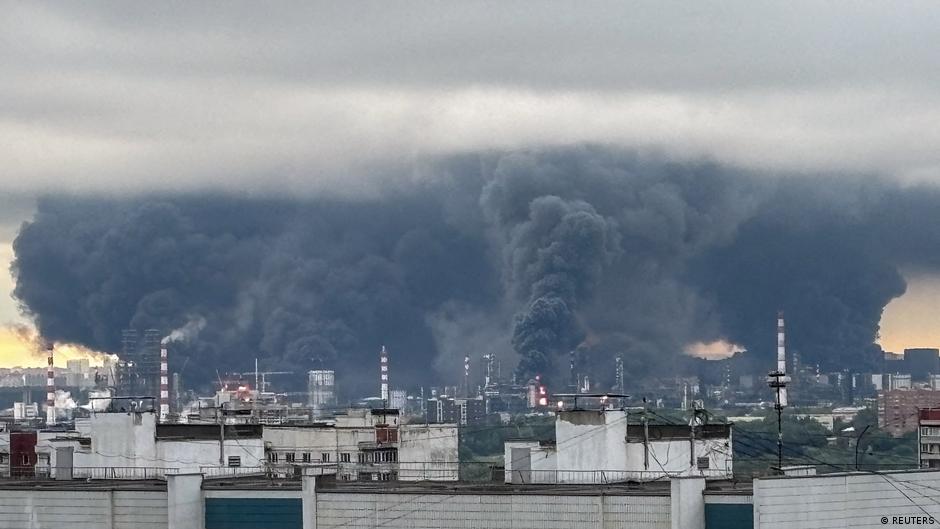
A large reported drone attack near Moscow killed two people, damaged sites including a refinery area, and briefly halted three airports.
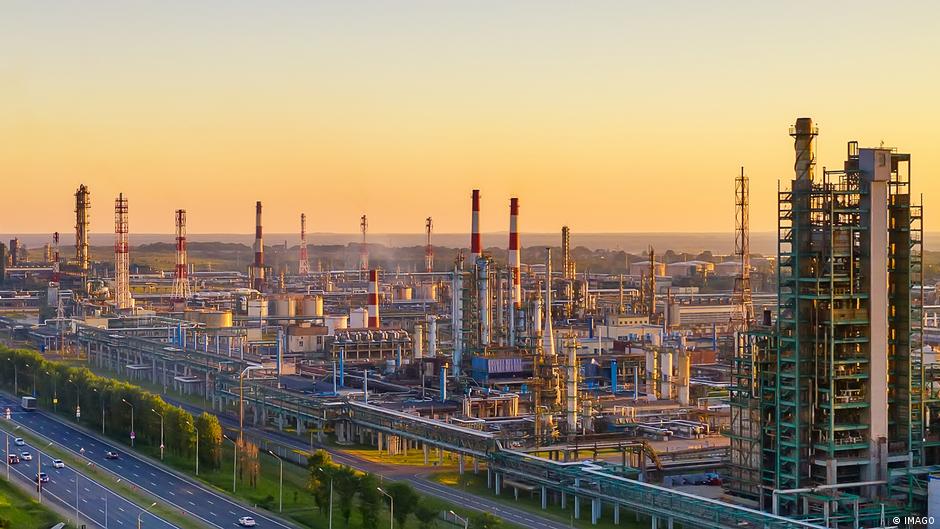
The halt at Yaroslavl’s YANOS refinery deepens Russia’s fuel shortages and exposes rising wartime risks to its energy infrastructure.
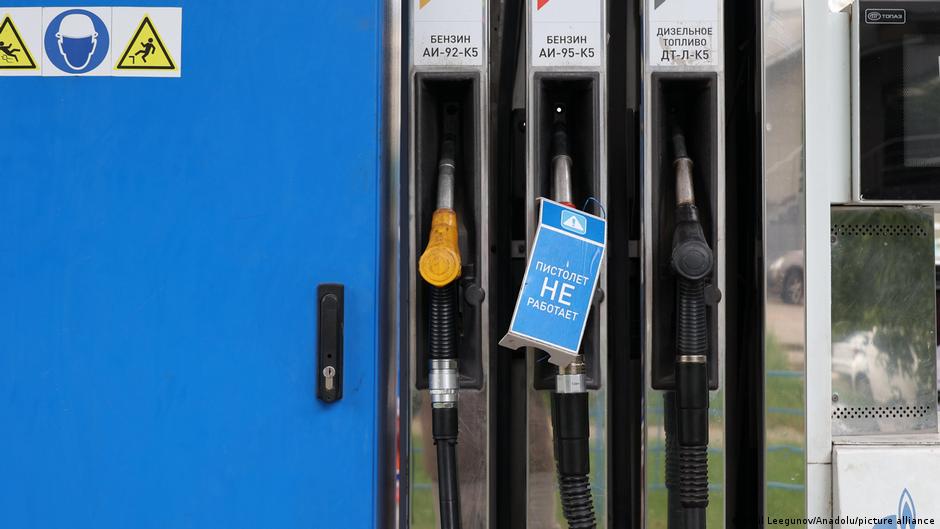
Russia has authorized the sale of lower-grade Euro-2 to Euro-4 fuels through 2027 to mitigate supply shortages caused by attacks on oil infrastructure, balancing crisis needs with quality compromises.
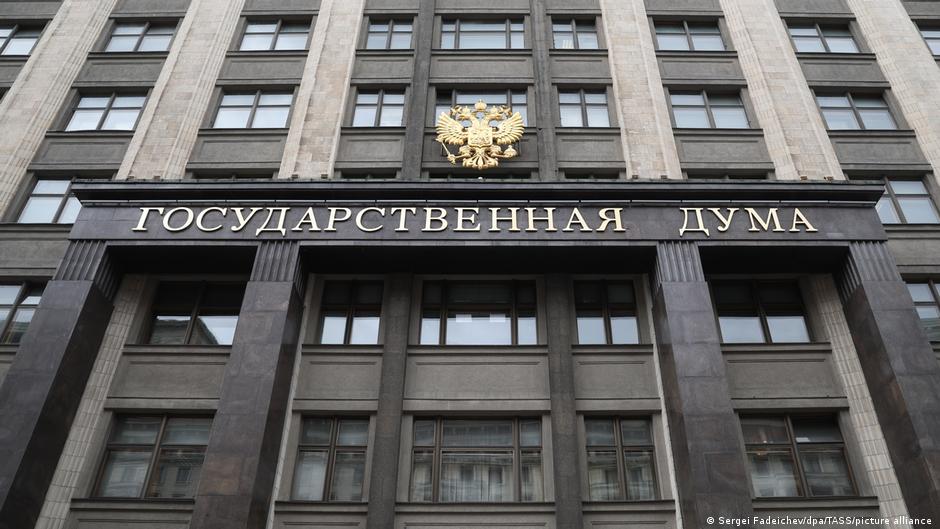
Russia revises fuel dampener and import compensation mechanisms to stabilize domestic fuel prices amid refinery disruptions and global market challenges.

Ukrainian drone strikes on Russian logistics centers and urban areas have caused casualties and infrastructure damage, signaling increased security risks and potential supply chain disruptions.
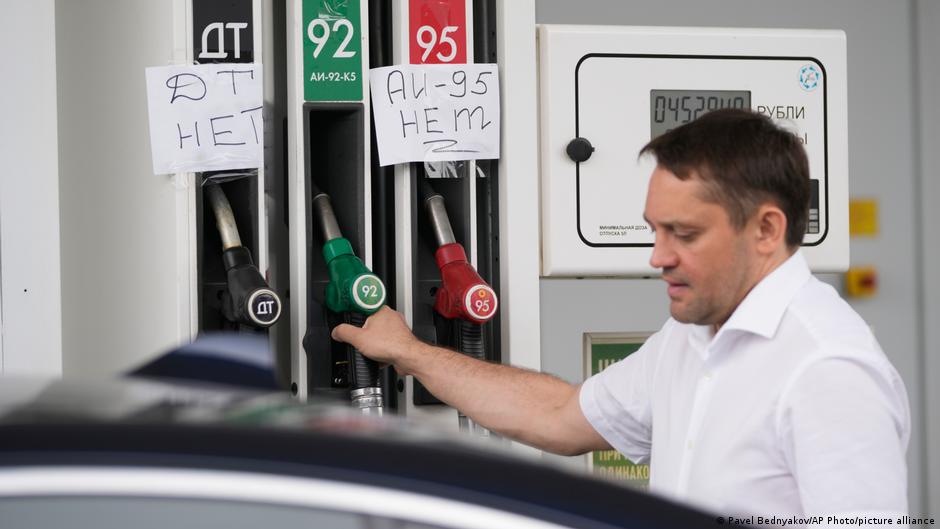
Russia permits continued use of higher-sulfur Euro-3 fuels domestically until 2026 amid refining disruptions, excluding exports to EAEU countries, signaling a shift in energy policy priorities.
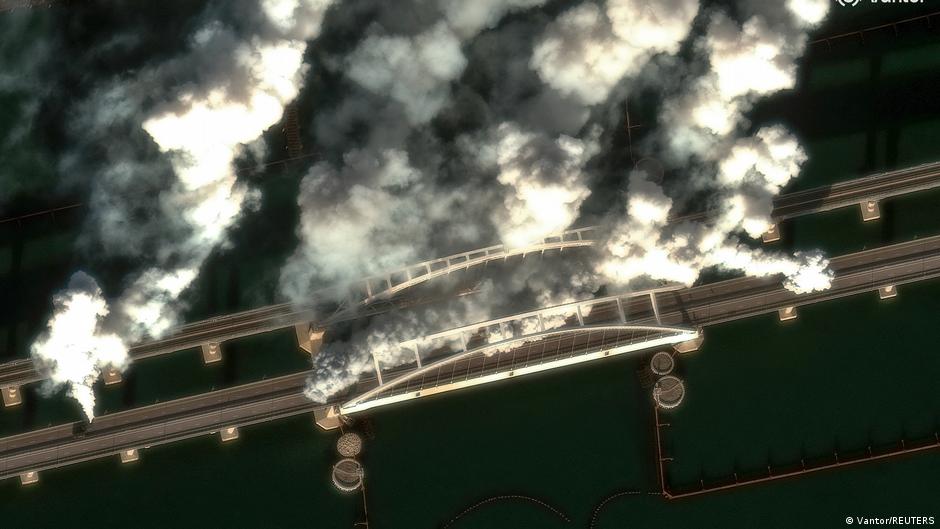
Drone attacks caused fires at the Poltava oil depot near Krasnodar and struck key energy infrastructure in Crimea, highlighting growing risks to regional energy security amidst escalating conflict.
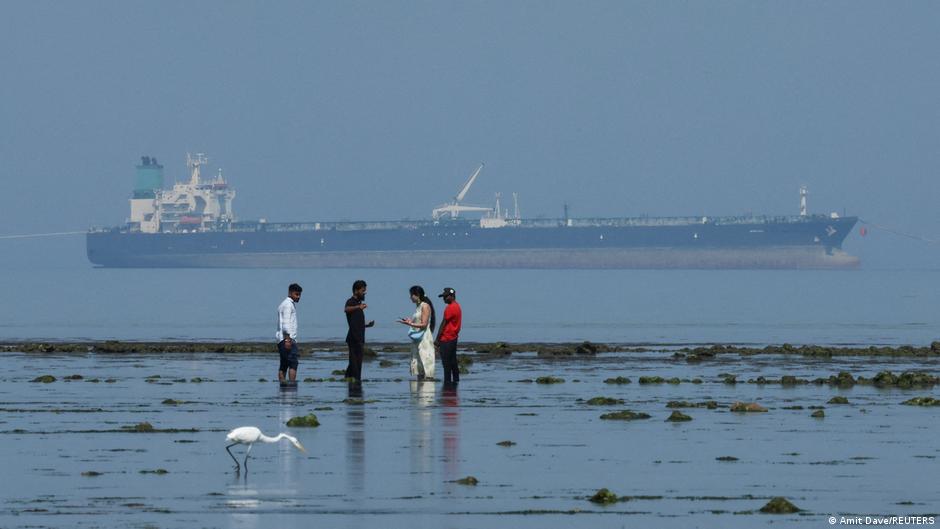
Russia has reached its highest weekly maritime oil export levels since early 2026, despite falling global prices and renewed competition from Iranian crude following US-Iran diplomatic progress.
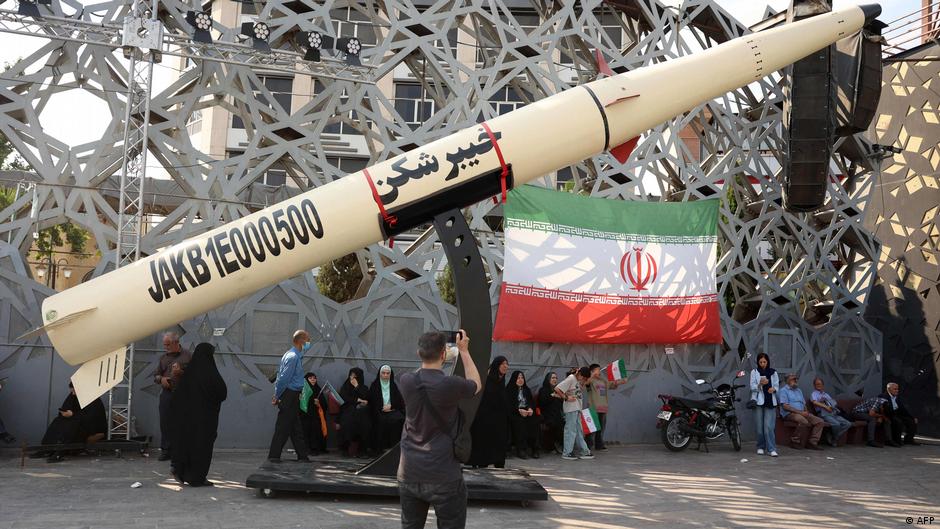
Iran has restored the majority of its missile arsenal, potentially aided by recent Russian arms transfers, complicating Middle East peace prospects and global energy stability.
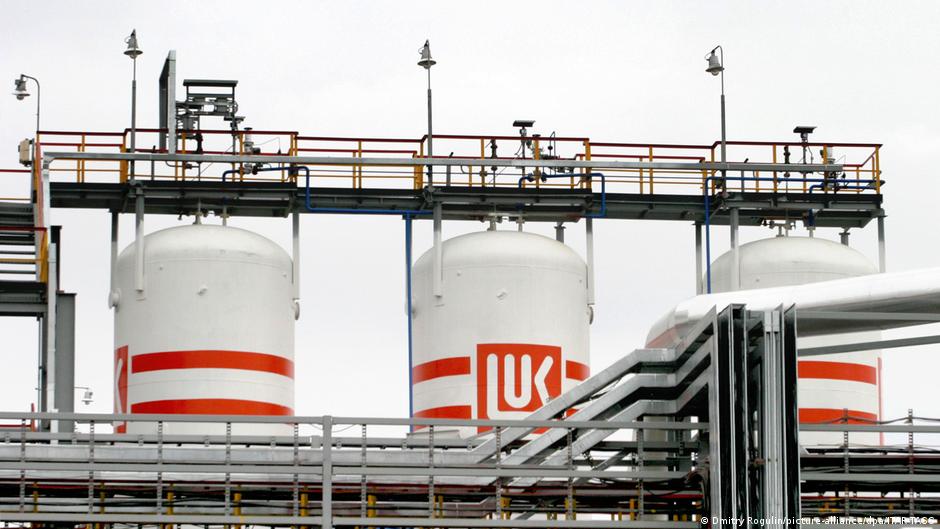
Ukrainian drone attacks have halved Lukoil’s NORSI refinery capacity, disrupting a quarter of Russia’s refining output and impacting global energy markets.
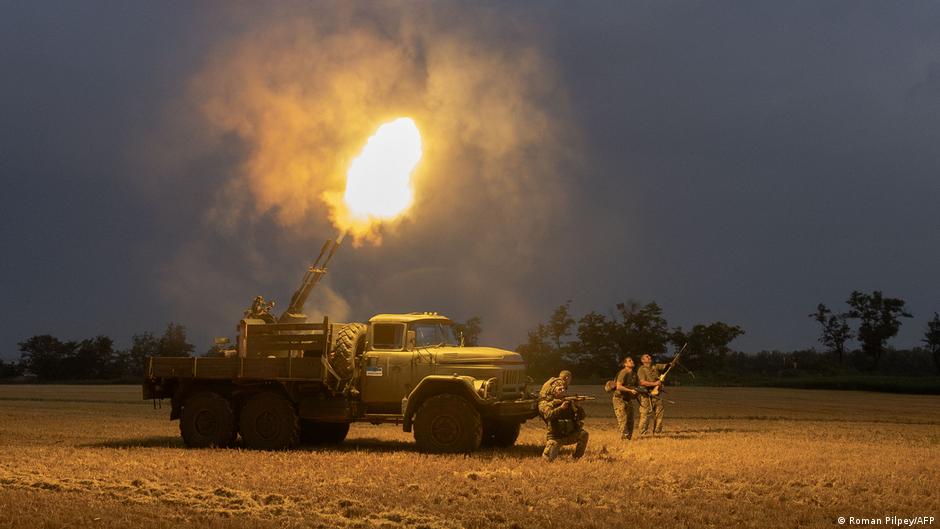
Russian forces launched drone and missile strikes across multiple Ukrainian regions, causing infrastructure damage and raising concerns over regional economic stability.
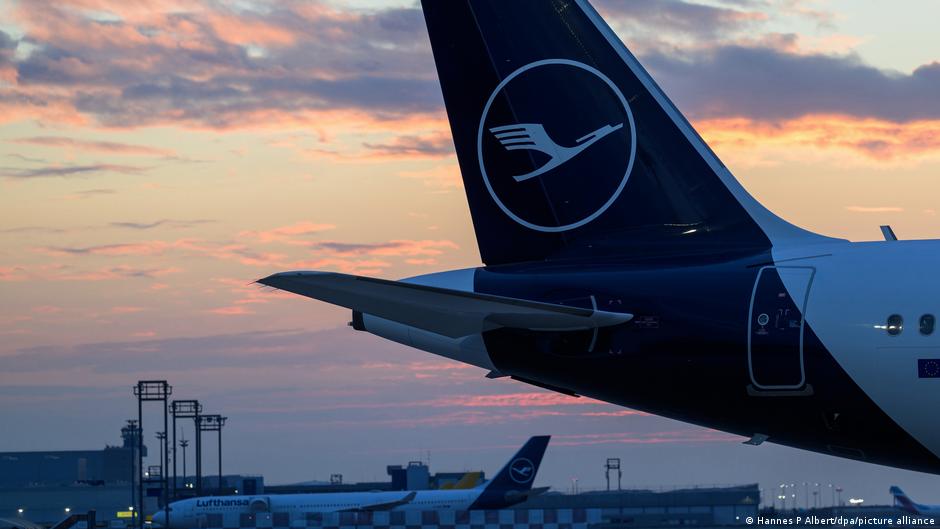
Global airline capacity is projected to decline by 3% in May due to soaring jet fuel costs amid the Iran conflict, posing risks to European and global economies.
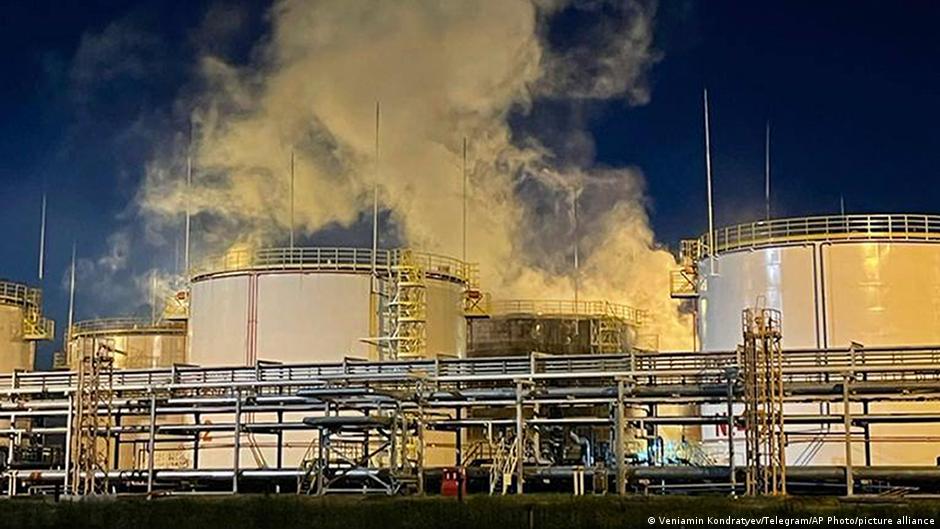
Ukrainian drone strikes in April set fires at Russian oil depots in Krasnodar and Sevastopol, raising concerns over energy infrastructure security and regional economic impacts.