US Plans to Remove Syria from Terrorism Sponsors List, Signaling Policy Shift
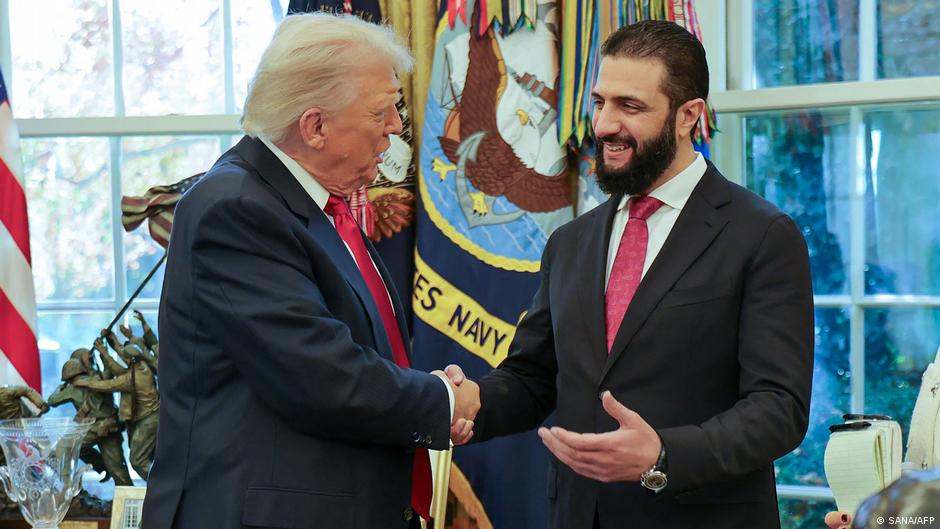
The US plans to remove Syria from the terrorism sponsors list, lifting sanctions and enabling economic reconstruction and reintegration into the global economy.

The US plans to remove Syria from the terrorism sponsors list, lifting sanctions and enabling economic reconstruction and reintegration into the global economy.

Uzbek aluminium producer AKFA Aluminium is preparing for its first international bond issuance, marking a milestone in regional capital market integration and corporate transparency.

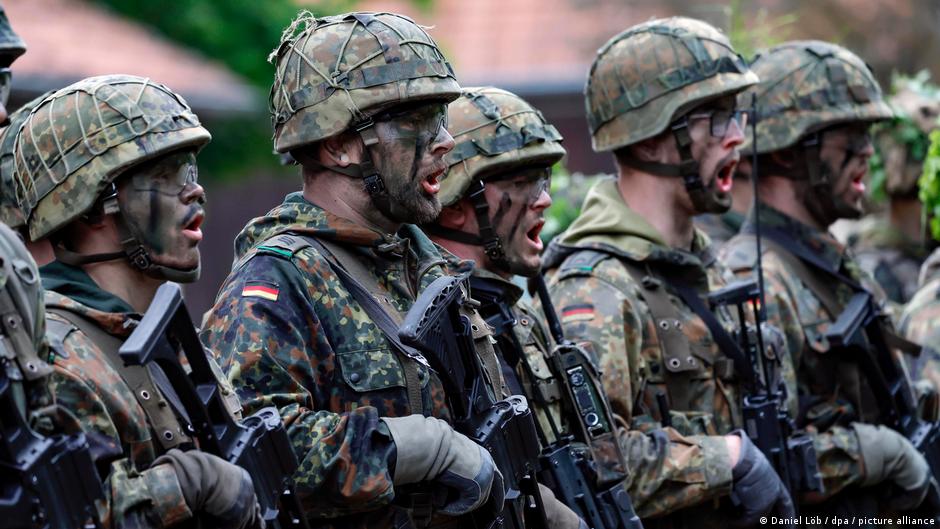
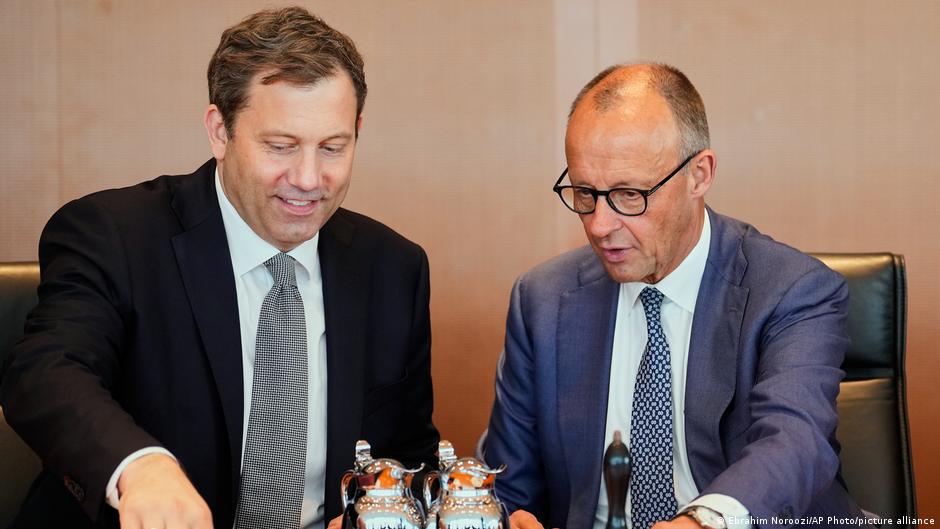
Germany plans a record €124.7 billion defense budget for 2026, marking a 25.5% rise and signaling a major shift in European security and economic policy.

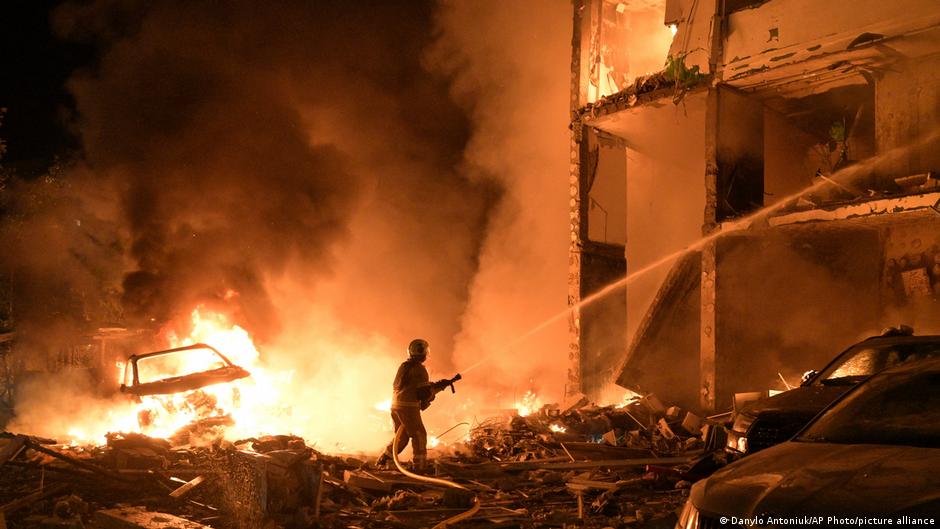
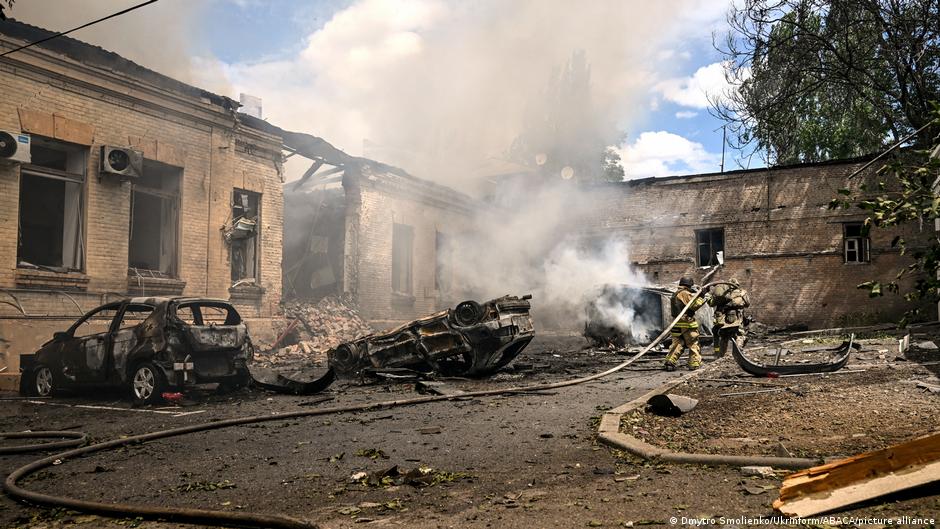
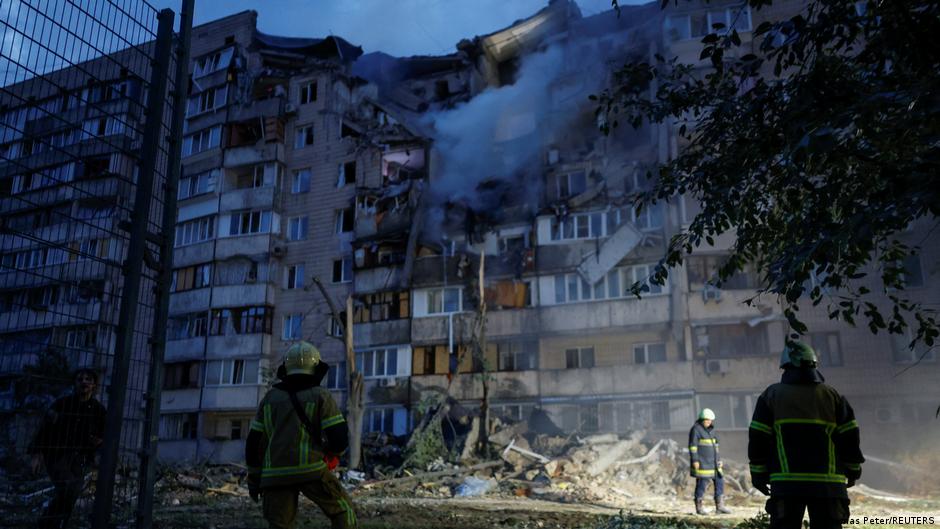
Russian missile and drone strikes on Kyiv and Kharkiv intensify, causing casualties and infrastructure damage with significant economic and geopolitical implications.

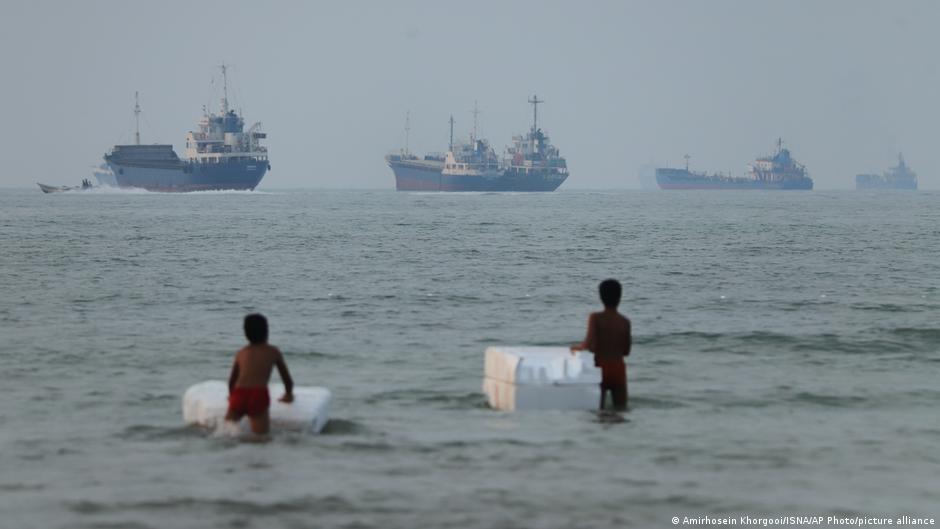
US military strikes on Iran follow attacks on tankers near the Strait of Hormuz, escalating Gulf tensions with significant implications for global energy security and maritime trade.

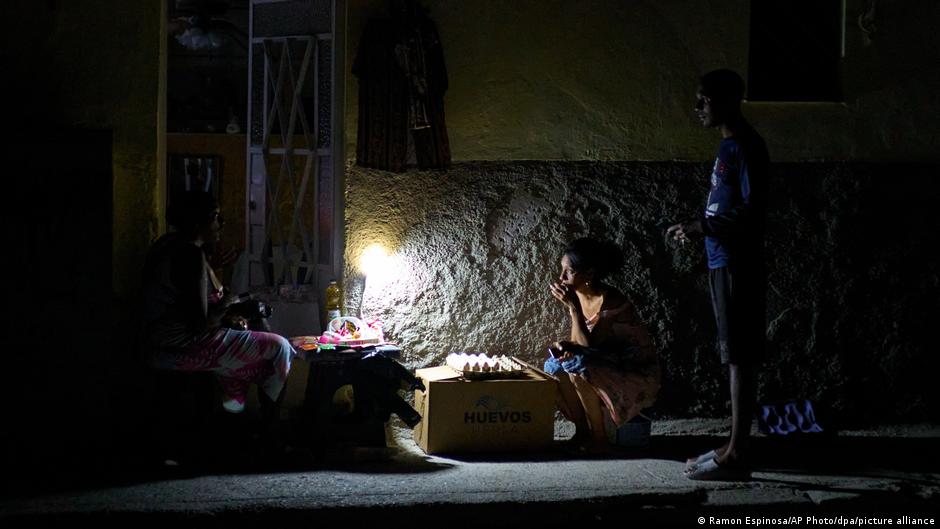
Cuba's nationwide blackout amid fuel shortages and U.S. sanctions deepens the island's economic crisis and stalls diplomatic efforts to resolve the standoff.

Germany’s 2027 budget increases defense spending and borrowing amid Russian security concerns, raising questions about economic growth and fiscal sustainability.

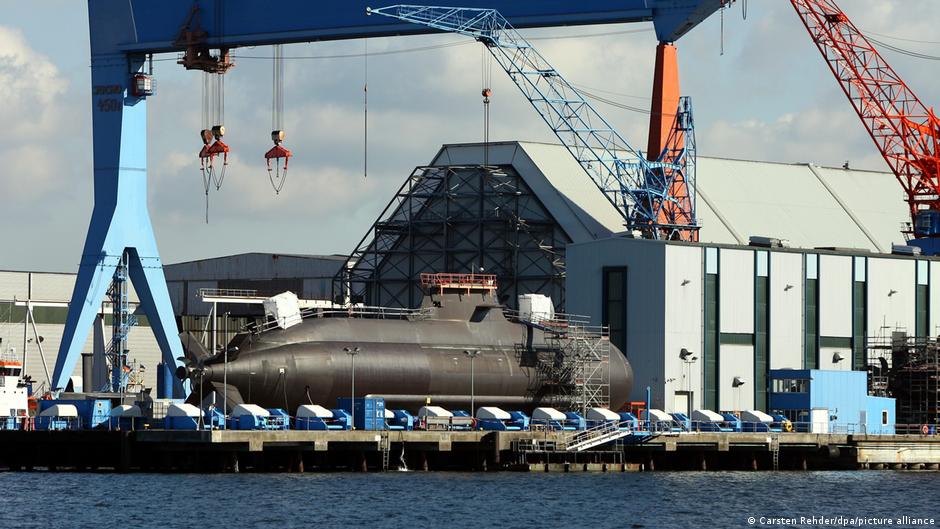
Canada's decision to procure German-designed Type 212CD submarines marks a pivotal moment in transatlantic defense collaboration and Arctic security strategy.

Russian strikes across multiple Ukrainian regions kill four civilians and injure 25, damaging critical infrastructure amid escalating conflict and economic disruption.

Gazprom has contracted with Russia's Defense Ministry to form mobile units protecting gas infrastructure, reflecting heightened security concerns amid geopolitical tensions and economic risks.

Russian missile and drone strikes on Kyiv have caused civilian casualties and infrastructure damage, escalating tensions with potential global economic repercussions, especially for supply chains and energy markets.

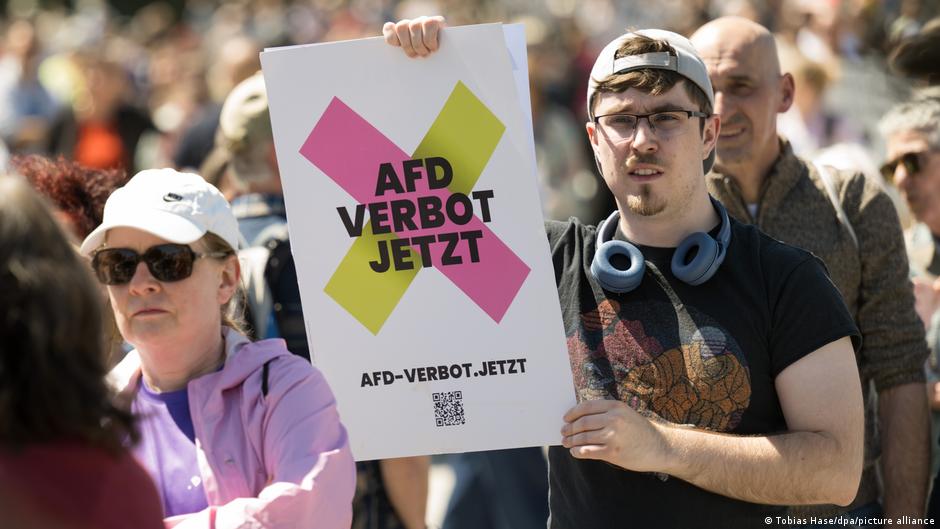
A recent INSA poll shows 45% of Germans oppose banning the far-right AfD, which remains the country's most popular party, outpacing CDU/CSU by 8 points.