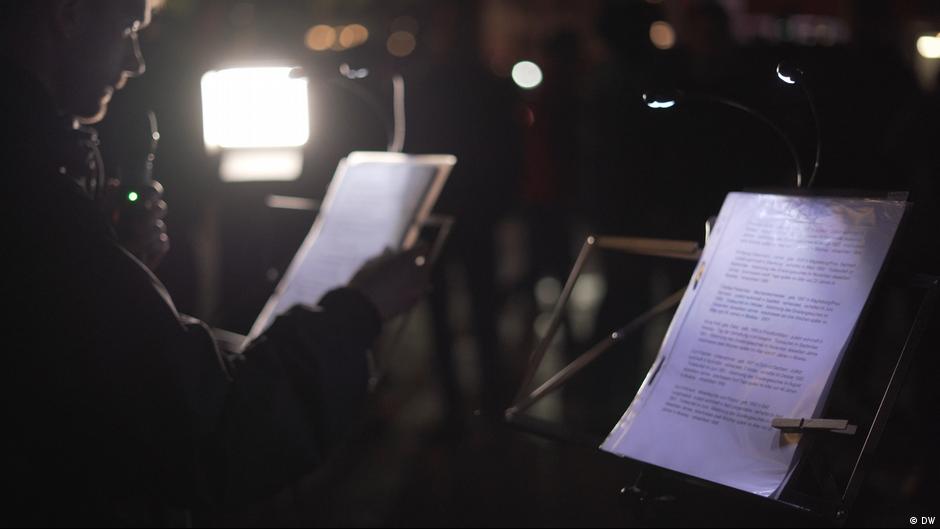
Global Memorial Campaign Highlights Russia’s Shift on Civic Institutions
Commemorations in 101 cities reveal how restrictions on Russian civic initiatives are shifting historical-memory work abroad and affecting perceptions of institutional risk.

Commemorations in 101 cities reveal how restrictions on Russian civic initiatives are shifting historical-memory work abroad and affecting perceptions of institutional risk.

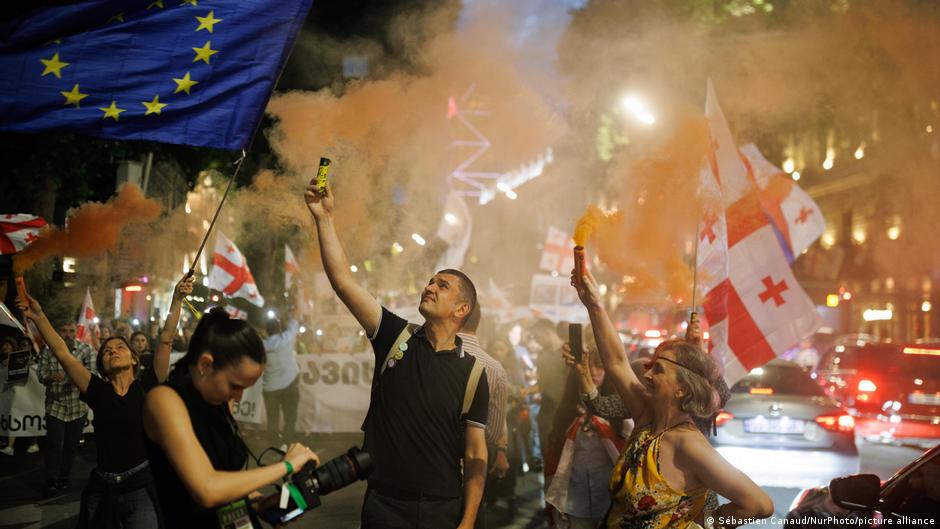
Renewed protests and a possible ban on opposition parties are deepening uncertainty over Georgia’s institutions and European economic trajectory.

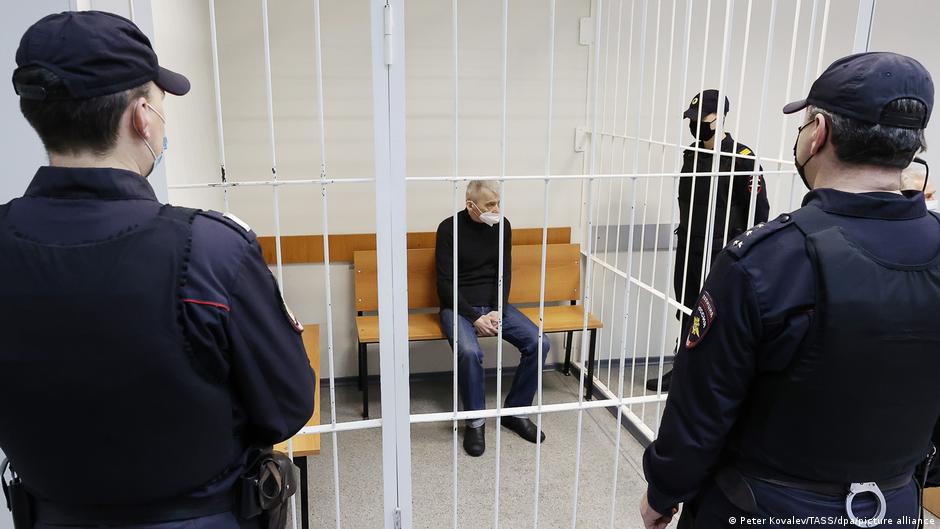
Yuri Dmitriev’s return to a penal colony without a diagnosis highlights institutional risks with wider implications for Russia’s economy.

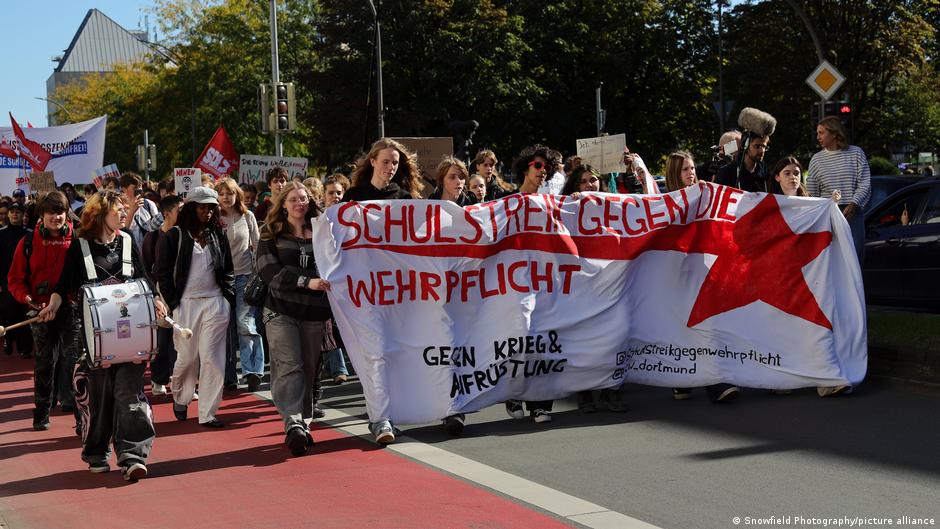
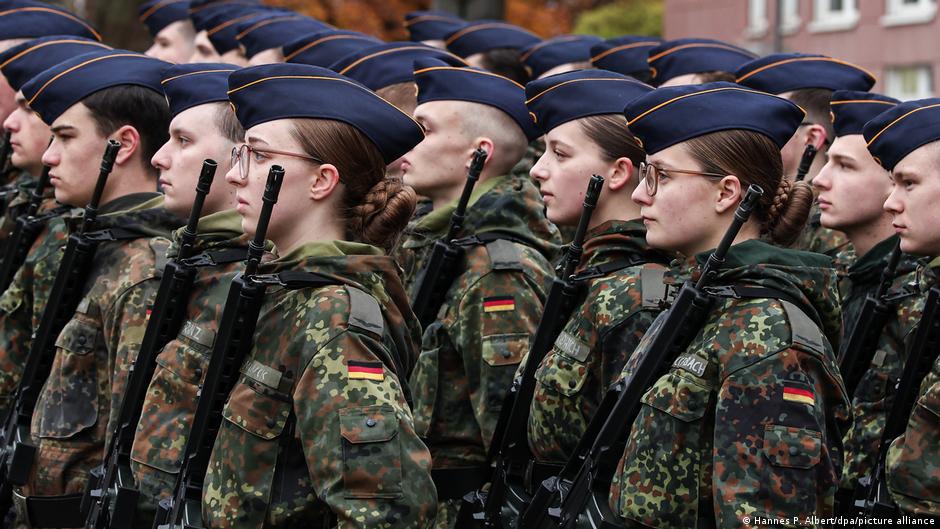
German military opt-out claims tripled in eight months, highlighting manpower, fiscal and labor-market pressures behind Berlin’s defense expansion.

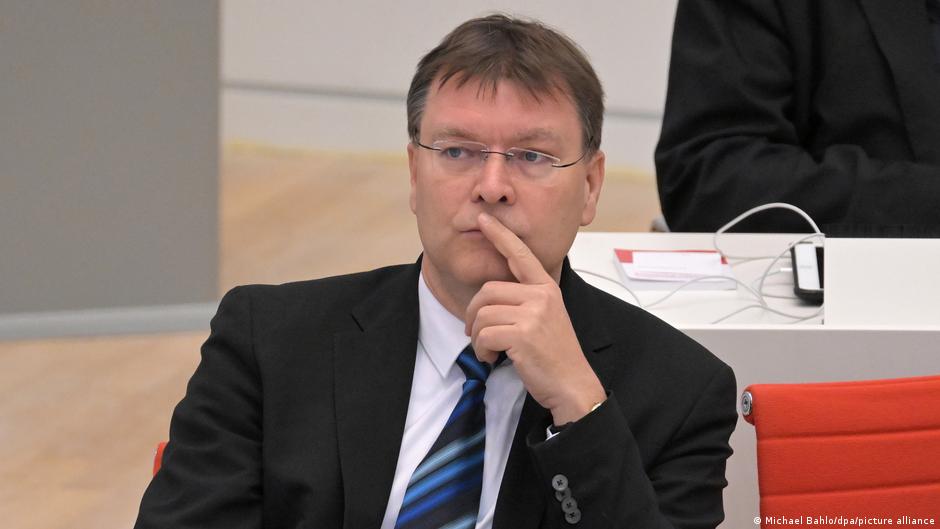
BSW lawmaker Sven Hornauf plans delegations to Belarus and Russia, testing Germany’s local ties amid strategic rupture with Moscow and Minsk.

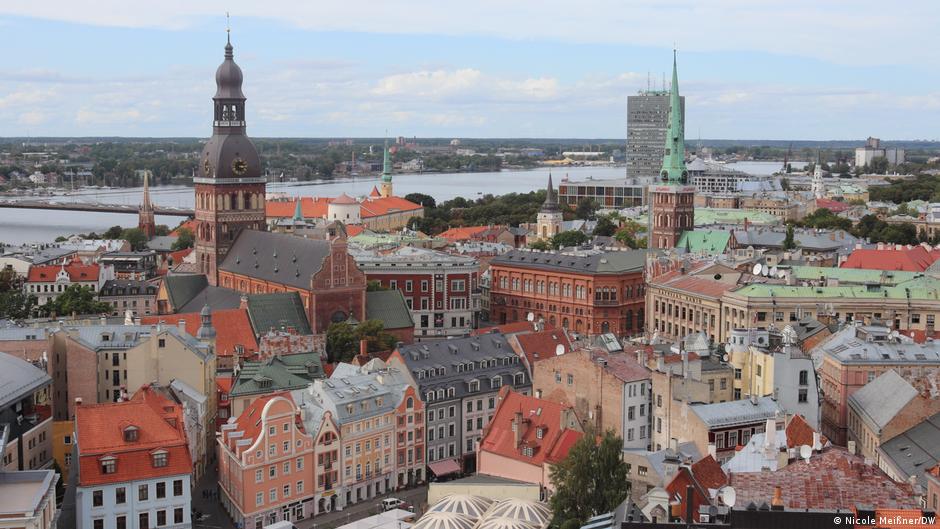
Latvia publishes a list of 170 companies trading with Russia and Belarus amid war, reflecting a new transparency policy affecting regional economic ties and sanctions.

Germany has seen a sharp increase in military service refusals in early 2026, driven by security concerns and conscription reforms aimed at expanding the Bundeswehr’s size.

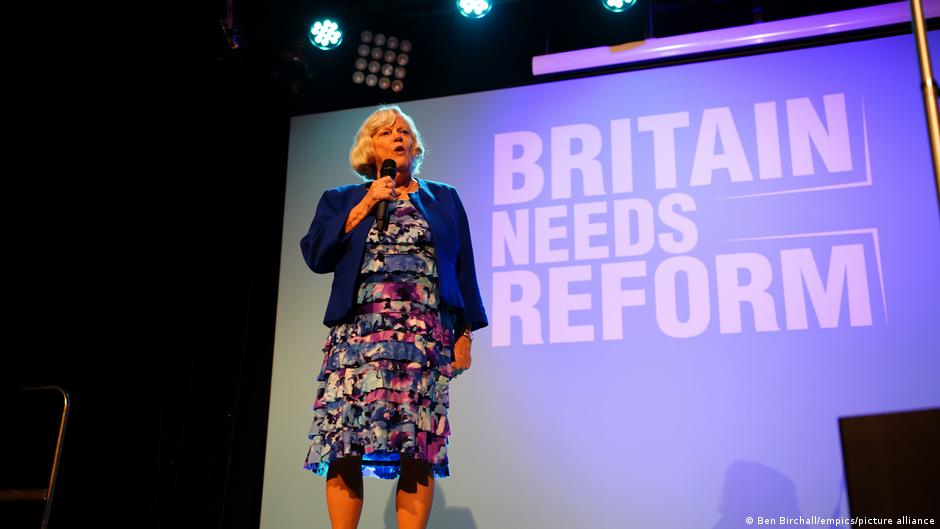
Anne Widdecombe, former Conservative MP and Reform UK speaker, was murdered in southwest England, prompting urgent calls to enhance security for British lawmakers amid rising political tensions.

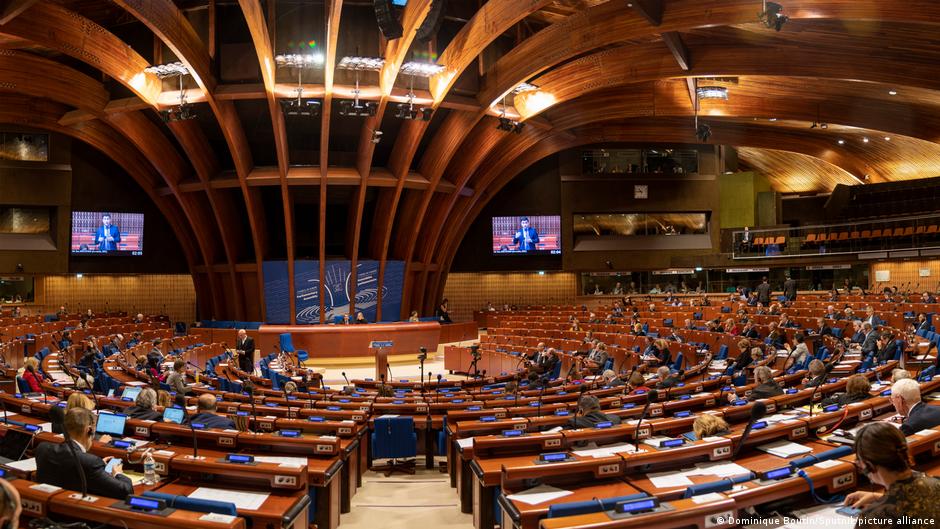
PACE adopts a resolution condemning democratic backsliding in Georgia, urging cessation of opposition repression and highlighting risks to regional stability and economic governance.