EU Budget Summit Ends Early as Spending and Debt Divisions Persist
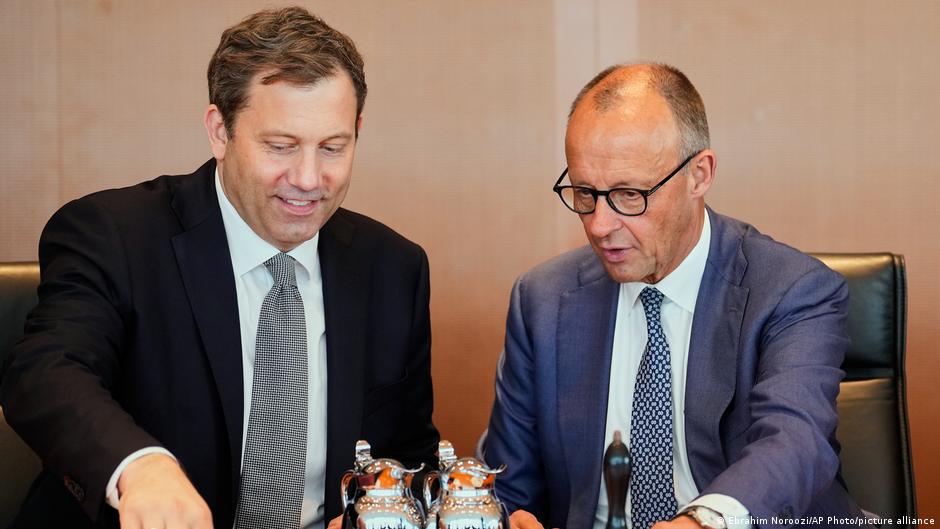
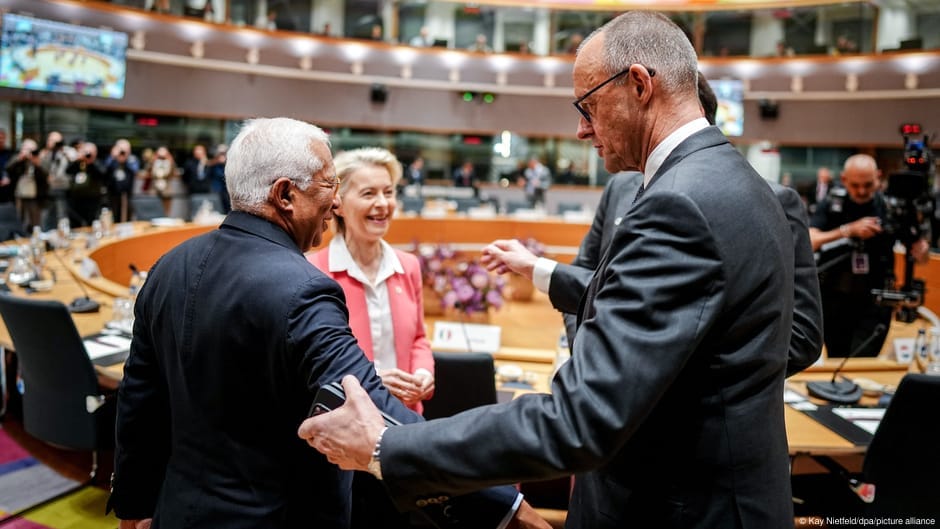
EU leaders ended budget talks early as disputes over spending, common debt, regional support and Ukraine financing blocked agreement on the 2028-2034 framework.

EU leaders ended budget talks early as disputes over spending, common debt, regional support and Ukraine financing blocked agreement on the 2028-2034 framework.

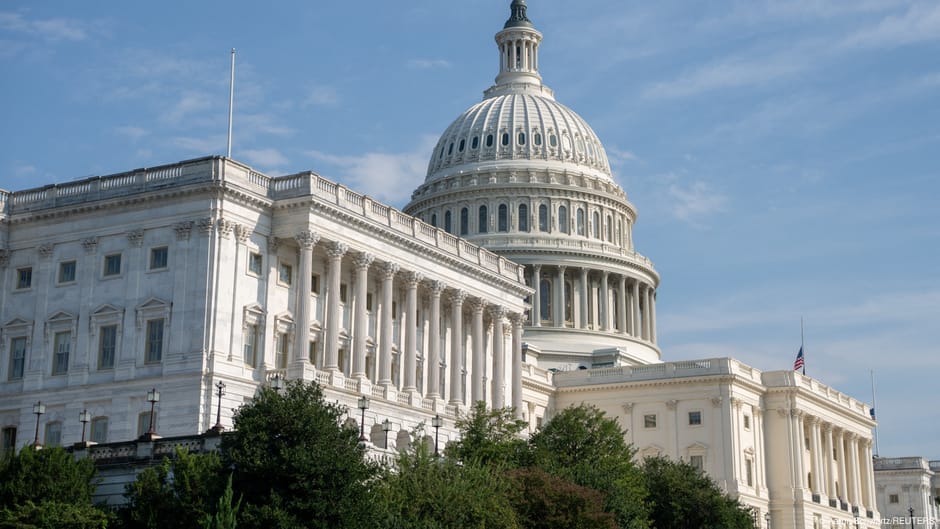
Democrats will hold at least 258 House seats and 56 Senate seats, creating broad scope for US fiscal and economic policy changes.

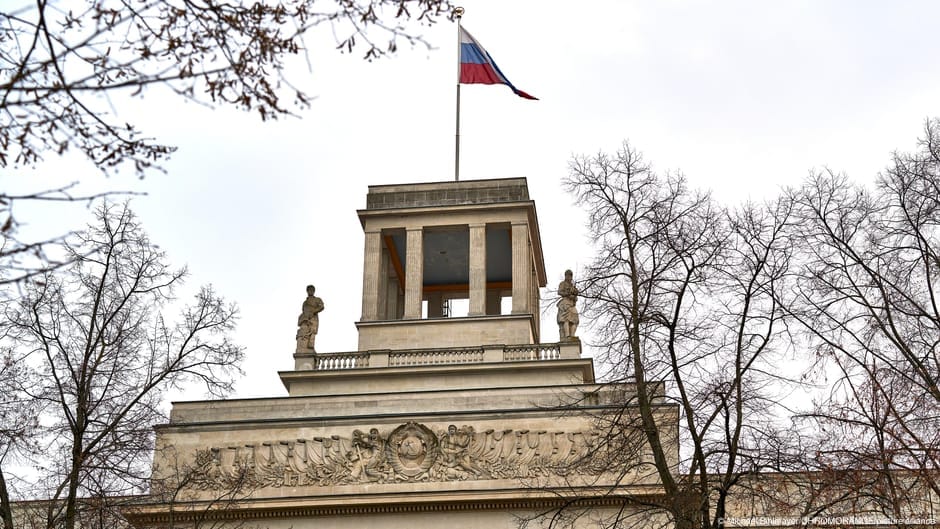
A German poll shows broad concern over Russia but an almost even divide on restoring Russian energy imports, complicating long-term security and industrial policy.

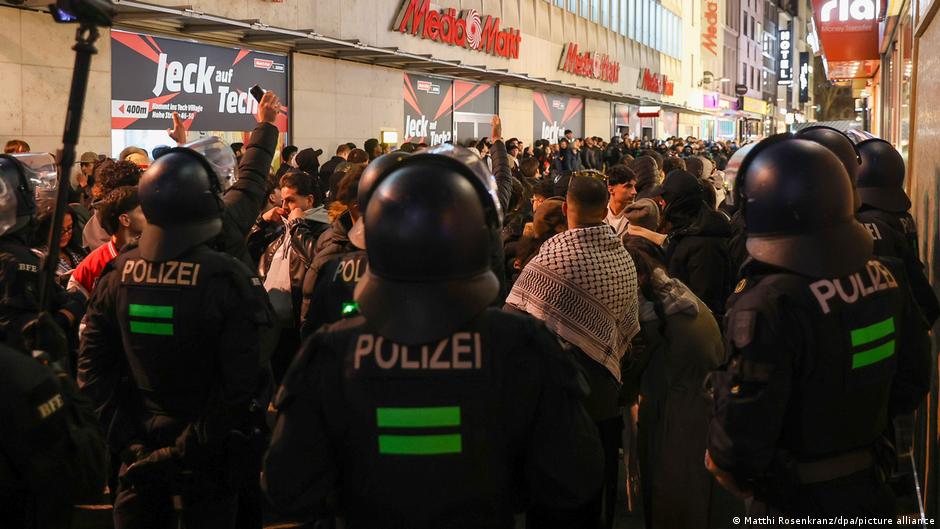
Youth unrest across Germany highlights growing European pressure over living costs, public services, climate action and competing fiscal priorities.

Brazil’s presidential race goes to an October 25 runoff after Flavio Bolsonaro led Lula da Silva by less than two points in the first round.

The Left Party’s Berlin victory puts housing expropriation and coalition risk at the center of Germany’s capital politics.

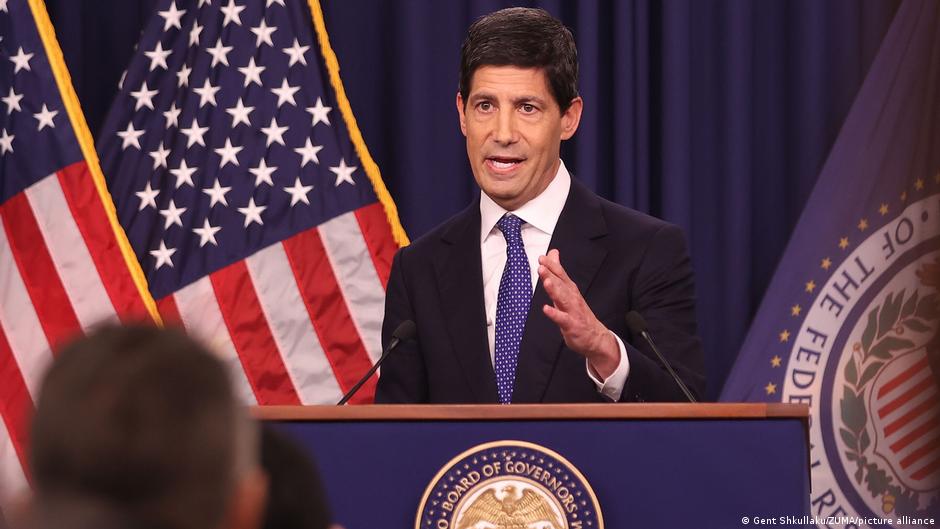
The Fed lifted rates to 3.75-4.0 percent, reversing years of cuts as persistent inflation and energy shocks reshape policy risks.

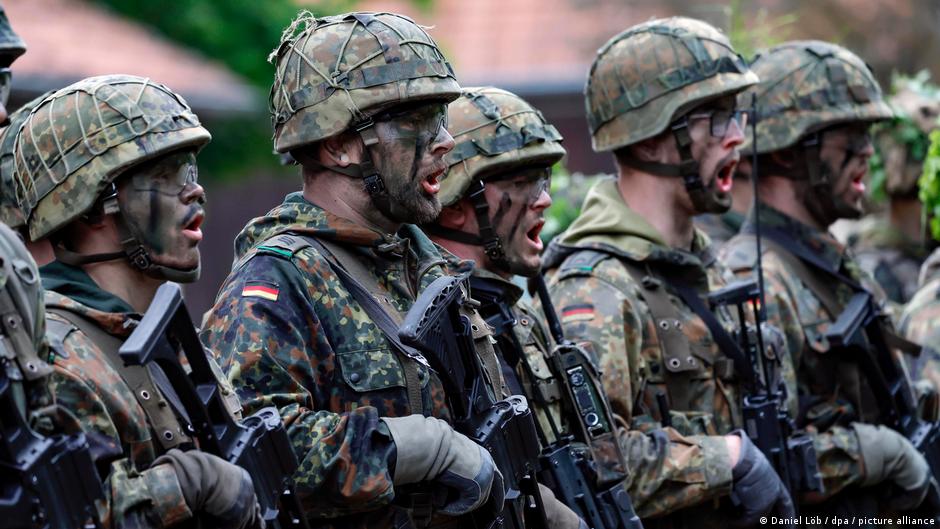
Germany plans a record €124.7 billion defense budget for 2026, marking a 25.5% rise and signaling a major shift in European security and economic policy.

Germany’s 2027 budget increases defense spending and borrowing amid Russian security concerns, raising questions about economic growth and fiscal sustainability.

Uzbekistan enforces new banking rules requiring minimum balances on cards during automatic debt repayments to prevent full fund depletion and protect consumers.