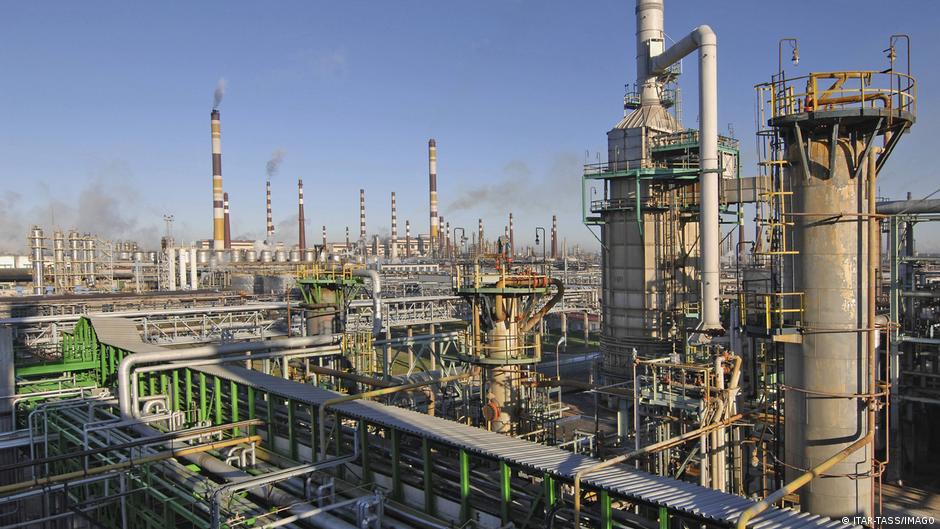
Drone Strike on Major Russian Refinery Raises Fresh Fuel Supply Risks
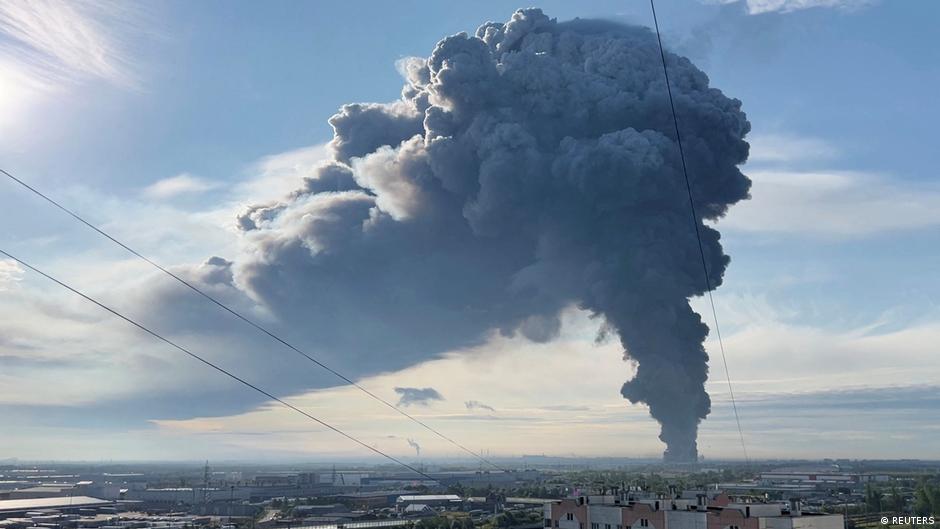
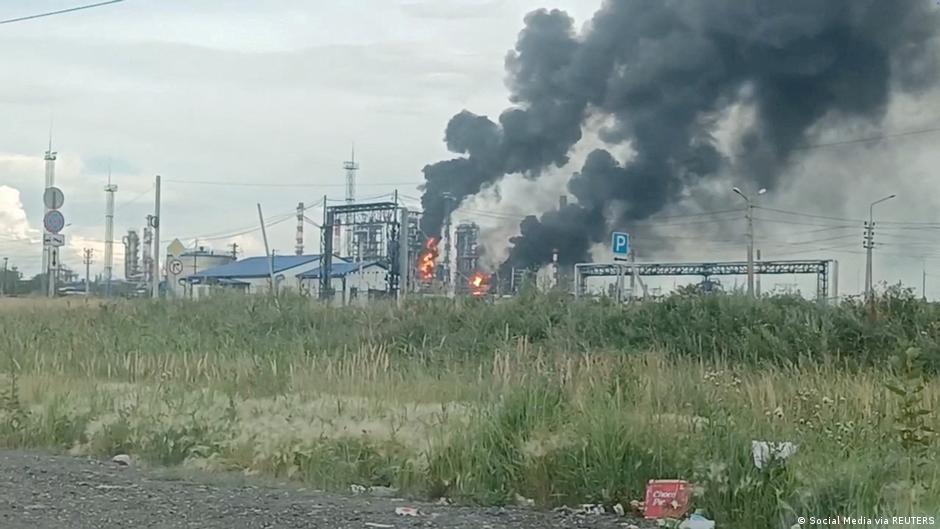
A drone attack on Russia’s Kirishi refinery puts a facility responsible for about 7% of national oil processing back at the center of fuel-security concerns.

A drone attack on Russia’s Kirishi refinery puts a facility responsible for about 7% of national oil processing back at the center of fuel-security concerns.

Zelensky warned that easing Russian diesel export limits without de-escalation would strengthen Moscow and risk prolonging the war.

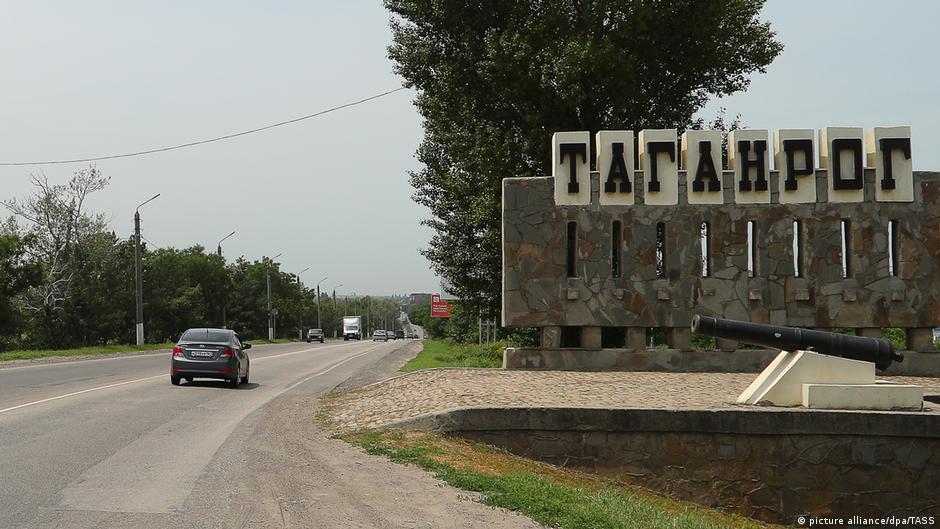
Strikes on Syzran refinery and Taganrog sites show how the war’s economic pressure is extending into Russia’s energy and industrial infrastructure.

Russia has authorized the sale of lower-grade Euro-2 to Euro-4 fuels through 2027 to mitigate supply shortages caused by attacks on oil infrastructure, balancing crisis needs with quality compromises.

Ukraine’s 40-day security operation has targeted over 100 strategic Russian sites and energy infrastructure, signaling a calculated effort to weaken Russia’s military and economic capabilities.

Russia’s oil product production fell nearly 22% in June amid intensified attacks on its refining infrastructure, triggering fuel shortages and price volatility with global economic implications.

The Saratov refinery’s shutdown after Ukrainian drone attacks worsens Russia’s fuel crisis, disrupting 25% of refining capacity and impacting millions amid wartime economic pressures.

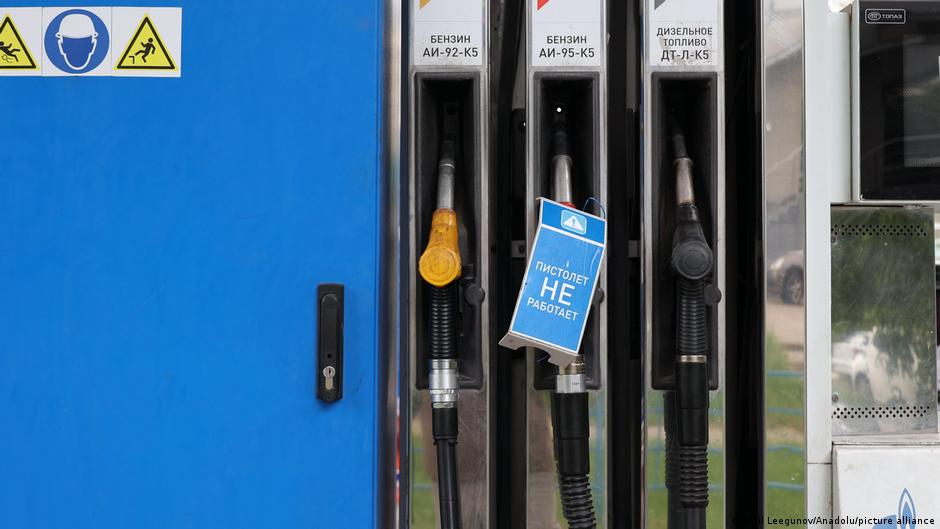
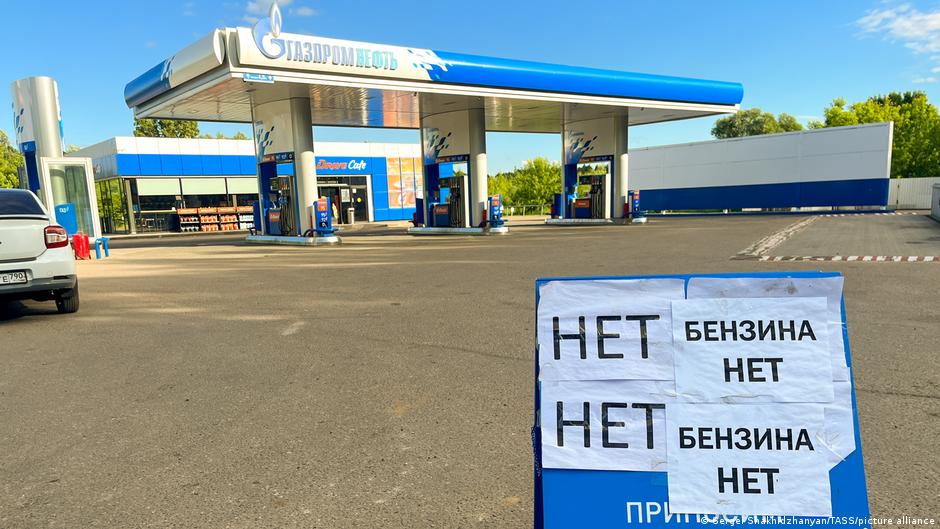
Ukraine’s drone strikes on Russian refineries have forced Russia to impose fuel sales limits in 53 regions, signaling major disruptions in its oil sector with global economic impact.

Russia plans to temporarily restrict diesel and jet fuel exports amid refinery shutdowns caused by drone strikes, aiming to stabilize its domestic fuel market.

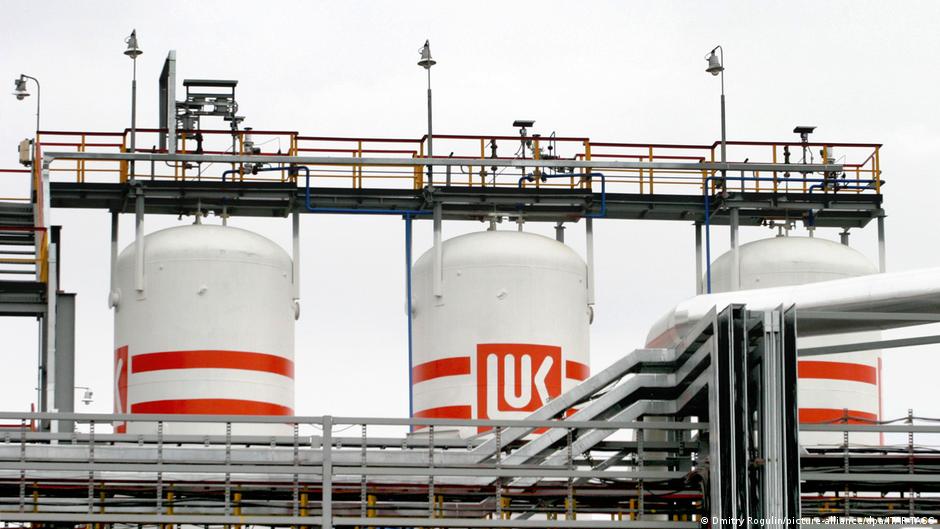
Ukrainian drone attacks have halved Lukoil’s NORSI refinery capacity, disrupting a quarter of Russia’s refining output and impacting global energy markets.