Pope Leo XIV Condemns Global Tyranny Amid Africa Visit, Urges Diplomatic Solutions
During his African tour, Pope Leo XIV criticized exploitation and war profiteering, emphasizing the need for peace and dialogue over military escalation.
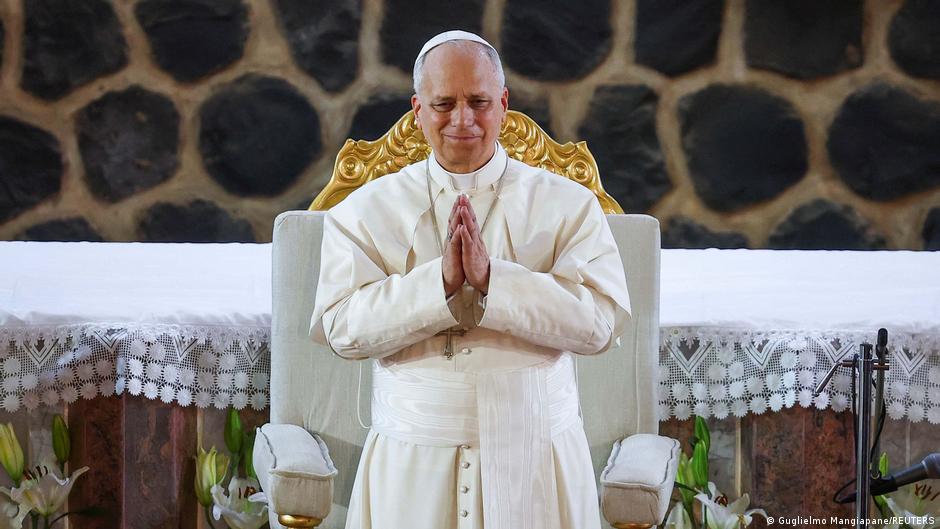
Pope Leo XIV has delivered a pointed critique of global power dynamics that prioritize military, economic, and political gain at the expense of peace and human dignity. Speaking at the Cathedral of Saint Joseph in Bamenda, Cameroon, on April 16, the pontiff condemned a "handful of tyrants" who exploit religion and the name of God to justify devastating wars and resource plundering.
Global Implications of the Pope’s Call for Peace
Reflecting broader concerns about geopolitical instability, Pope Leo XIV’s statements highlight the intersection of religion, power, and economics in today’s global conflicts. His remarks underscore the moral costs of militarization and the exploitation of natural and human resources, warning that such actions "turn the world upside down" and corrupt both spiritual values and societal wellbeing.
"Blessed are the peacemakers, but woe to those who manipulate religion and the name of God for their own military, economic, and political benefit," the Pope stated emphatically.
His call comes amid a period of heightened global tension, where nations face escalating arms buildups and protracted conflicts that strain international relations and threaten economic stability. By invoking religious teachings to challenge these trends, the Pope positions the Vatican as a moral compass advocating for diplomatic engagement over warfare.
Earlier in the month, during a prayer vigil on April 11, the pontiff urged leaders of warring nations to abandon plans for rearmament and instead convene at negotiation tables. This message, grounded in the Gospel’s teachings on reconciliation, confronts a geopolitical landscape where military expenditure often overshadows peace initiatives.
The Pope’s stance elicited sharp reactions from the political sphere, notably from U.S. President Donald Trump, who dismissed the Vatican’s intervention as unwelcome criticism of his administration’s foreign policy. Trump’s rebuke, delivered via his Truth Social platform, underscored the tenuous relationship between religious authority and secular governance in shaping international strategy.
In response, Pope Leo XIV reiterated that his appeals are not personal attacks but principled positions based on ethical imperatives. The Vatican’s commitment to peace, he emphasized, transcends political allegiances and aims to address systemic issues underlying global conflict.
Italian Prime Minister Giorgia Meloni expressed support for the pontiff’s independent voice, cautioning against religious figures being co-opted by political agendas. This endorsement sparked further political backlash from Trump, illustrating the complex interplay between domestic politics and international diplomatic discourse.
A Contextual African Journey
Pope Leo XIV’s African tour, which began with a visit to Algeria and continued through Cameroon, Angola, and Equatorial Guinea, provides a backdrop for his messages. Algeria’s predominantly Muslim population includes a small Catholic minority, with historical roots tracing back to Saint Augustine’s early Christian teachings in the ancient city of Hippo.
The tour underscores the Vatican’s broader engagement with regions experiencing economic challenges, political volatility, and social transformation. By addressing these issues directly on the continent, the Pope highlights the global dimensions of peace and development, urging international stakeholders to consider ethical frameworks in their policy decisions.
For senior decision-makers, the pontiff’s interventions serve as a reminder of the long-term economic consequences of conflict and the potential for religious diplomacy to influence international relations. His critique challenges governments and corporations alike to reevaluate strategies that contribute to instability and to prioritize sustainable peace as a foundation for economic growth.