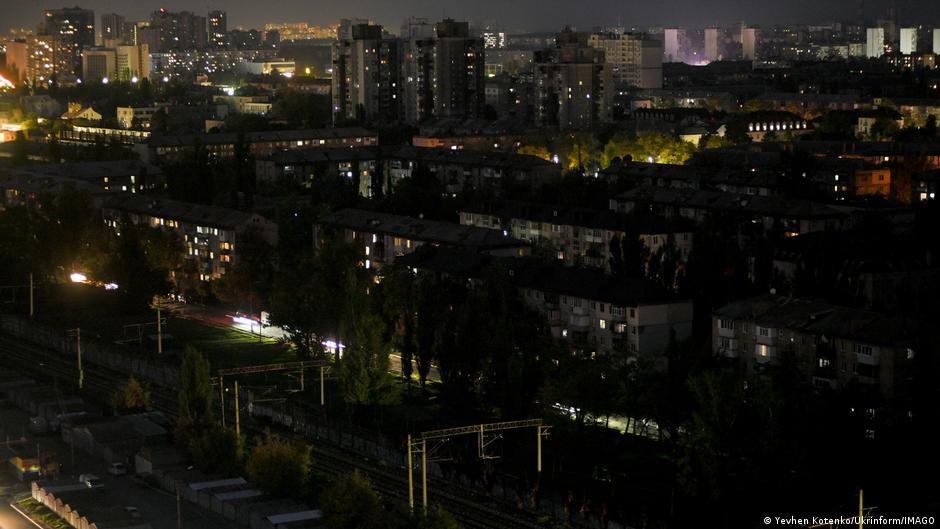
Russian Drone Strikes Disrupt Power Supply in Chernihiv Amid Ongoing Infrastructure Attacks
Massive drone attacks by Russian forces have targeted critical infrastructure in Chernihiv, leaving thousands without electricity and raising concerns over regional energy security.
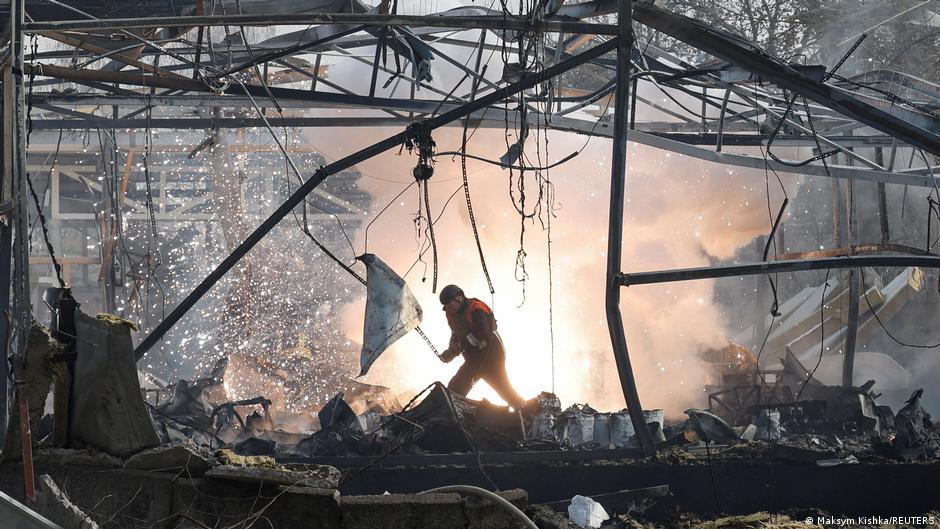
Strategic Impact of Drone Attacks on Ukrainian Energy Infrastructure
On the night of April 17, Russian military forces launched a significant drone assault on critical infrastructure in Chernihiv, Ukraine, resulting in widespread fires and a power outage affecting approximately 6,000 customers. This latest strike continues a pattern of targeted attacks on the region's energy assets, undermining both civilian services and broader economic stability.
Dmitry Bryzhinsky, head of the Chernihiv City Military Administration, confirmed that the attacks damaged key industrial and infrastructure facilities. While casualty figures remain unconfirmed, the scale and precision of the drone strikes highlight an ongoing strategic effort to degrade Ukraine's energy capabilities.
"All critical and social infrastructure sites have switched to alternative power sources to maintain essential operations," local authorities noted in response to previous blackouts.
The energy company Chernihivoblenergo reported that the power disruption stems from damage to an energy facility in the Chernihiv district. Restoration work is planned, dependent on the security situation. These interruptions exacerbate challenges for businesses and households already coping with instability in the region.
This incident is part of a sustained campaign targeting Ukraine's energy infrastructure. Earlier in April, a similar attack on facilities in Nizhyn district left around 340,000 customers across Chernihiv and Priluki without electricity. In March, the entire city of Chernihiv experienced a blackout due to Russian strikes, forcing critical services to rely on backup power sources.
Such persistent assaults on energy infrastructure not only disrupt daily life but also carry significant macroeconomic implications. The repeated damage to power grids hinders industrial output, complicates logistics, and strains government resources tasked with emergency repair and civilian support.
Notably, these attacks align with broader geopolitical tactics aimed at undermining Ukraine’s resilience and economic stability. The destruction of infrastructure can delay recovery efforts and increase dependency on international aid, thereby influencing security policies and economic forecasts on a regional and global scale.
Looking forward, the continued vulnerability of critical infrastructure raises urgent questions about energy security strategies in conflict zones. It underscores the necessity for resilient grid technologies, diversified energy sources, and enhanced protective measures to mitigate long-term economic fallout and maintain essential services under duress.