Drone Attacks on Kyiv Signal Escalation with Broader Implications for European Security
Multiple Russian drone incursions over Kyiv and eastern Ukraine highlight intensifying conflict with potential global economic and policy repercussions.
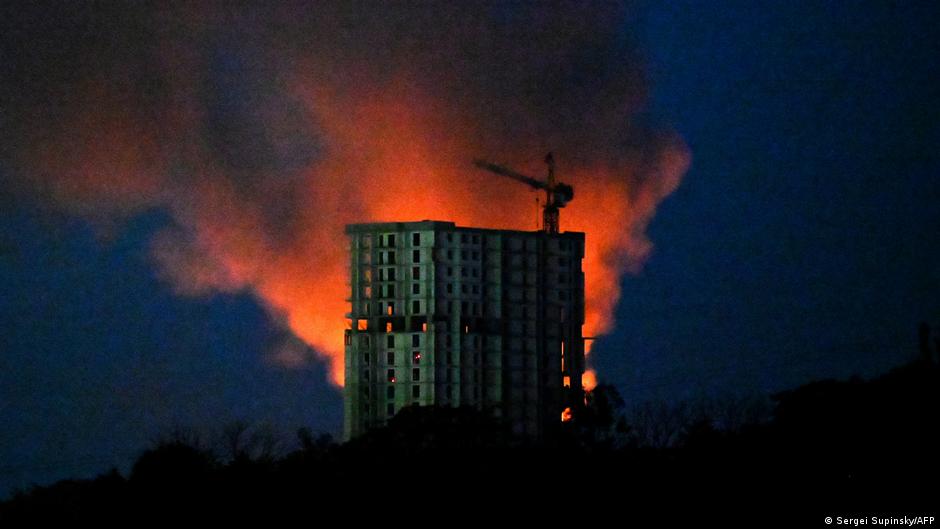
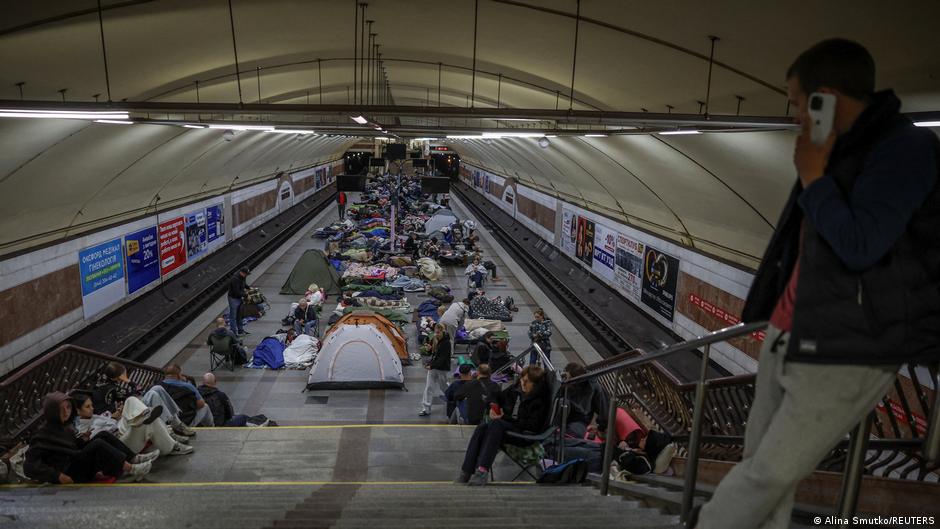
In the early hours of June 7, Ukrainian air defenses detected multiple unmanned aerial vehicles (UAVs) crossing into Kyiv Oblast from Chernihiv and eastern directions, prompting at least two air raid alerts in the capital. The sustained drone activity, attributed to Russian forces, also involved ballistic missile threats reportedly launched from Bryansk, Russia.
These developments are part of a broader pattern of increased Russian strikes targeting Ukraine’s critical transport infrastructure between Kharkiv and Sumy regions, particularly near Bogodukhiv, approximately 20 kilometers from the border. Ukrainian defense analysts emphasize that these attacks are aimed at disrupting logistics, underlining the strategic importance of transport routes in sustaining Ukraine’s war effort.
Escalation and Strategic Significance
Ukraine’s Air Force reported that by 8 a.m. local time, its air defense systems had neutralized 249 drones across northern, southern, and eastern territories. However, 19 drones successfully struck targets across 11 locations, with debris from downed UAVs found in 13 areas. The drones used include Shahed, Gerbera, Italmas models, as well as loitering munitions like Banderol and imitation drones named Parodiya, showcasing a diversified Russian UAV arsenal.
“The importance of attacks on logistics is understood not only by us,” noted Sergei Beskrestnov, defense ministry advisor and radio technology expert, reflecting on Moscow’s June wave of strikes.
This intensification of drone and missile assaults reflects a deliberate Russian strategy to degrade Ukraine’s supply chains and military mobility, complicating Kyiv’s defensive posture.
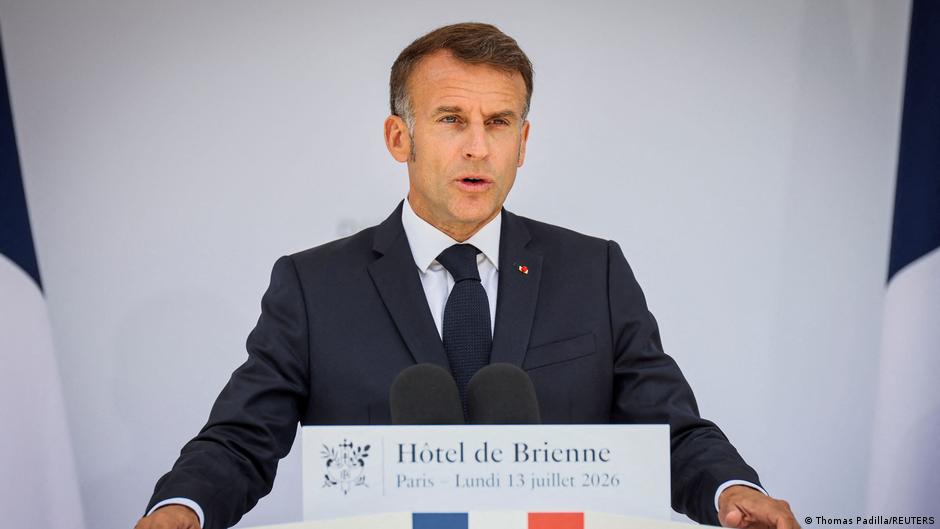
Concurrently, European political leaders have responded by accelerating diplomatic engagement. On June 7, the German Chancellor Friedrich Merz, French President Emmanuel Macron, and UK Prime Minister Keir Starmer convened in London with Ukrainian President Volodymyr Zelensky. Their agenda focuses on reinvigorating efforts to end the conflict, including discussions on potential renewed negotiations with Russia.
Global Economic and Policy Implications
The escalating conflict has significant macroeconomic consequences. Disruptions to transport and logistics infrastructure in eastern Ukraine threaten global supply chains, particularly in commodities and energy markets, where Ukraine and Russia play pivotal roles. The use of drones in sustained attacks also signals a shift towards asymmetric warfare that could influence defense expenditure and security policies across Europe and beyond.
Moreover, the ongoing hostilities potentially affect investor confidence and economic stability in the region. The military pressure coupled with diplomatic uncertainty poses challenges for policymakers grappling with the balance between supporting Ukraine and managing economic ramifications, including energy security and trade flows.
European leaders’ diplomatic engagements underscore a recognition of the need for a coordinated strategy encompassing military, economic, and political dimensions to mitigate the broader systemic risks posed by the conflict.
As the war continues to evolve, its trajectory will remain a critical factor shaping global economic landscapes and international policy frameworks in the long term.