Belarus Orders Undisciplined Agricultural Workers to Military Service Amid Harvest Challenges
President Lukashenko mandates sending inefficient farm workers to military duty, citing labor discipline and workforce optimization during harvest season.
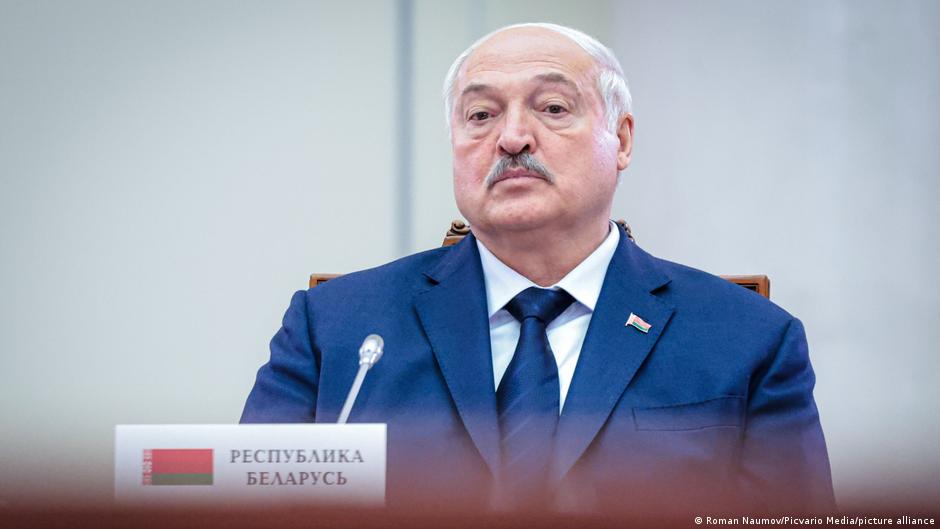
Belarusian President Alexander Lukashenko has issued a directive to redirect agricultural workers who fail to meet productivity standards during the harvest season to serve in the military. This move is framed not as punitive but as an effort to instill discipline and provide alternative labor opportunities amid mounting challenges in the country's agricultural sector.
Linking Agricultural Productivity and Military Service
On July 21, Lukashenko ordered that all workers deemed unable to fulfill their agricultural duties be sent to the army and deployed to strategic locations such as the southern border and forested areas. The president clarified during a visit to Brest region on July 30 that this measure aims to test these workers in "real, demanding male and female jobs" in the military, rather than simply expanding army ranks or serving as a form of harassment.
"If you do not want to work on this job, we will test you on another. Normal male and female work—in the army," Lukashenko stated.
He emphasized that this initiative should not be seen as mistreatment but as an opportunity for workers to "prove themselves through more challenging labor." The president expressed confidence that Belarus could achieve significant progress if labor and technological discipline were enforced across all sectors.
Implementation and Broader Policy Implications
Following the presidential order, Dmitry Krutoy, head of Lukashenko’s administration, elaborated that the military service for these workers would span two to three months under what he described as a "strict mobilization regime" for the harvest. The Ministry of Defense will receive workers identified as negligent, late, intoxicated, or lazy for this temporary conscription.
Conditions for these conscripts will be austere, described as "Spartan," with the stated goal of improving their physical fitness and rectifying previous behavioral shortcomings through constructive labor that benefits the army.
This directive reflects a broader state effort to enforce strict labor discipline in key economic sectors amid Belarus's ongoing challenges, including strained agricultural output and regional security concerns near the Ukrainian border. By integrating underperforming workers into the military framework, the government aims to both bolster workforce reliability and reinforce border security.
Global Economic and Policy Considerations
Belarus’s approach to managing labor inefficiency through military conscription raises significant questions for global observers concerning labor policies, economic productivity, and state interventionism. The policy underscores the state's prioritization of agricultural output amid geopolitical tensions and domestic economic pressures.
Such a measure could have long-term implications for Belarus’s labor market dynamics and agricultural productivity, as well as influence regional stability given the strategic deployment of these workers along sensitive borders.
For global policymakers and economic strategists, this development offers insight into how authoritarian regimes may leverage military structures to enforce economic discipline and address workforce deficiencies in critical sectors.