Lithuania and Latvia Block Slovak PM Fico’s Flight to Moscow Amid Geopolitical Tensions
Lithuania and Latvia have closed their airspace to Slovak Prime Minister Robert Fico’s flight to Moscow for May 9 Victory Day celebrations, signaling continued EU-Russia political friction.
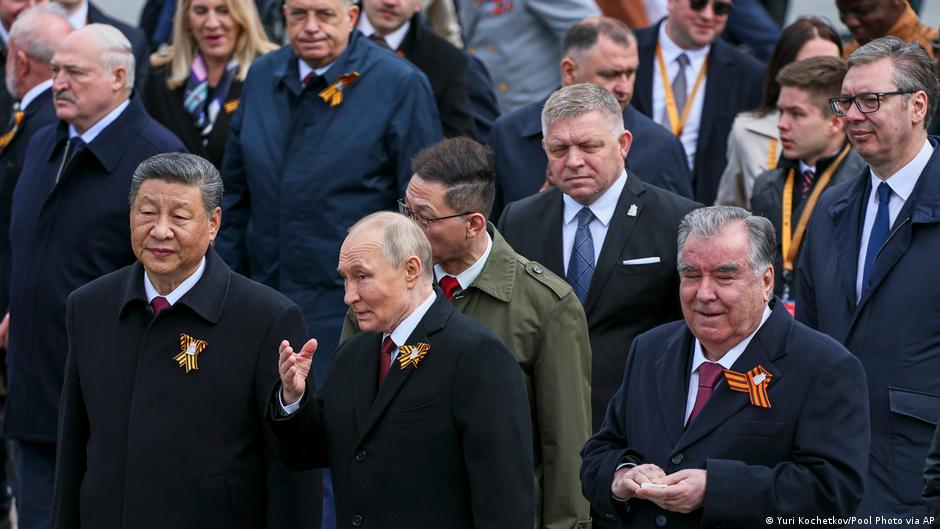
In a move highlighting persistent geopolitical tensions within Europe, Lithuania and Latvia have announced they will once again deny airspace access to the aircraft of Slovak Prime Minister Robert Fico on his planned trip to Moscow for the Victory Day celebrations on May 9. This decision underscores the deepening divides between European Union member states over engagement with Russia amid ongoing political and security concerns.
Airspace Restrictions Reflect Broader EU-Russia Dynamics
Prime Minister Fico confirmed in a video address on April 18 that Lithuanian and Latvian authorities have notified Bratislava that they will close their airspace to his flight en route to Moscow. "So what if EU member states refuse to allow the Prime Minister of another EU country to fly over their territory? I will find an alternate route, as I did last year," Fico stated, underscoring the recurring nature of these restrictions.
The Baltic states, Lithuania and Latvia, have cited political and diplomatic sensitivities as reasons for prohibiting flights to Moscow for this event. In previous years, Latvia described the ban as related to the "political sensitivity of the flight’s purpose," while Lithuania pointed to "technical and diplomatic sensitivities." These justifications reflect the heightened caution in the EU's eastern flank regarding symbolic gestures that could be interpreted as support for Russia amid its ongoing conflict with Ukraine.
"The decision by Lithuania and Latvia to restrict airspace access to a fellow EU prime minister highlights intra-European tensions and differing approaches to Russia," said one regional analyst.
Notably, Poland also denied passage to Fico’s plane last year, indicating a coordinated stance among multiple EU countries in limiting engagements perceived to undermine collective EU policy on Russia.
Implications for EU Cohesion and Diplomatic Posture
The annual Victory Day on May 9 remains a politically charged occasion, commemorating the Soviet victory in World War II. Attendance by foreign leaders at Moscow's events is often seen as a litmus test of their stance towards Russia’s current geopolitical actions. In 2023, leaders from 27 countries—including China, Belarus, Cuba, Venezuela, Slovakia, and Serbia—participated in the celebrations, drawing criticism from Brussels and western EU members who warned candidate countries against official engagement.
The repeated refusal by Lithuania and Latvia to grant overflight rights to Fico’s plane signals a firm position by these Baltic states, which are among the EU’s most vocal critics of Russian aggression and strong advocates of EU and NATO unity.
This episode also highlights the challenges facing EU cohesion, as member states navigate differing foreign policy priorities and domestic political pressures. Slovakia’s leadership, under Fico, has shown a willingness to pursue a more conciliatory approach toward Russia, contrasting with the hardline stances of its Baltic neighbors.
From a macroeconomic standpoint, such diplomatic rifts have broader implications for EU energy security, trade relations, and investment flows, particularly as the EU seeks to diversify energy sources and reinforce economic resilience in the face of geopolitical uncertainties. The Baltic states’ firm stance may influence EU policymaking toward a more unified but also robust position against Russian influence, affecting future economic cooperation frameworks.
Looking Ahead: Navigating Complex Economic and Political Realities
The airspace blockage serves as a microcosm of the larger struggle within the EU to balance sovereignty, regional security concerns, and economic interdependence with Russia. As the EU tightens sanctions and evaluates strategic partnerships, these political actions signal enduring friction that may complicate long-term economic planning and diplomatic relations.
For senior decision-makers, understanding these multi-layered dynamics is critical. The interplay between national policies and collective EU strategies will shape the economic landscape of Europe for years to come, influencing energy markets, defense spending, and international trade patterns.
Ultimately, the ongoing disputes over symbolic events like the May 9 celebrations reflect the broader contest over Europe’s geopolitical orientation and its economic future in a complex global environment.