Drone Attacks on Dnipro Highlight Rising Risks to Urban Infrastructure Amid Ongoing Conflict
Recent drone strikes in Dnipro have injured civilians and caused significant property damage, underscoring escalating threats to Ukrainian urban centers with broader economic implications.
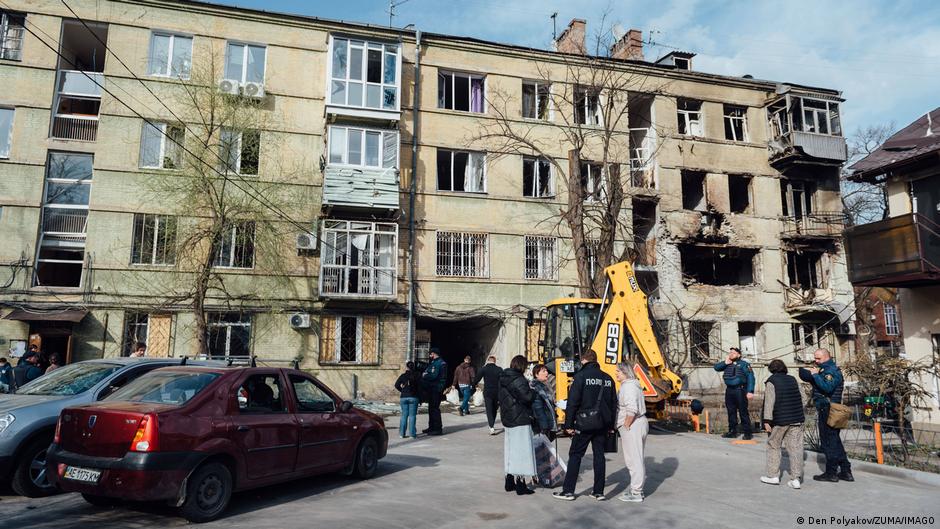
Seven individuals, including two girls aged 9 and 14, sustained injuries following drone attacks on the Ukrainian city of Dnipro, local authorities reported. The strikes also ignited fires in several apartments within a residential high-rise, illustrating the growing vulnerability of urban infrastructure amid ongoing hostilities.
According to the head of the Dnipropetrovsk Regional Military Administration, Alexander Ganja, the attacks occurred overnight on April 23, targeting multiple districts of Dnipro. One of the drone strikes hit a multi-story residential building, causing fires on the fourth and fifth floors, as well as damaging a commercial establishment and a vehicle.
Implications for Civilian Safety and Urban Resilience
"The injured included girls aged 9 and 14, both hospitalized alongside three adults," Ganja reported. Hospitalized adults include two women aged 62 and 68, with all patients categorized as having moderate injuries. An additional adult male, aged 35, was treated without hospitalization. These attacks follow a pattern of escalating strikes impacting civilian areas, with prior incidents on April 21 and 22 resulting in injuries to four people and damage to residential properties and vehicles.
Earlier in April, on the night of April 16, Dnipro faced more intense attacks involving drones and ballistic missiles. That assault resulted in four fatalities and 34 injuries, alongside widespread damage to homes, garages, vehicles, and educational institutions.
"The repeated targeting of civilian infrastructure underscores the urgent need for enhanced urban resilience strategies and comprehensive security policies," noted regional officials.
From an economic perspective, these attacks deepen the strain on Ukraine’s urban centers, disrupting local economies and burdening public resources. The destruction of residential and commercial properties not only displaces residents but also impairs economic activities crucial for regional stability.
Moreover, the persistent threat to infrastructure complicates reconstruction efforts and deters investment, posing long-term challenges for economic recovery in affected regions. Policymakers and international stakeholders must consider these dynamics when formulating support mechanisms and conflict mitigation strategies.