Russian Forces Launch Another Major Attack on Kyiv Amid Ballistic Missile Threats
Russia conducted a large-scale attack on Kyiv with drone strikes and fires, raising concerns over the use of medium-range ballistic missiles and the broader conflict's economic impact.
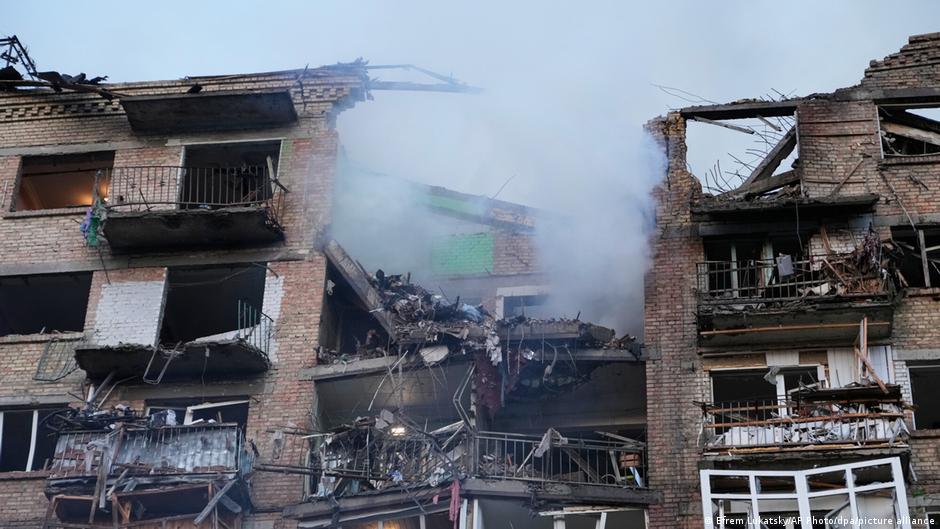
In the early hours of Sunday, May 24, Russian military forces launched another significant wave of attacks on Ukraine's capital, Kyiv, and its surrounding region. The assault, involving multiple drone strikes targeting residential buildings, resulted in at least one fatality and over 20 injuries, according to local officials.
Kyiv's Mayor Vitali Klitschko reported that a drone struck a nine-story residential building in the Shevchenkivskyi district, causing one death and injuring at least 21 people. Of those injured, 13 have been hospitalized, with three in serious condition. Additional drone impacts were recorded in other districts of Kyiv, including Obolonskyi and Solomianskyi, where high-rise residential buildings sustained damage at mid-to-upper levels.
Witnesses and social media users shared video footage showing fires in the Solomianskyi district, as well as debris from drones and rockets falling across various parts of Kyiv and its suburbs, triggering multiple fires. These attacks underscore the continuing threat to civilian infrastructure and the heightened risk of urban conflict in Ukraine’s capital.
Potential Use of the "Oreshnik" Ballistic Missile and Strategic Implications
Amid the drone strikes, reports surfaced on social media and monitoring channels suggesting that Russian forces may have employed a medium-range ballistic missile, known as "Oreshnik," against an unidentified target in Bila Tserkva, a city south of Kyiv. While Ukrainian and Russian officials have yet to officially confirm this missile's use, uploaded videos appear to show the missile's characteristic warhead separation and powerful explosions.
If confirmed, this would mark the third documented deployment of the "Oreshnik" missile by Russia since the full-scale invasion began. Previous uses include strikes in November 2024, described by President Vladimir Putin as missile tests, and a January 2026 attack targeting an installation in Lviv Oblast. Moscow justified the latter by alleging an attempted drone attack on Putin's residence in Valdai, a claim met with skepticism internationally, including from former U.S. President Donald Trump.
"Russia’s continued use of advanced ballistic missiles escalates the conflict and complicates prospects for de-escalation, with serious repercussions for regional security and global economic stability," experts note.
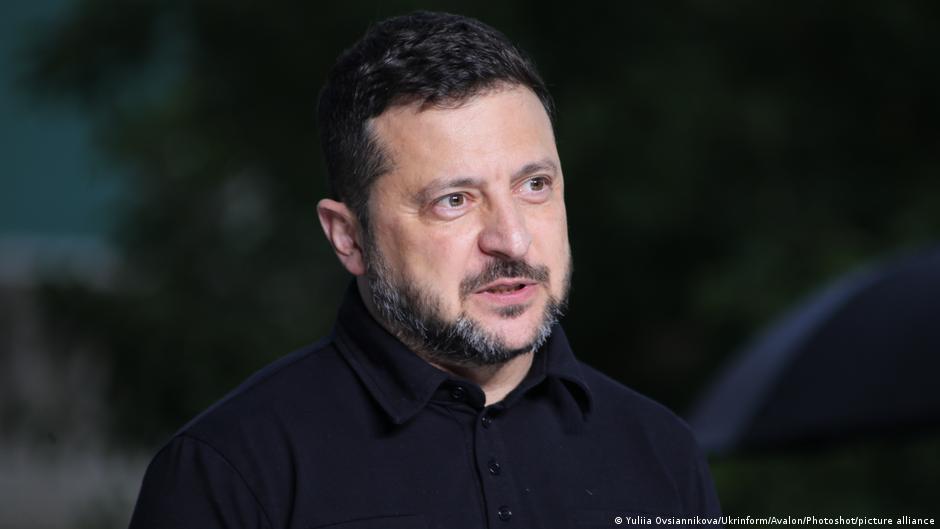
Ukrainian President Volodymyr Zelensky warned on May 23 of Russia’s preparations to deploy another "Oreshnik" strike, citing intelligence data. He urged Kyiv’s international partners to adopt preventive measures and intensify pressure on Moscow rather than responding post facto, emphasizing the need to avoid prolonged conflict.
The recent escalation raises broader concerns beyond the immediate humanitarian toll. Persistent Russian attacks on critical infrastructure and populous urban centers exacerbate economic instability in Ukraine and threaten supply chains, energy markets, and investor confidence across Europe and beyond. The potential use of ballistic missiles signals a shift in Russia’s military tactics toward more strategic, high-impact strikes, which could provoke intensified sanctions and recalibrations in global economic policy.
For senior decision-makers and policymakers, these developments underscore the urgency of coordinated international responses that balance military support, diplomatic engagement, and economic resilience. The unfolding conflict dynamics suggest a protracted period of geopolitical uncertainty, with significant implications for global trade flows, energy security, and financial markets.